


As the countdown begins for the much-anticipated 16th edition of the FASHIONCLASH Festival, we are thrilled to engage in a conversation with its co-founder, Branko Popovic. Set to take place from November 15 to 17, 2024, in the culturally rich city of Maastricht, The Netherlands, this international and multimedia festival promises to be a vibrant showcase of creativity and innovation in the fashion world. With over 100 designers and artists participating from more than 20 countries, the festival stands as a celebration of global talent and diverse artistic expression.
FASHIONCLASH is not just a festival; it’s a transformative experience that aims to elevate the dialogue around contemporary fashion culture. Over the course of three dynamic days, the festival provides a stage for emerging designers and performing artists, giving them the unique opportunity to present their work to a broad, international audience. This year’s program is an eclectic mix that includes compelling exhibitions, riveting performances, informative talks, hands-on workshops, and captivating fashion film screenings, all curated to explore and contextualize the shifting landscapes of fashion and artistry in today’s world.


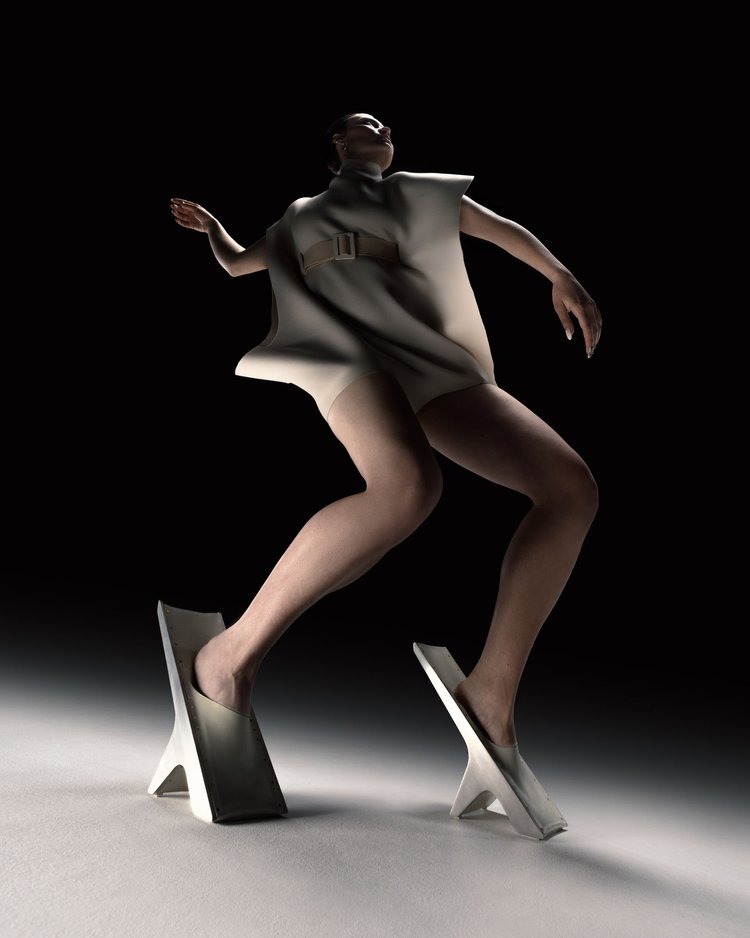
Among the many highlights of this year’s edition, attendees can look forward to the interactive CLASH House, which will feature a series of innovative fashion performances that blend art and design in unexpected ways.
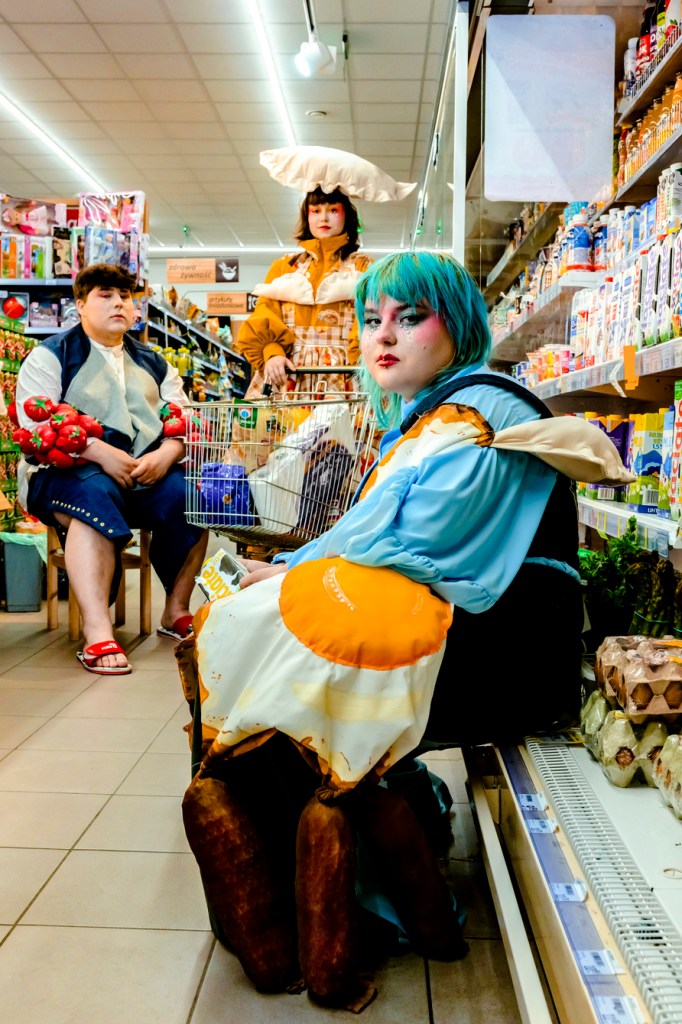


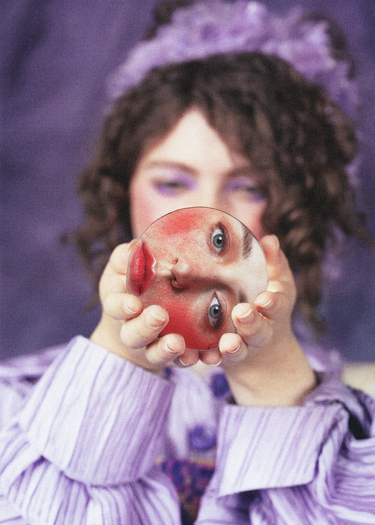


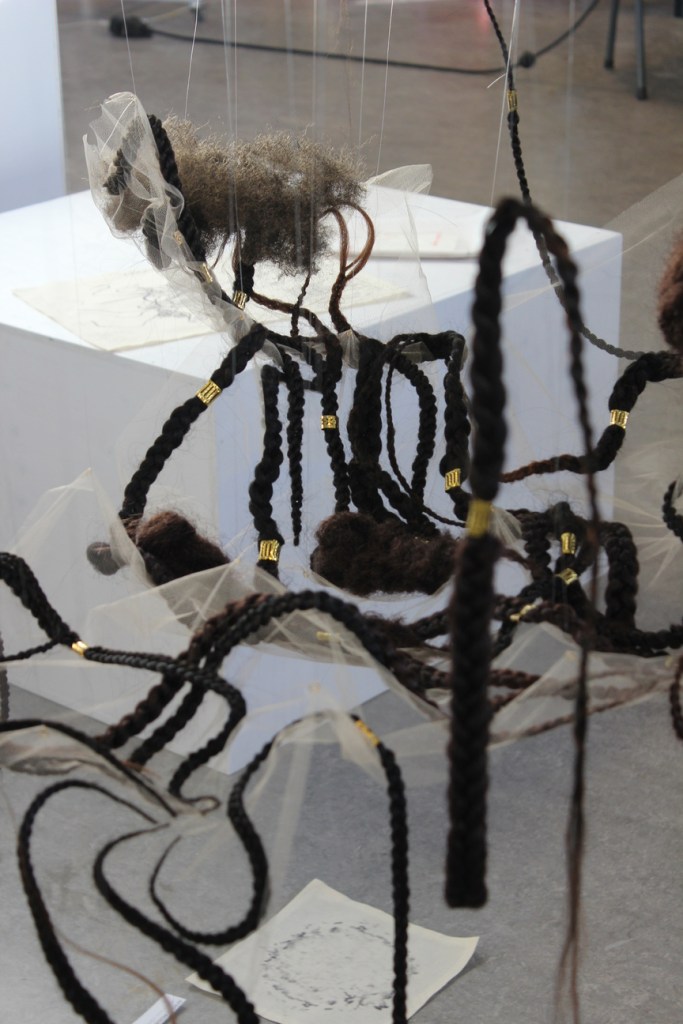
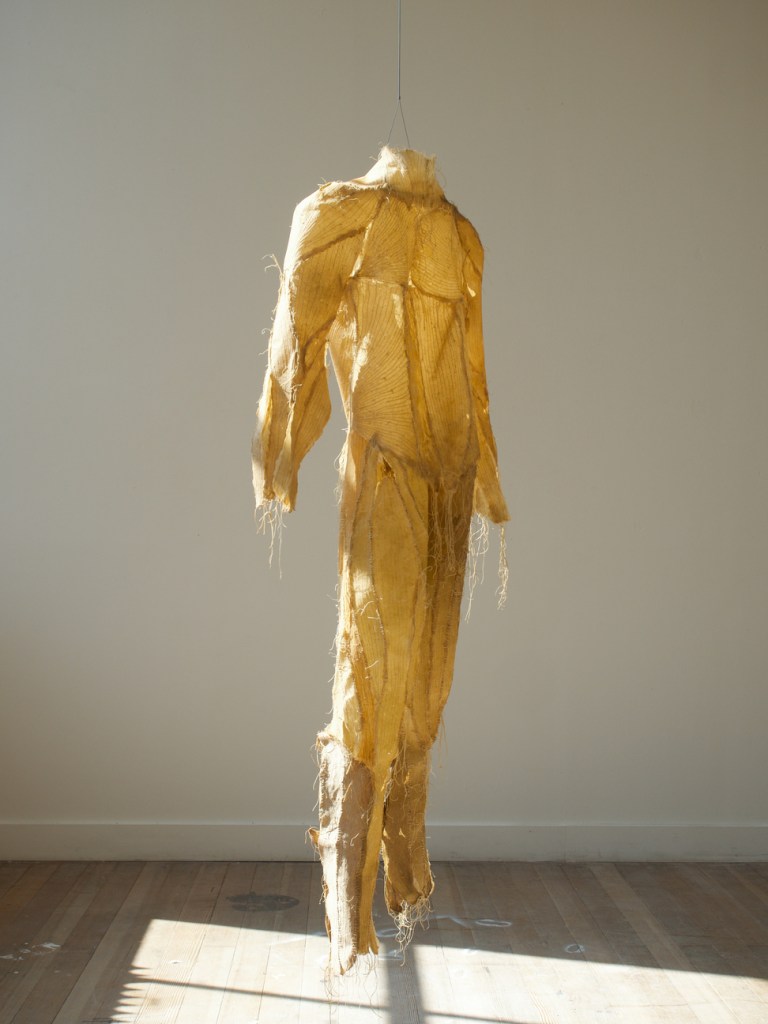
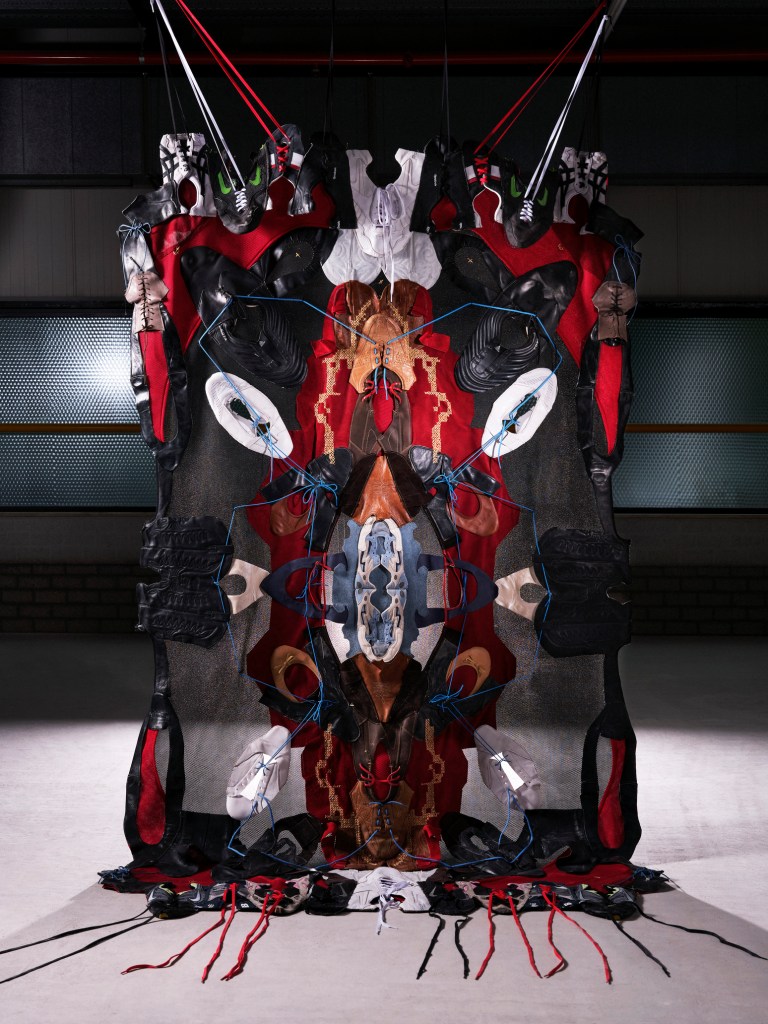
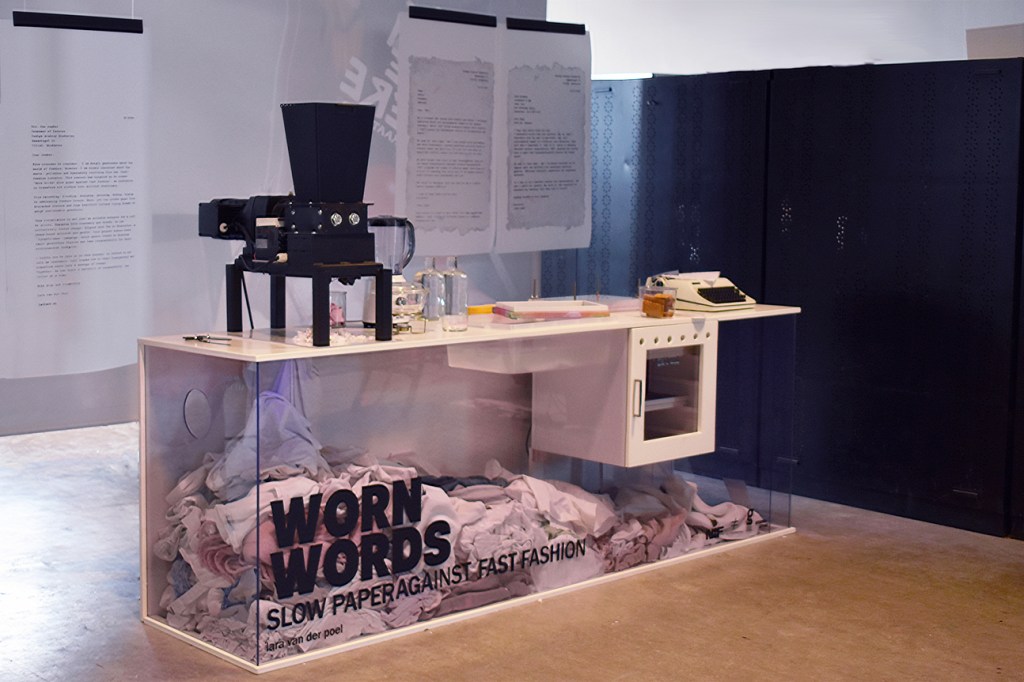
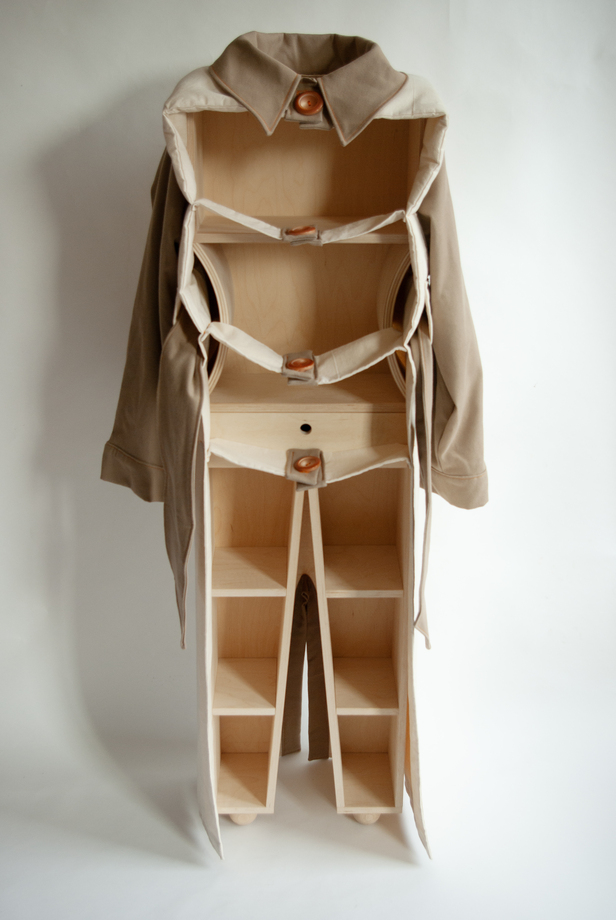
Additionally, the New Fashion Narratives exhibition at Bureau Europa promises to showcase thought-provoking projects that reflect contemporary fashion’s multifaceted narratives.
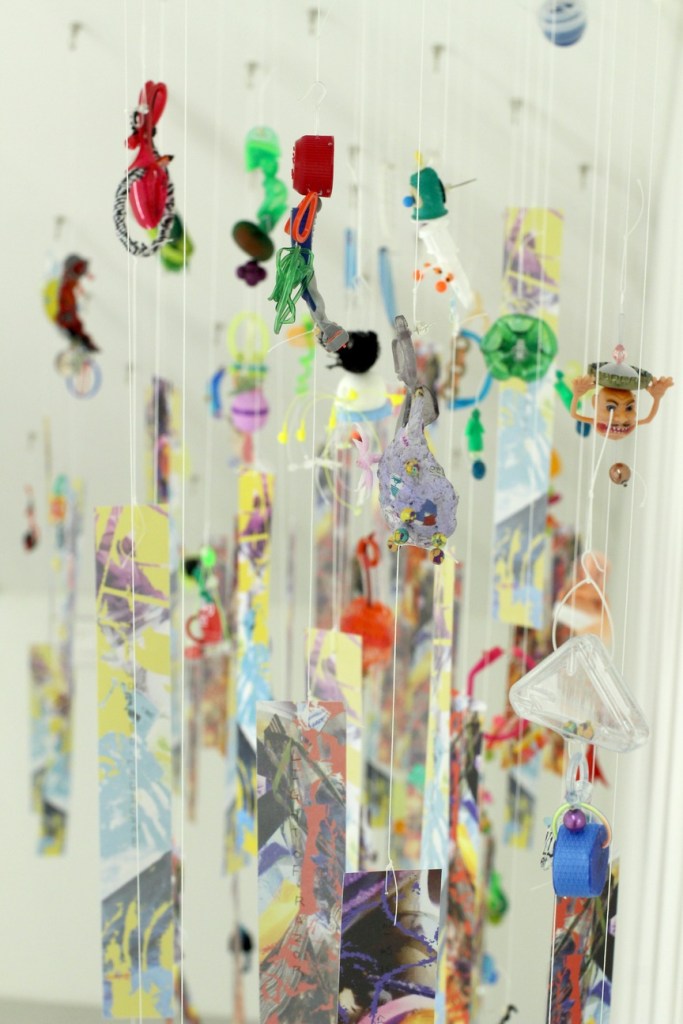
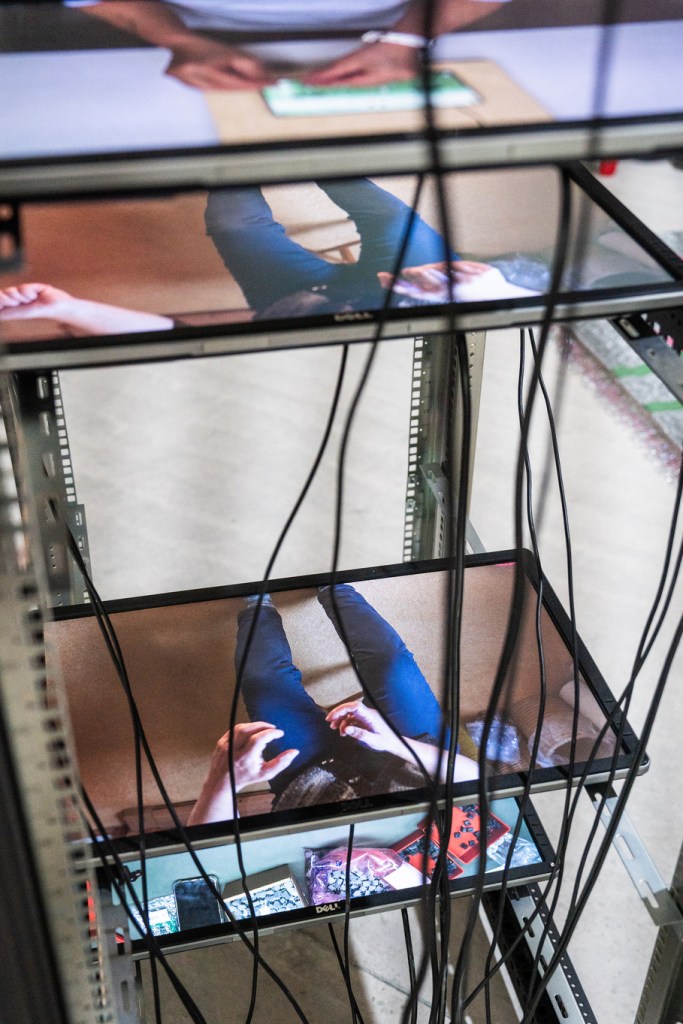

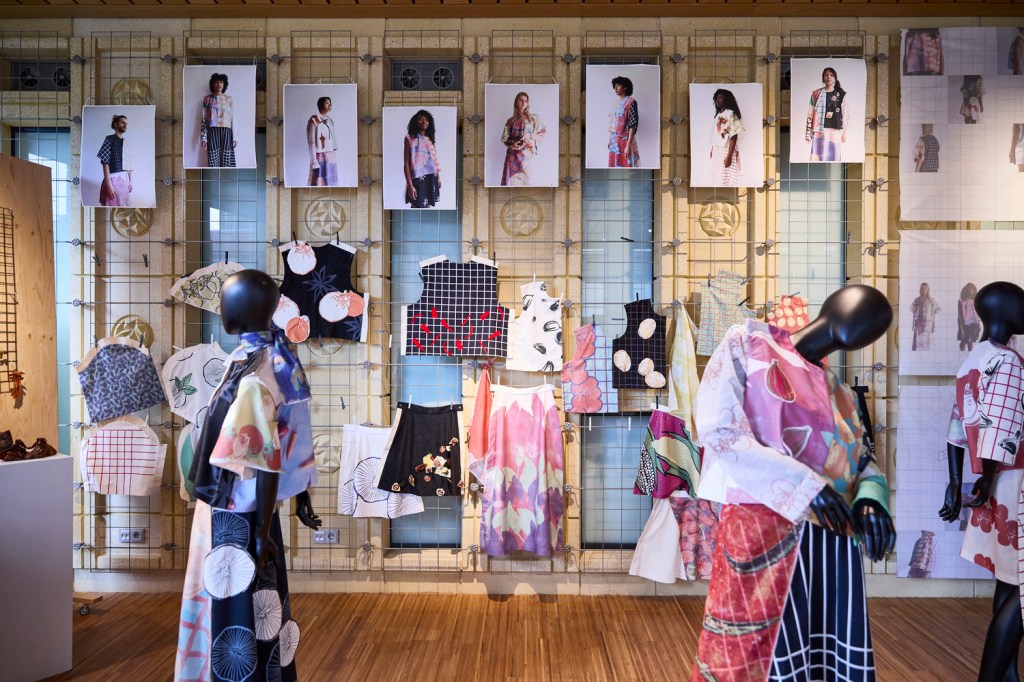
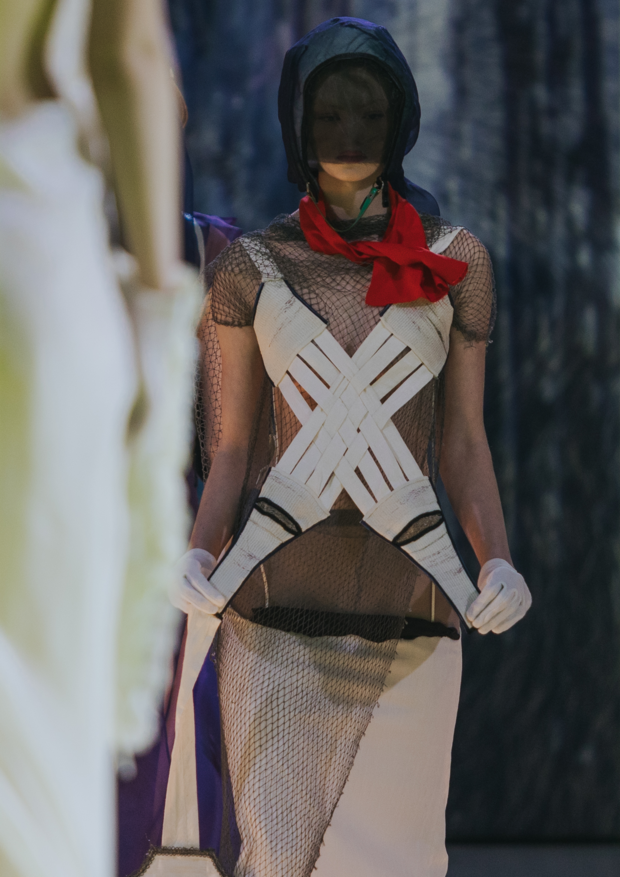
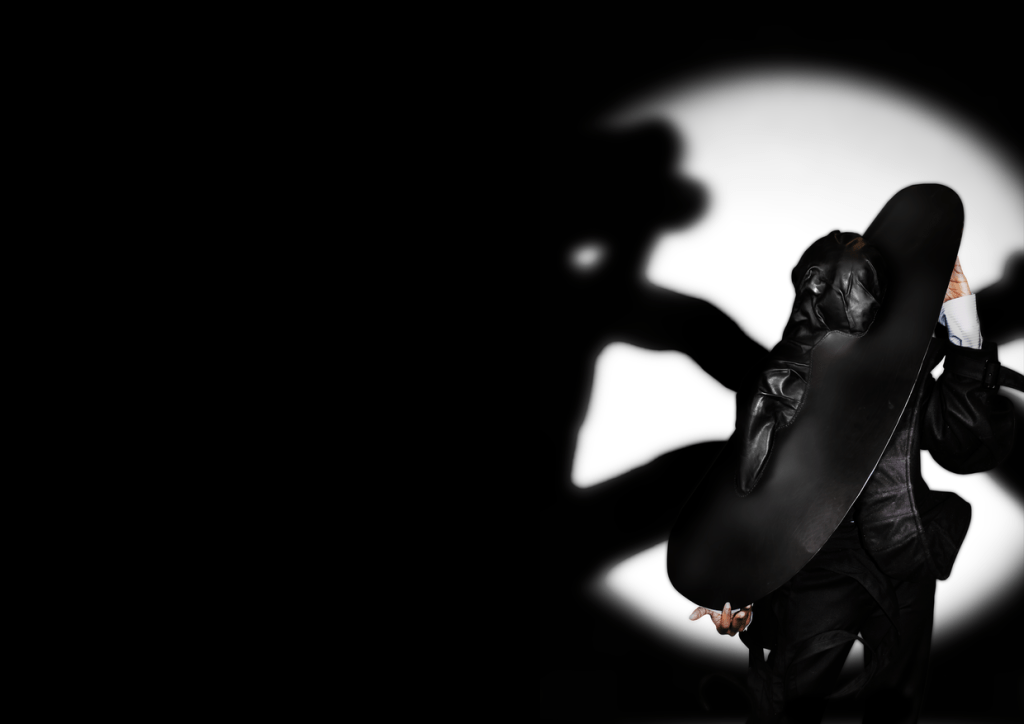









For cinema enthusiasts, the Fashion Film Program & Awards at Lumière Cinema will recognize and celebrate the best in fashion filmmaking.


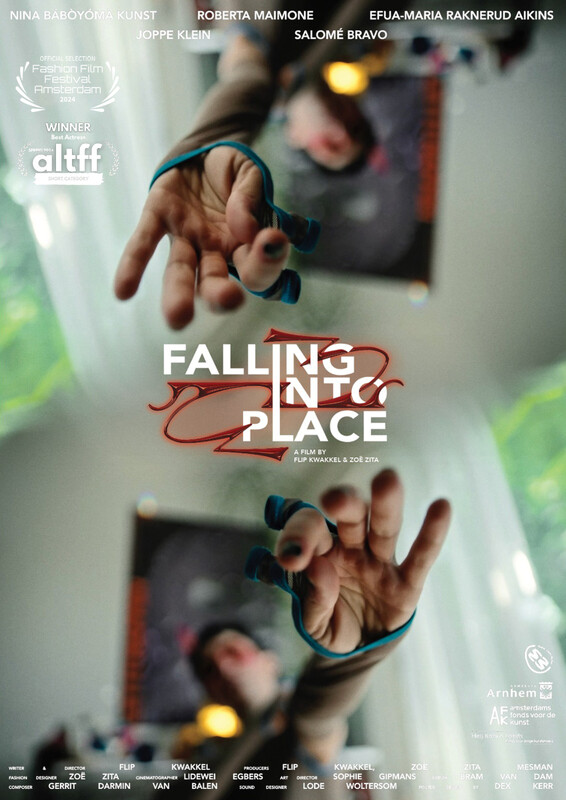


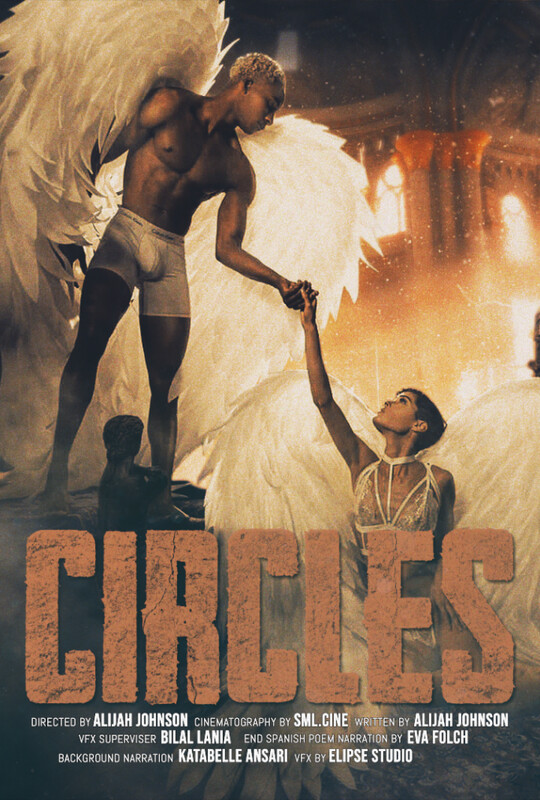


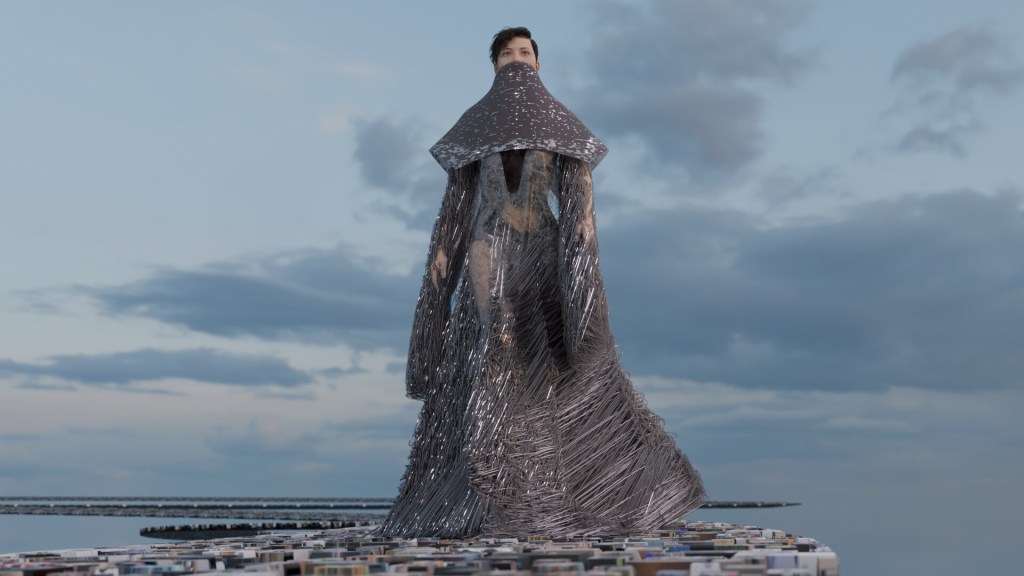


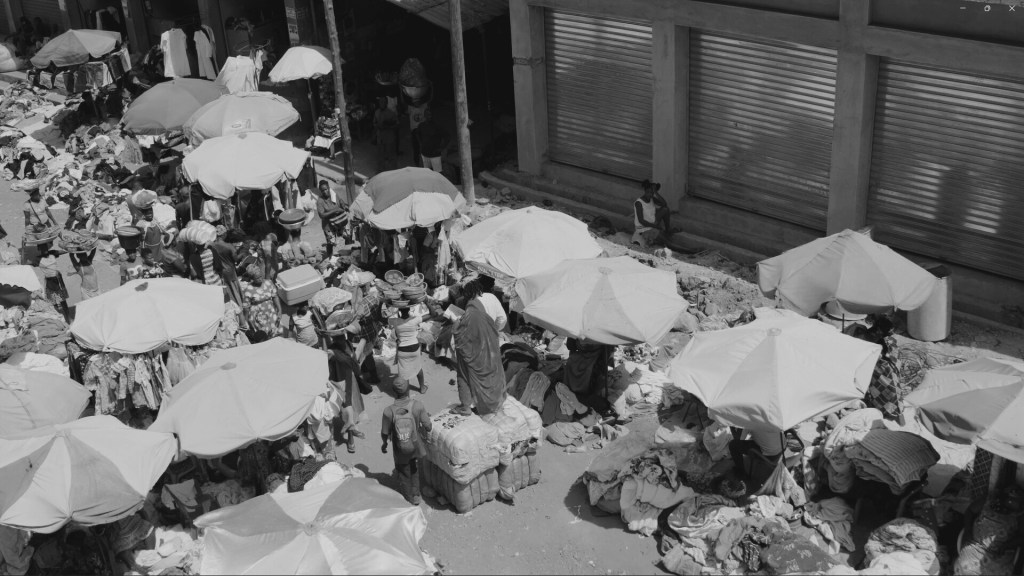
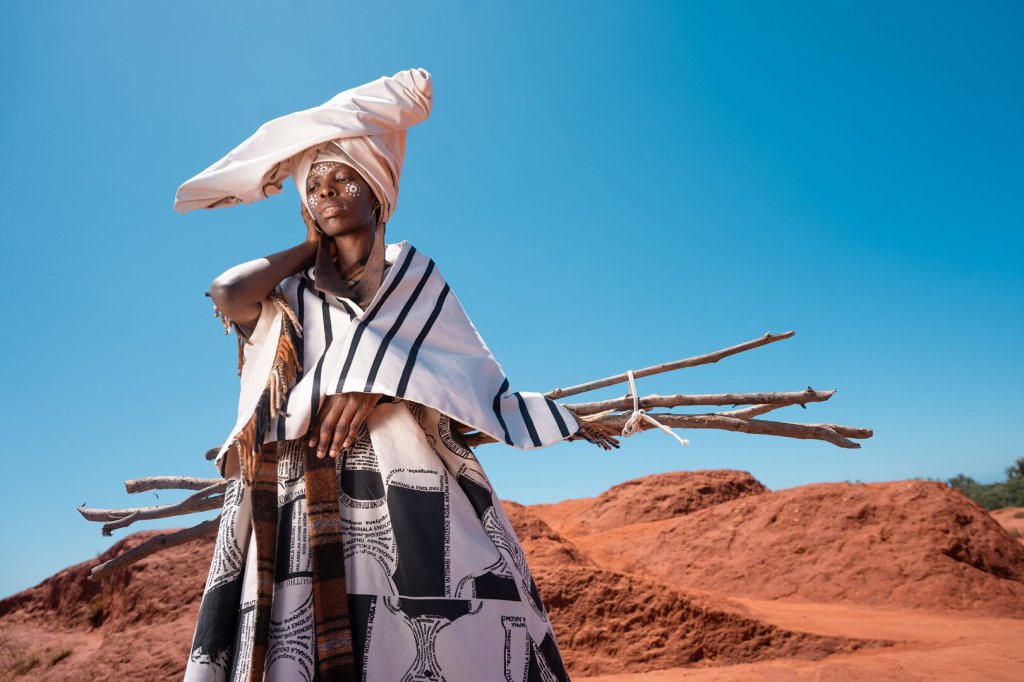


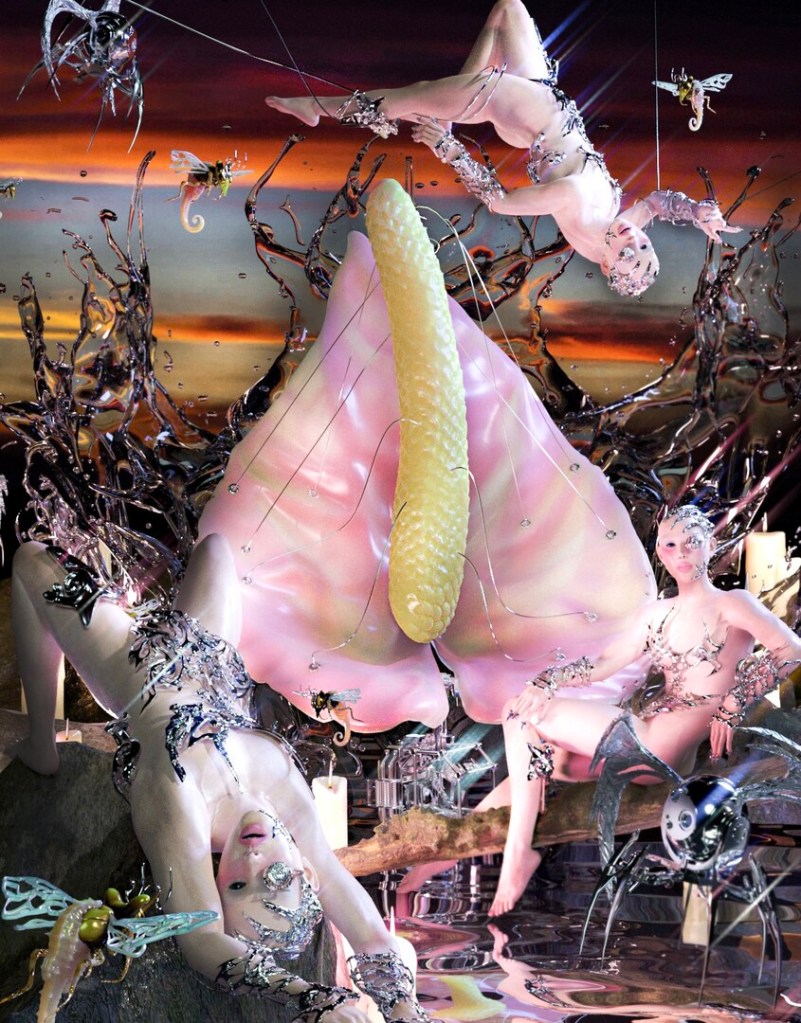
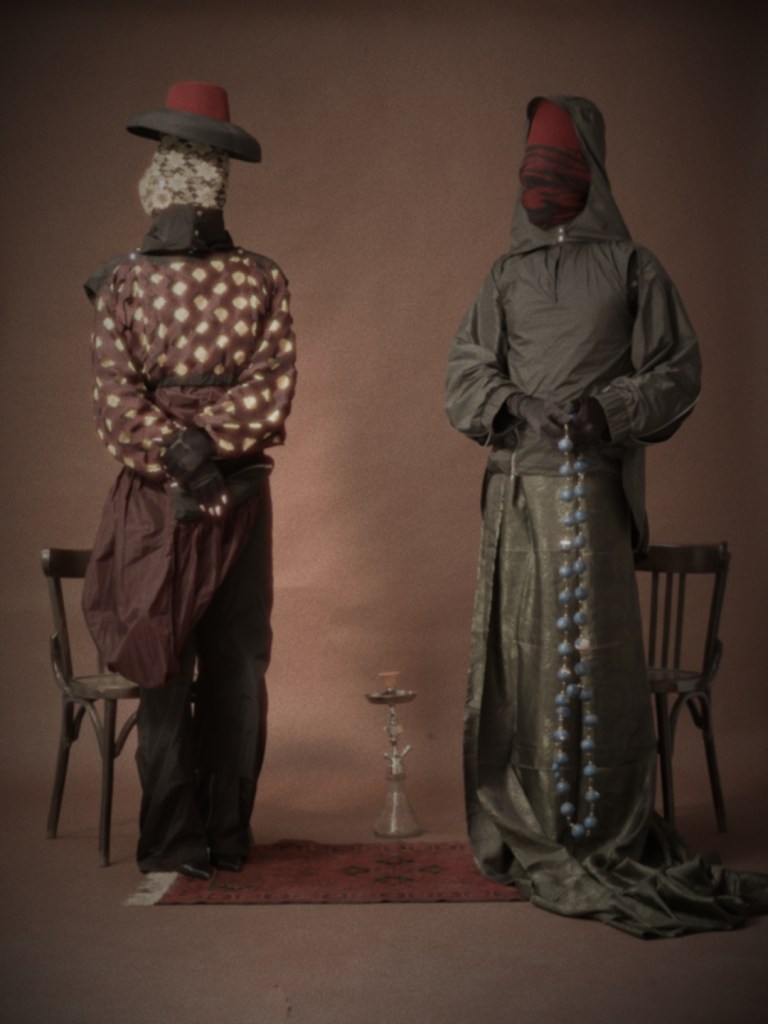

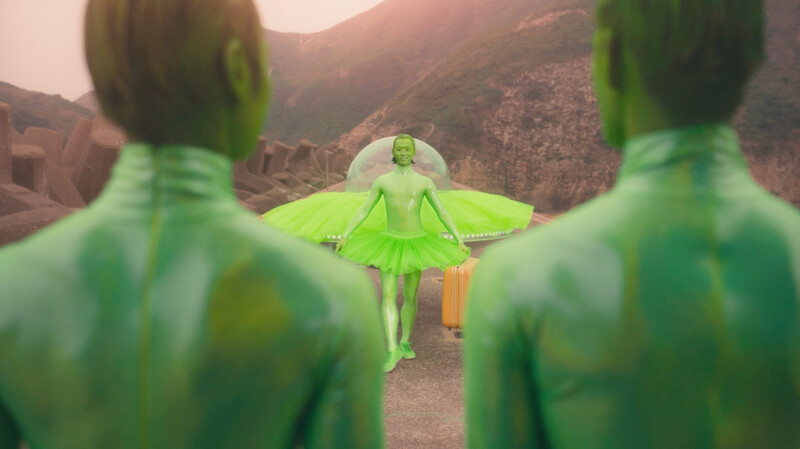










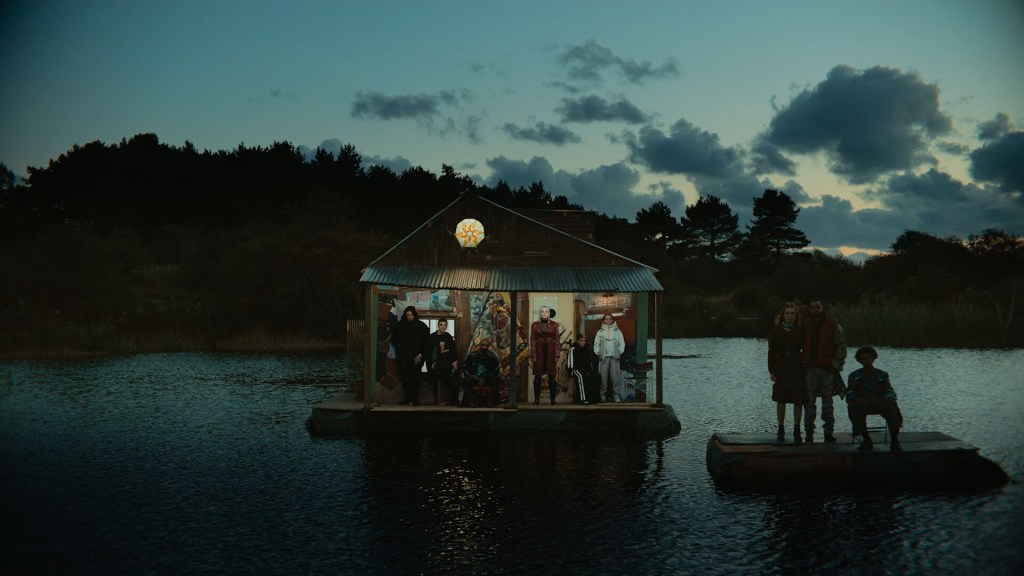

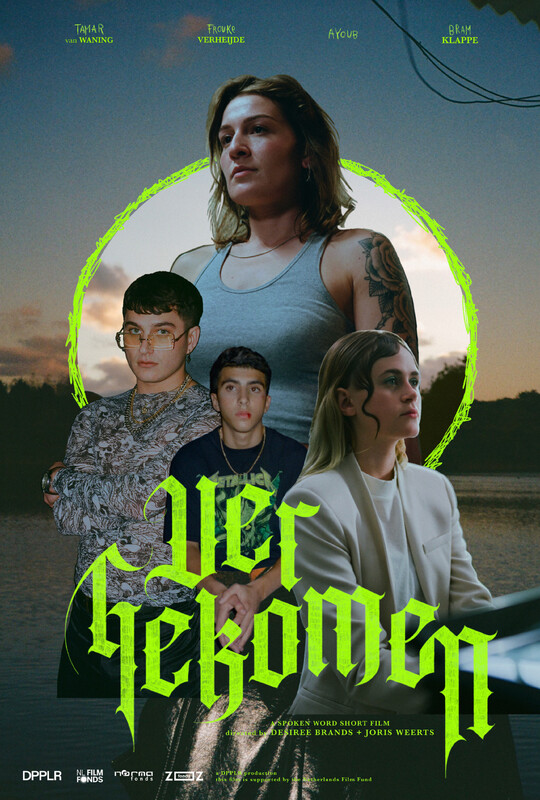
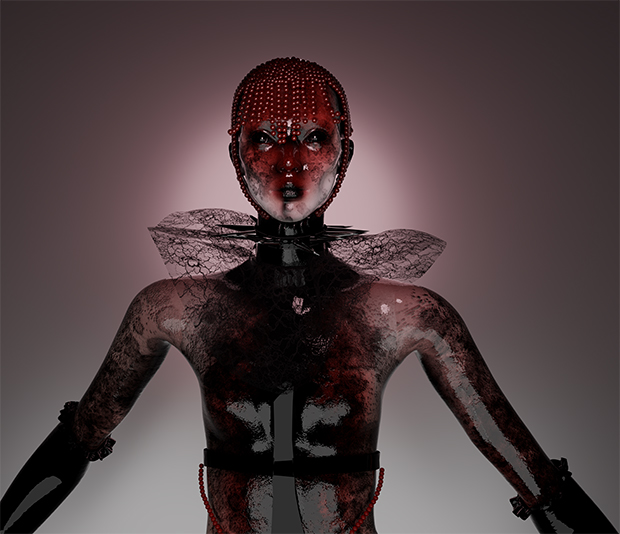
Beyond these primary events, the festival will introduce engaging participation programs like Fashion Makes Sense at Centre Céramique, alongside a pop-up sales event at SNS Experiments, ensuring that visitors can not only observe but also engage with emerging fashion trends and talents. Various other venues throughout Maastricht will serve as additional platforms for artists, featuring events at notable locations such as Marres, Dans-en Partycentrum Bernaards, LBG Hotels (The Green Elephant), and Limestone Books. This city-wide approach fosters a sense of community and connectivity among attendees, making fashion accessible to everyone through either ticketed events or free programming.
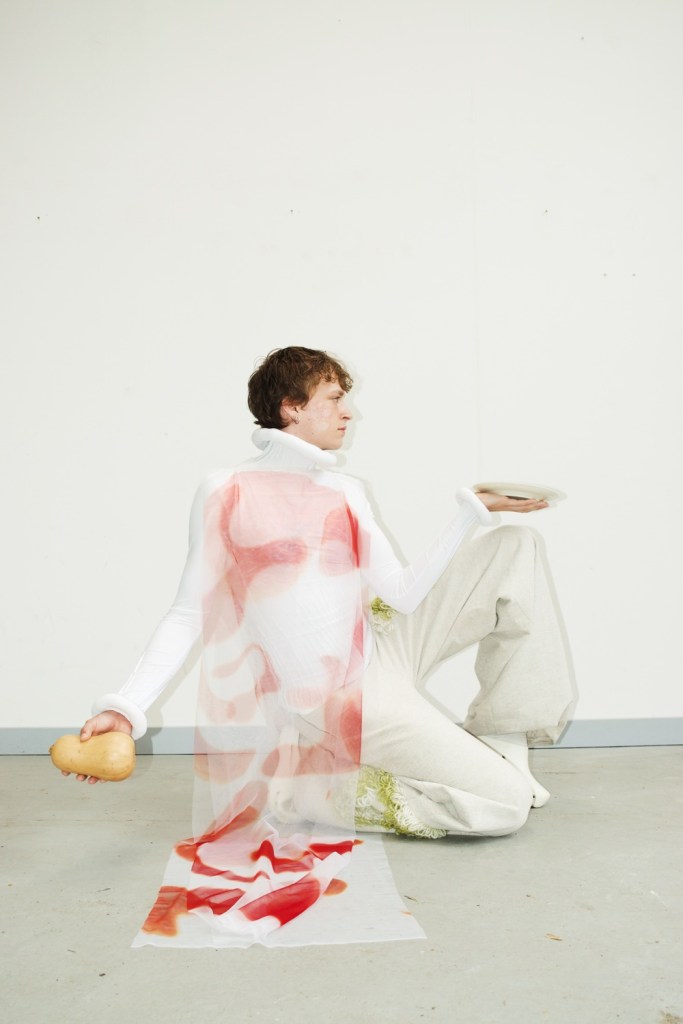
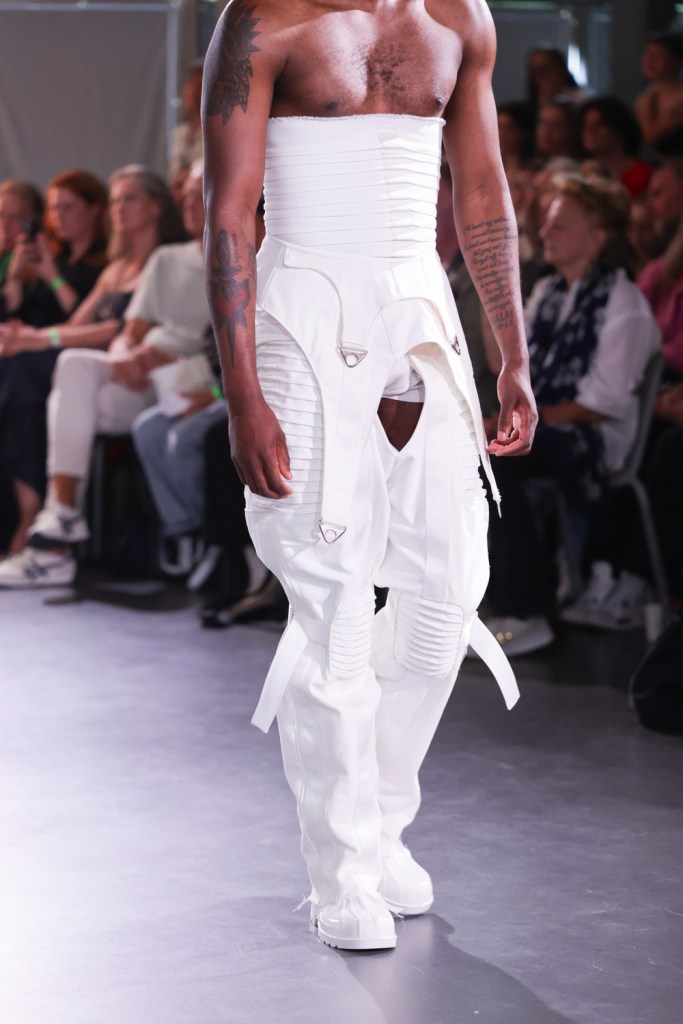
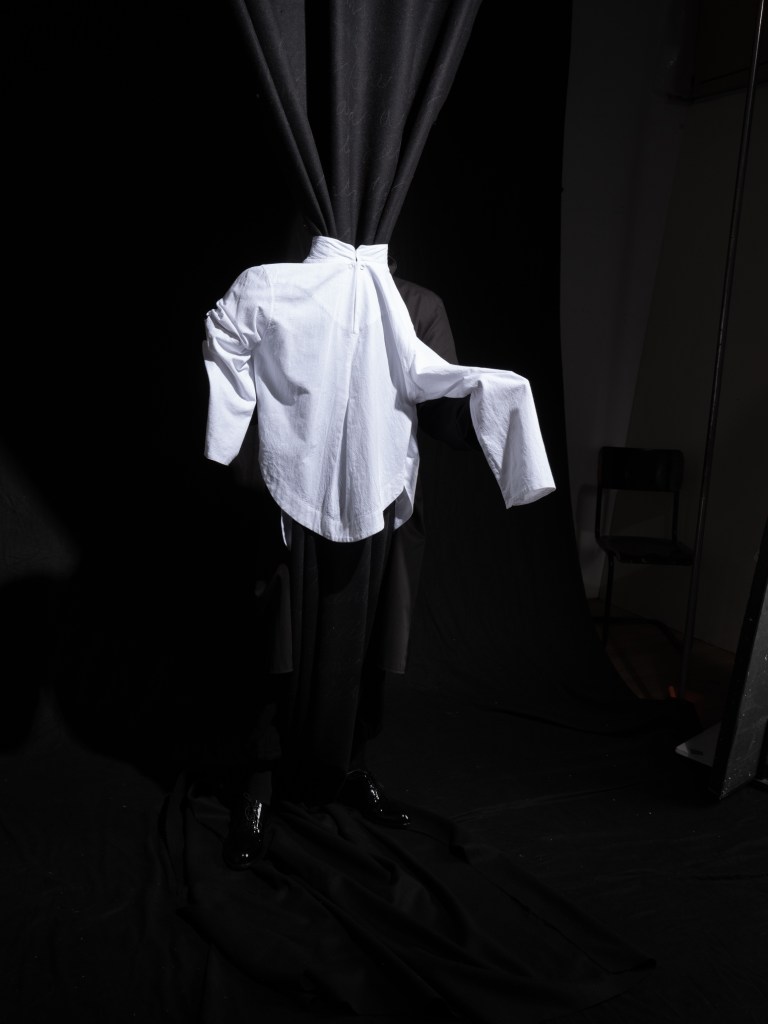



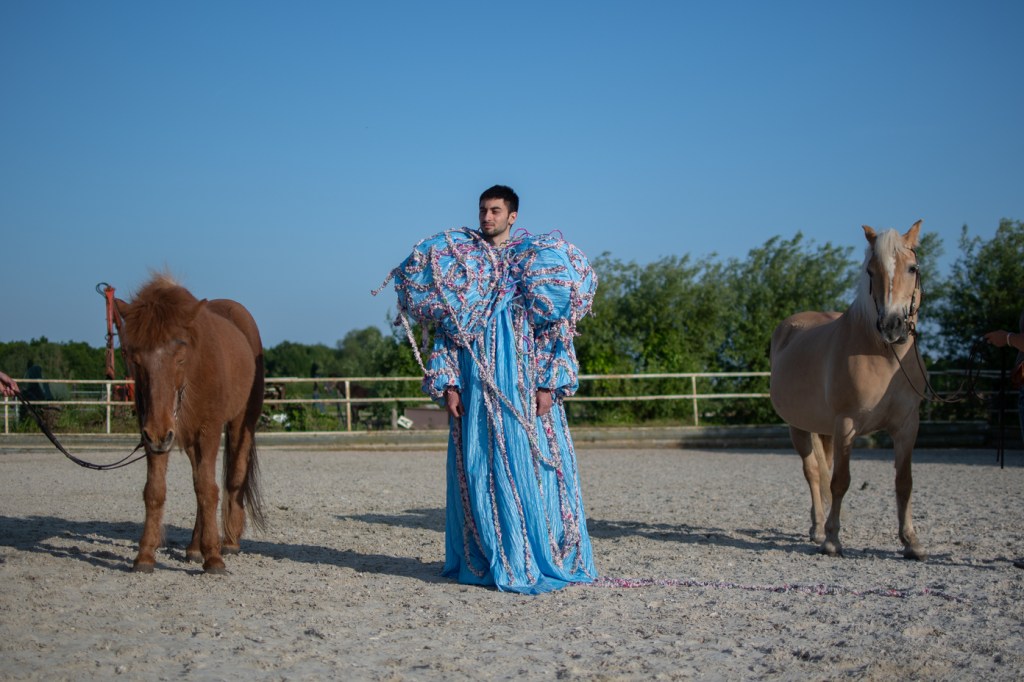

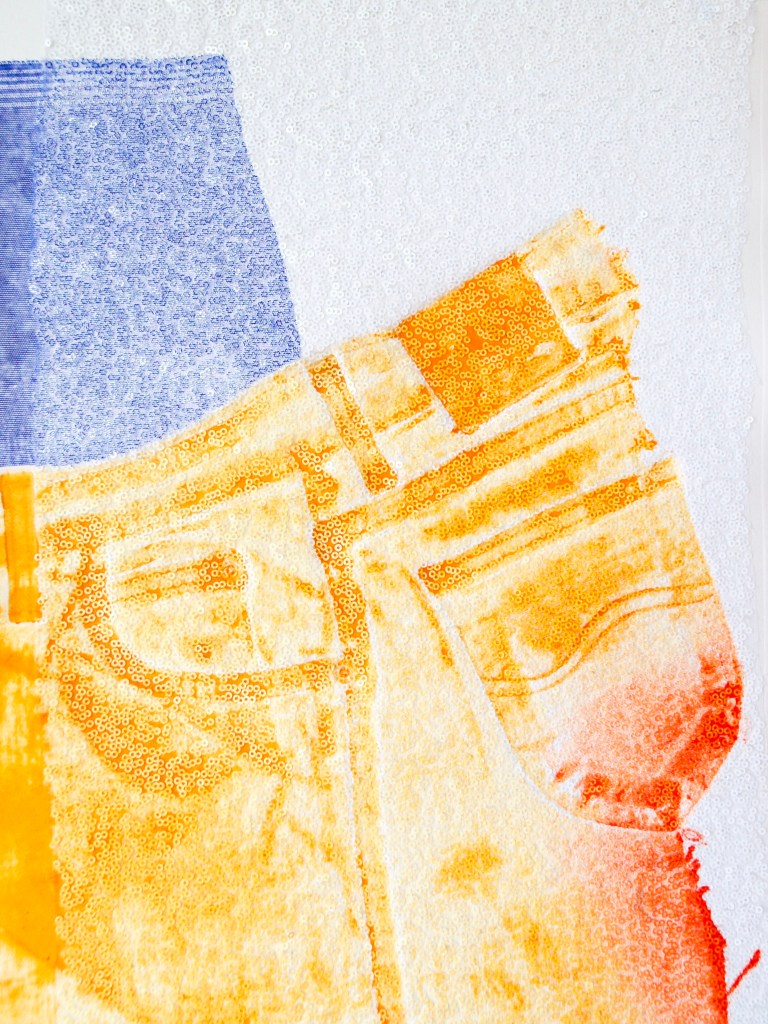


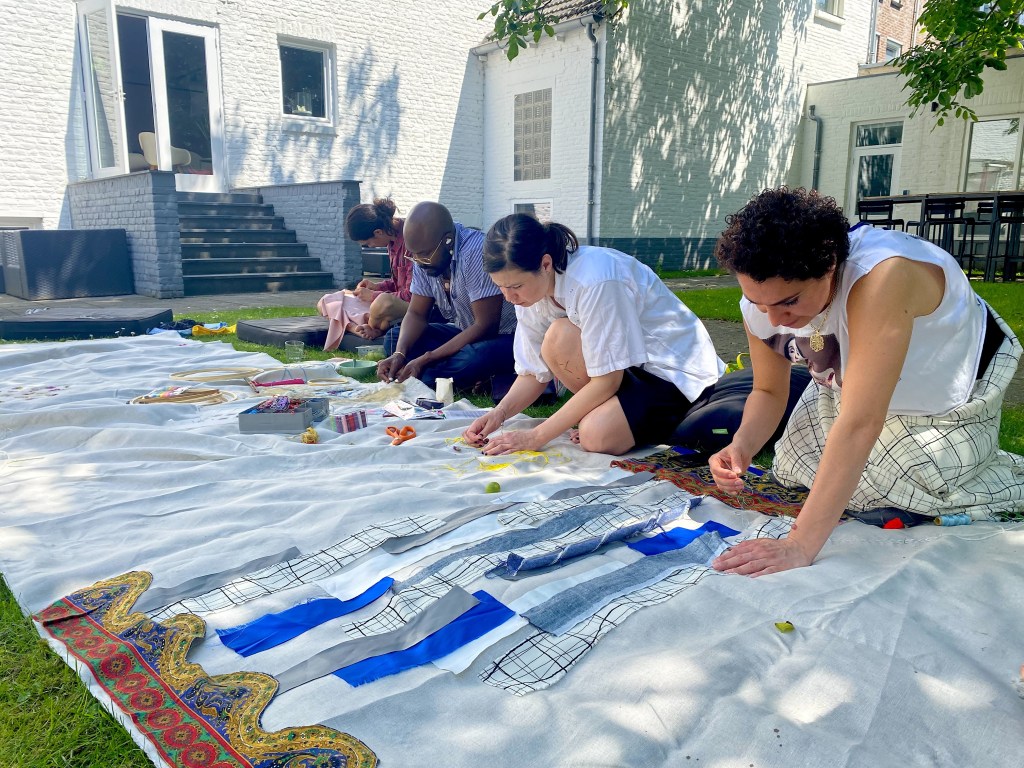

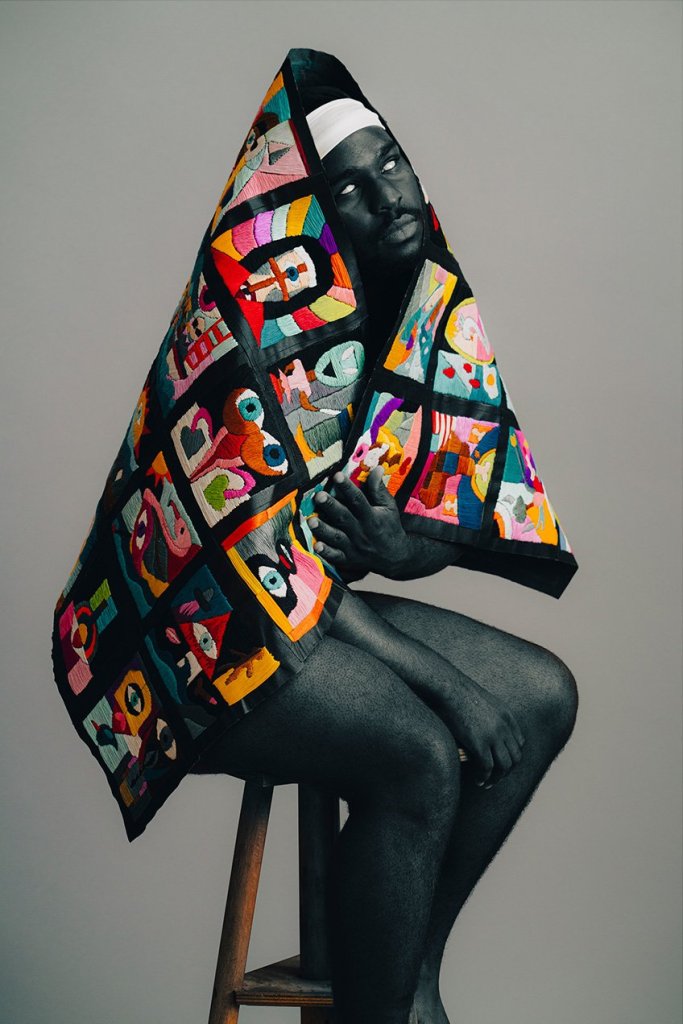




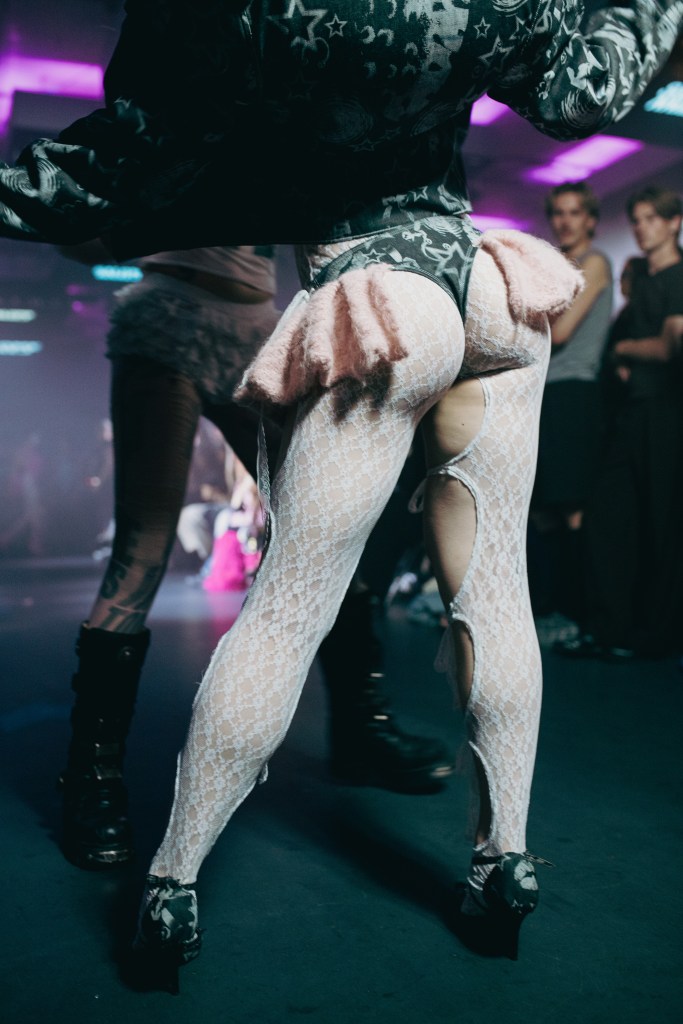

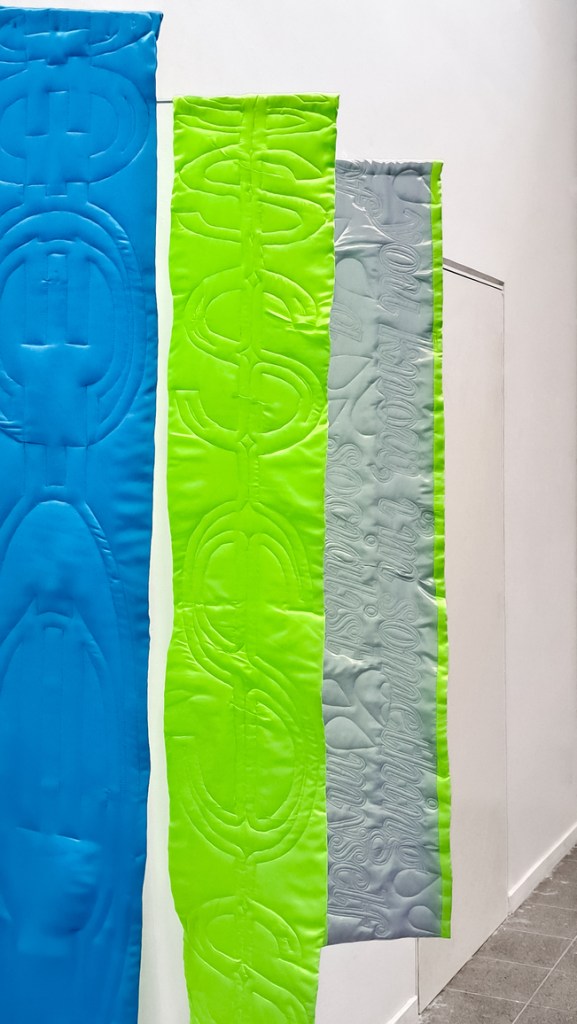


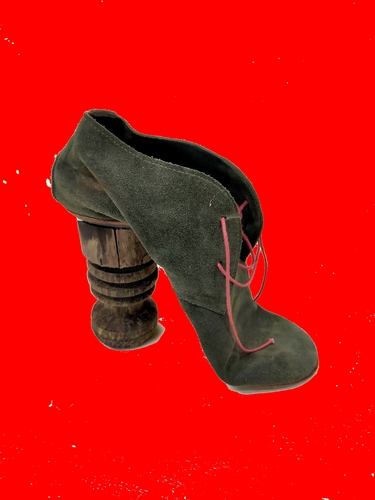


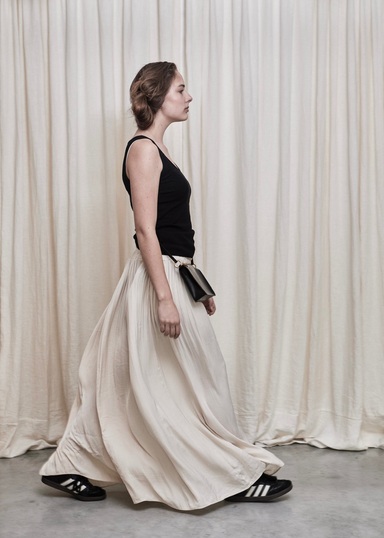
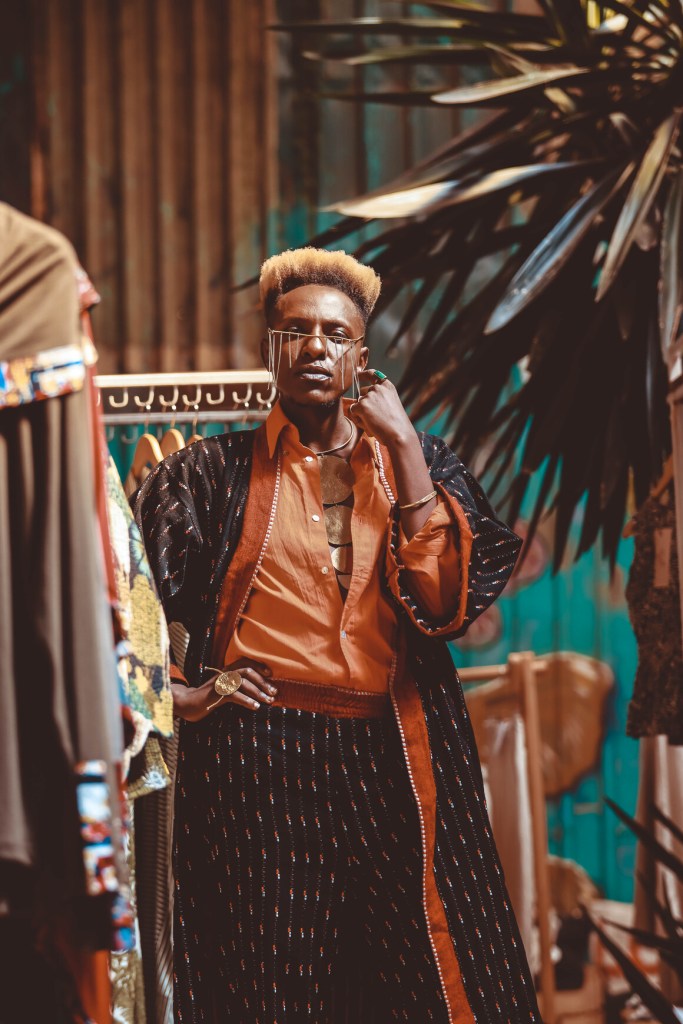


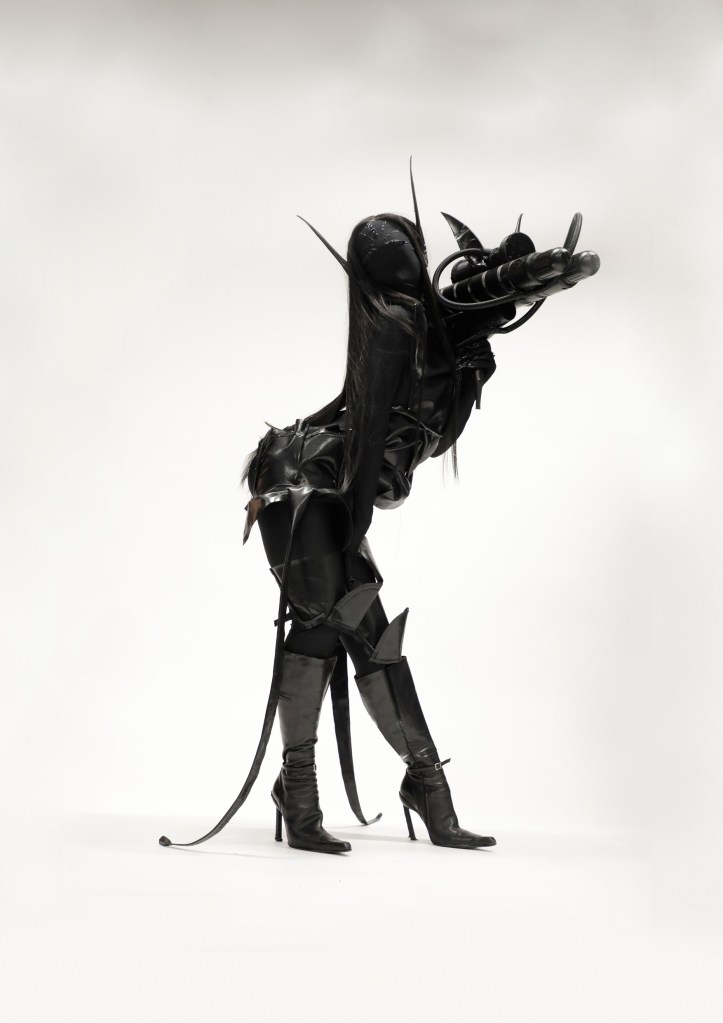
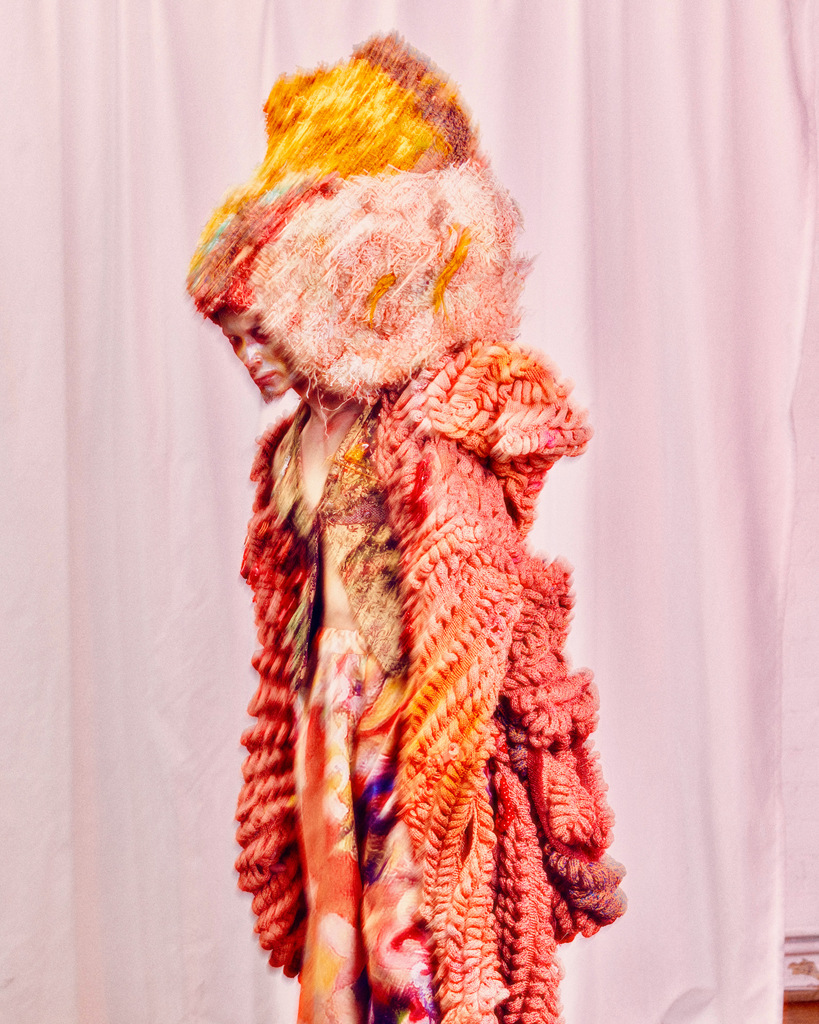
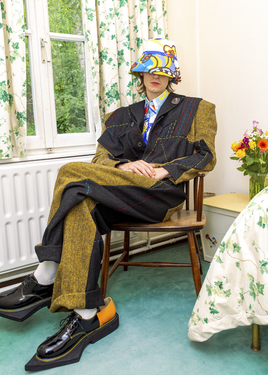
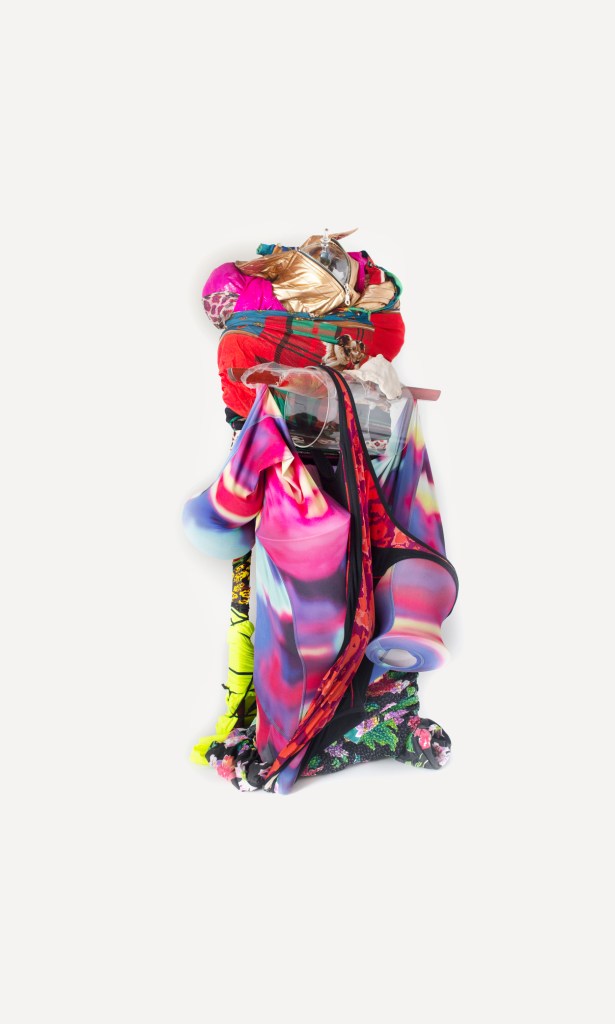
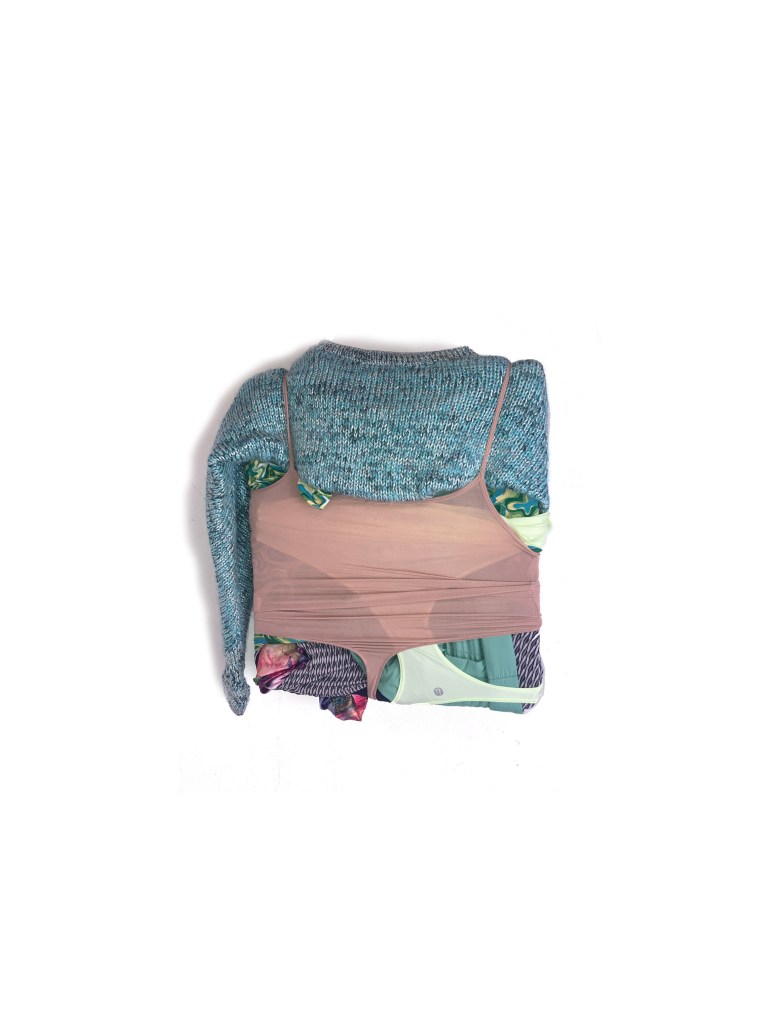
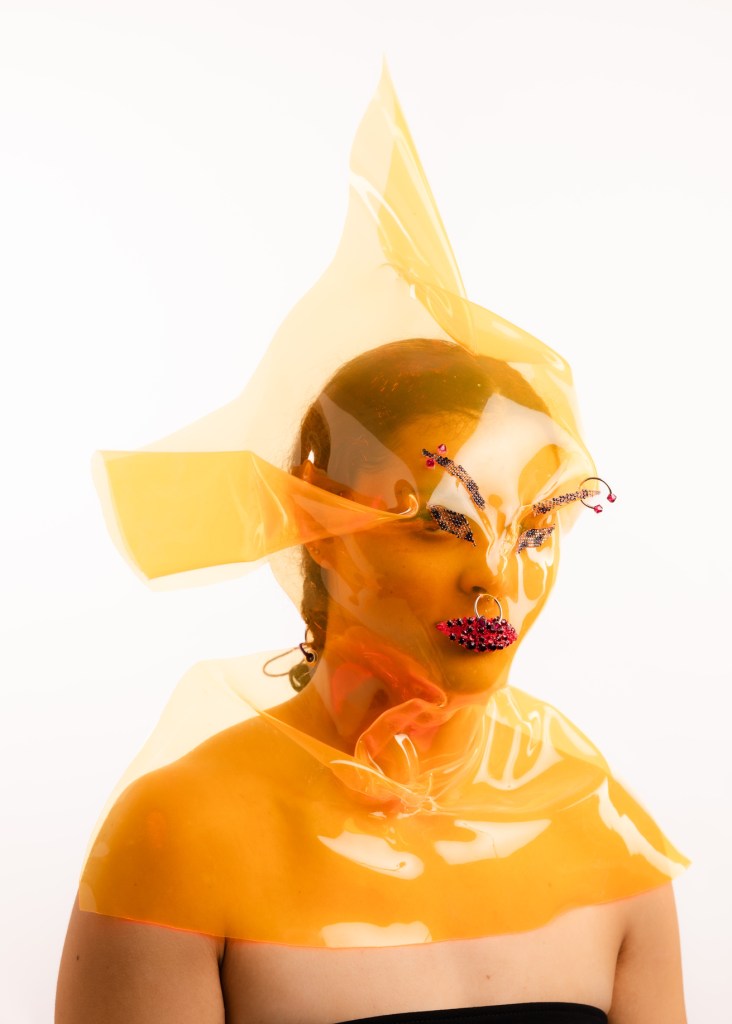
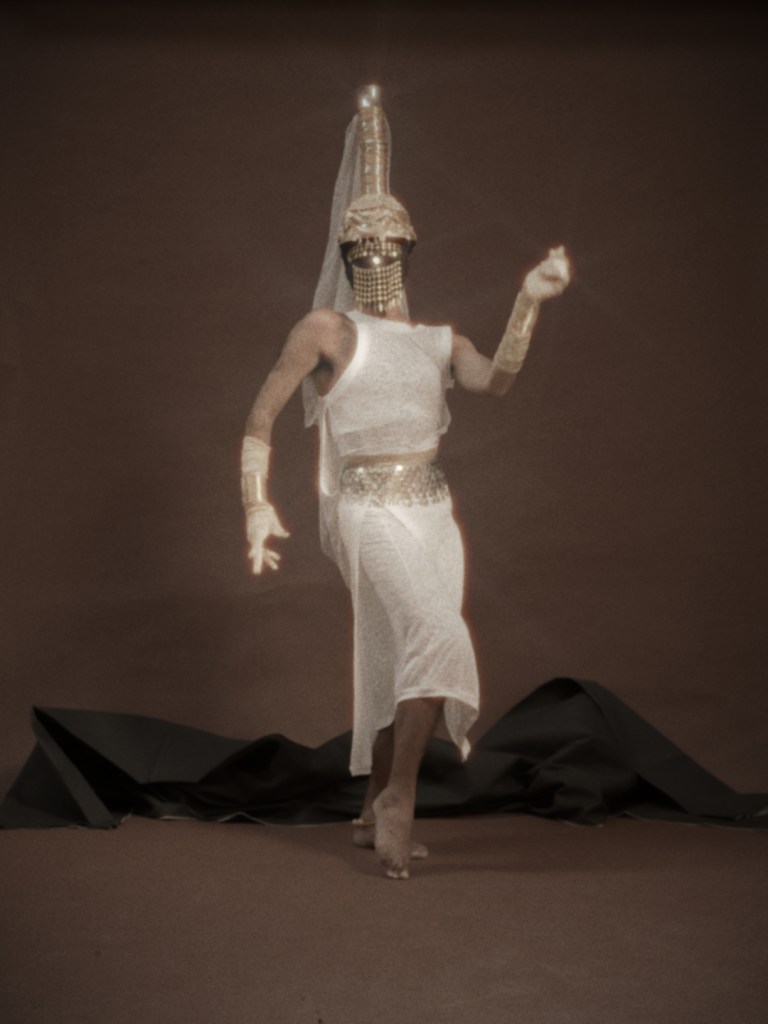
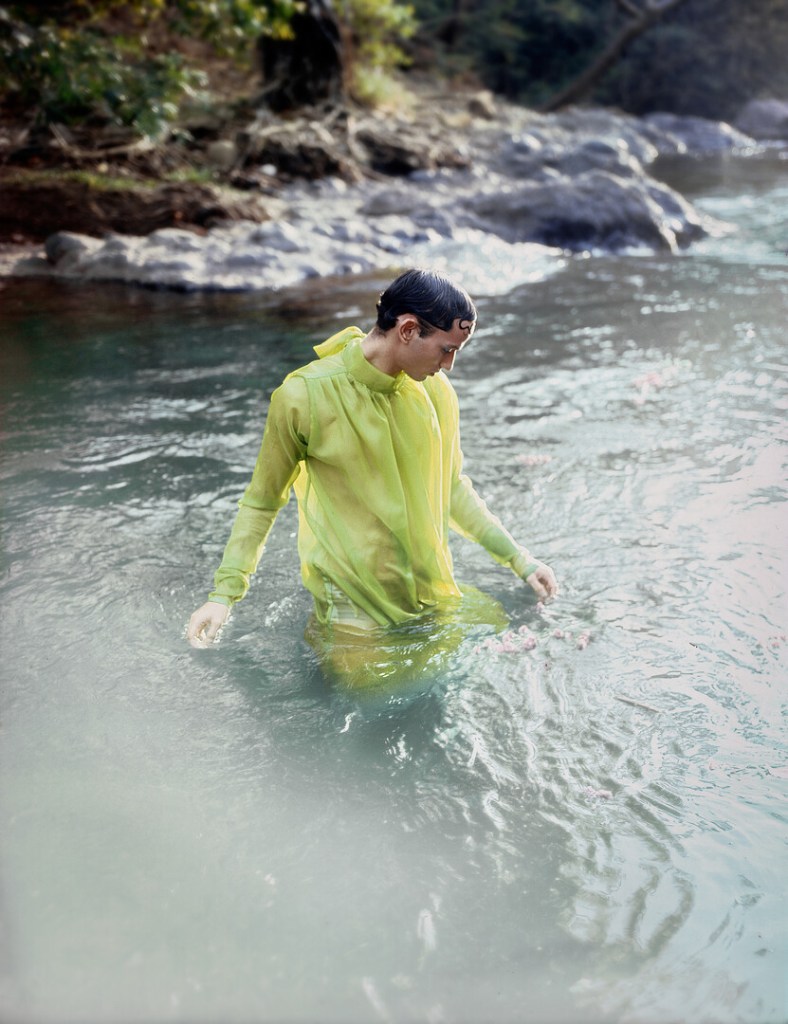
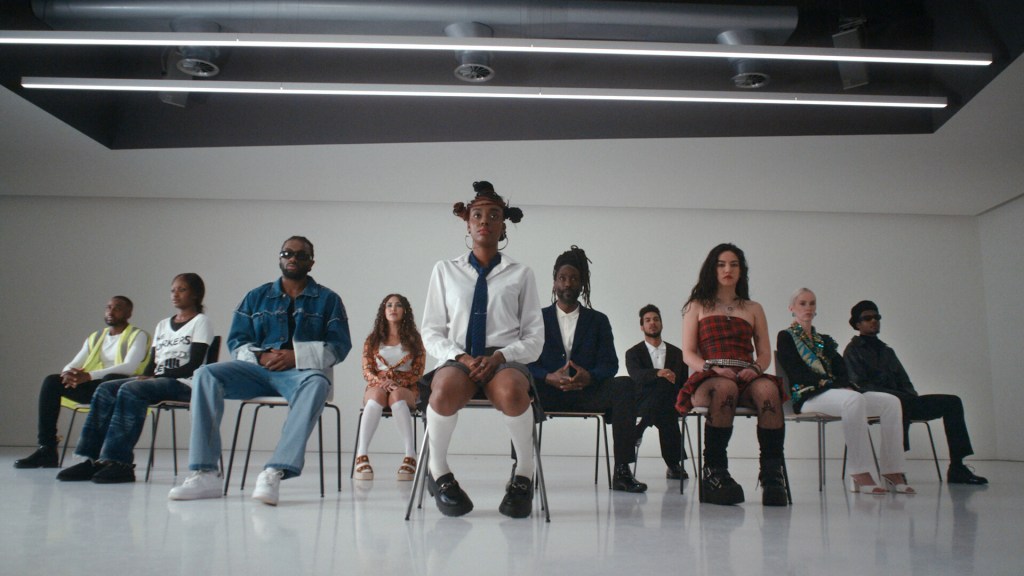
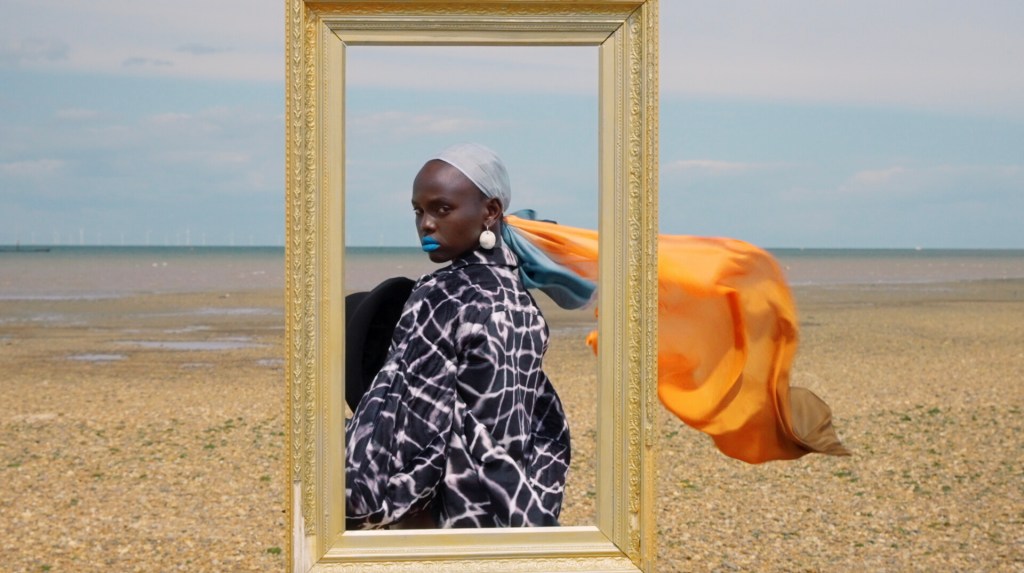
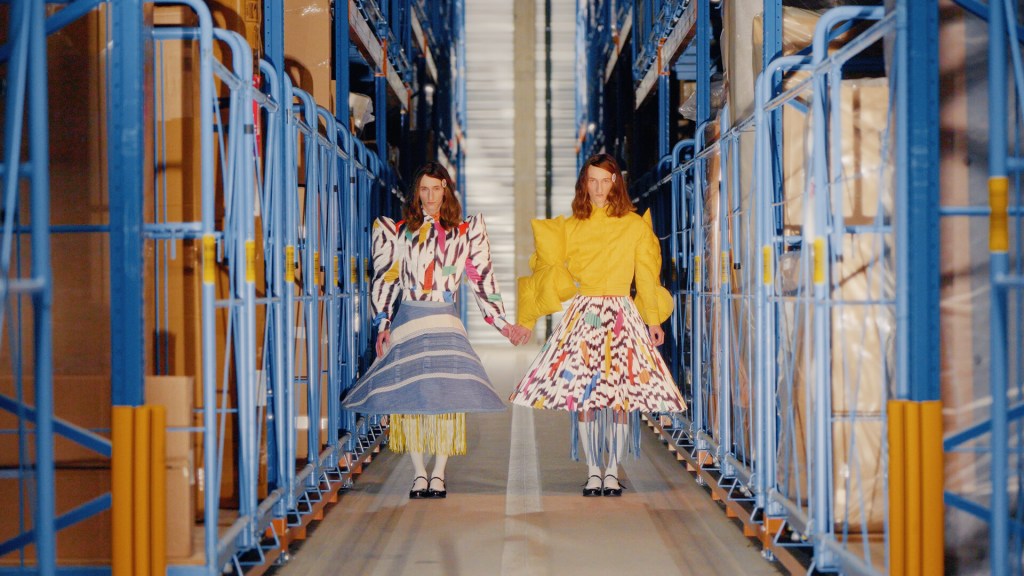
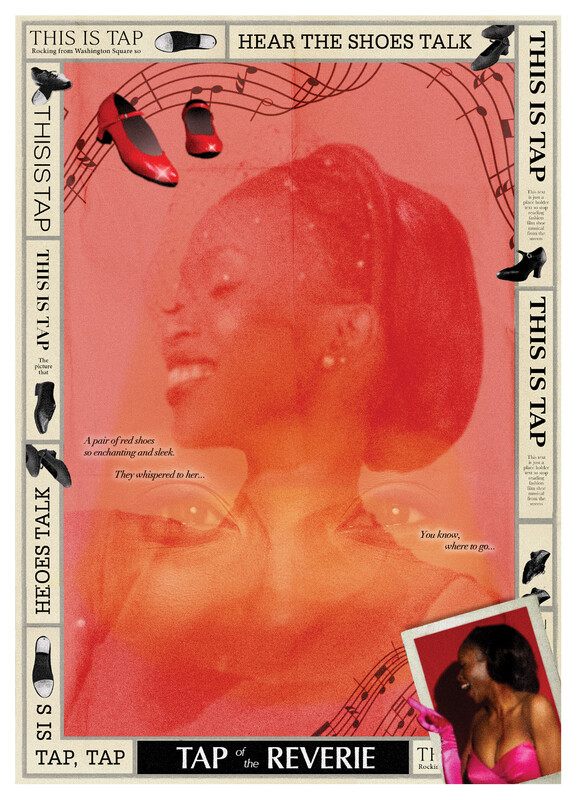
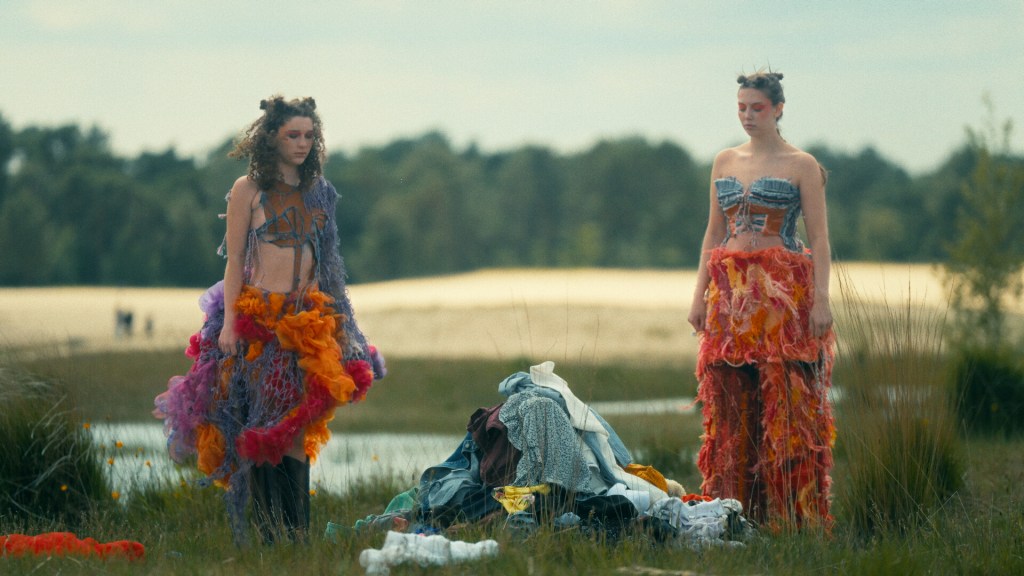
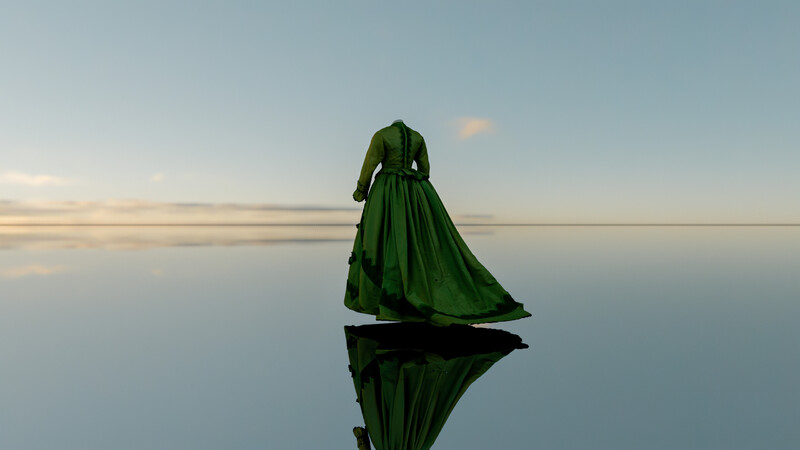
The visual identity for this year’s festival is brought to life through a compelling multimedia campaign developed collaboratively with Maastricht-based art director Ruben Hilkens. This campaign features local performers and students from the Institute of Performative Arts, who will don the artistic creations of designers like Dirk Vaessen, Peter Wertmann, and Batuhan Demir, among others. The imagery and short fashion film produced for the campaign encapsulate the essence of FASHIONCLASH: a multidisciplinary artistic method that thrives on forging unexpected connections between individuals, fashion, and various art forms. By anchoring itself in the exploration of contemporary themes, FASHIONCLASH invites designers and artists to reflect critically on social issues through their work. Each edition of the festival serves as a platform for creative innovation, pushing boundaries while encouraging new visions and practices within the fashion landscape. With an emphasis on making critical reflections visible in increasingly innovative and hands-on ways, Branko Popovic’s vision for FASHIONCLASH extends beyond mere presentation; it seeks to inspire and provoke thought about the role of fashion in society today.
IN CONVERSATION WITH BRANKO POPOVIC
In this interview, we dive deeper into Branko’s journey and aspirations for the festival as well as the significant impact it has on the future of fashion. Join us as we explore how FASHIONCLASH continuously reshapes the narrative of contemporary fashion and artistic expression:
Branko, you founded the FASHIONCLASH Festival over 15 years ago. Can you share the vision and inspiration behind establishing the festival? How has your initial vision evolved over the years, and what do you believe has been the festival’s most significant impact on the fashion community?
FASHIONCLASH was founded by a group of young designers with, first and foremost, an accessible platform to present work and, secondly, a stage for experimentation around fashion(culture). These goals were always driven by the passion to contribute to a better world through fashion. The first edition of the festival was really as an activistic act to disrupt the dominant fashion week format at the time and the general power dominated by Western perspective and value system.
We consciously chose FASHIONCLASH as the name when it was founded, because we thought at the time: ‘Who needs another fashion week?’ We needed a different kind of stage where the boundaries of what fashion is and can be can be stretched. A place where the art and the culture of fashion can be celebrated.
The initial vision and mission have remained part of our daily driving force. FASHIONCLASH is still a development and presentation platform for fashion (culture) that contributes through crossovers to, on the one hand, the individual talent development of the new generation of fashion makers and, on the other hand, to general awareness of the role of fashion in the world. It is true that we have taken a much more activist and proactive position because we live in a time where there are many urgent social issues in addition to the larger demand; the impact of climate change and the role of the fashion industry in this. But we do believe in the power of imagination of the art of fashion. Because we cannot contribute to positive change with dystopian messages alone.
Over the years we shifted the focus from the festival as a goal, but creating rather an ongoing platform and festival a moment in the year where we can show the results of all the projects and activities. That’s we moved the festival from June to the month of November.
For the 16th edition of the festival in November 2024, you’re featuring over 100 designers and artists from more than 20 countries. What criteria do you use for selecting participants, and how do you ensure a diverse representation of styles, cultures, and perspectives? In what ways do you hope this diversity enriches the festival experience?
The multi-voiced and multimedia program is a composite selection from various open calls and from projects initiated by FASHIONCLASH itself and developed in co-production with various organizations and makers. For FASHIONCLASH, the annual festival is a vehicle for disclosing the results of all projects and talent development trajectories that happen throughout the year as part of their ongoing annual program.
You can see FASHIONCLASH as an ongoing support and development program. In the selection process for all our projects ensuring a diverse representation of styles, cultures, and perspectives is one of the most important criteria.
Sometimes we call in external expertise and perspective and lately, as with New Fashion Narratives, we invite the designers themselves to participate in the selection and curation process. Also, recently we organized a residency about decoloniality in fashion in the context of the Netherlands.
Since last year, we have been investigating how we can make selection processes more accessible and, above all, more inclusive. We try to look broader than aesthetics, because who actually decides what is good and who deserves a platform?
In principle, everyone who signs up is good enough and has meaning in their own context or for someone. Anyone is welcome to apply work, whether you are self-thought or master graduate, we always look at what someone has to say and not their career path. What we do look at is what the designers’ motivation are, what values are part of their practice and what they want to be responsible for. And finally, we mainly look at whether we think FASHIONCLASH will be able to provide a suitable platform. Can we make it happen and is there potential for a longer-term relationship?
The festival encompasses a rich array of programming, including exhibitions, performances, talks, workshops, and fashion film screenings. Could you elaborate on how these varied formats interact and complement each other? In your opinion, how do they contribute to creating a more holistic understanding of contemporary fashion culture for both the participants and the audience?
The festival is a result of a multi-media and multidisciplinary program. All the formats complement each other because they are all build around the art of fashion narrative and in its core all projects and its participants share a common vision that fashion can contribute to a better world in some way, when ethically applied. It’s already in the name FASHIONCLASH. The FASHION in FASHIONCLASH represents the approach to fashion as a cultural phenomenon that touches the daily lives of all of us in various forms and can make a positive contribution to a clean, supportive and diverse world.
The CLASH in FASHIONCLASH represents the unexpected connections between people, fashion, different art forms and sectors. By making surprising connections, FASHIONCLASH explores the role of fashion, the multimedia (fashion) language and new visions and practices.
Contemporary fashion is deeply intertwined with social and cultural dialogues. From your perspective, what role does fashion play in reflecting or challenging societal norms today? How do you see FASHIONCLASH contributing to these conversations?
Exactly this is the reason why I was drawn to study and work in fashion.
FASHIONCLASH believes in the positive contribution that the art of fashion can make to people, culture, planet, environment and economy. With its own (multimedia) language, fashion can help people to establish relationships with themselves, each other, the environment, a world view, and the future.
FASHIONCLASH aims to make critical reflection on social issues, visual arts and design visible in an increasingly innovative and practical way (hands-on). The three principles – connecting, questioning and making visible – always guide the platform and the program that is developed. FASHIONCLASH Festival program with exhibitions, performances, talks, workshops and fashion film screenings, showcases projects that explore, contextualize and celebrate contemporary fashion culture.
The participants of the festival are also chosen based on this vision. They belong to a generation of designers and artists who explore and question the boundaries of their discipline. With their works, they move between the transdisciplinary domains of fashion, social design, performing arts and visual arts. Finally, the festival is open to a wide audience who come into contact with the themes presented and the creative solutions proposed by contemporary designers.
FASHIONCLASH is renowned for its commitment to supporting emerging talents. What motivated you to focus on new designers, and what benefits do you believe arise from nurturing these creatives? Can you share any success stories or past participants who have gone on to achieve significant recognition following their involvement with the festival?
Why focus on young designers?
When we started FASHIONCLASH, my colleagues and I had just graduated and encountered many walls that made it almost impossible to start. I started my own namesake label simultaneously with the founding of FASHIONCLASH. Me and my colleagues also showed our collections during the festival.
FASHIONCLASH is based on personal experience and that is why the story has always resonated with the young designers. They felt understood by us, and I have the experience that they still do.
You also have to put it in the context of the time, when we started, a lot of what we did was very radical. There was no influence from social media yet. You had to participate in an event to get some exposure. You could participate in a fashion festival for free, and everything was covered for you; that was unprecedented. Nowadays ‘young talents’ are sometimes a fashionable word. And I believe that the investment in the new generation is simply one of the most sustainable we can make. Not only new generation of designers but investing in positive development of youth in general. Maybe cliché, but the youth is the future.
I don’t want to take credit and the impact is always a combination of factors. FASHIONCLASH helps designers and artists in various ways. Sometimes something small can have a lot of significance for someone’s practical development. That is why we always try to see what someone needs on made-to-measure base.
For example, sometimes we connect a designer with a theater maker and that collaboration also extends beyond FASHIONCLASH. Sometimes we literally give someone an assignment and then FASHIONCLASH is a source of income. Or someone is picked up thanks to participation in one of the events, and then it goes from there. Because we use very specific curation, we offer a platform to artists and designers who have an alternative working method and do not fit into a revenue model box. And so, we were the first for many designers to say YES to their proposal.
An example is The Fabricant, co-founded by Amber Jae Slooten, a Premium Digital Fashion Platform leading the fashion industry towards a new sector of digital-only clothing.
Amber graduated with a digital fashion collection, and being a pioneer, it is always difficult finding a platform. Amber said we were among the first to welcome her. Another example is Studio Dennis Vanderbroeck, actually a performance student from the Theater Academy who also wanted to work in fashion. Today Dennis has an impressive portfolio of set design for mayor fashion brands like Diesel, Mugler, Dries van Noten etc. Marlou Breuls (House of Rubber) is someone we know for many years, actually she was my first intern. We supported each other throughout on different levels. She is always so curious and eager to experiment and you can see that in her practice. Besides working with names like Bjork and Tim Walker, Marlou remains open and down to earth.
Some other inspiring examples are talents/ practices we worked with (and still do) are Das Leben am Haverkamp, Carlijn Veurink, Giovanni Brand, Lotte Milder, Rafael Kouto, Flora Miranda, Tom van der Borgt, Schepers Bosman, Teun Seuren, Esra Copur, Marko Feher, NEO Design, Sanchez Kane, Federico Cina, Hadi Moussally, Maison the Faux and many more.
Beyond just showcasing fashion, FASHIONCLASH promotes dialogue and collaboration among artists, designers, and audiences. How do you facilitate these interactions during the festival? Are there specific formats or activities you find particularly successful in encouraging engagement and exchange of ideas?
Facilitating dialogue and transparant way of working is very important, because this can strengthen true collaboration and innovation within the fashion industry. During the festival there are many moments where audience, designers and partners can meet and interact. We also organize community events, one of those is an online talk after the festival where all participants are invited for a feedback session and exchange of ideas for the future. By doing so, we want to encourage the community to be pro-active with us, because FASHIONCLASH exists and thrives because of its community power. Another way of sharing and exchanging are online short documentaries and videos with which we share the process and reflections of the projects with our network but also with people who are not able to attend or participate in person. Online media is perfect tool to stay connected globally.
But most of dialogue happens ongoing with our projects and activities, our residency program is perfect example in how we invite our community to co-create with us. For the festival’s exhibition program, five fashion practitioners get invited by FASHIONCLASH to form a curatorial team and collaborate on the concept for the New Fashion Narratives exhibition that is presented during the festival. This year’s curatorial team includes Chaewon Kong, Karime Salame, Katharina Spitz, Simon Marsiglia and Teresa Carvalheira – a group of fashion makers with diverse backgrounds and practices within and beyond the fashion landscape. They first met during a physical Residency Week (22-26 April 2024) in Maastricht, where they got to know each other and worked on developing the concept. During the festival one can also experience the interactive installation that is the result of the Decolonial Fashion Residency that took place earlier in June. Ten fashion practitioners were invited to Maastricht for a week conversations and exchanges about the question ‘What does decoloniality mean in fashion in the context of the Netherlands?’.
Eventually by involving designers as co-creators more people become part of the platform and designers are given agency and responsibility within FASHIONCLASH formats. We learn so much from this collaboration with the designers and artists from our community, it helps us to stay grounded and to remain relevant for the new generation of designers. And most of all, they empower us to keep working and fighting for the existence of FASHIONCLASH, which is unfortunately a struggle each year.
Sustainability has become an urgent issue within the fashion industry. How is FASHIONCLASH addressing the theme of sustainability in its programming? Are there any specific initiatives or projects that highlight sustainable practices among the designers and artists featured at the festival?
Almost everything we do is somehow related to environmental consciousness. For us, sustainability is not a theme but a standard, we only show designers who are also working on this and organize activities to contribute to awareness of issues that affect this.
We even made a theater performance ‘Who cares what you wear?’ is for young people and schools about fashion and sustainability. Recently we developed this project further in collaboration with the Austrian Fashion Association and DSCHUNGEL youth theatre company. In September the Austrian version of ‘Who cares what you wear?’ premiered in Vienna. Next steps are taking it further with more European countries.
We also regularly organize workshops such as upcycling and mending, and only work with existing and discarded materials. We work together with initiatives that are also committed to this. And we approach our entire working method holistically, looking at a sustainable and healthy interaction between program, content and organization.
In the Netherlands we are co-initiator of Culture.Fashion.nl, a value-driven fashion network. And in collaboration with State of Fashion, we are the Dutch representation at the recently established European Fashion Alliance.
Sustainability is not just a matter of ecological footprint. It cannot be achieved unless there is racial and gender justice, and the systems of patriarchy and exploitation is dismantled. That’s we try to look at systemic change and ensuring that marginalized voices and multi-voiced perspectives are given a platform.
This year’s festival promises to showcase a plethora of exciting projects and performances. Could you highlight a few that you are particularly excited about? What aspects of these projects do you believe will resonate most with the audience?
Well, actually I am very excited by the upcoming edition in general. Next to some returning formats there will again be a designer’s market, which is a very accessible way for audience to meet young and sustainable brands in person. I am very excited that this year we have a premiere of three fashion films that we have produced.
One new project that I want to highlight is the Amarte x FASHIONCLASH collaboration where we are joining forces to offer artists from different disciplines the opportunity to experiment with fashion and to present new work during FASHIONCLASH Festival. Five artists have been selected from an open call with an intrinsic desire to collaborate with a fashion designer and to relate to the fashion context. They are then paired with a fashion designer and invited to experiment.
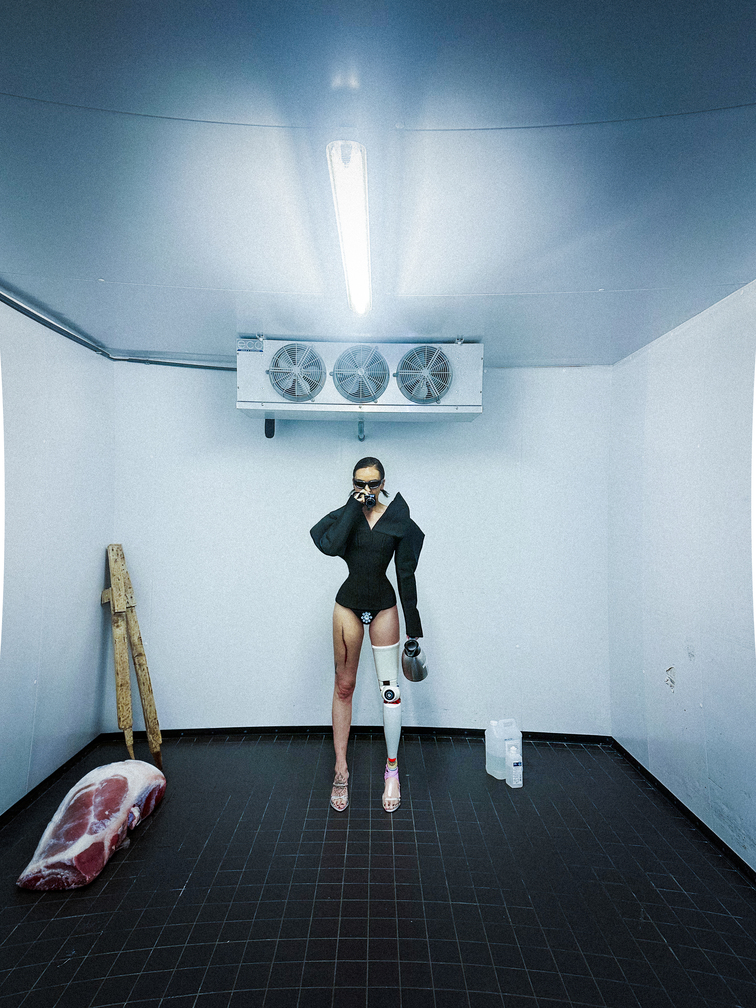

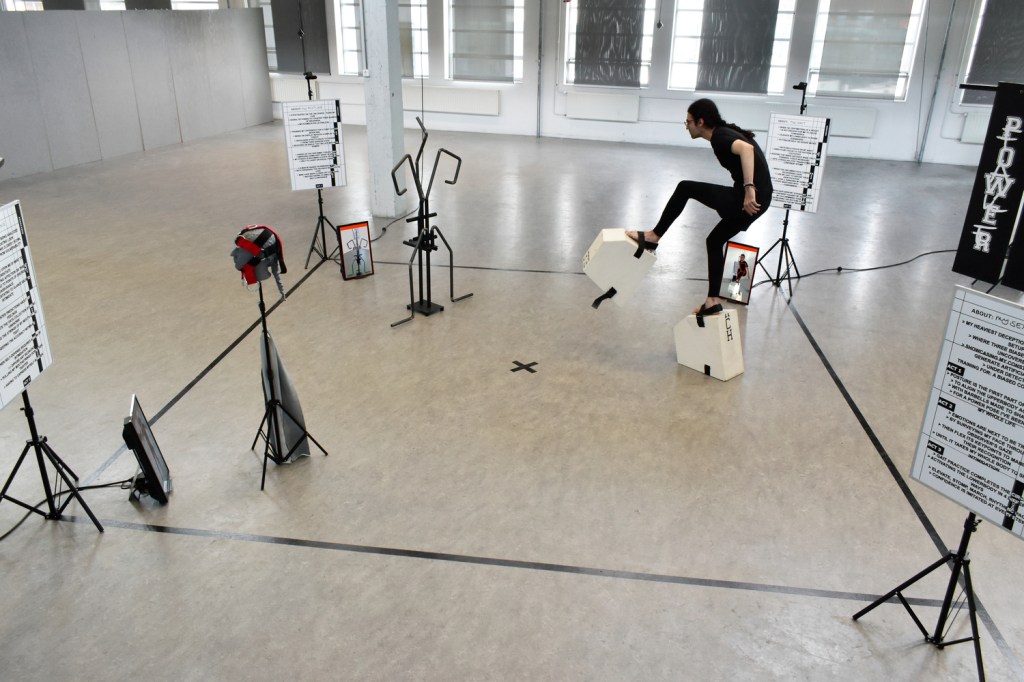
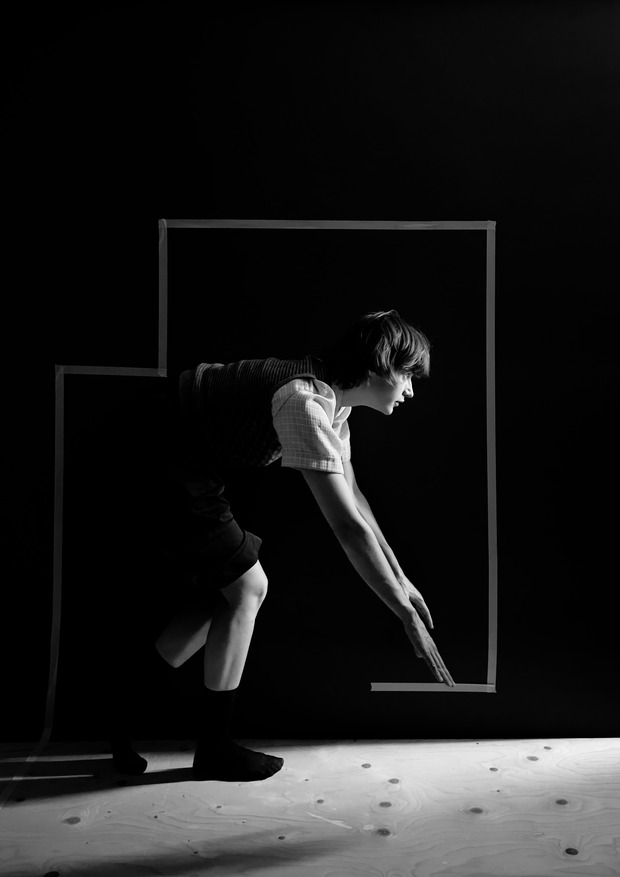

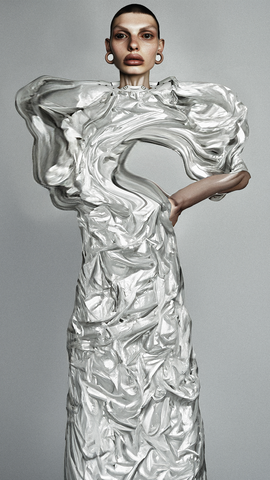


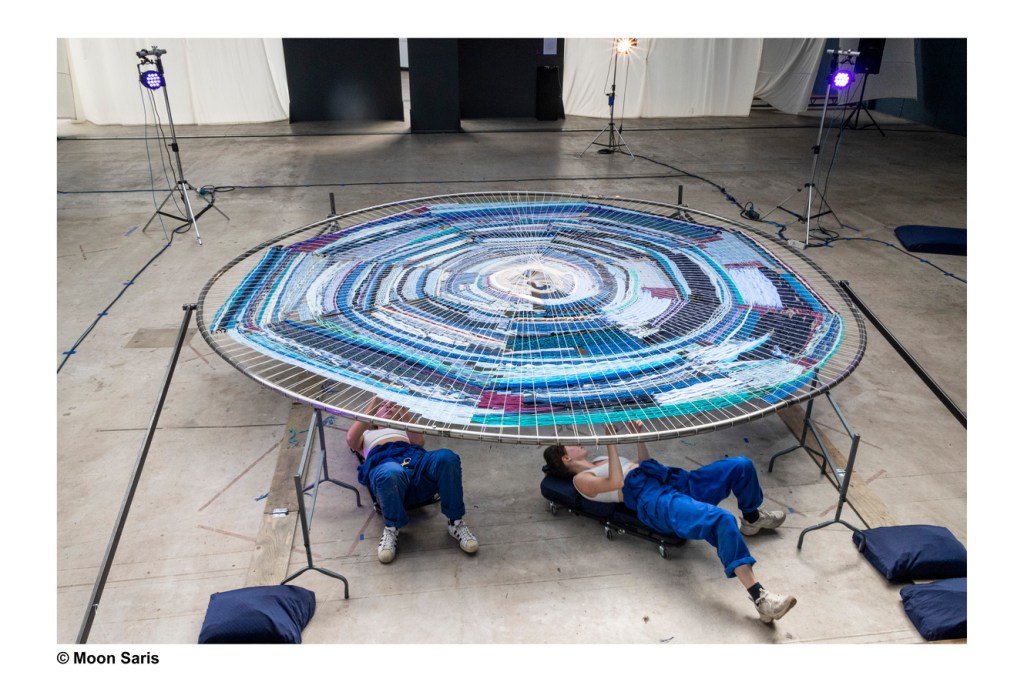

The fantastic duo’s WEEF.collective X Roumans, Mira Verhoeve X Dirk Vaessen, ULKAAN (Kaan Hiçyilmaz & Ulkuhan Akgul), Manka Menga X Katharina Spitz, Naza Løtus x The Nightmare Disorder are all creating new work that extends the disciplinary boundaries of fashion.
And I must mention the festival Afterparty project. FASHIONCLASH Festival Afterparty is not just a party, it is an interdisciplinary program and platform that is part of FASHIONCLASH’s Queer Activity Program to give more visibility to the queer community in the region. Queer Activity Program consists of talks, workshops, a podcast series in collaboration with Limburg Museum and dance and fashion making workshops. In collaboration with theater maker Samuel Valor Reyes, a program for the Afterparty has been put together with fashion shows of designers NNAEJ STUDIO, Tessa van den EedenandMax Niereisel, performances and of course plenty of time to dance along the music by the fantastic DJ Frandy Perez from House of Vineyard.
Looking ahead, how do you envision FASHIONCLASH influencing the future of fashion, both for emerging designers and the broader community?
We believe in the positive impact of FASHIONCLASH on everyone involved in the community. After actively working for more than 15 years, but always with a good balance between self-criticism and experiment, we are confident that our working method still works and has added value
The biggest challenge is to continually find financing for the continued existence of FASHIONCLASH. If we succeed in keeping FASHIONCLASH alive, we will continue to do what we can and are good at. In addition, we are actively engaged in passing on knowledge and making our working methods and projects more sustainable.
We are concerned about the growing polarization and rise of extreme right-wing politics that see less value in the role of art and culture in society. We are also concerned about the fashion industry, because despite many actions, things are not improving. Large fast-fashion and ultra-fast fashion companies continue to exploit, use of fossil fuels is not decreasing, we wear less clothing on average, quality of clothing is so poor that it cannot be upcycled, powerful industries continue to pollute and exploit the Global South etc.
We are aware that we are only a small player in the global story, but we still believe that a small impact is also important. Doing nothing and watching from aside is not an option!
Are there any specific trends or directions you hope to see develop as a result of the festival’s impact?
We hope that the festival will contribute to awareness in some way, whether it concerns sustainability and consumer society or ethical issues that are addressed. But even the importance of building a community of shared values and open dialogue are valuable effects that we can hopefully contribute to.
As the festival approaches, what message would you like to convey to potential attendees? What should they expect in terms of personal experiences, learning opportunities, and overall atmosphere when they attend FASHIONCLASH Festival in November 2024?
Much of what I have already said is what I hope will come across to the audience. There are 13 locations and many different ways to be part of the FASHIONCLASH experience. There are also free events.
You can participate in a workshop, be part of a conversation, experience exhibitions, interactive performances or simply sit in the cinema and take a world trip through all kinds of films from different countries and perspectives. But you can also buy work from designers or simply come to the party just to dance.
This year the festival opens at a very special location, an active Catholic church. Sint Anna-Kerk is an impressive building in the middle of a working-class district in Maastricht. The program offers something for everyone and there is a good chance that many people will accidentally come into contact with it: https://www.fashionclash.nl
A note to your future self.
”To enjoy the process, celebrate achievements and keep spreading love. And not take anything for granted.” – Branko Popovic, co-founder + Artistic Director of FASHIONCLASH
 33 MAGAZINE