

Despite the wealth of opportunities presented by FASHIONCLASH , the fashion landscape is fraught with uncertainties that emerging designers must navigate. From grappling with market demands to building credibility in an increasingly crowded field, the challenges can be overwhelming.
Therefore, it becomes essential for participants to view FASHIONCLASH not merely as a showcase, but as a strategic stepping stone. Ultimately, FASHIONCLASH serves as a pivotal chapter in the journey of emerging designers, facilitating their evolution from hopeful talents into recognized voices within the fashion industry. By fully seizing the opportunities provided by this festival, designers can cultivate thriving careers defined by artistic exploration and cultural relevance. In a time characterized by pressing social issues and a shifting fashion narrative, FASHIONCLASH plays a transformative role, nurturing the next generation of designers while fostering a rich and inclusive dialogue within the wider fashion landscape.
As we immerse ourselves in the vibrant tapestry of this year’s festival, it becomes evident that FASHIONCLASH transcends the status of a mere event—it represents a dynamic intersection of artistic innovation and social consciousness. The festival amplifies diverse voices, nurtures emerging talent, and redefines the parameters of fashion, art, and culture. By doing so, it paves the way for a future that celebrates diversity and creativity, encouraging a more inclusive and empathetic understanding of the multifaceted world of fashion.
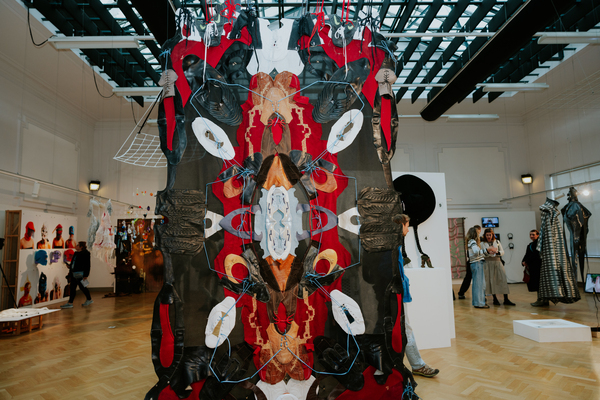
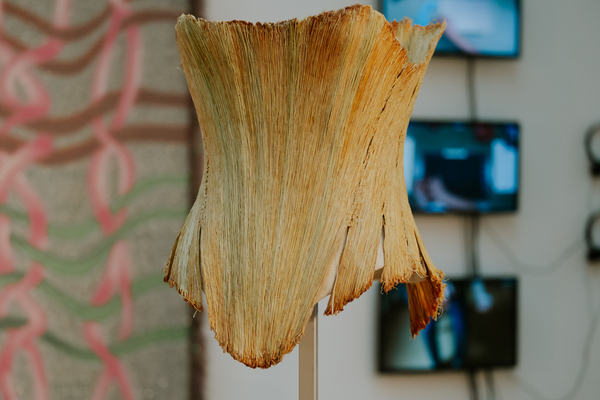
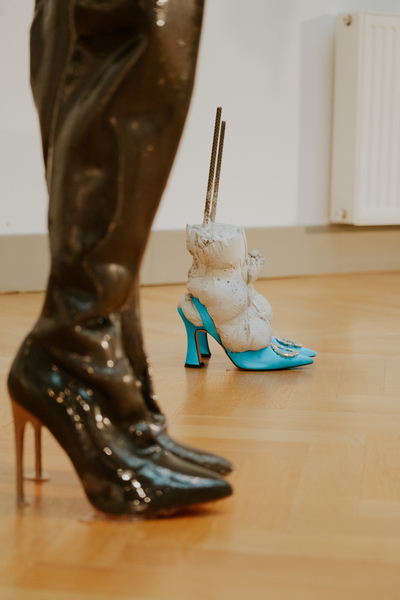

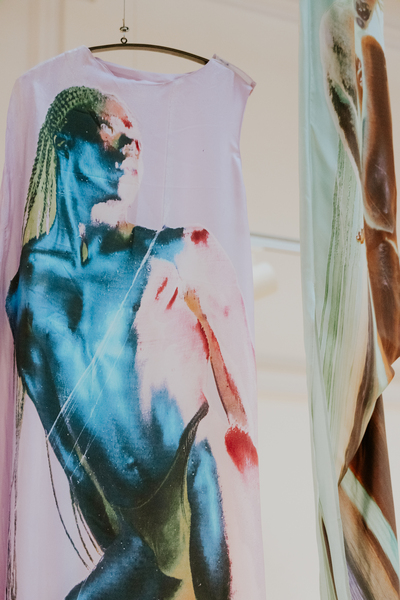
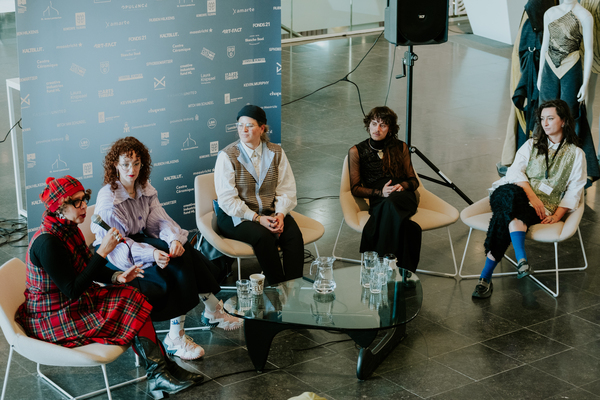
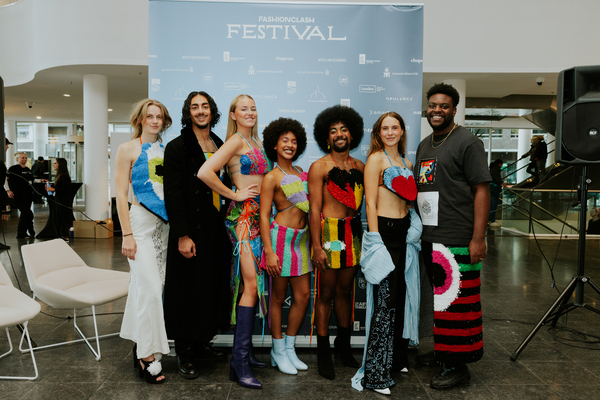
The FASHIONCLASH Festival, now in its 16th year, has cemented its status as a premier platform where the vibrant worlds of fashion, art, and culture converge to create a transformative experience for emerging designers and audiences alike. Set against the stunning backdrop of Maastricht, this year’s festival emerged as a dynamic hub of creativity, showcasing over 100 designers and artists from more than 20 countries. The festival provided an eclectic program that spanned 13 diverse venues, featuring exhibitions, performances, workshops, lectures, and films—each element reflecting the rich tapestry of contemporary fashion culture.
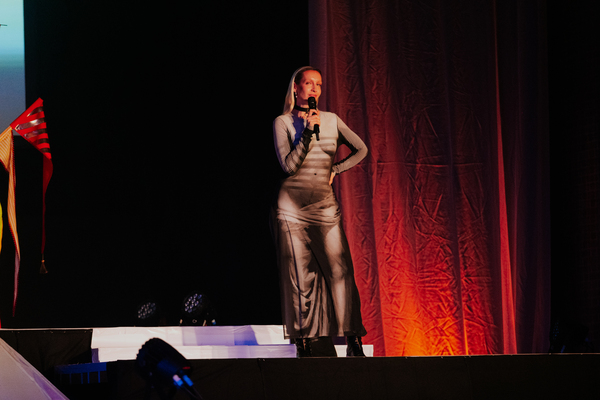
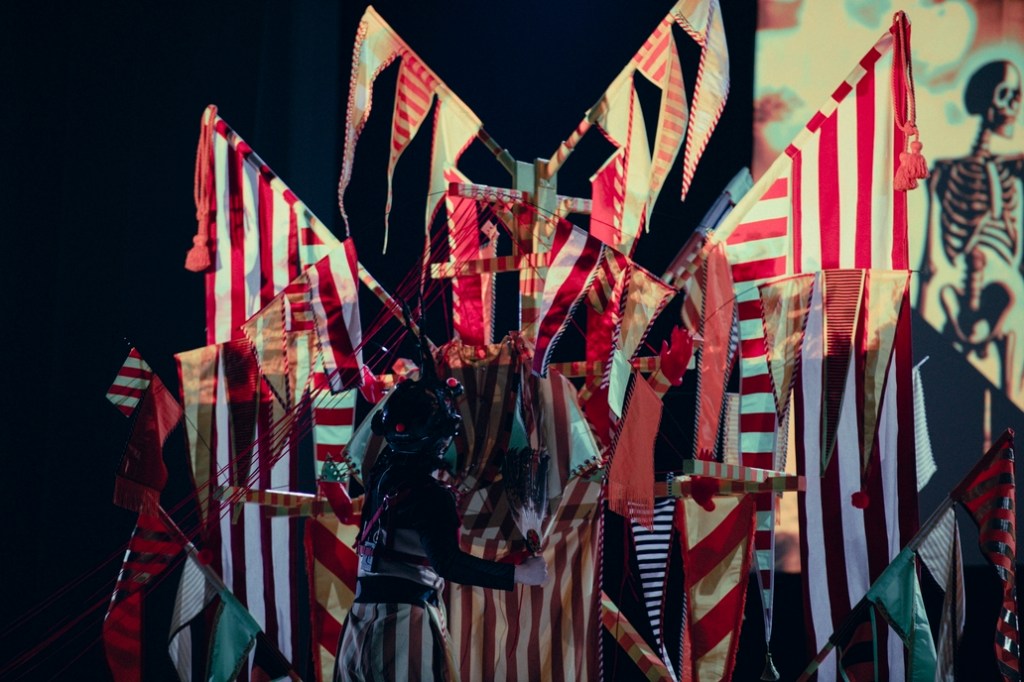
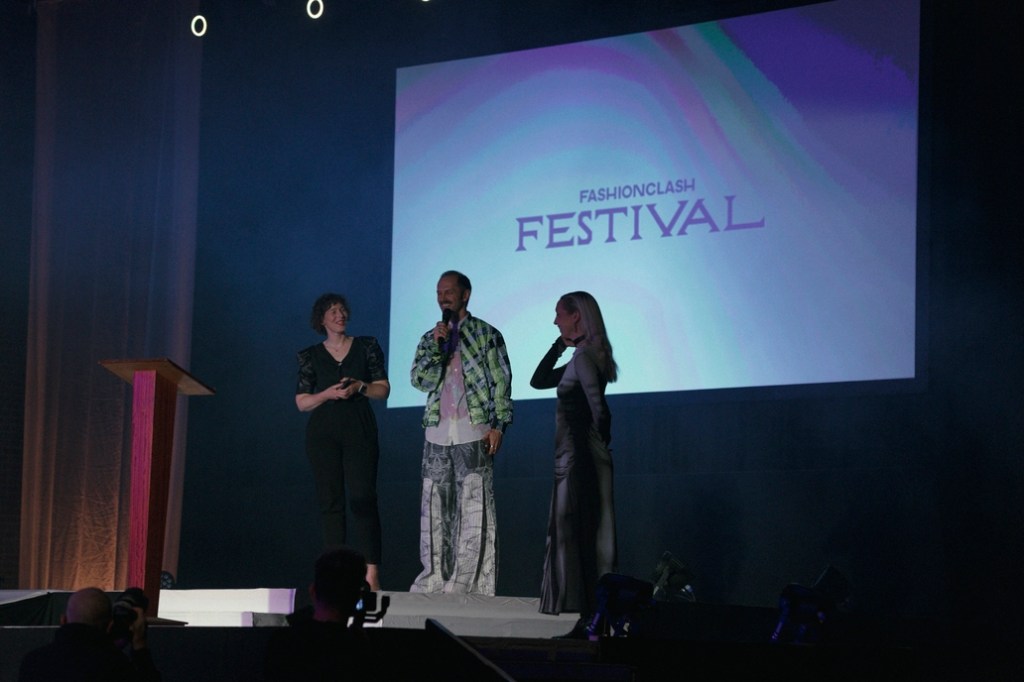
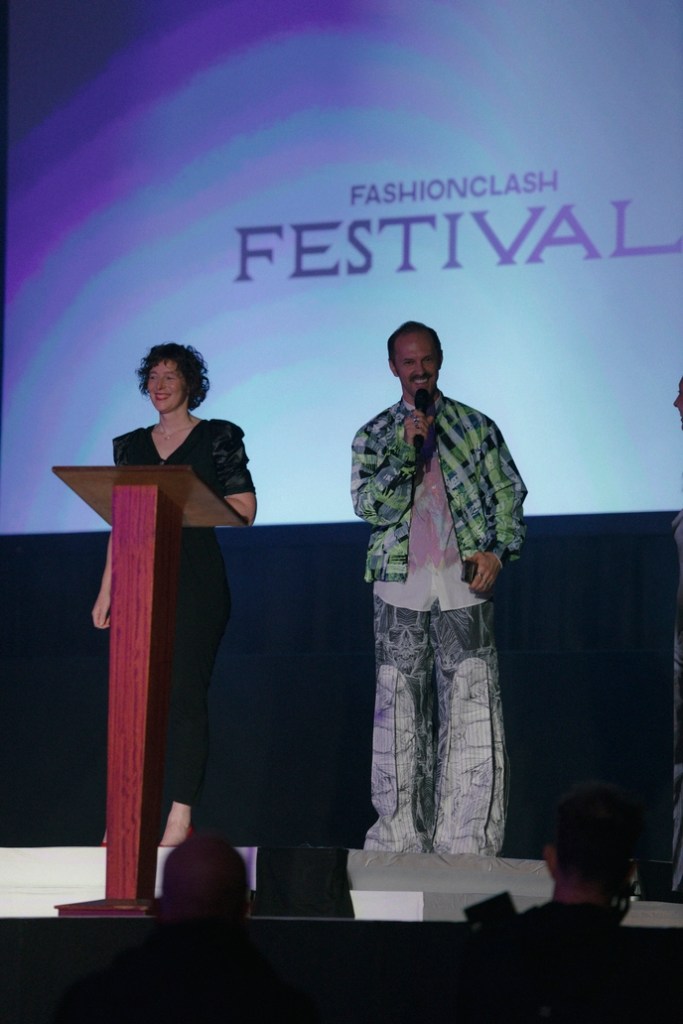
The festival opened spectacularly at the Sint-Annakerk, a historic and captivating venue that played host to a powerful performance under the artistic guidance of Aya Noël. Attendees were treated to an engaging evening that celebrated the festival’s mission of challenging and expanding artistic boundaries. Speeches from FASHIONCLASH directors Branko Popović and Els Petit-Carapiet, along with local dignitaries, highlighted the festival’s commitment to supporting artists in their explorations of identity, culture, and creativity.

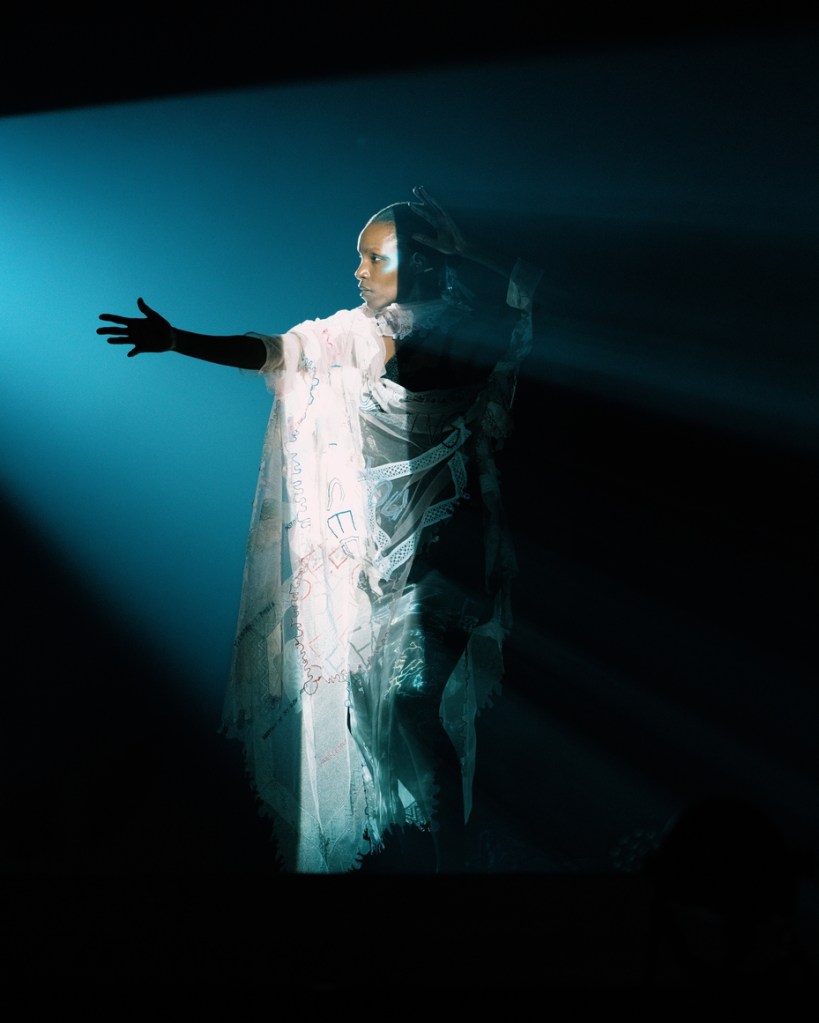
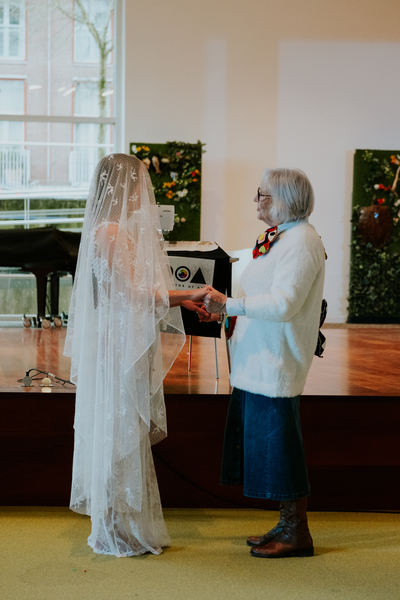
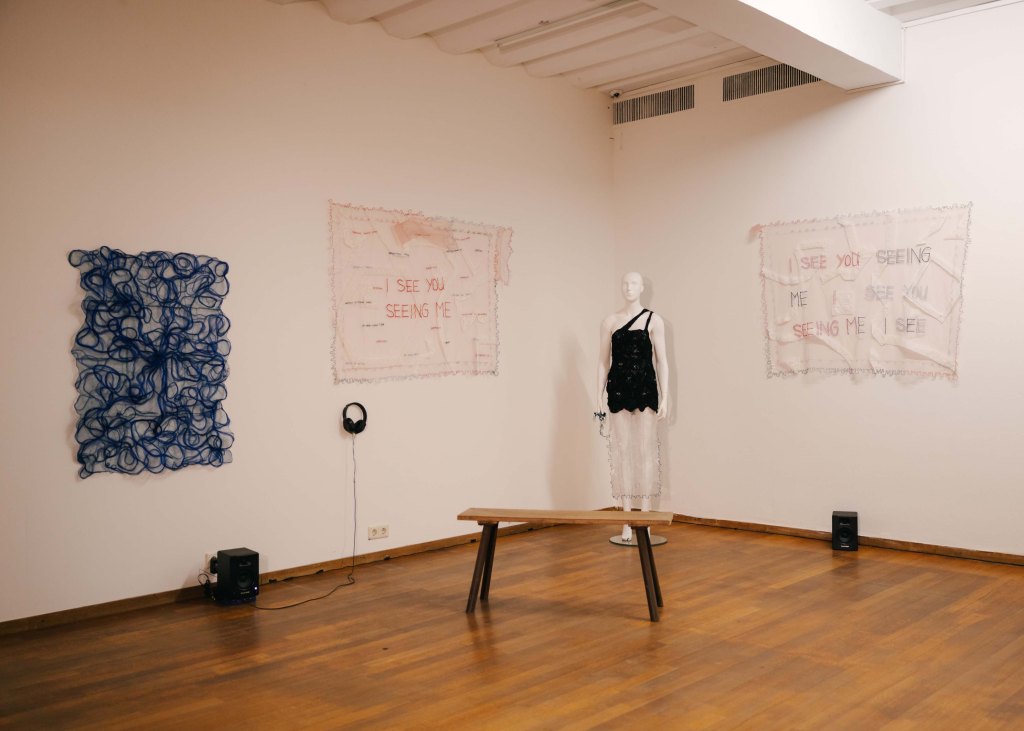
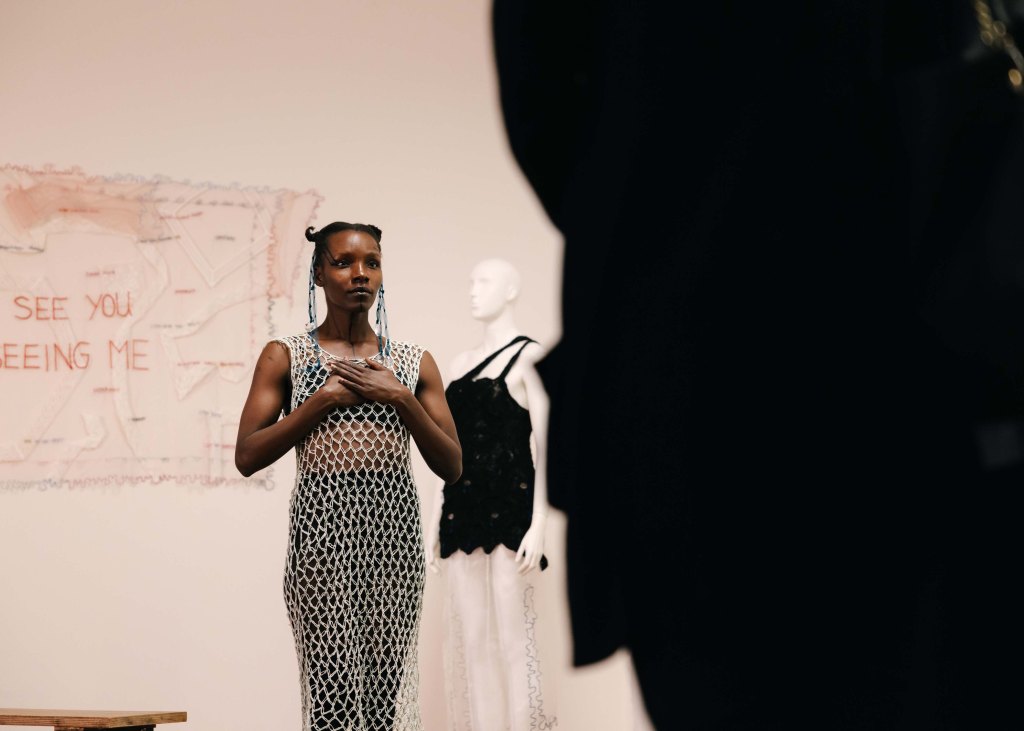
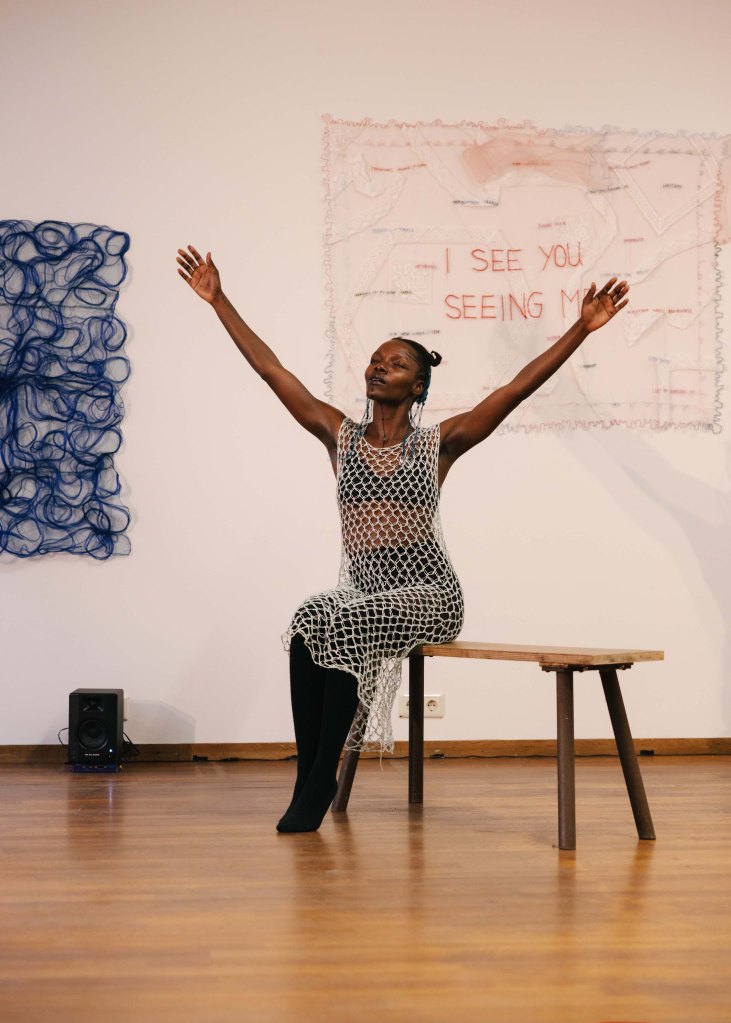
One of the most profound performances of the festival was “I SEE YOU SEE ME,” a collaboration between designer Katharina Spitz and poet Manka Menga. This thought-provoking piece addressed complex themes surrounding womanhood and individual identity, drawing attention to the narratives of women who have historically defied societal norms.
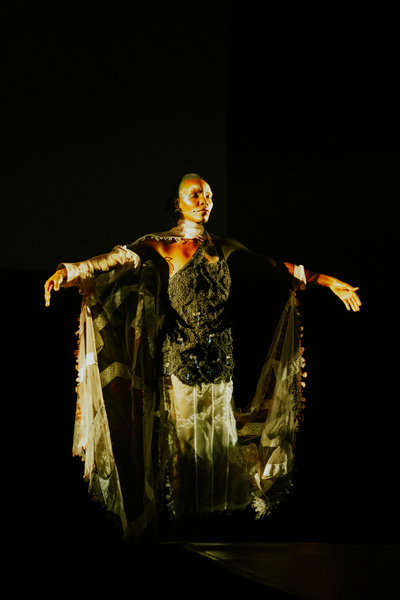
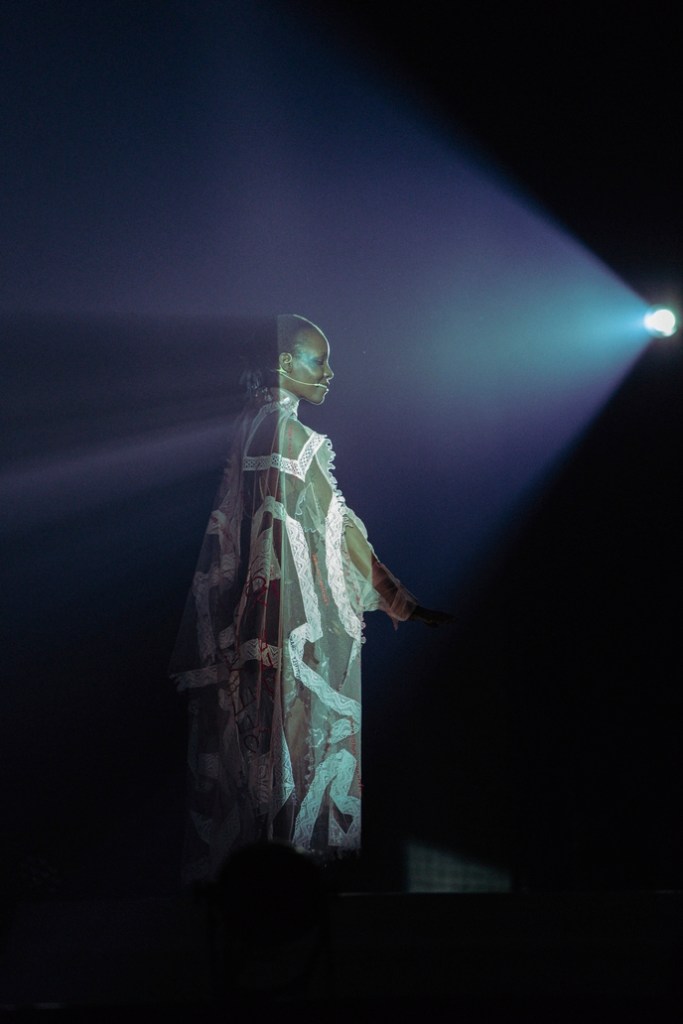
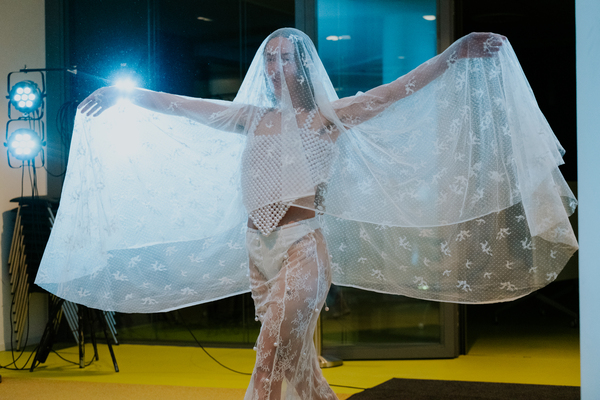
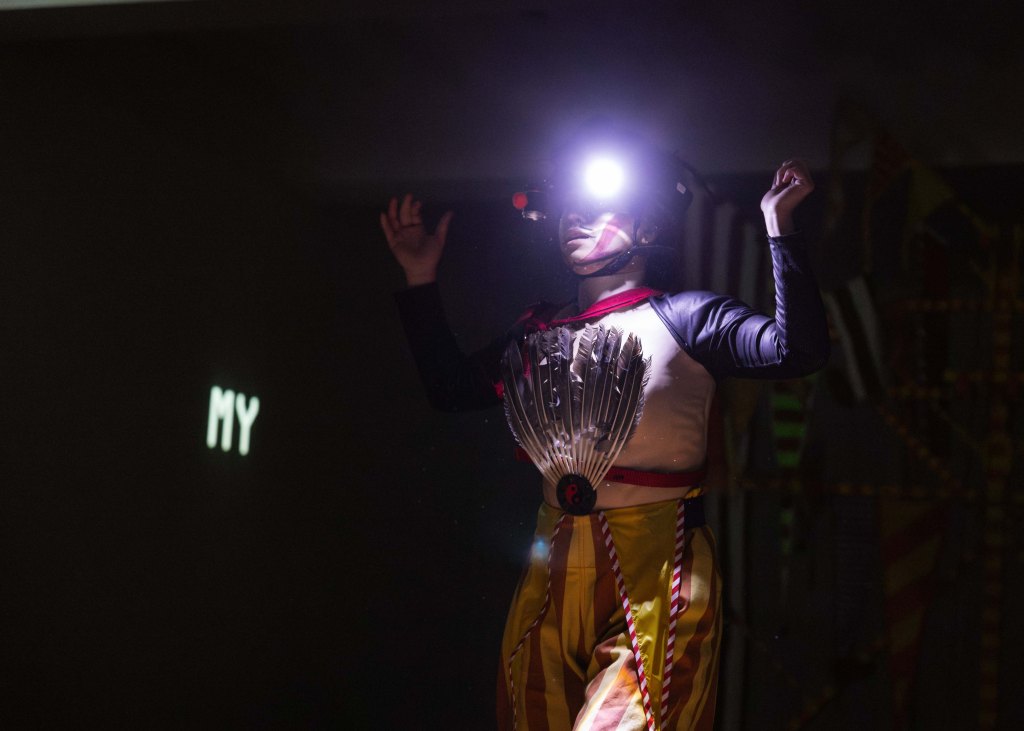
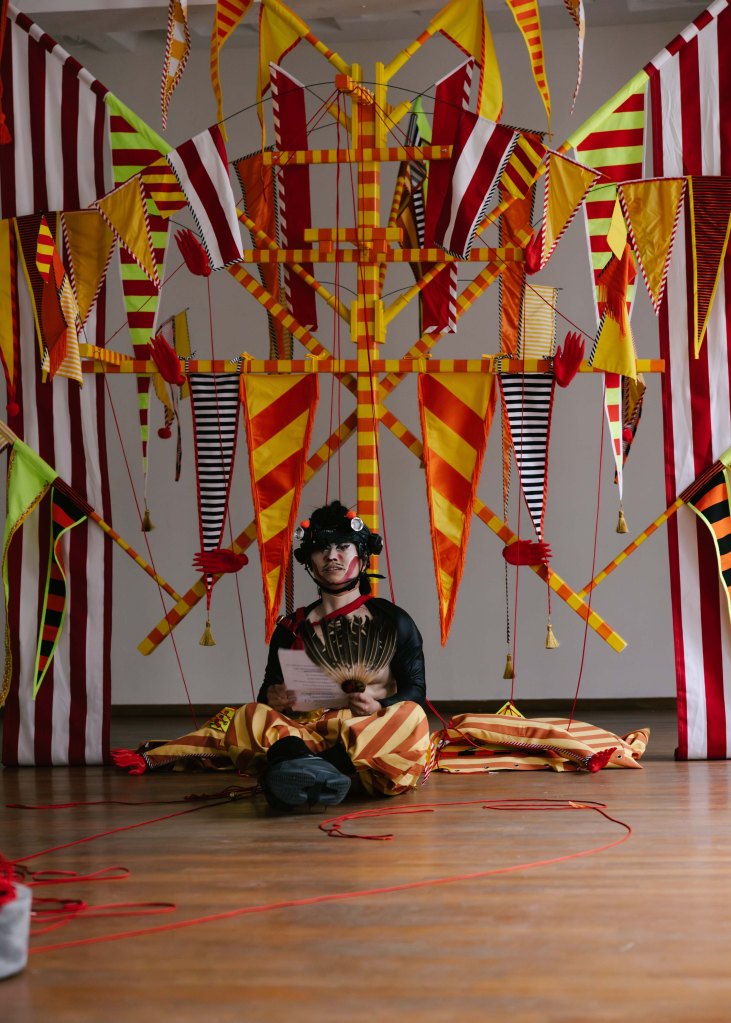
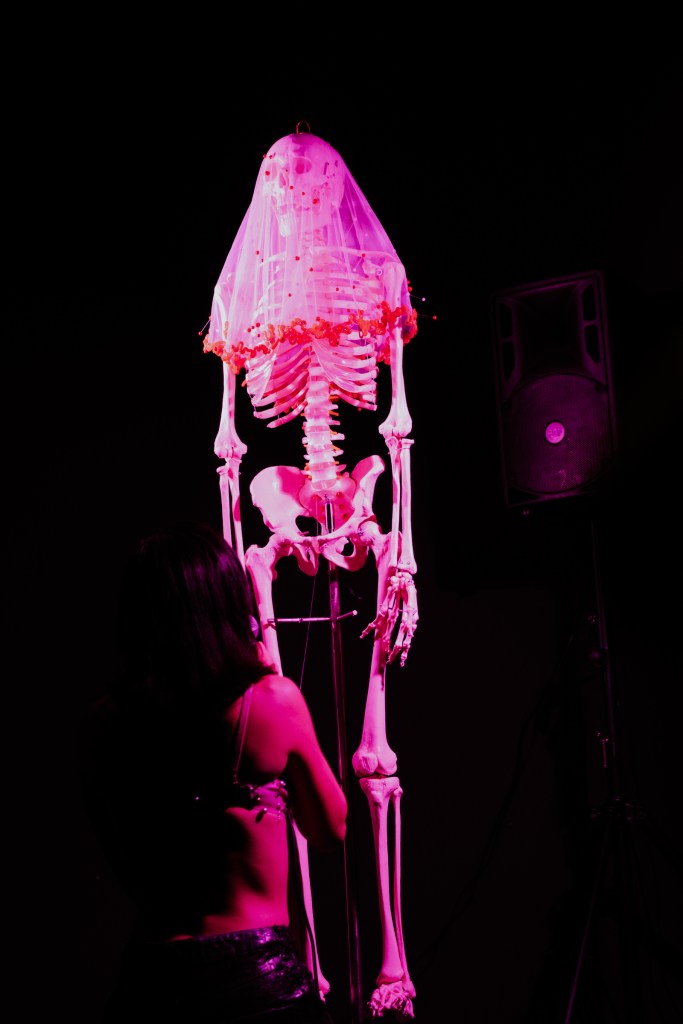
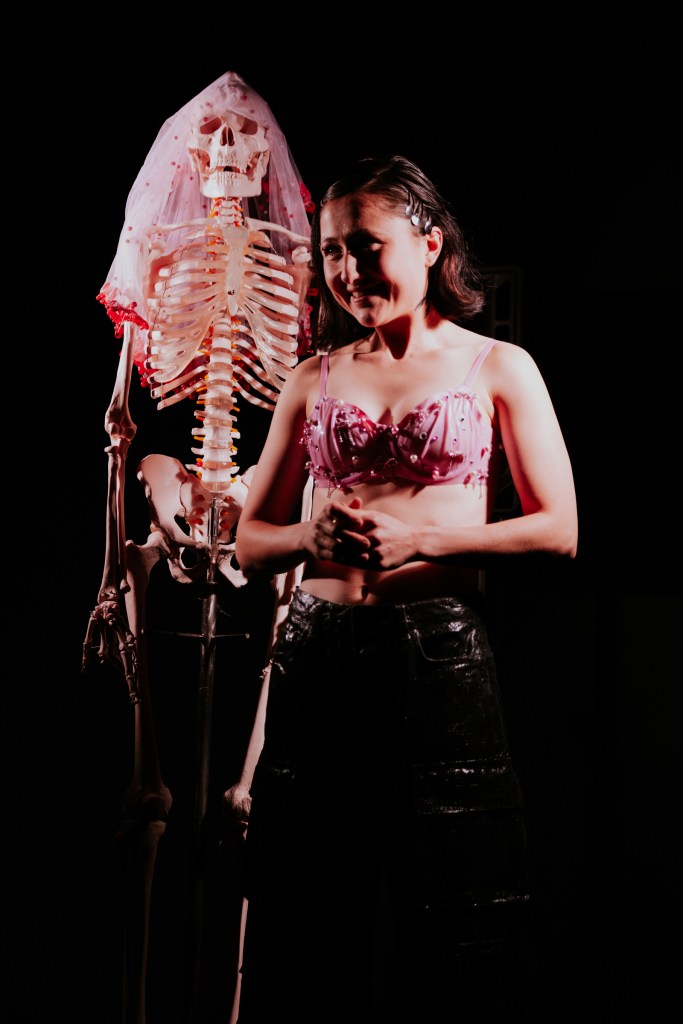
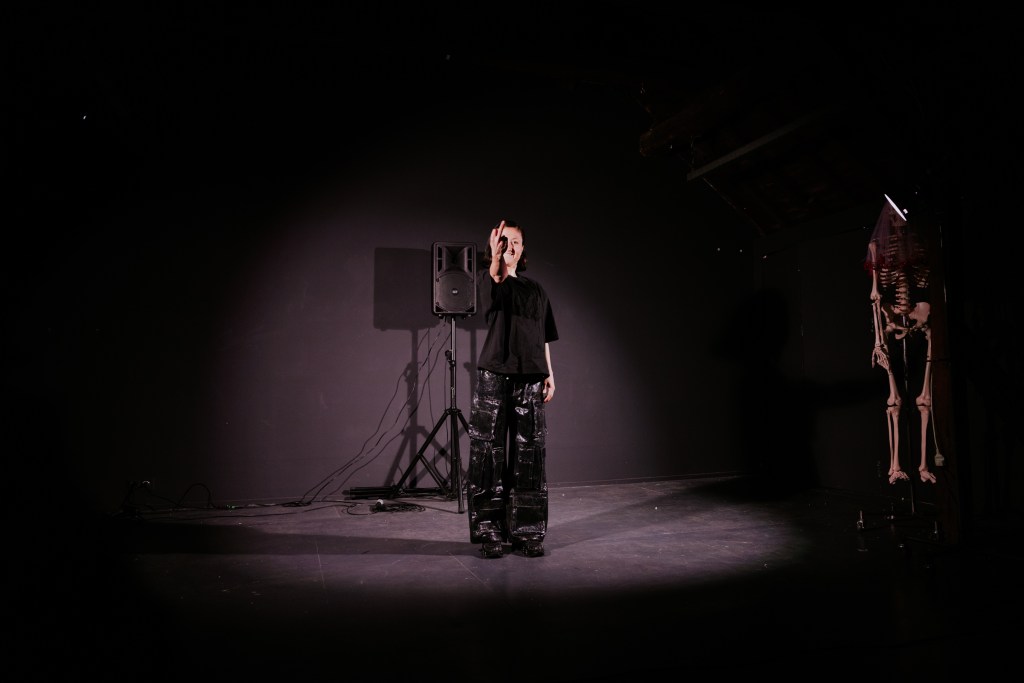
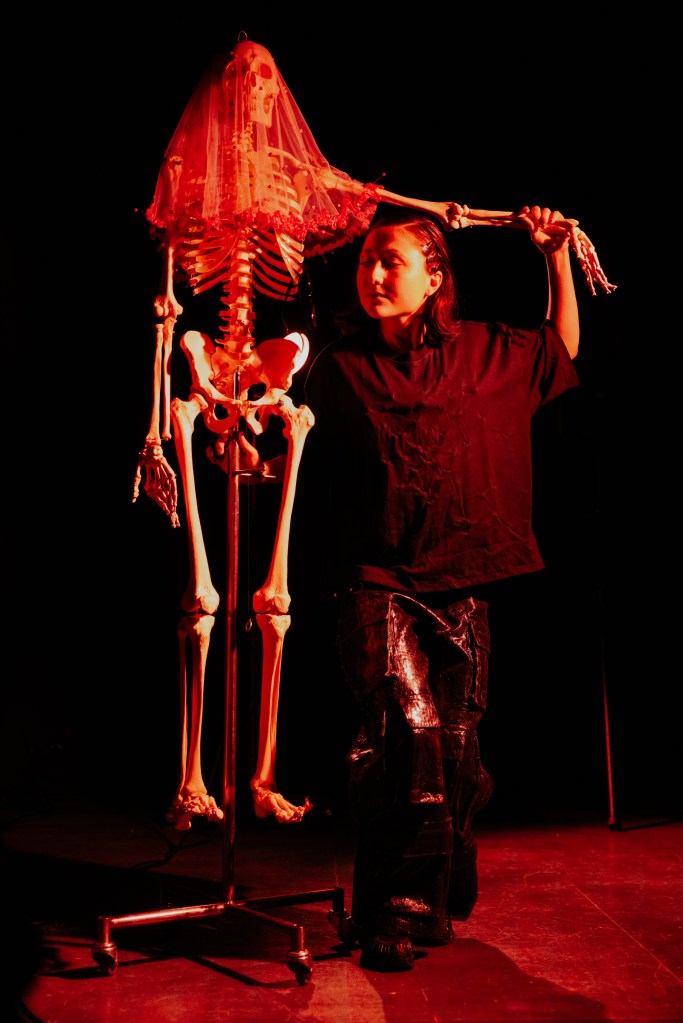
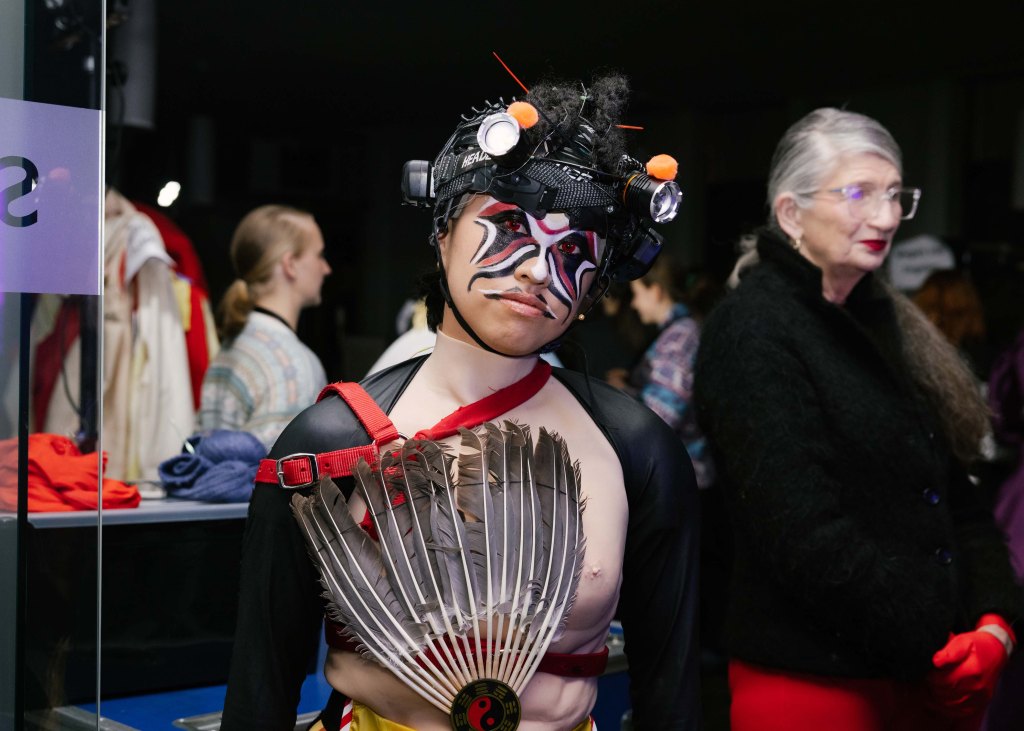
Similarly, Naza Løtus, a Taiwanese drag artist, captivated the audience with their performance titled “eight.” Seamlessly integrating costume design with compelling storytelling, “eight” engaged attendees on a cultural level, highlighting the intersection of performance and fashion as a vehicle for self-expression.
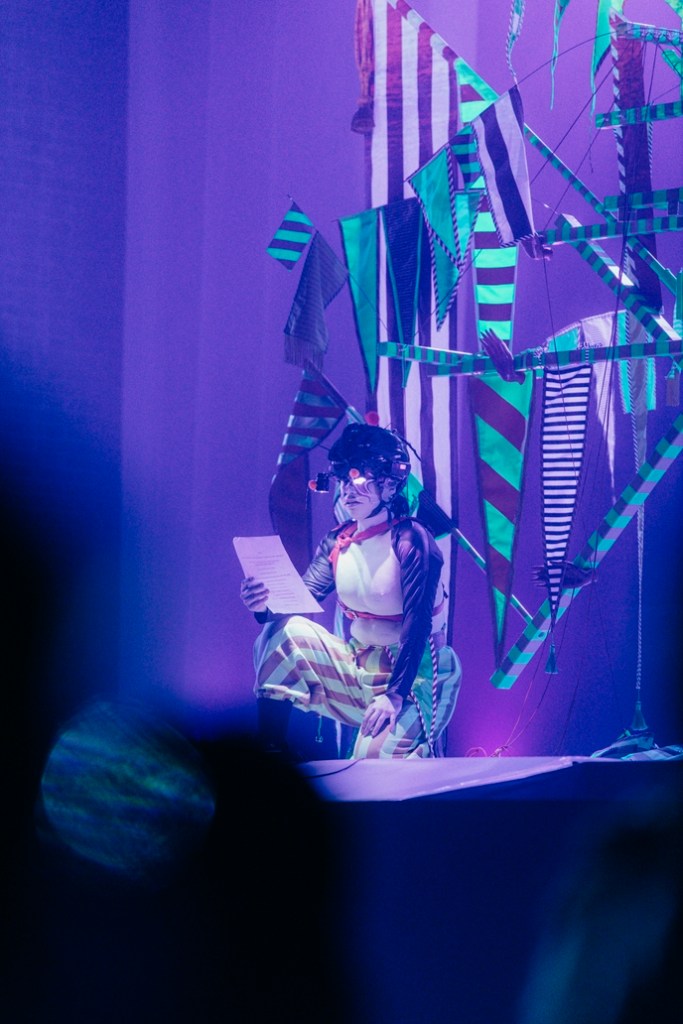
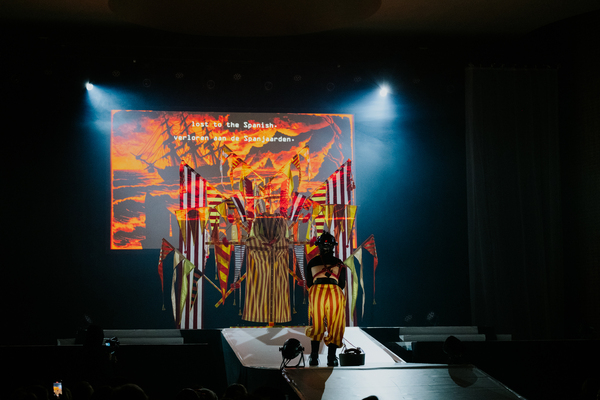
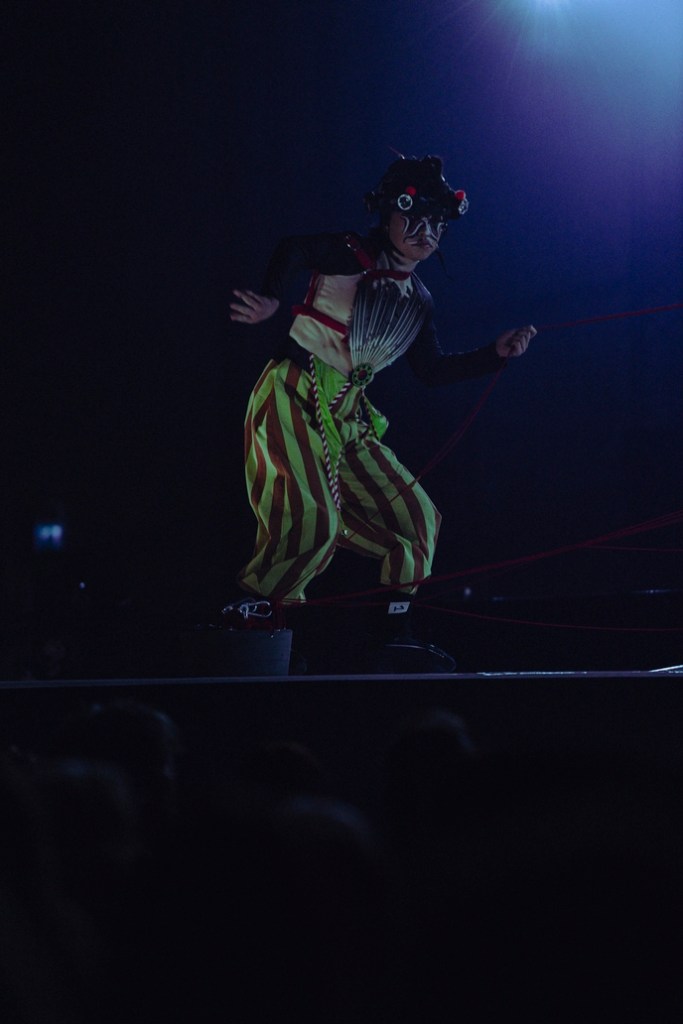
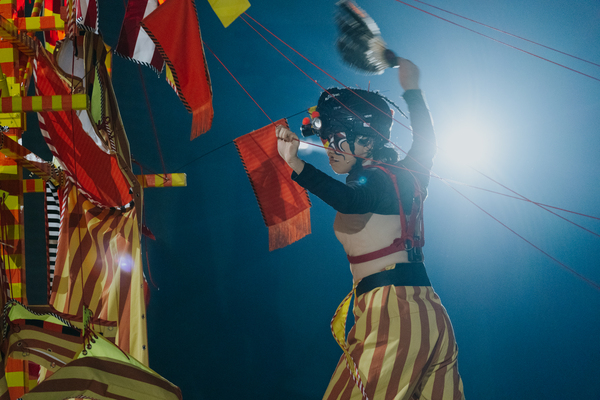
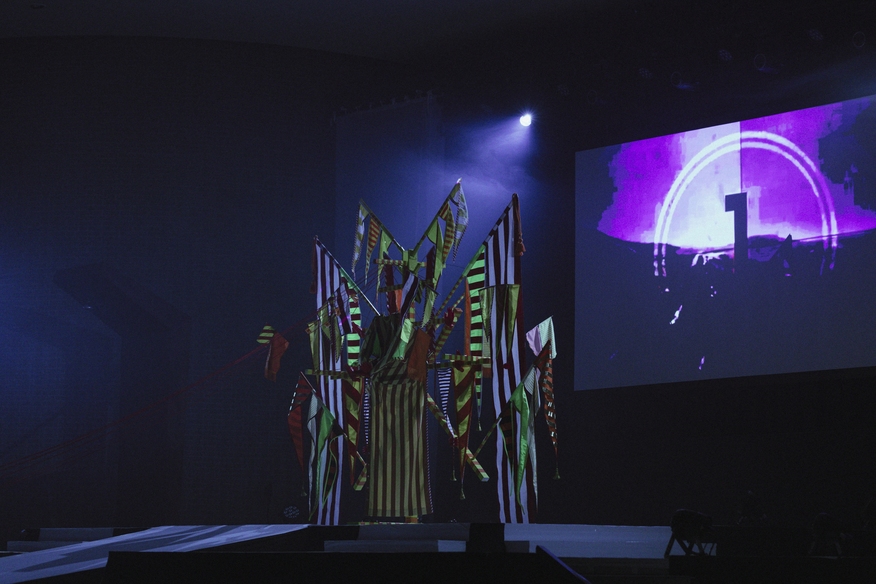
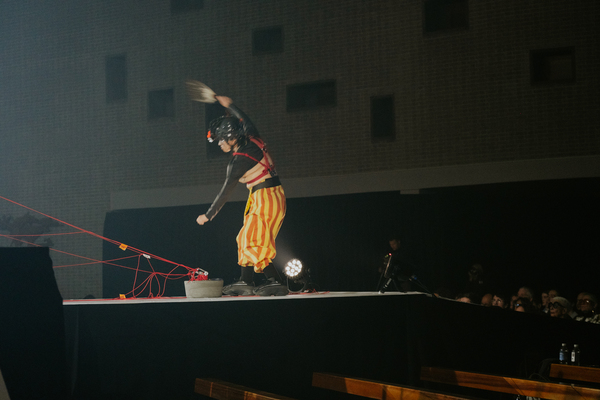
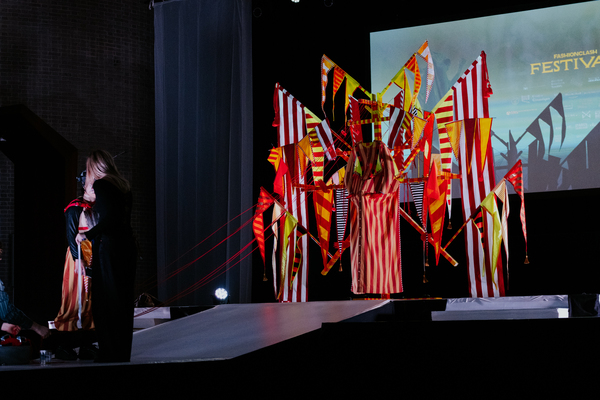
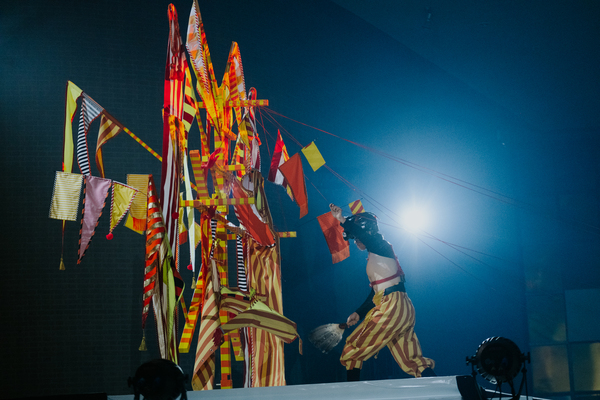
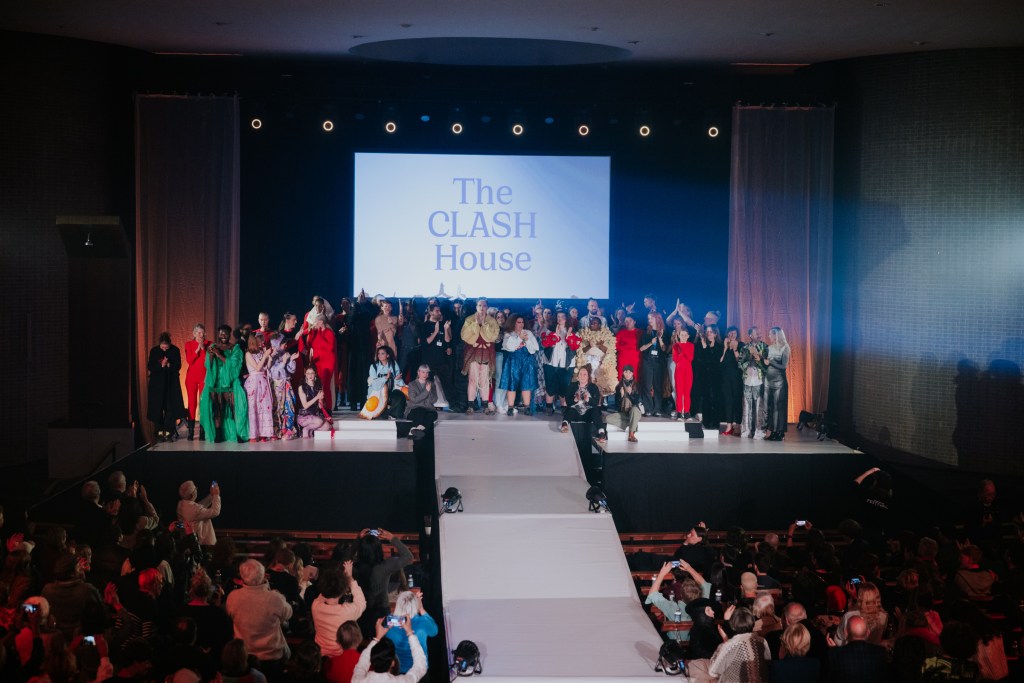
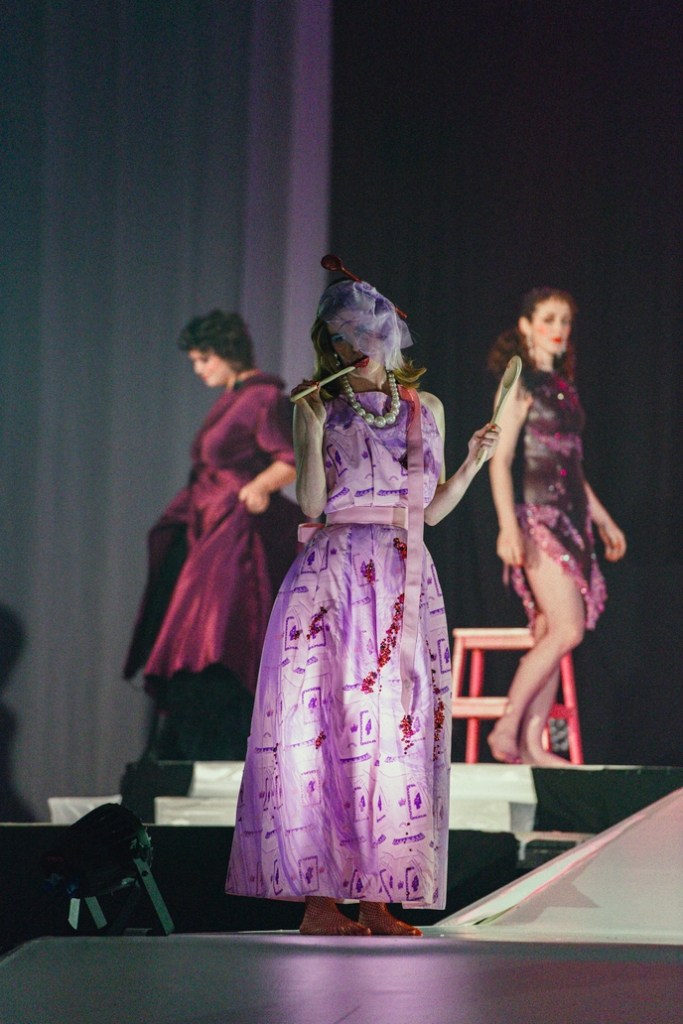
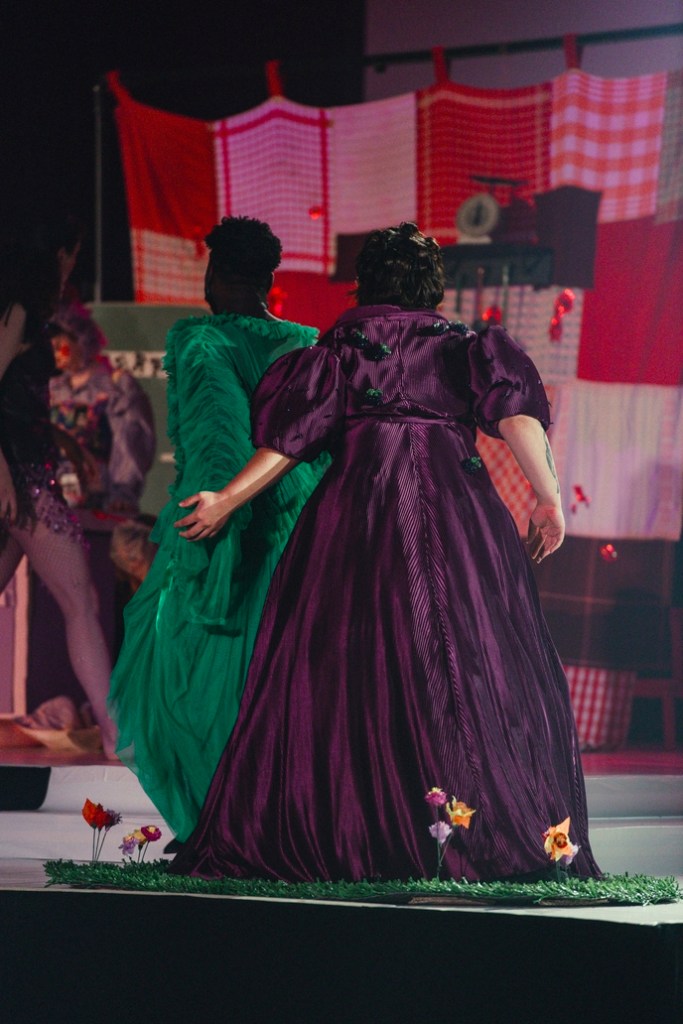
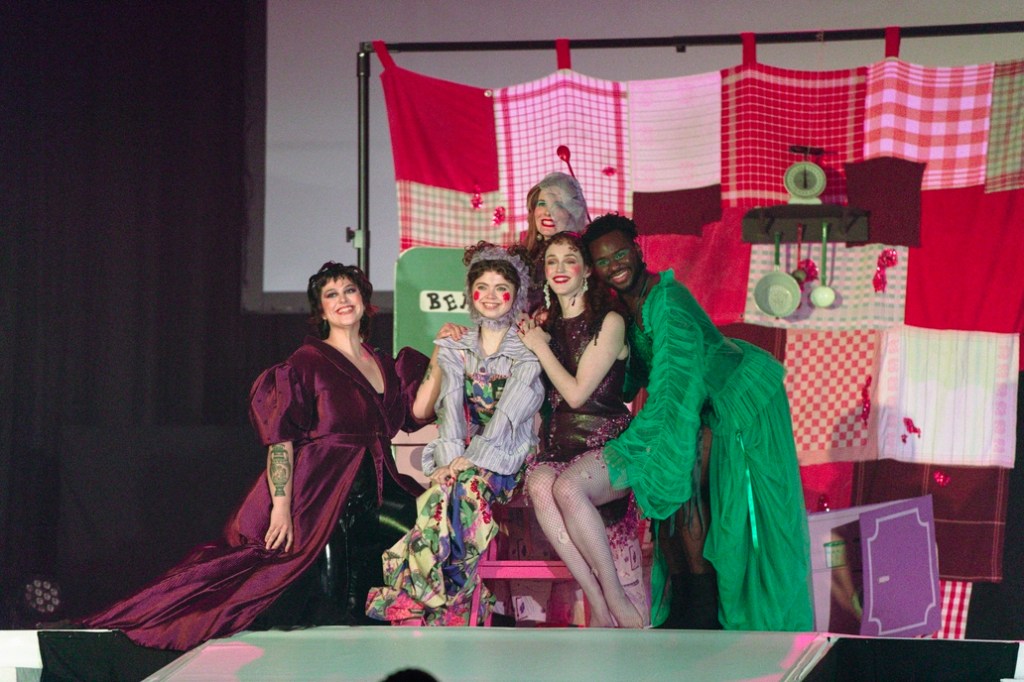
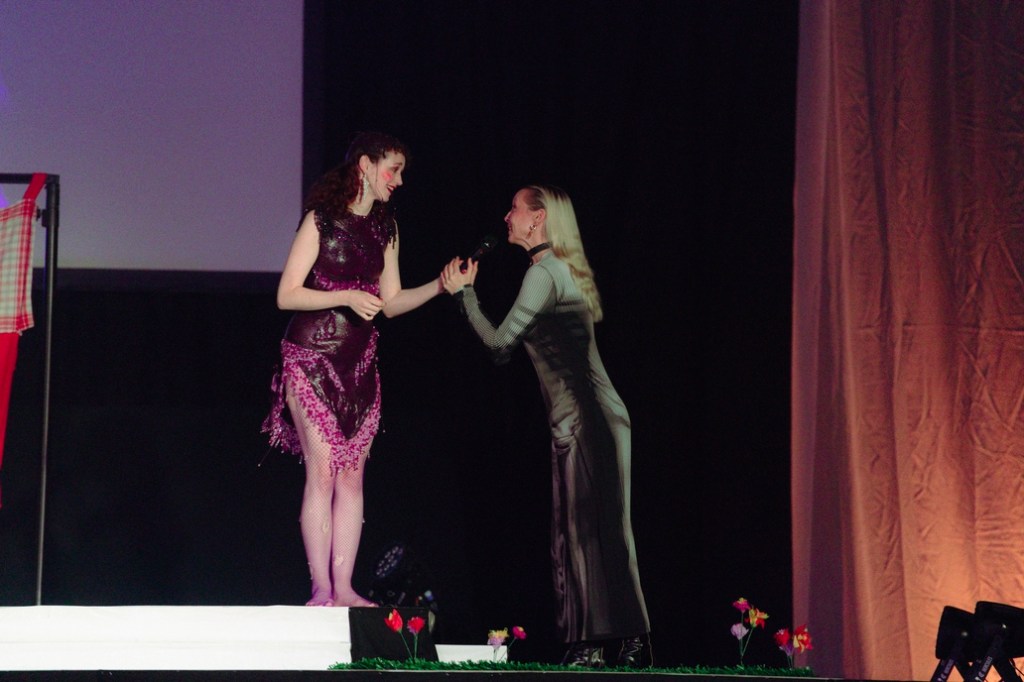
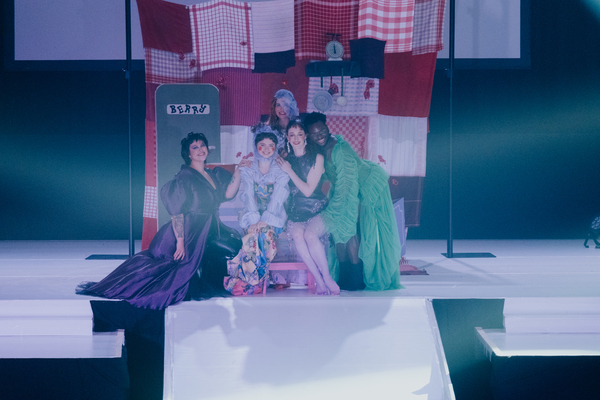
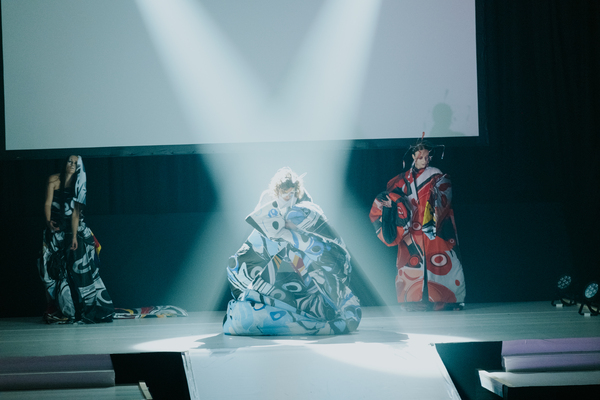
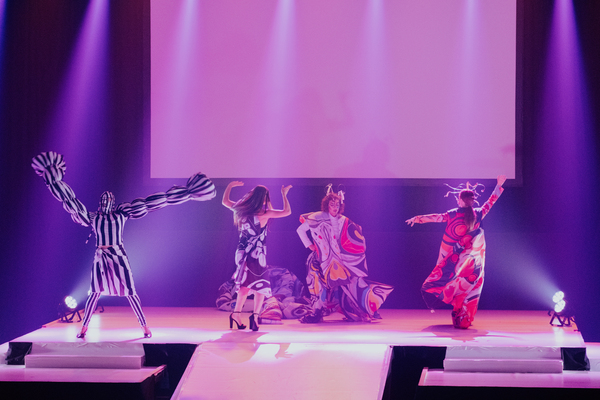
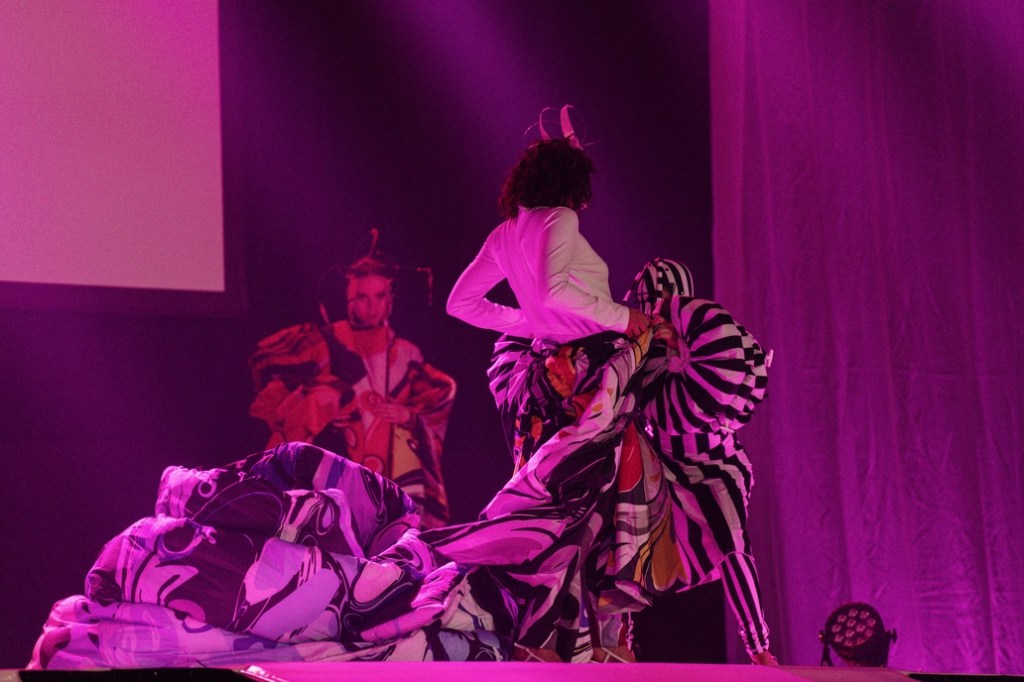
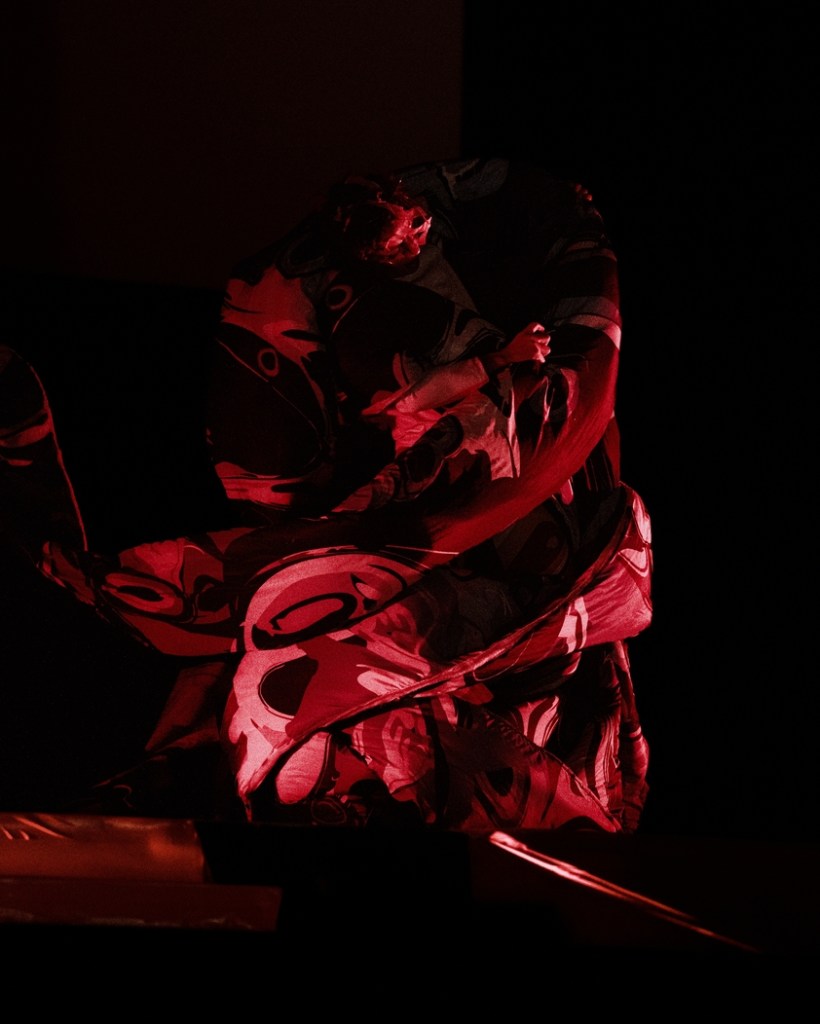
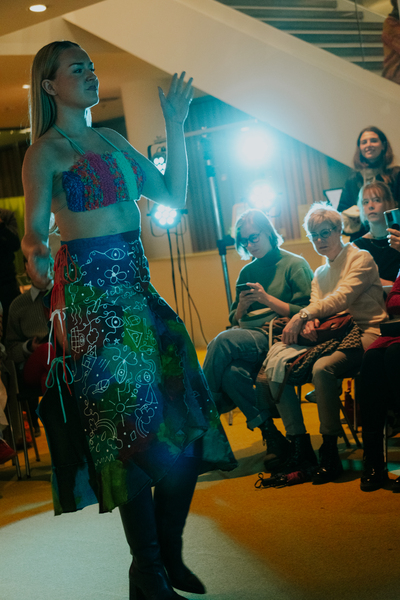
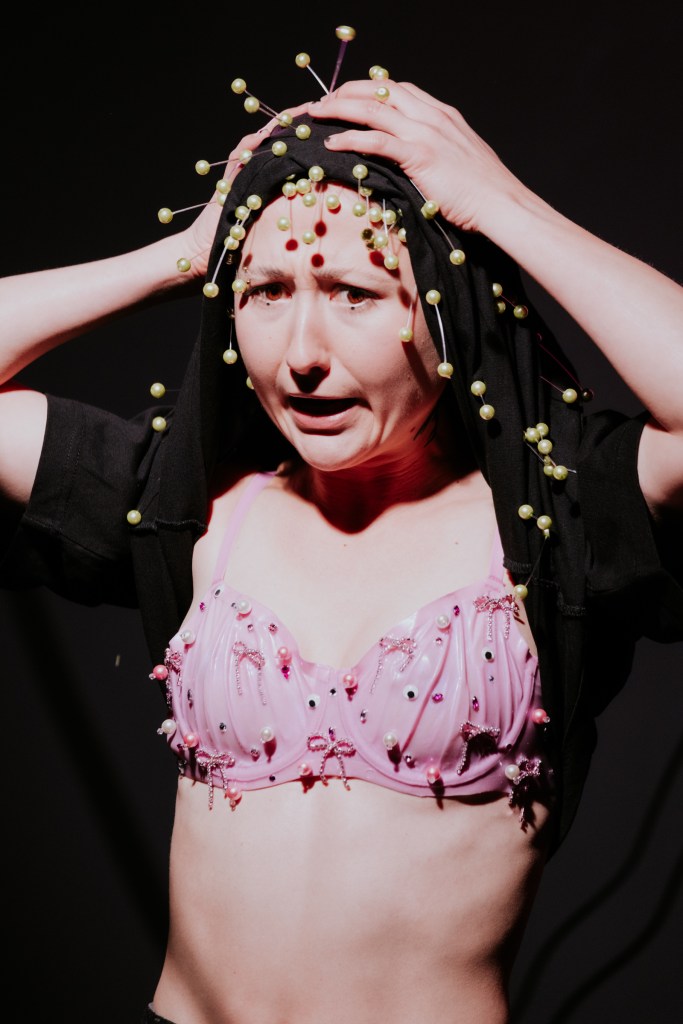
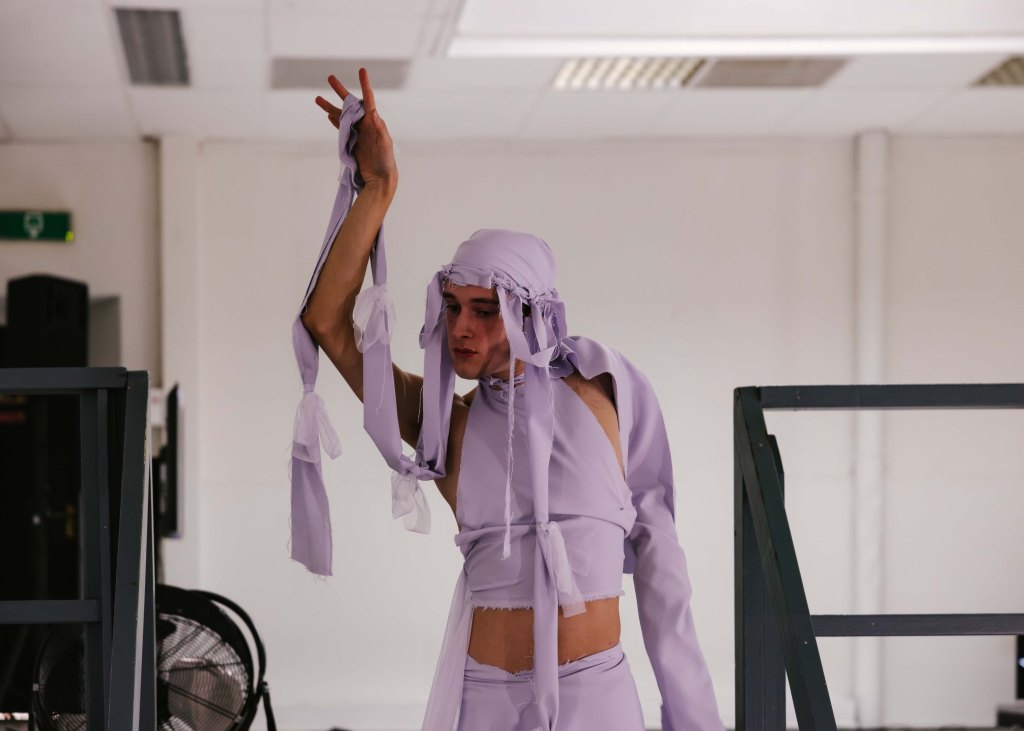
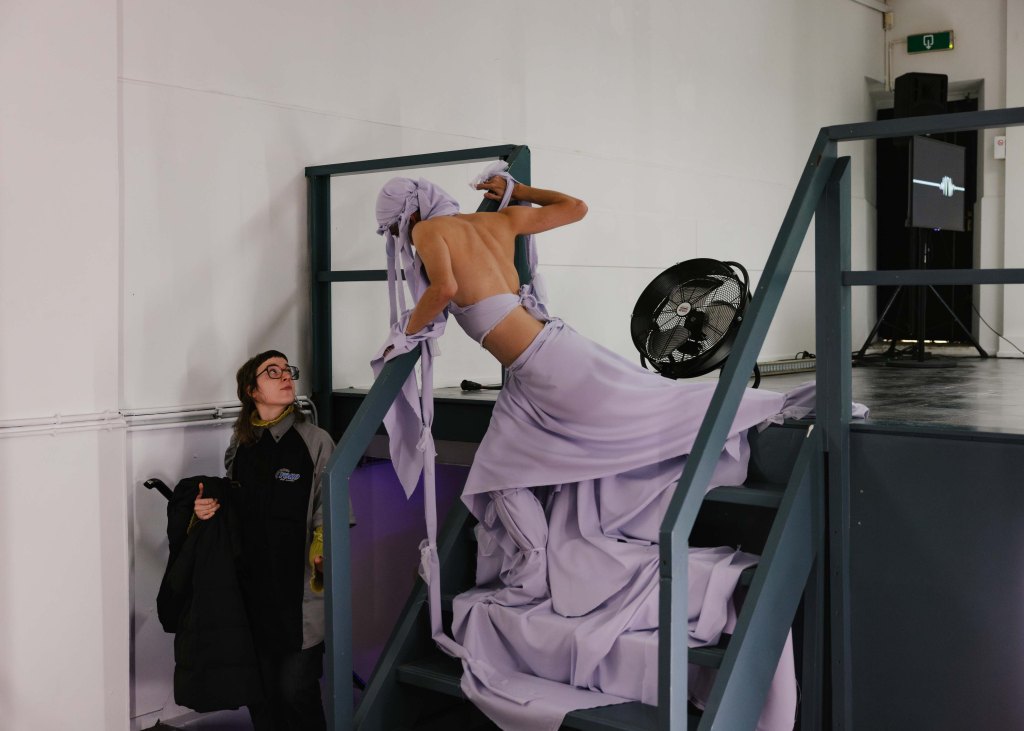
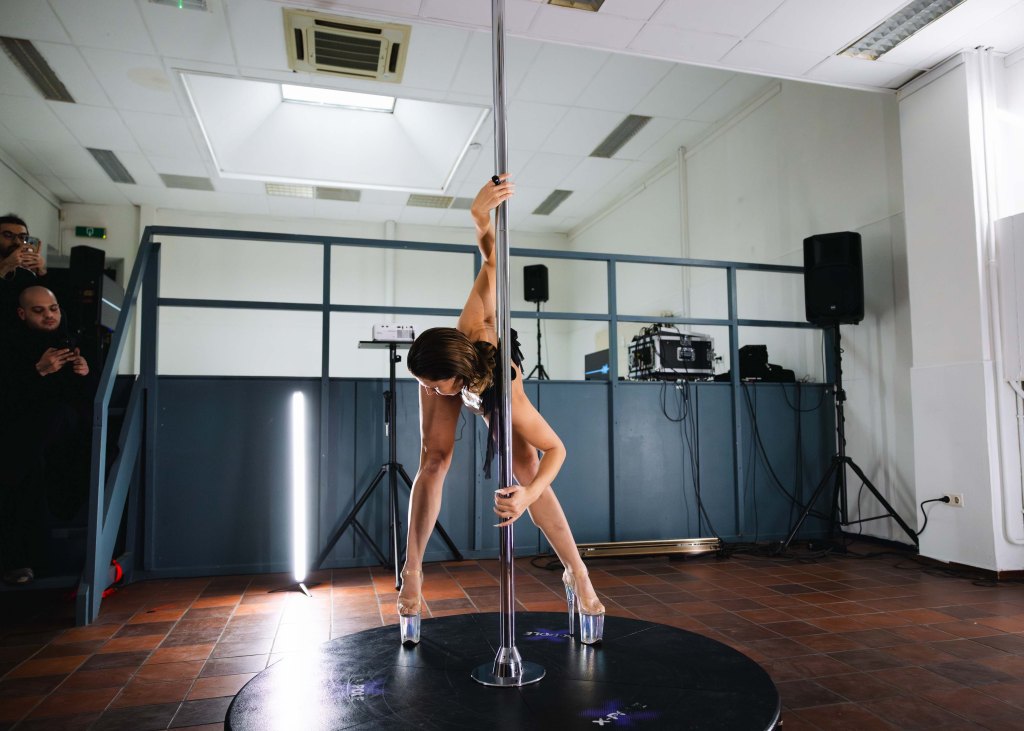
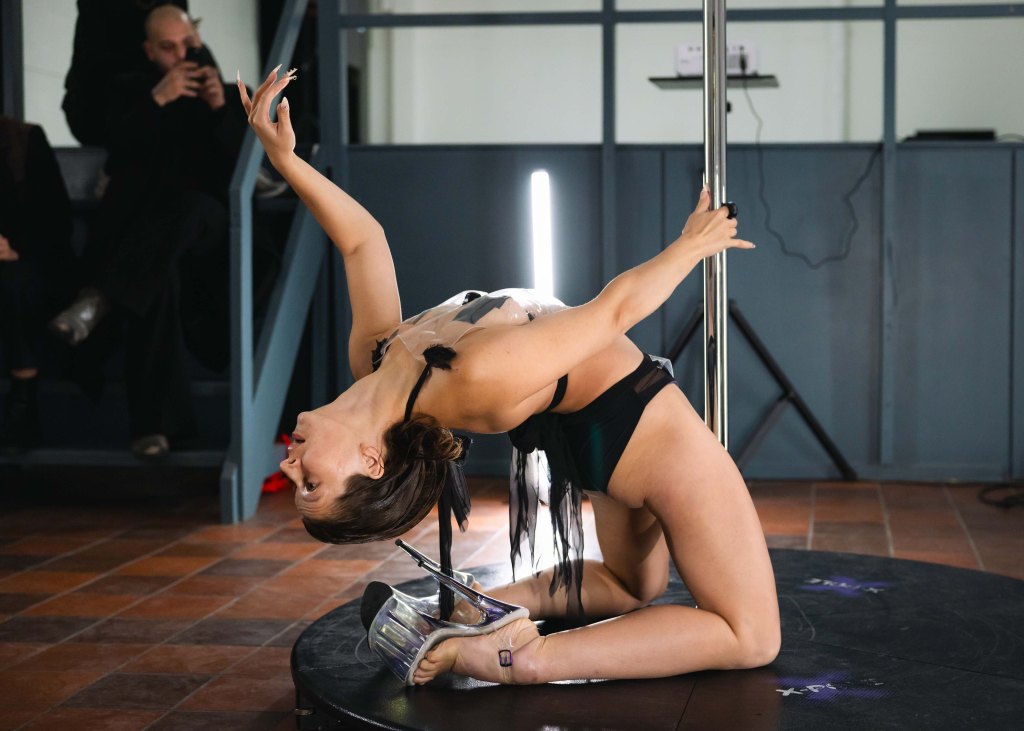
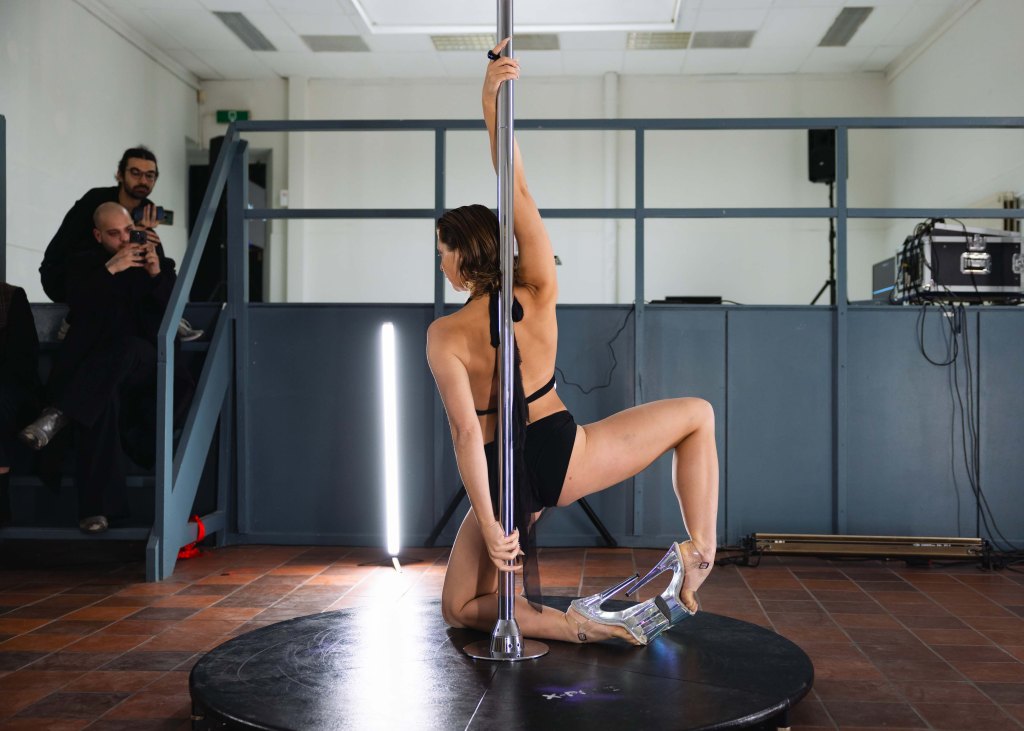
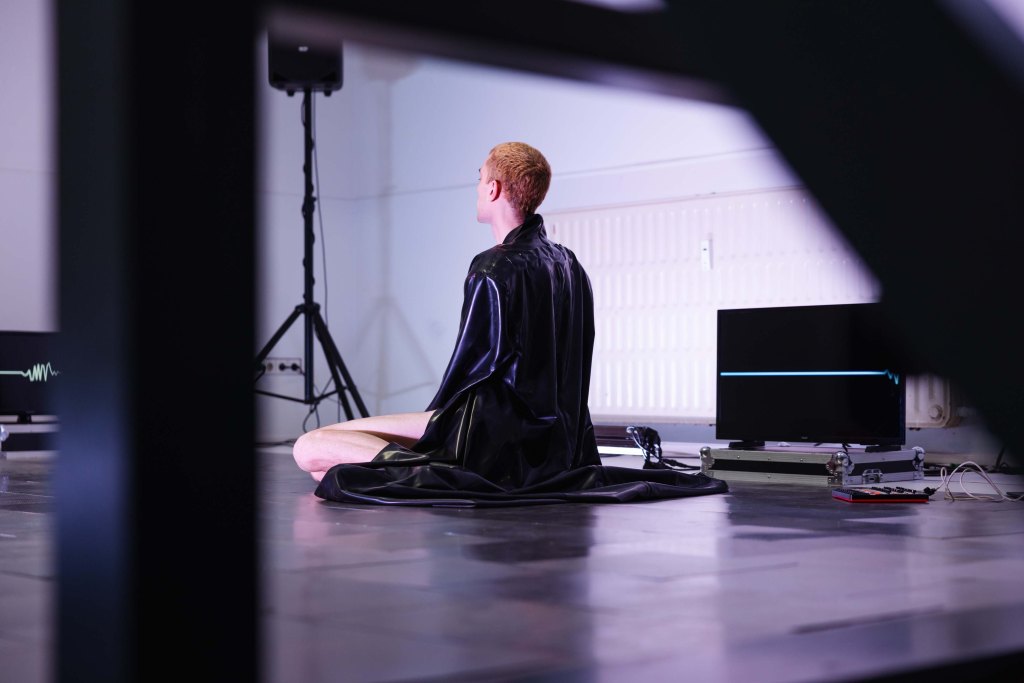
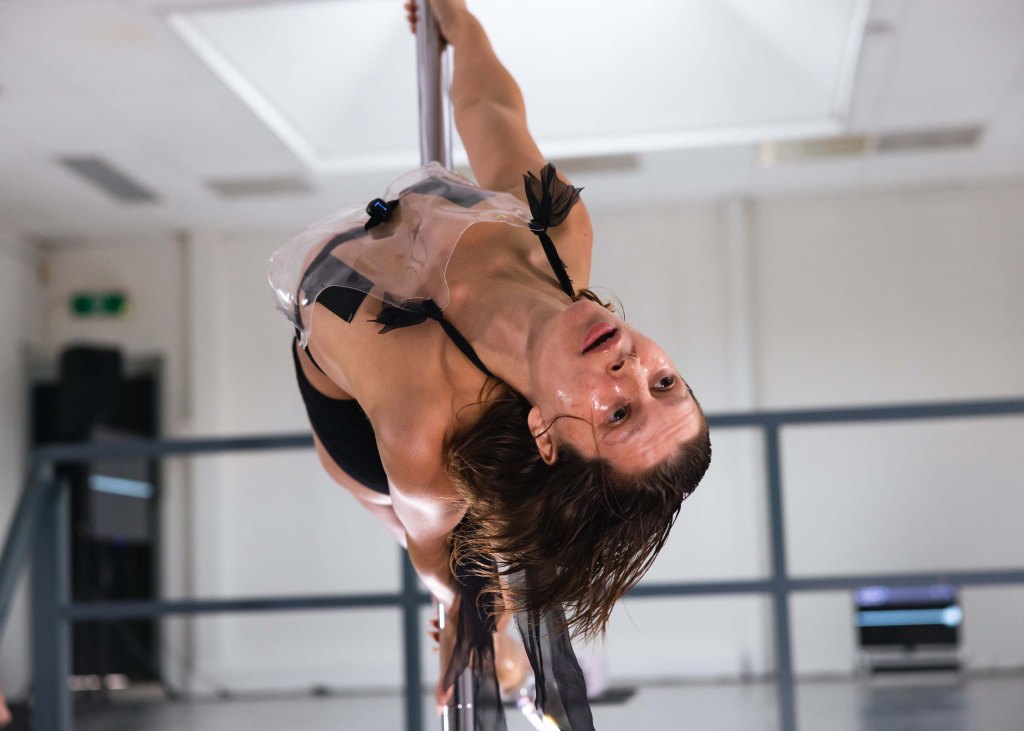
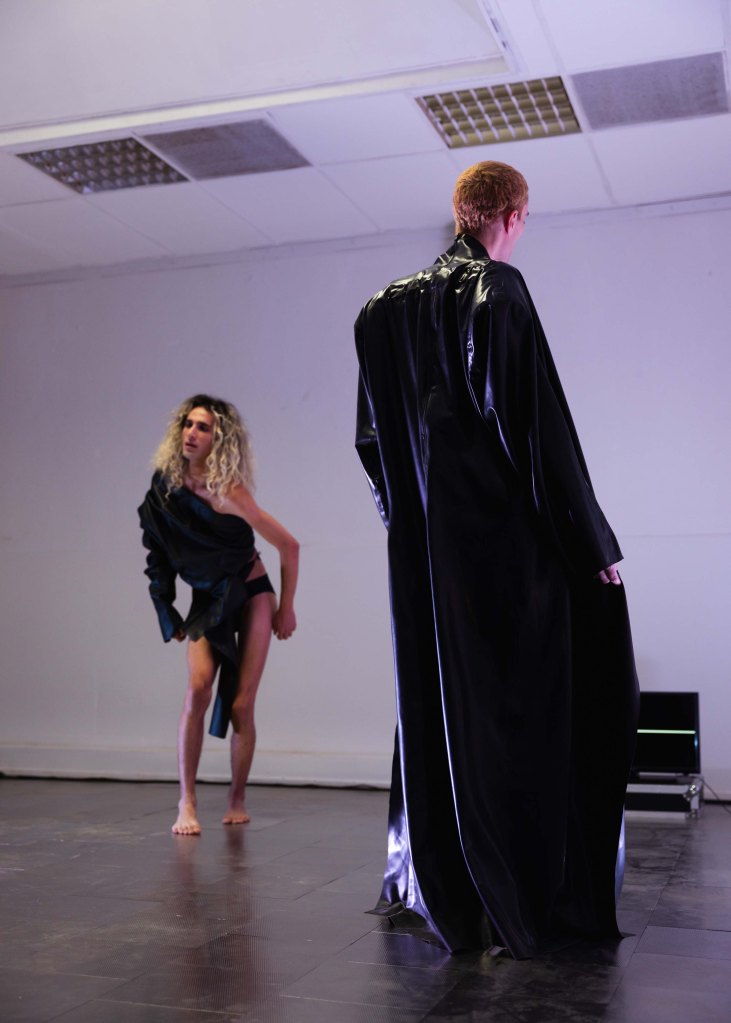
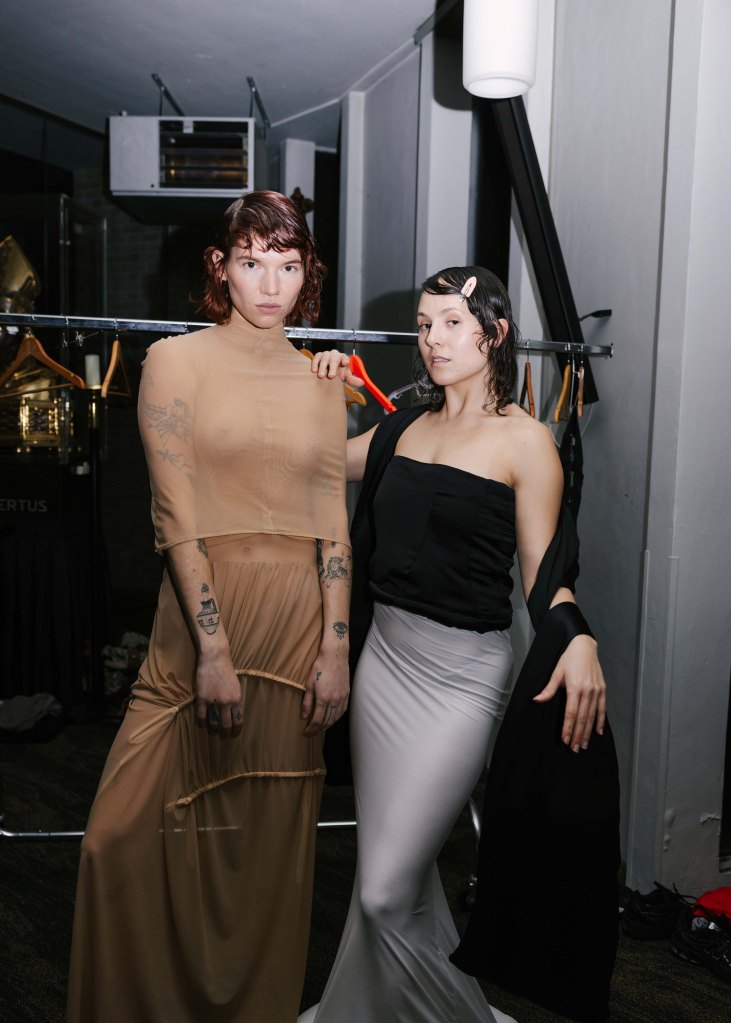
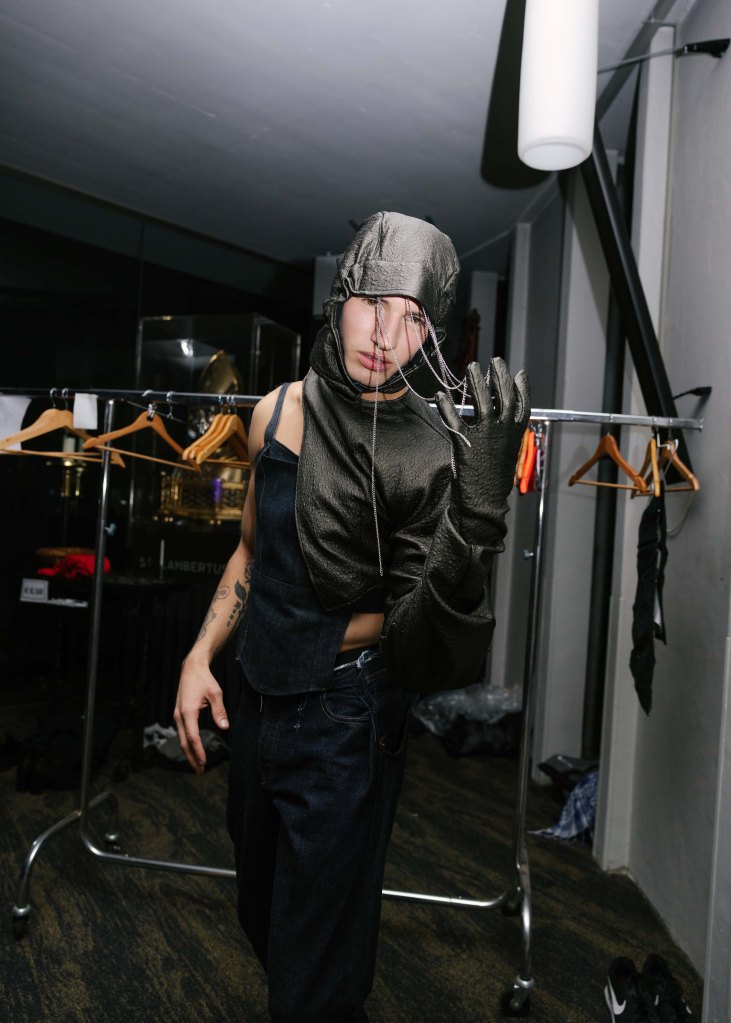
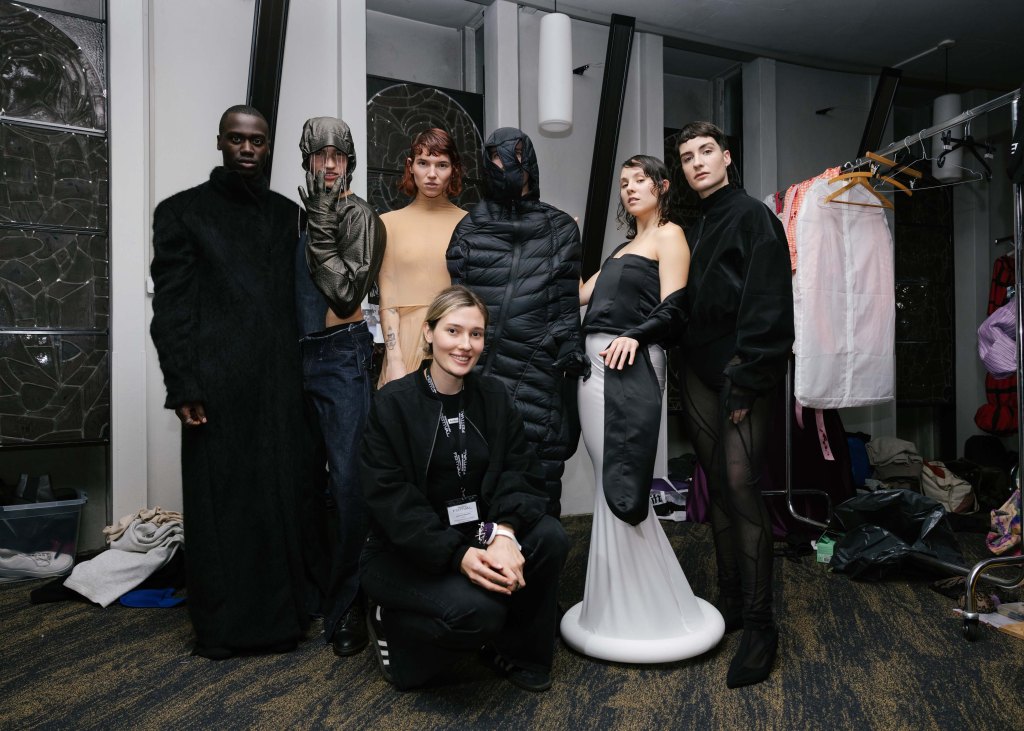
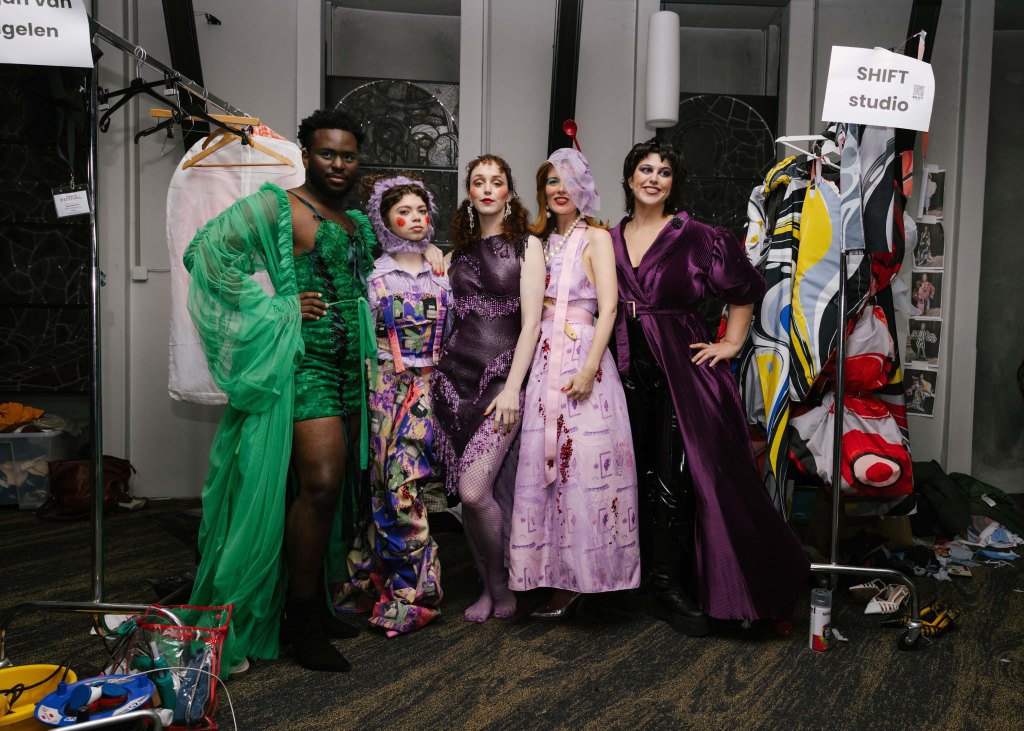
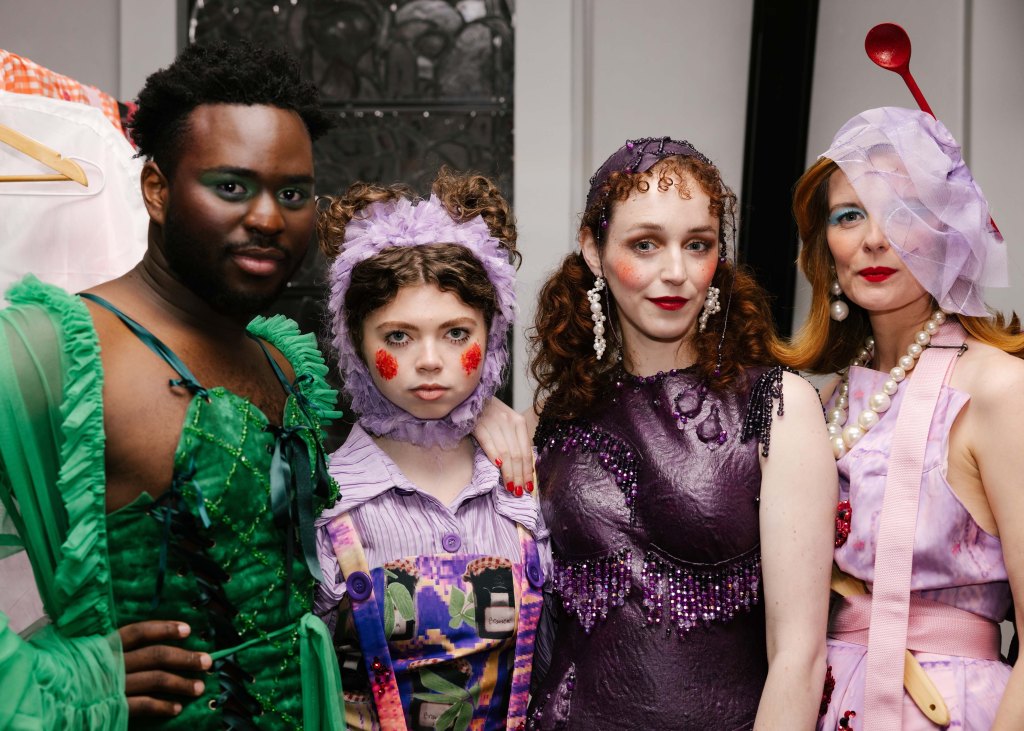
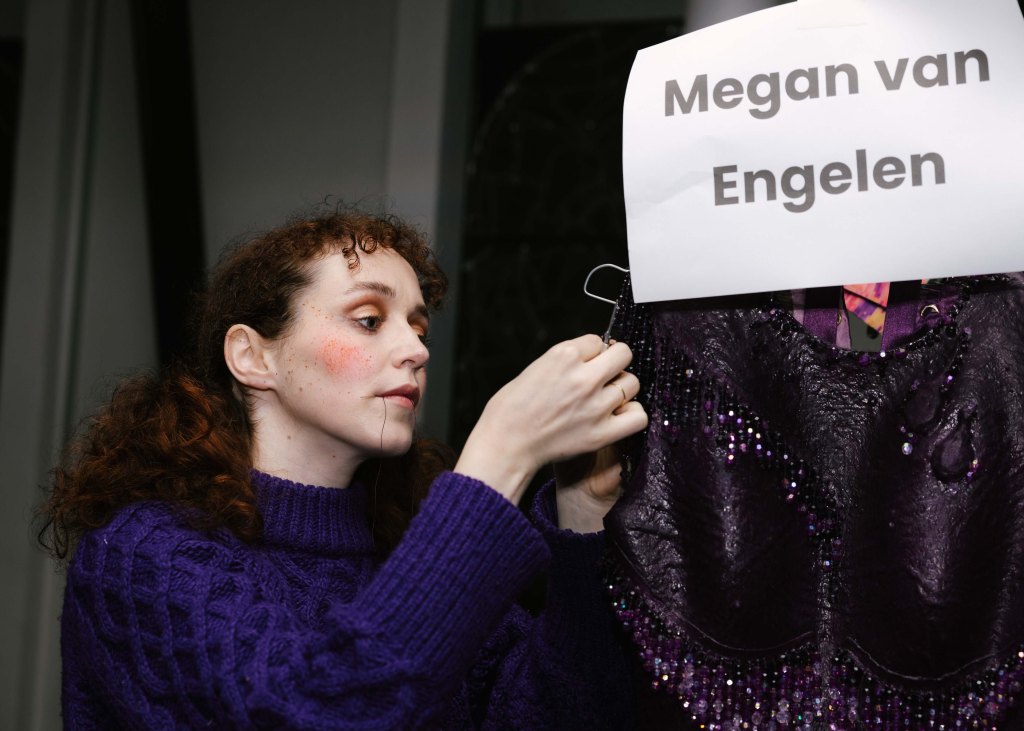
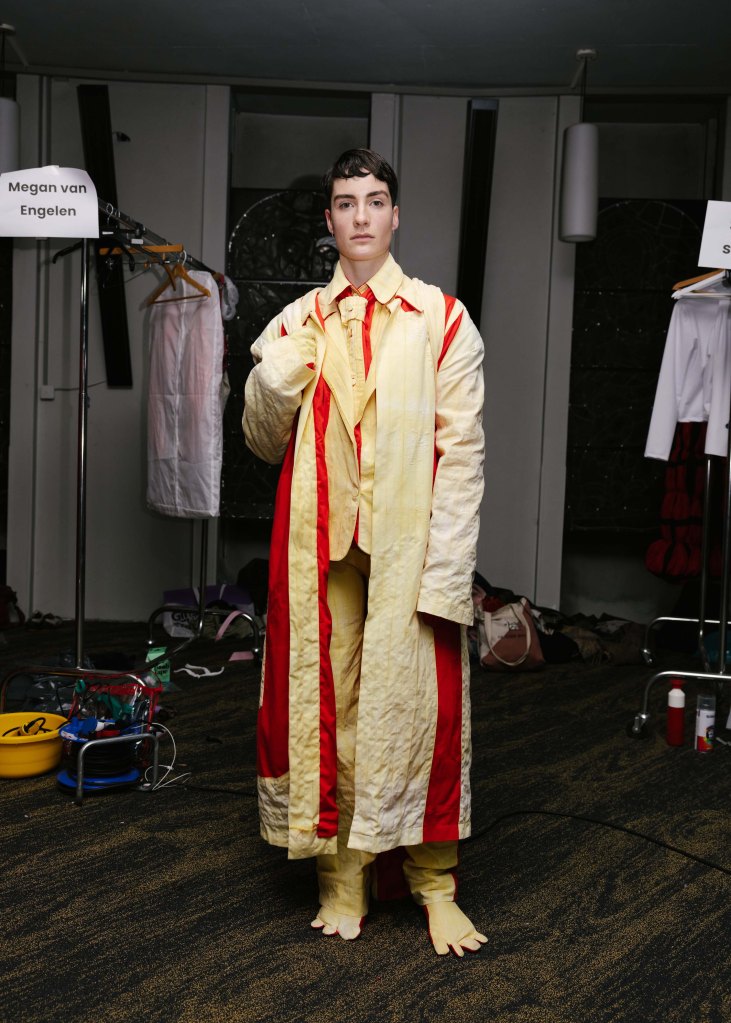
A central feature of this year’s festival was “The CLASH House,” a program that explored the intersections between fashion and the performing arts. Designers such as Megan van Engelen and Ana Krgović presented works that invited audiences to reflect on personal experiences and transformation. Van Engelen’s collection, “Berry,” drew inspiration from nostalgic childhood memories, while Krgović’s “Pieces of You” examined universal themes of change. This innovative approach allowed for a richer intellectual discourse surrounding fashion’s role as an expressive medium, challenging the conventional format of runway shows.
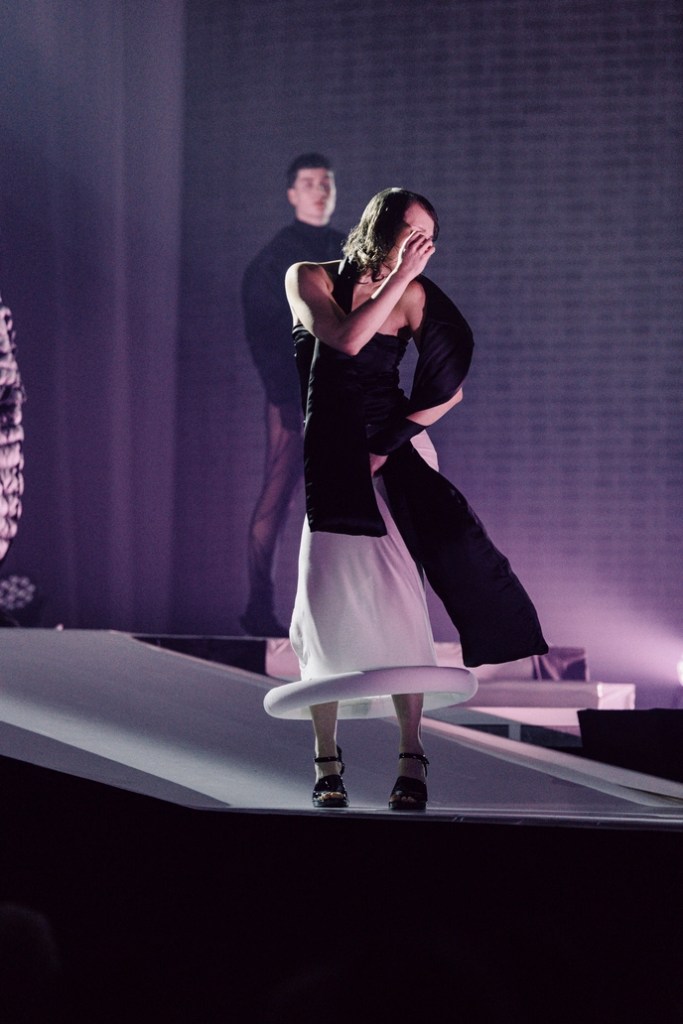
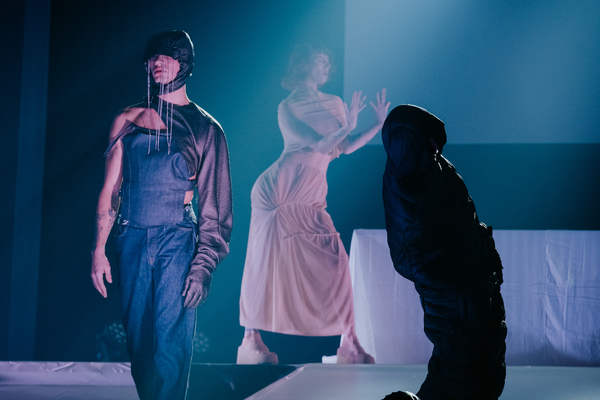
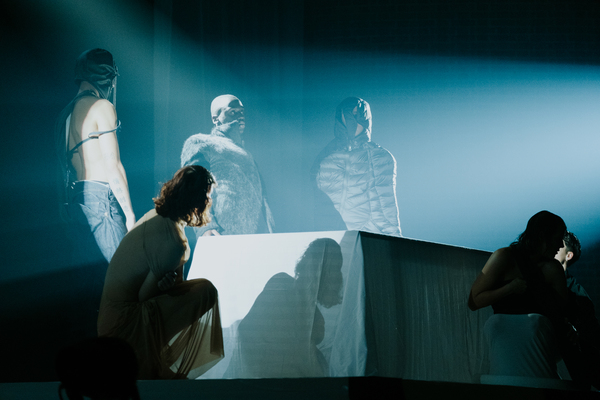
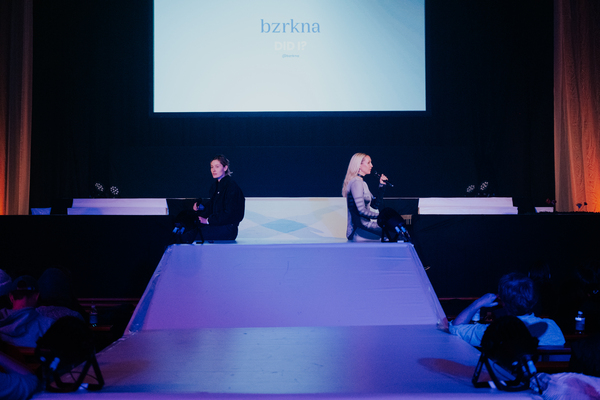
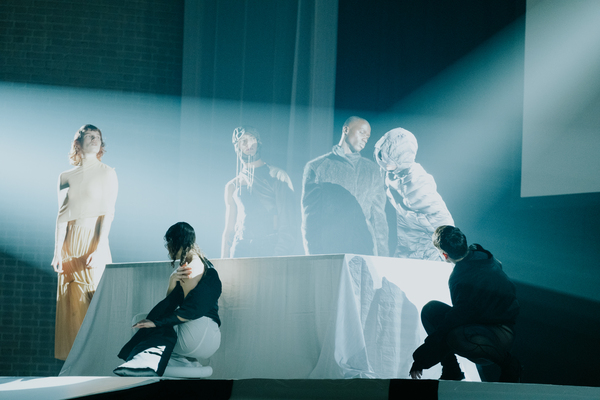
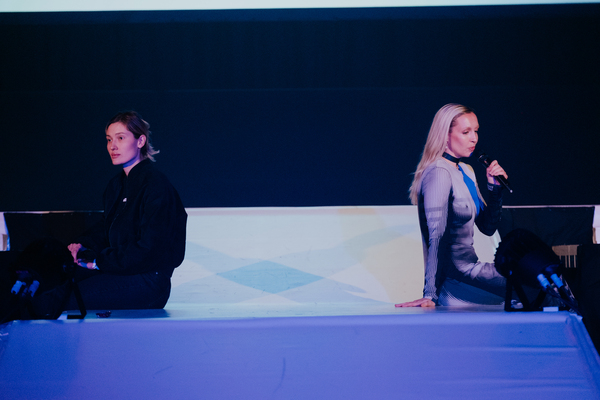
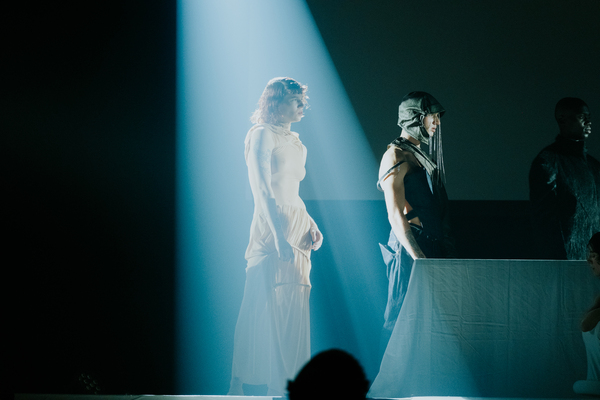
bzrkna – DID I?
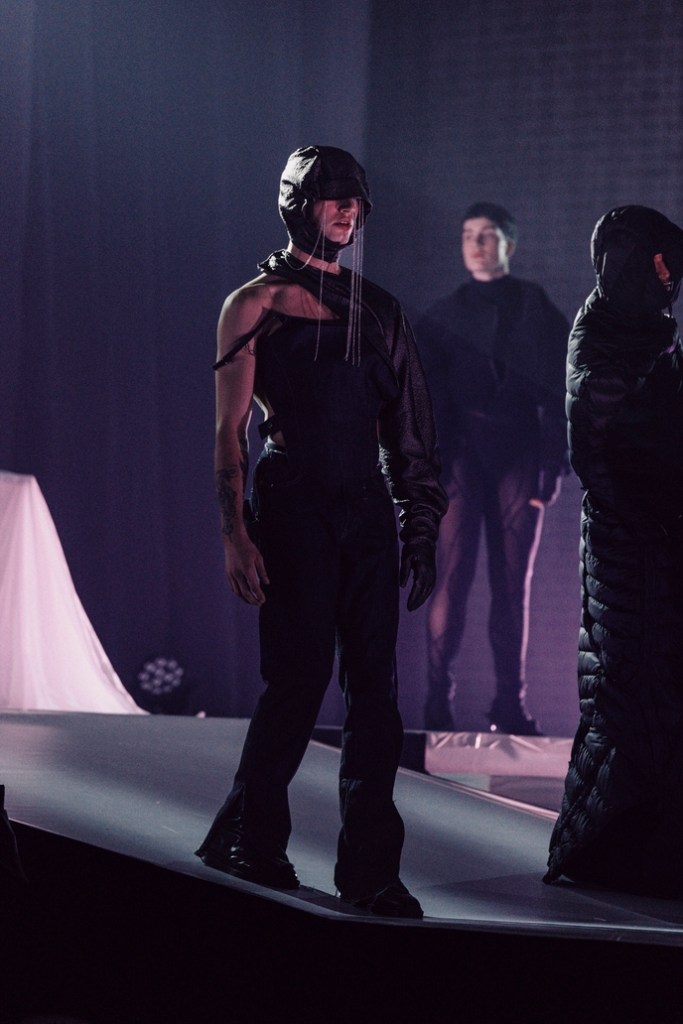
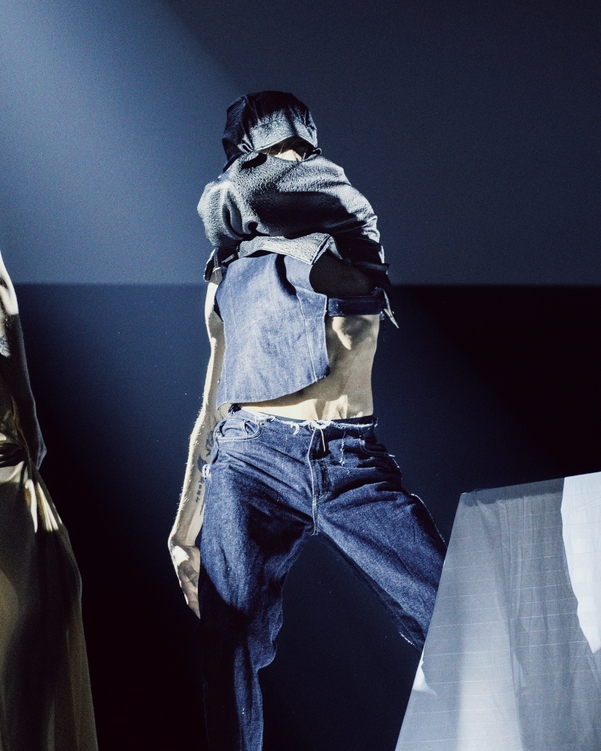
Danata Shaikenova is an alumna of AMD Berlin. Her work touches on topics such as body image, trauma, and healing through art. She enjoys using upcycling techniques to reconstruct garments, transforming her personal experiences into conceptual designs. Danata focuses on the inner self to create outward expressions.
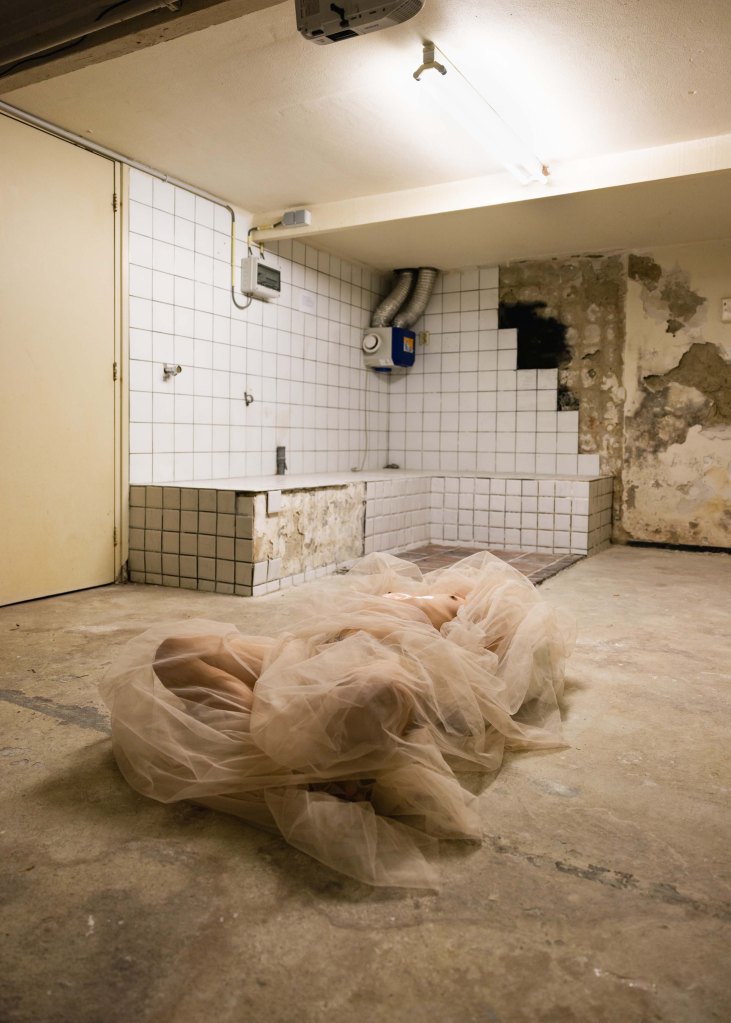
The performance ‘DID I?’ is an emotional journey through the fragmented landscape of the personal experiences of Danata Shaikenova. The dissociative tension between form and feeling is being explored whilst tracing the elusive boundaries of the self. The body, once familiar, shifts under the weight of trauma, becoming fragmented, inaccessible. Yet, beyond the objective, the subjective is being sought in the fluid contours where consciousness blurs with flesh. Here, boundaries dissolve, reshaping themselves through perception, unraveling the comfort that lies not in the body’s limits, but in the fragile dance of ego and identity, always shifting, never fixed.

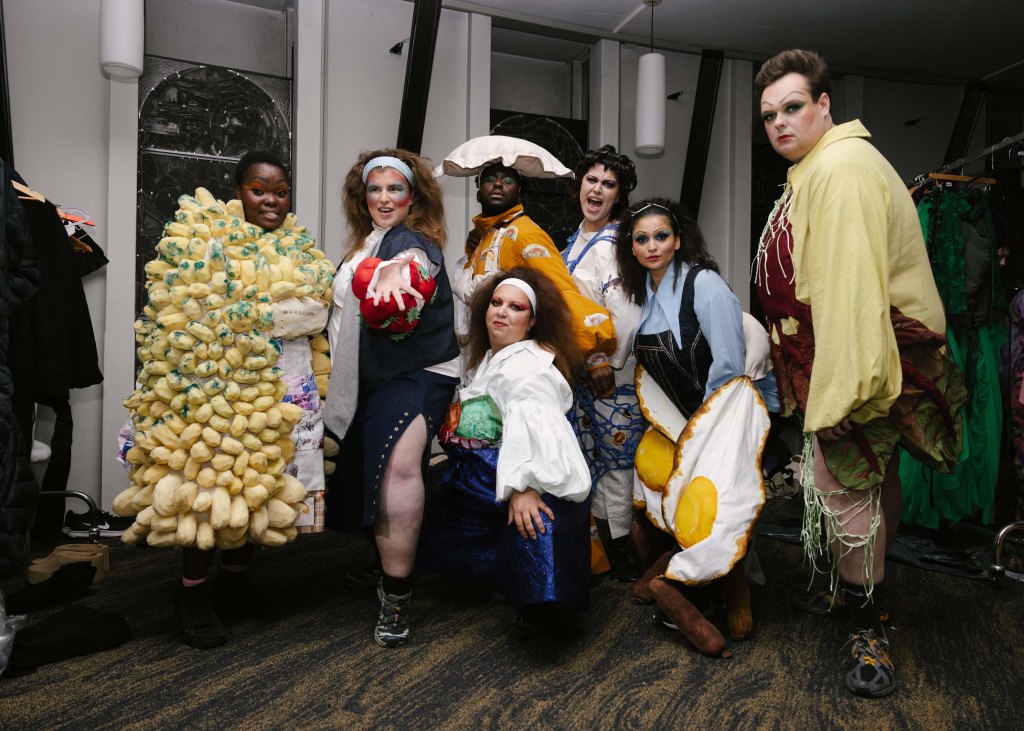
Julia Burak – Ate and left no crumbs
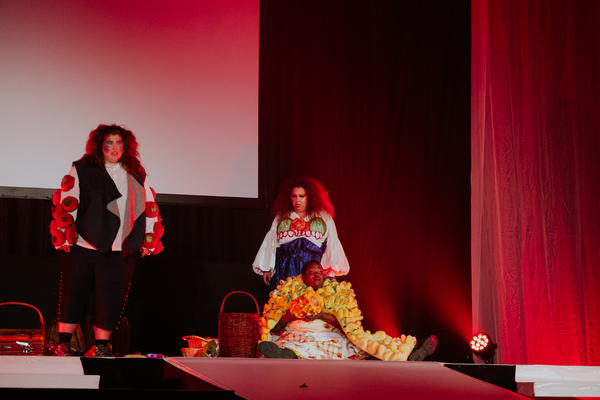
Julia Burak is a young Polish designer who creates fashion for every size. She loves camp and unfunny jokes. She is a graduate of the Władysław Strzemiński Academy of Fine Arts in Łódź. In the future, her aim is to stay involved in inclusive fashion.
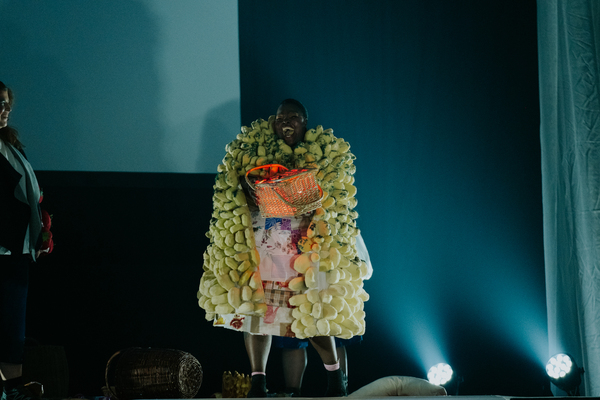
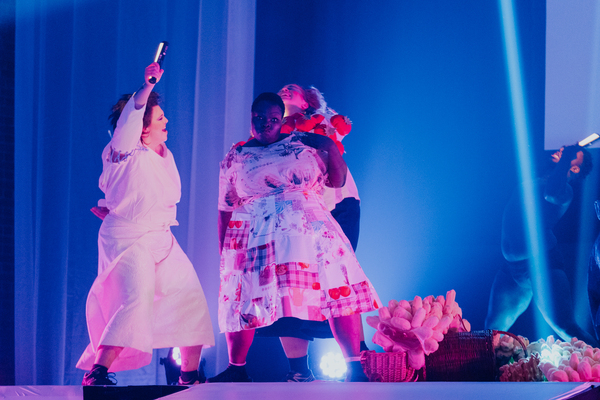
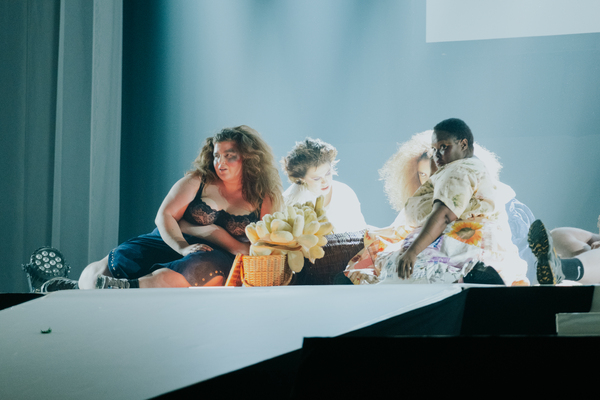
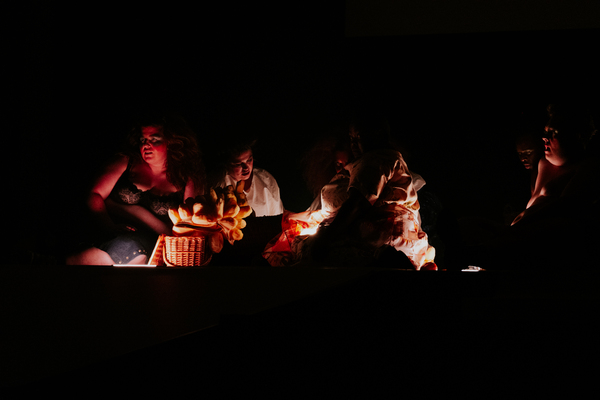
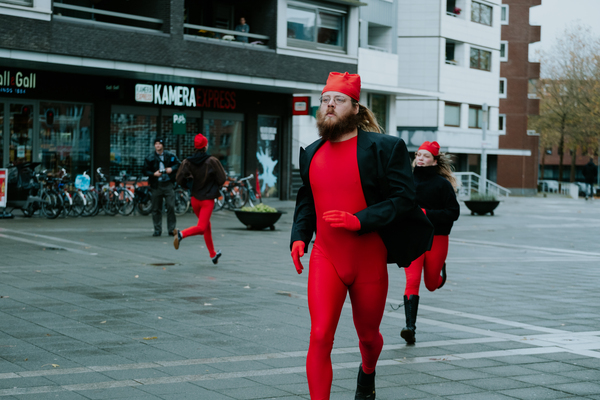
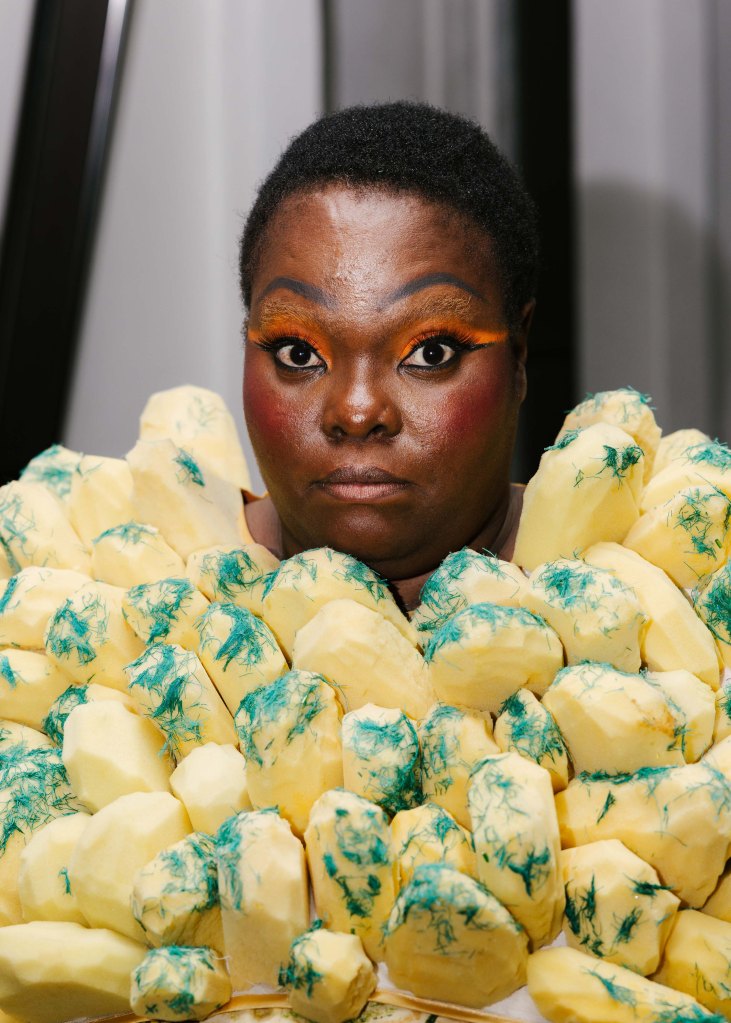
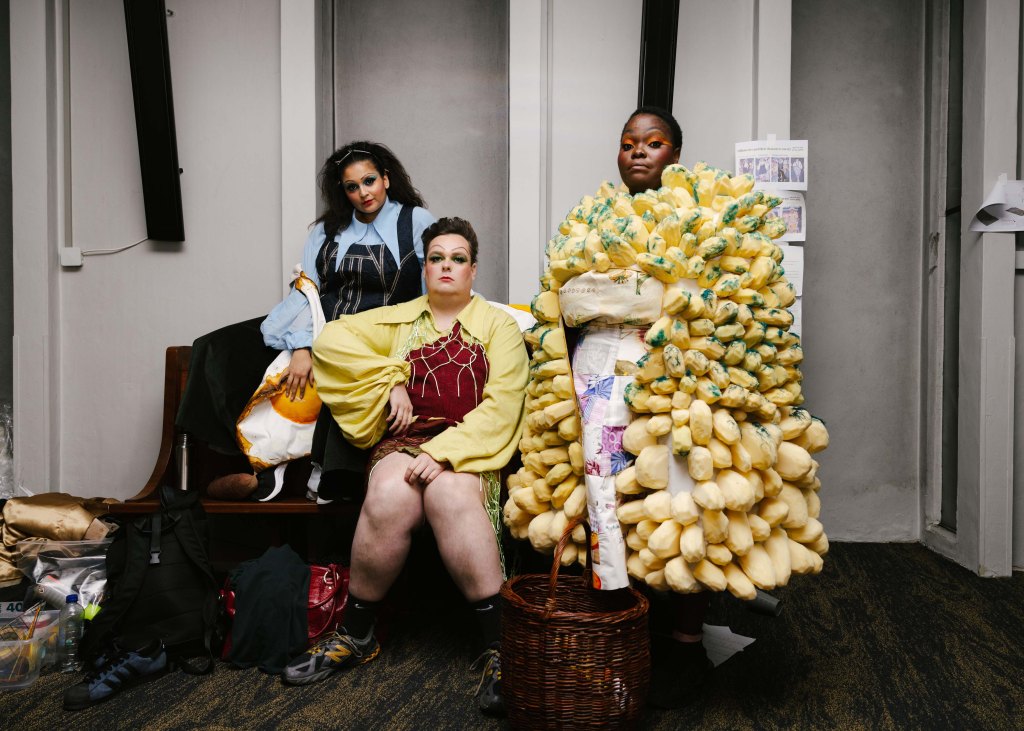
The performance ‘Ate and left no crumbs’ can be defined as a back-and-forth journey between having carefree fun and experiencing high forms of tension. It begins with a joyful race where participants compete for a spot at a shared picnic. However, the peaceful picnic turns into chaos when intrusive and negative voices emerge, bringing disorder and anxiety along with them. As darkness intensifies, a character dressed as a potato introduces light and calm and restores the harmony. Ultimately, the participants find joy in dancing and return to the serene picnic, symbolizing the rebirth of unity and support.

Megan van Engelen – Berry
Fashion artist and HKU design alumnus Megan van Engelen looks for balance in making frivolous and socially impactful fashion pieces. Those pieces focus on personal stories, mental health among young people and activism. Her work plays with current affairs and is often described as extravagant and campy. She touches upon themes as family dynamics, taboos and the search for one’s identity. Megan believes that fashion can serve as a tool to open up a conversation on these subjects. It empowers oneself and plays with a sense of self-mockery.
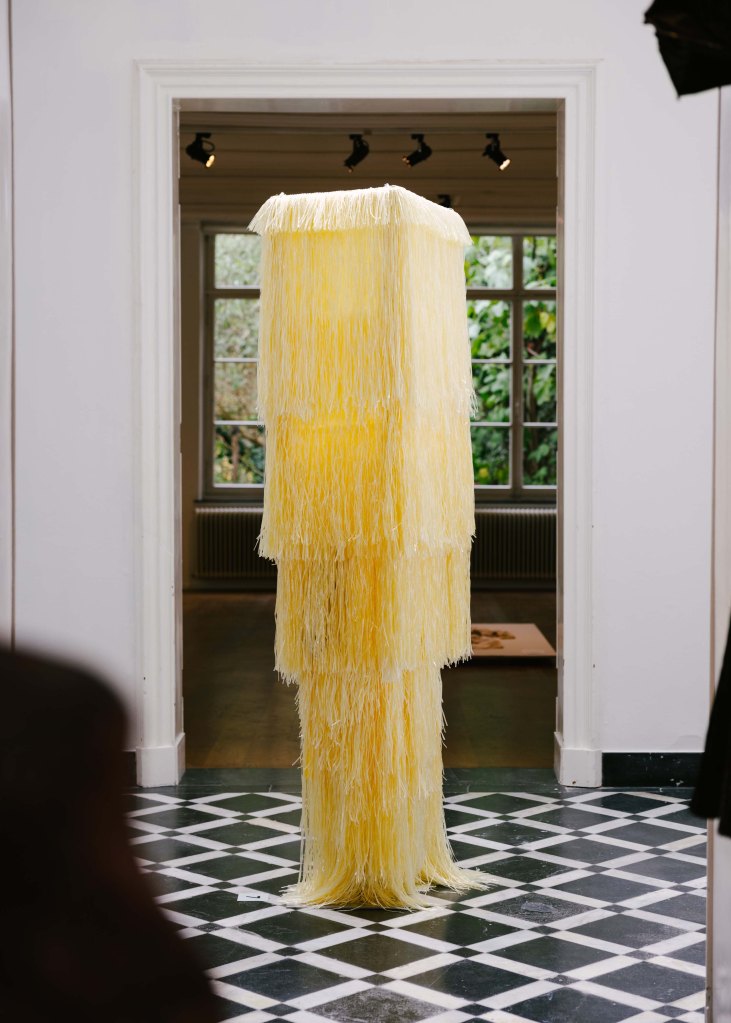
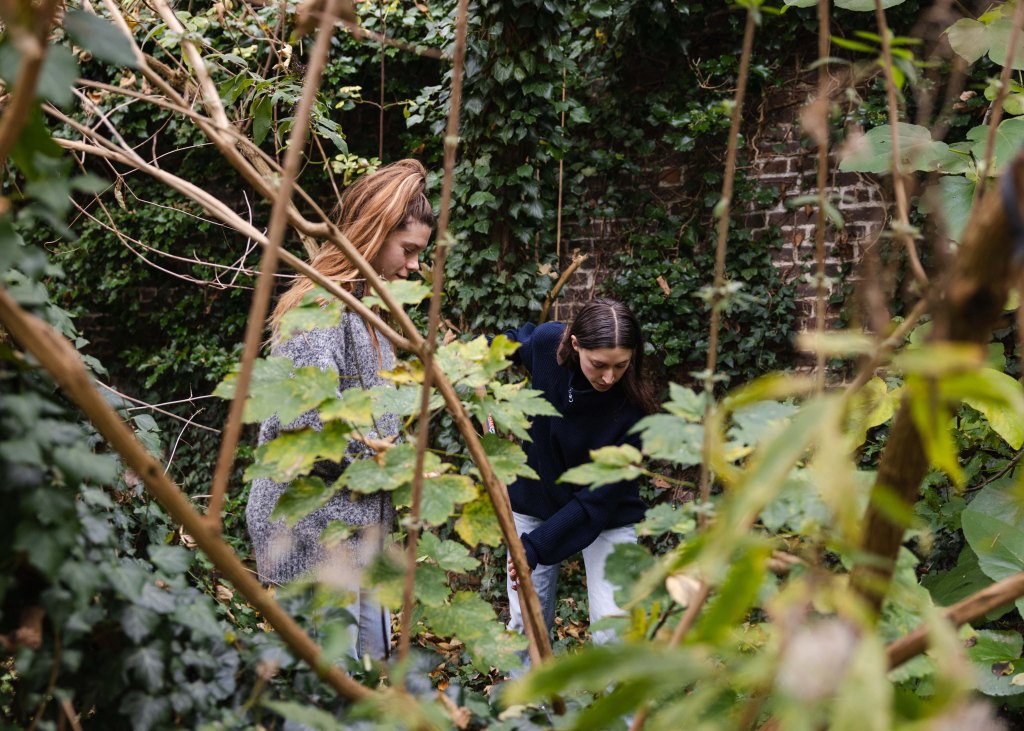
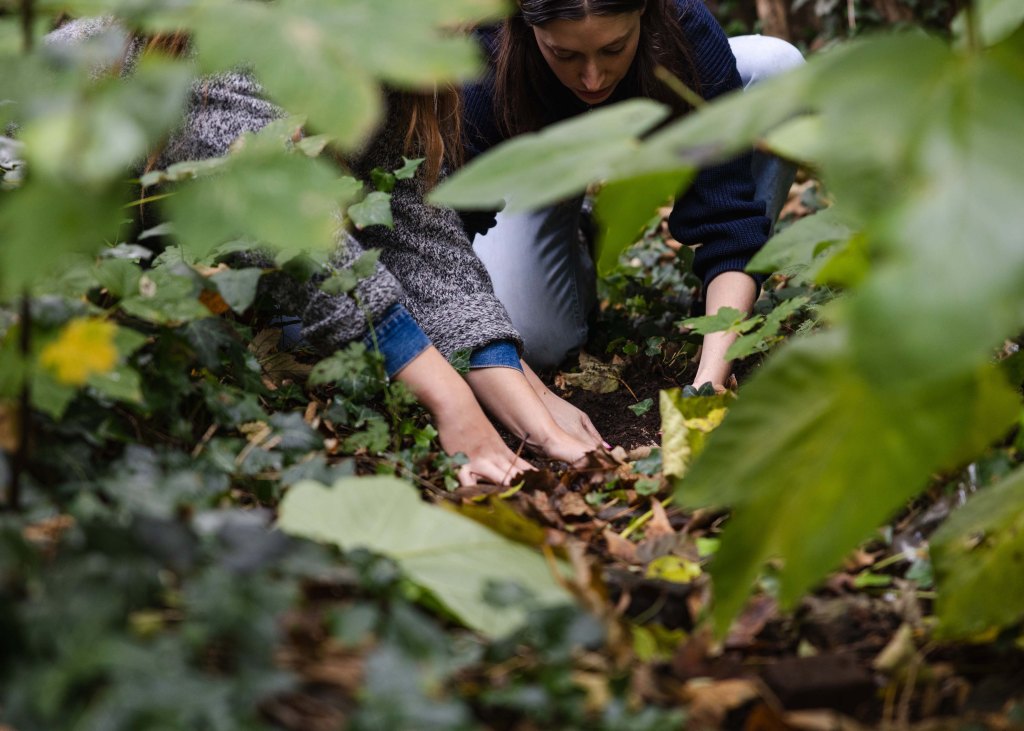
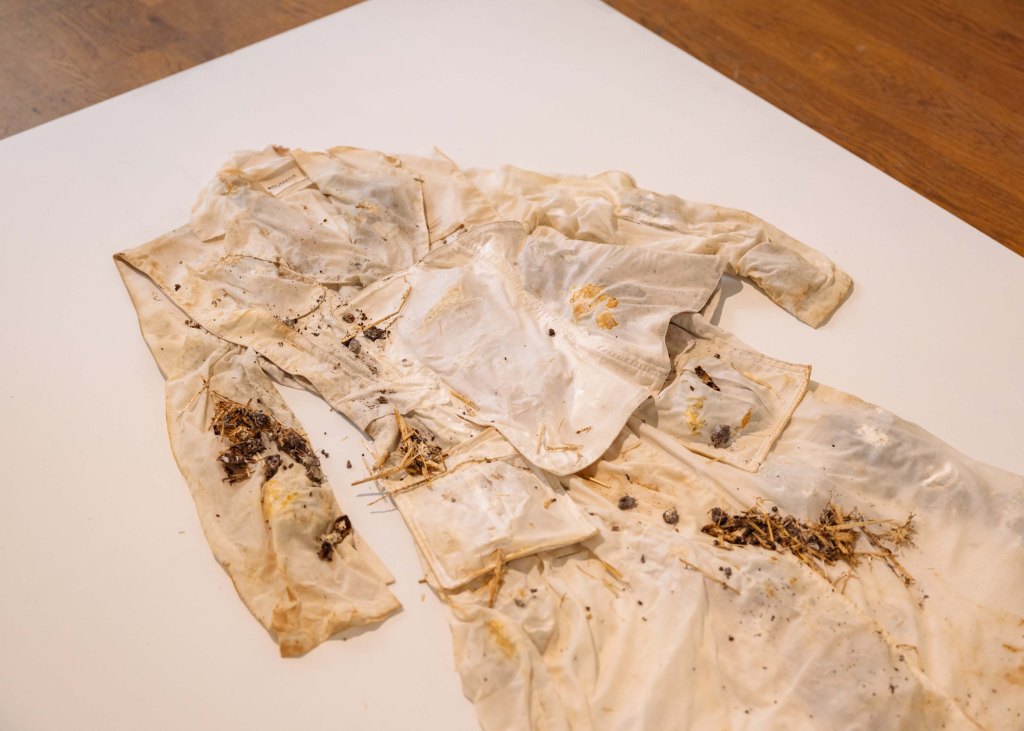
In ‘Berry’ Megan van Engelen explores romanticized childhood memories through several fashion pieces and a blackberry bush that relates to a broken home. Her mother’s blackberry jam is an iconic token from Megan’s youth. When her mother moved, the blackberry bush got left behind, which significates the end of an era for Megan. No more blackberry jam, just the few pots left that preserved her childhood memories. In a search for nostalgia, she explores these memories, in which she encounters many fictional characters. “It’s glamorous, colorful and so f*cking happy. Although, I suppose it is.”

Paula Dischinger – HUMAN HERD
Paula Dischinger graduated in fashion design from the Institut Français de la Mode in Paris. Her focus is on concept developing and research of her surroundings and developing designs around the human body. She is very interested in performance work as a huge communication platform directly to and with people.
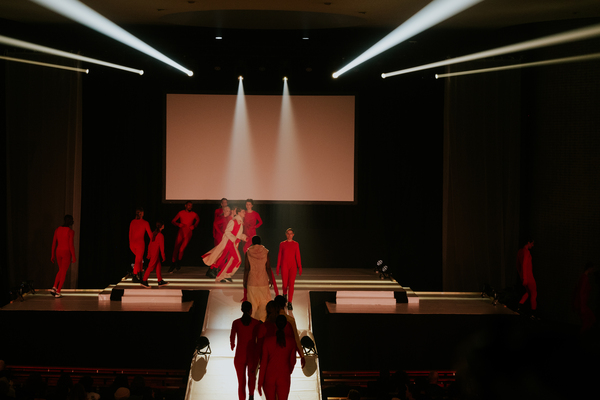
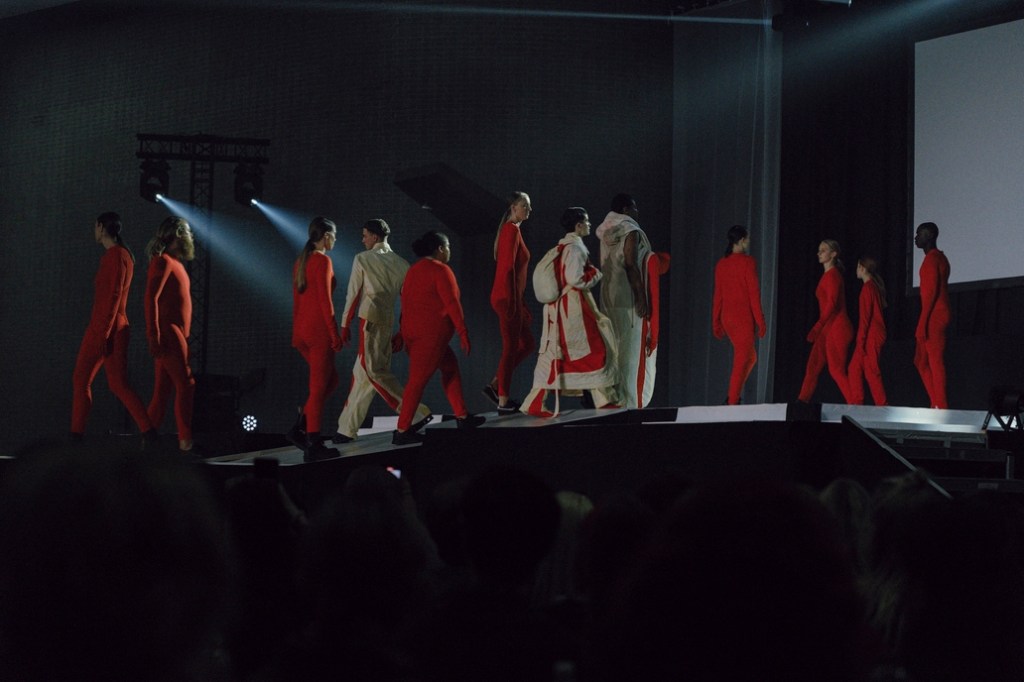
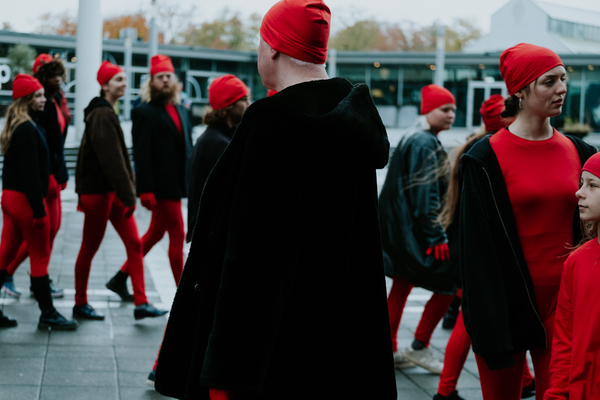
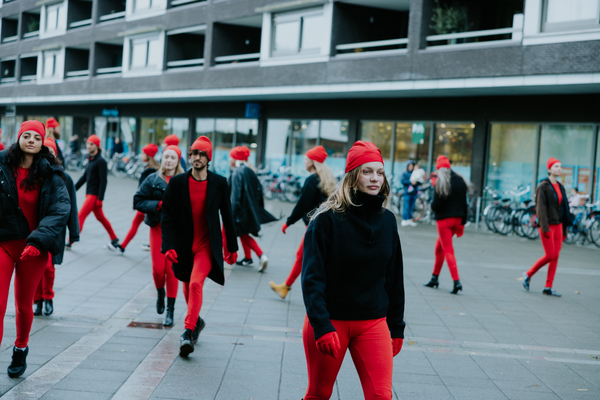
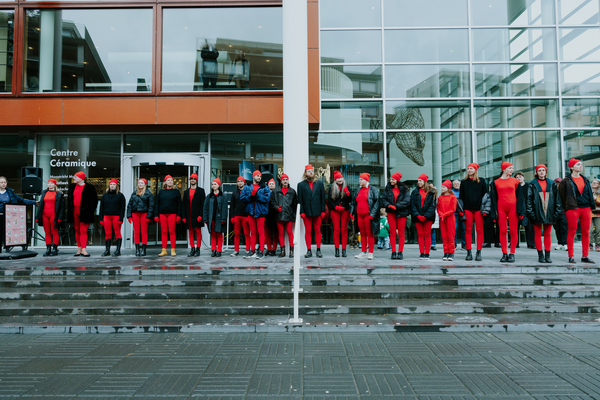
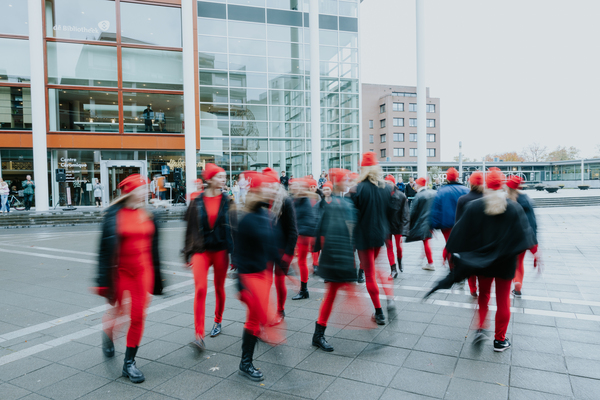
‘HUMAN HERD’ can be described as a walking performance, in which no-one ever walks alone. The emphasis is on actively contributing to meeting each other, to come and move along with the flow. It’s possible to follow, but there is always a choice and freedom to rest in the herd. Positions in the herd however are never the same, never ultimate. The person which is followed changes and therefore everything changes all the time. But there is hope to find a rhythm within the herd, because when everyone produces a sound, those sounds can start aligning and can spread throughout the whole room, the whole herd.
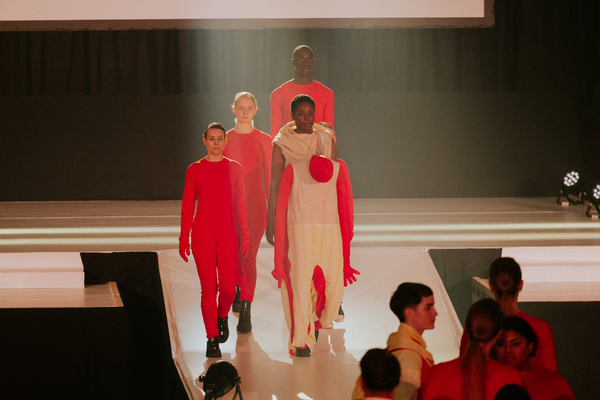
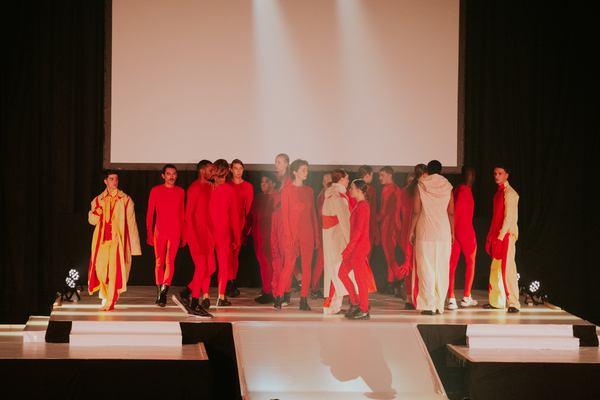
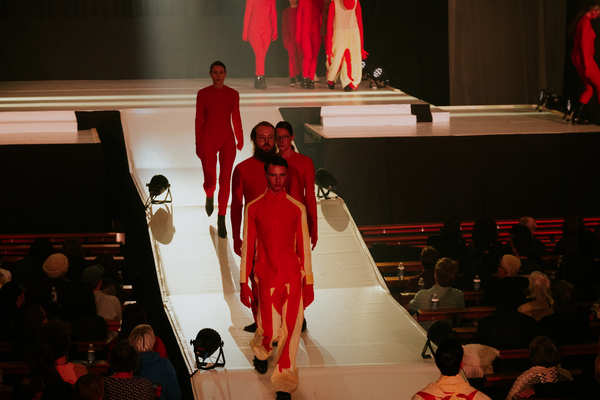

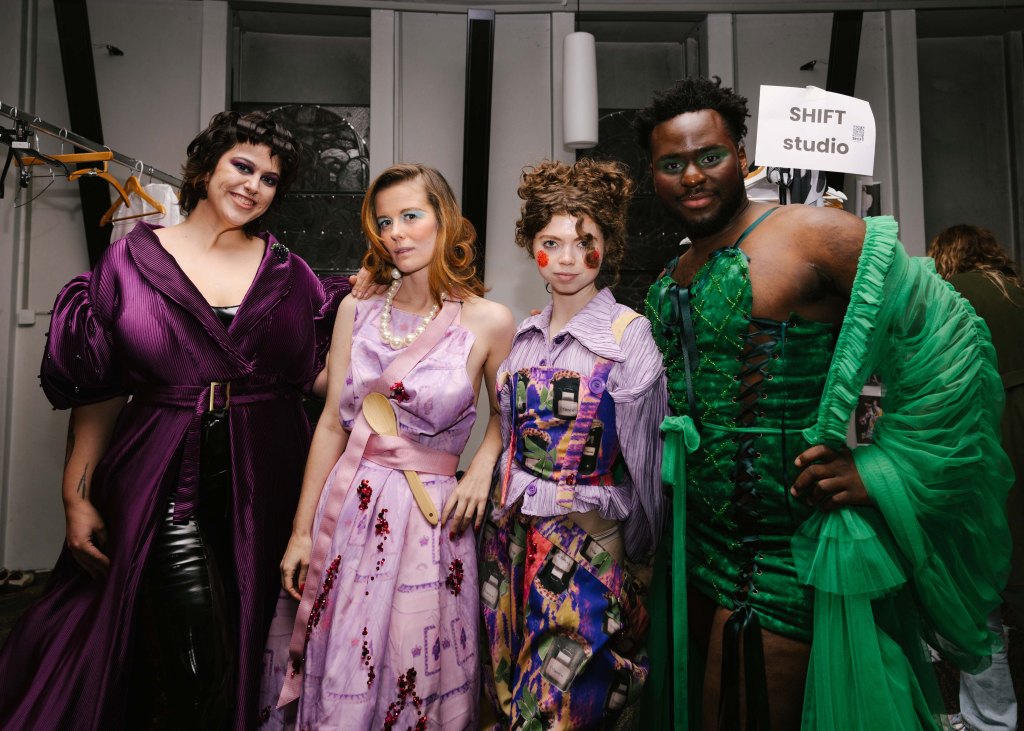
SHIFT studio – Pieces of You
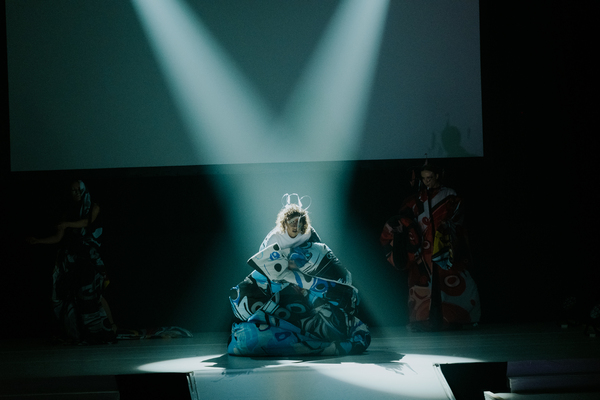
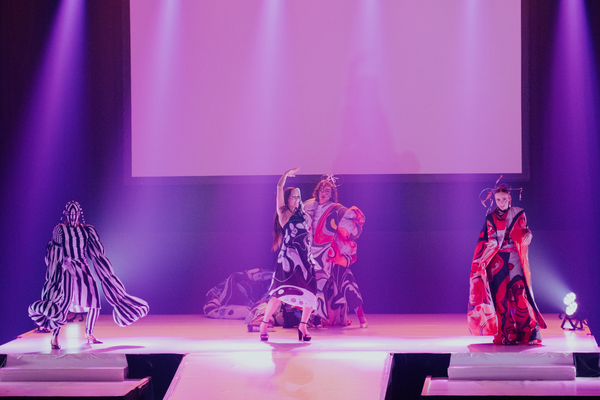
Ana Krgović was born in Montenegro and graduated from the Faculty of Textile Technology at the University of Zagreb. Her studies helped to shape her contemporary approach. As a fashion designer she combines color psychology, semiotics and tradition in her design philosophy to express individuality and explore social, psychological, and cultural complexities. She aims for an innovative and sustainable approach to fashion.
‘Pieces of You’ is a powerful testament to exploring psychological and emotional landscapes, showing that suffering and obstacles are not merely inevitable aspects of life, but essential components of personal development and the journey towards becoming one’s true self. Ana Krgović’s work reflects on personal experiences of loss. She uses these experiences as a catalyst for change. By embracing the trials we face, we uncover our path to self-completion, authenticity and ultimately wholeness. This performance explores the universal journey of personal growth through five stages: life, pain, suffering, transformation and rebirth.




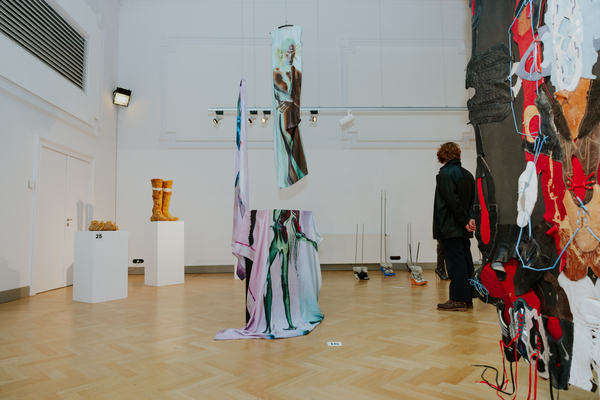
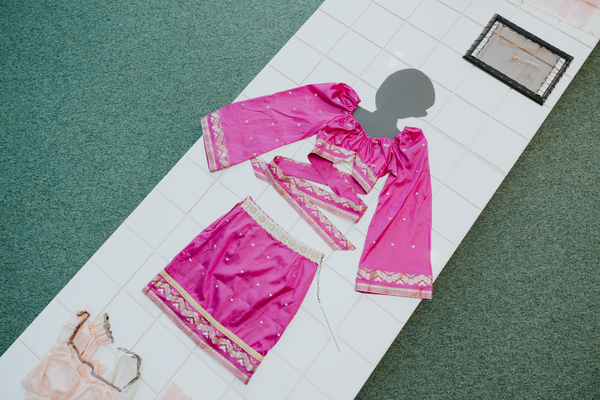
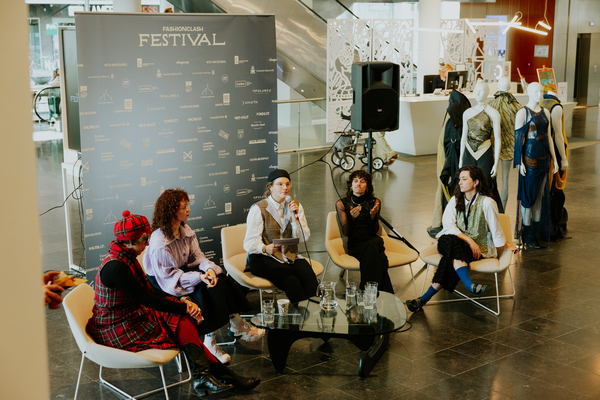
Moreover, the festival emphasized collaborative practices through the exhibition “New Fashion Narratives,” curated by a diverse collective of fashion practitioners. This showcase highlighted innovative designs and fostered cross-pollination of ideas, celebrating diversity and inclusion as integral components of the fashion landscape. The collaborative spirit was further reinforced through the Decolonial Fashion Residency installation at Bureau Europa, which encouraged participants to engage critically with decolonial themes and the implications they have for representation in fashion.
New Fashion Narratives @ Bureau Europa
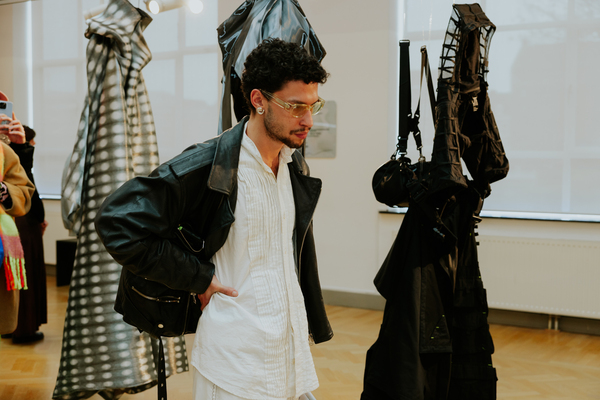
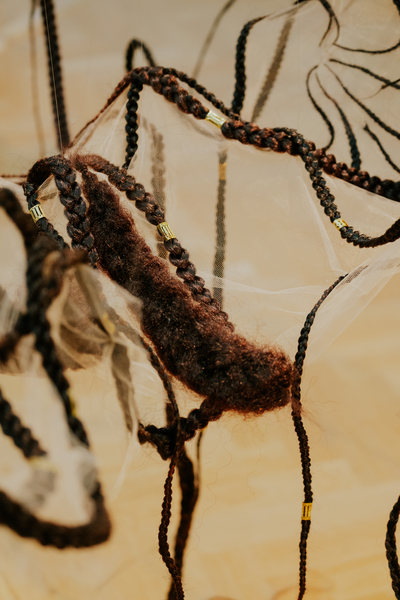
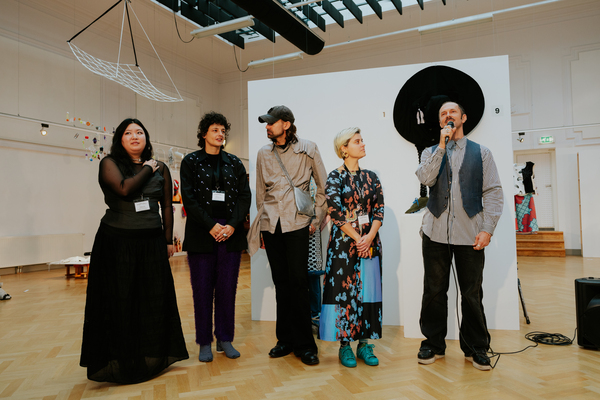
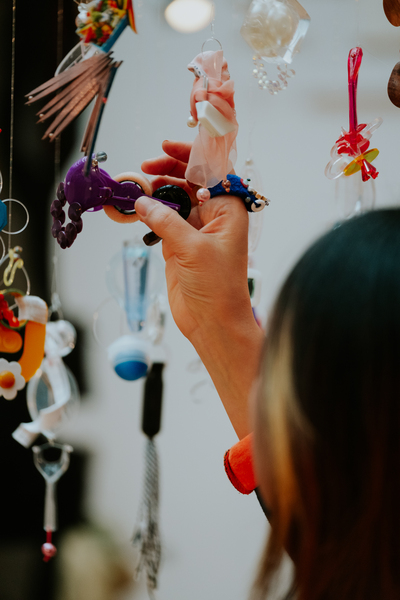
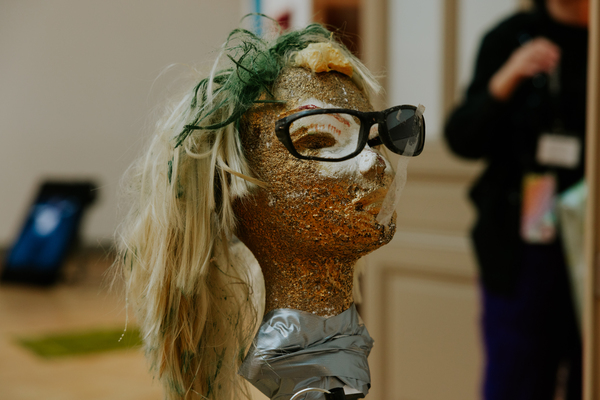
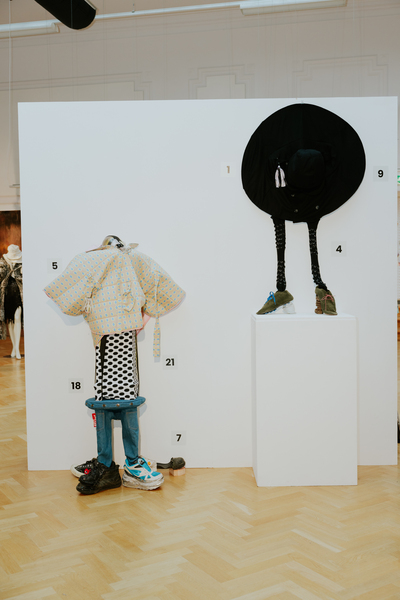
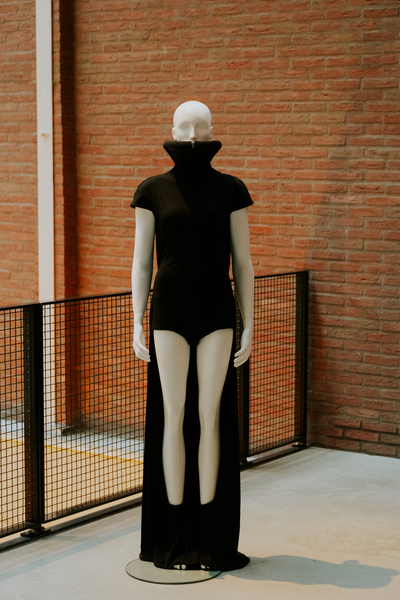
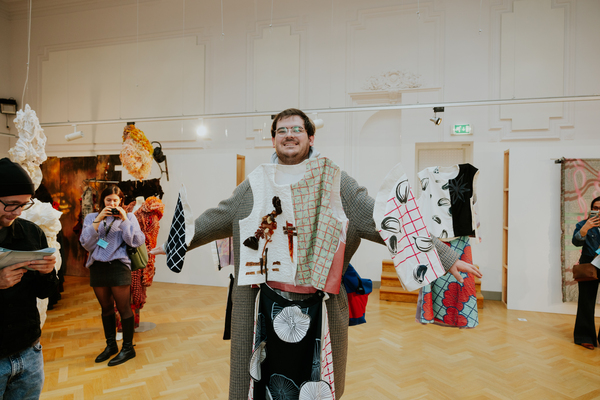
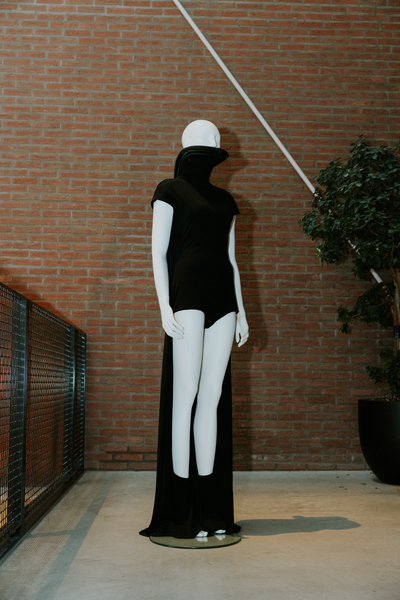
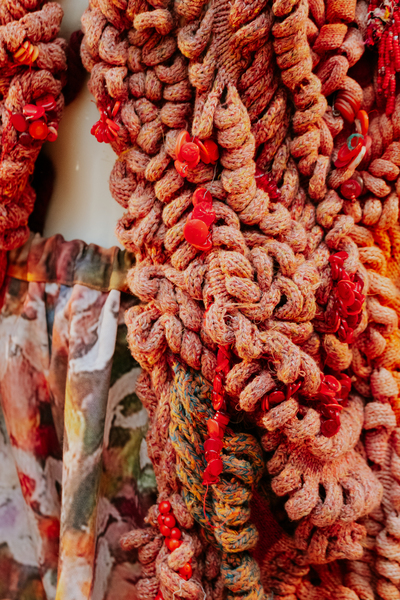
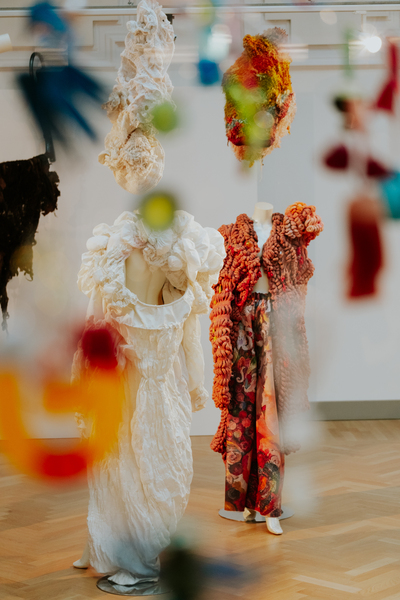
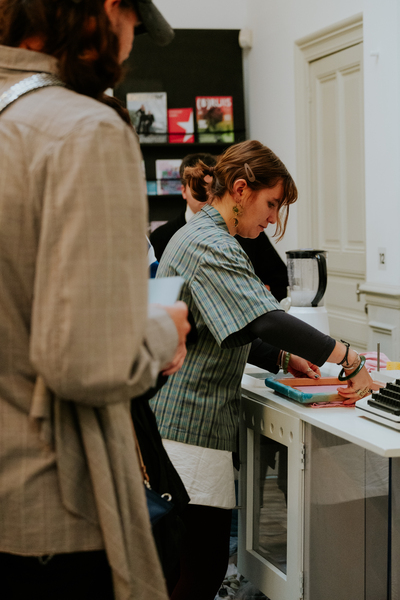
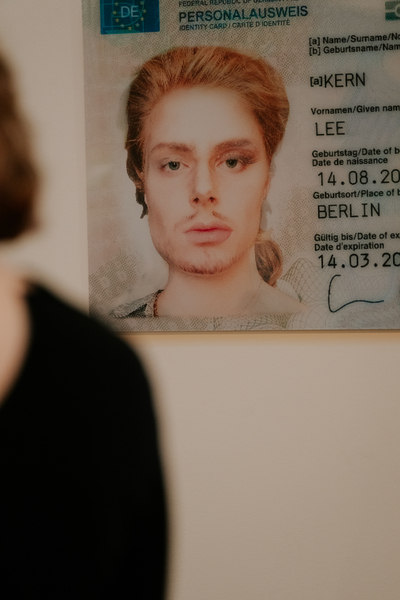
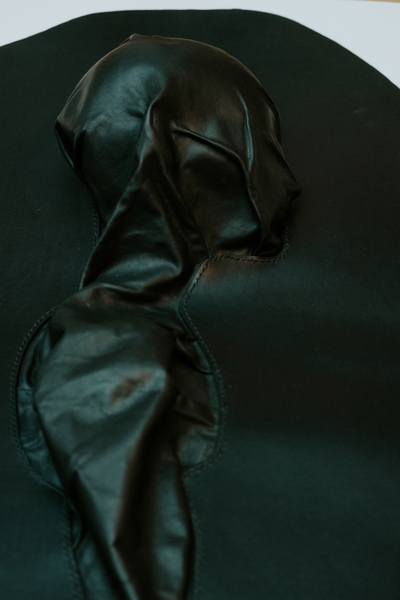
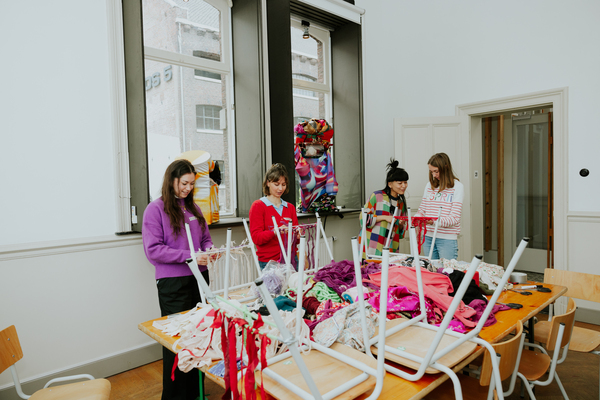
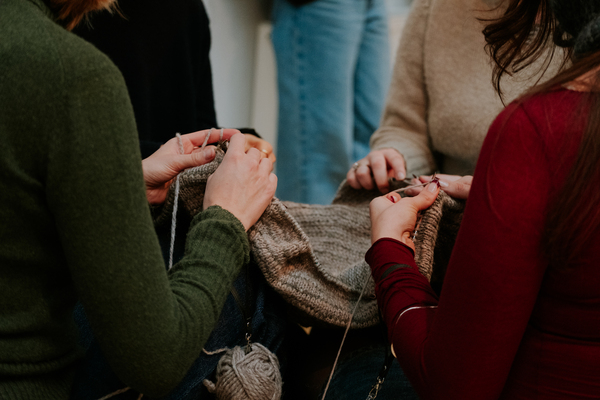
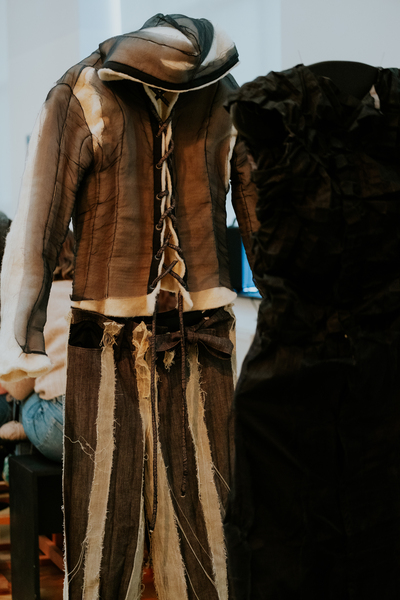
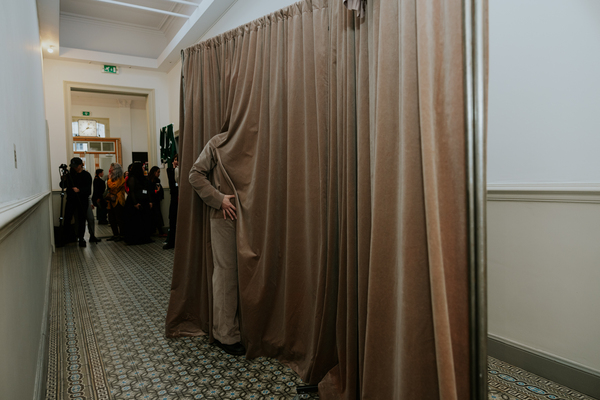
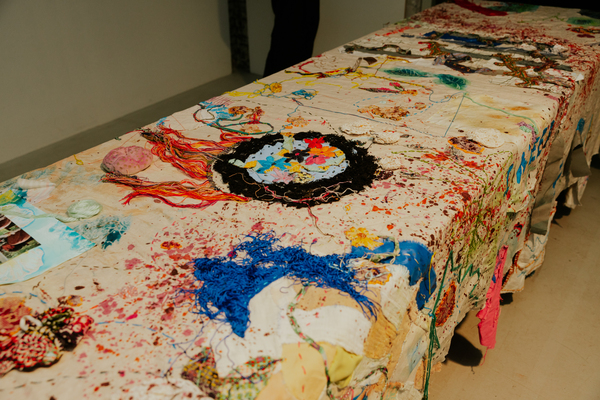
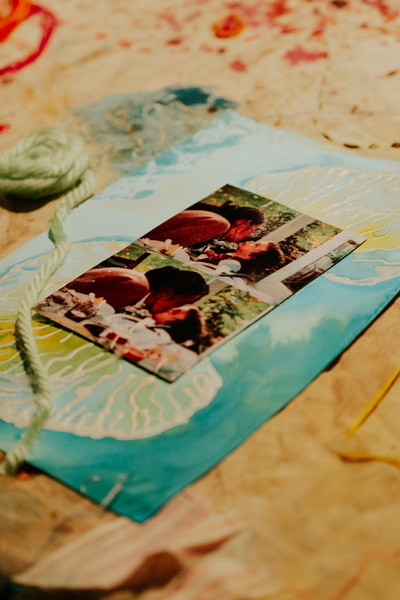
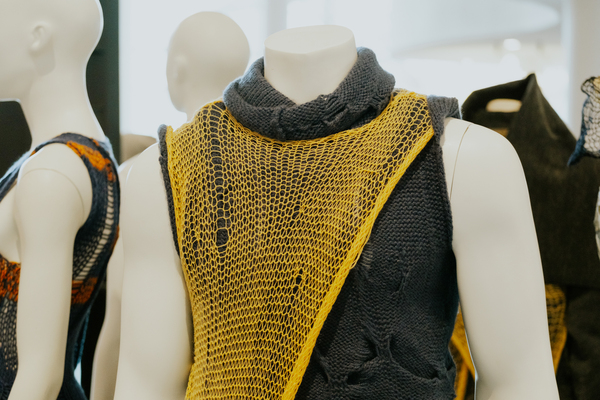
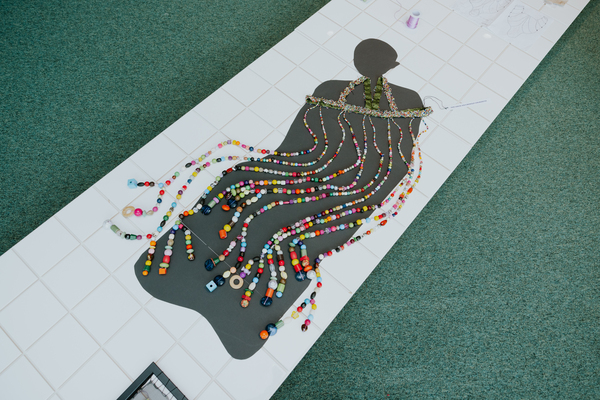
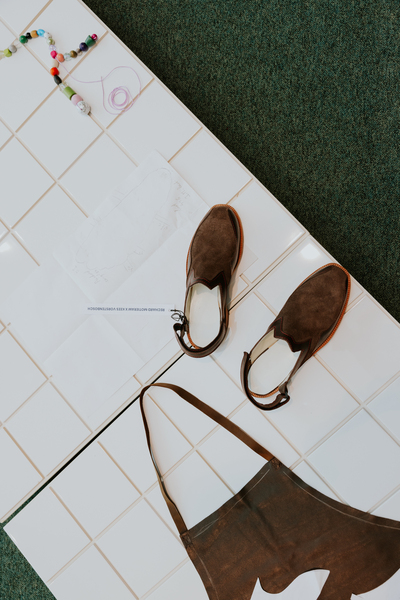
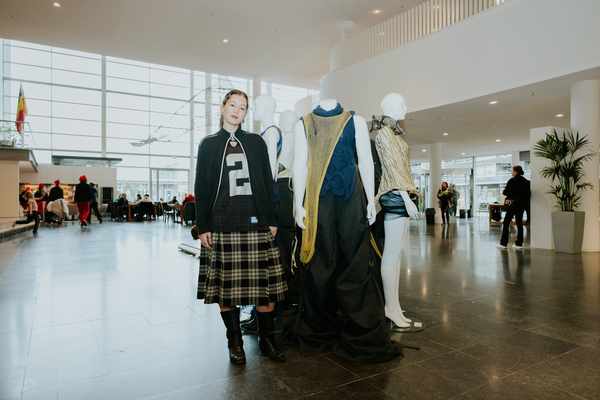
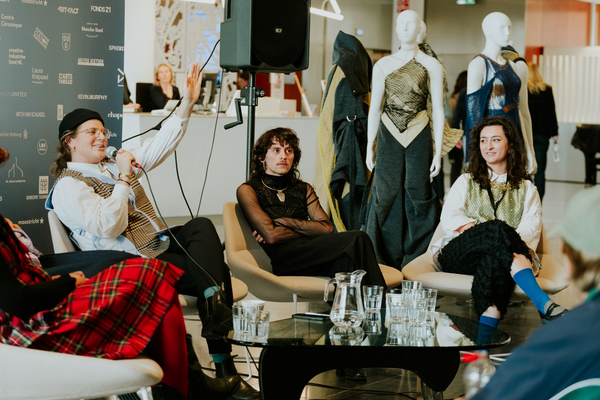
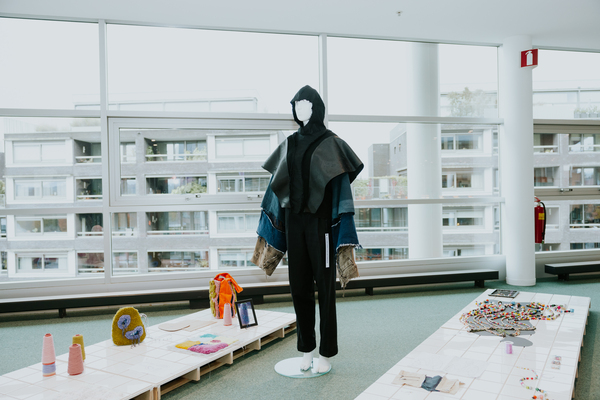
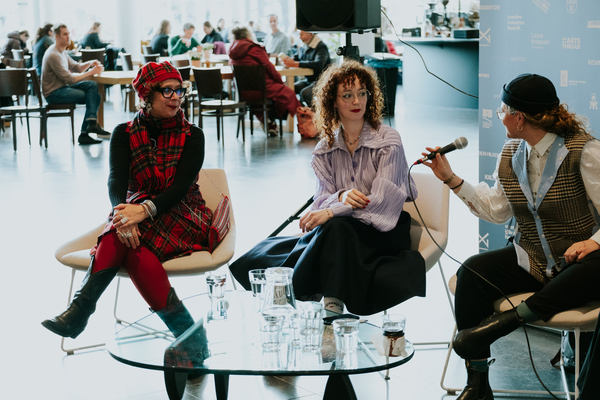
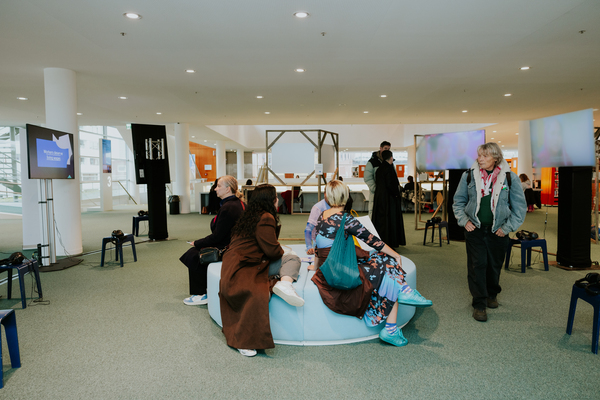
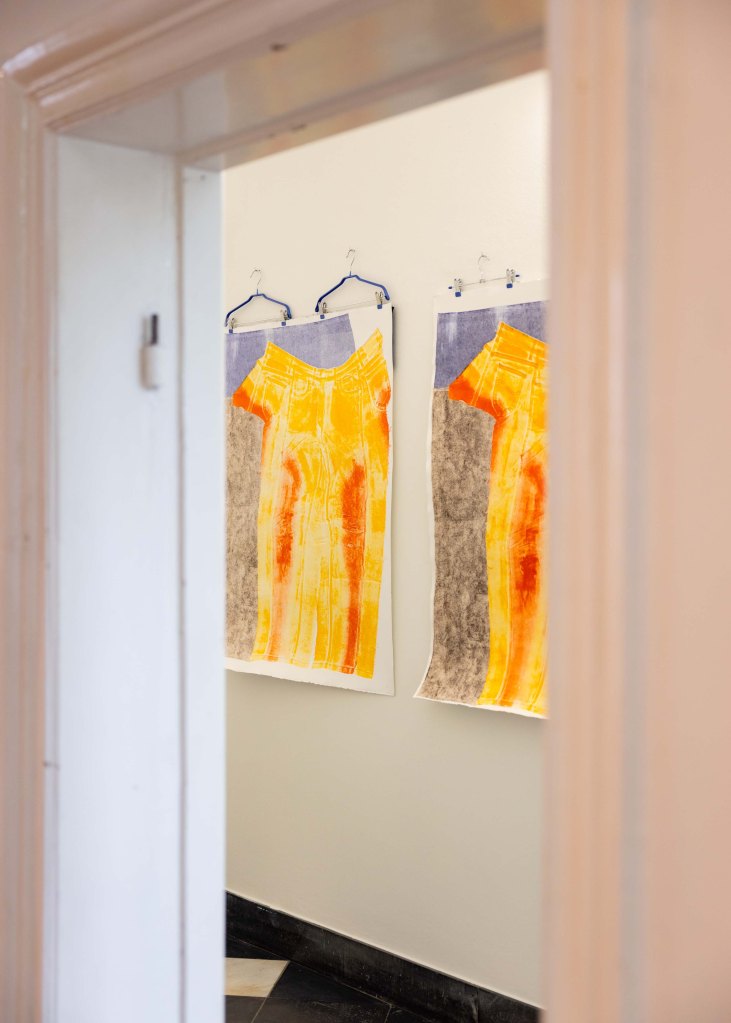
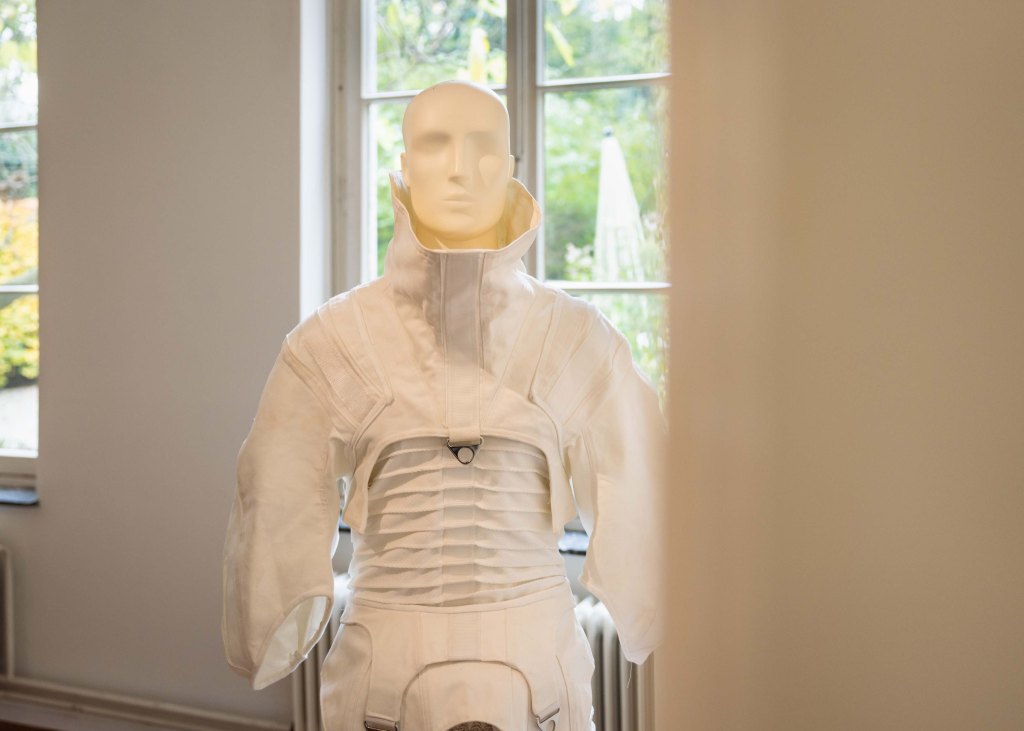
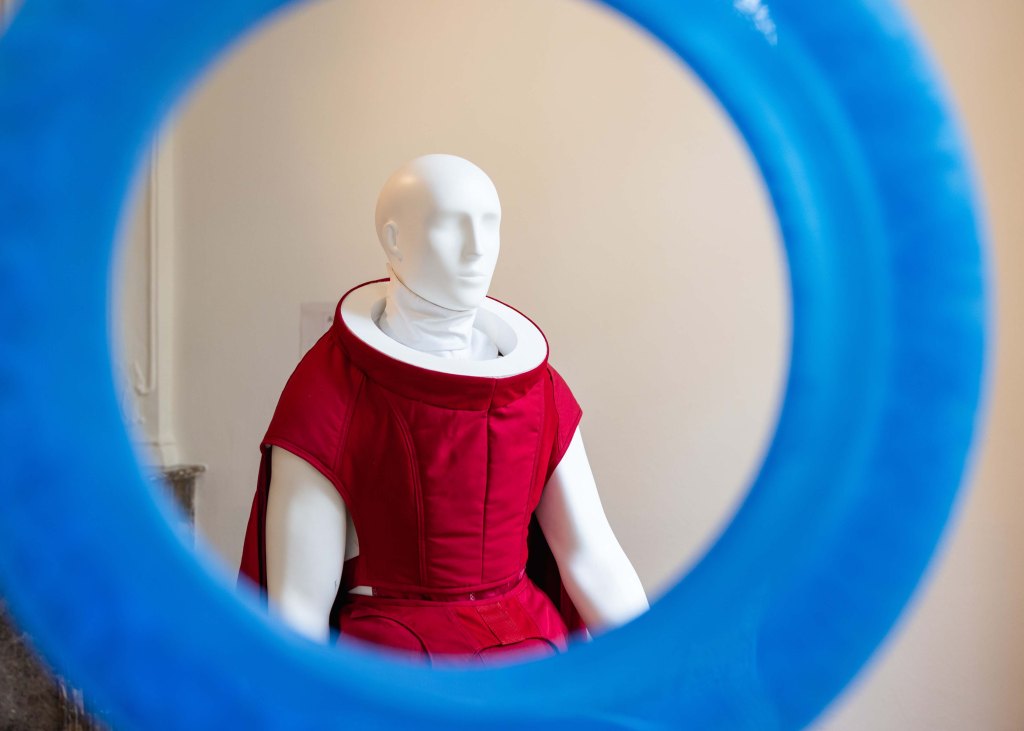
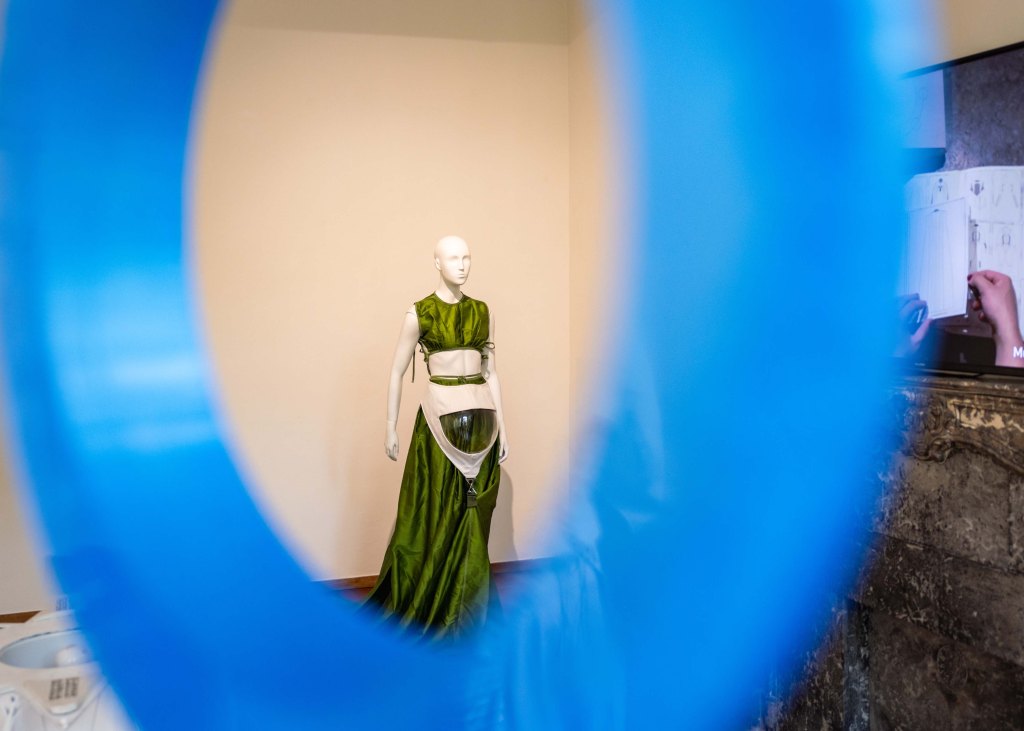
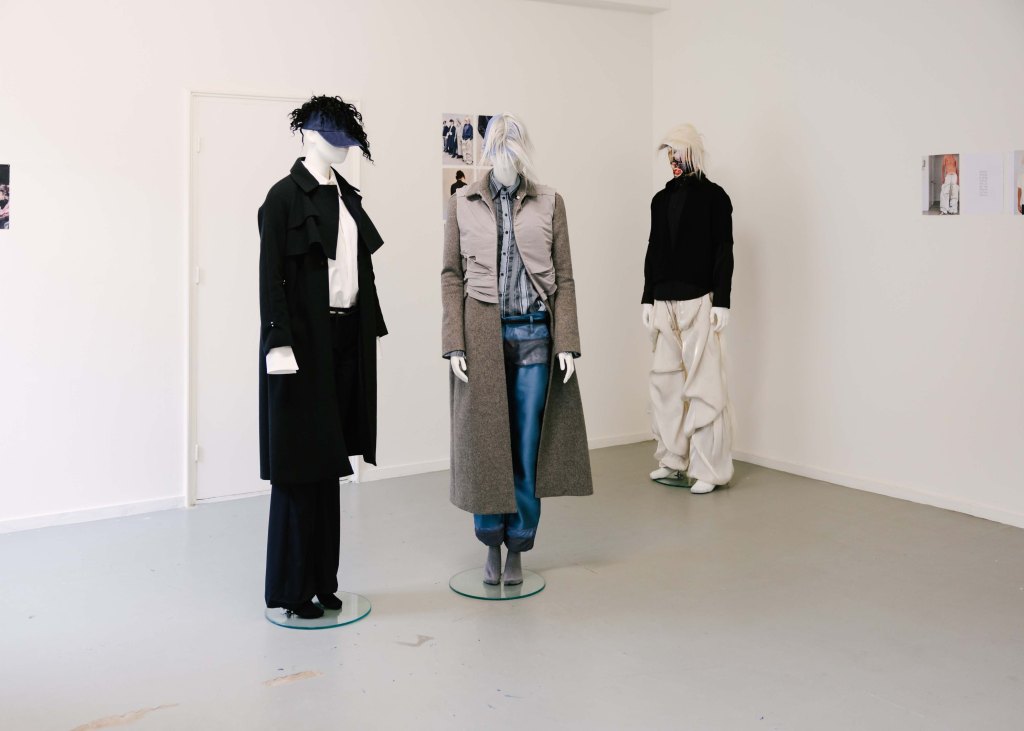
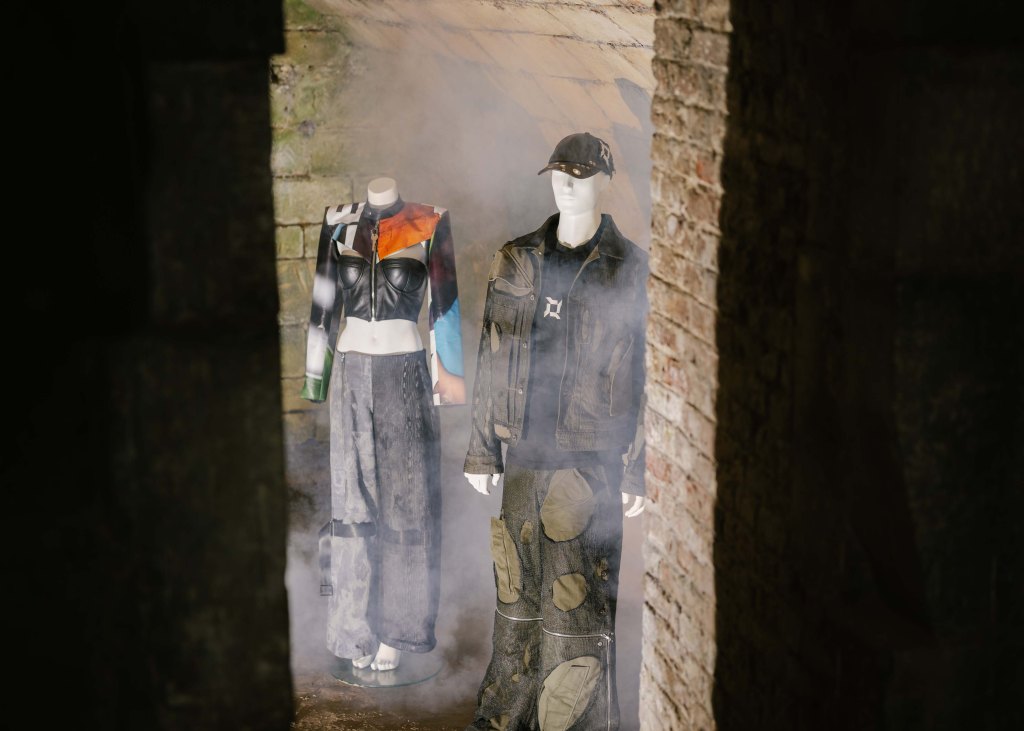
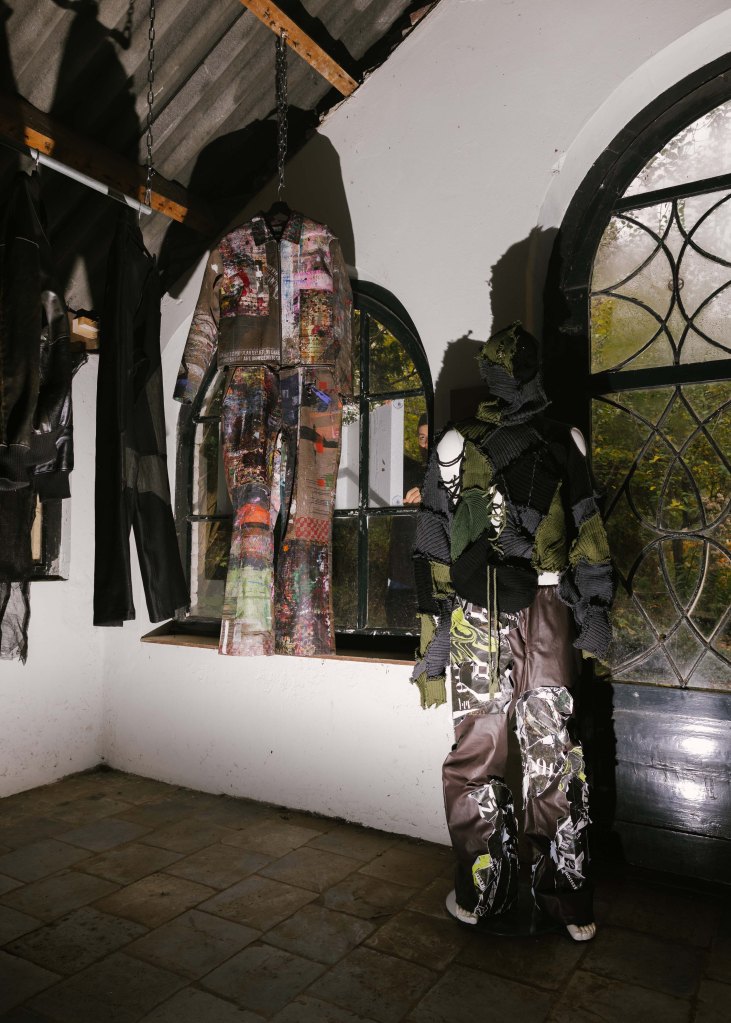
This year, FASHIONCLASH invited a talented curatorial team comprised of Chaewon Kong, Karime Salame, Katharina Spitz, Simon Marsiglia, and Teresa Carvalheira to spearhead the New Fashion Narratives exhibition at Bureau Europa. Coming from diverse backgrounds and practices, this group collaborated during Residency Week in April 2024 to develop a concept that challenges conventional fashion narratives. The exhibition draws inspiration from the game Exquisite Corps, serving as a metaphor for collaborative and transdisciplinary practices, showcasing works from a myriad of artists, researchers, and designers.

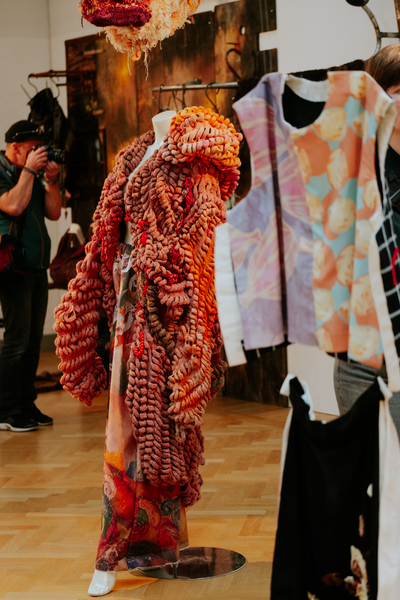
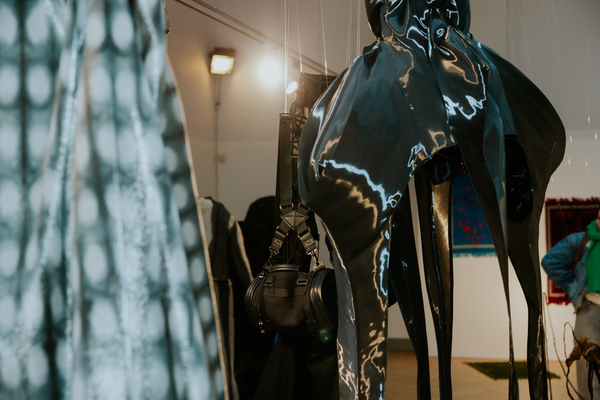

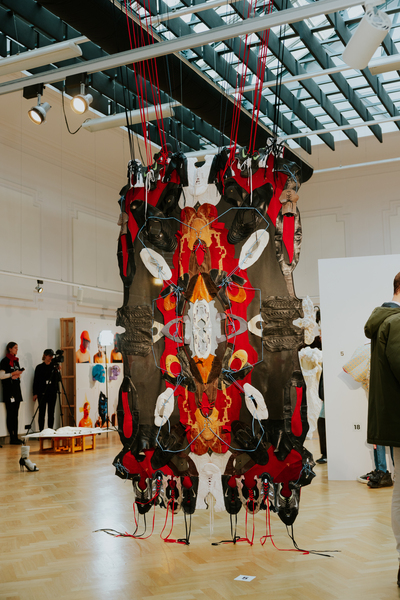
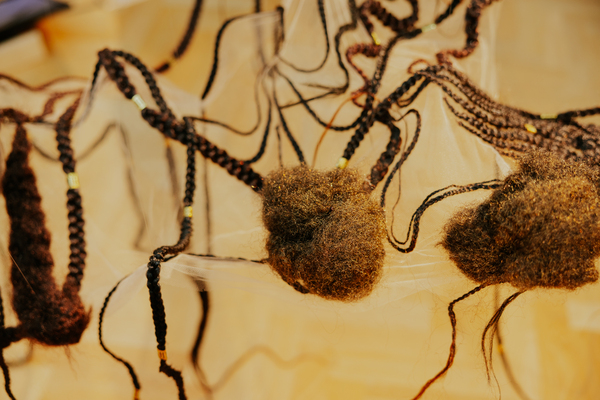


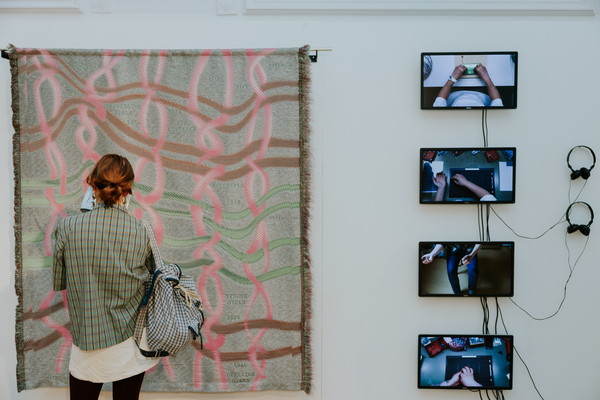
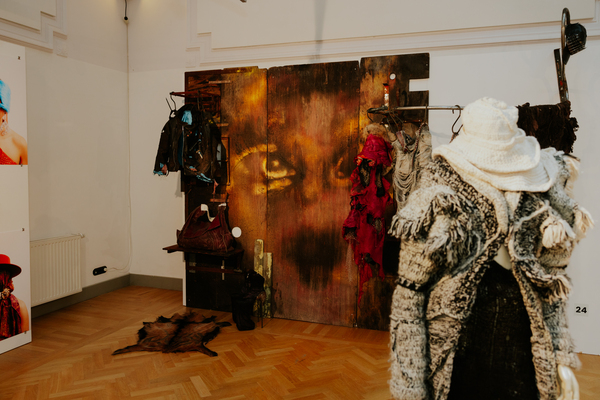
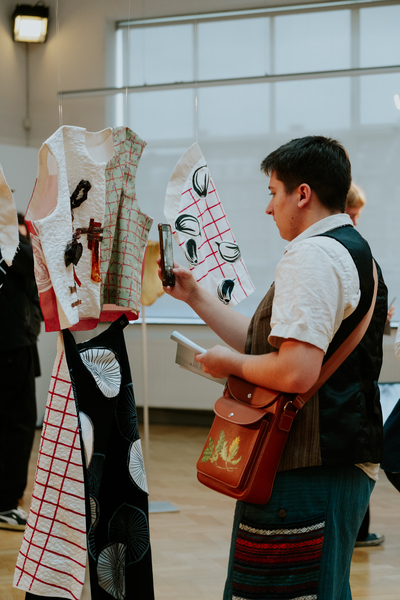
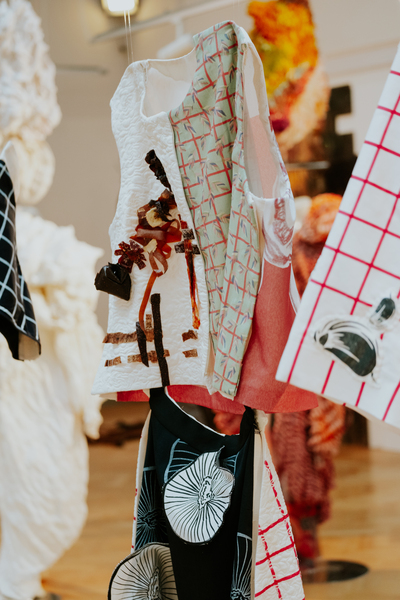
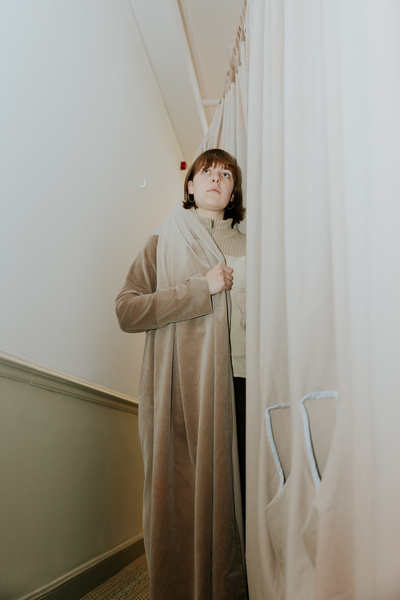
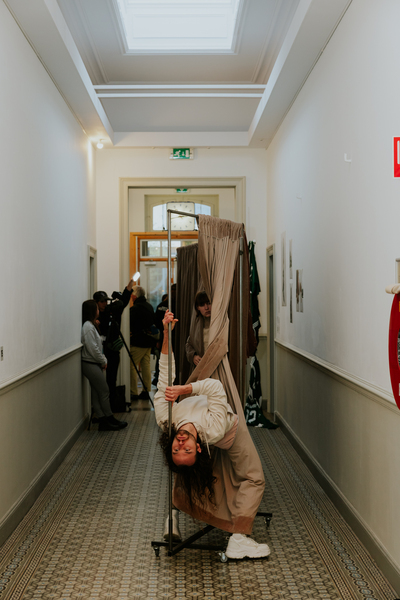
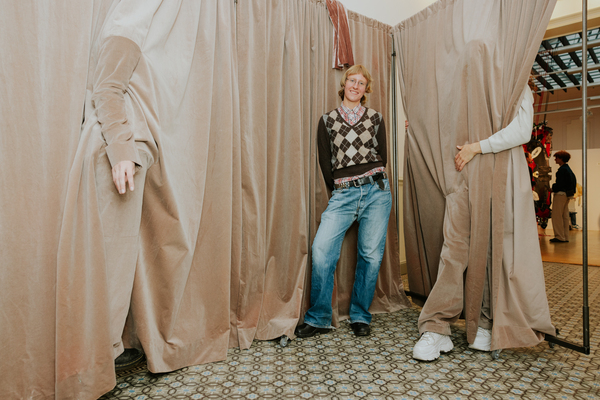

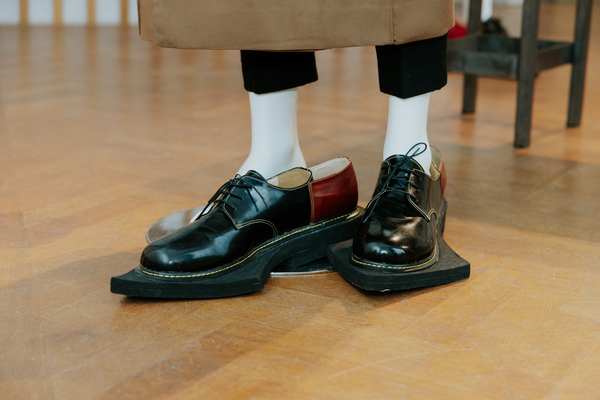
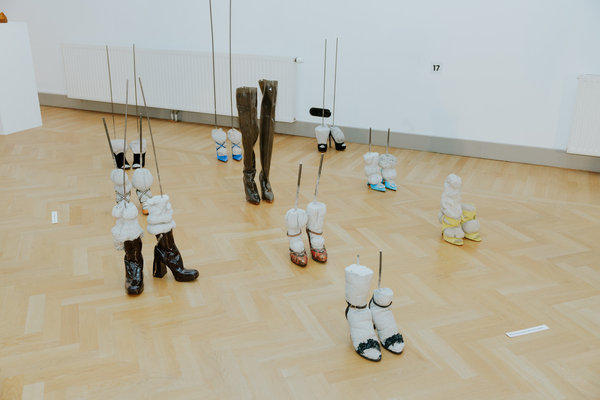
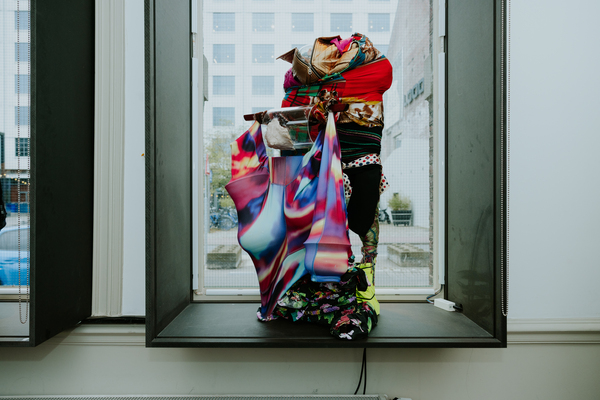
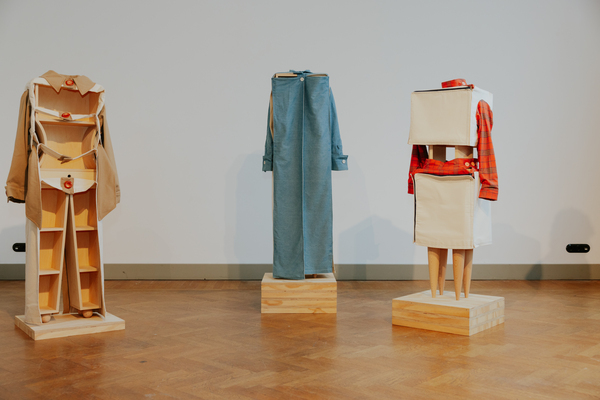
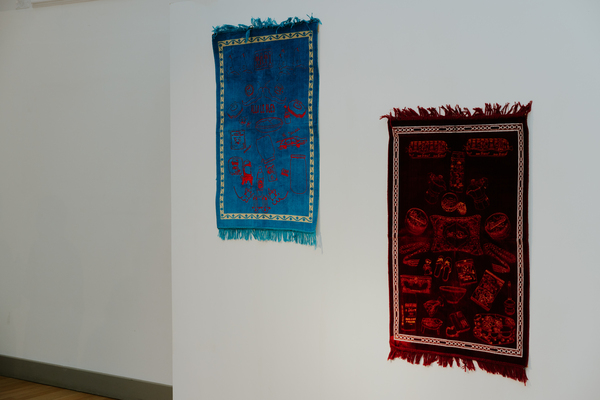
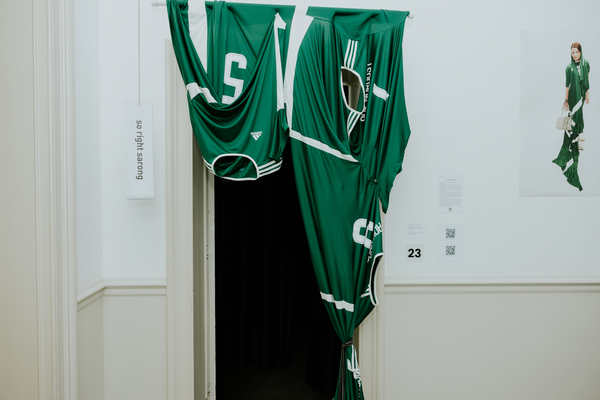
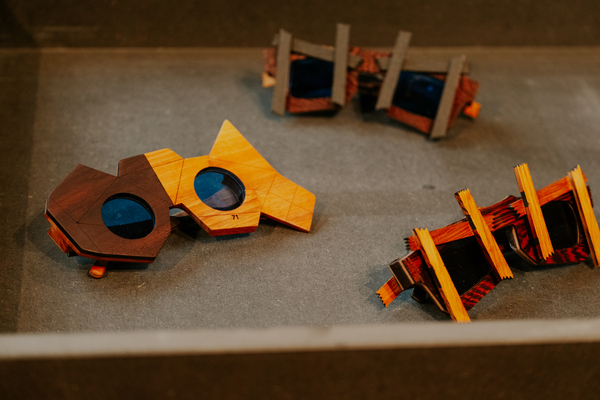
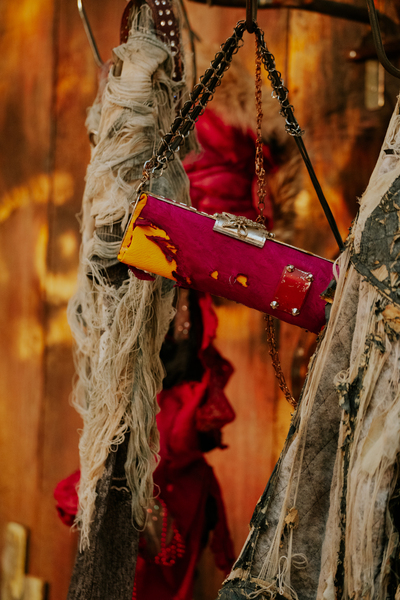
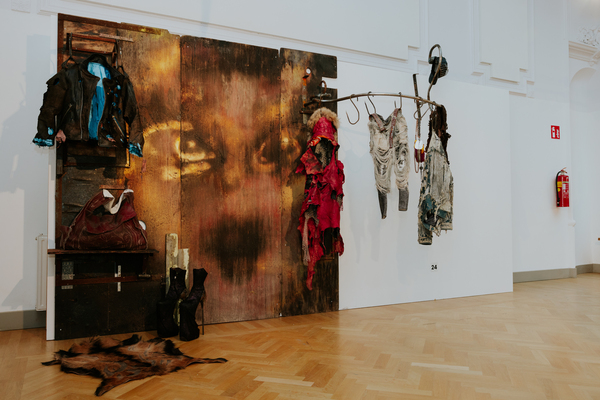
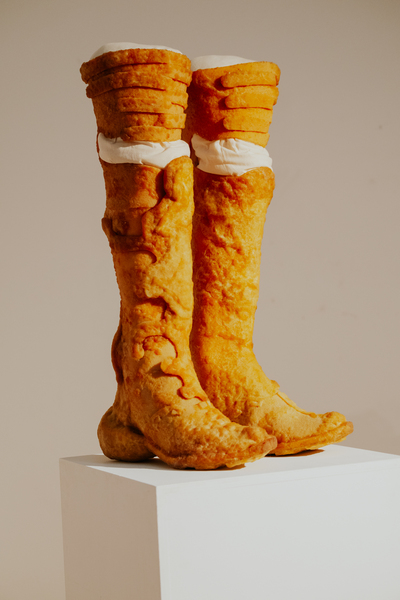

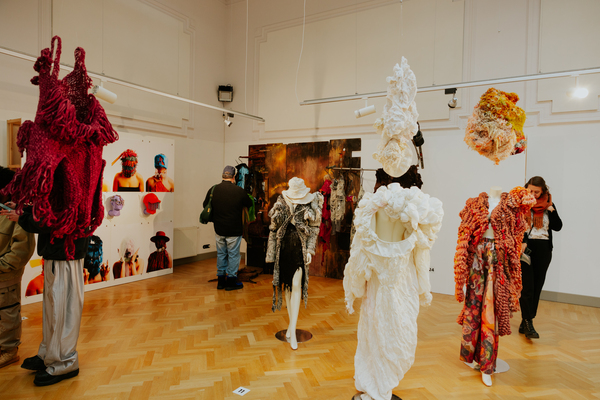
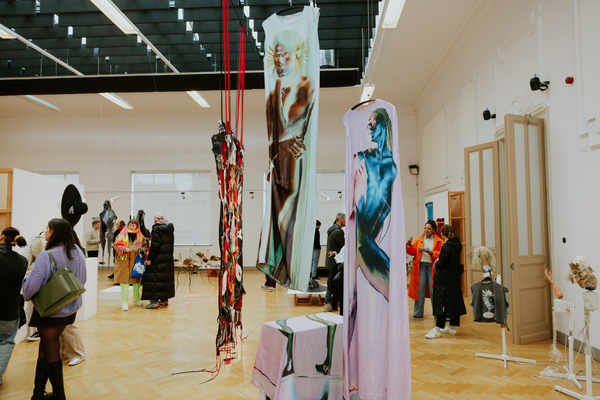
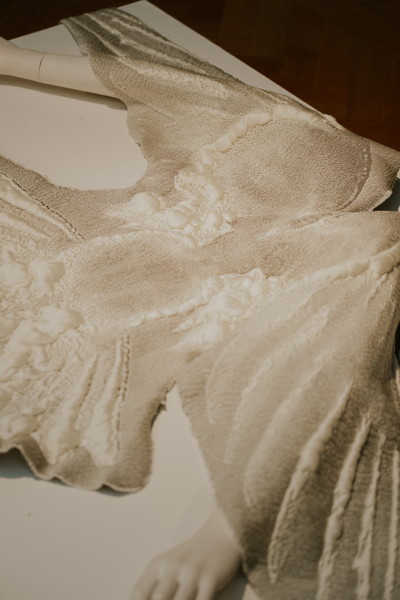

Participants in the New Fashion Narratives:
2mm, Agatha Prieto Jeanty, Rafael Kouto, Wataru Sato, Delia Rößer, Alyne Li, STUDIO ERASER YOU, Hongkai Li, Jiwoo Lee & Hankyul Jeong, Threads & Tits, Olivia Sahl Jensen, Sien Entius, Lee Kern, Studio Wievien, Romy Yedidia, DOMINIK, Knits and Notes, Zuzana Vrabelova, Chiel Lubbers, Dana Elmi Sarabi, Studio Frowijn, Souheila Chalabi, Jinwon Kim, Matti Paffen, Kushami 嚔(by Ayumi Kajiwara), Lara van der Poel, Wassim el Hodayebi, who illuminate the multifaceted nature of contemporary fashion.
Decolonial Fashion Residency Installation at Bureau Europa
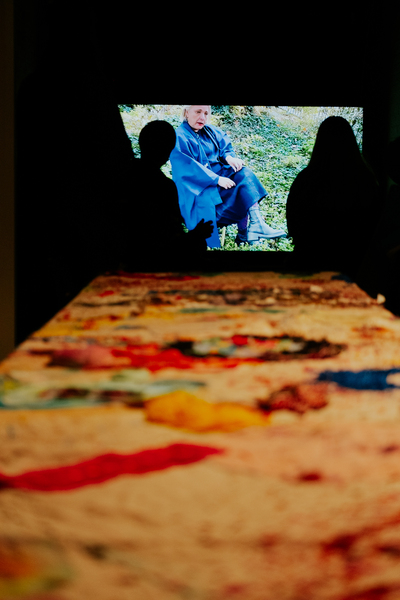
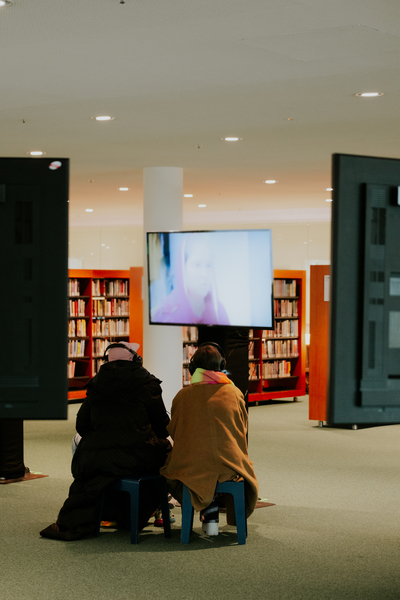
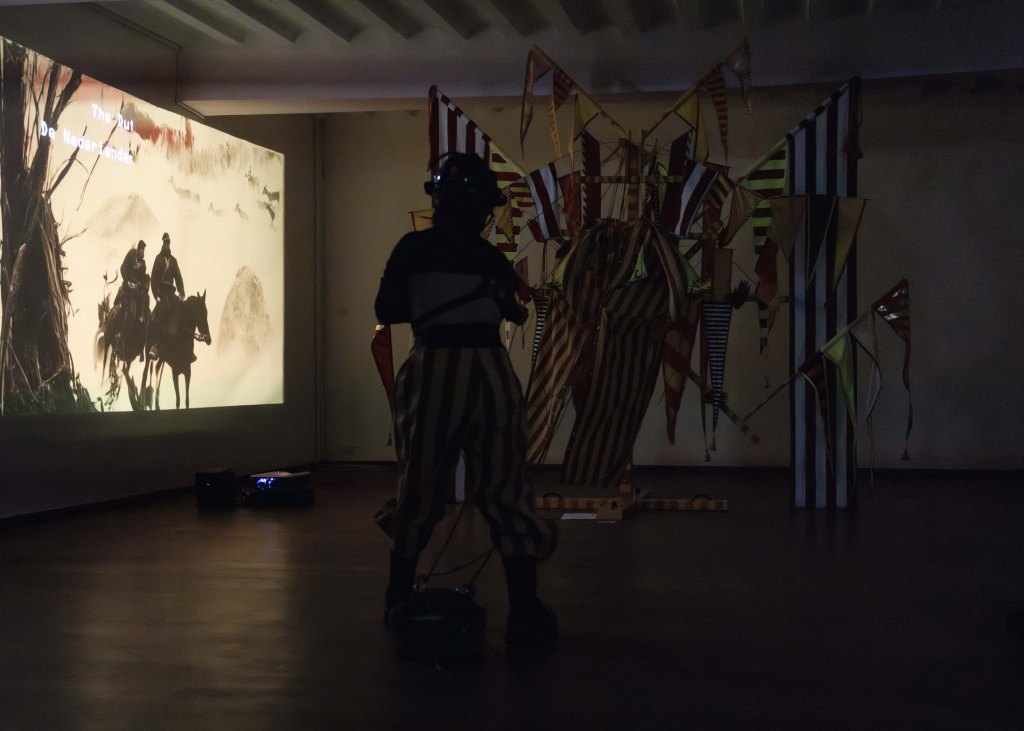
Additionally, the basement of Bureau Europa hosted an enlightening installation and video documentary stemming from the Decolonial Fashion Residency. This residency brought together ten fashion practitioners for a week of dialogue centred on the question, “What does decoloniality mean in fashion in the context of the Netherlands?” Participants included Tevin Blancheville, Angela Jansen, and Gabrielle Swart, who collectively explored the intersections of fashion, culture, and equity.
NEW FASHION NARRATIVES: DISCOVER ALL THE PARTICIPANTS HERE
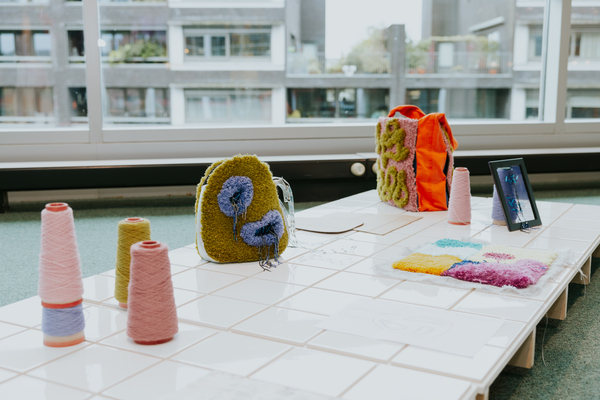
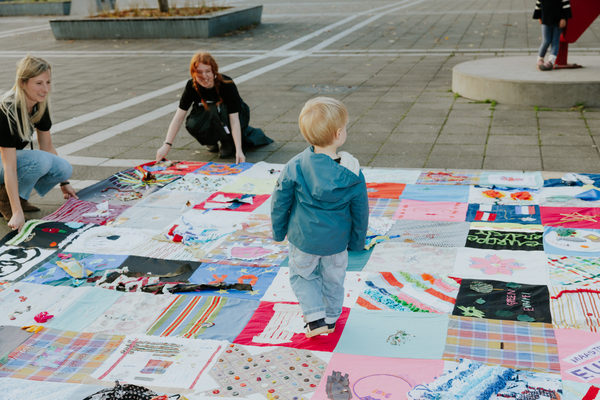
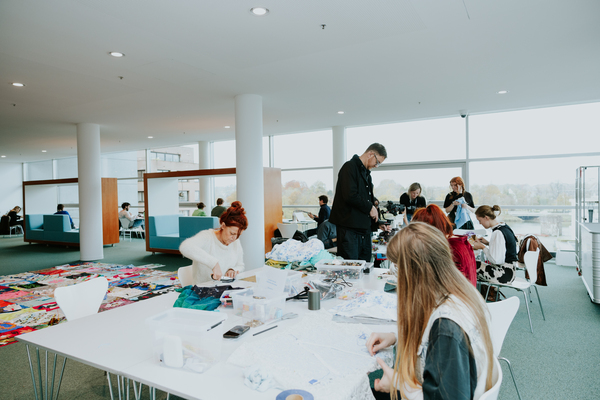
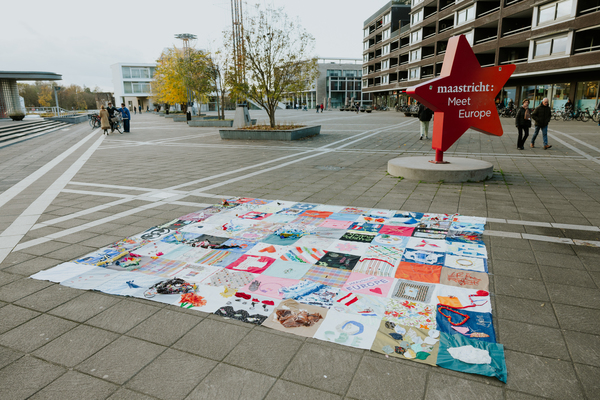
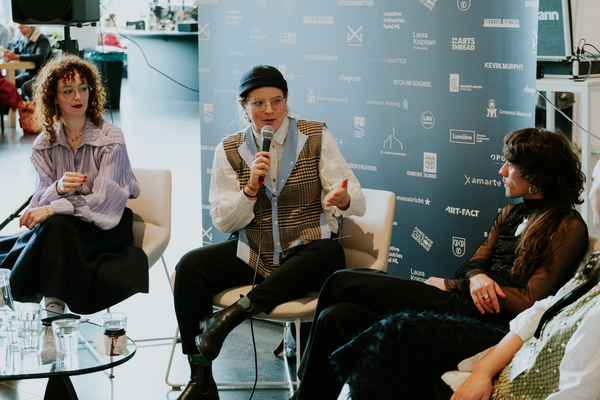
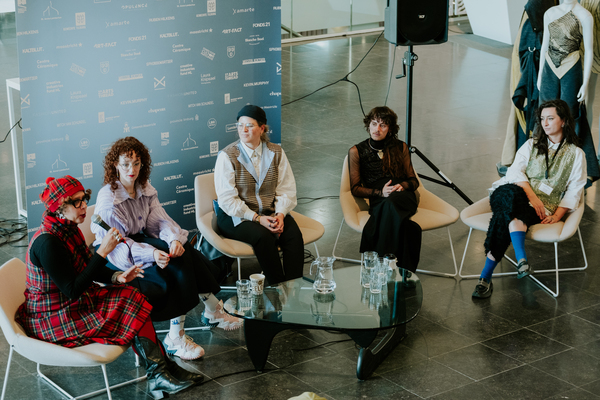
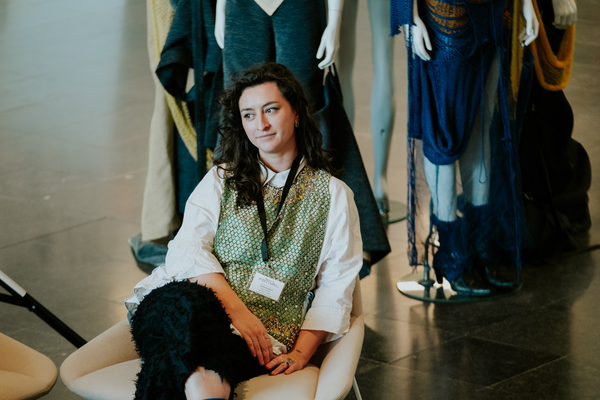
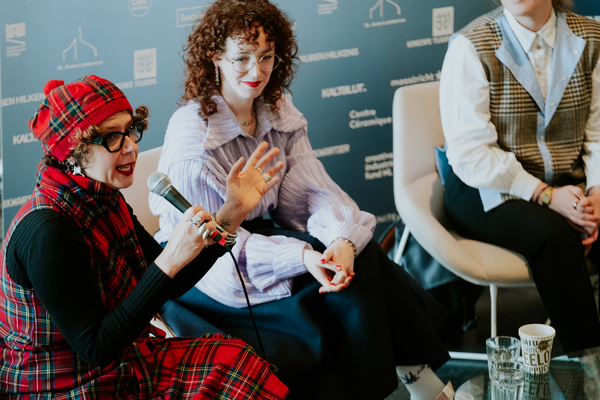
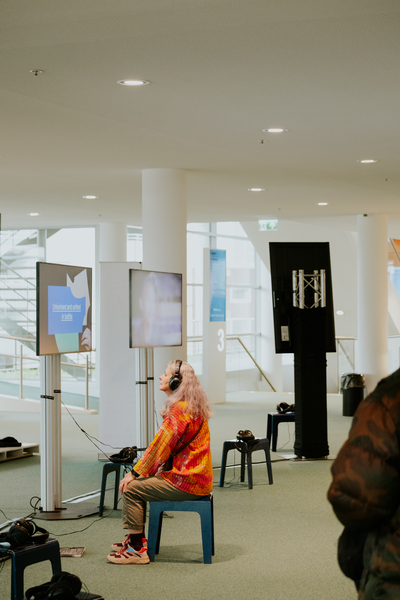
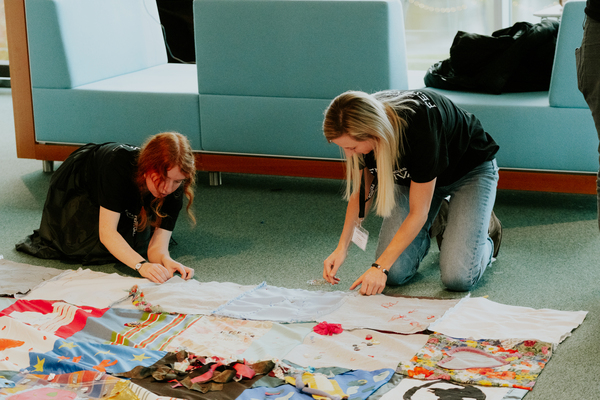
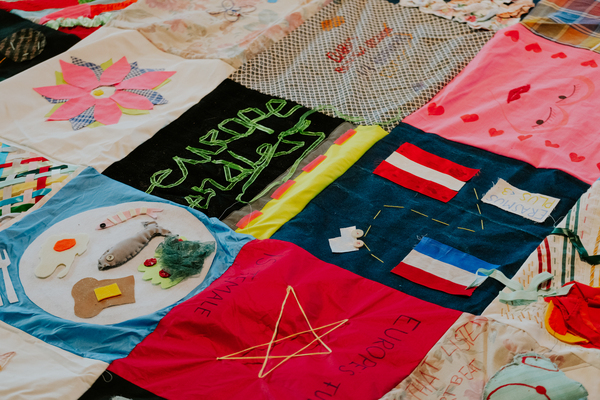
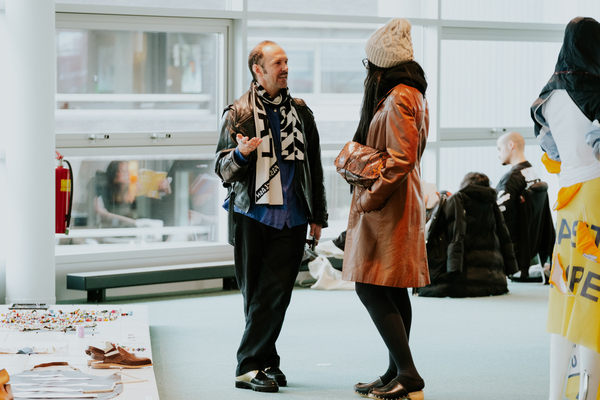
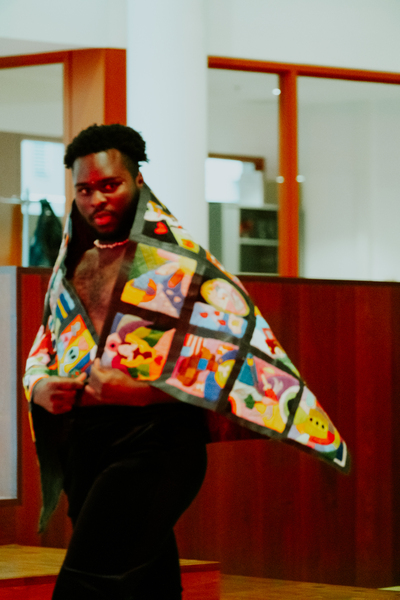
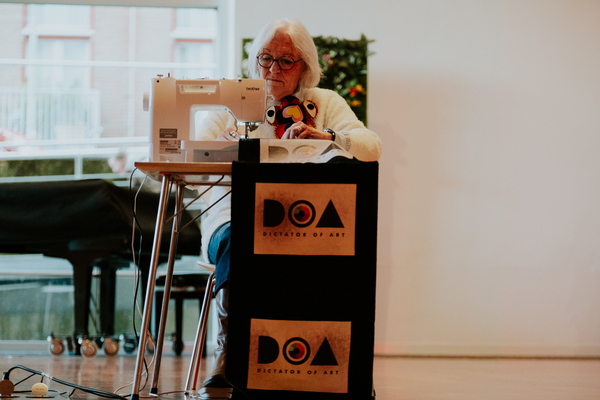
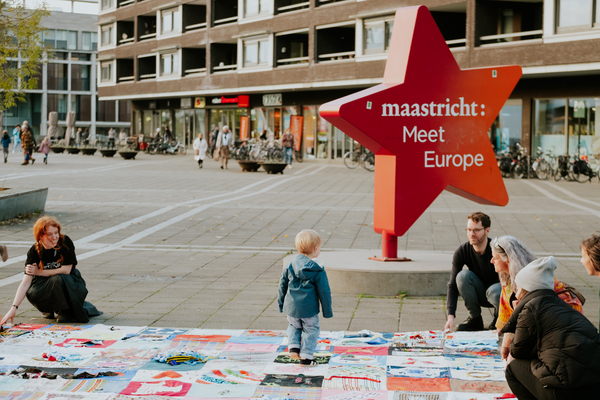
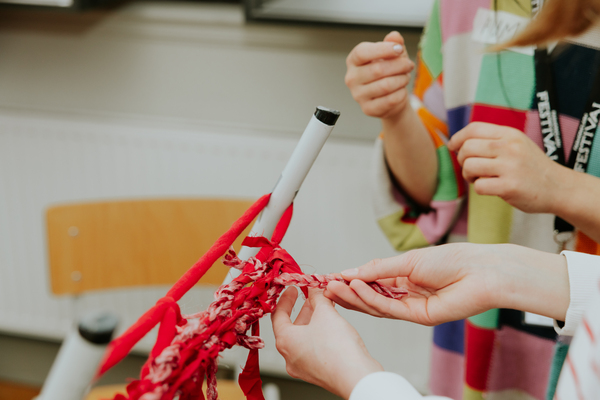
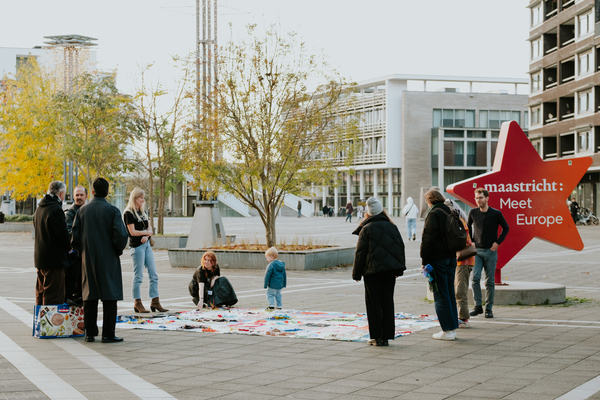
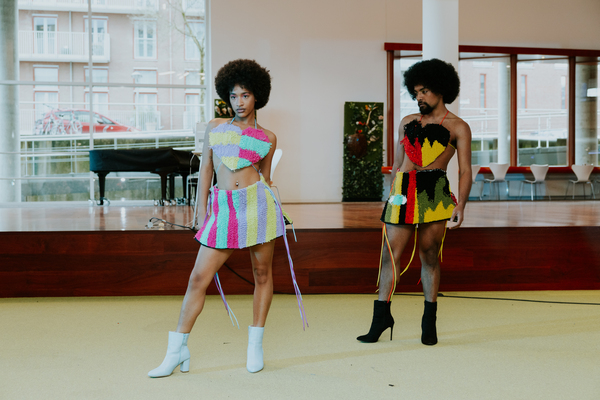
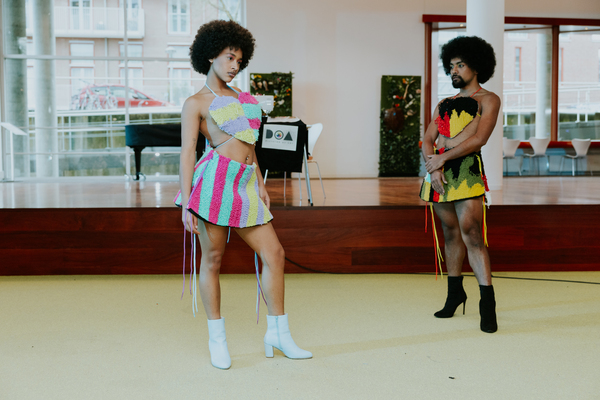
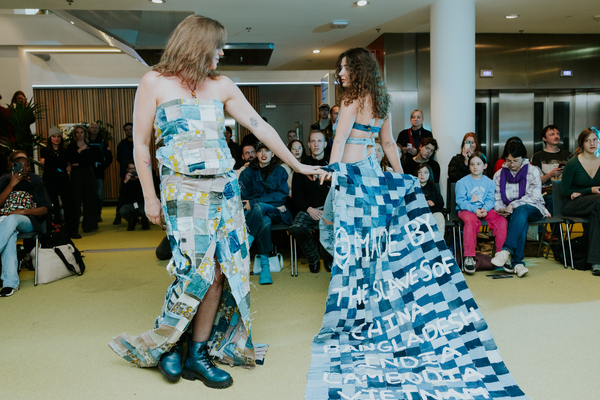
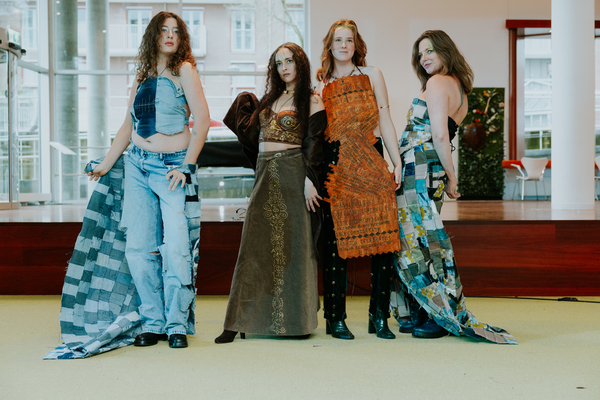
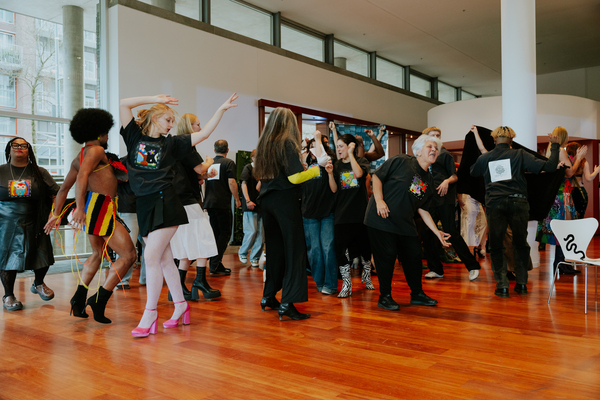
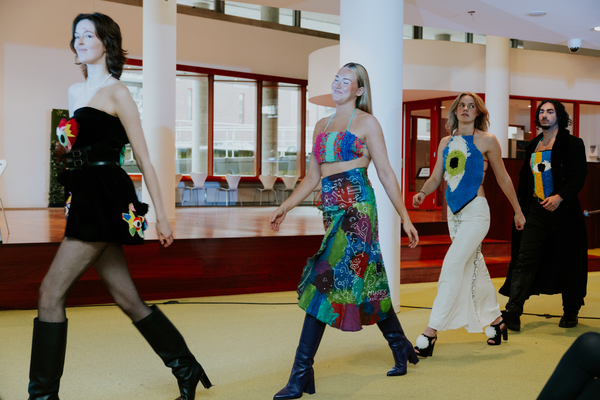
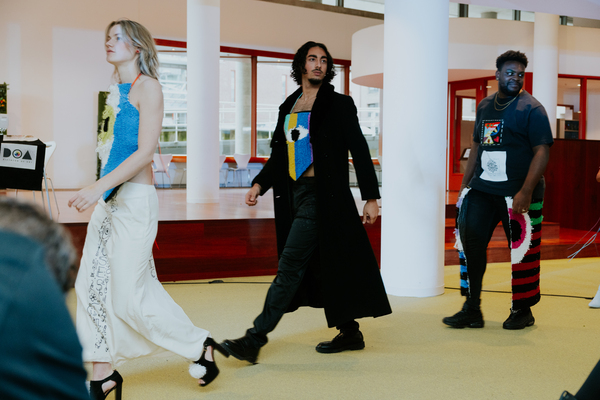
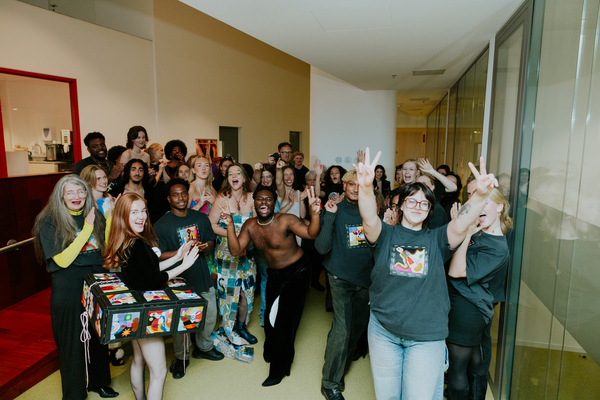
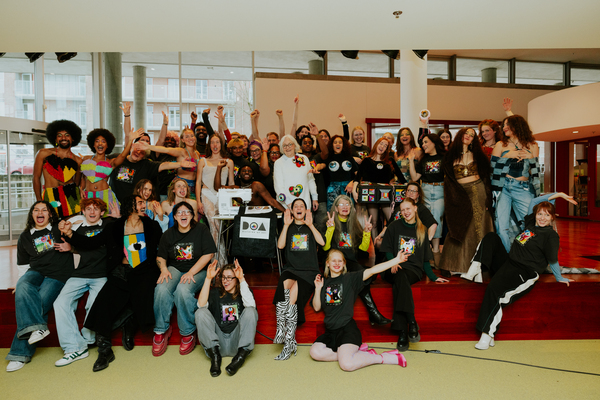
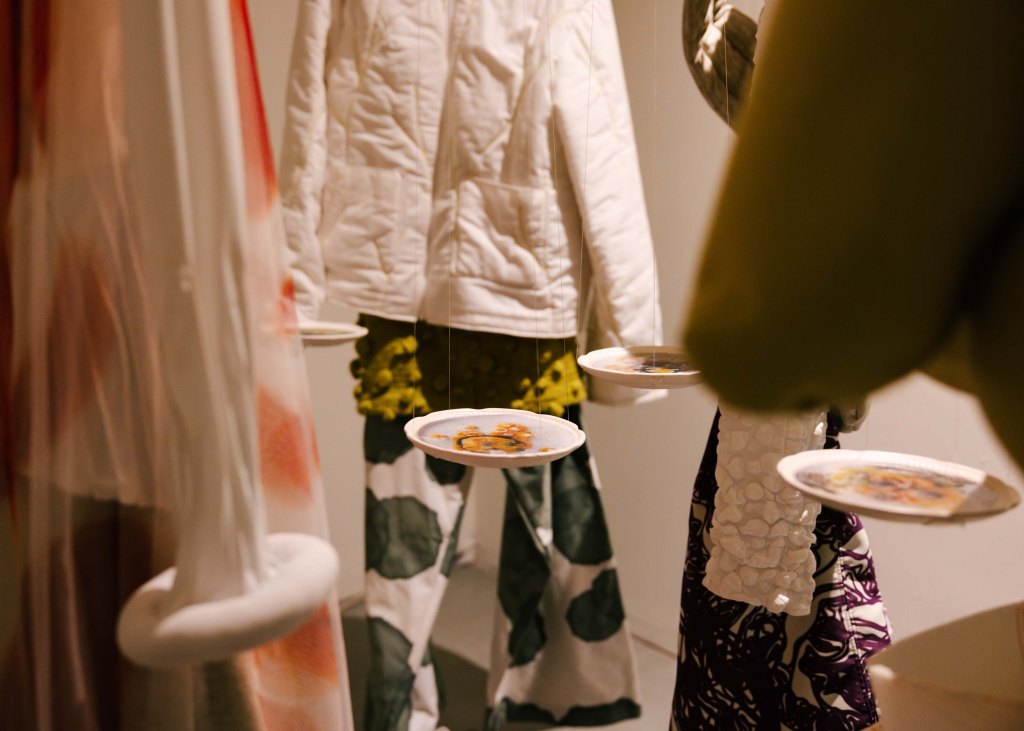
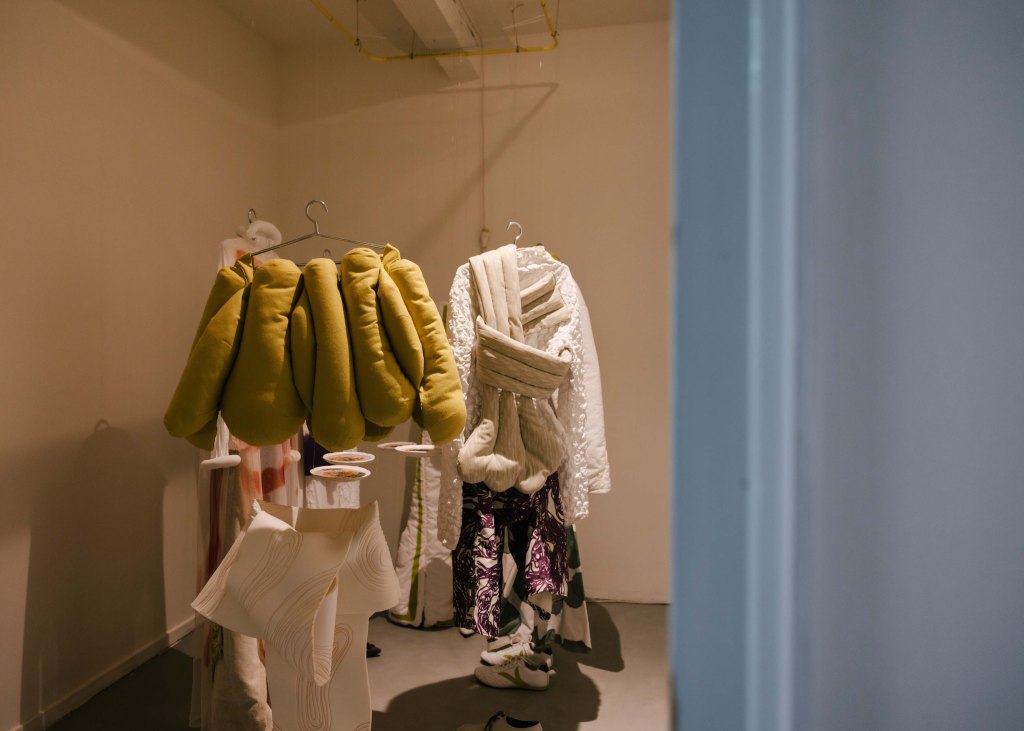
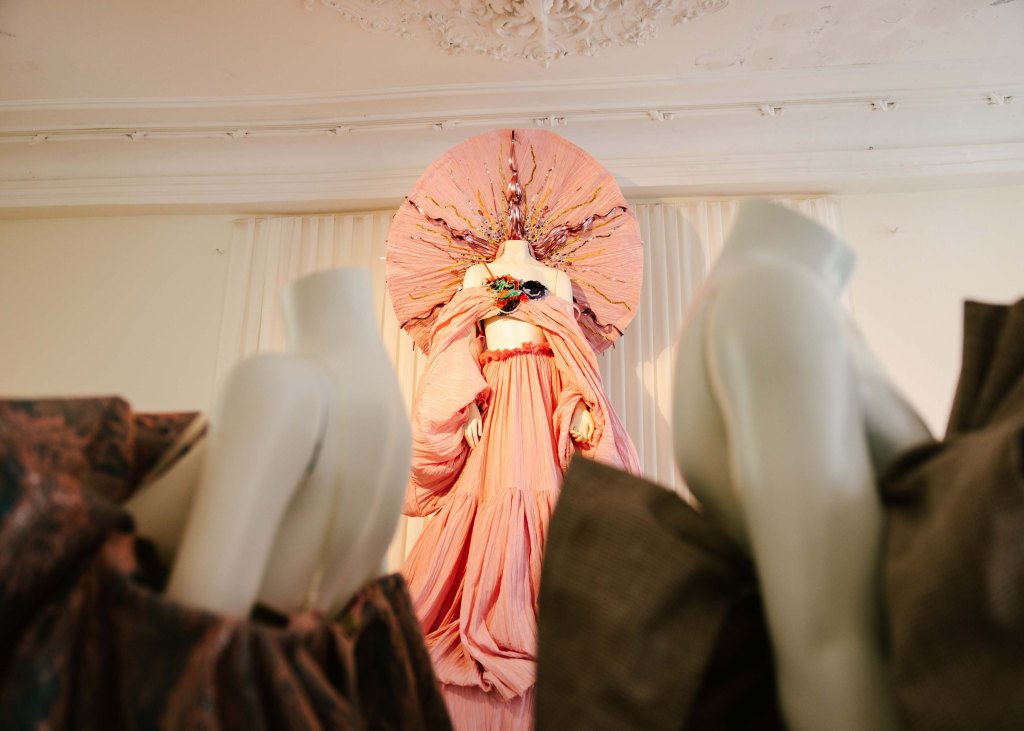
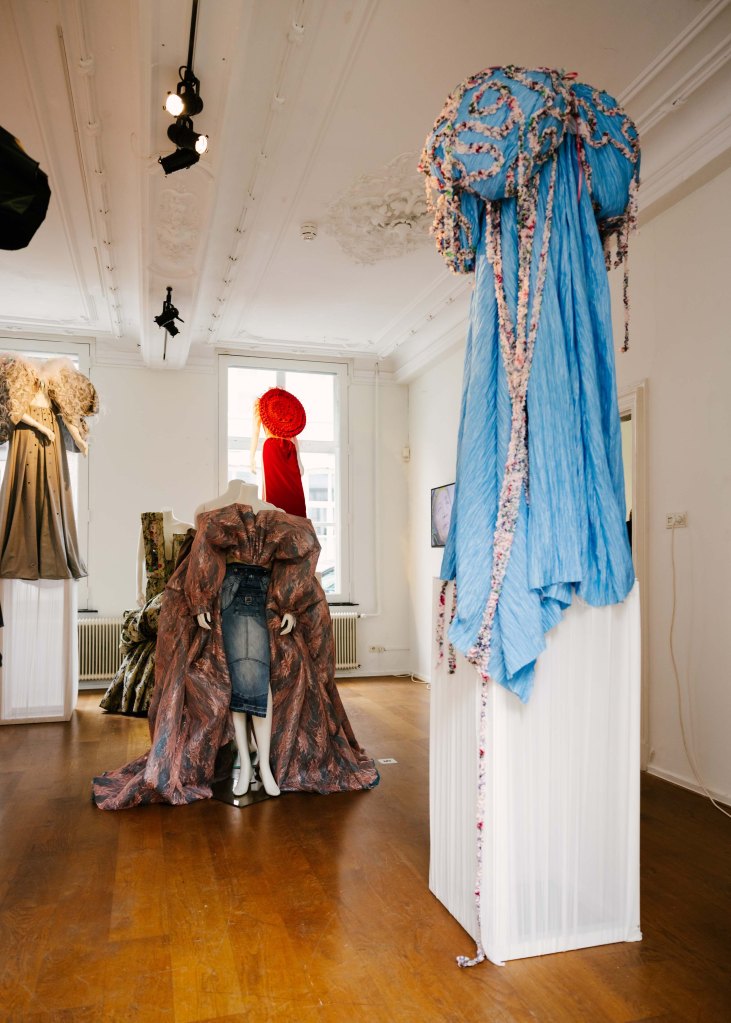
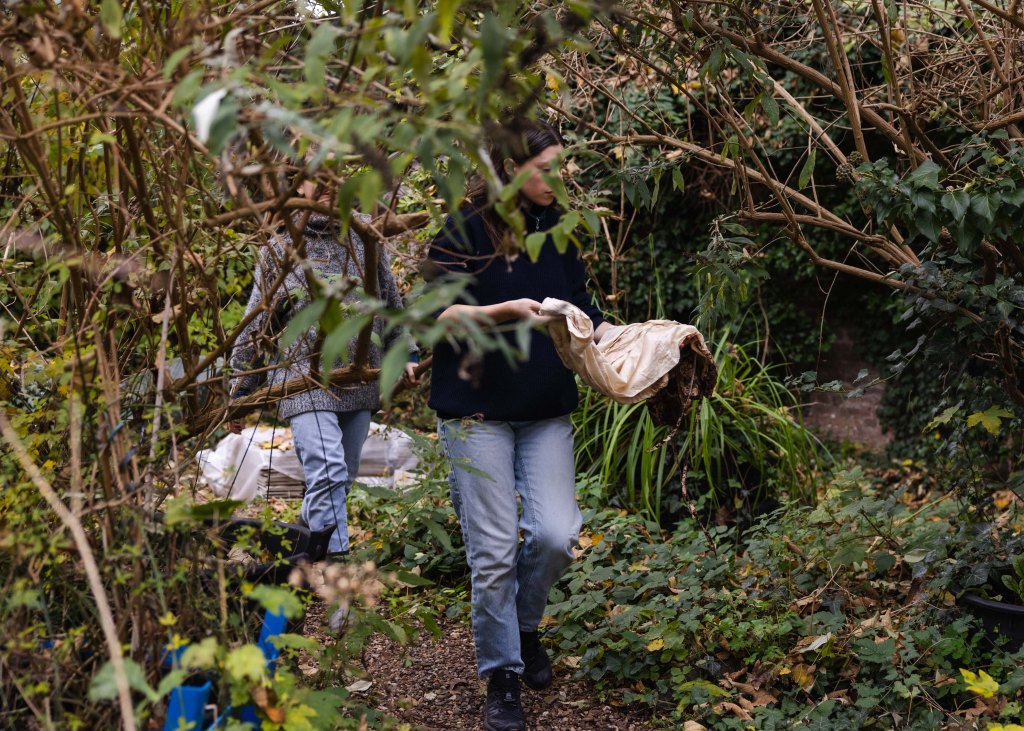
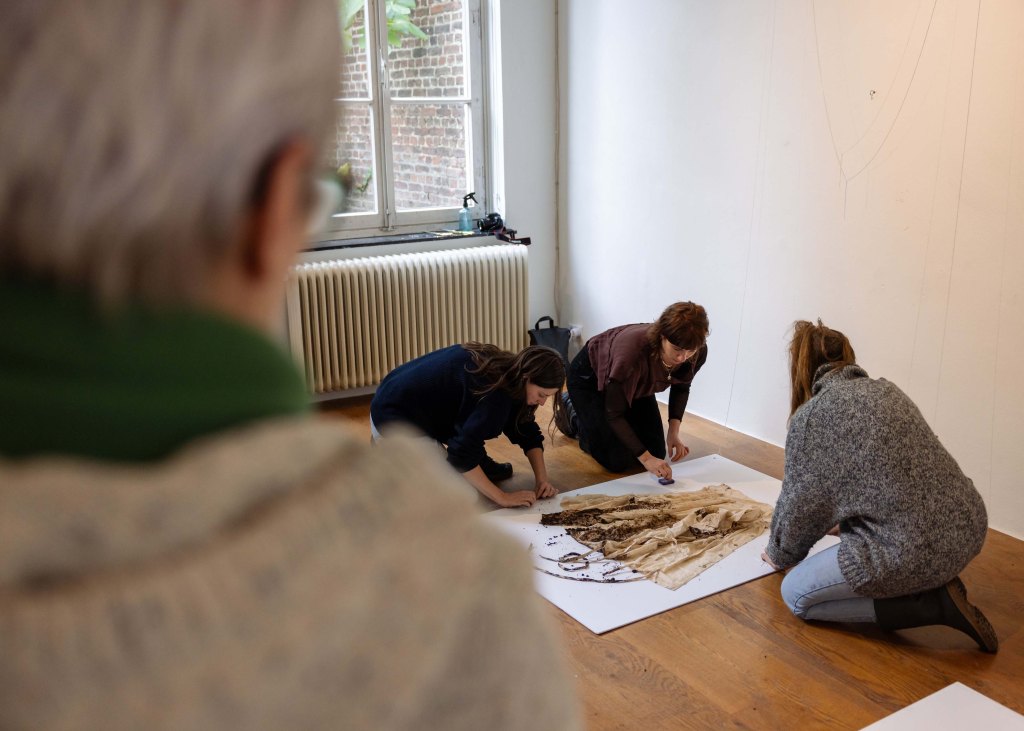
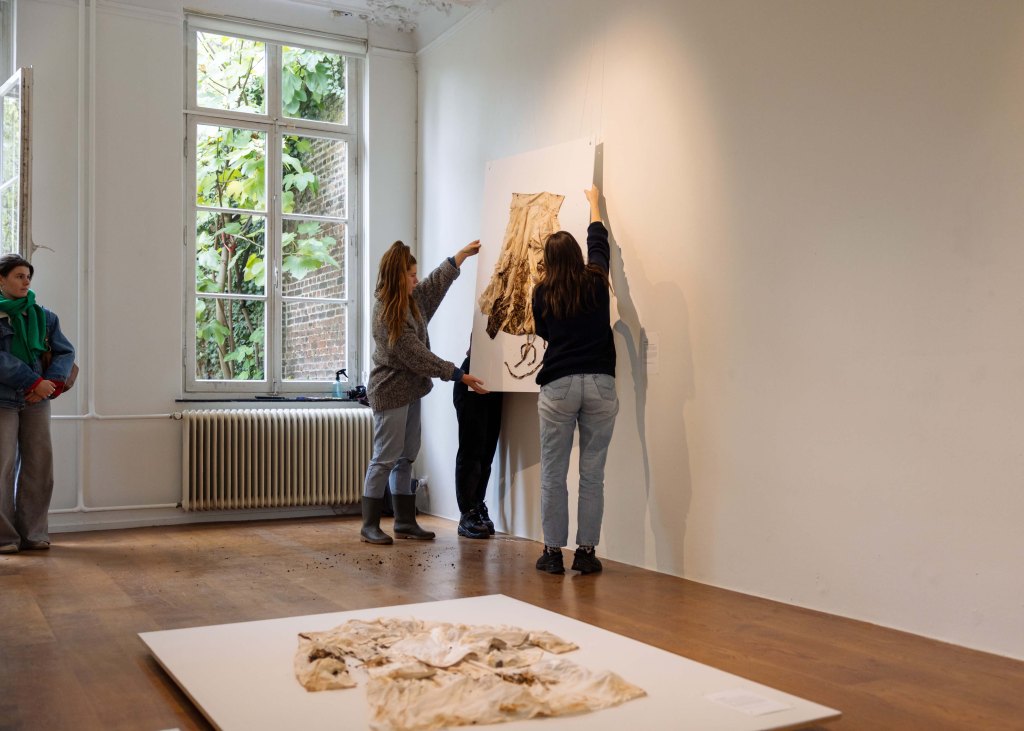
In addition to fostering artistic exploration, FASHIONCLASH prioritized accessibility and community involvement through initiatives like Fashion Makes Sense. This initiative empowered over 100 young participants to engage in co-creation projects, workshops, and performances. By offering hands-on experiences, the festival cultivated creativity and inspired an inclusive dialogue about identity and self-expression, addressing the fashion industry’s ongoing criticisms regarding diversity and sustainability.










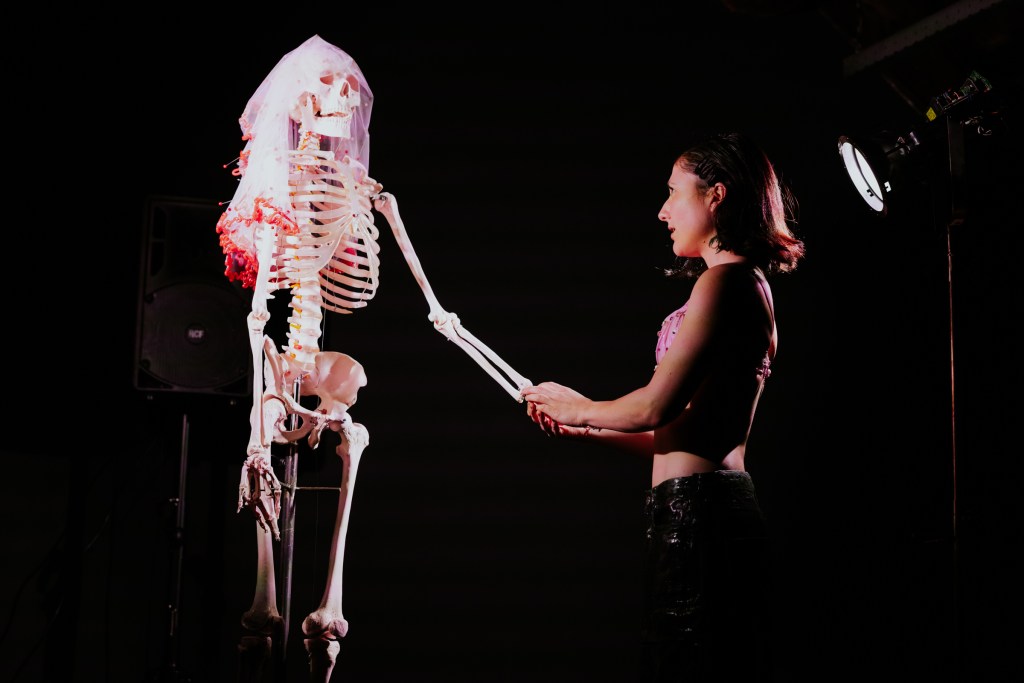
MARRES: DISCOVER ALL THE PARTICIPANTS HERE
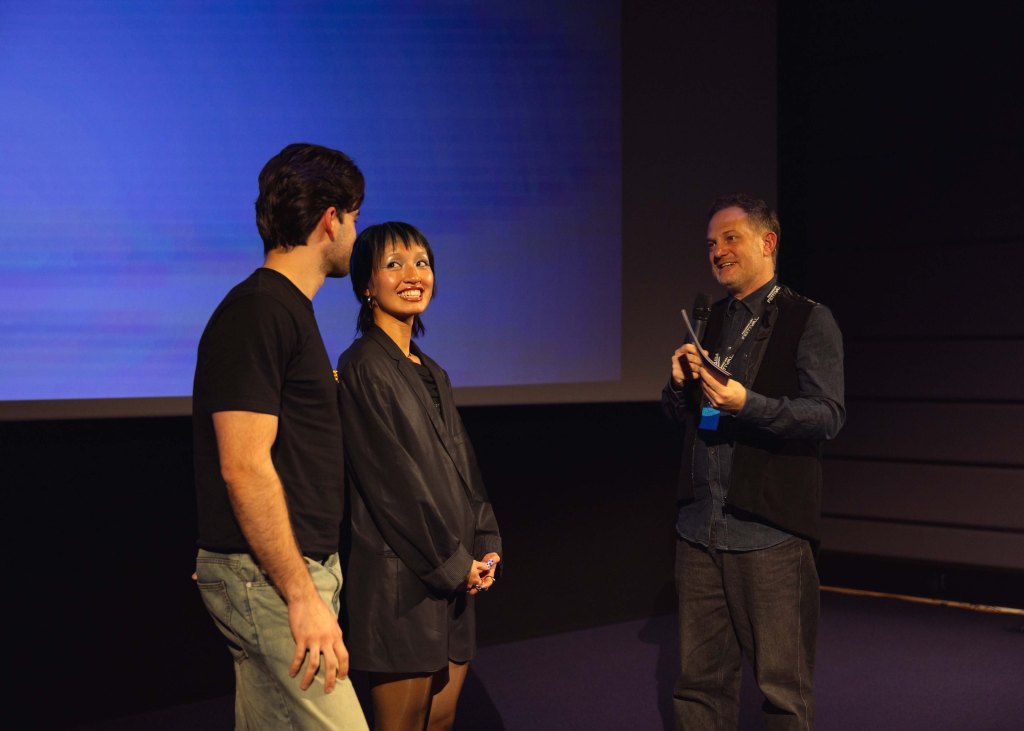
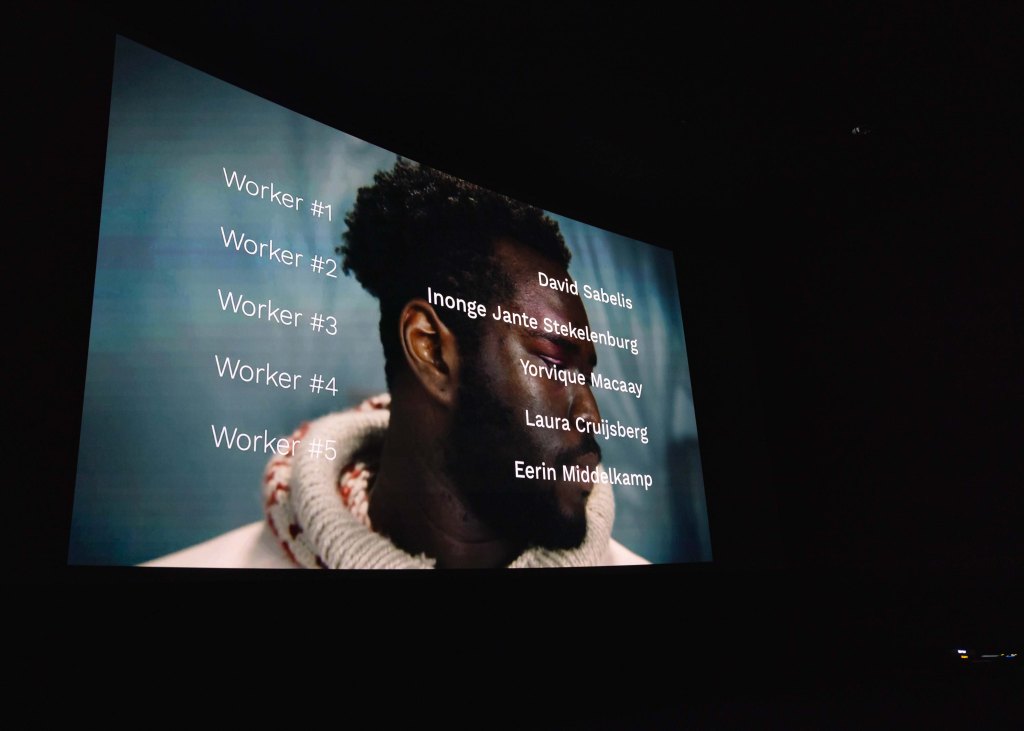
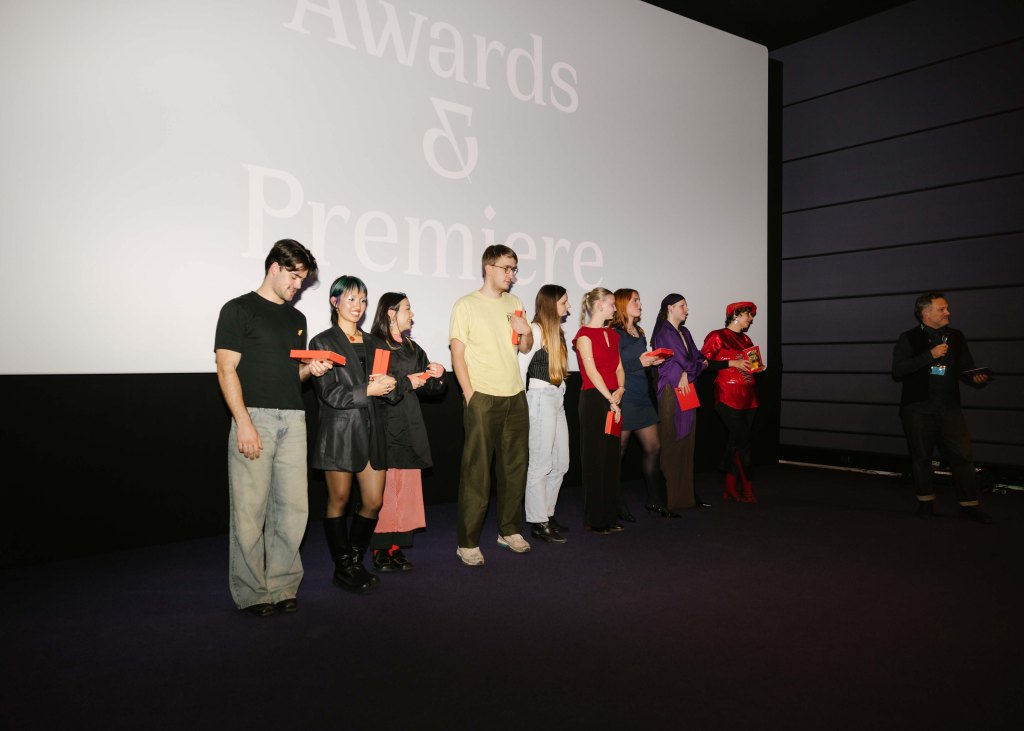
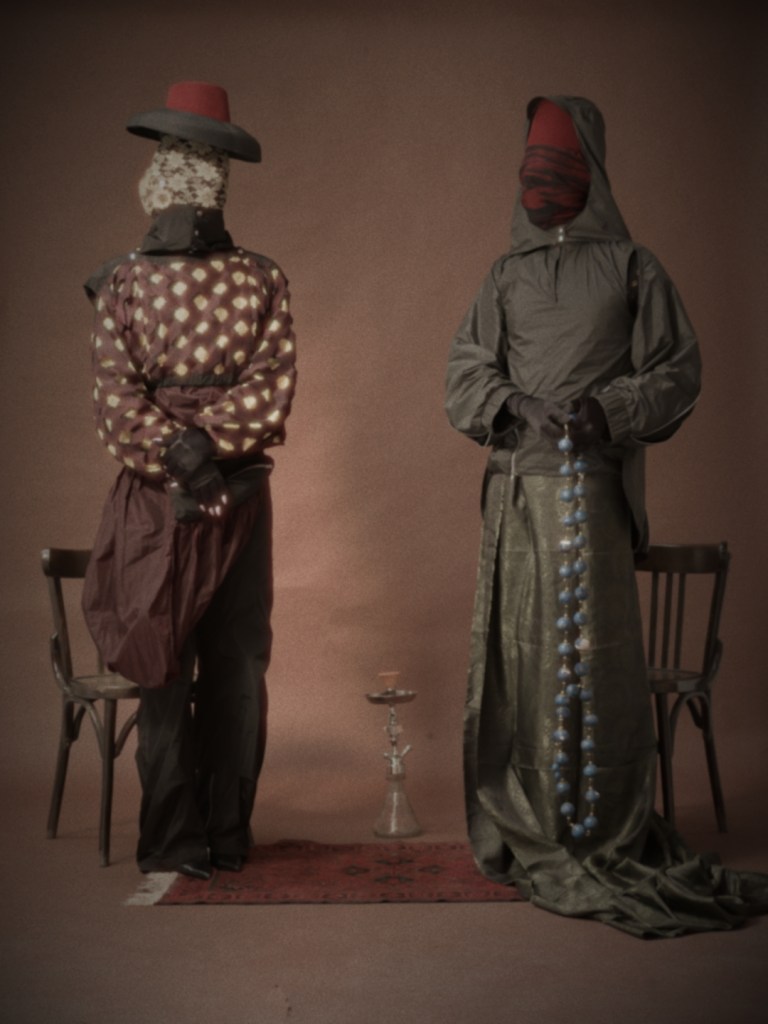
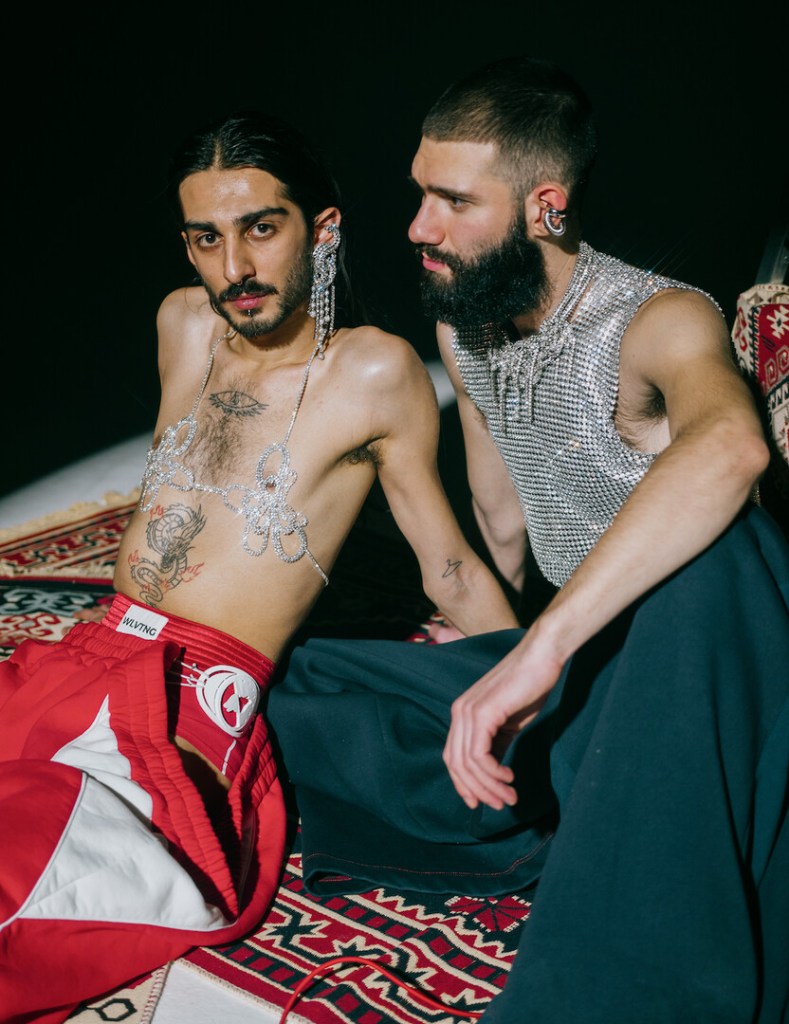
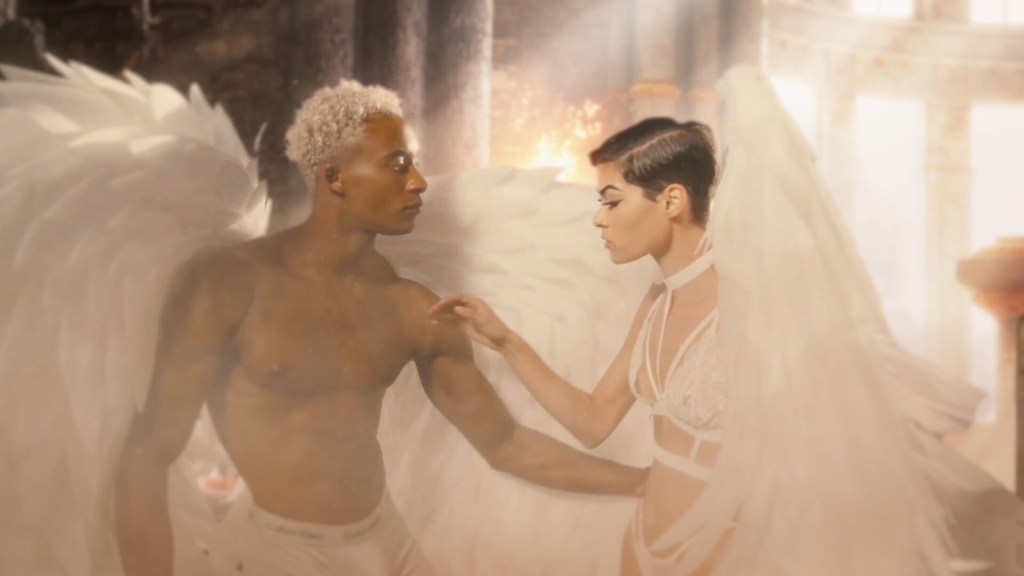
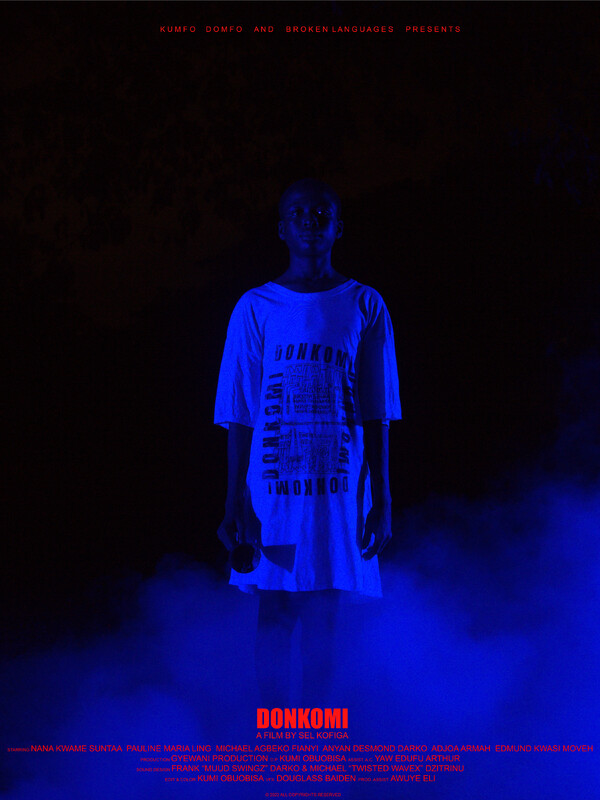
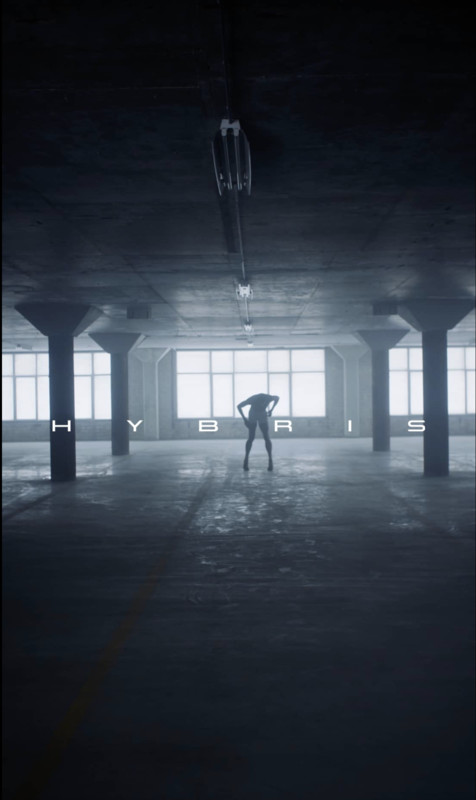
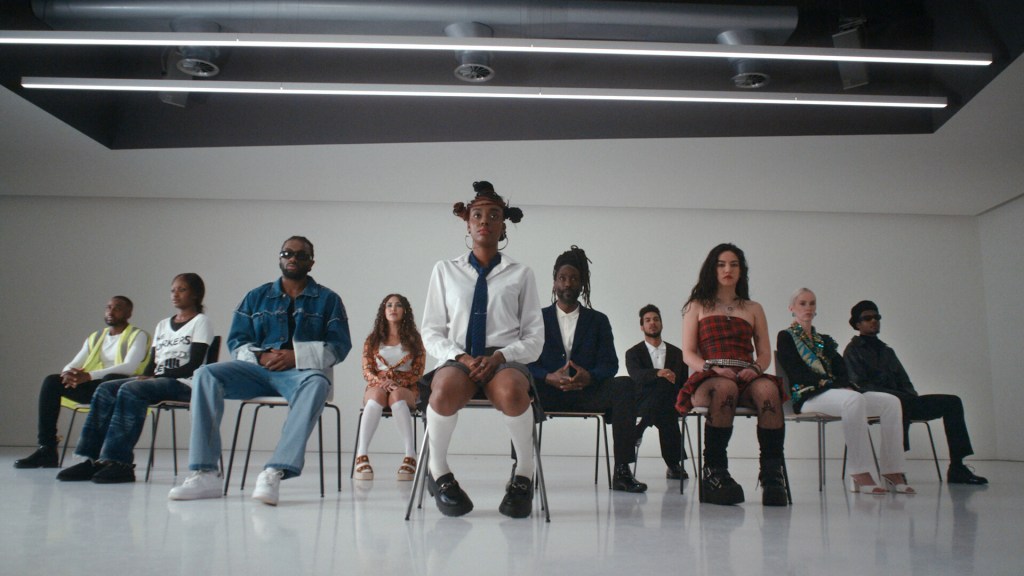
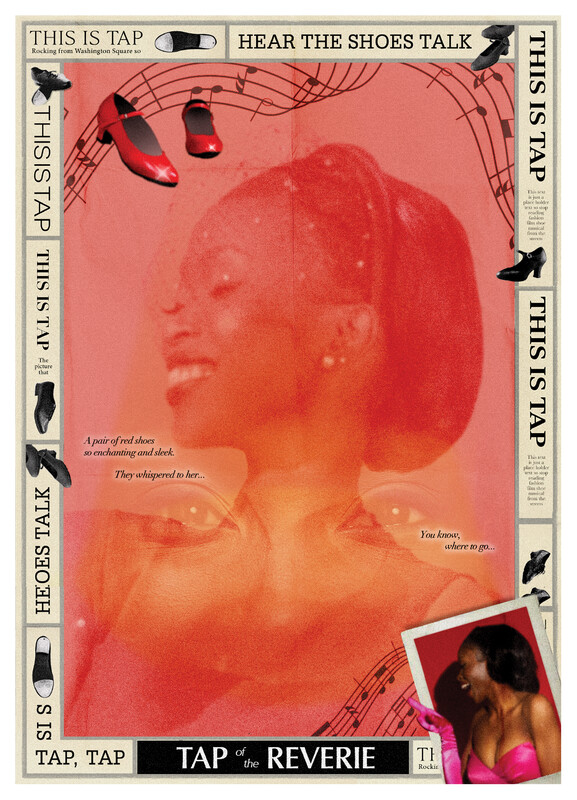
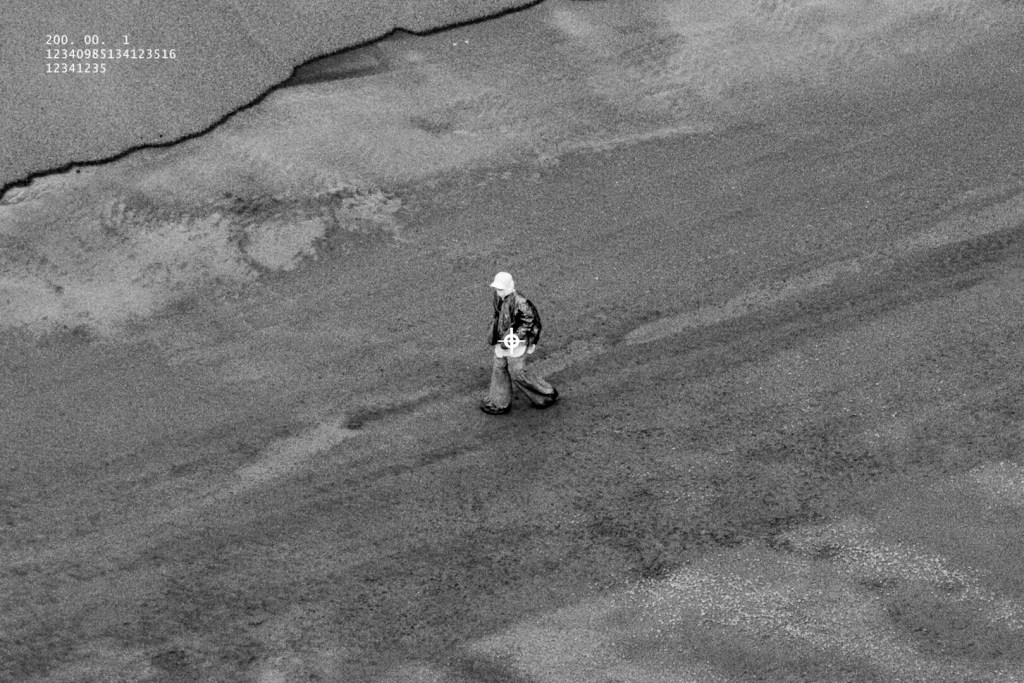
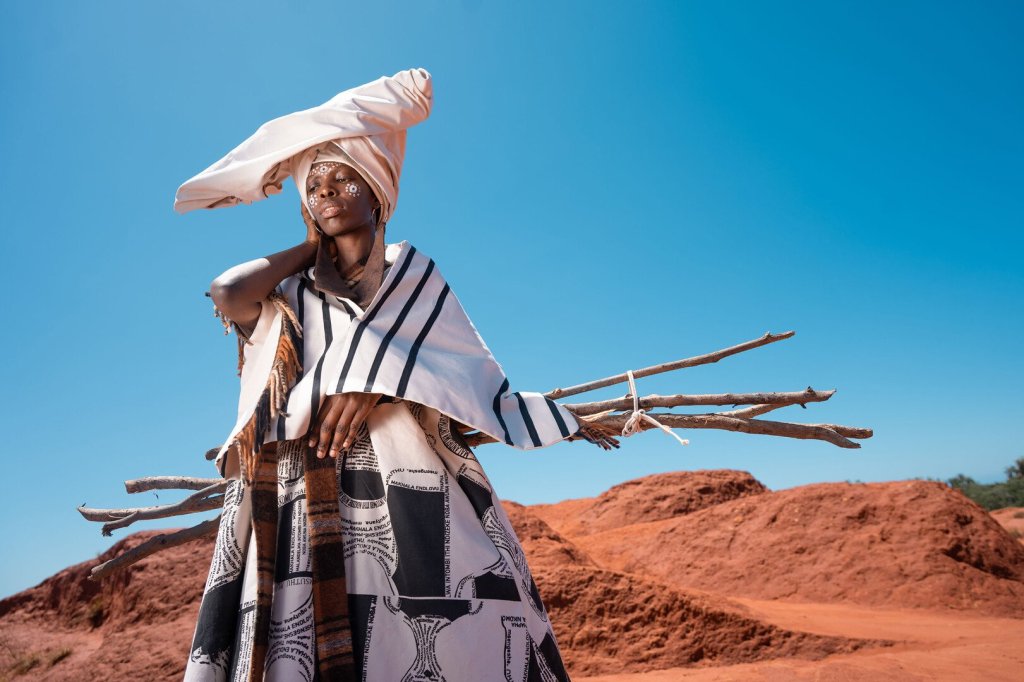
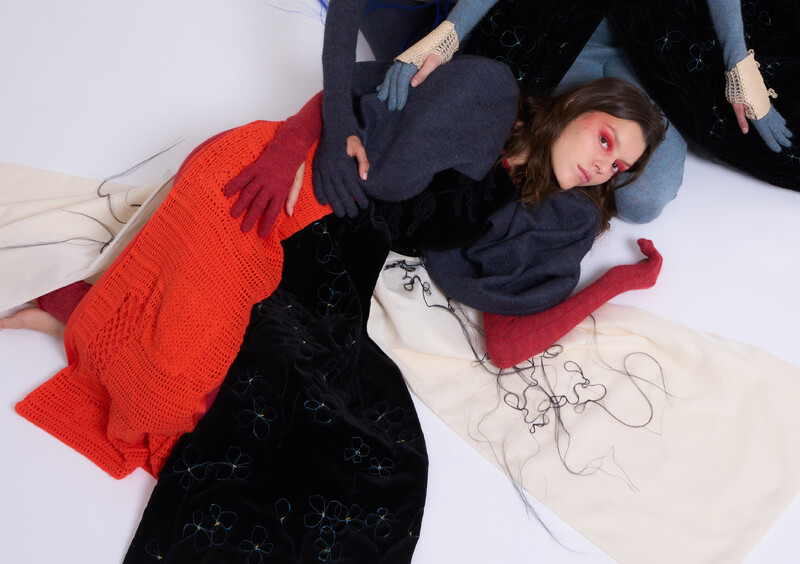
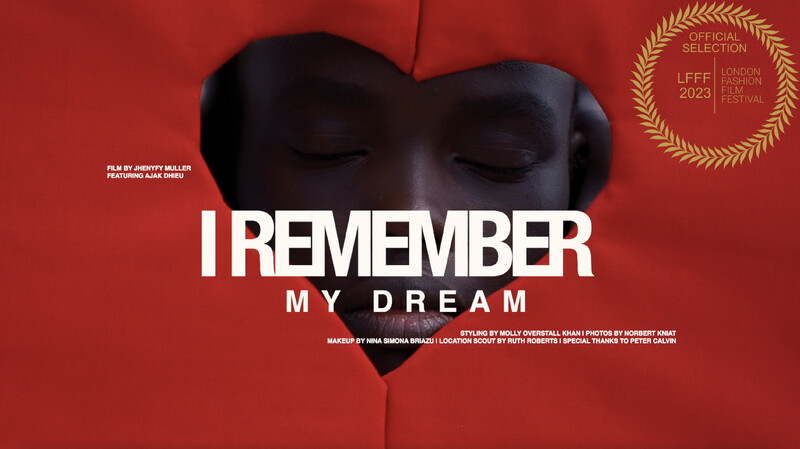
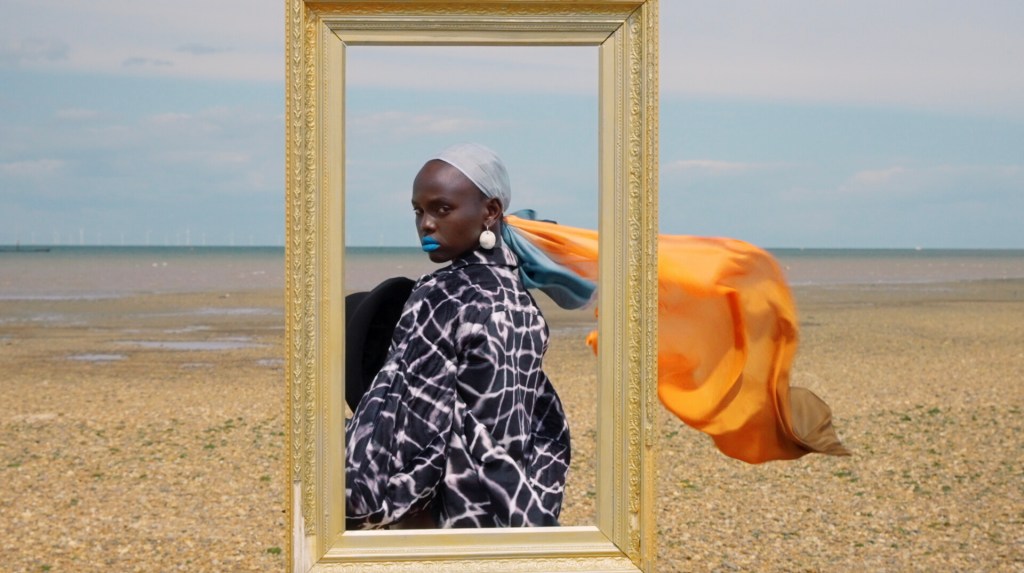
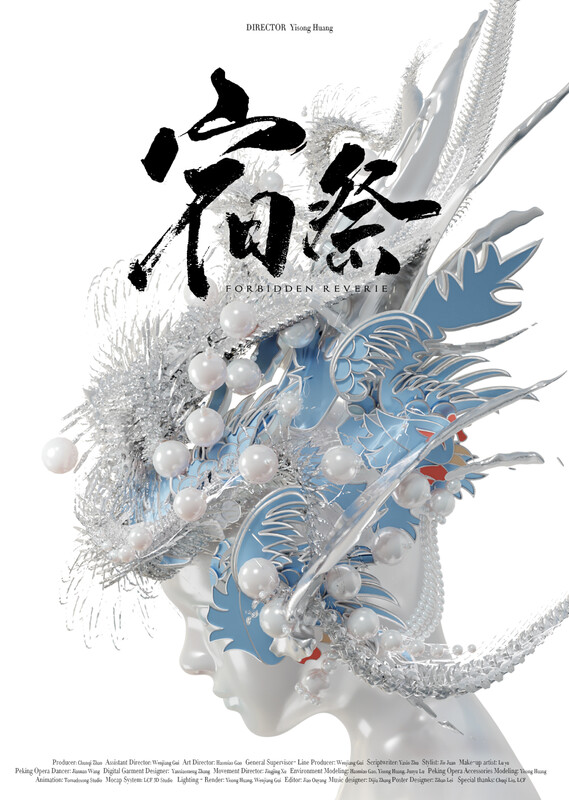
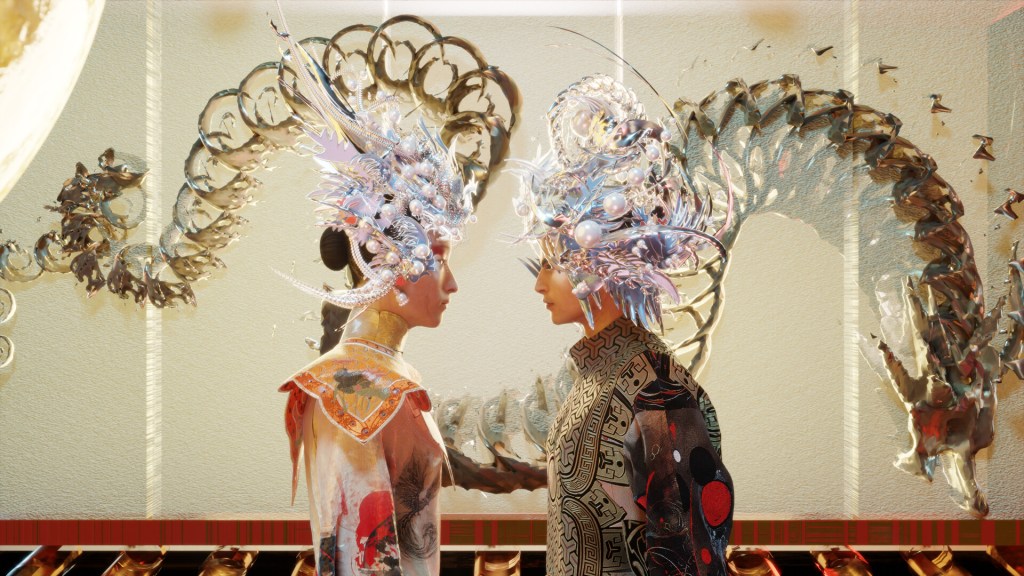
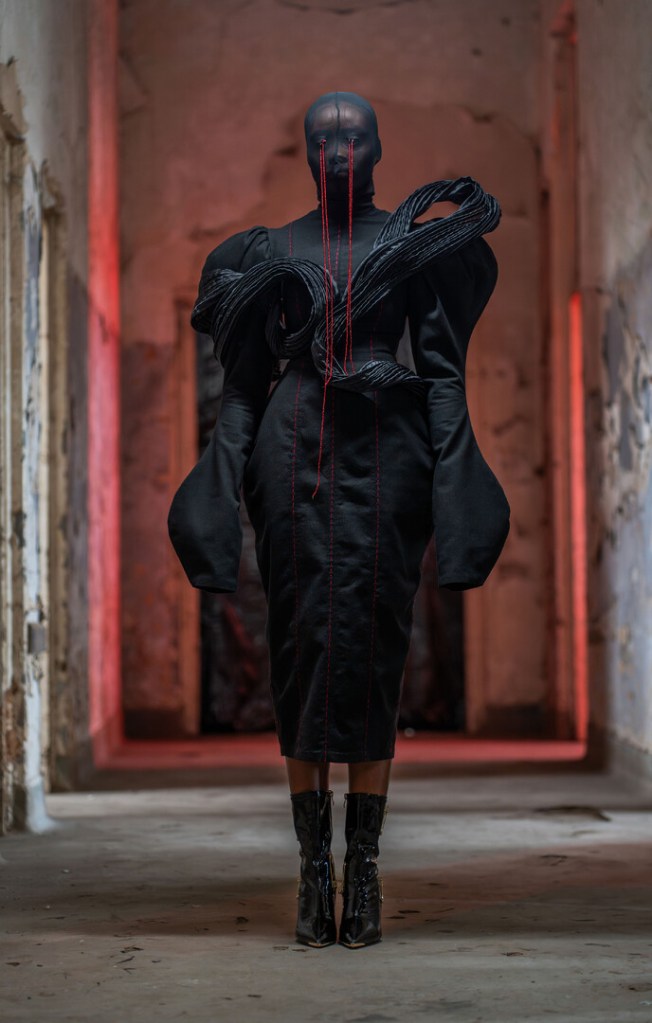
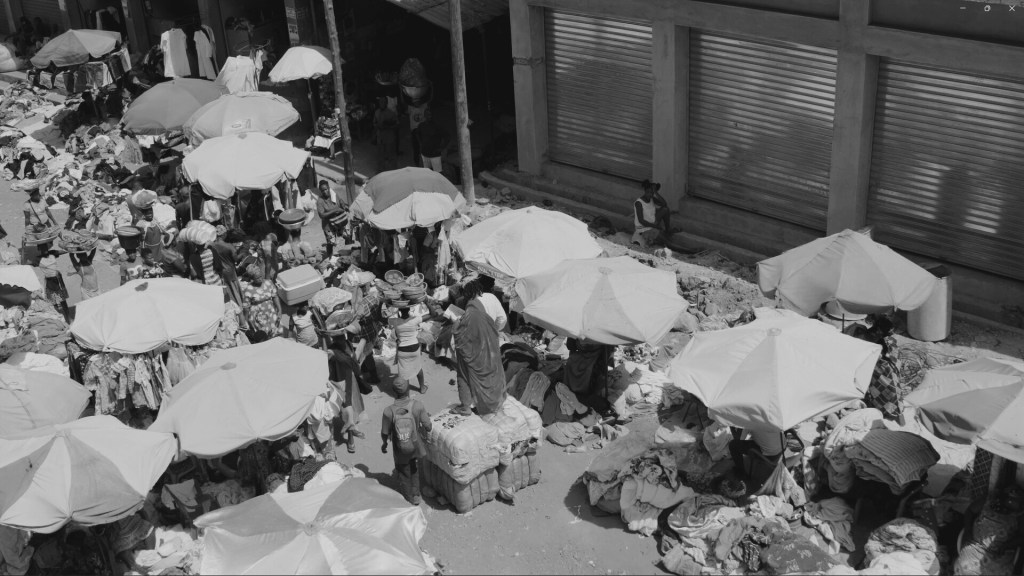
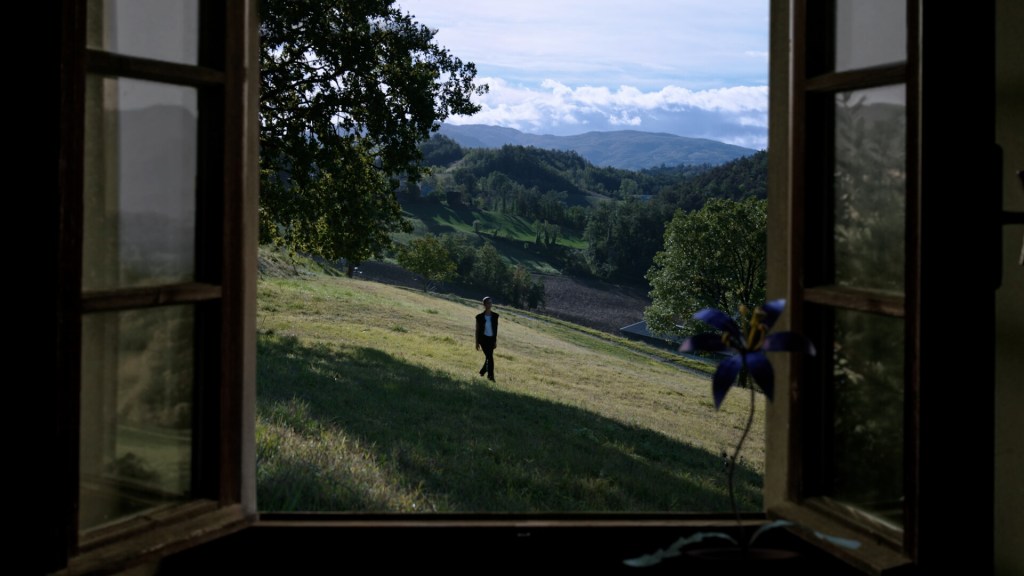
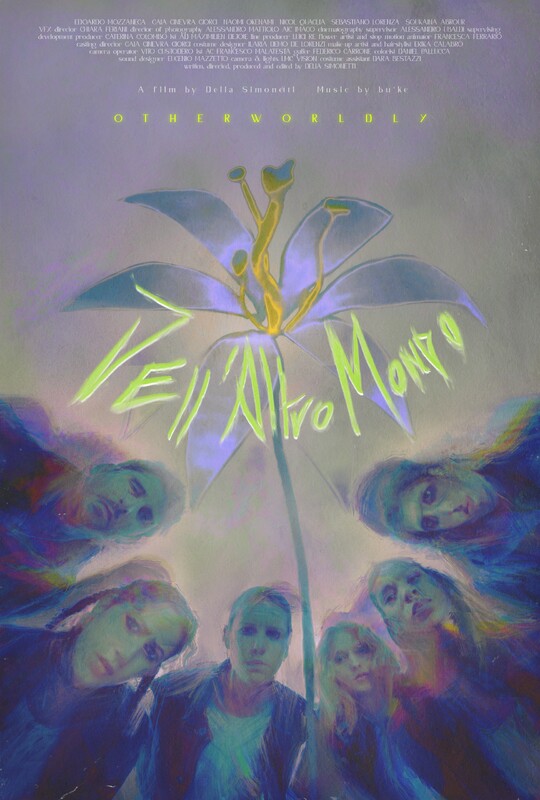
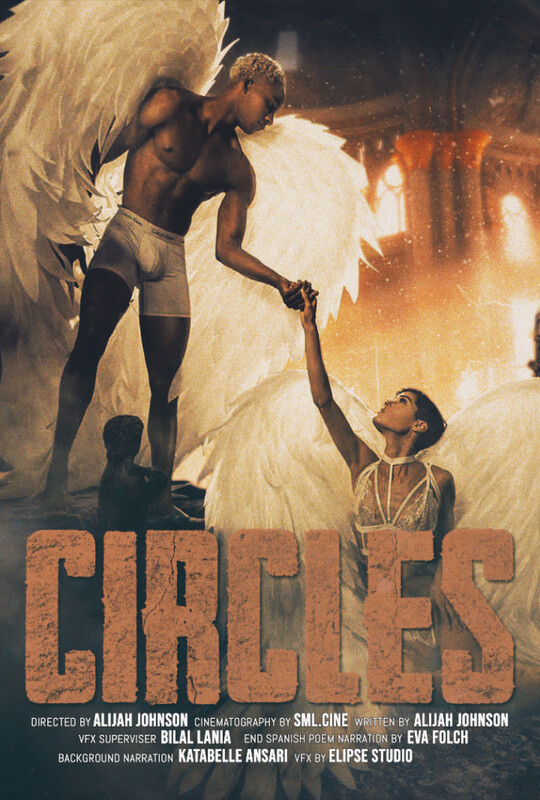
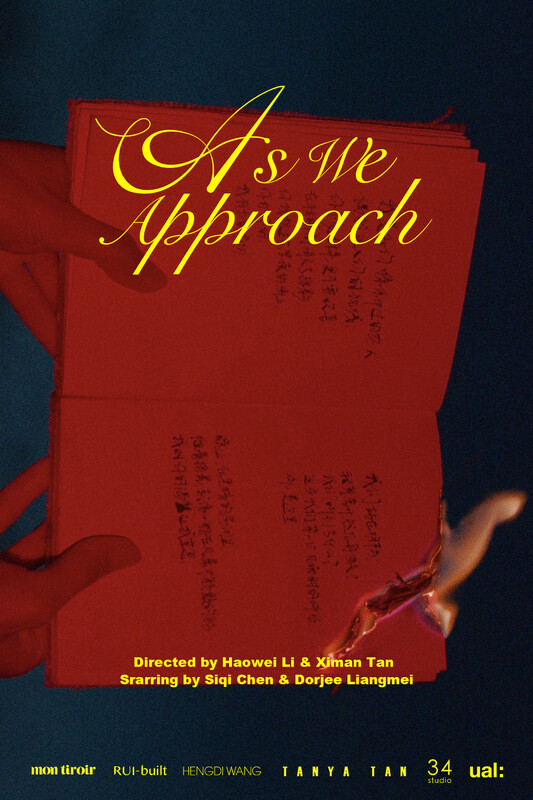
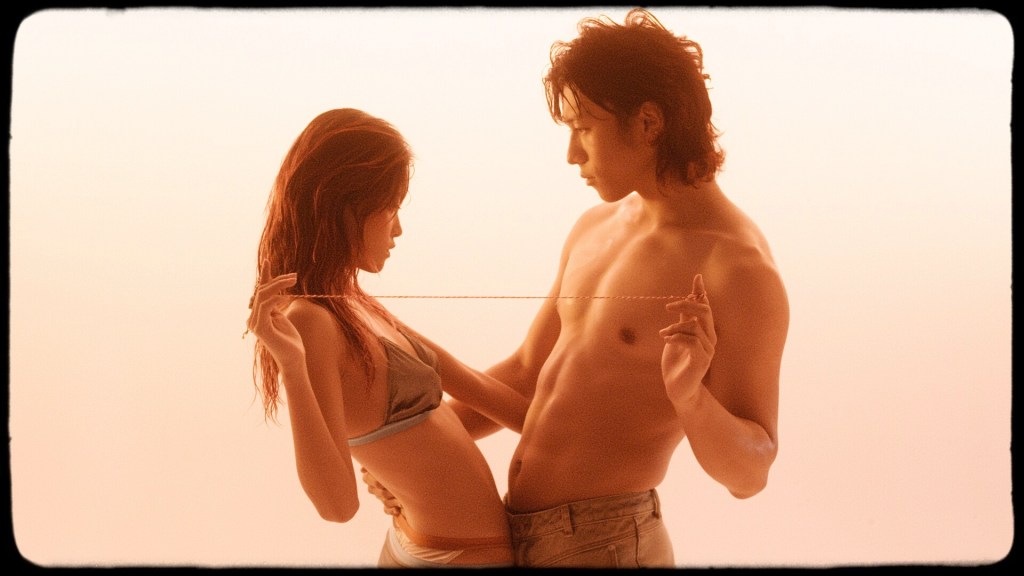
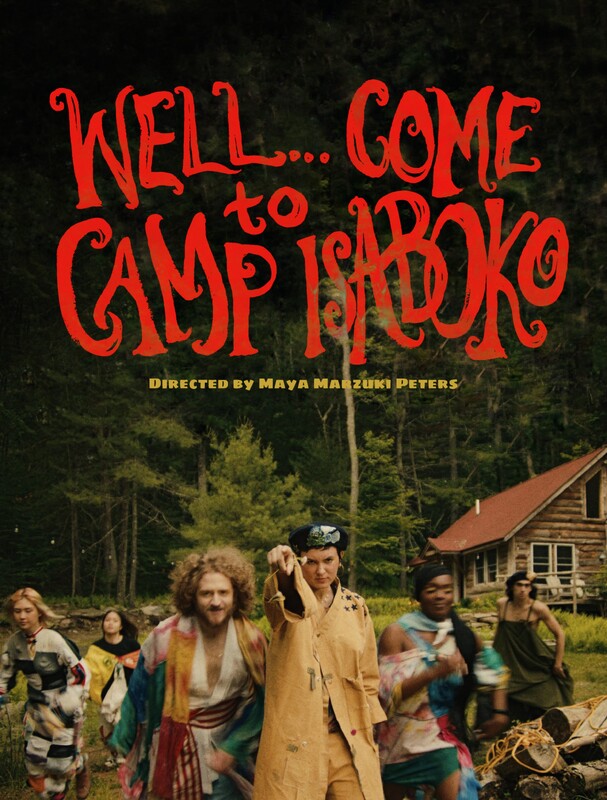
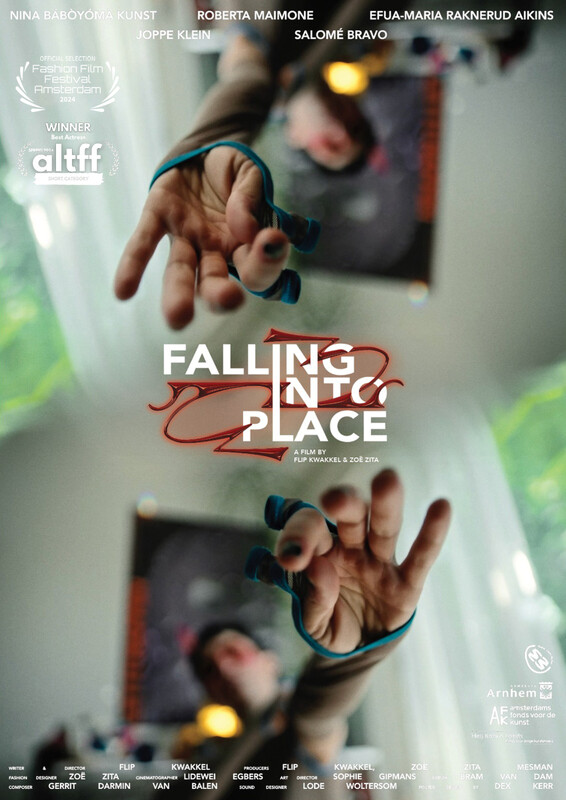
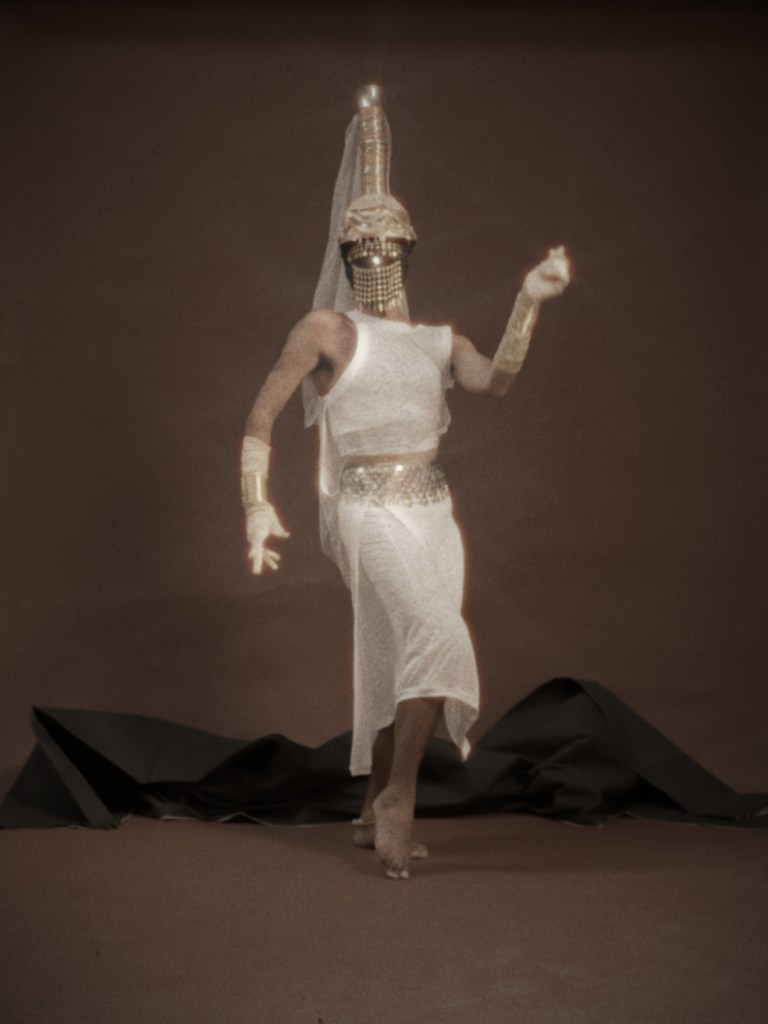
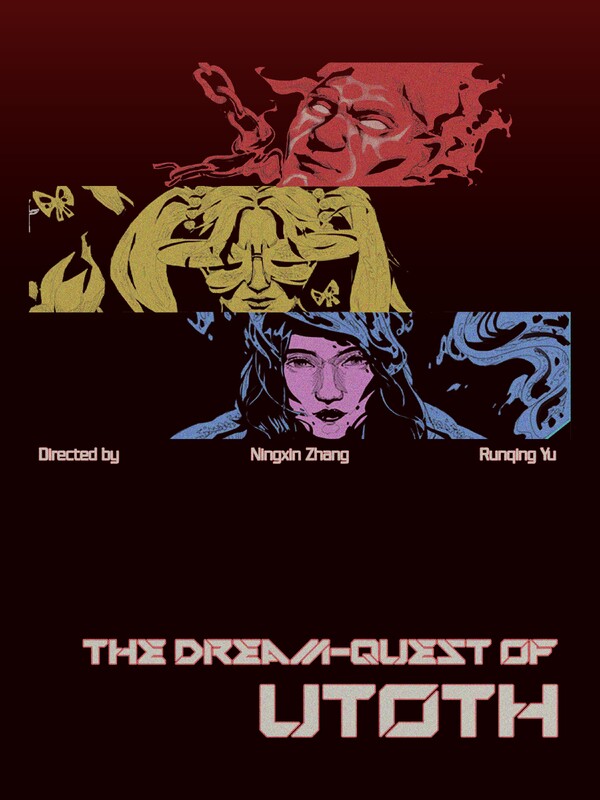
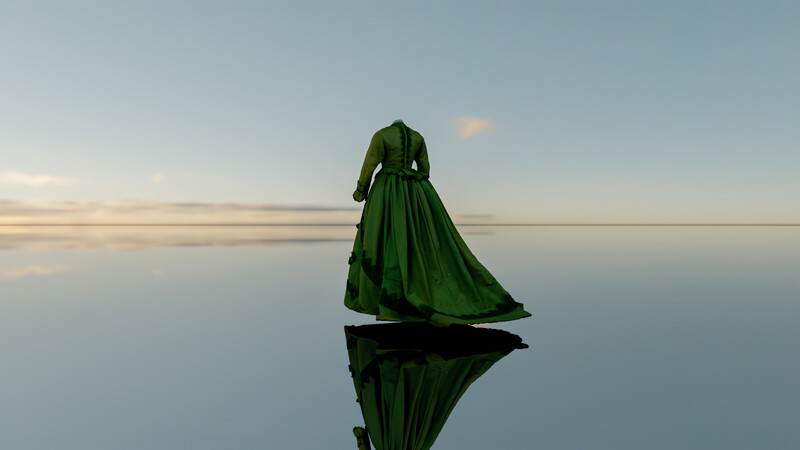
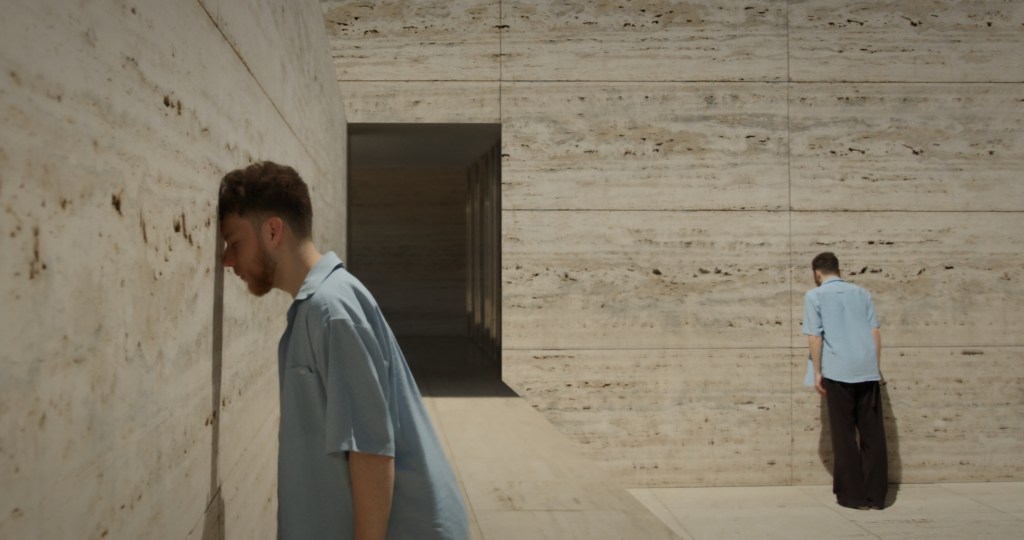
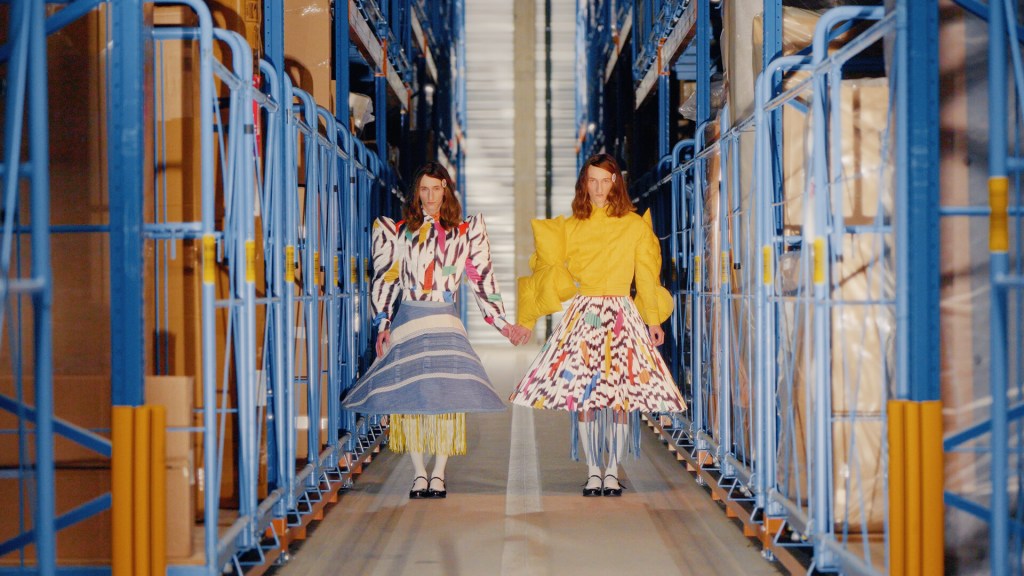
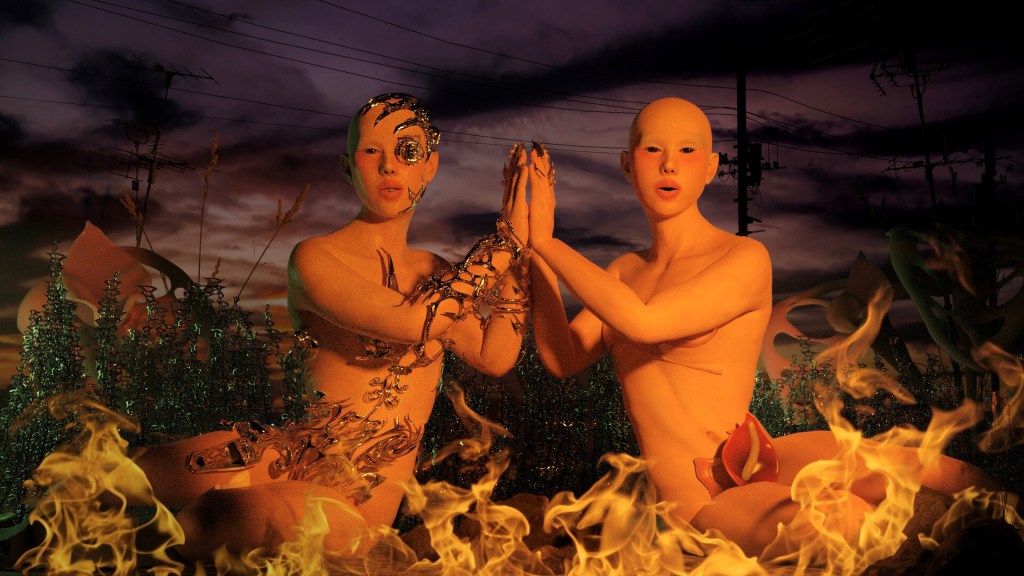
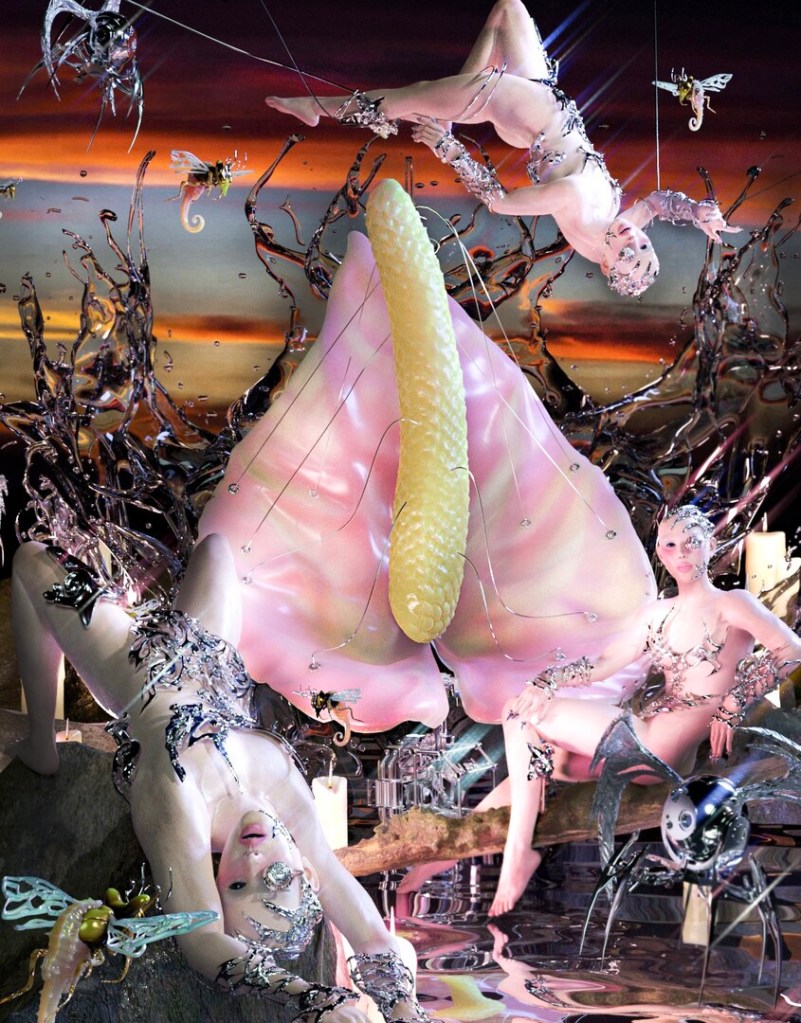
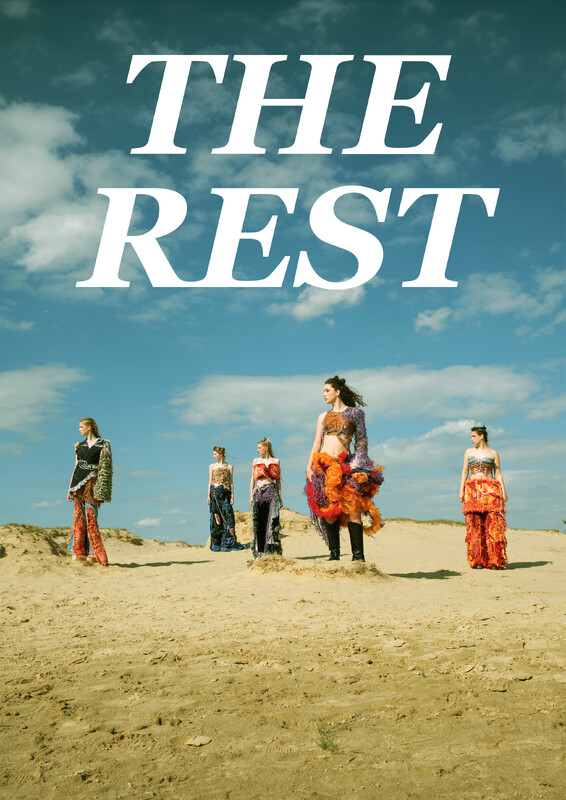
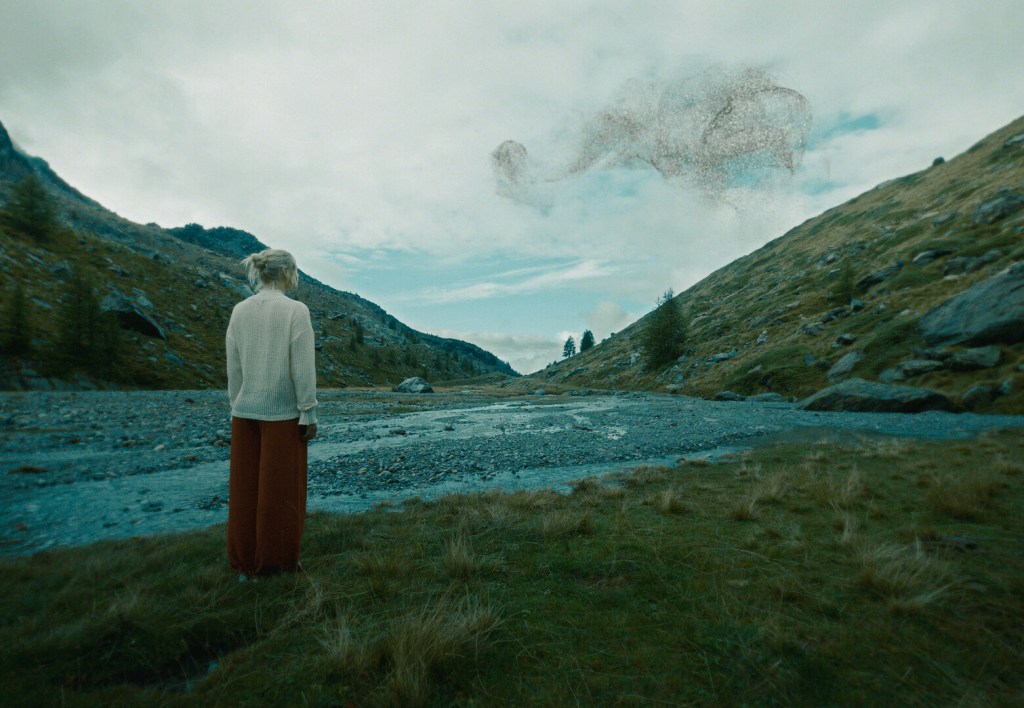
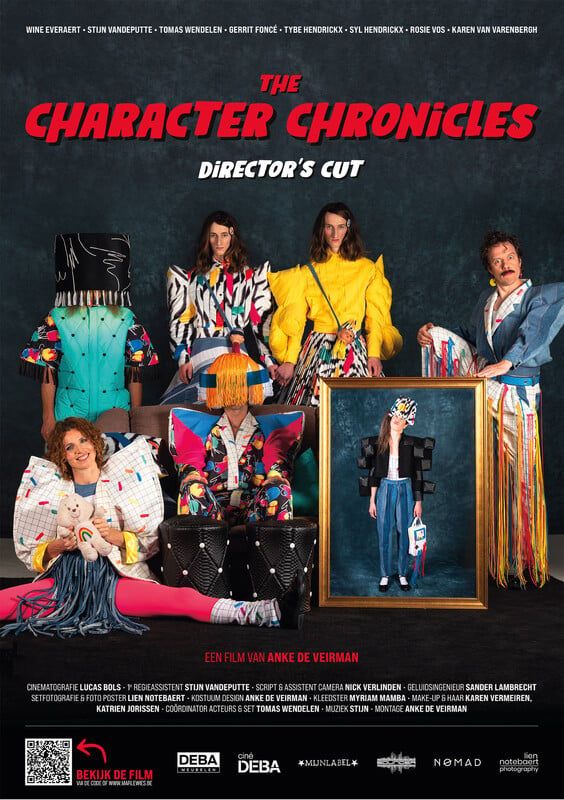
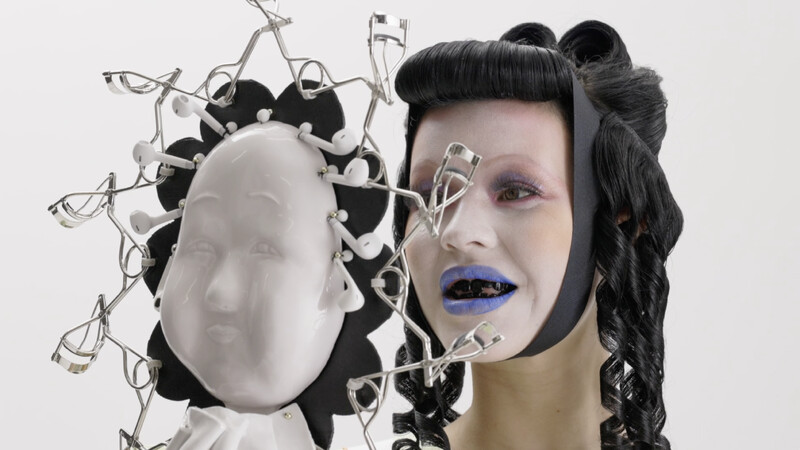
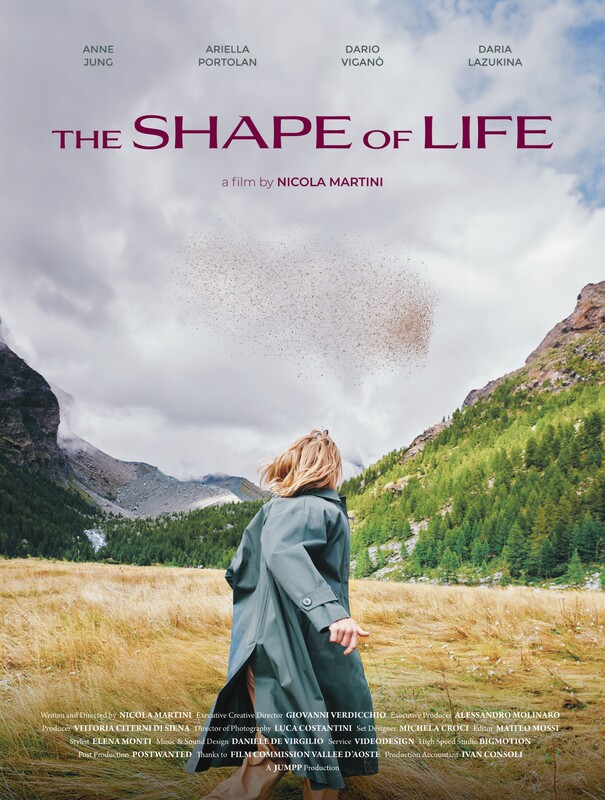
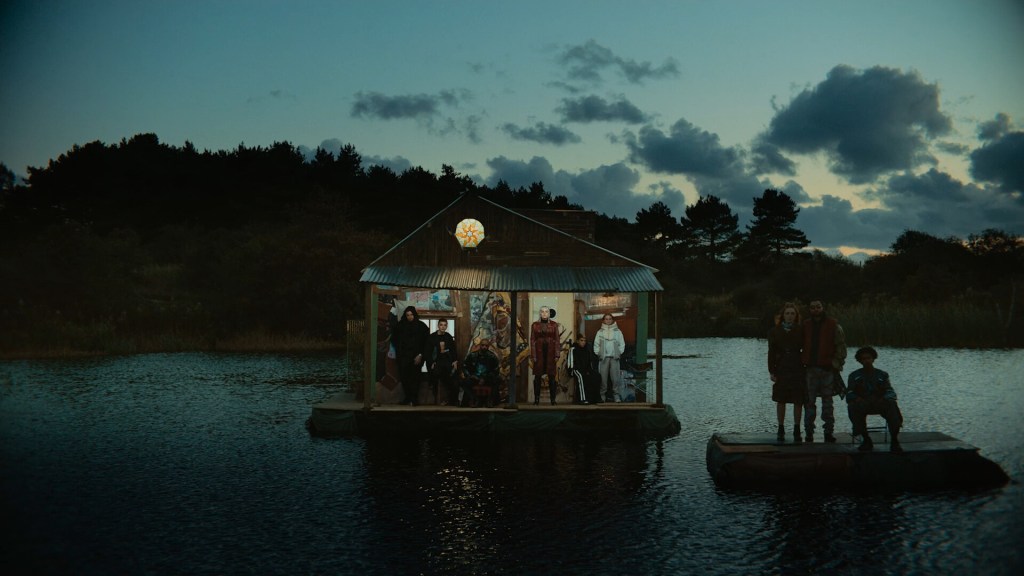
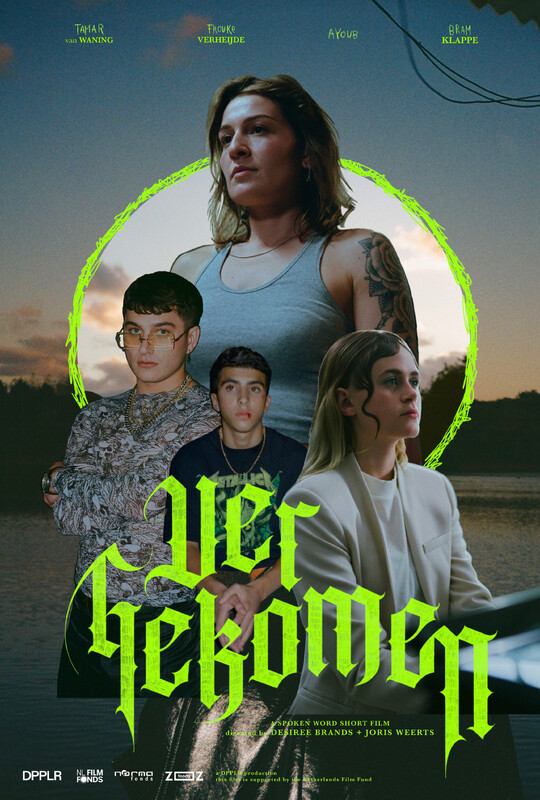
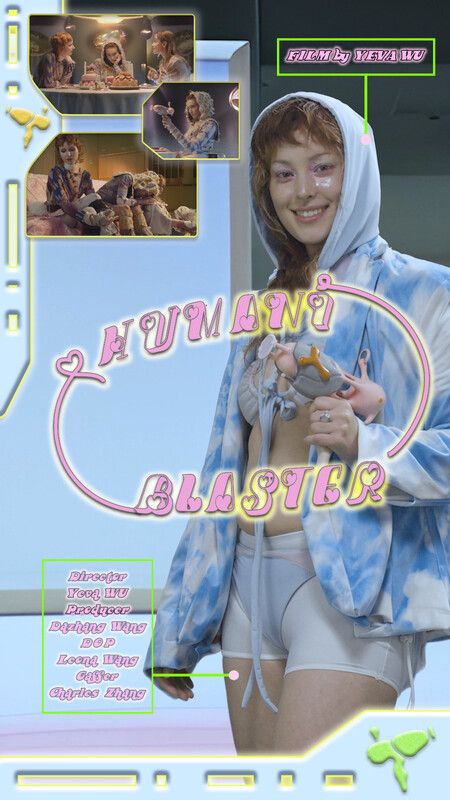
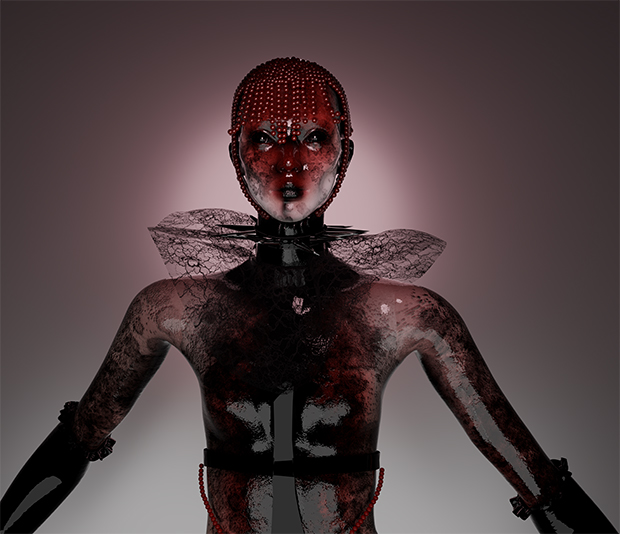
The festival also featured a compelling film program at Lumière Cinema, showcasing a curated selection of 31 short films that explored the evolving narrative of fashion within a cinematic context. Each film provided unique insights into the intricate relationships between fashion, identity, and socio-political issues, reinforcing the significance of storytelling within the realm of fashion. The FASHIONCLASH Festival Fashion Film Award recognized outstanding contributions to this cinematic discourse, further illustrating fashion’s legitimacy as an artistic and narrative-driven medium. The Winner of the FASHIONCLASH Festival Fashion Film 2024 is Hadi Moussally with Shame (عيب).
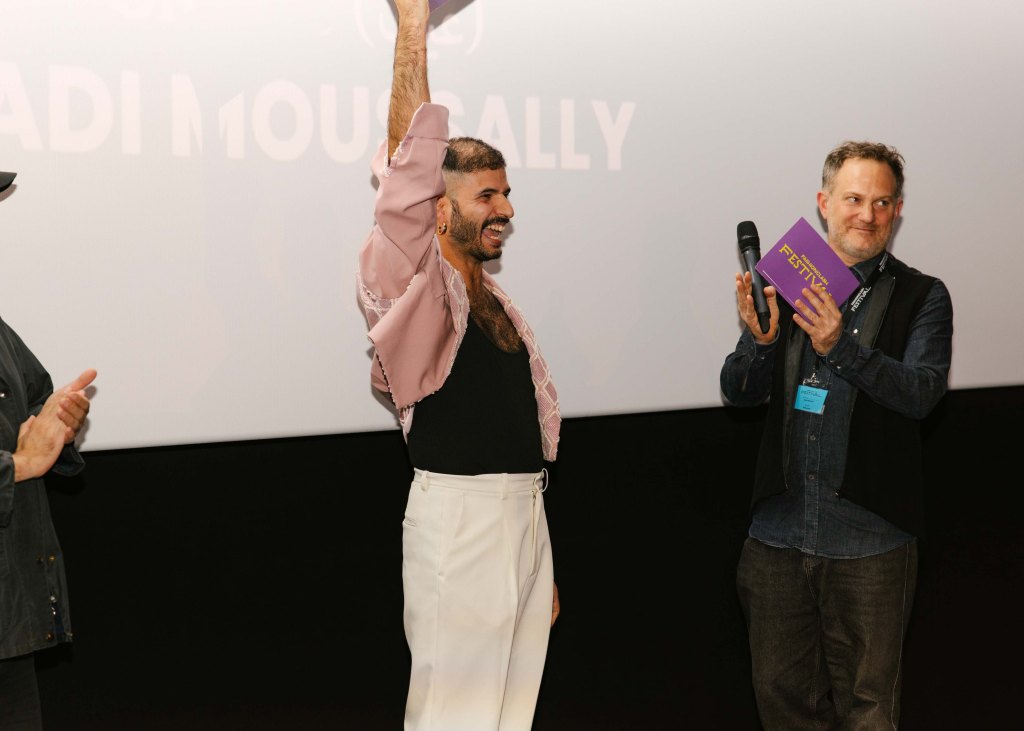
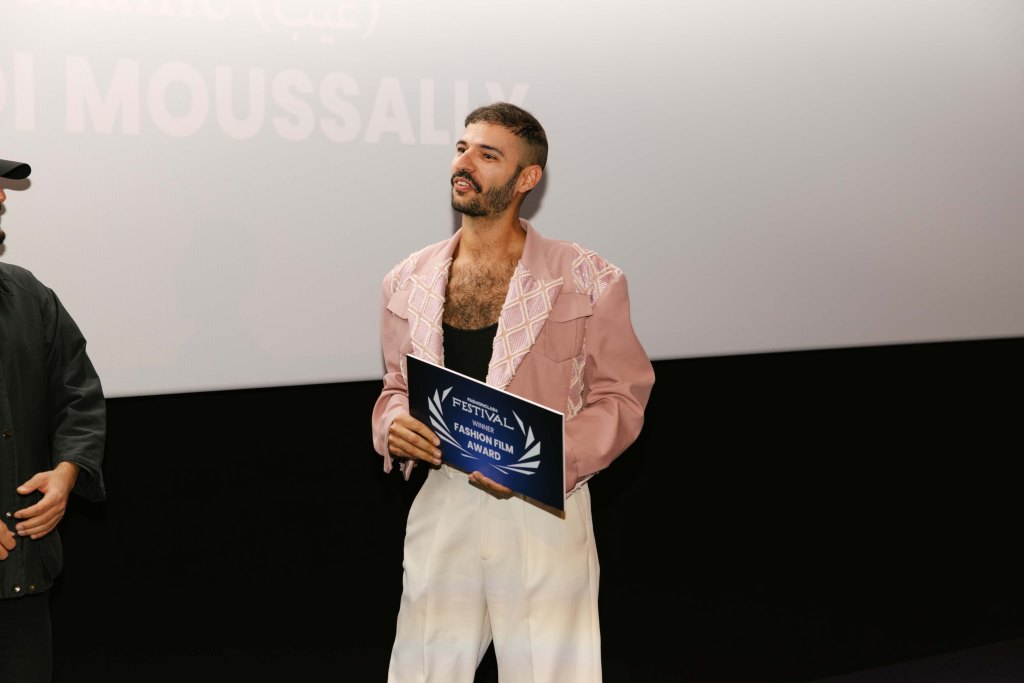
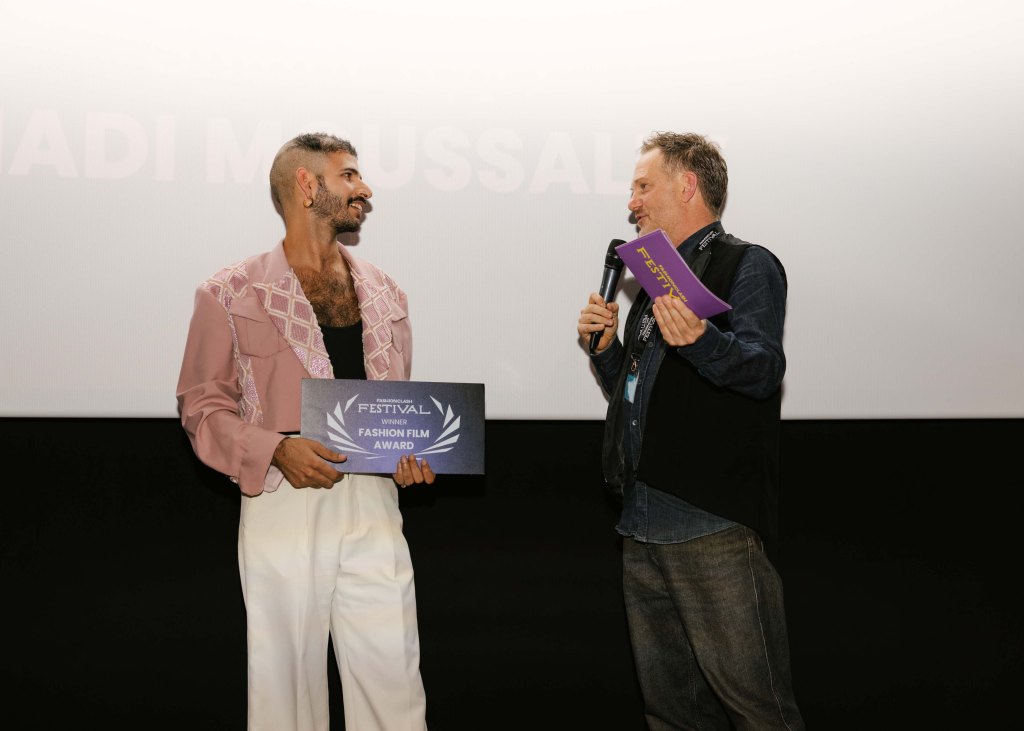







FASHION FILM: DISCOVER ALL THE PARTICIPANTS HERE
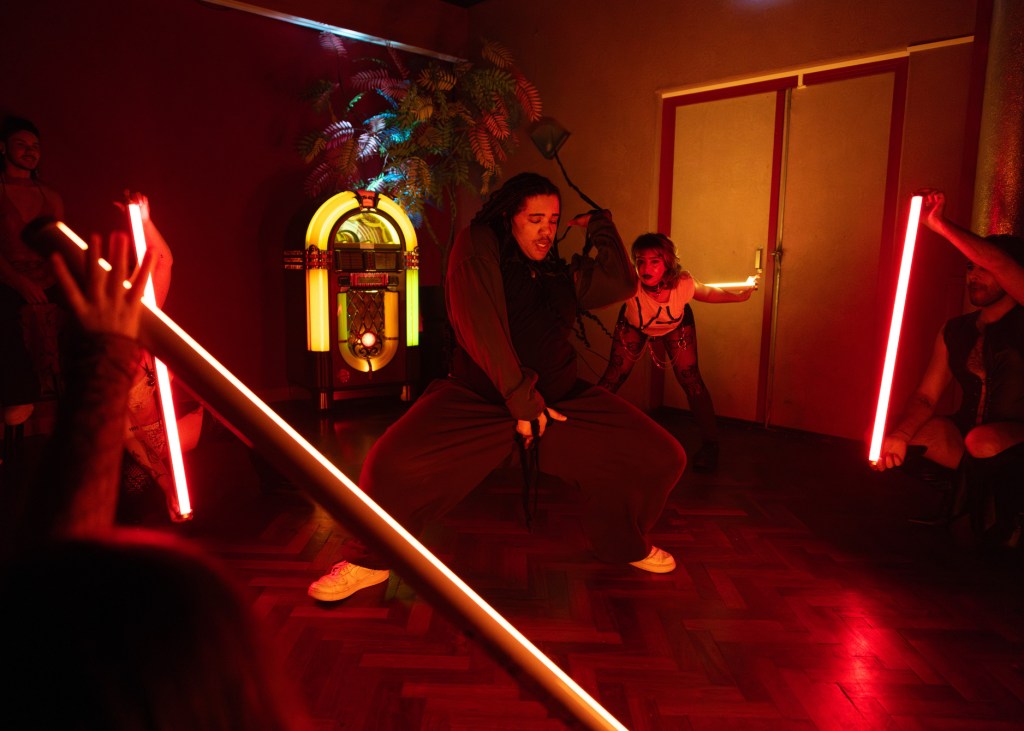
Inclusivity was a cornerstone of this year’s festival, particularly through its Queer Activity Program designed to uplift LGBTQ+ voices. The closing celebrations culminated in an exuberant Afterparty, where performances, dance, and fashion intersected to honor individuality and self-acceptance. The theme “Come a little closer and see me for who I am” resonated deeply among attendees, embodying the spirit of authenticity and unity that permeated the festival.
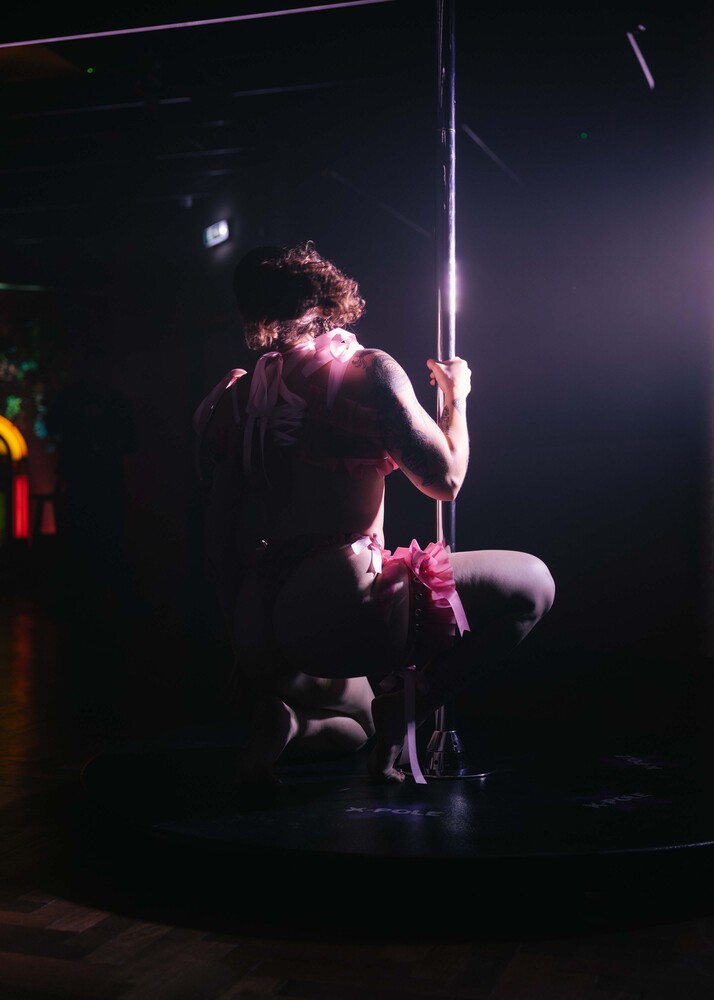
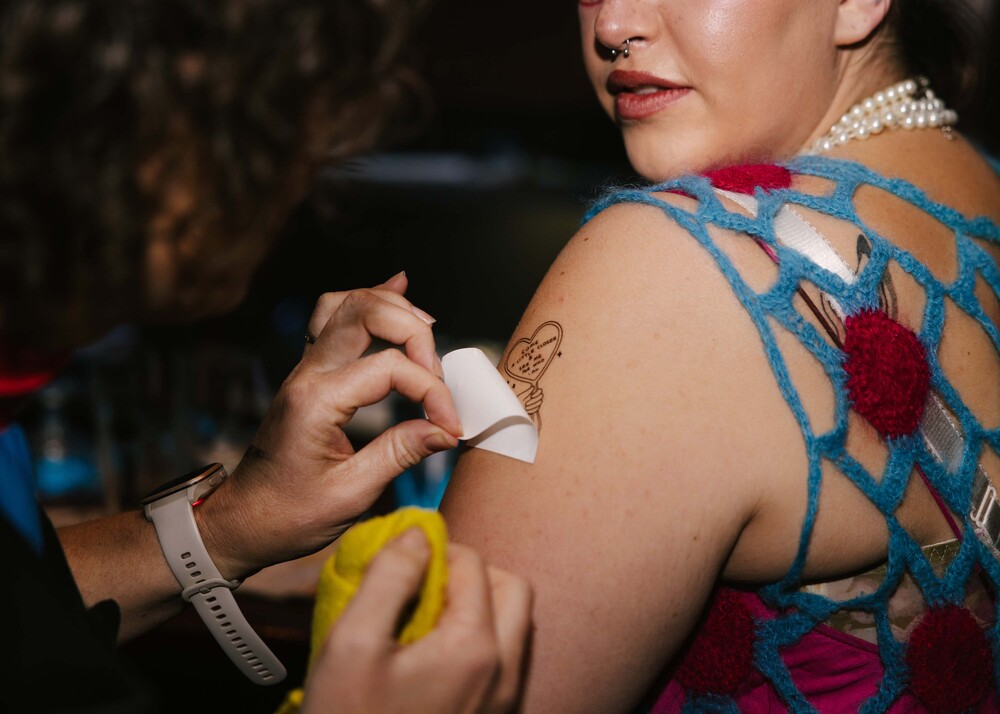
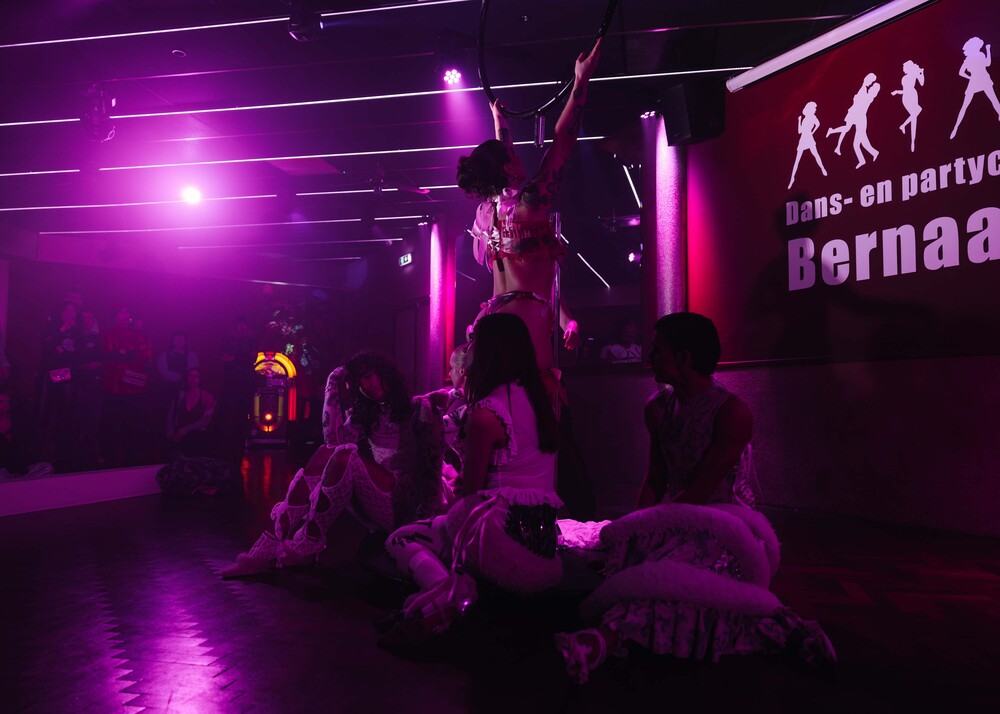
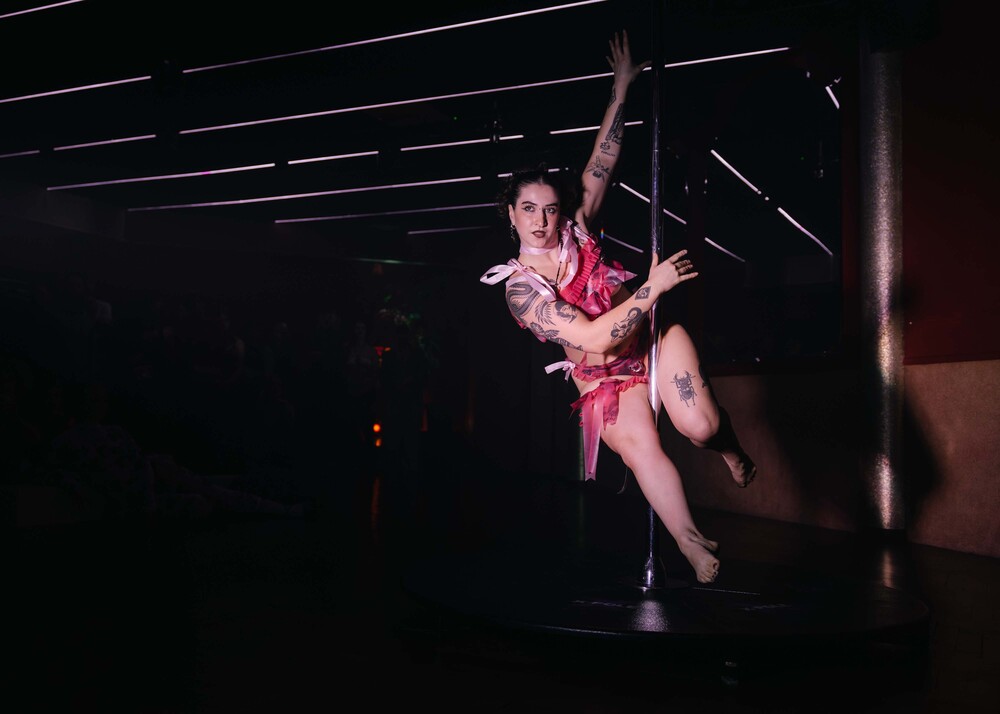
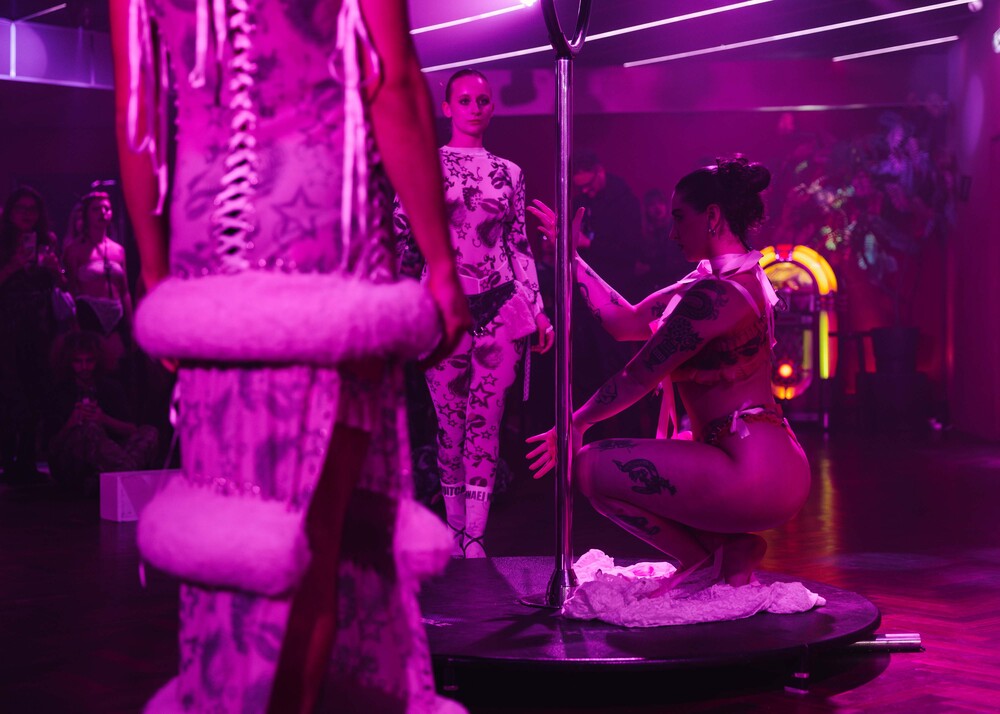
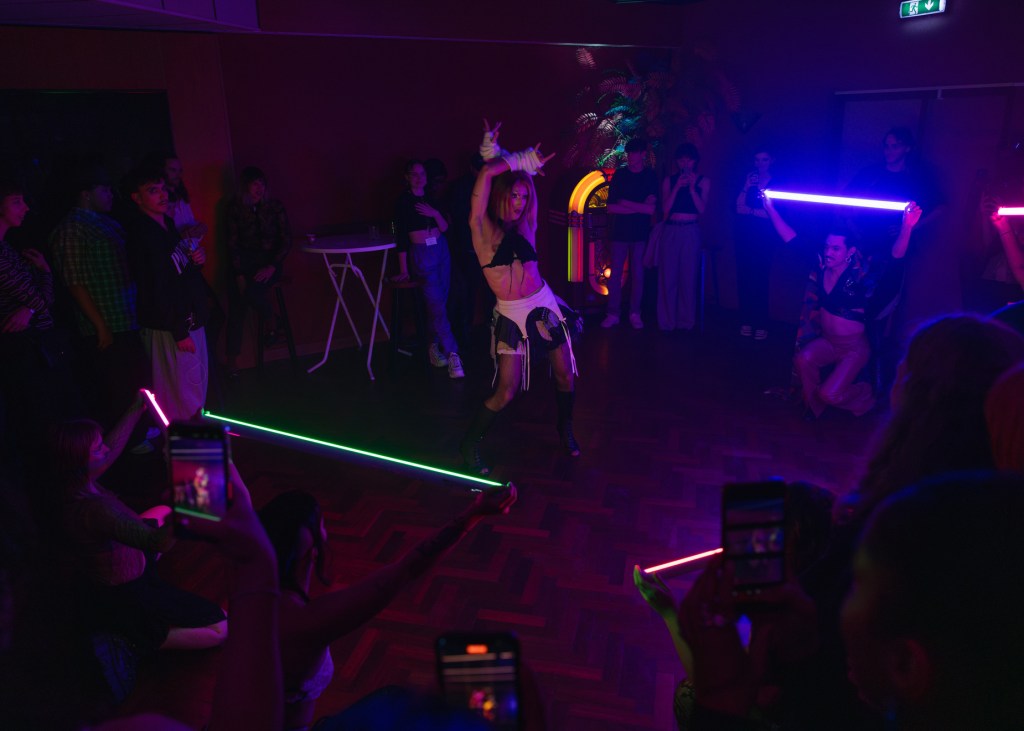

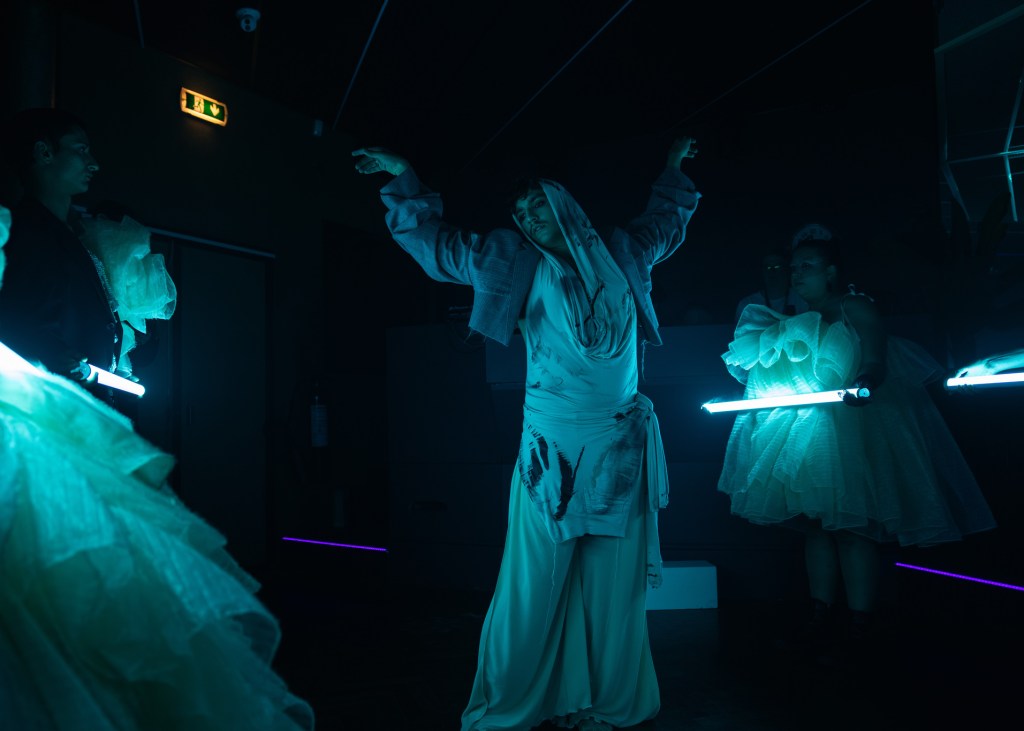
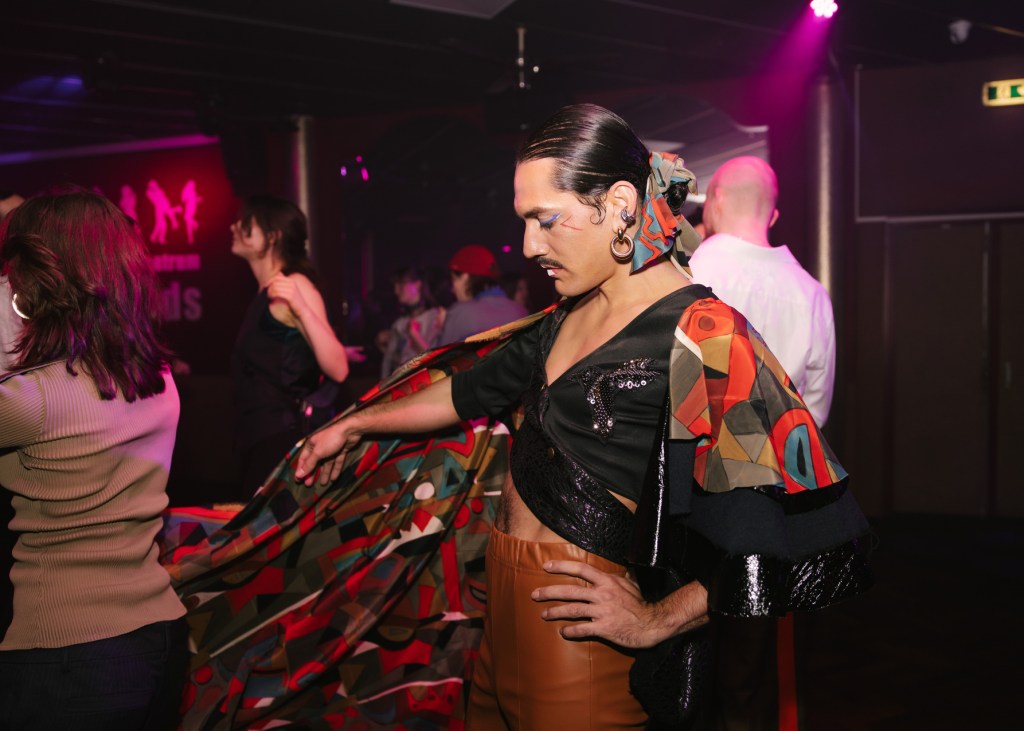

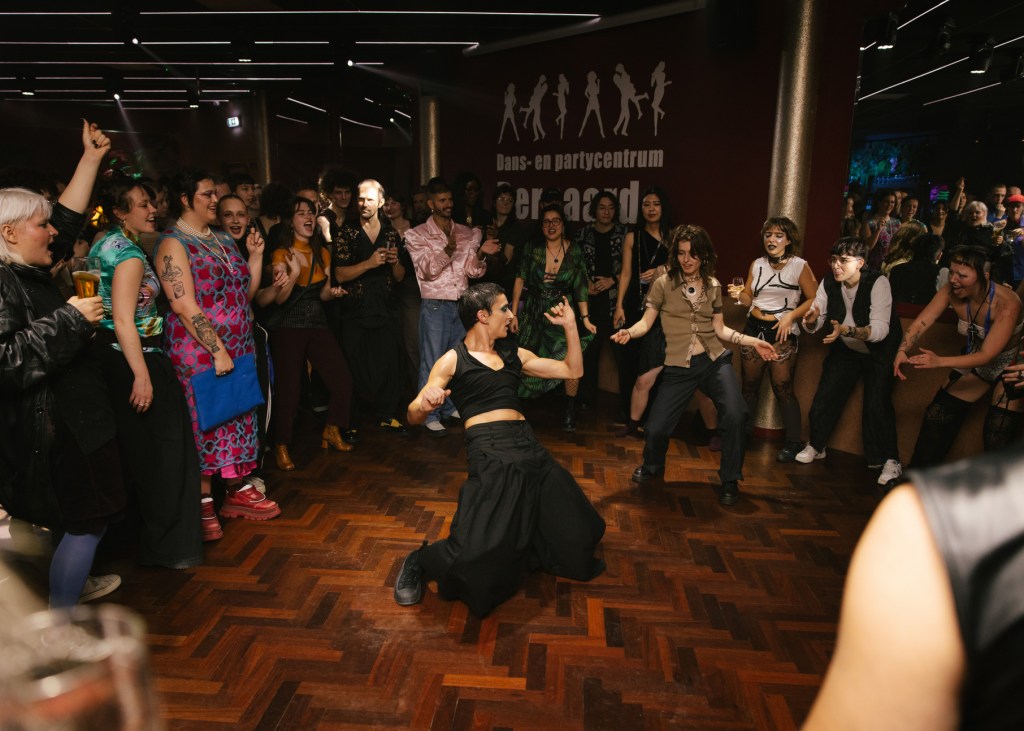
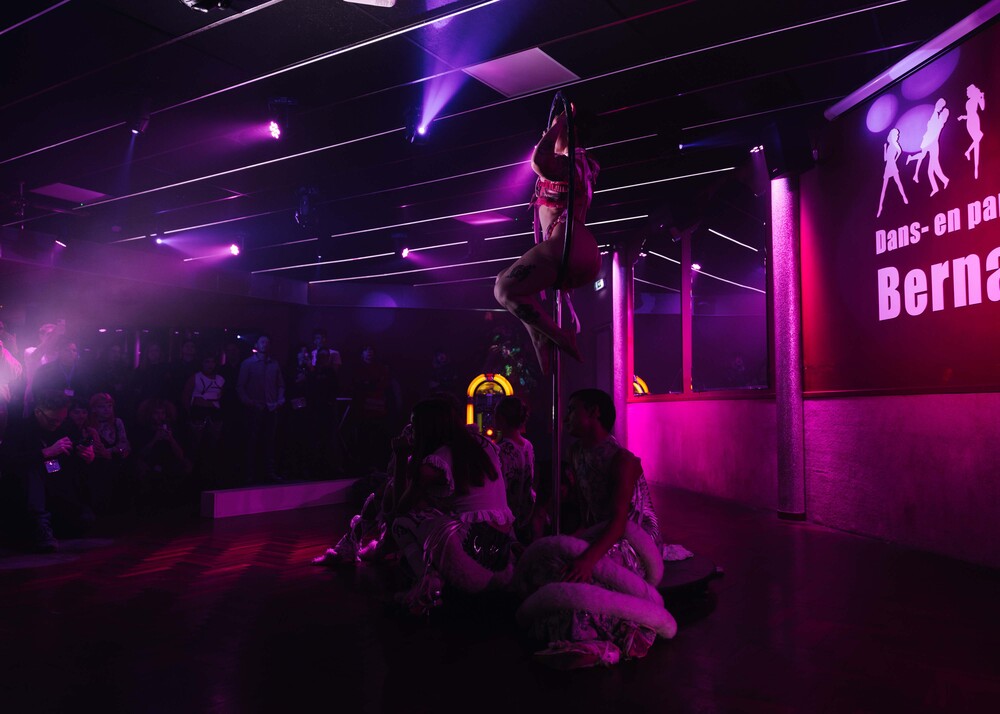
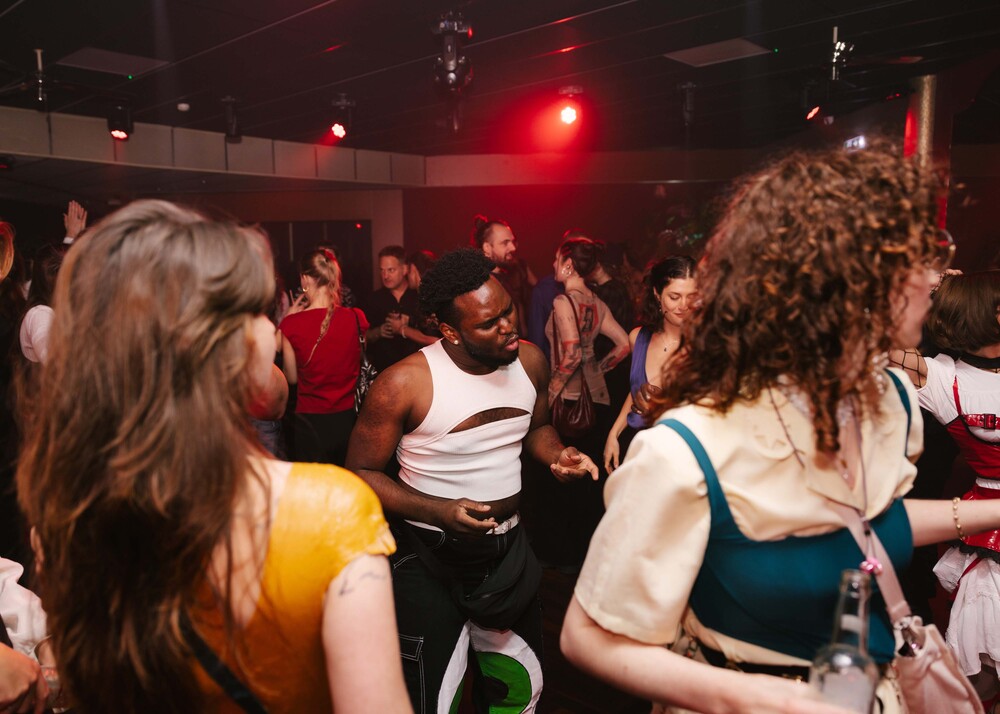
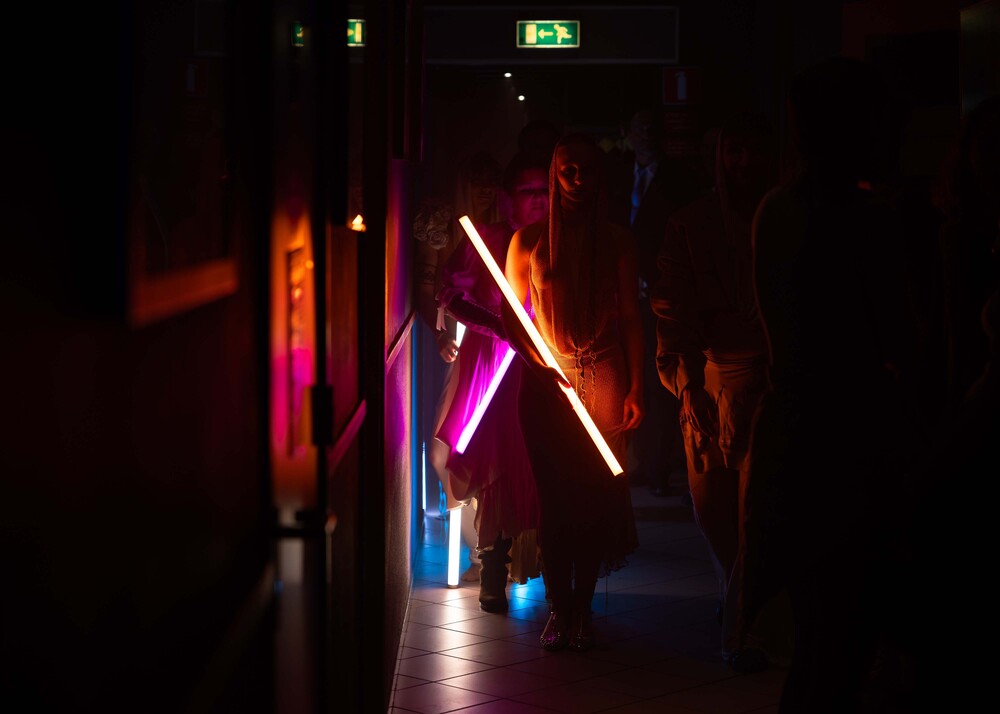
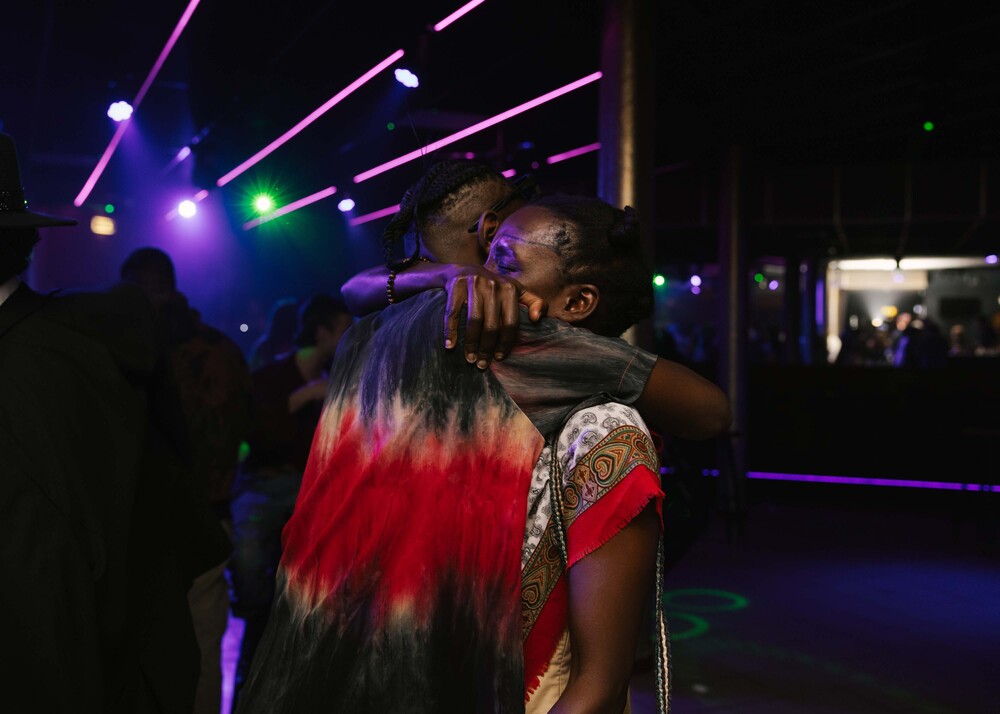

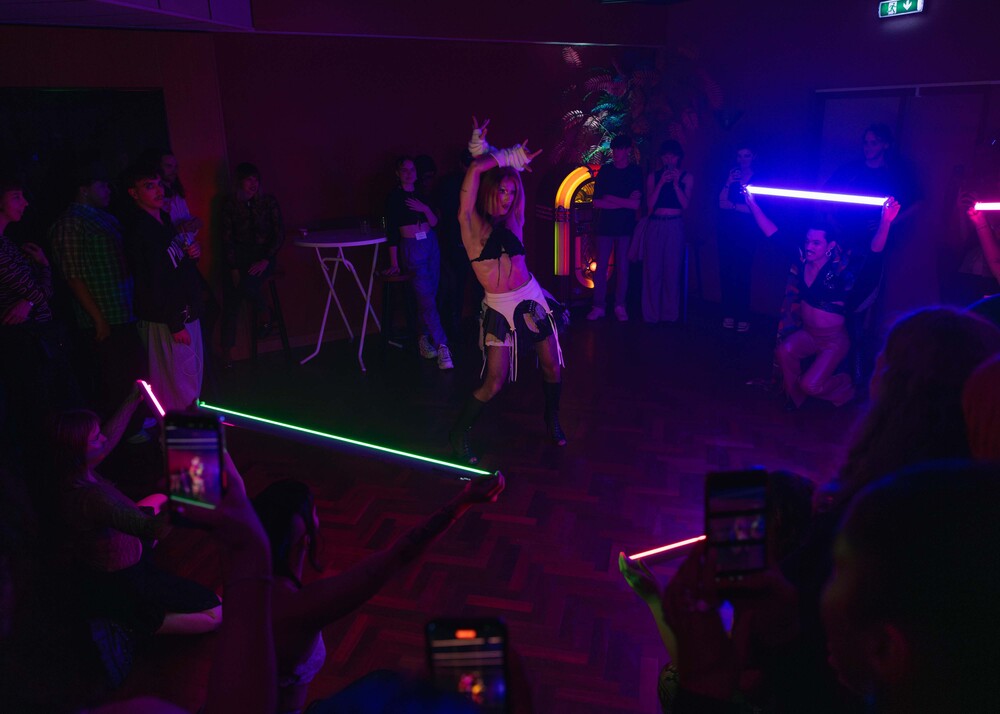
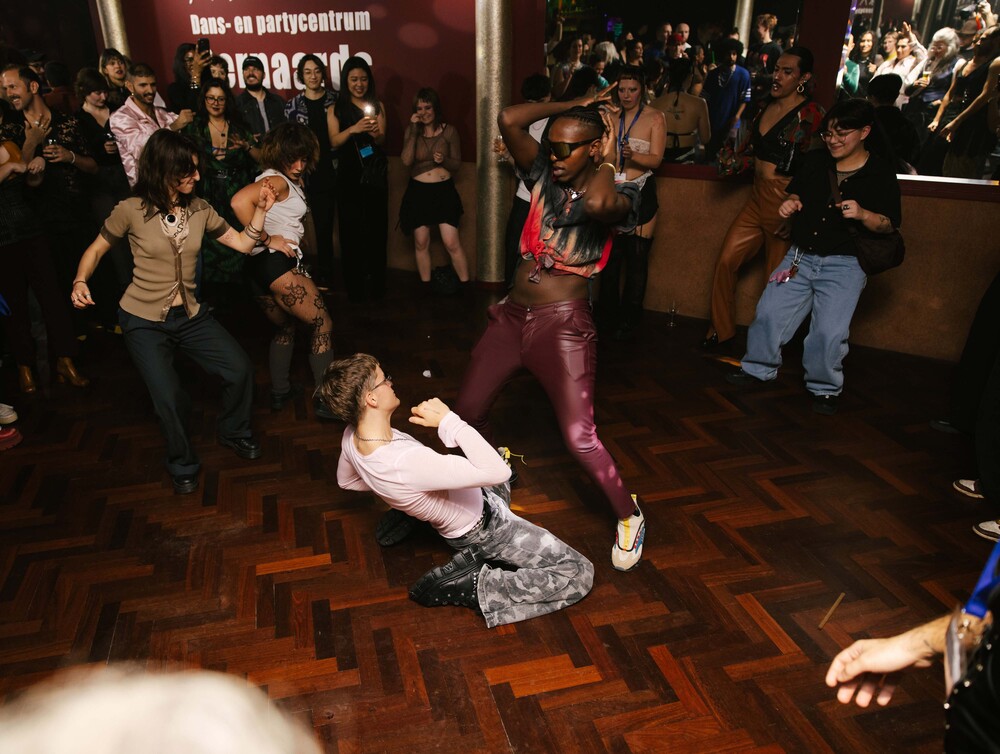
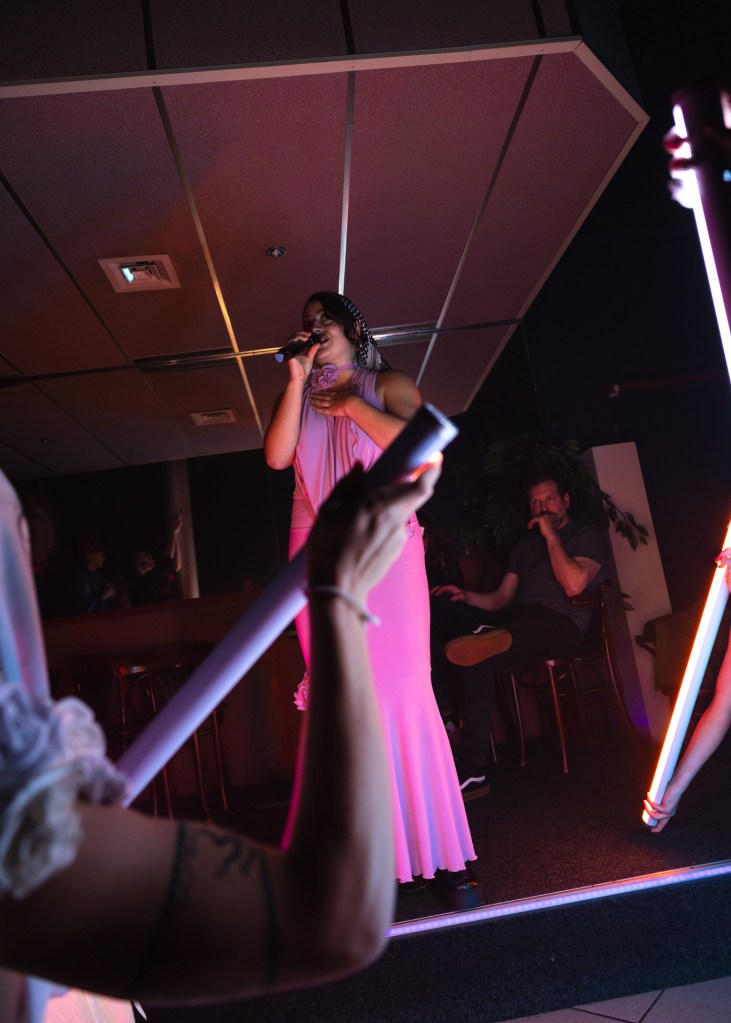
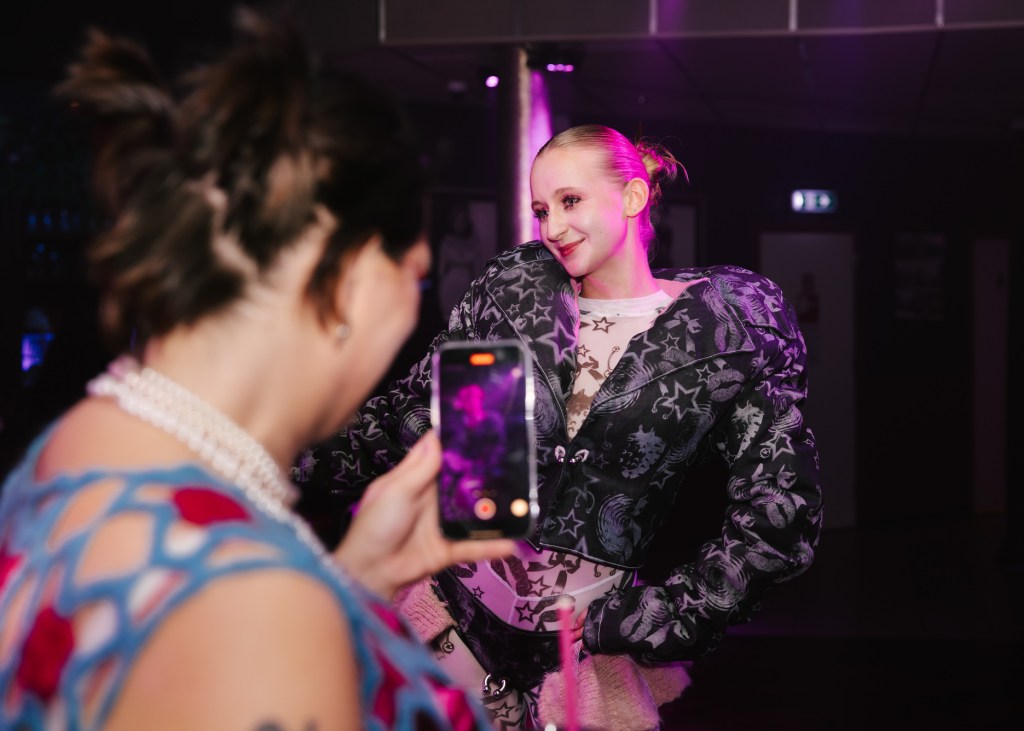
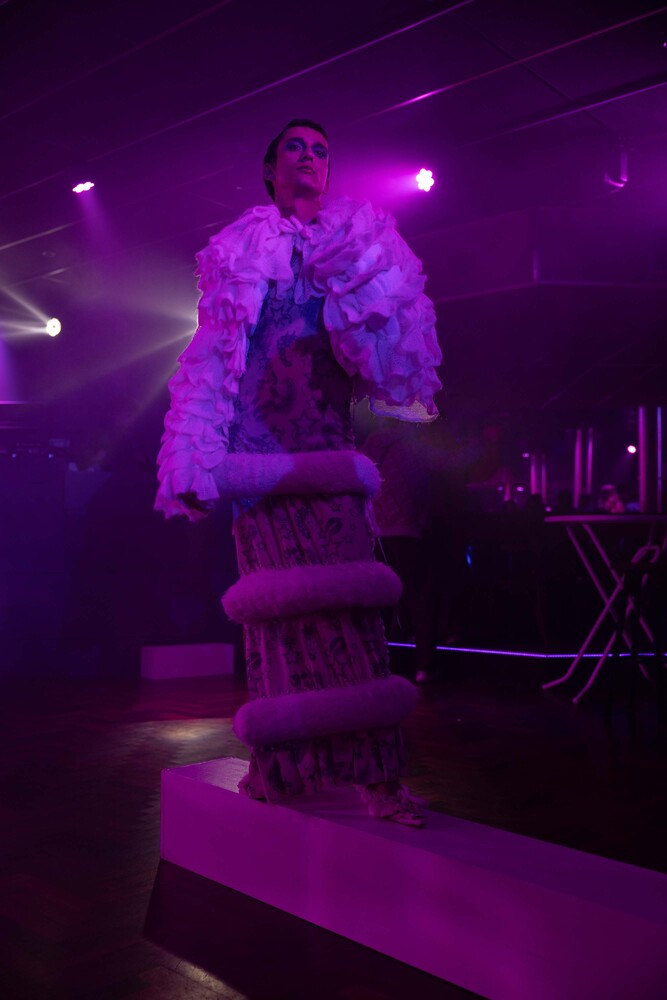
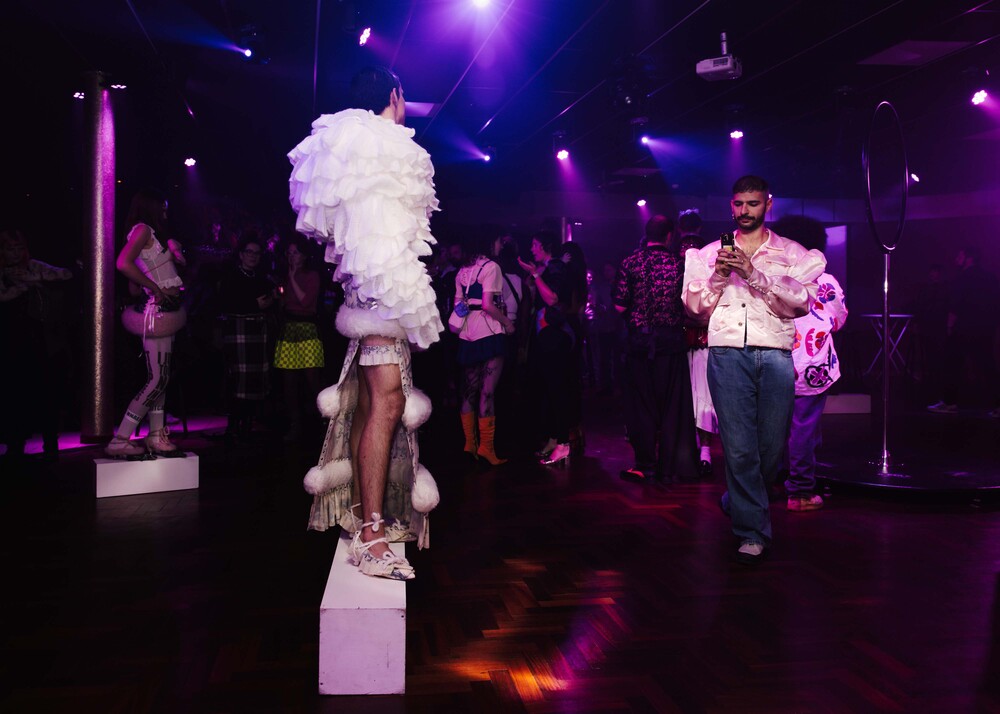
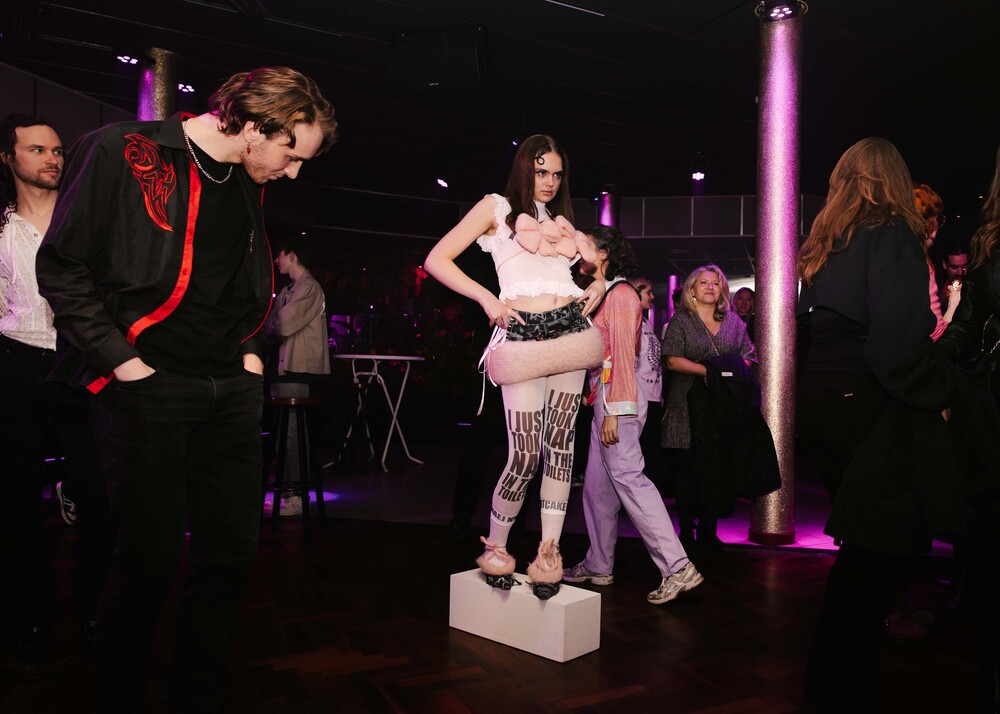
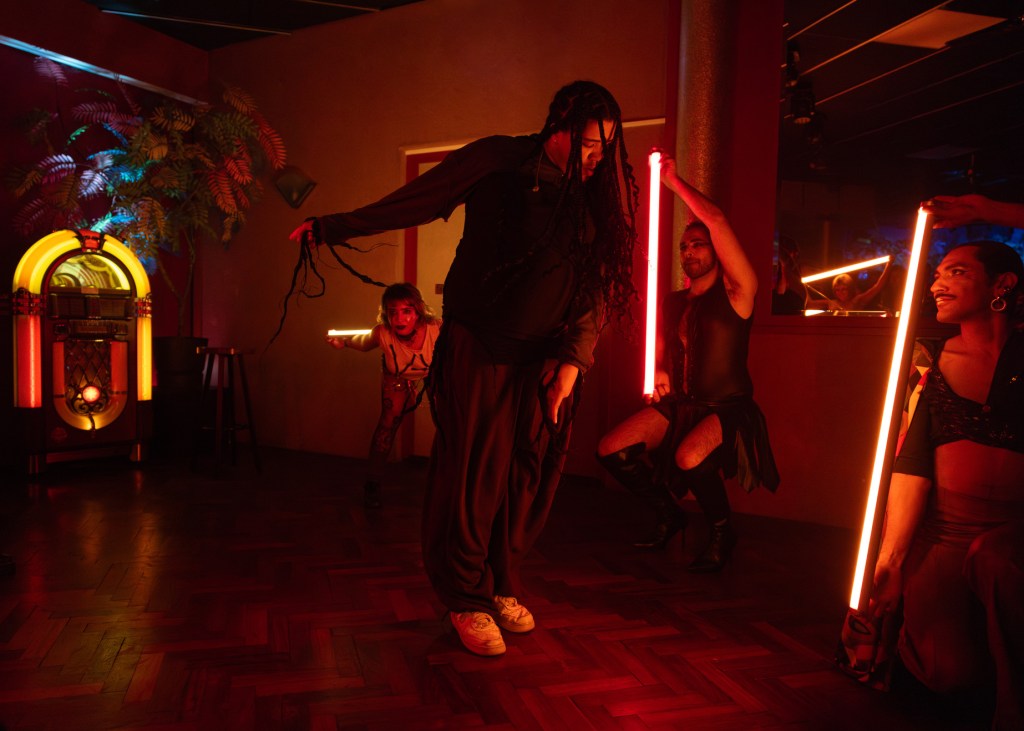
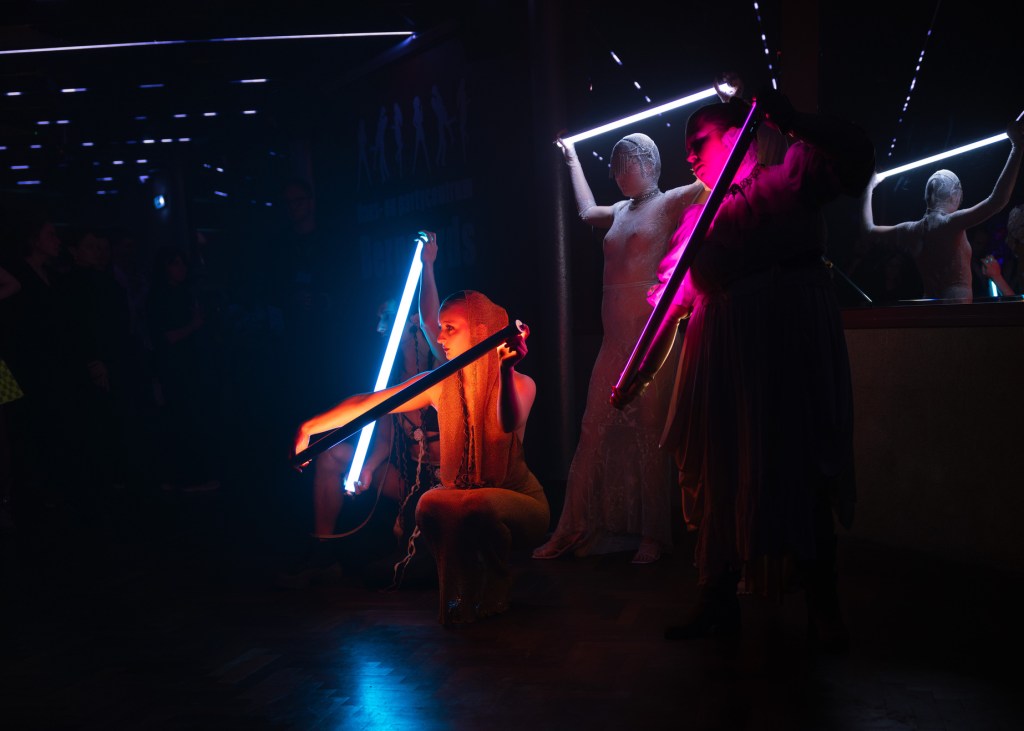
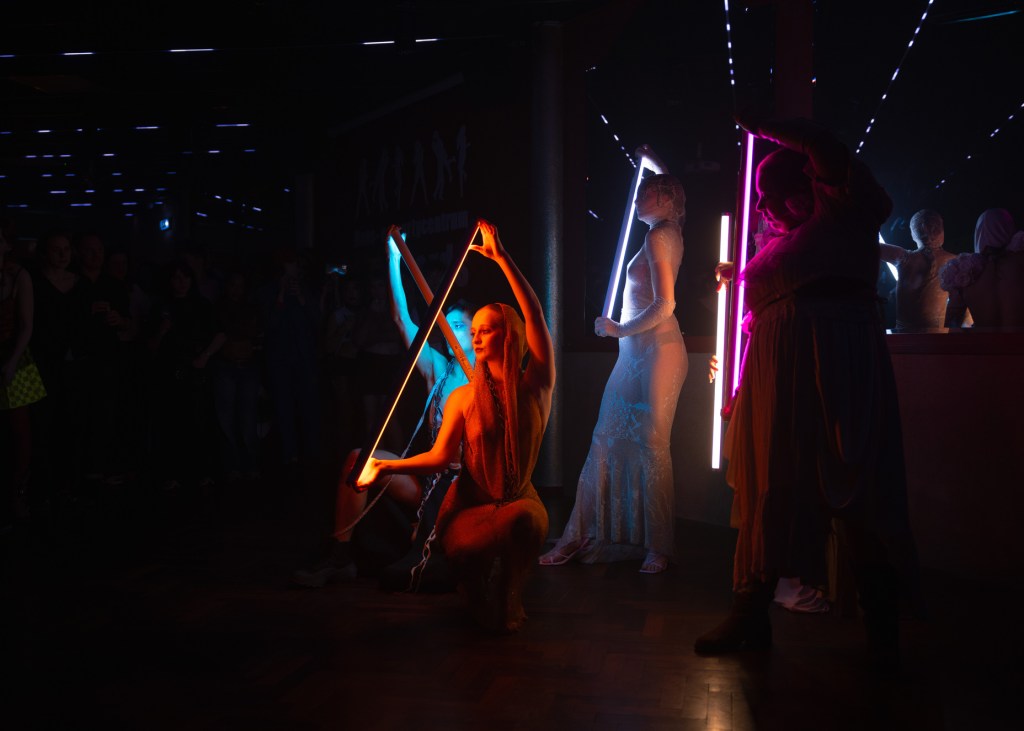
The festival’s closing performance, “MUSES,” delivered by artist Yorvique Macaay, encapsulated the overarching ethos of FASHIONCLASH: the idea that fashion transcends its traditional boundaries to serve as a powerful medium for identity exploration and personal storytelling. Such moments underscore the belief that fashion can act as a bridge between individuals and communities, inspiring connection and understanding.
As FASHIONCLASH prepares for its 17th edition, slated for November 14 to 16, 2025, the festival remains committed to fostering innovation and creativity. The emphasis on blending art with fashion, slow design processes, and inclusive narratives reflects a necessary evolution in the industry that responds to contemporary challenges such as climate change and social justice. With its forward-thinking approach, FASHIONCLASH continues to advocate for a more conscious and compassionate fashion landscape.



In summary, the FASHIONCLASH Festival stands as a vital forum for artistic exploration and social engagement, promoting a vision of fashion that is inclusive, sustainable, and imaginative. By championing the voices of emerging talents and pushing the boundaries of creativity, the festival not only supports current developments within the fashion world but also serves as a guiding light for the next generation of artists and designers. As we look toward the future, it is clear that the fusion of art and fashion—the harmonious blending of diverse disciplines—will be essential in cultivating an innovative fashion landscape that honors self-expression and reflects the complex identities of our global community.
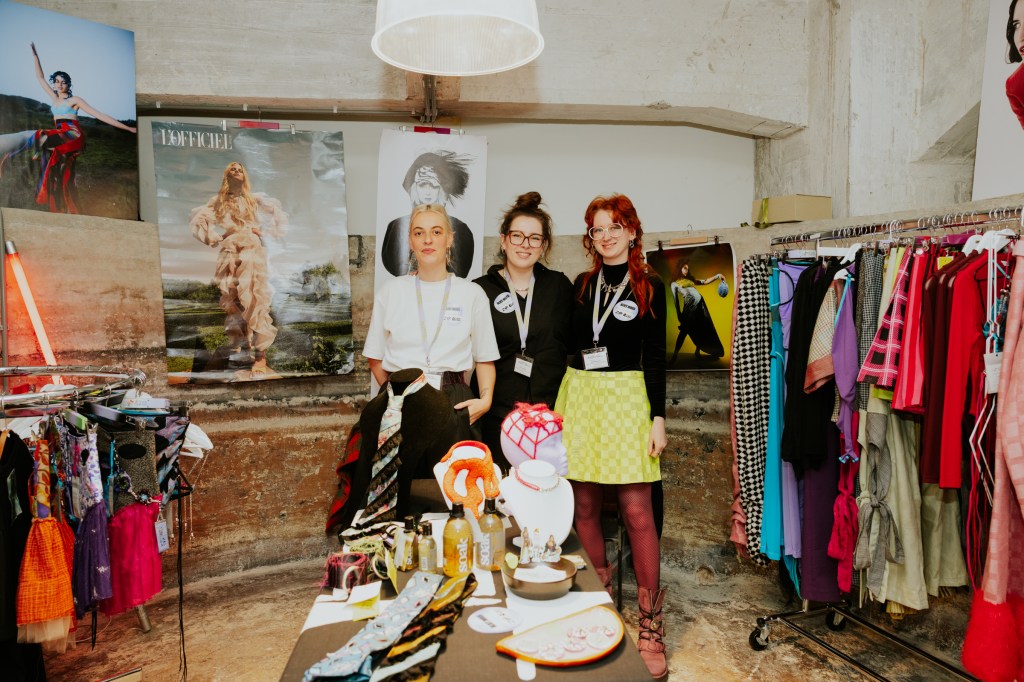
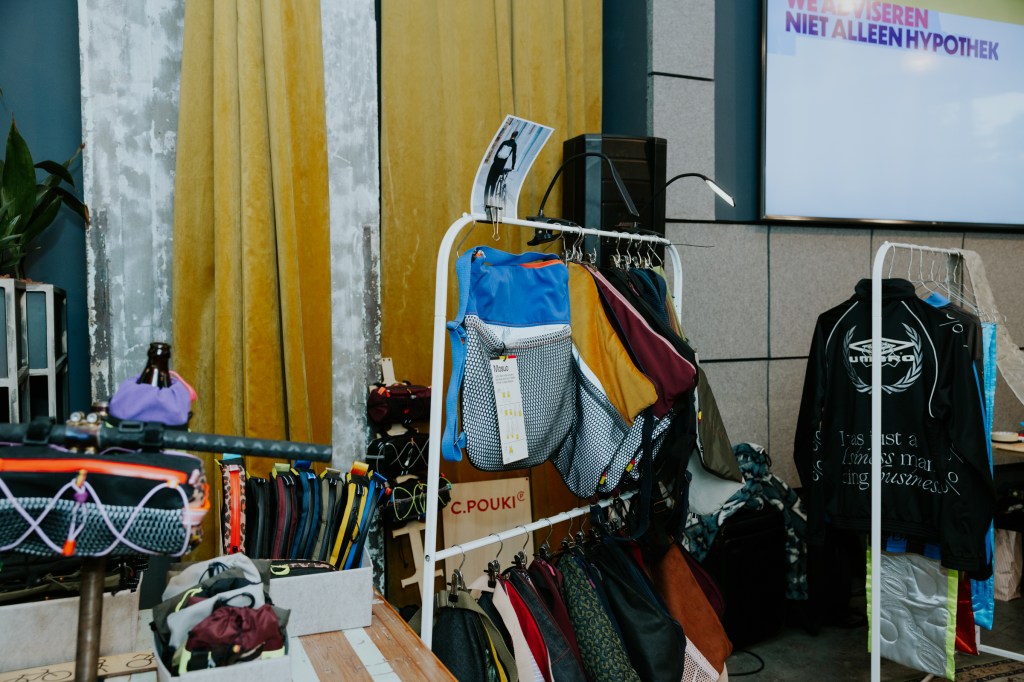
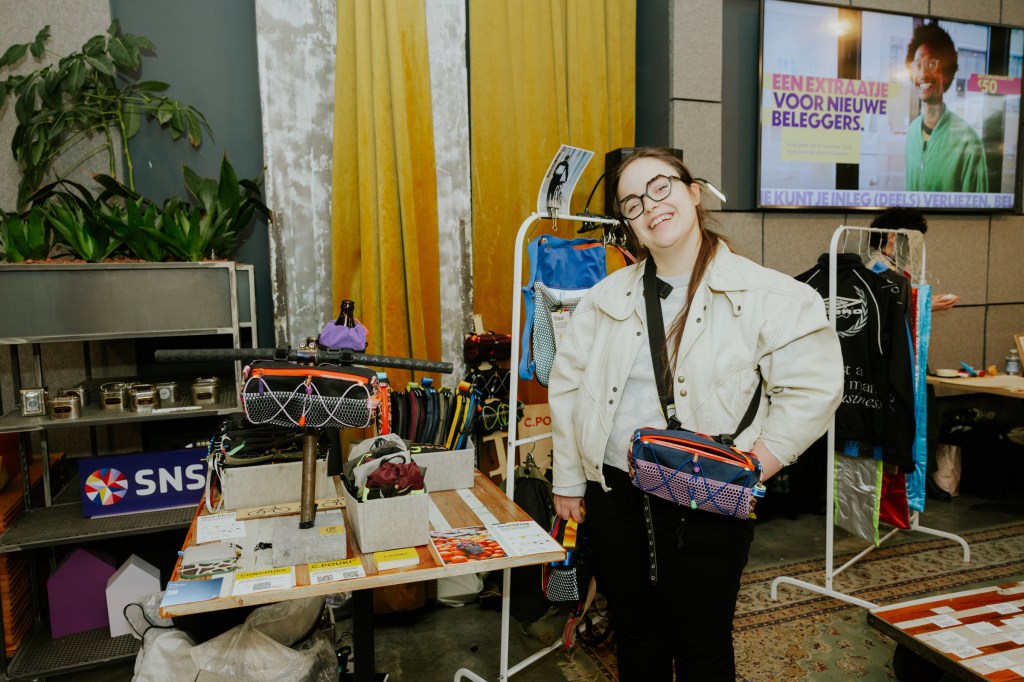
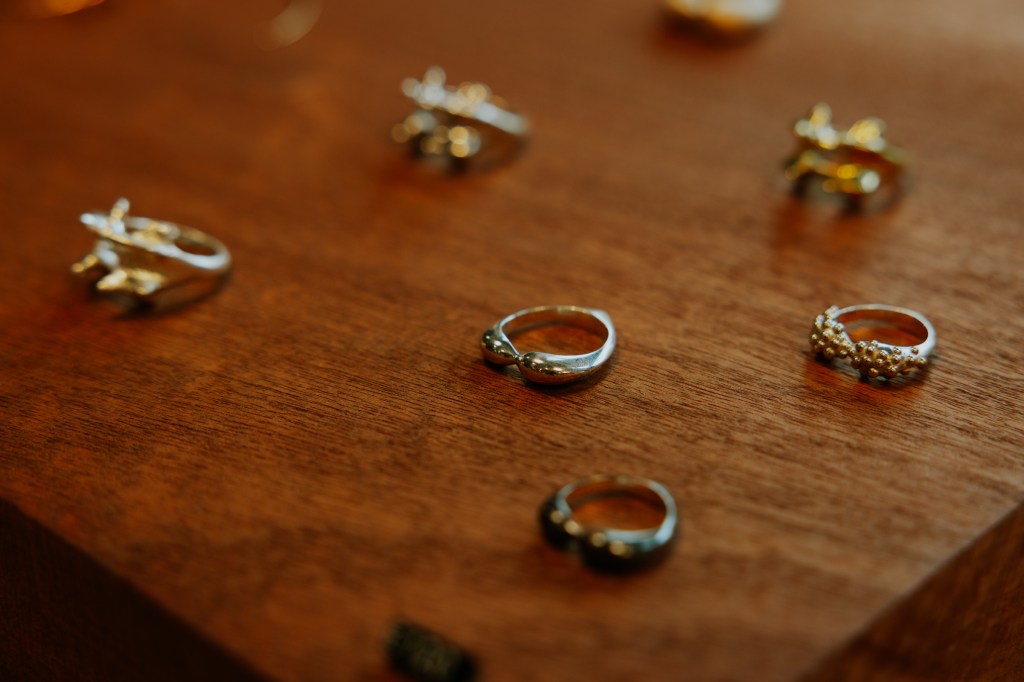
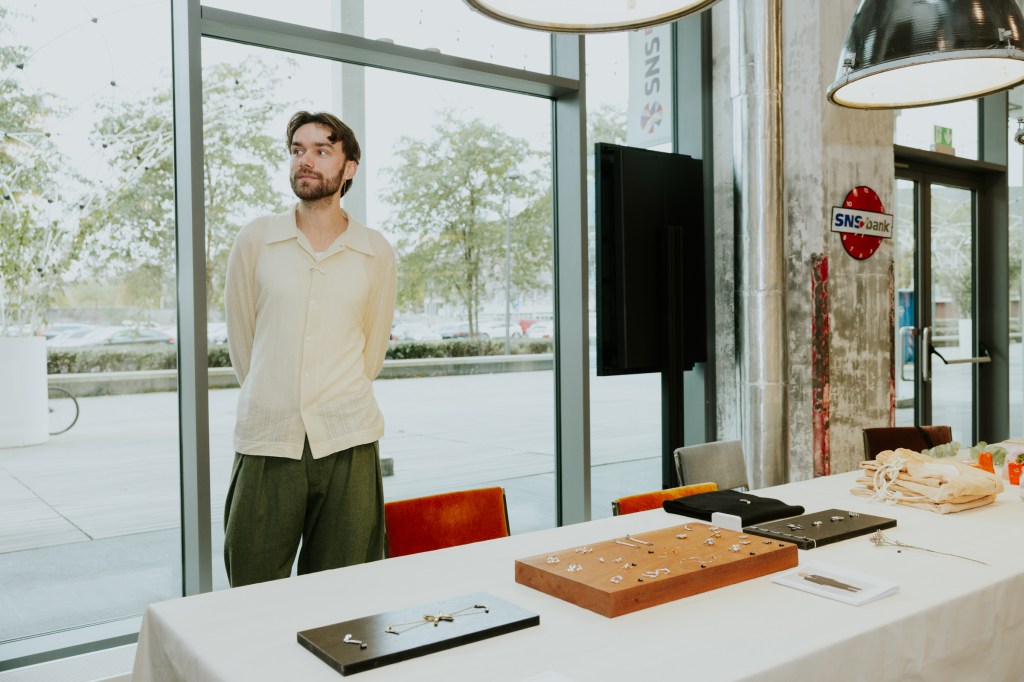
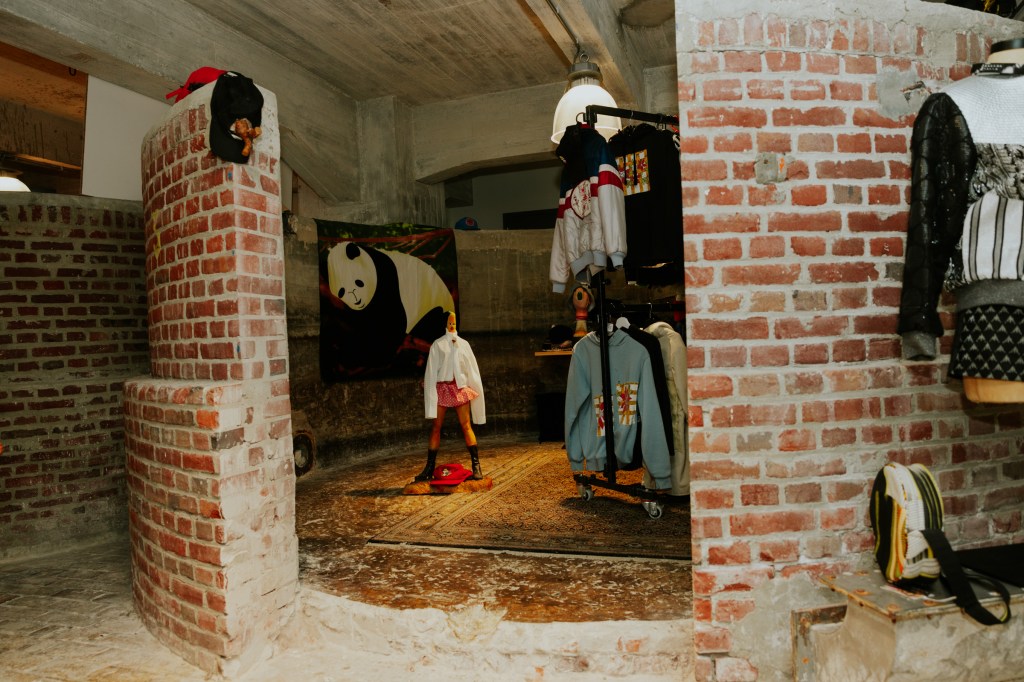
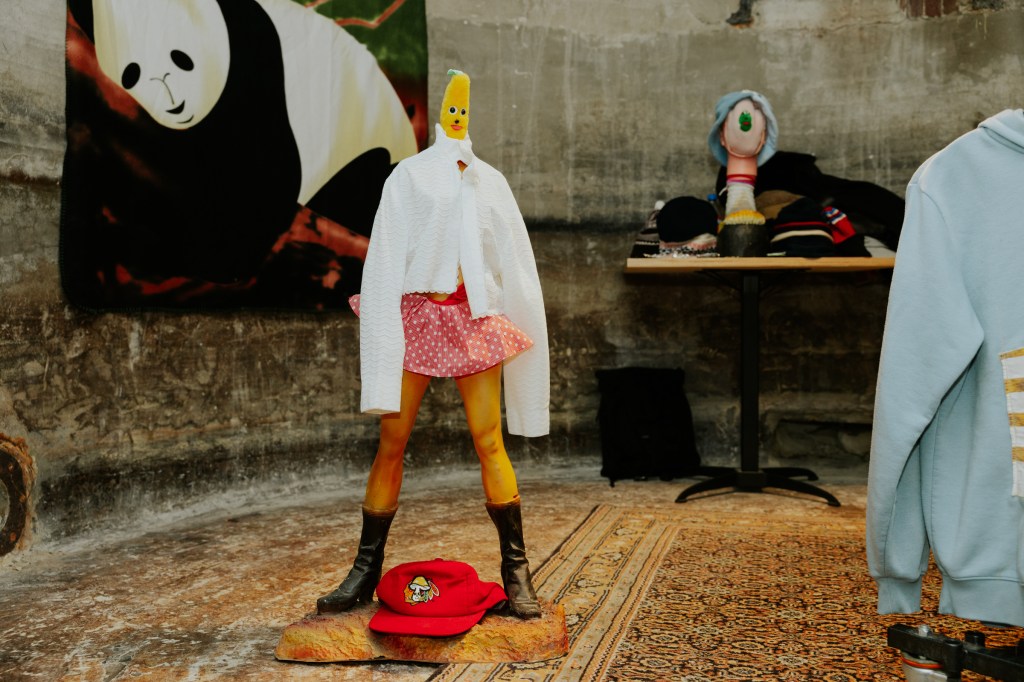
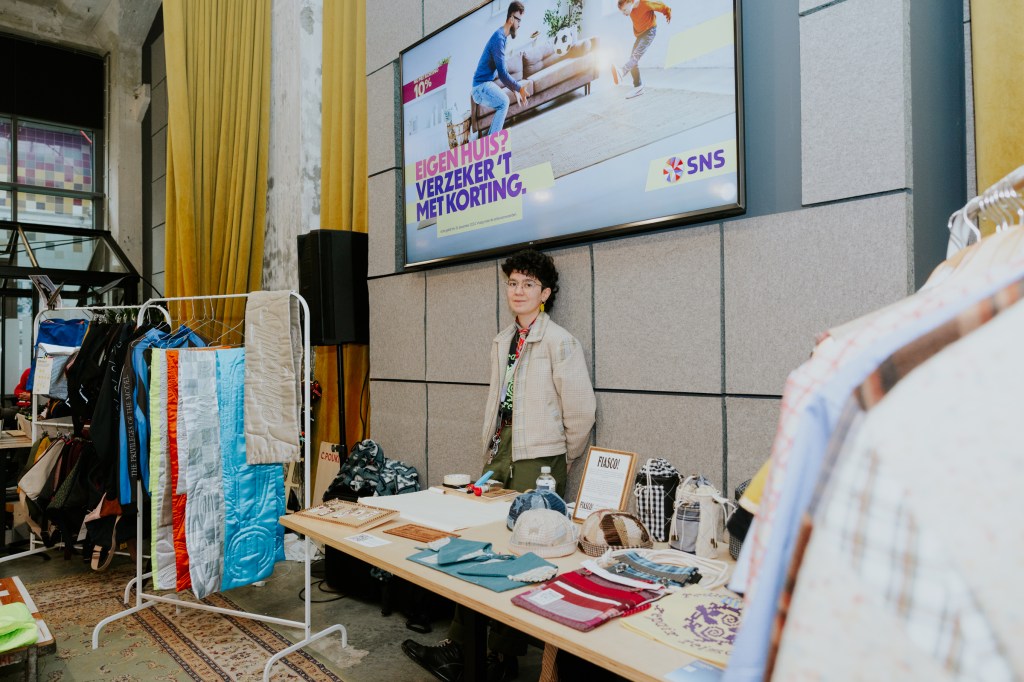
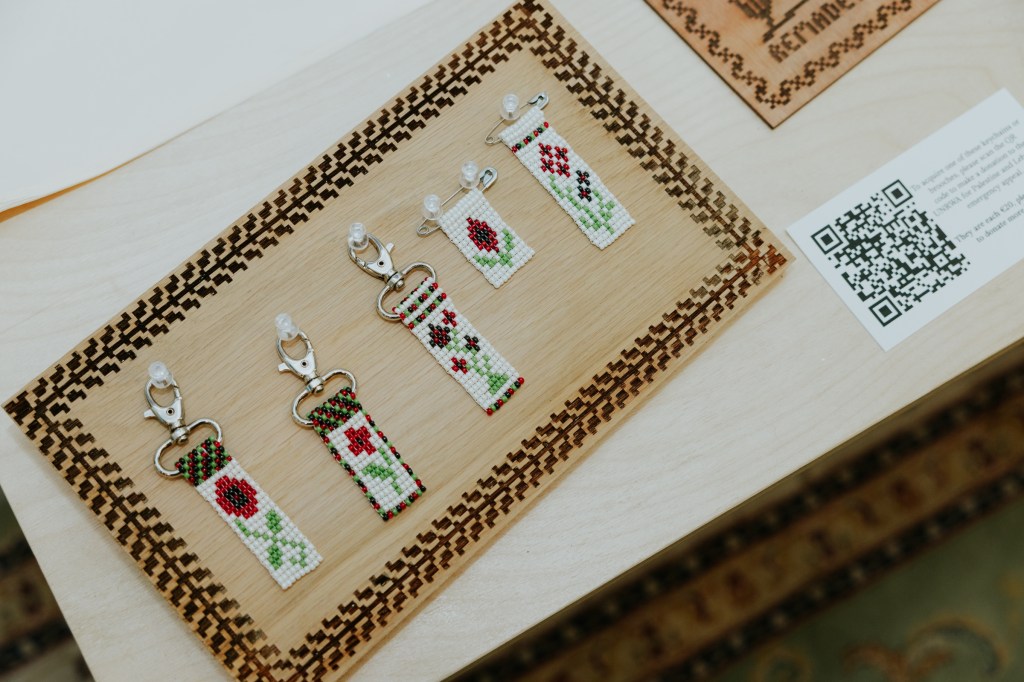
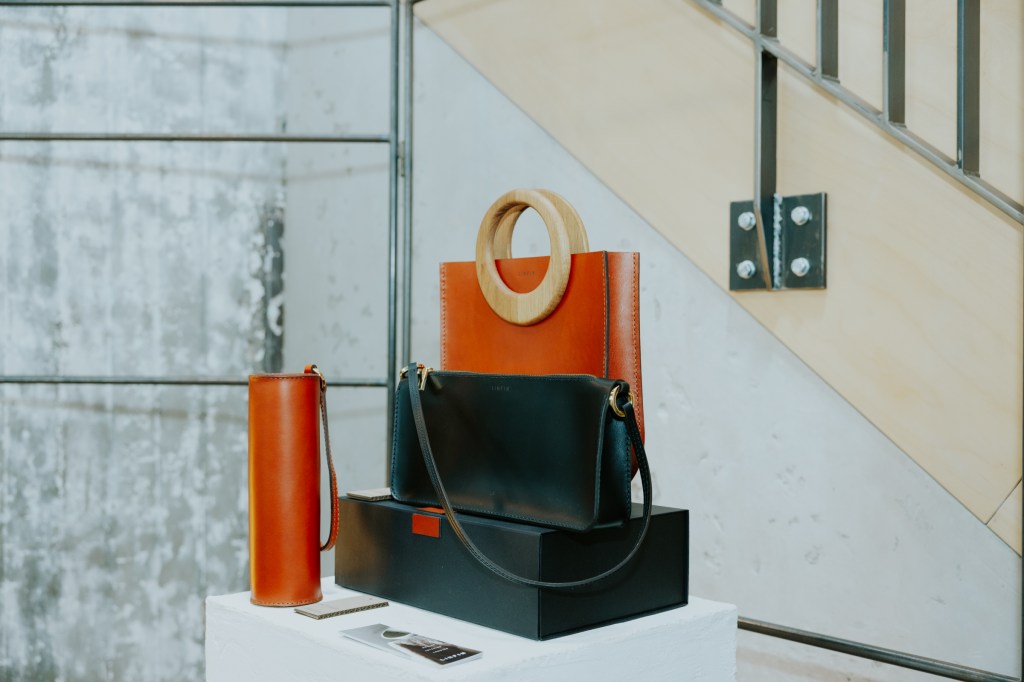
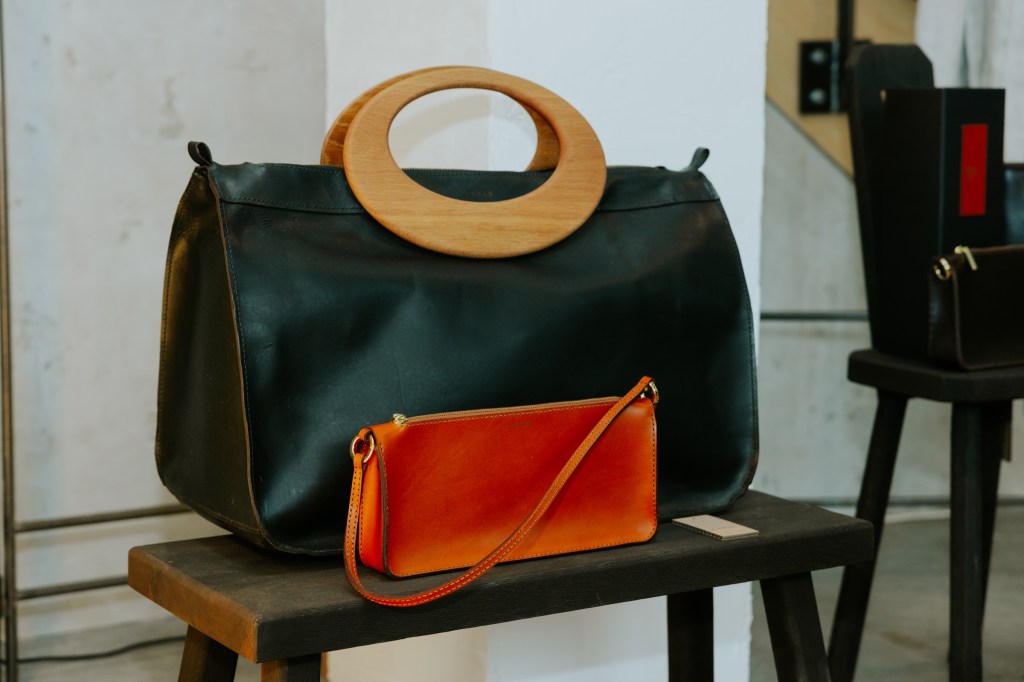
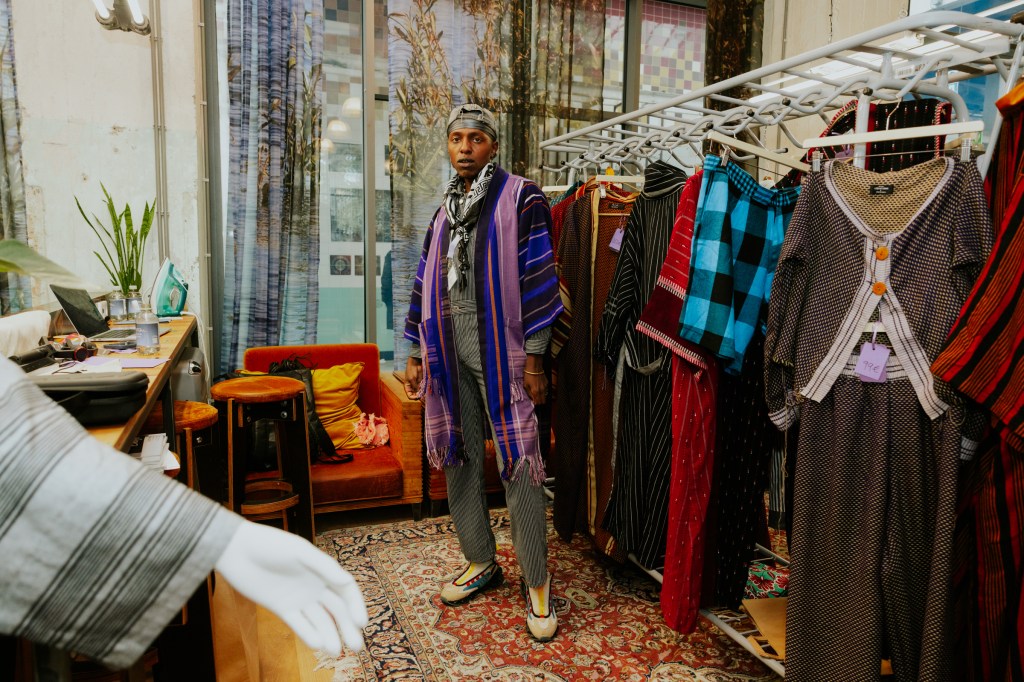
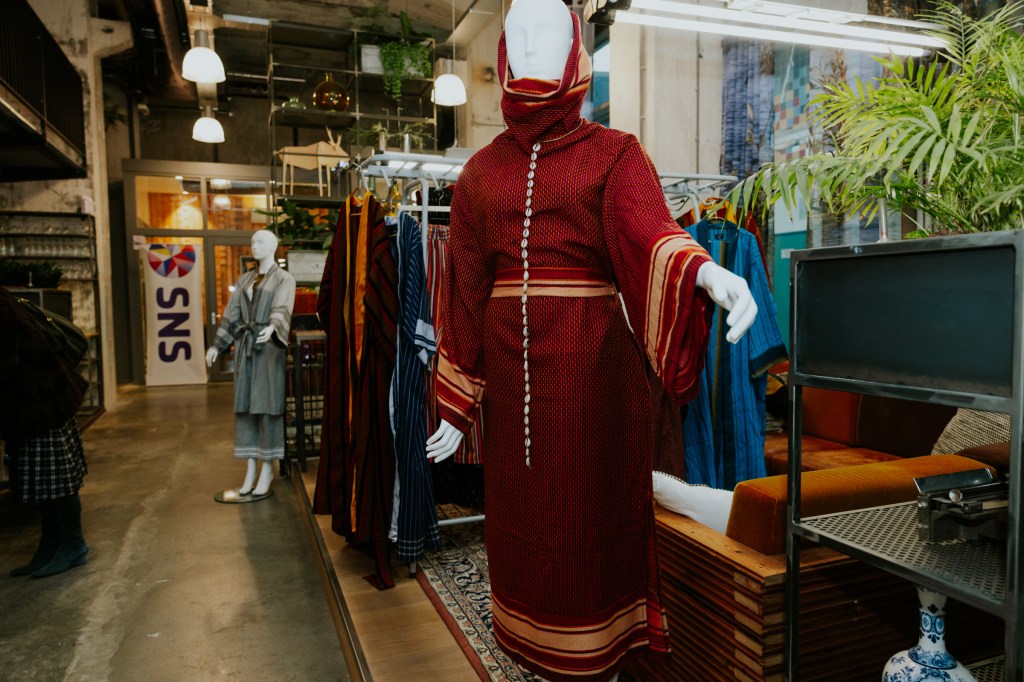
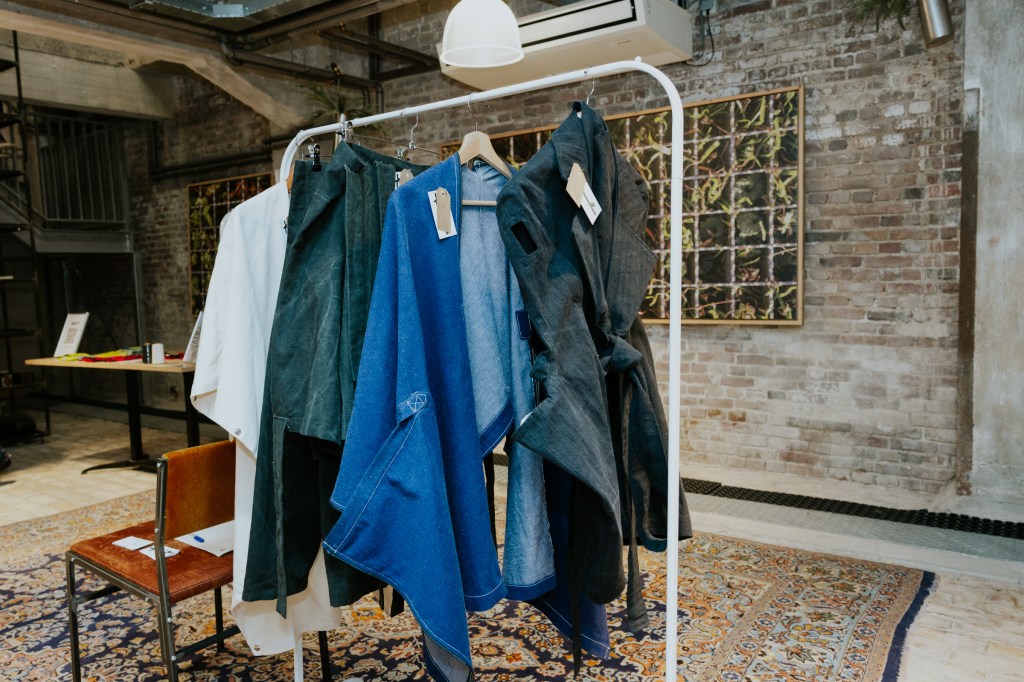
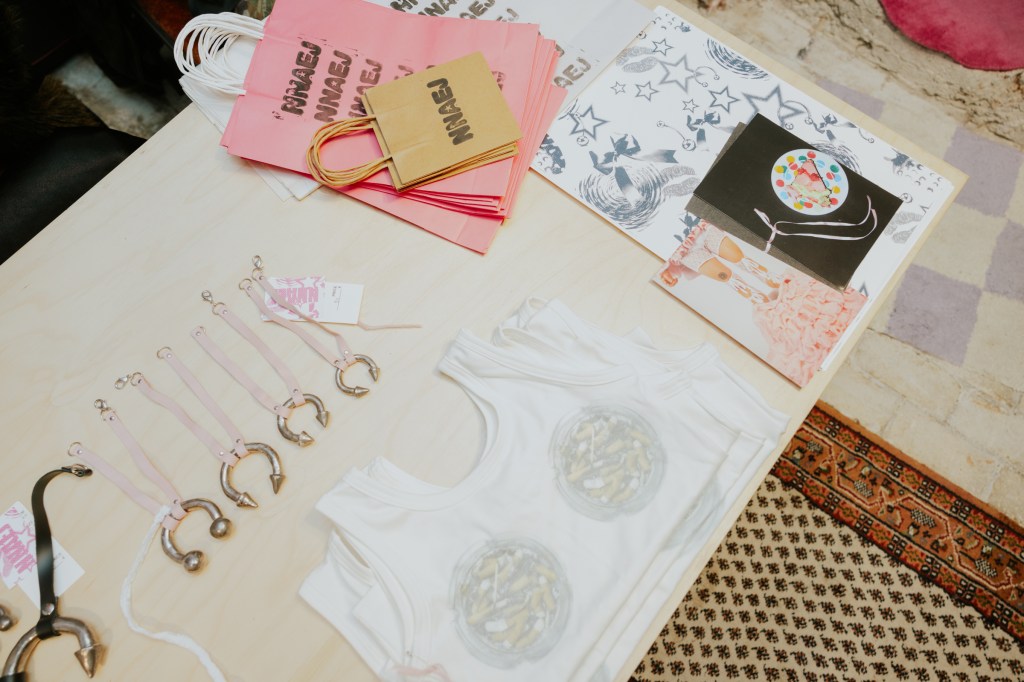
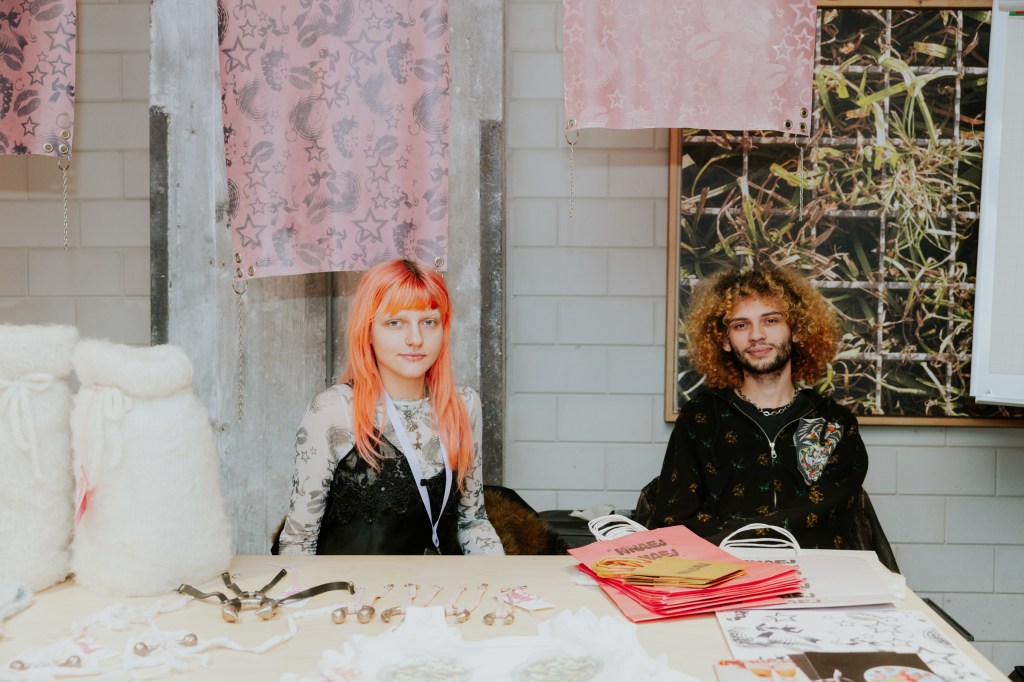
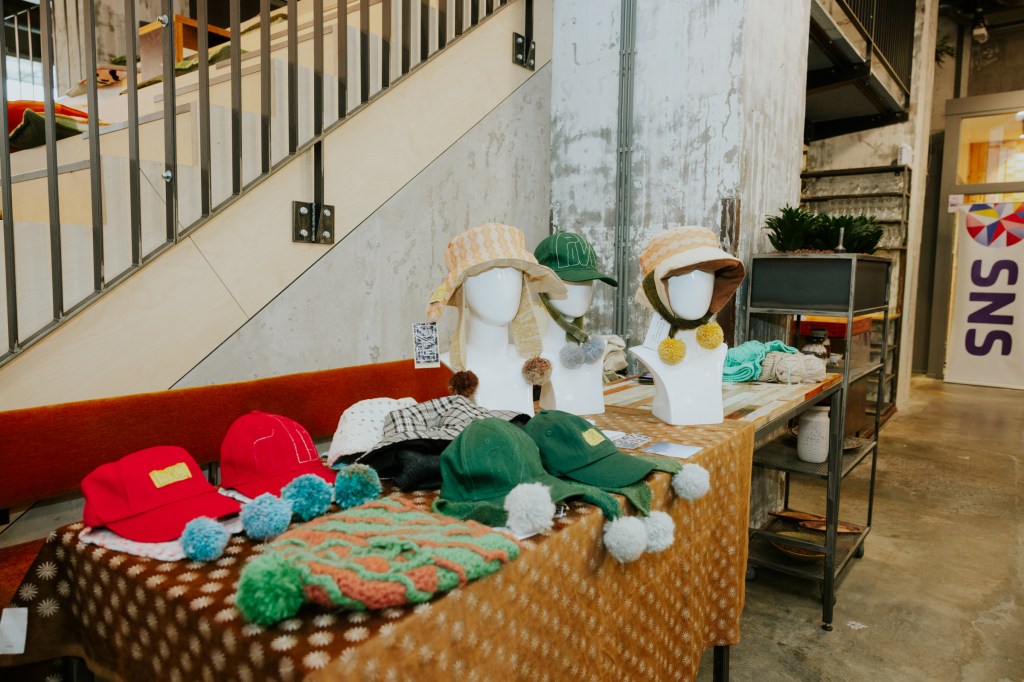
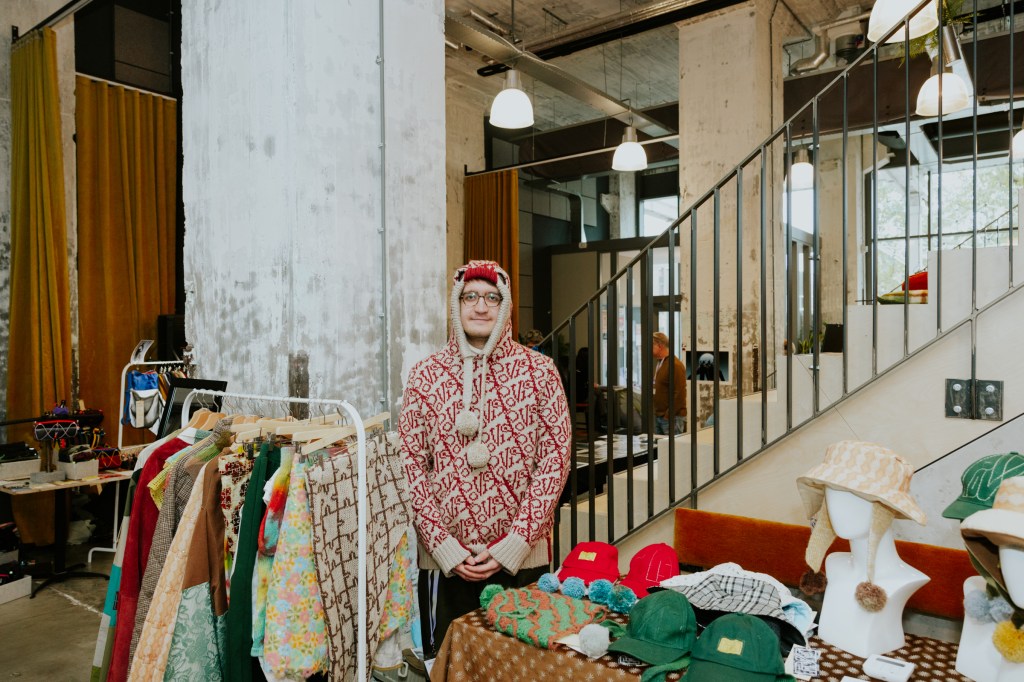
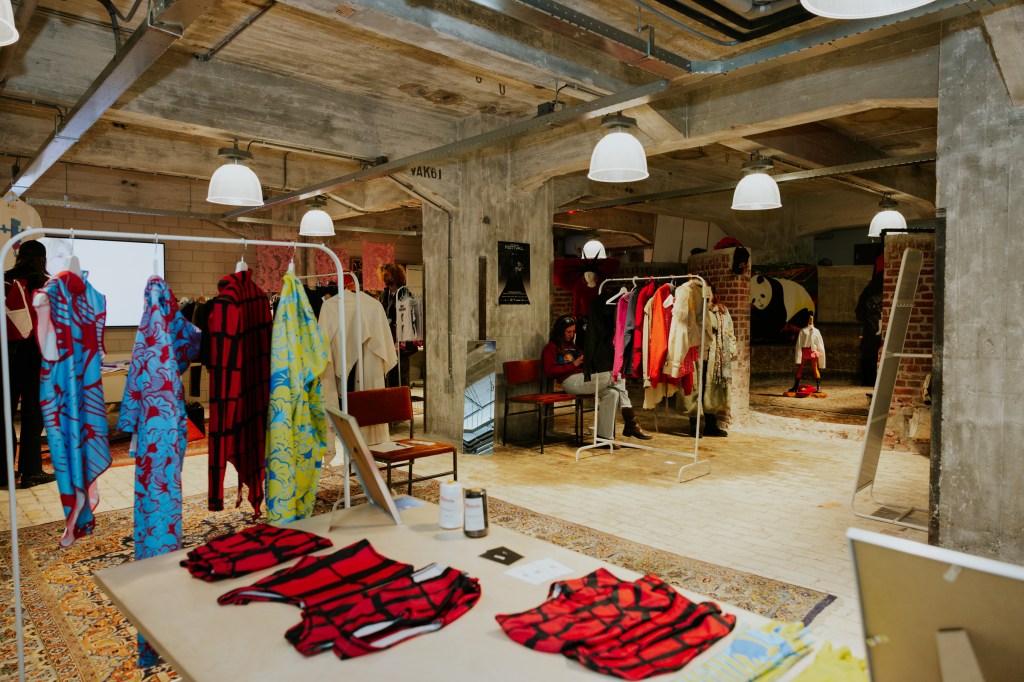
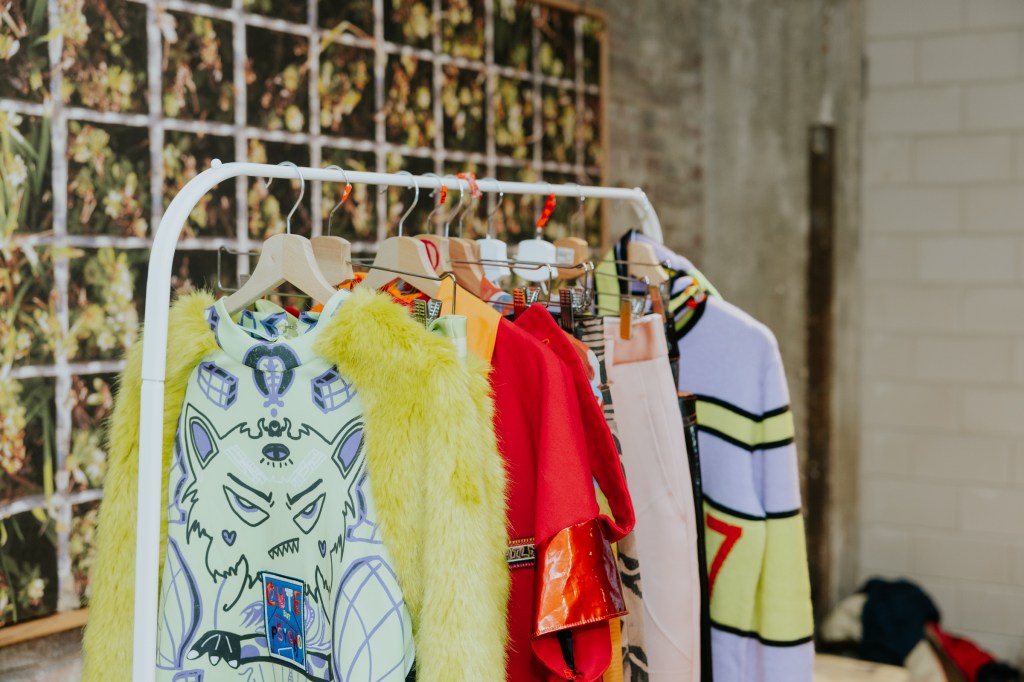
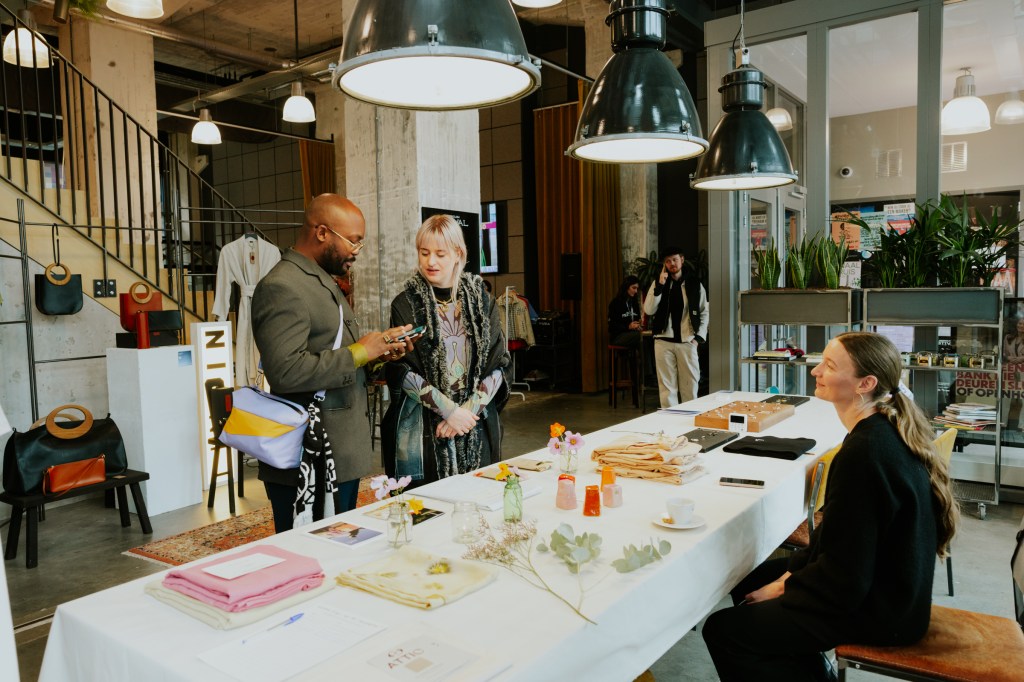
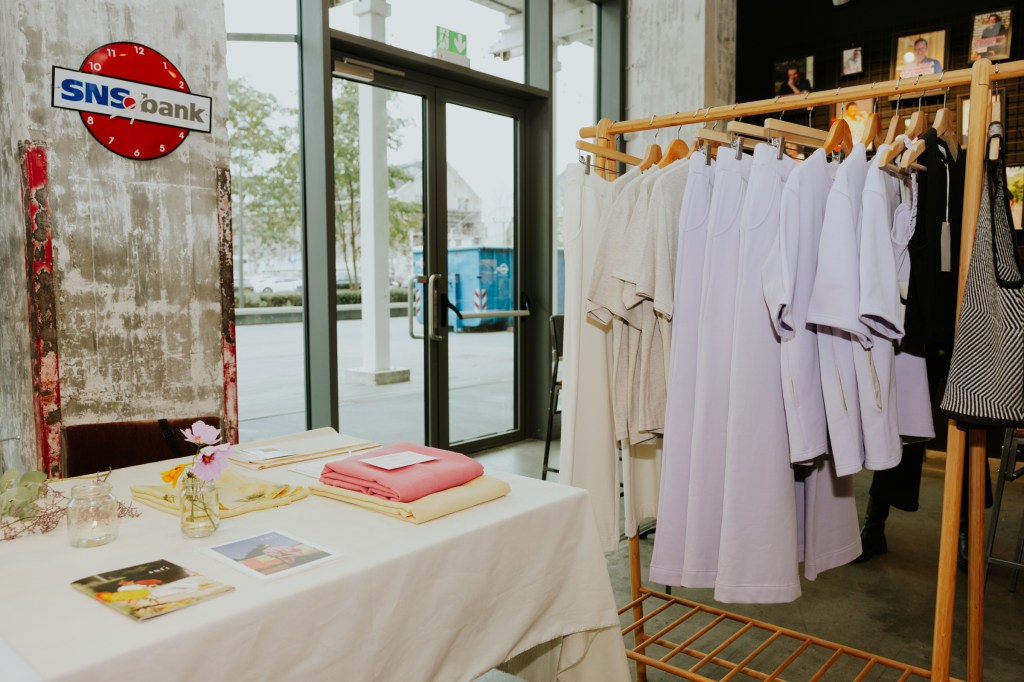
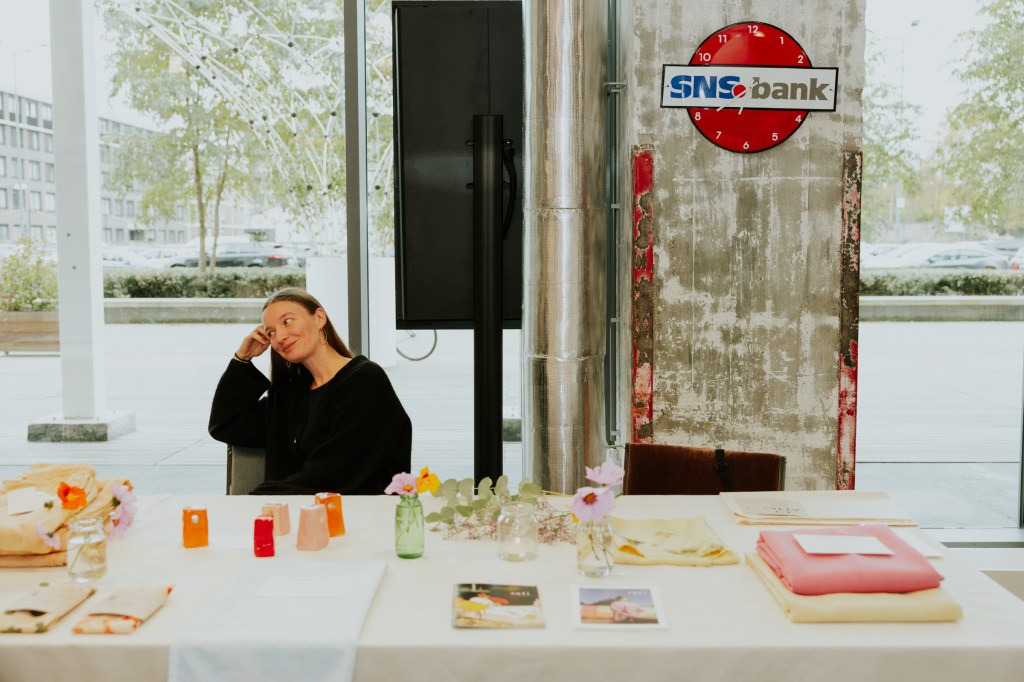
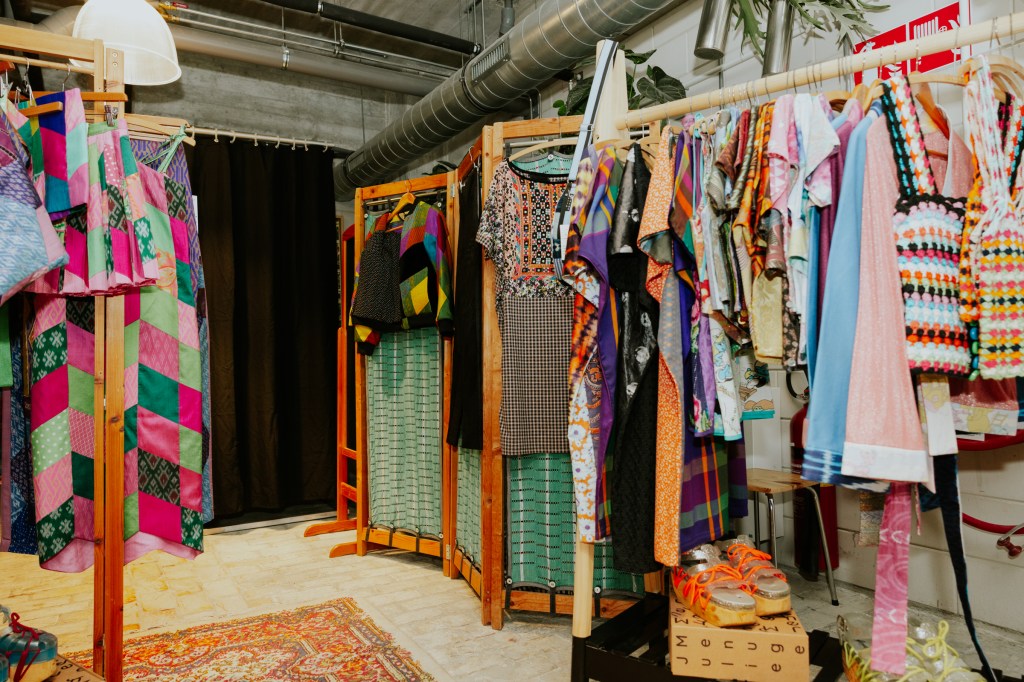
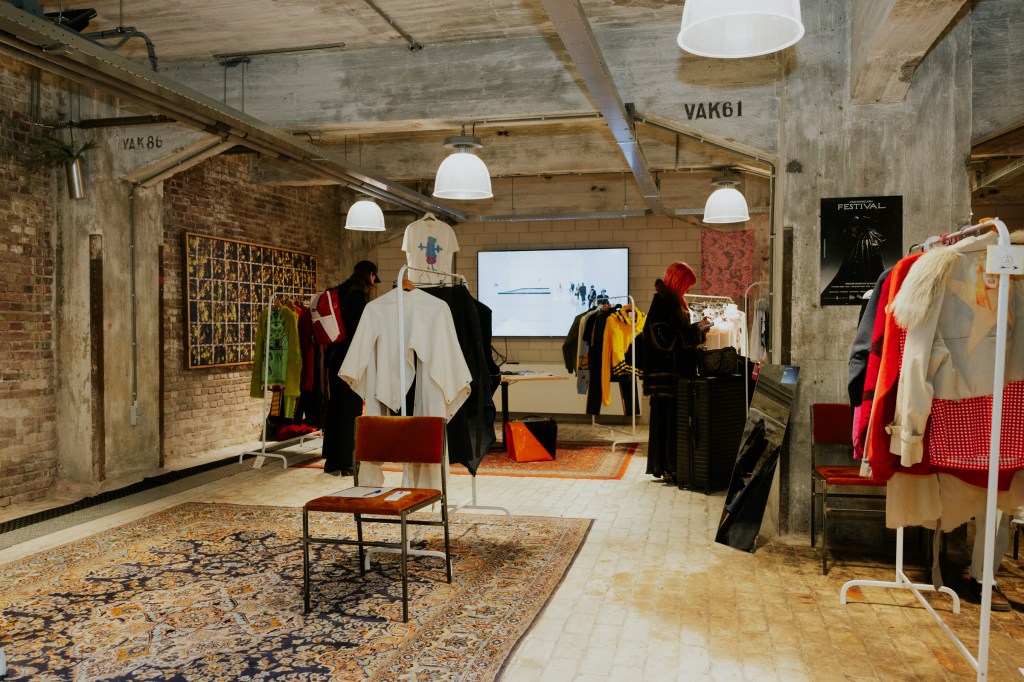
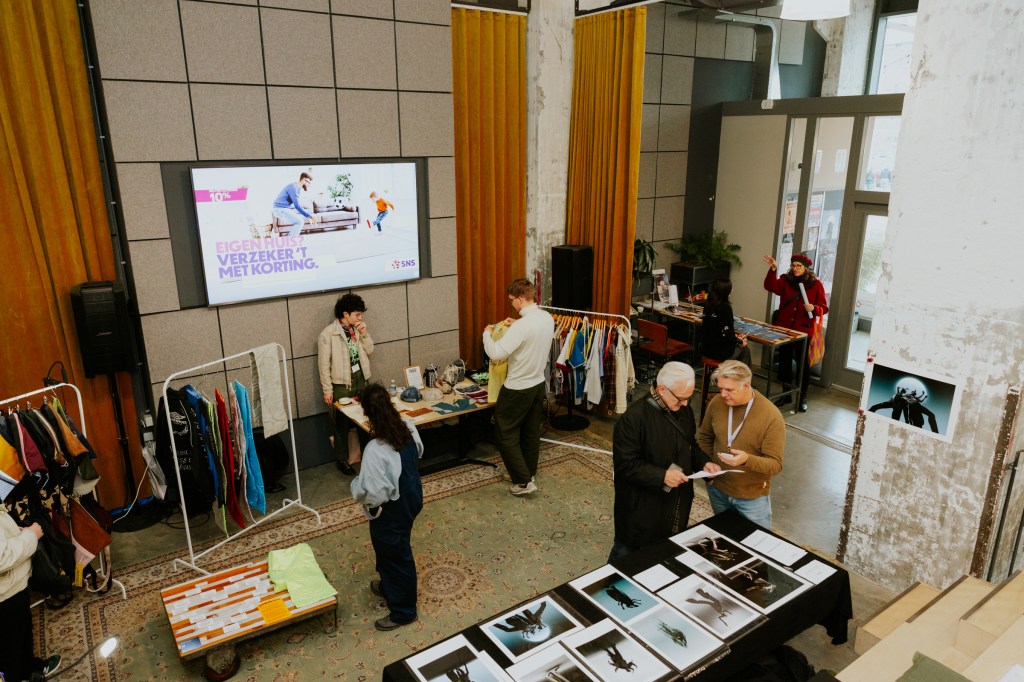
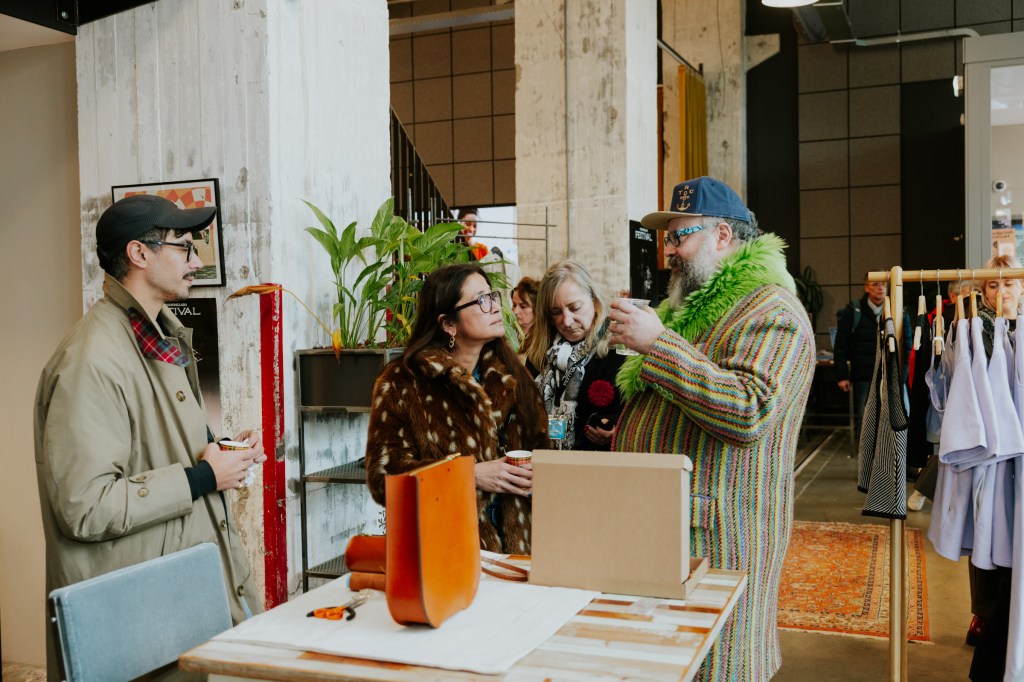
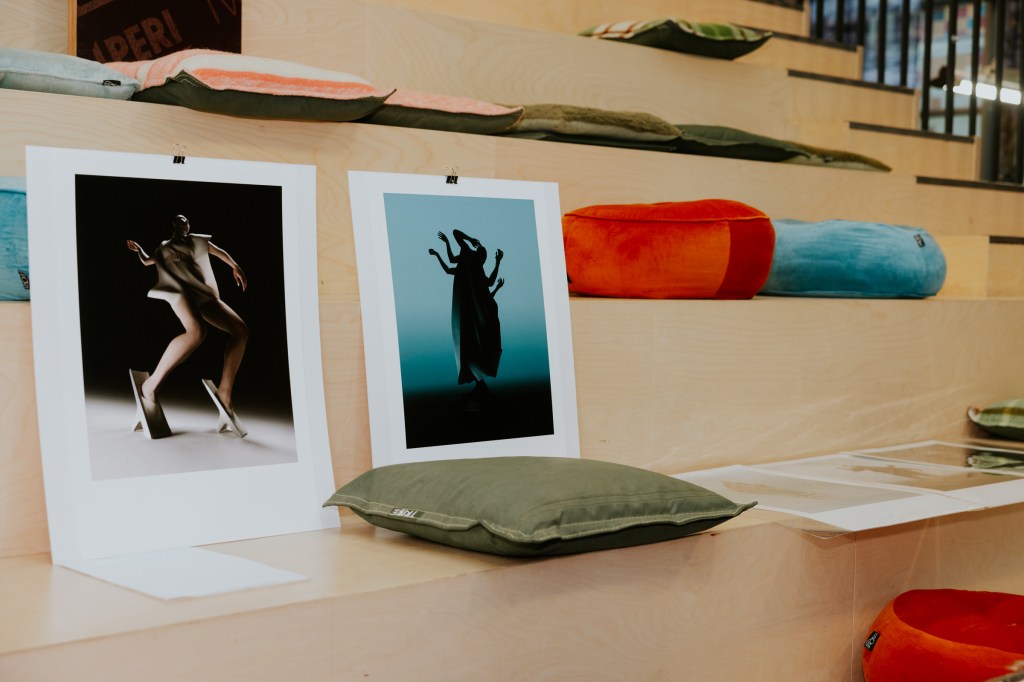
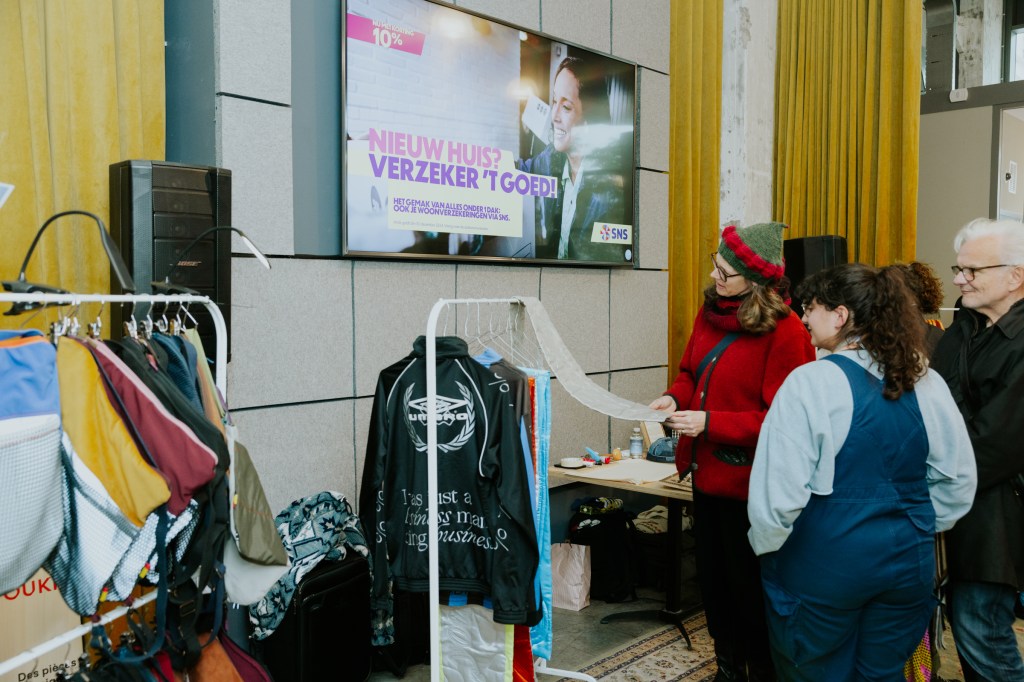
POP-UP SALES FASHIONCLASH 2024




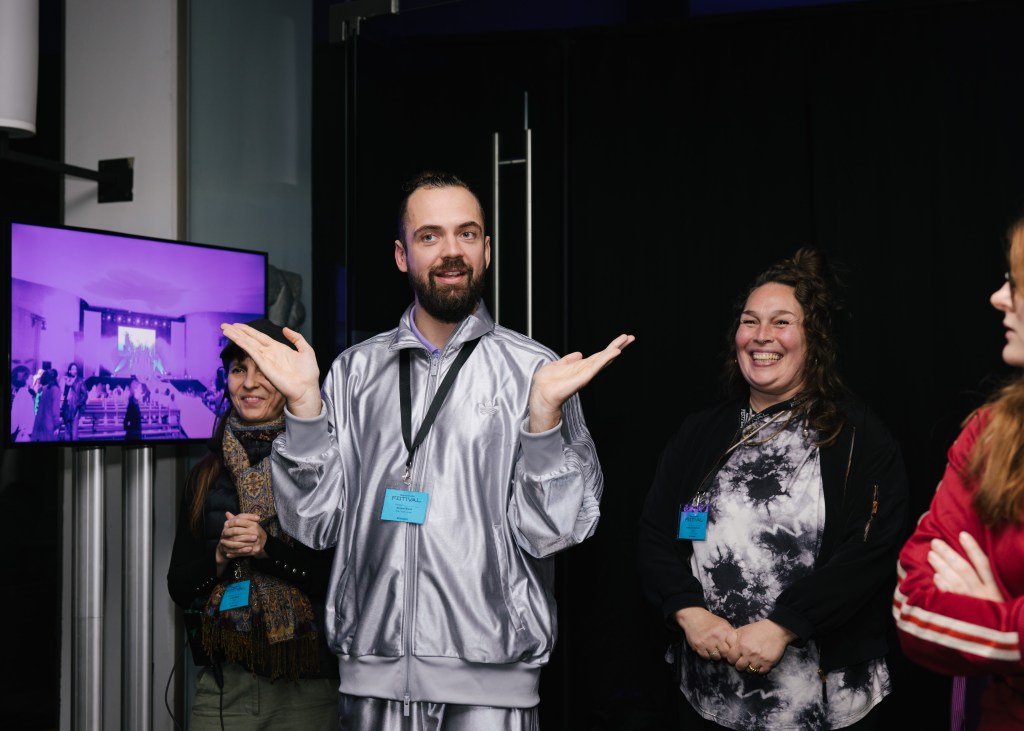
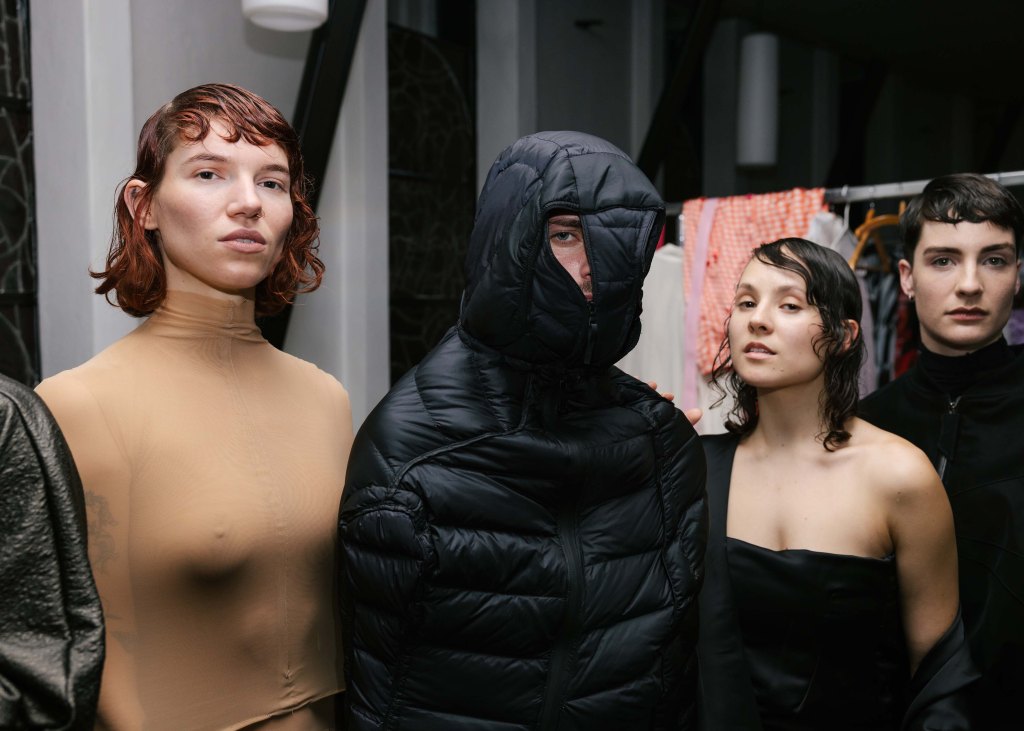
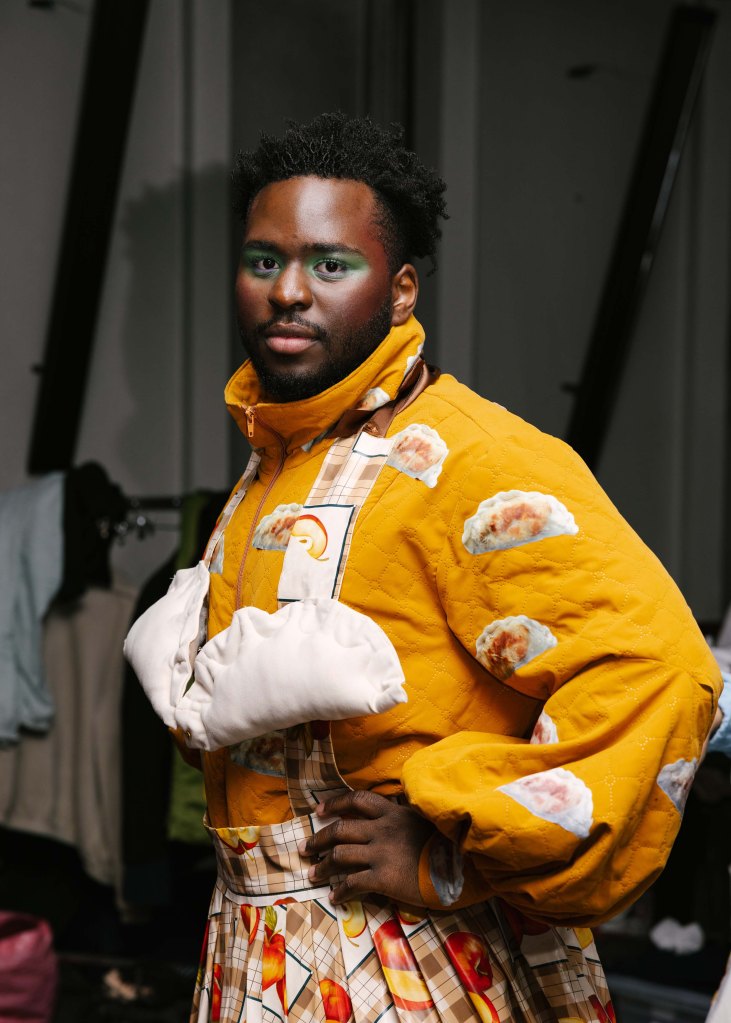
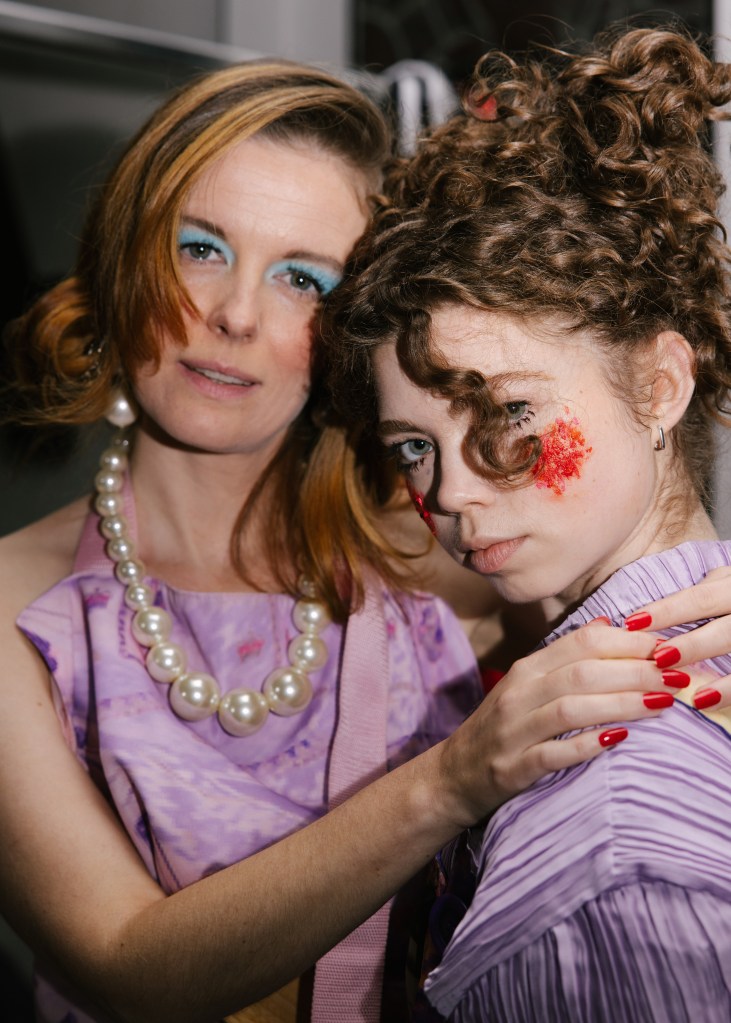
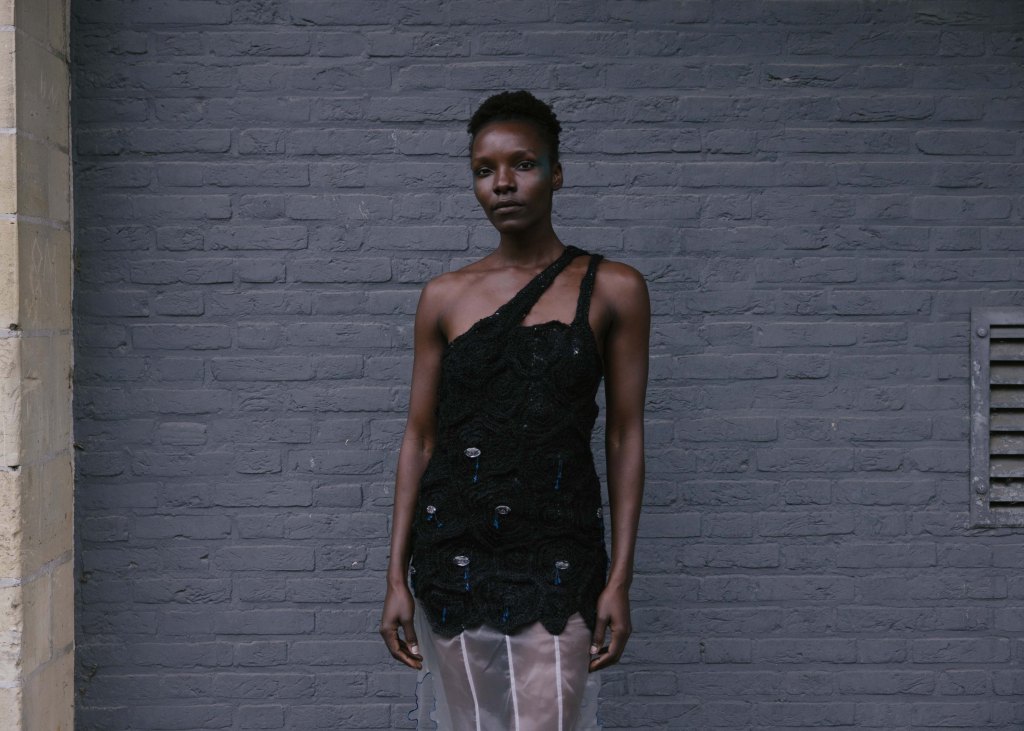
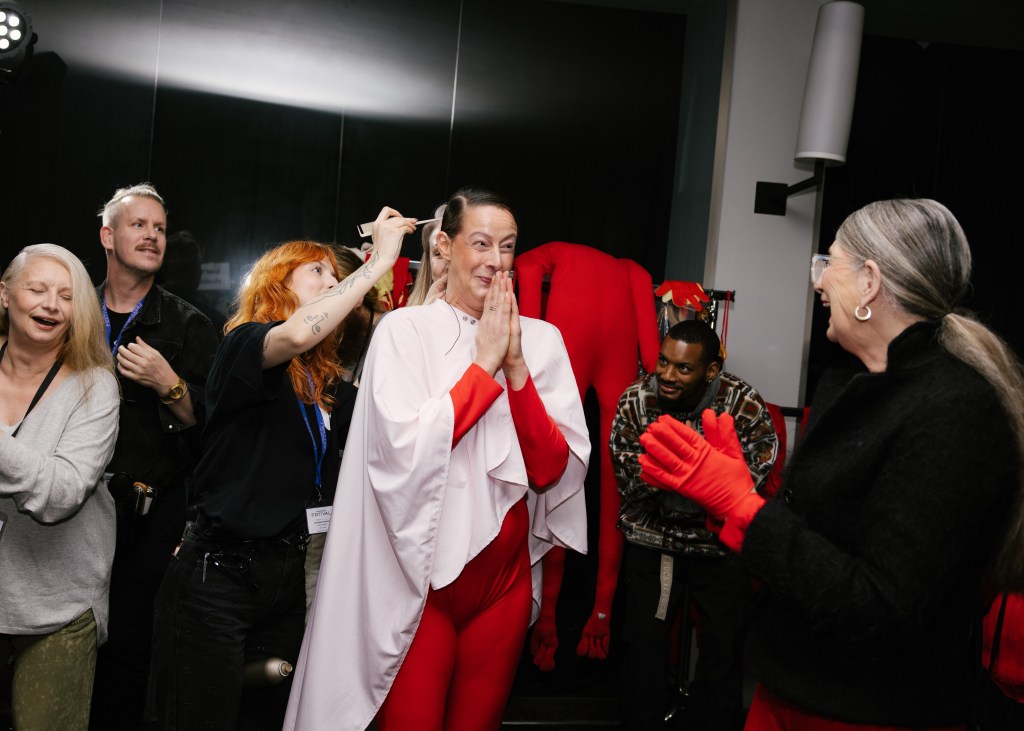
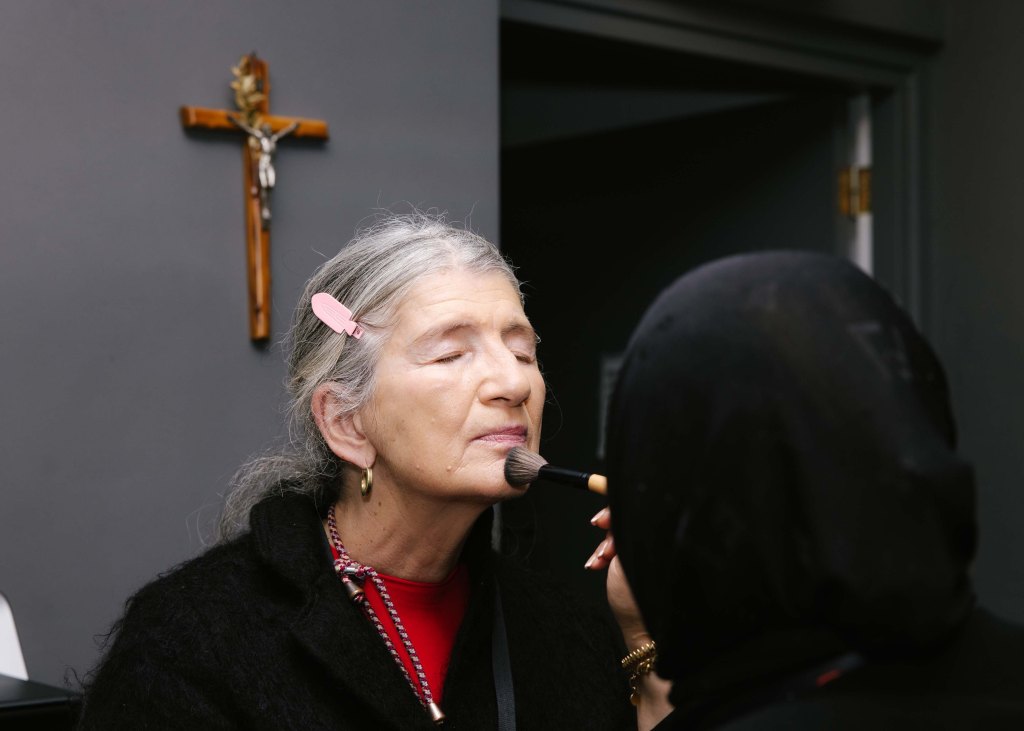
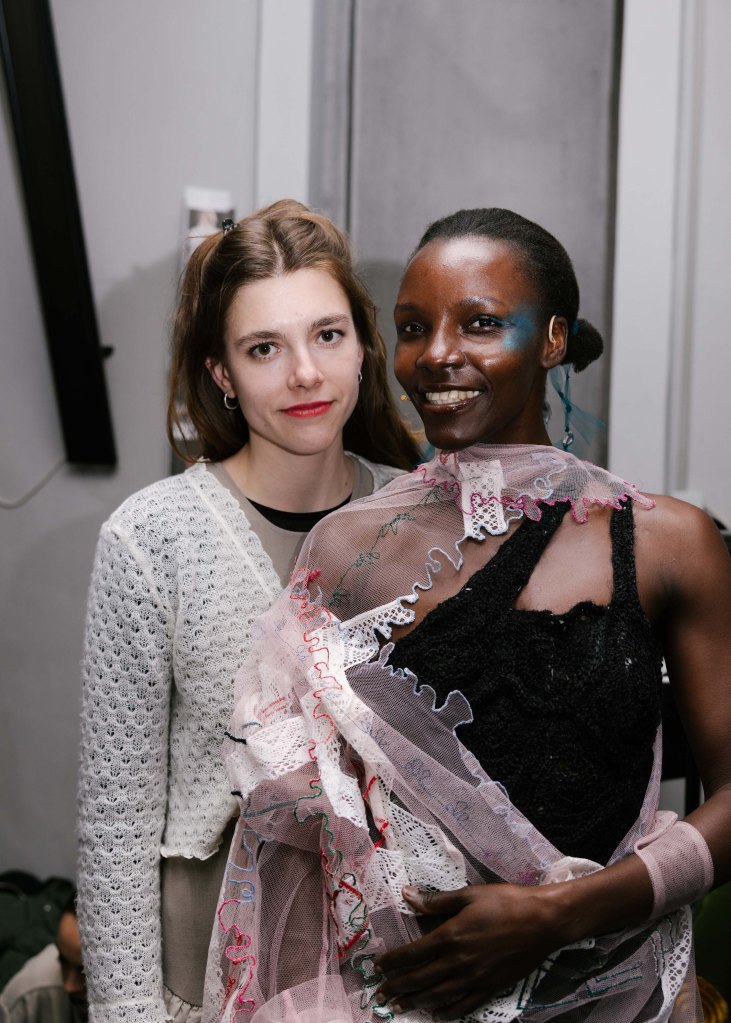
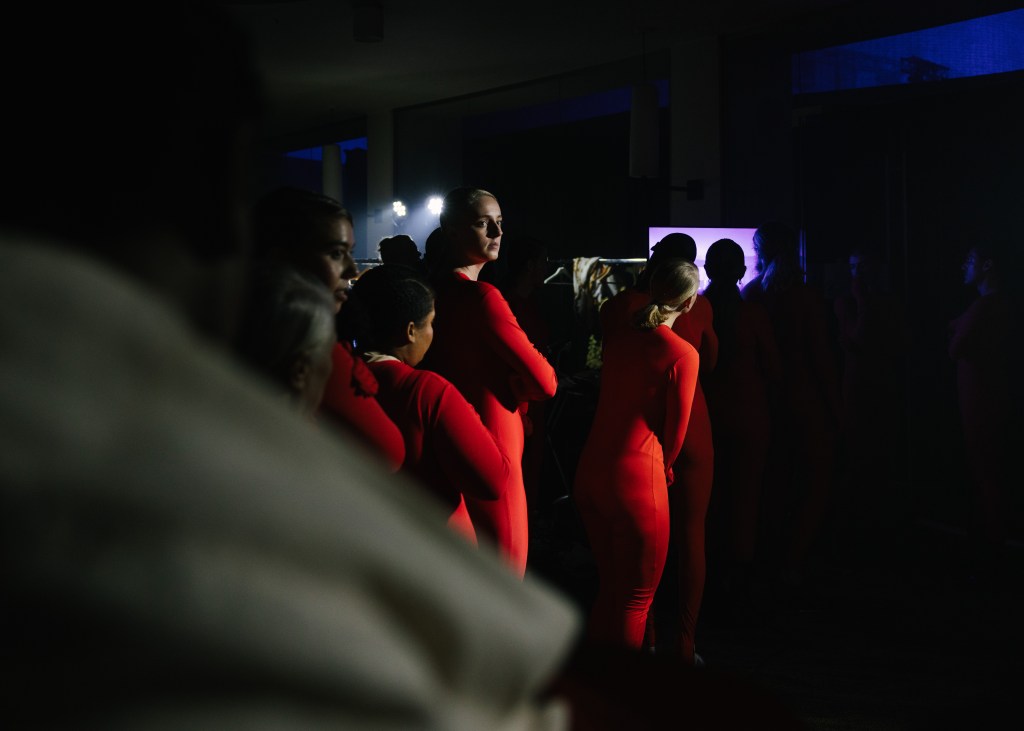
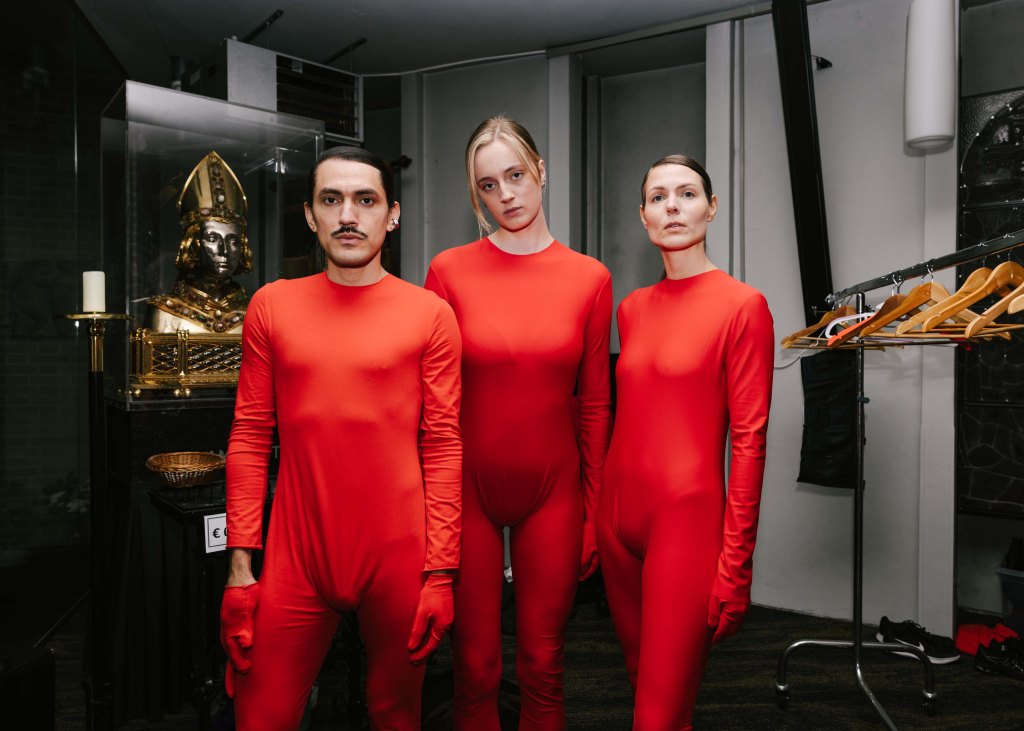
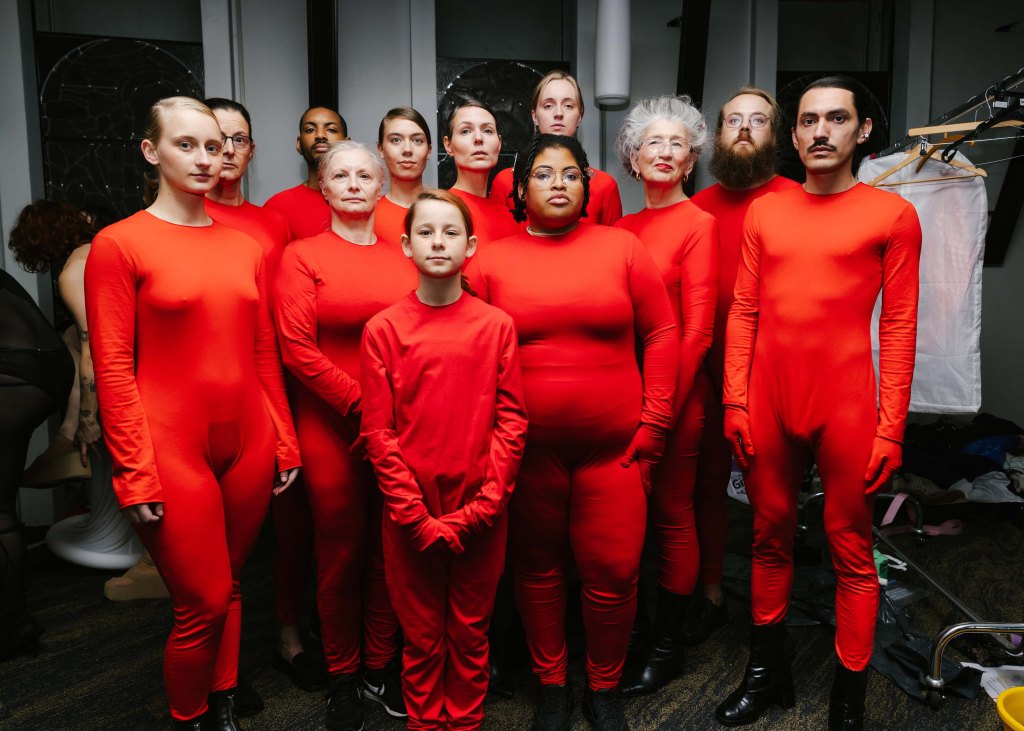
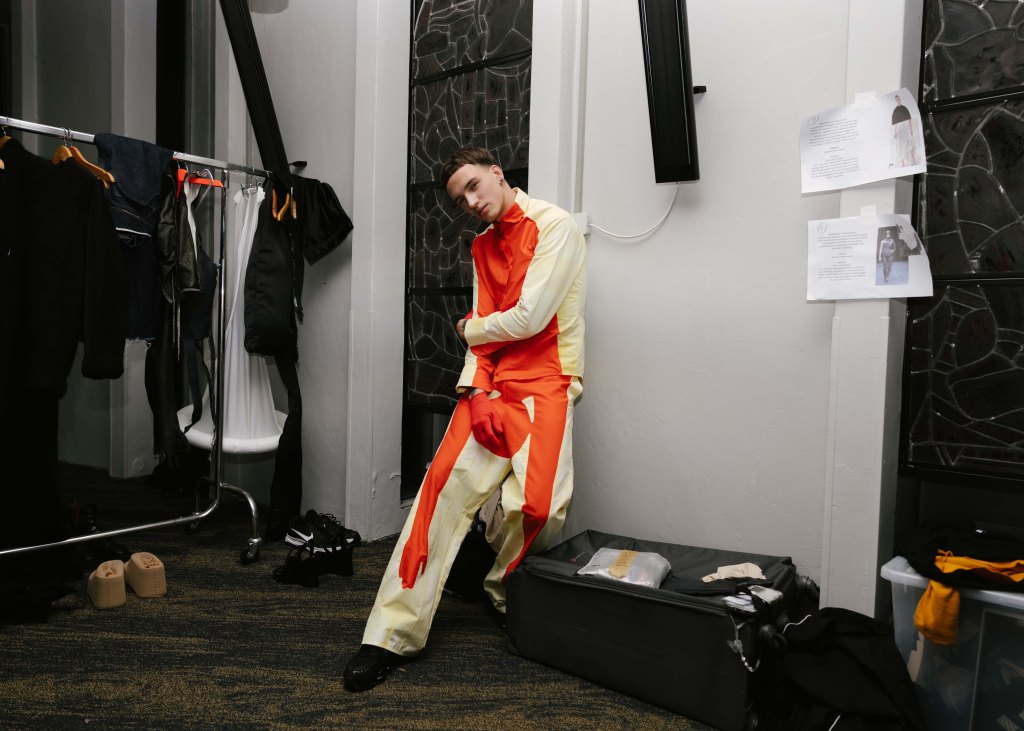
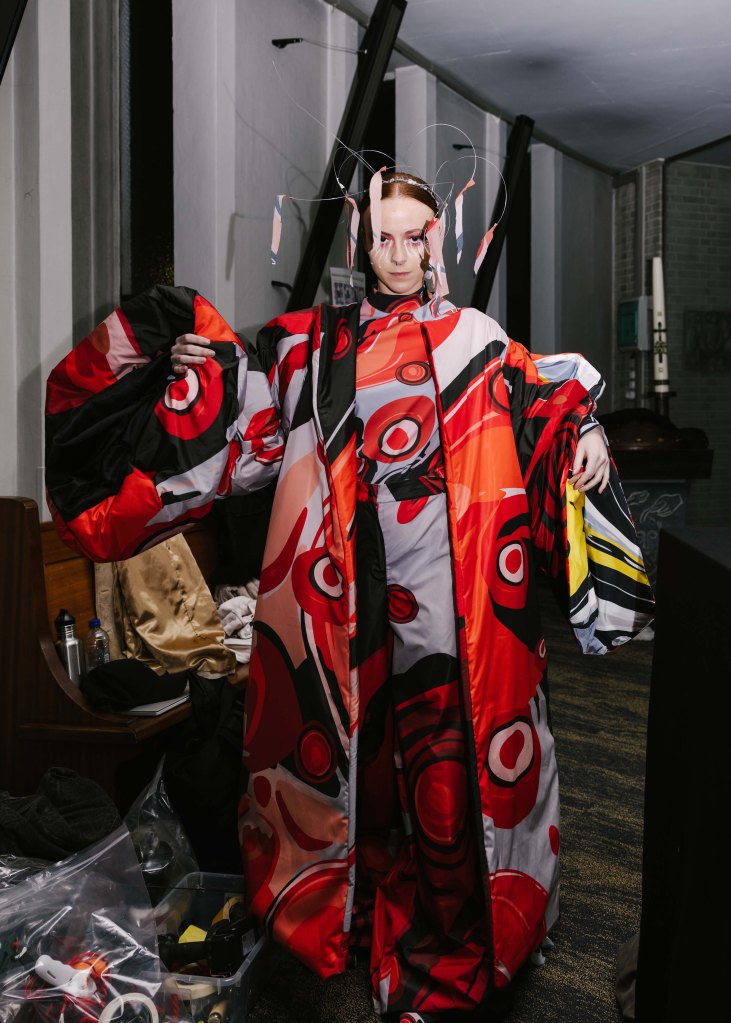
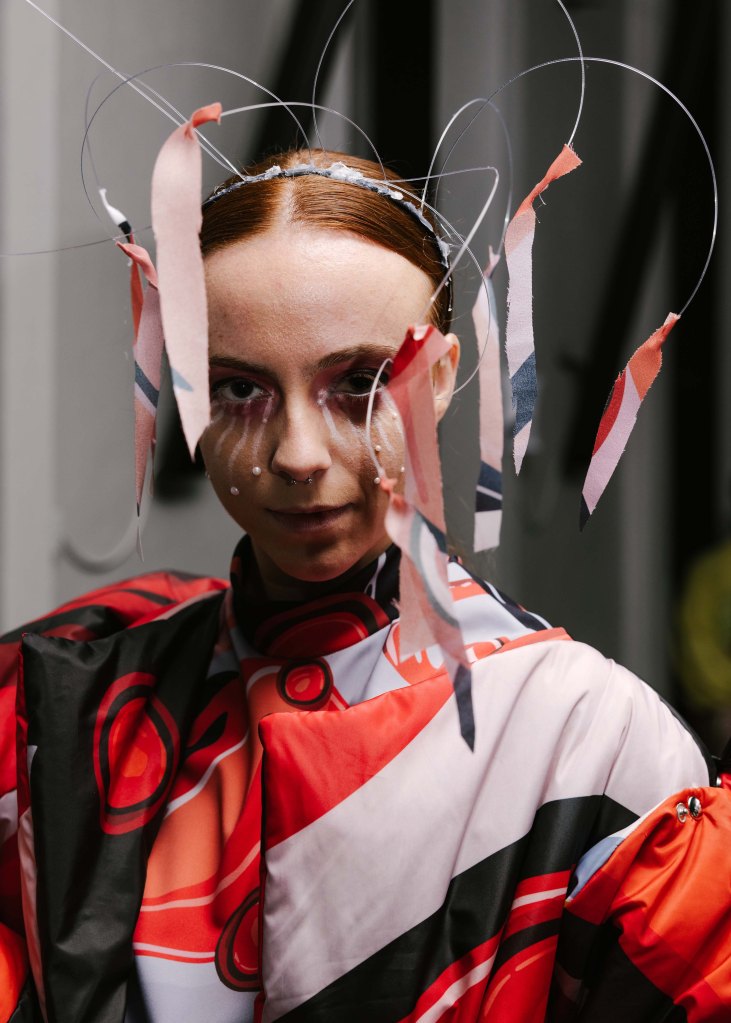
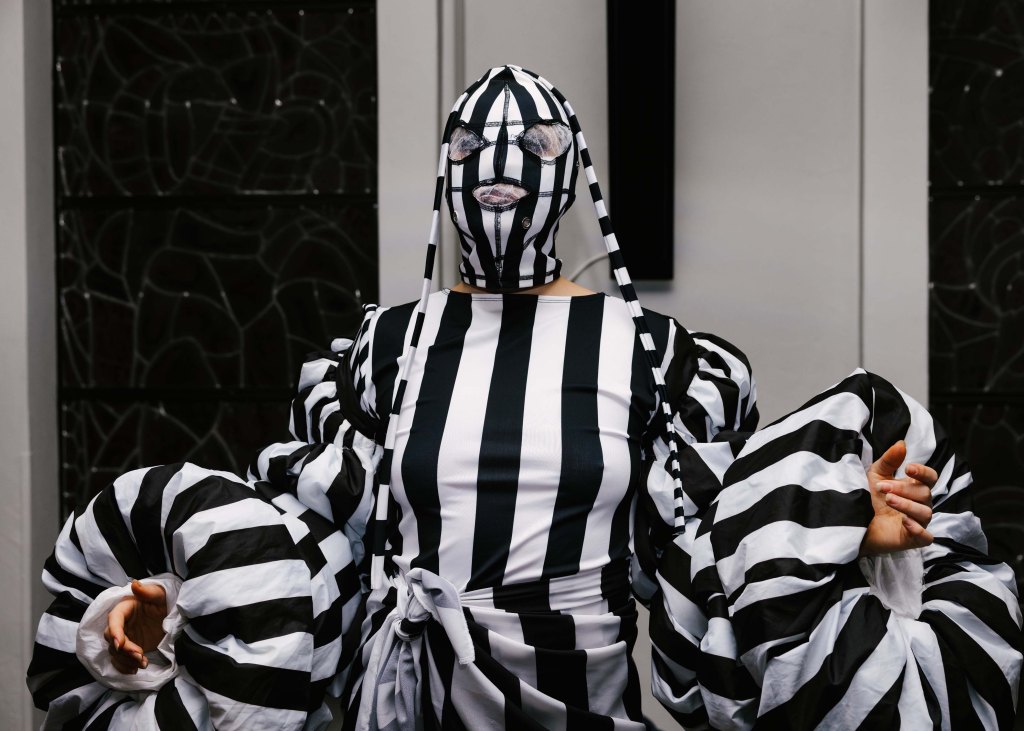
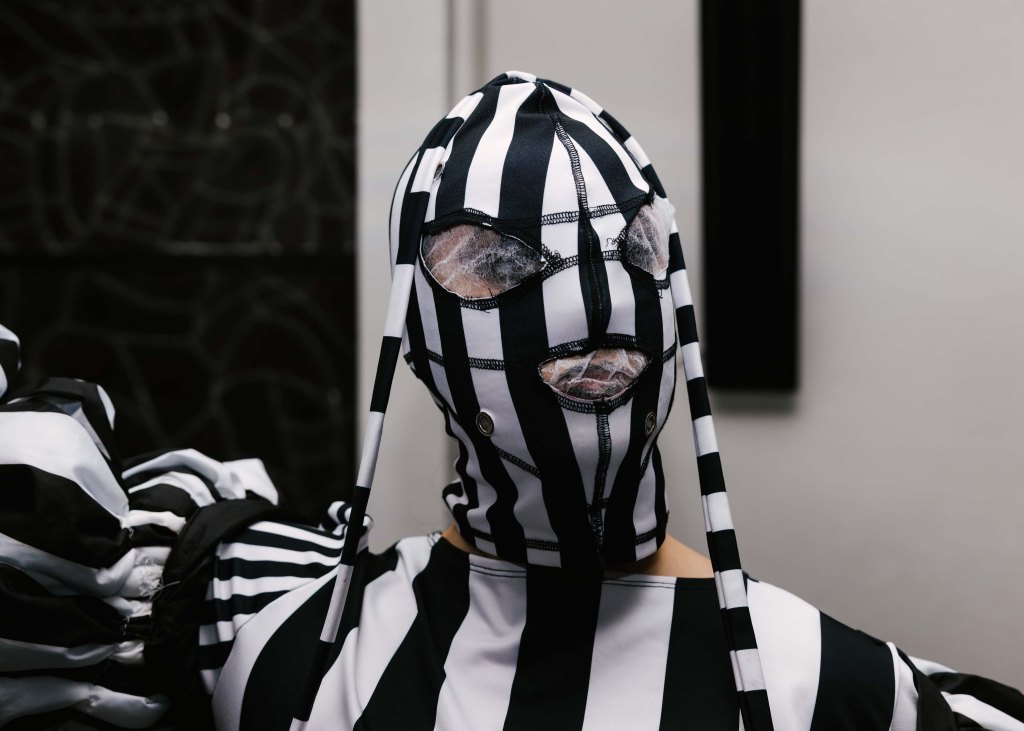
BACKSTAGE ”THE CLASH HOUSE”
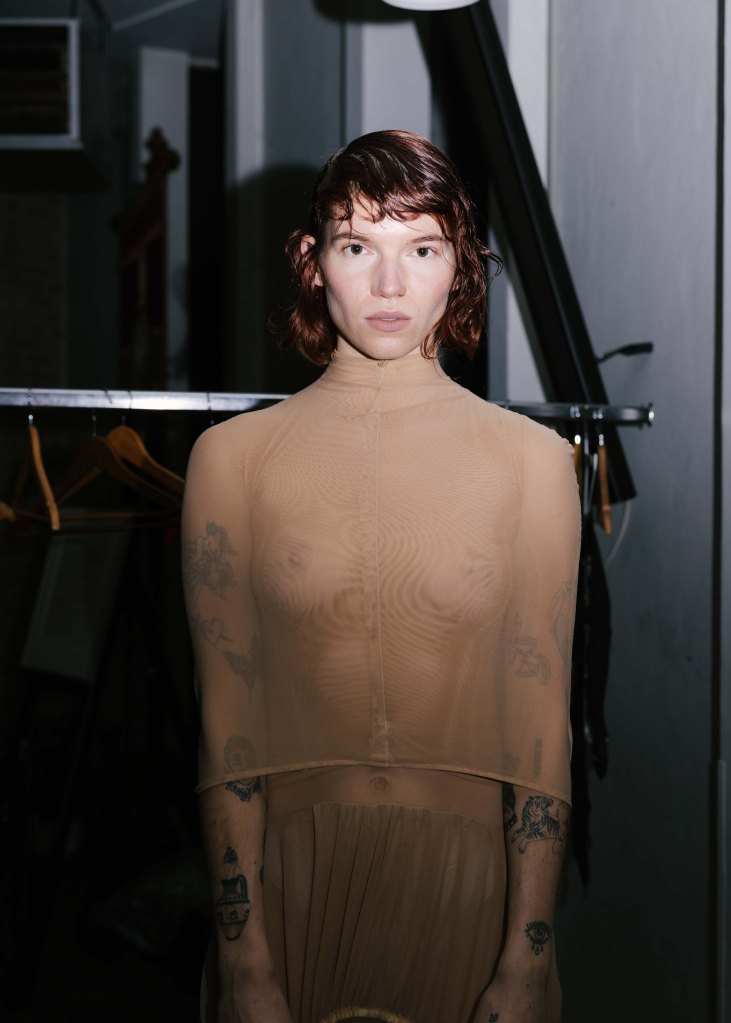
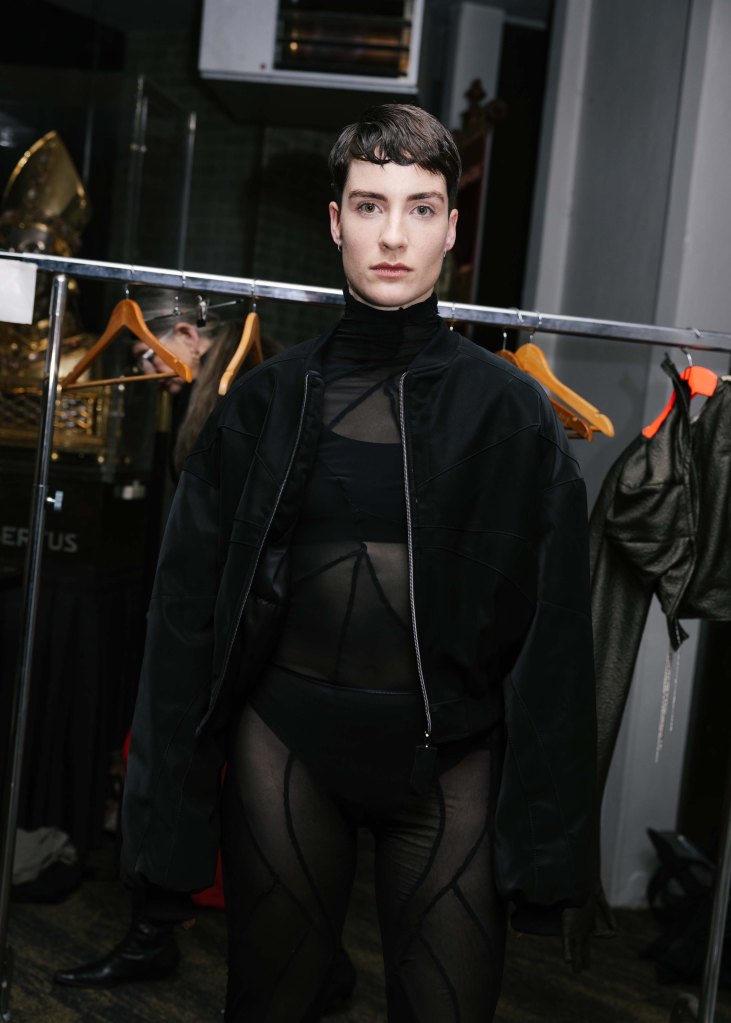
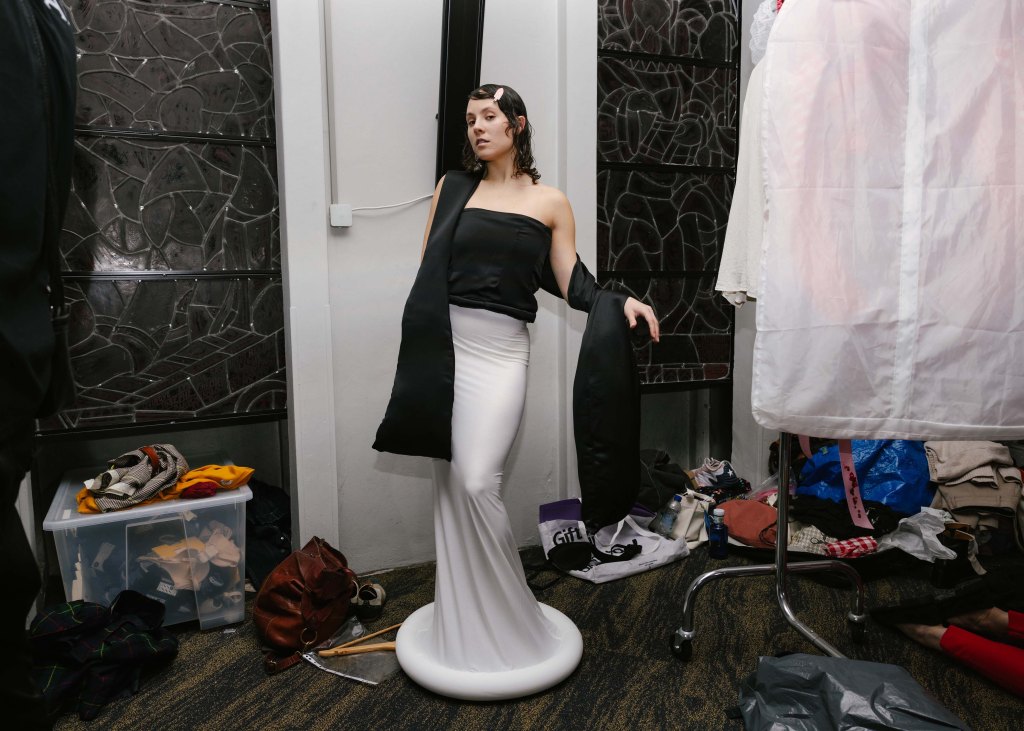
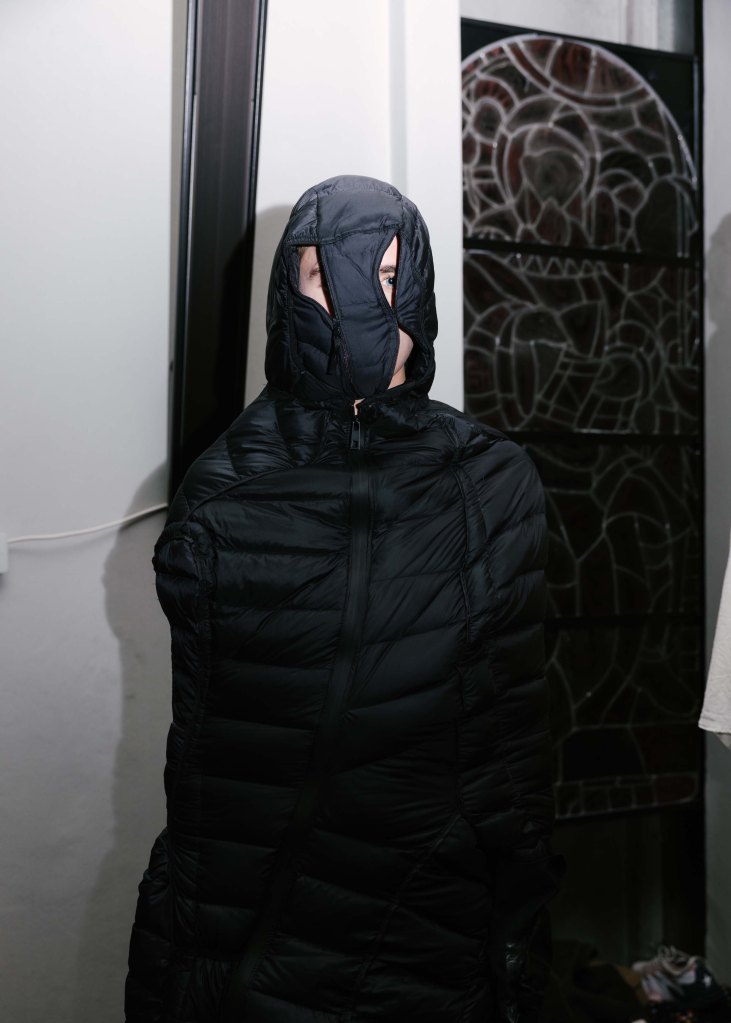
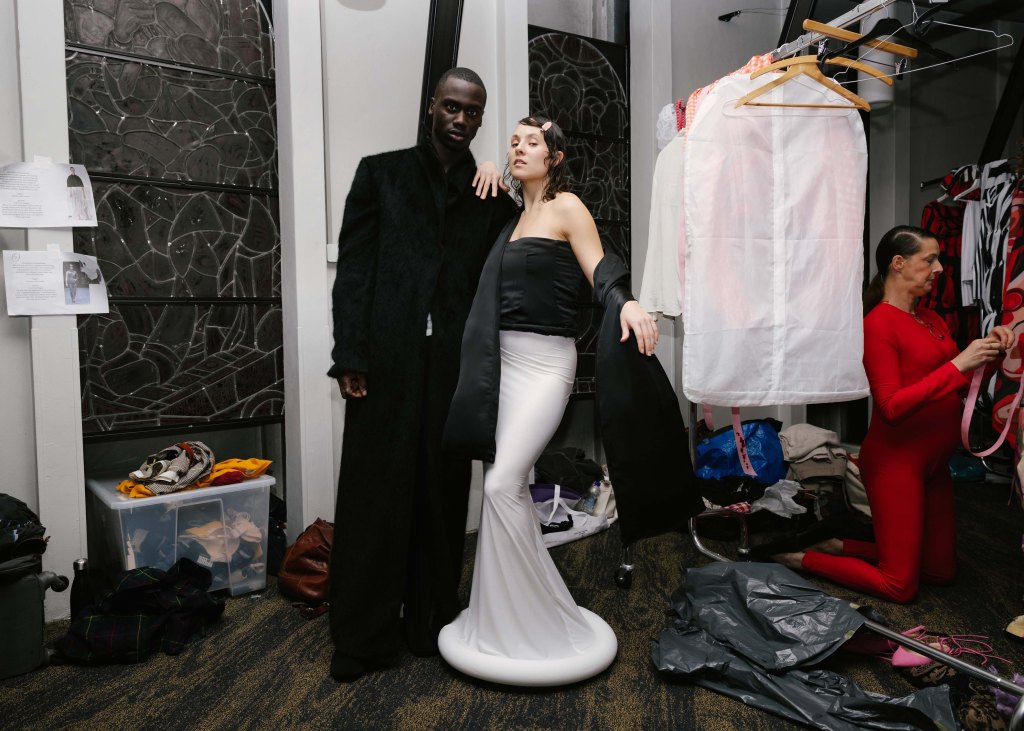
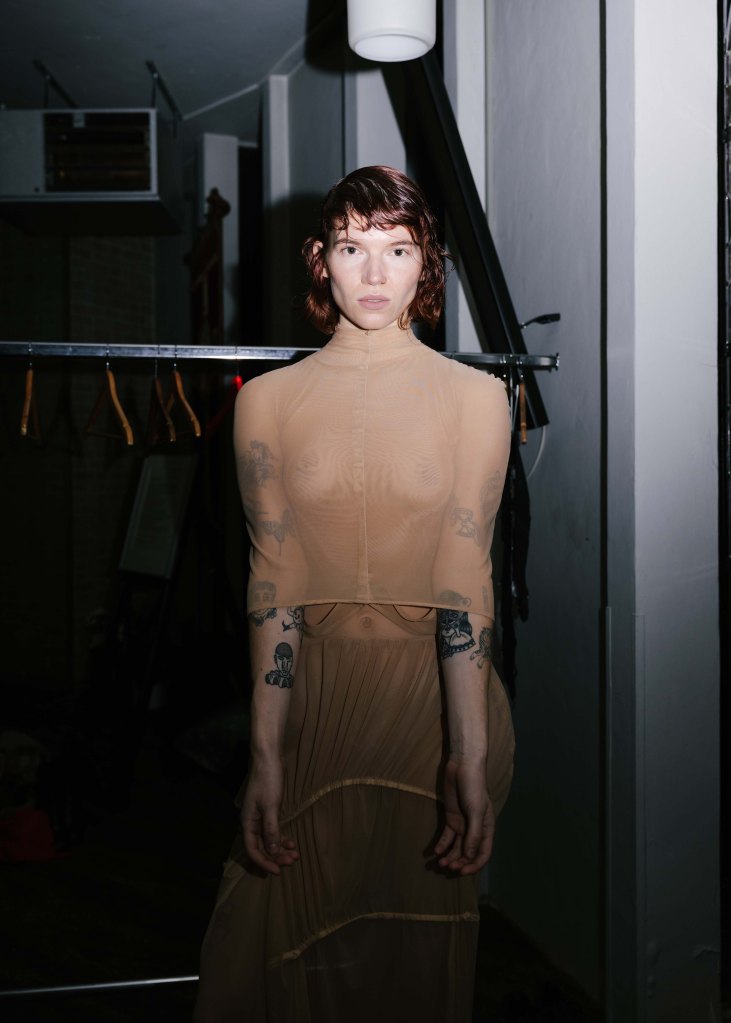
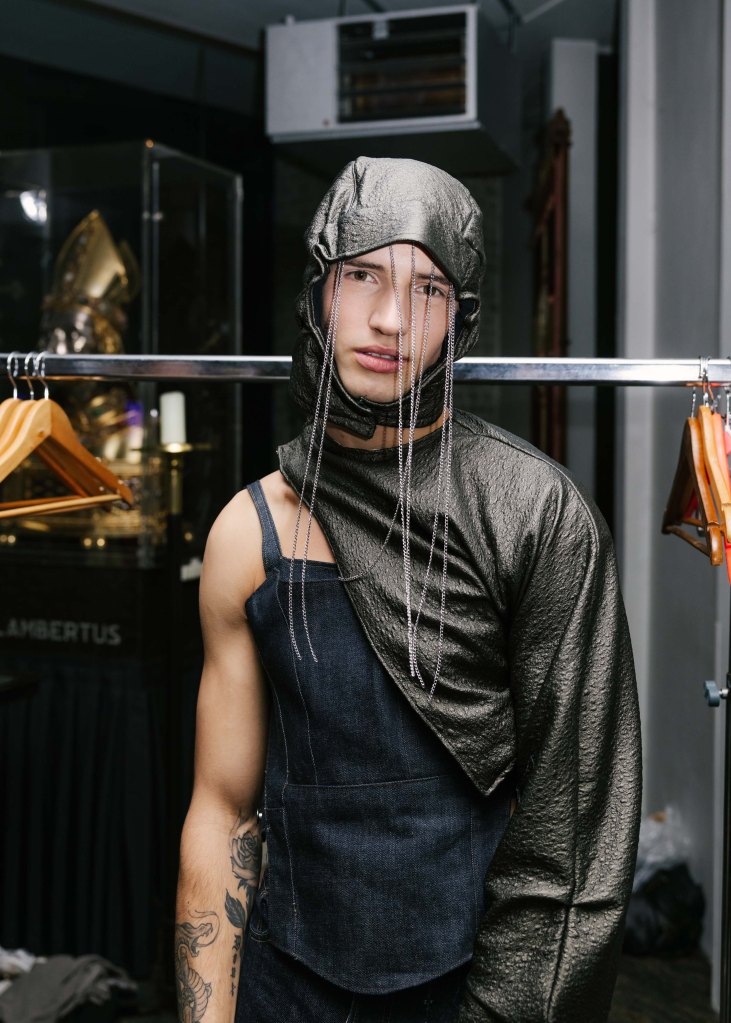






Photography by Laura Knipsael, Mitch van Schijndel, Ruben Hildes
Words by Mira W.
 33 MAGAZINE