

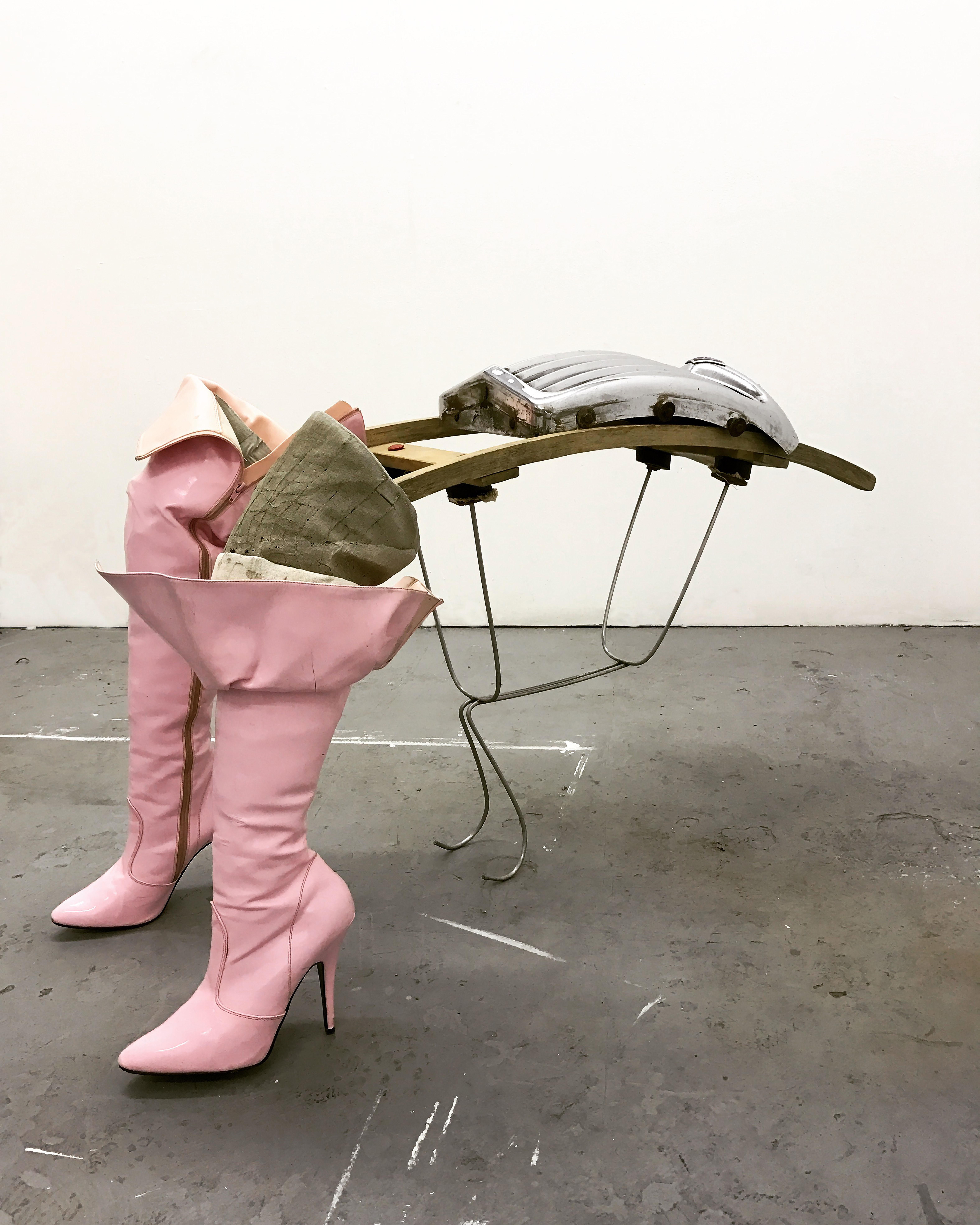
In an era where the boundaries of contemporary art are continually expanding, James Tailor emerges as a formidable force, intricately weaving together personal narratives and broader societal themes through his innovative use of found materials. Based in London, Tailor crafts a compelling artistic practice that marries wall-based paintings with freestanding sculptural assemblages. This duality not only reflects his commitment to exploration but also serves as a profound commentary on memory, identity, queerness, and the multifaceted nature of the human experience.
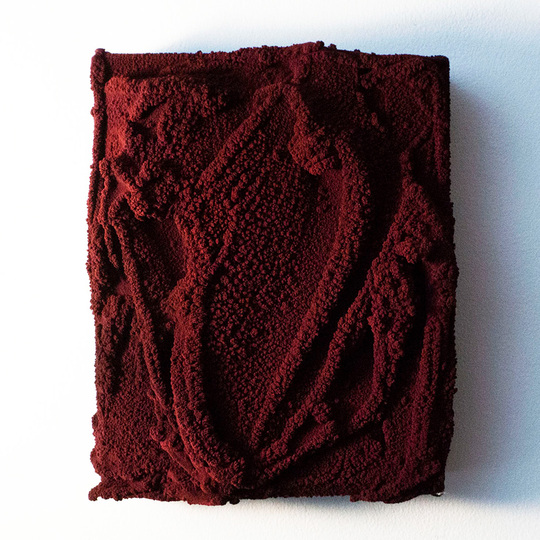
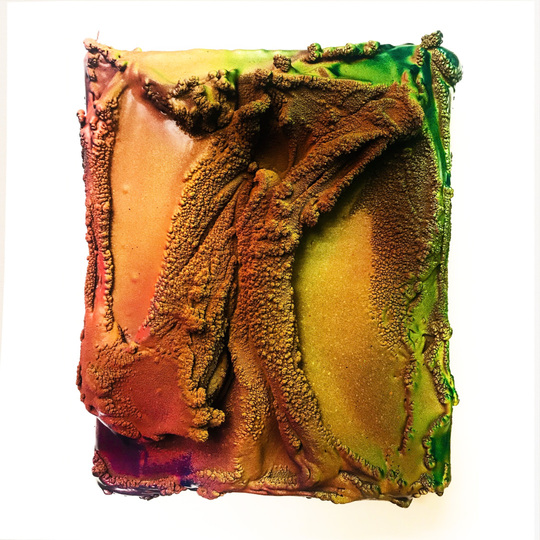
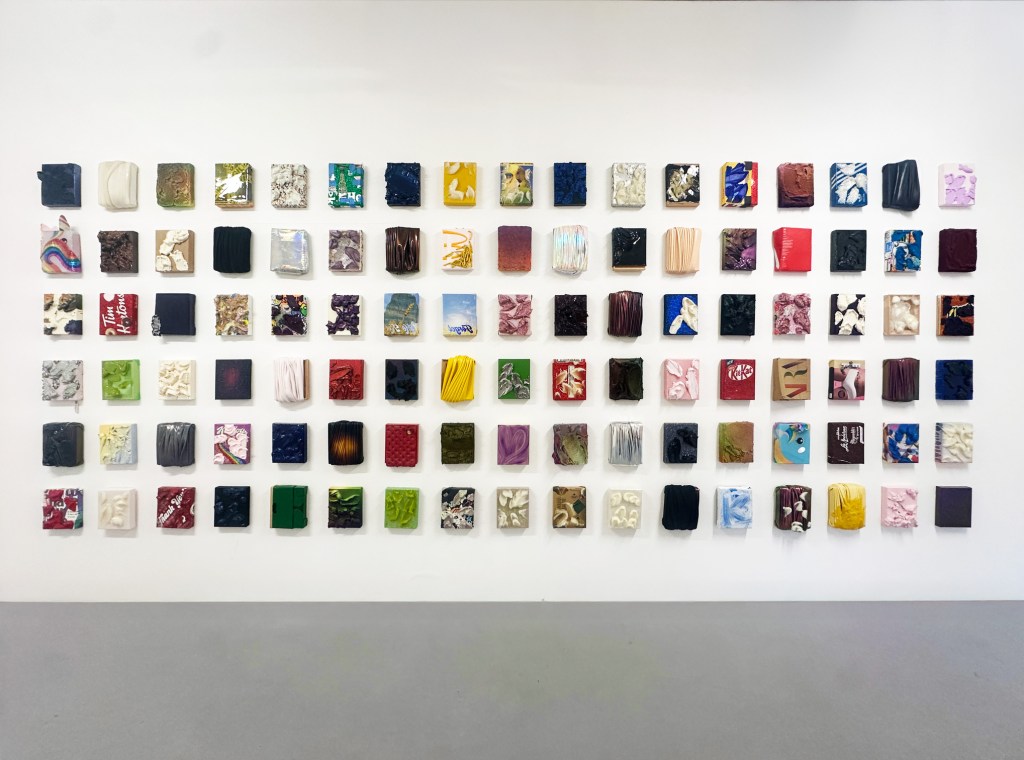
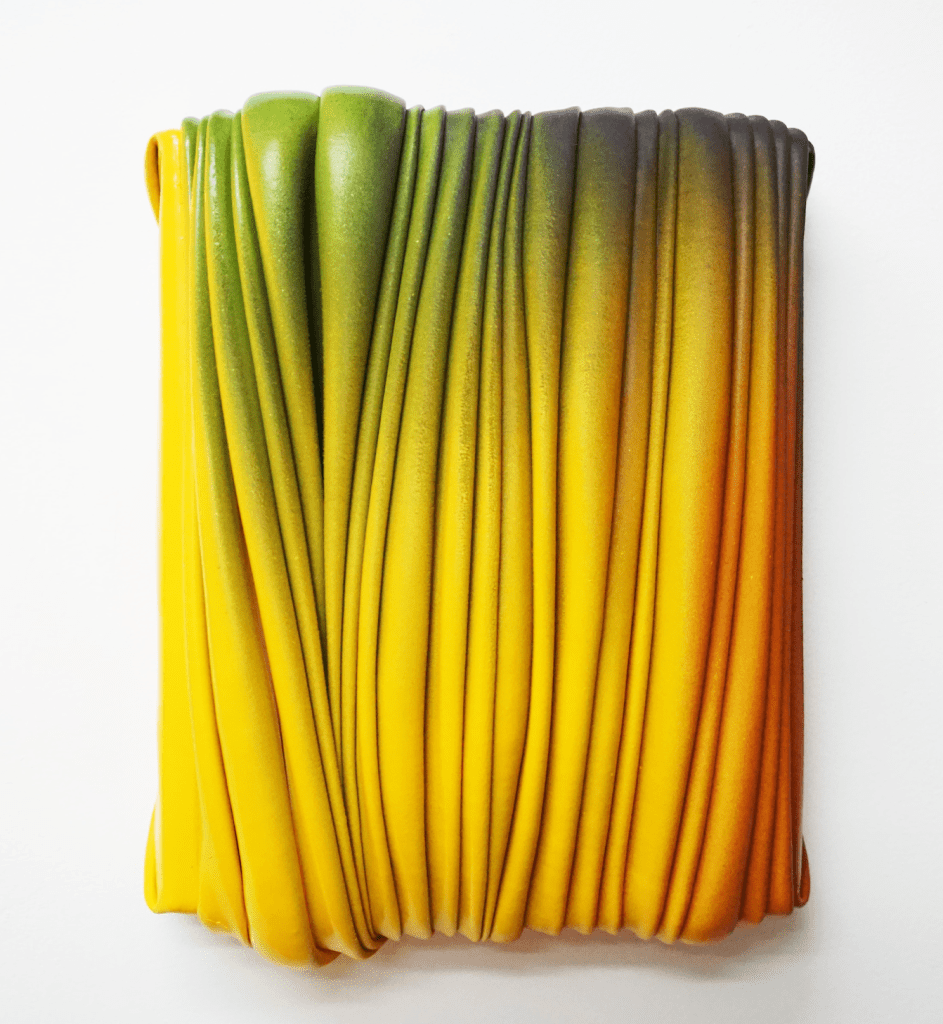
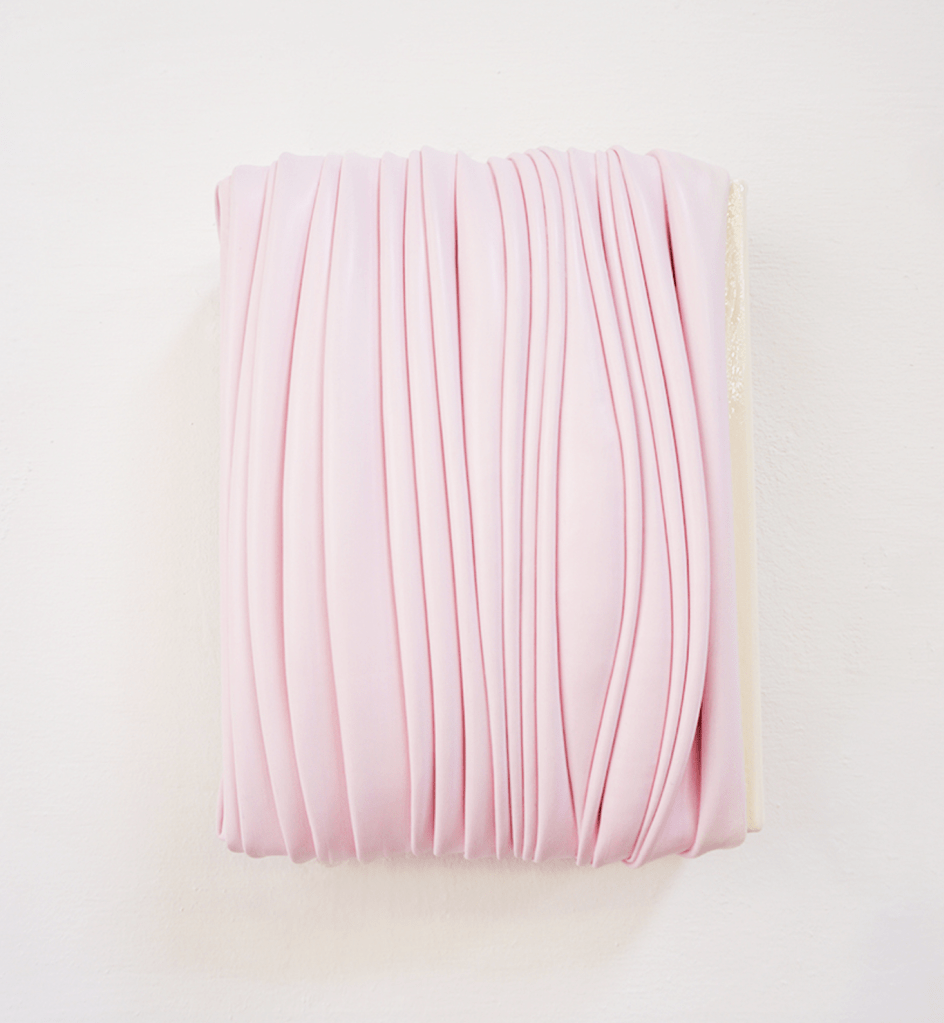
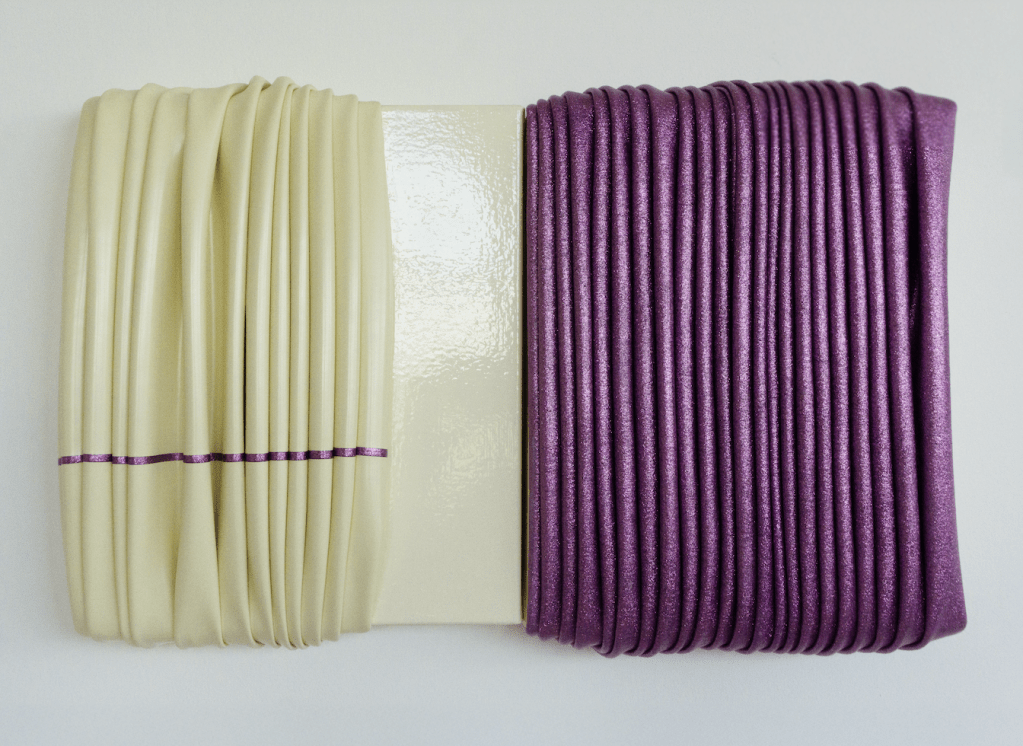
Tailor’s artistic journey is a tapestry of academic achievements and transformative experiences. After completing his BA in Fine Art at London Metropolitan University in 2015 and earning an MA from Central Saint Martins in 2017, Tailor’s talent was recognized when he received the prestigious Helen Scott Lidgett Acme Award. This accolade granted him a year-long rent-free studio and a £5K grant, propelling his artistic career forward. His involvement in PEER’s Bound program further solidified his standing within the art community, as did his role as artist-in-residence at the Alexander McQueen Foundation, Sarabande. The crux of Tailor’s poignant work lies in the intersectionality of identity and memory, underscoring themes such as class, sexuality, and resilience. With a relentless curiosity for material exploration, he employs labor-intensive techniques to deconstruct and re-contextualize paint. His innovative process includes the creation of self-made paint skins and the manipulation of coagulated paint, allowing him to transcend traditional artistic boundaries. Through these methods, Tailor forges a dynamic interplay between surface and structure, inviting viewers to engage with his work on a visceral level.
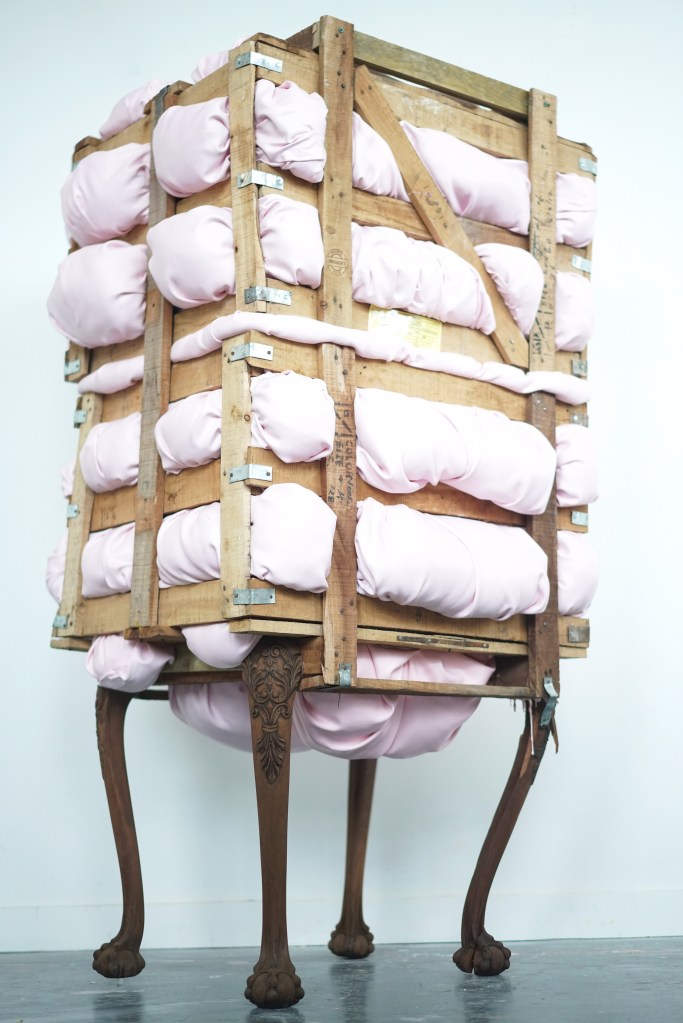
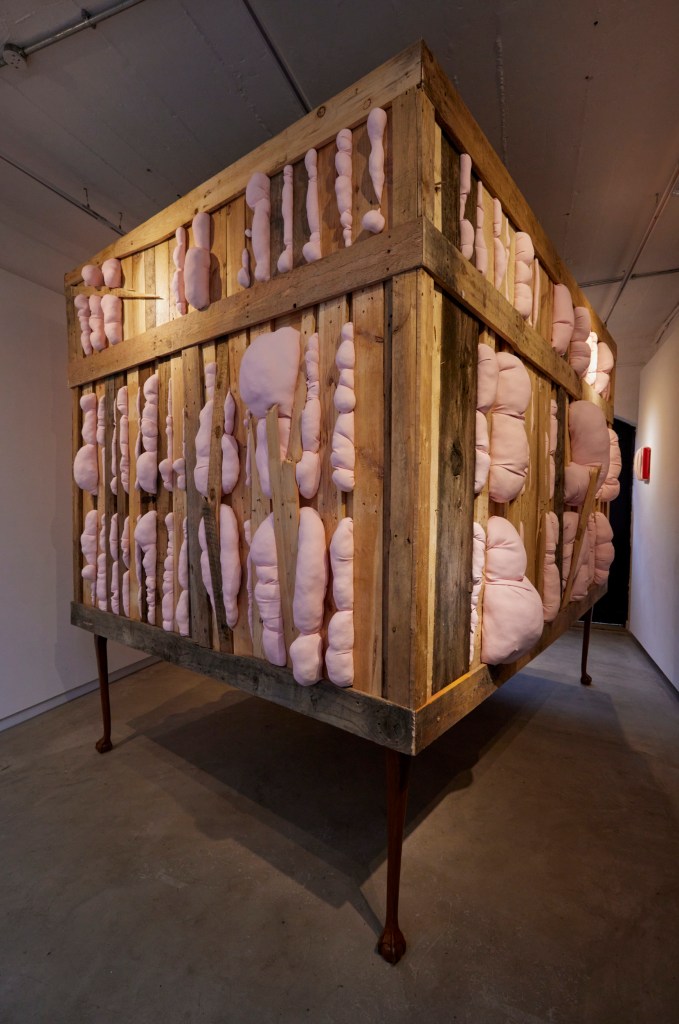
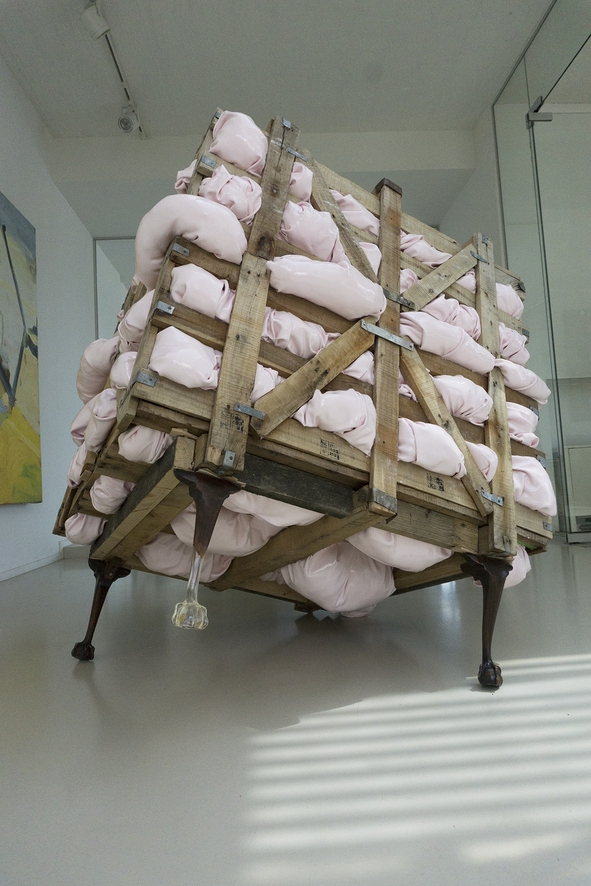
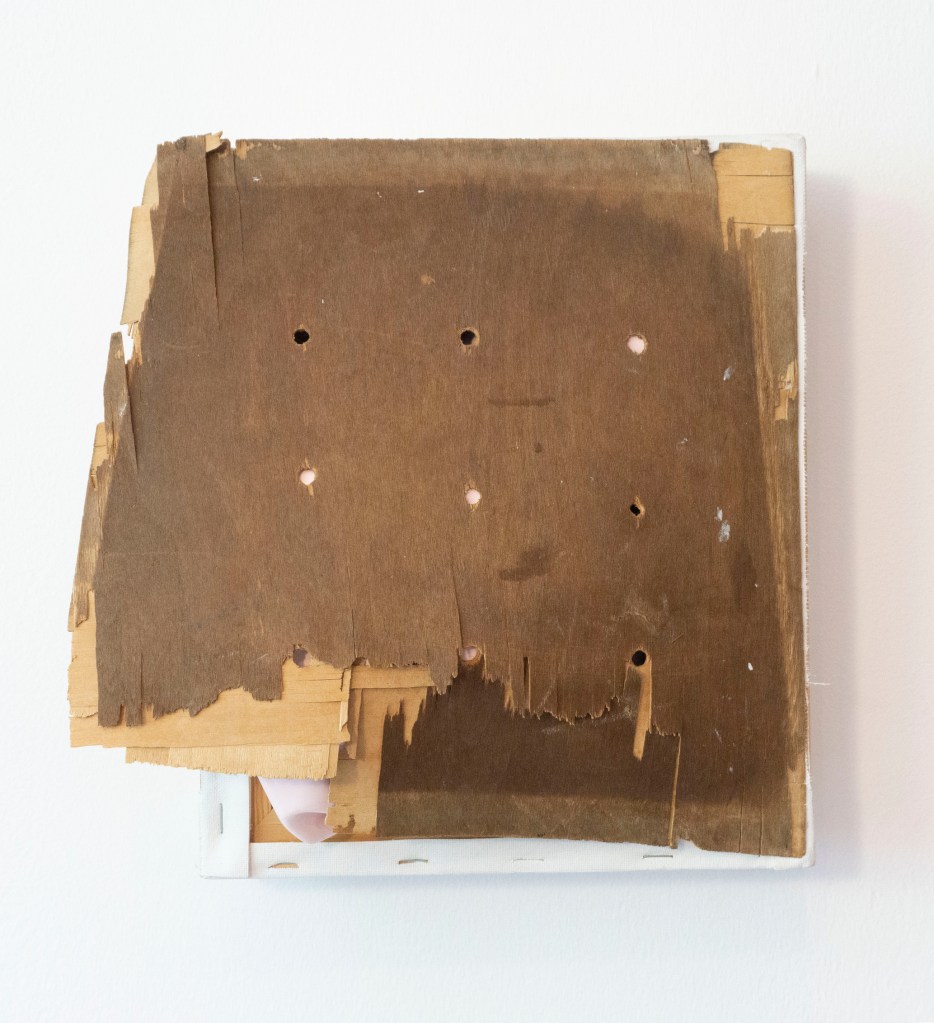
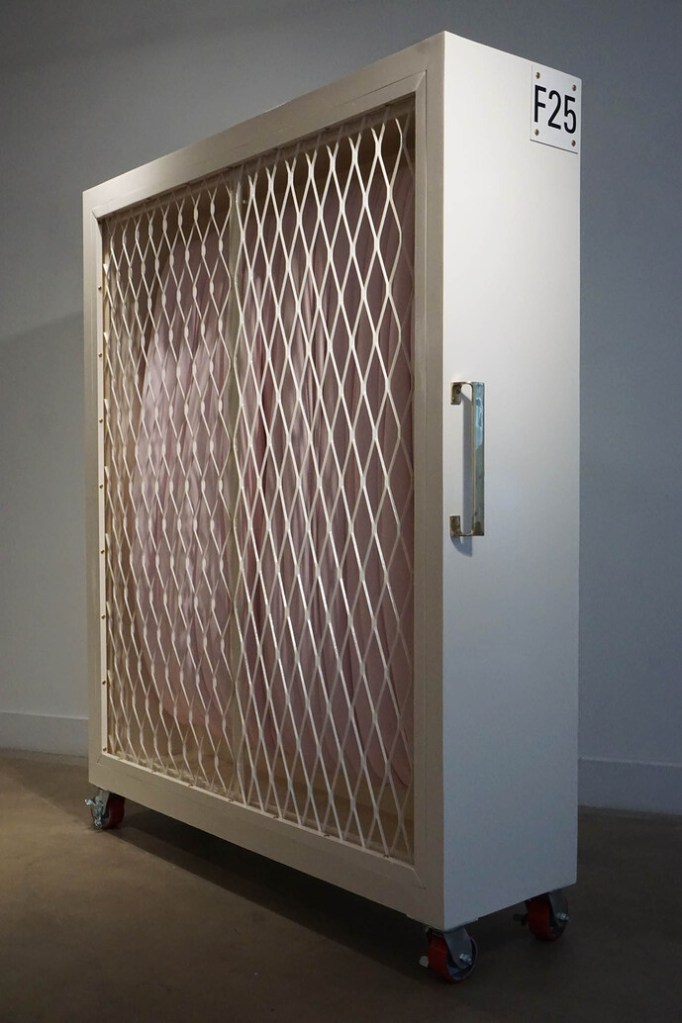
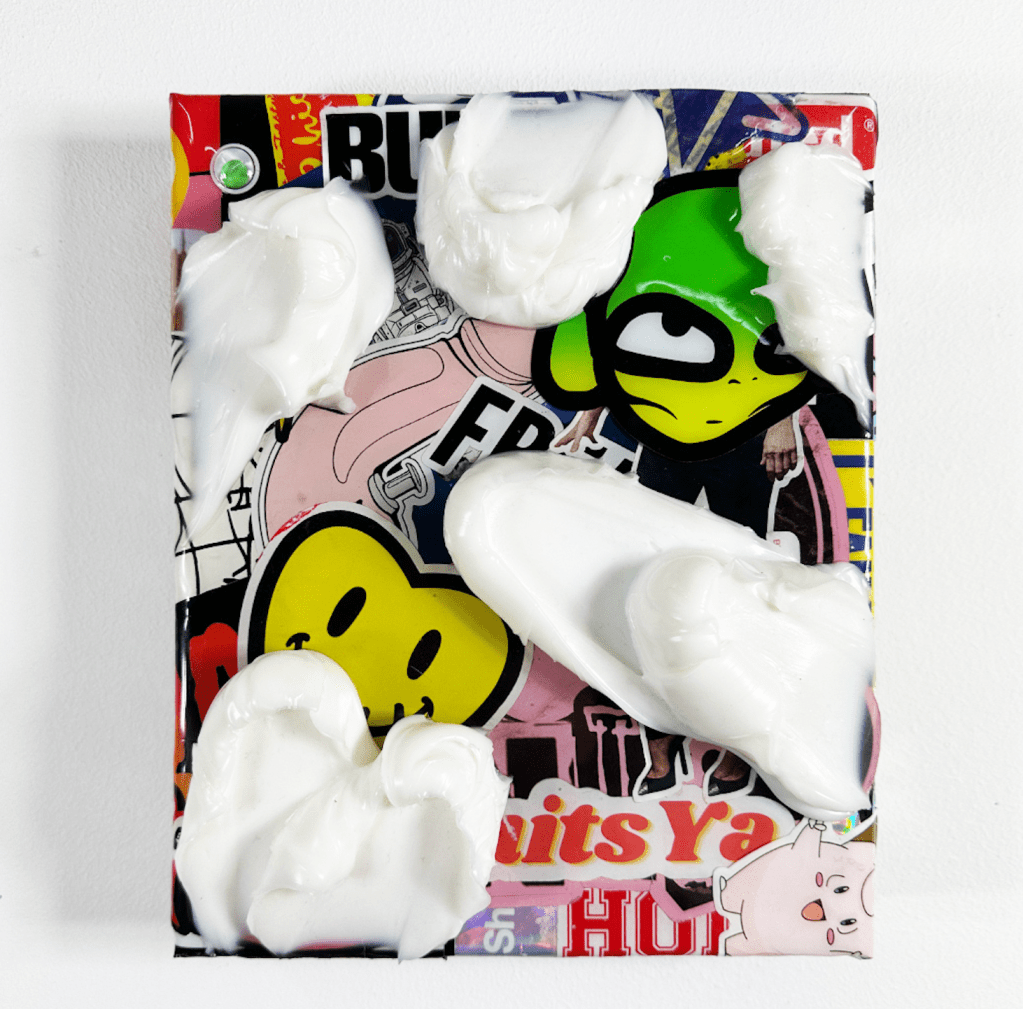
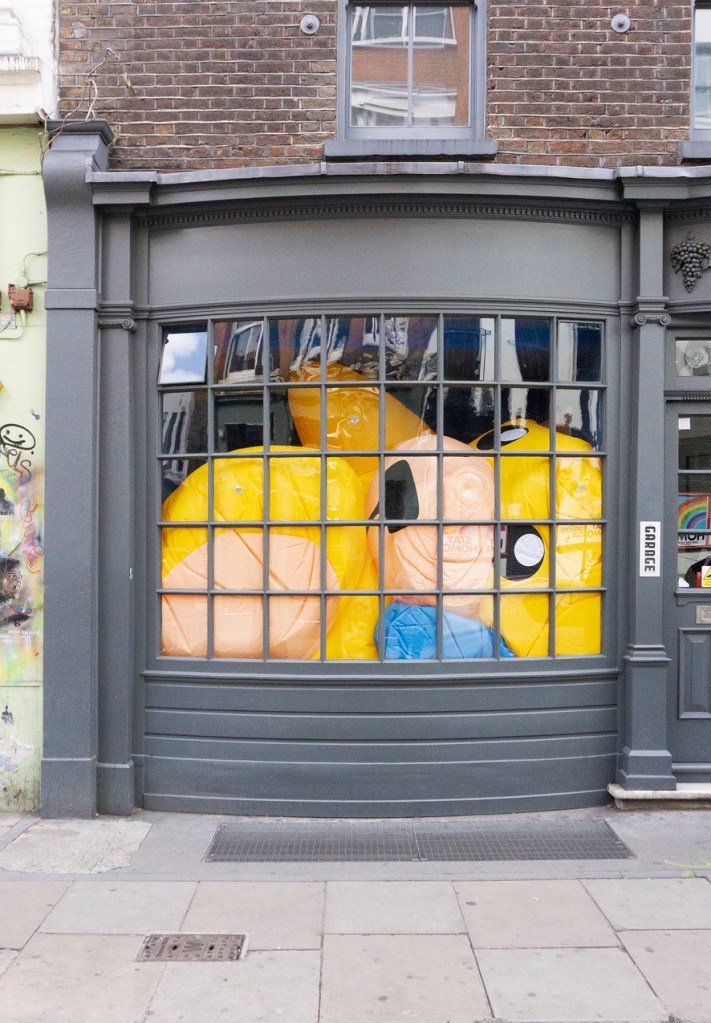
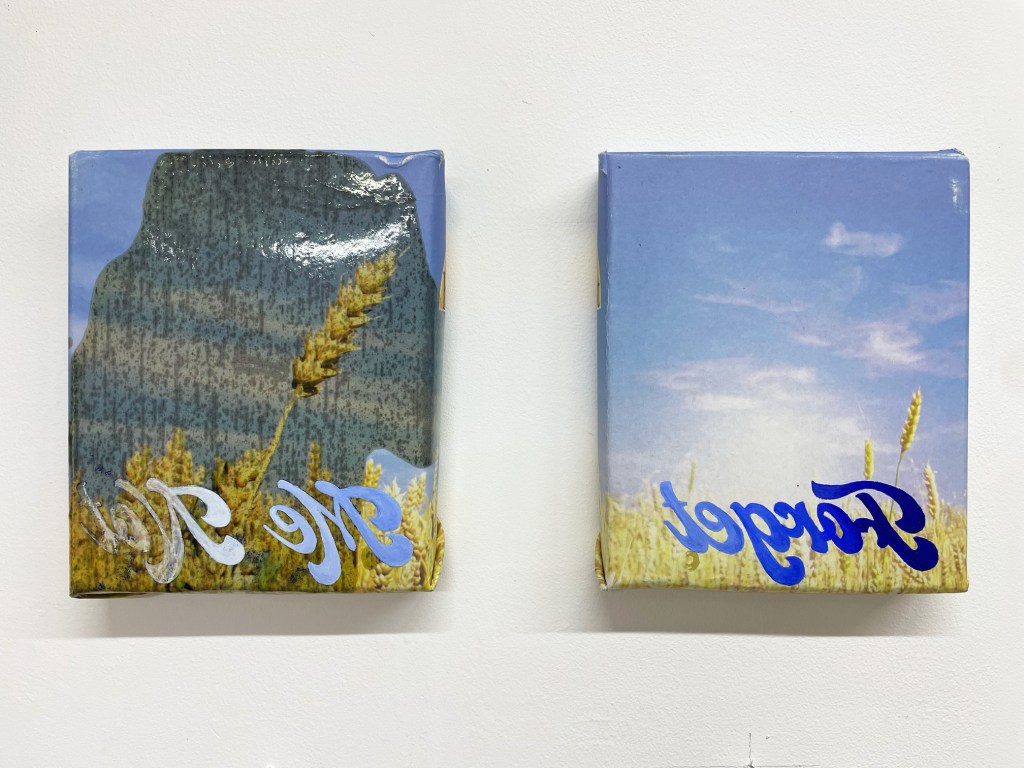
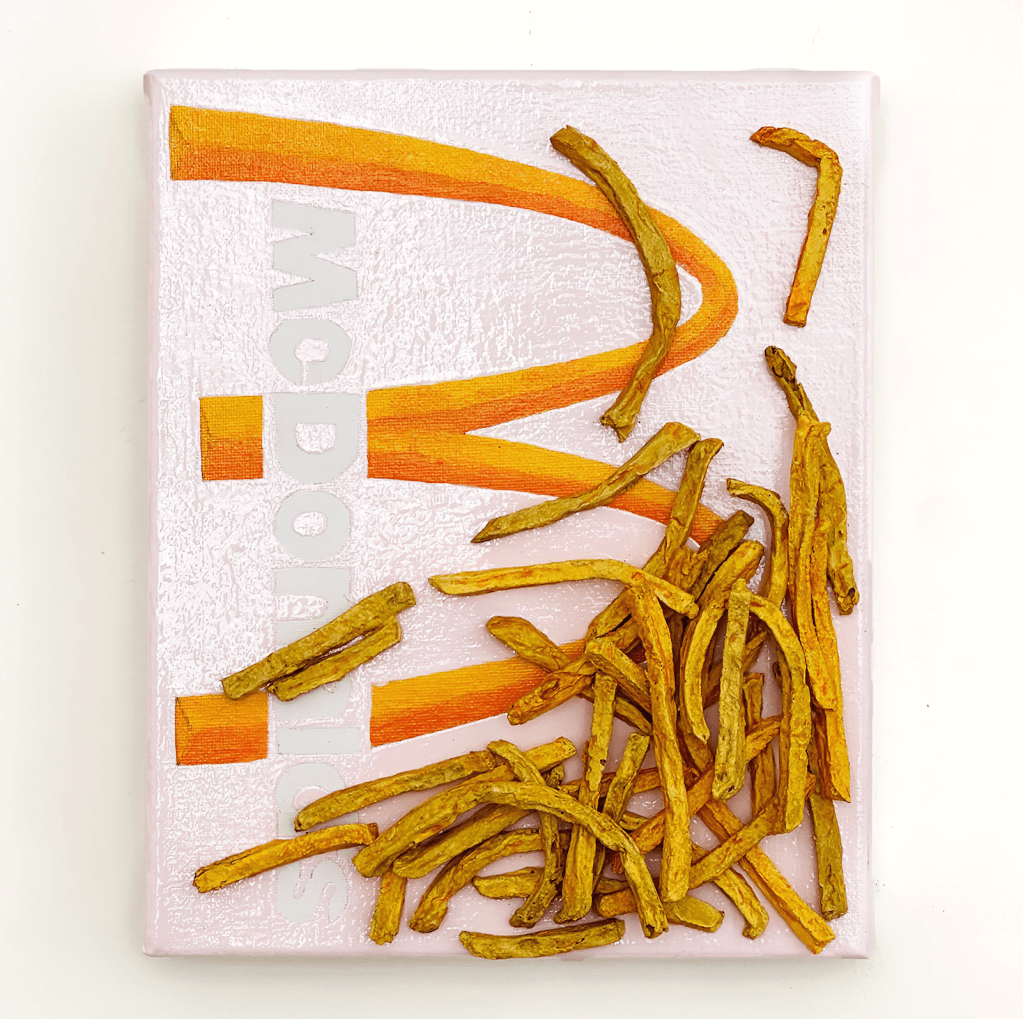
The hallmark of Tailor’s oeuvre is the art of assemblage, where he breathes new life into discarded objects, imbuing them with fresh narratives that resonate with themes of tension, loss, and transition. For Tailor, these objects are not mere materials; they embody moments of past significance and shared human experience. By reassembling them into new forms, he not only honors their histories but invites viewers to reflect on their own pivotal moments, transforming imperfection into symbols of hope and renewal.
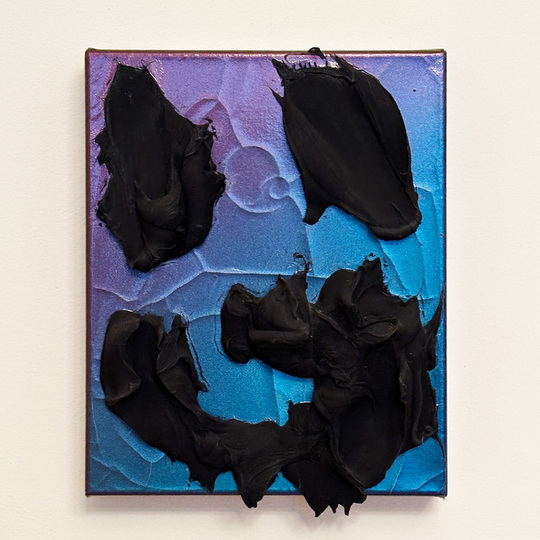
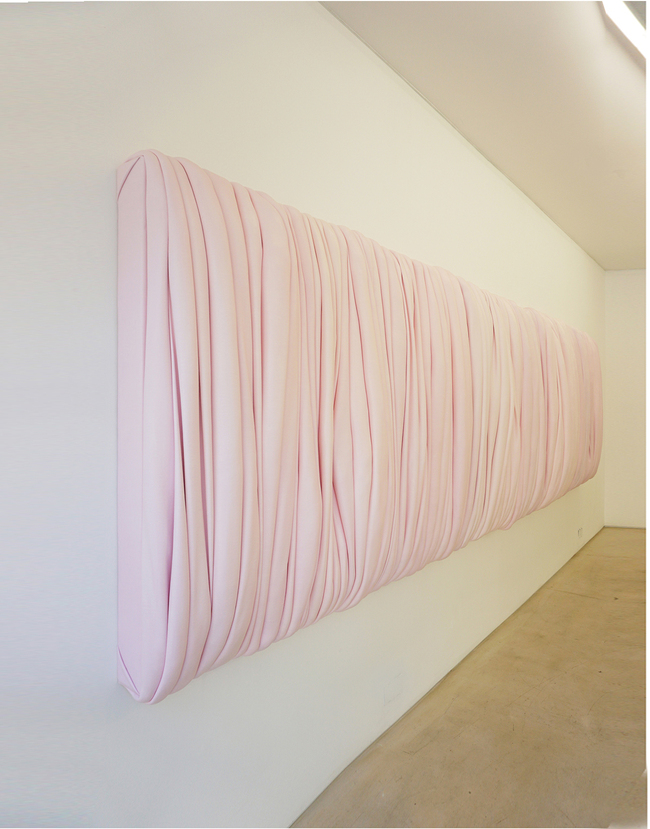
The discarded items he chooses inherently carry histories of abandonment and wear, speaking to Tailor on a deeply personal level. This connection to the past enables a poignant dialogue in his artwork, where he juxtaposes these found materials with luscious layers of acrylic paint, creating a sublime texture that challenges traditional aesthetic values. The emotional tension that arises from this juxtaposition encapsulates an ongoing struggle: folds of paint seem to teeter on the brink of collapse, yet they simultaneously exude a sense of profound hope and possibility.
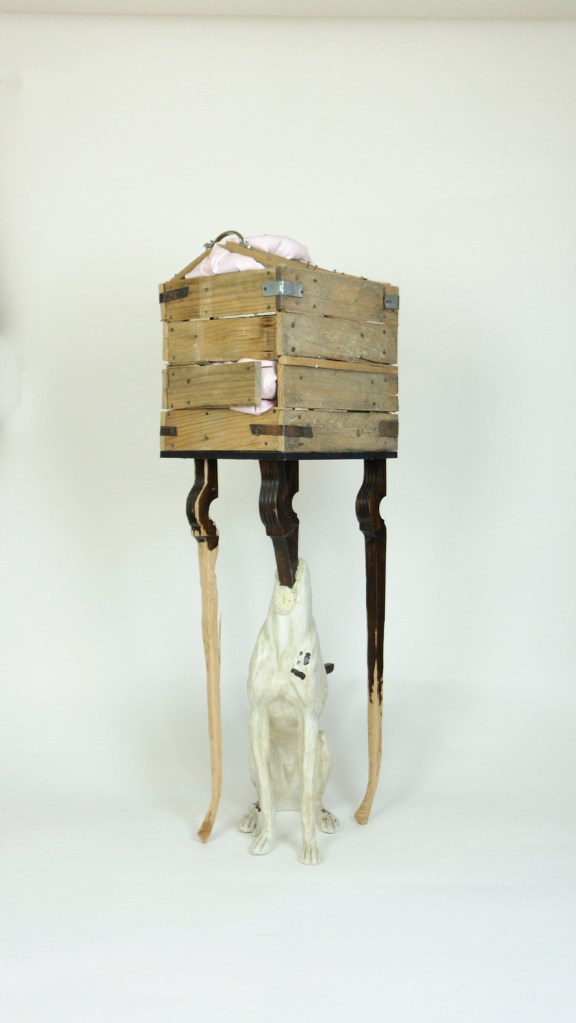
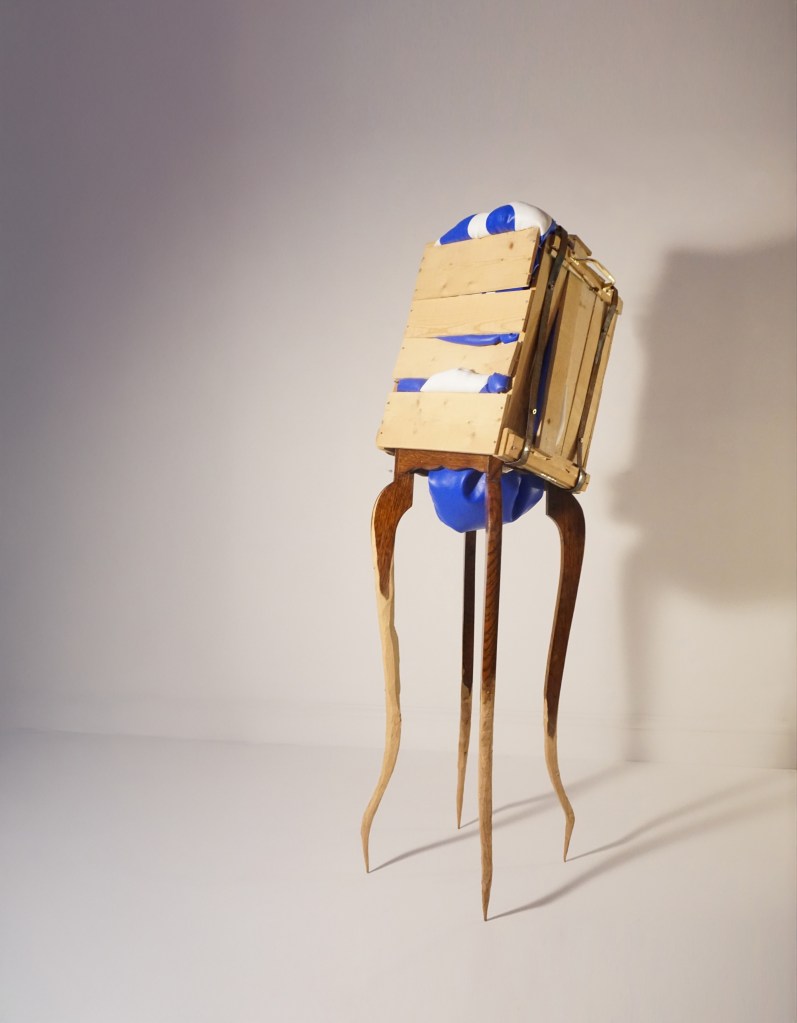
A significant turning point in Tailor’s artistic practice occurred following the loss of a close family member. This experience of grief catalyzed a transformative embrace of the color pink—an emotionally fraught hue he had previously avoided due to its societal connotations. In his works, pink became a poignant emblem of vulnerability, strength, and the intricate dance between uncertainty and resolve. Through this exploration, Tailor creates a bridge between the deeply personal and the universally human, inviting viewers to confront and navigate their own complexities.
Furthermore, Tailor’s exploration of the body, skin, illness, and mortality breathes life into his anthropomorphic assemblages. Through the interplay of rigid industrial materials and fluid, sensual forms, his work addresses unsettling narratives about love, loss, and belonging. It compels the viewer to engage not only with the visual aesthetic but also with the deeply felt emotional currents that run through it.
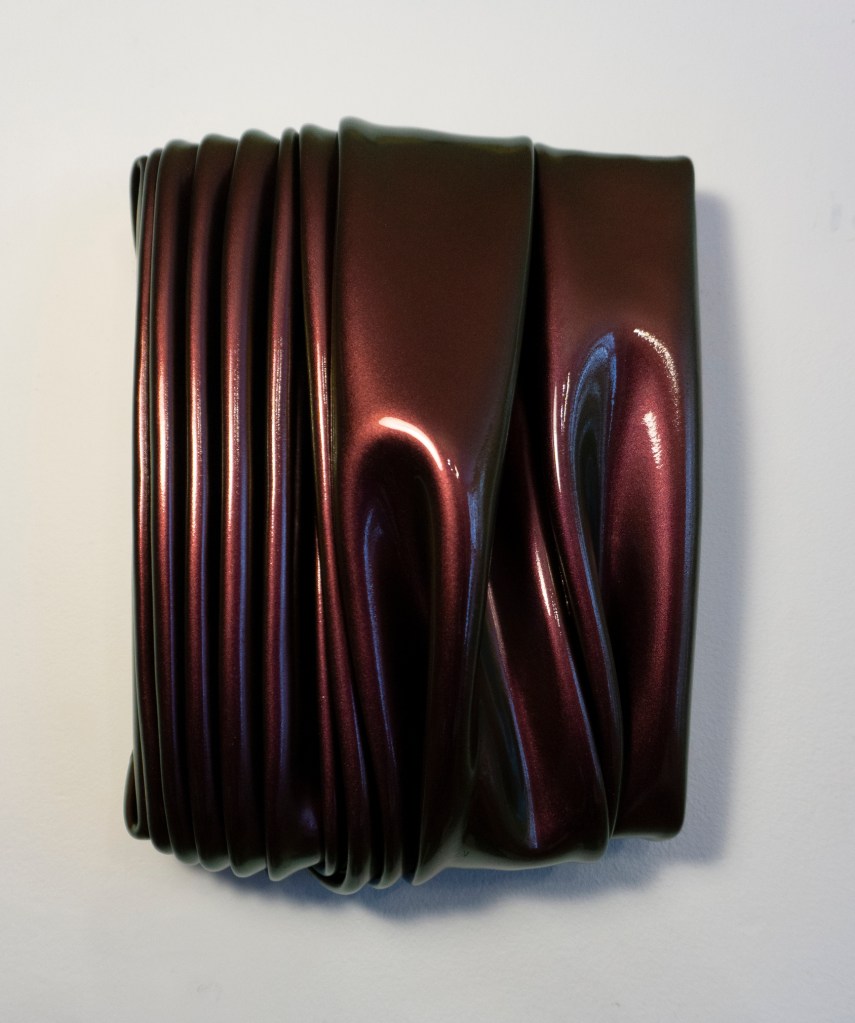
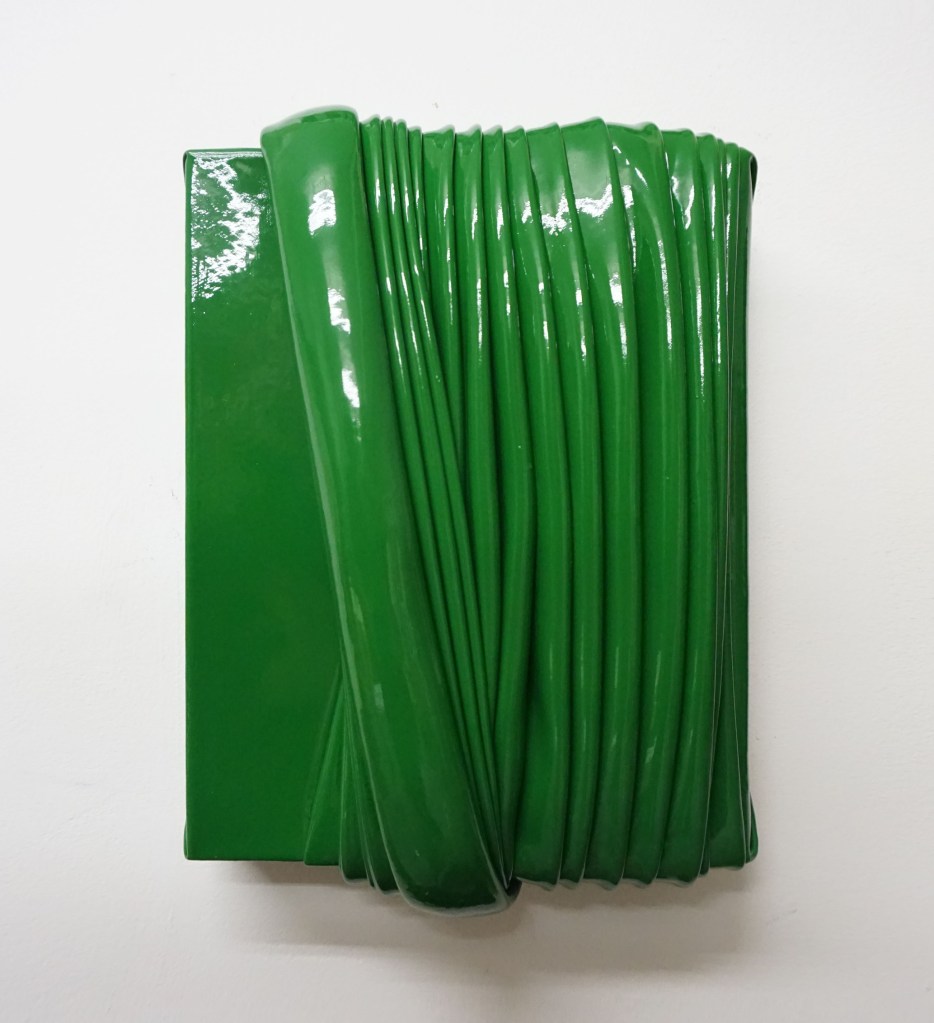
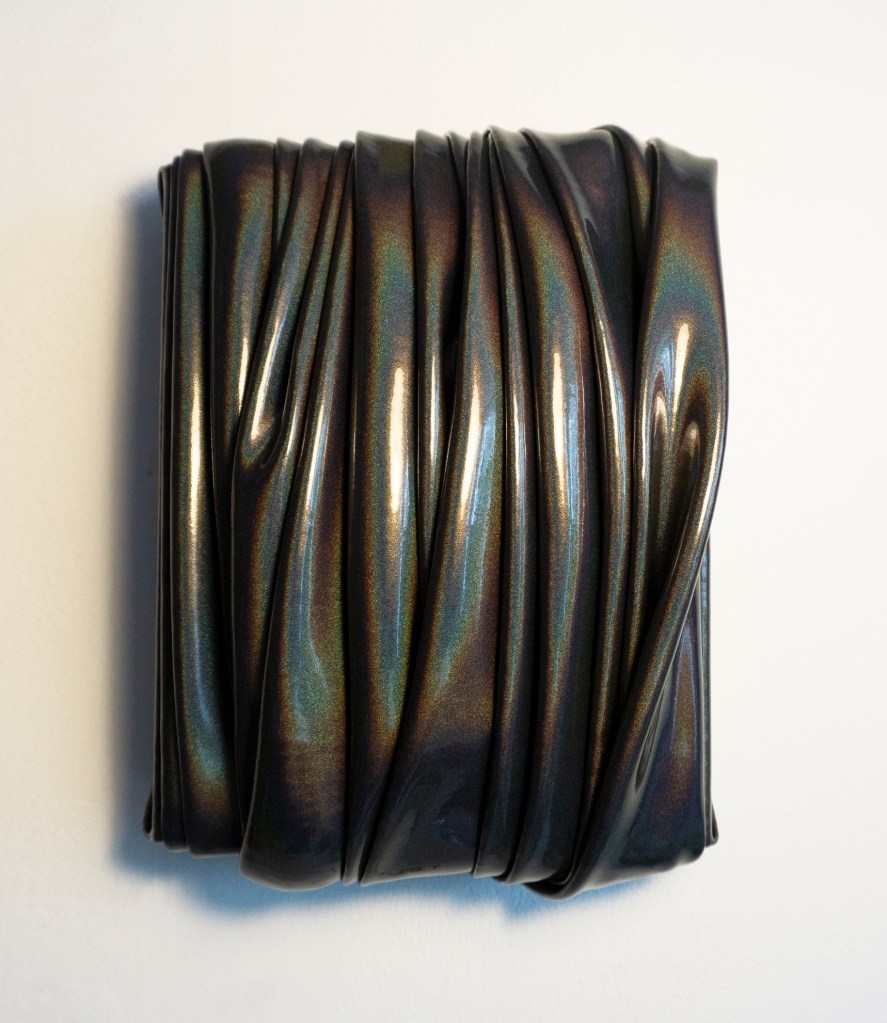
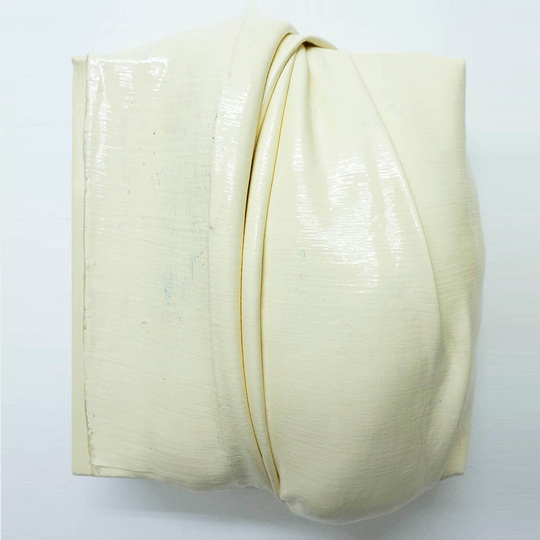
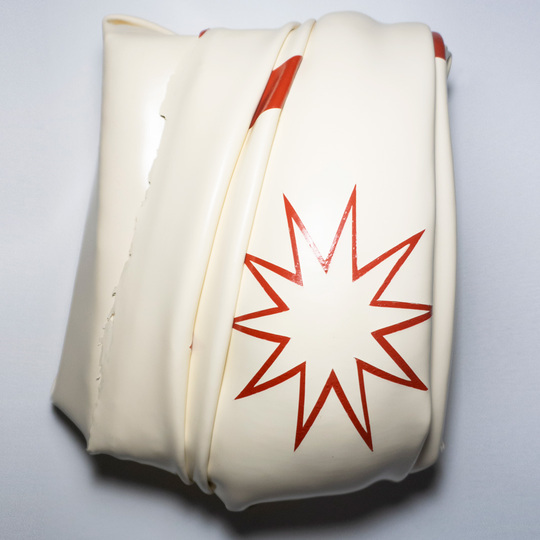
Rooted in his working-class background, Tailor’s practice challenges the elitism that often permeates the contemporary art scene. By repurposing and re-envisioning everyday objects from his upbringing, he critiques the boundaries of high art, asserting that what is deemed worthy of artistic expression can evolve from the mundane. His commitment to using found materials serves as an educational beacon, highlighting the importance of sustainability in art and inspiring future generations to look at creativity through the lens of responsibility and innovation.
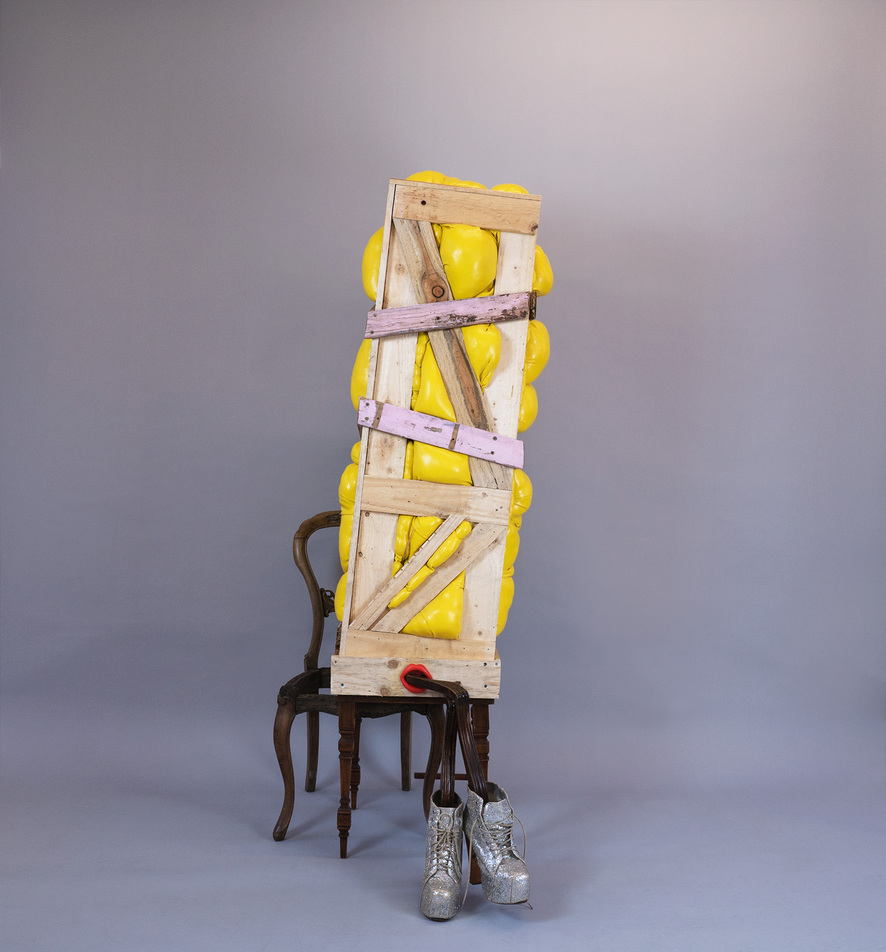
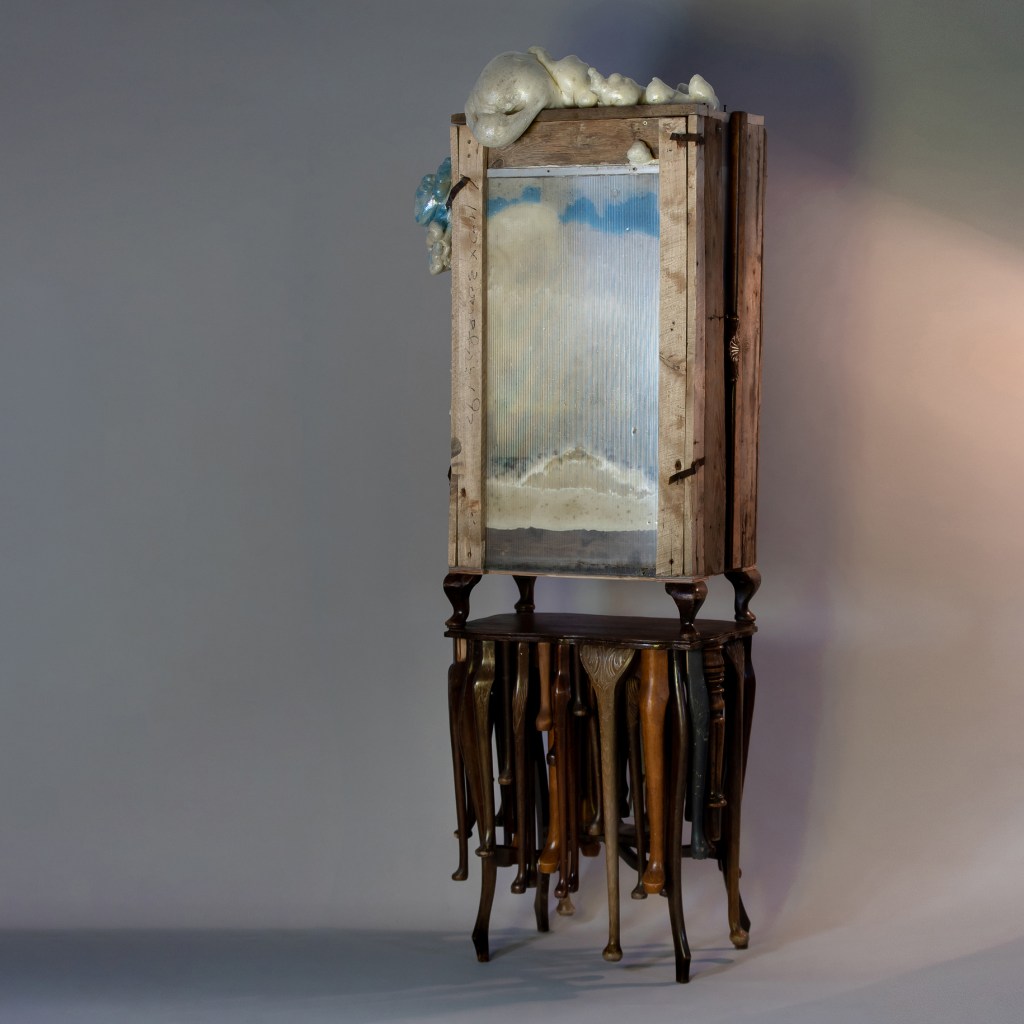
As Tailor showcases his work in group exhibitions across London, Japan, Brussels, and Antwerp, he continues to push the conversation surrounding identity and transformation. Collaborations with notable figures such as Nick Knight for Kanye West’s “Black Skinhead” music video and meaningful contributions to LGBTQI initiatives underline his dedication to advocacy and social responsibility. Through his artistry, he nurtures a sense of community and solidarity, creating spaces for dialogue around issues of identity and belonging.
In a world that often seems fragmented, James Tailor’s art emerges as a powerful testament to the resilience of the human spirit. Each piece hecreates encapsulates the journey of survival and transformation, echoing the reality that even in times of upheaval, the possibility for renewal exists. He demonstrates that while the process of becoming can be imperfect and laden with challenges, it is a journey worth taking.
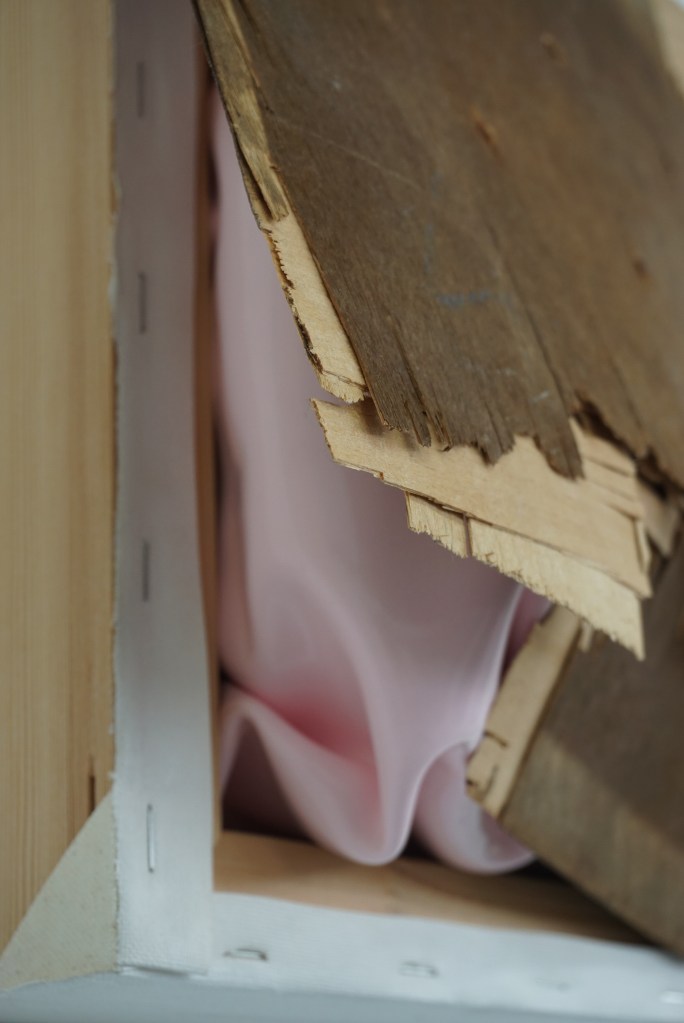
James Tailor’s work not only captivates the eye but also stirs the heart. His art stands as a vivid reminder that transformation, rooted in personal and collective histories, can lead to greater understanding and connection. Through the innovative use of found materials, Tailor educates and inspires, championing a future where art serves not only as a medium of expression but also as a vehicle for hope and change. In every brushstroke and assemblage, he asserts his place within the narrative of contemporary art, illuminating pathways for others to follow in the pursuit of their own identities and stories.
Follow James Tailor Art HERE
 33 MAGAZINE