

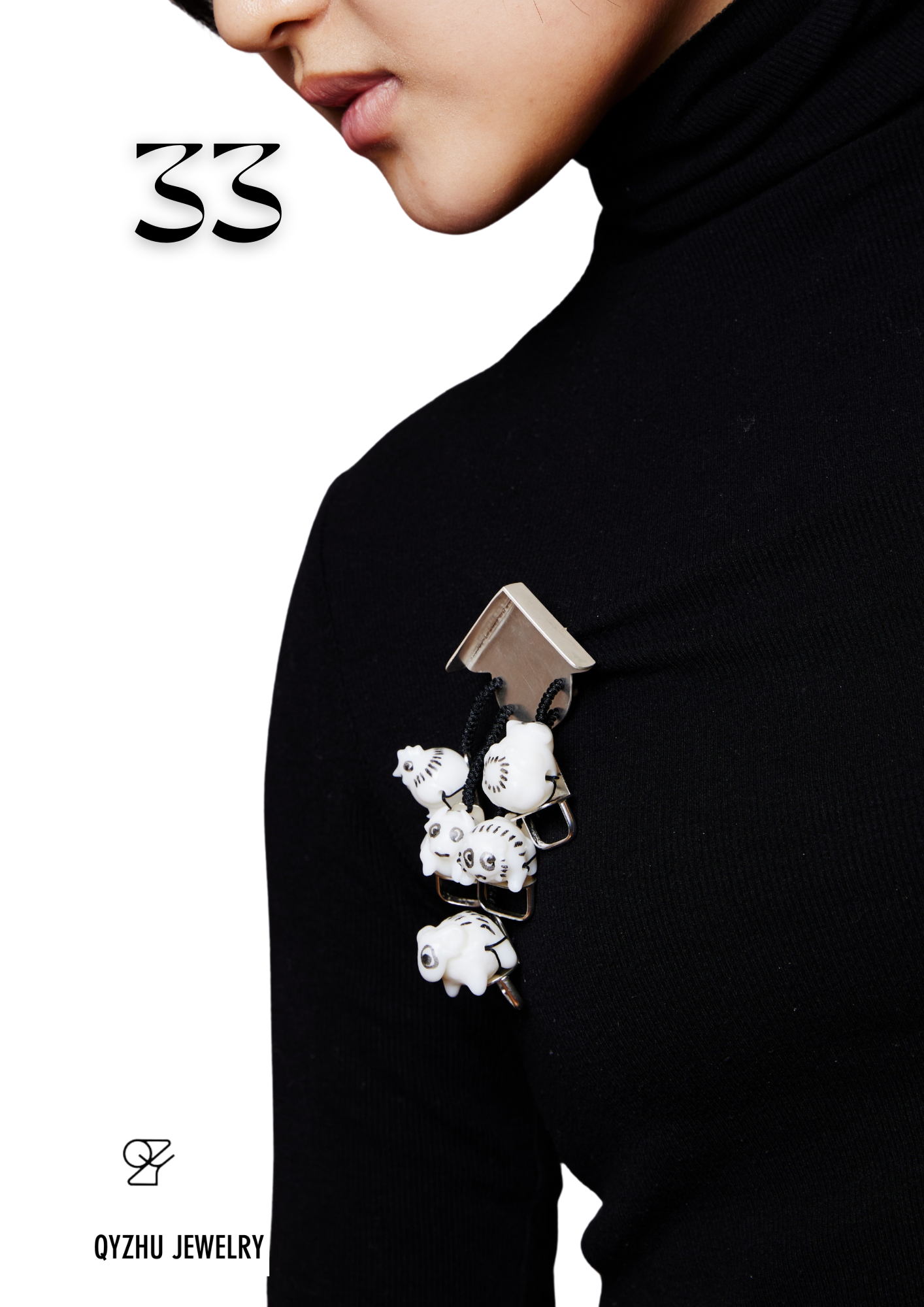
Few artists encapsulate the spirit of innovation and personal expression quite like Qianying Zhu in contemporary jewelry design. Dedicated to her craft, Zhu embarks upon a profound journey as a jewelry designer, where she weaves together the delicate threads of artistry and self-exploration. Her focus on artistic jewelry is not merely a pursuit of aesthetics; it is a deeply personal odyssey that allows her to observe and interpret the unique characteristics of various objects, translating their essence into a diverse tapestry of artistic mediums including painting, jewelry, and beyond.
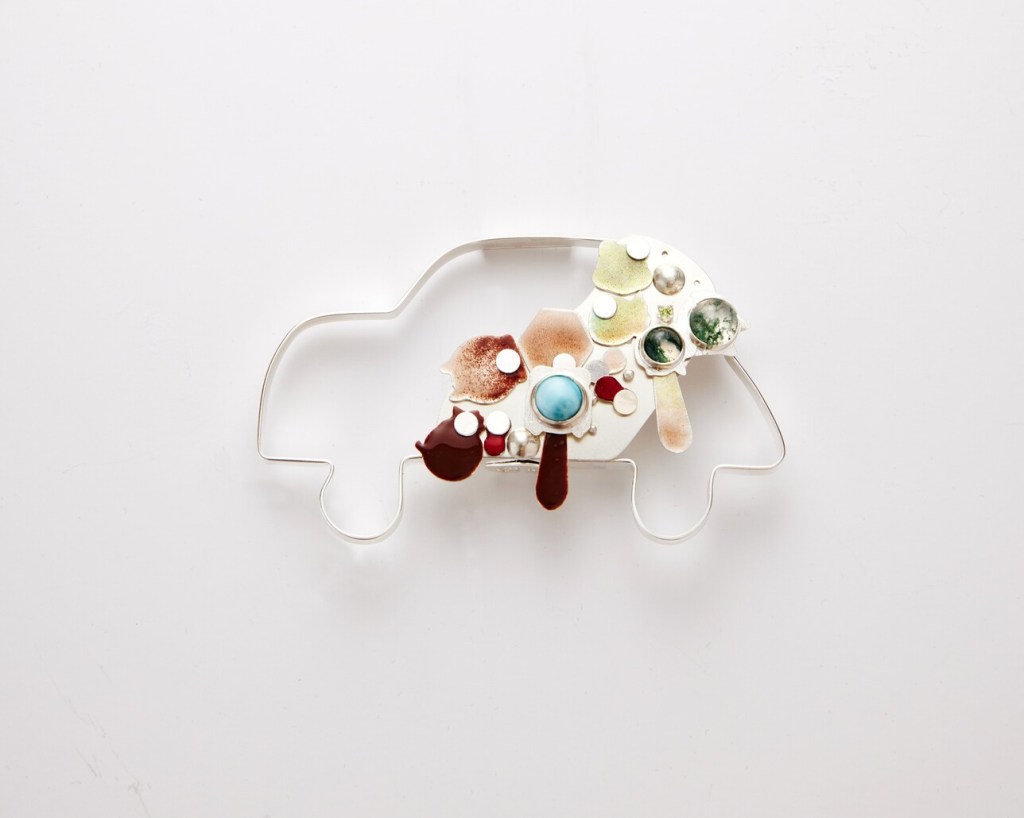
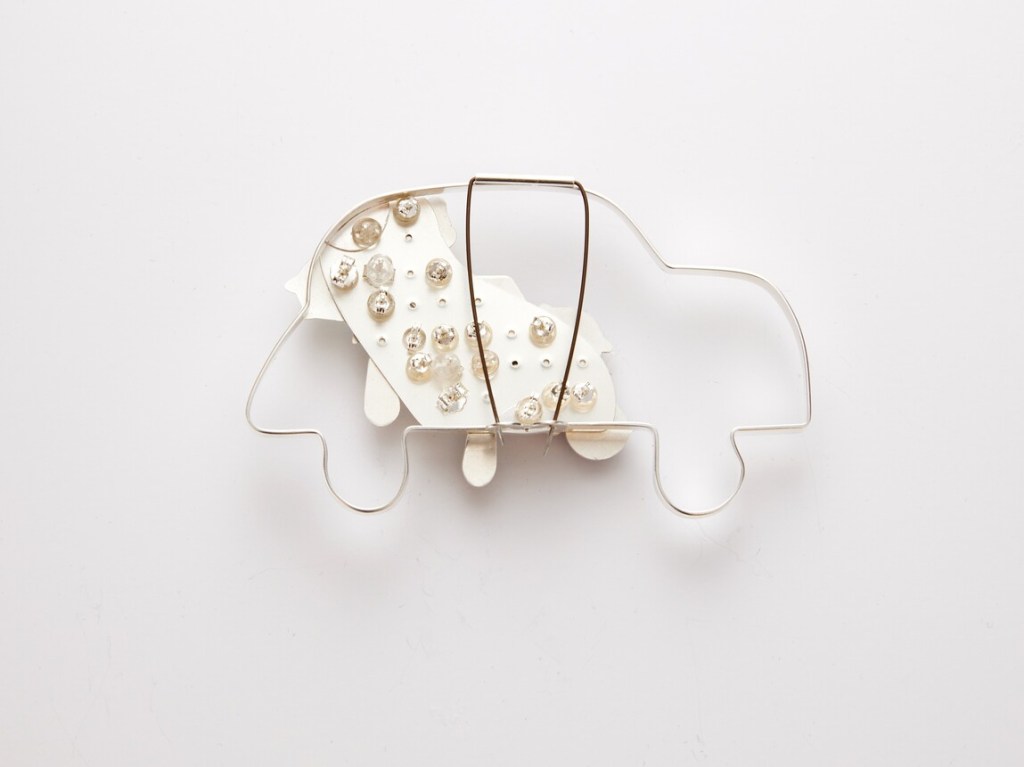
Zhu’s creative process is marked by a distinctive approach to materiality, where she seamlessly blends an array of substances to achieve an exquisite balance and harmony in her designs. Her willingness to experiment with different materials reflects her commitment to exploring the myriad possibilities of expression, as she rigorously practices and refines her techniques. This relentless pursuit of perfection and understanding helps her identify the thematic undercurrents that run through her work. At the heart of Zhu’s artistry lies her engagement with a range of casting methodologies. This dynamic interplay of heat and form imbues her creations with a sense of life, transitioning from moments of scorching intensity to serene coolness, giving rise to an array of vibrant shapes and animated designs that resonate with energy and emotion.
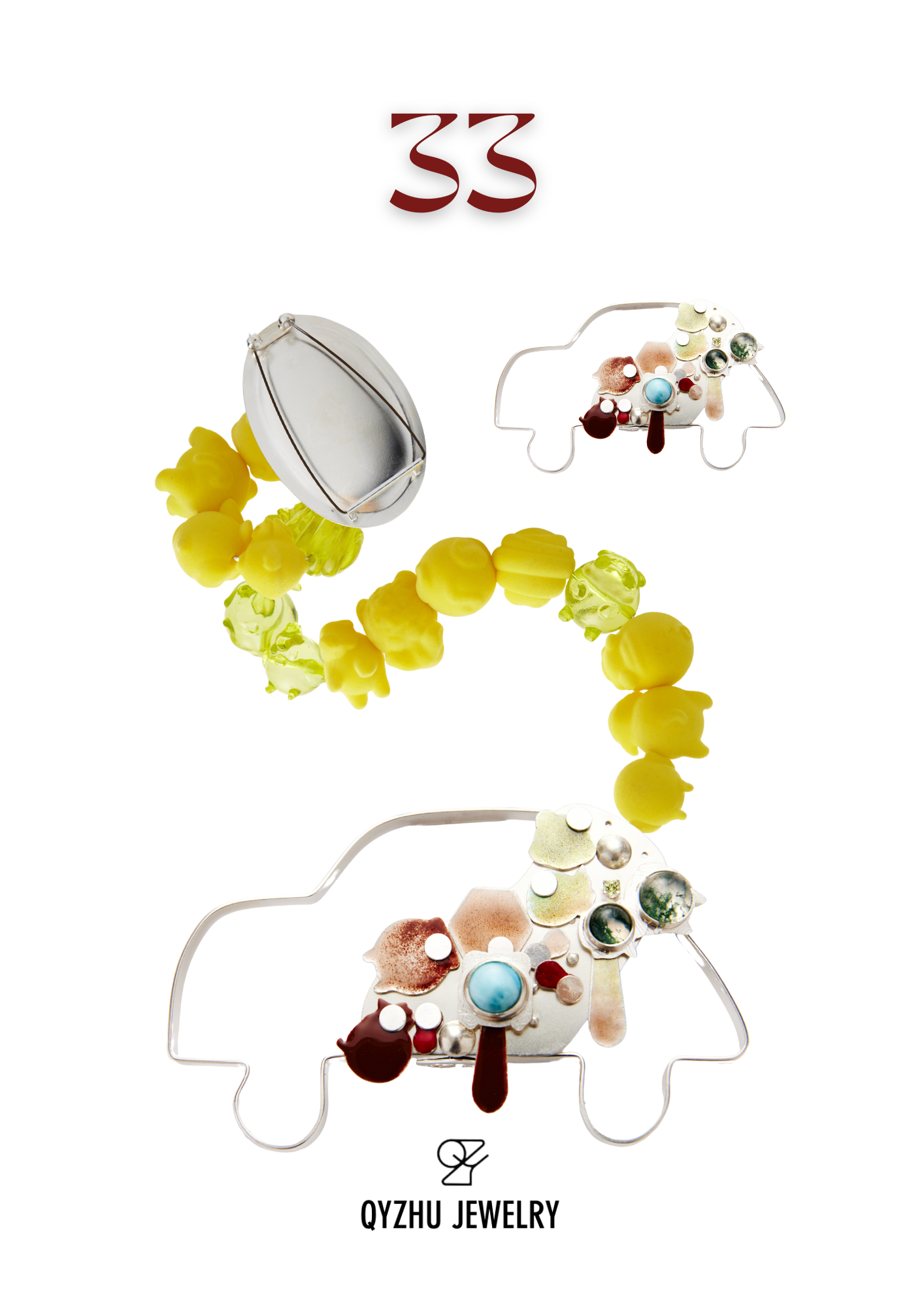
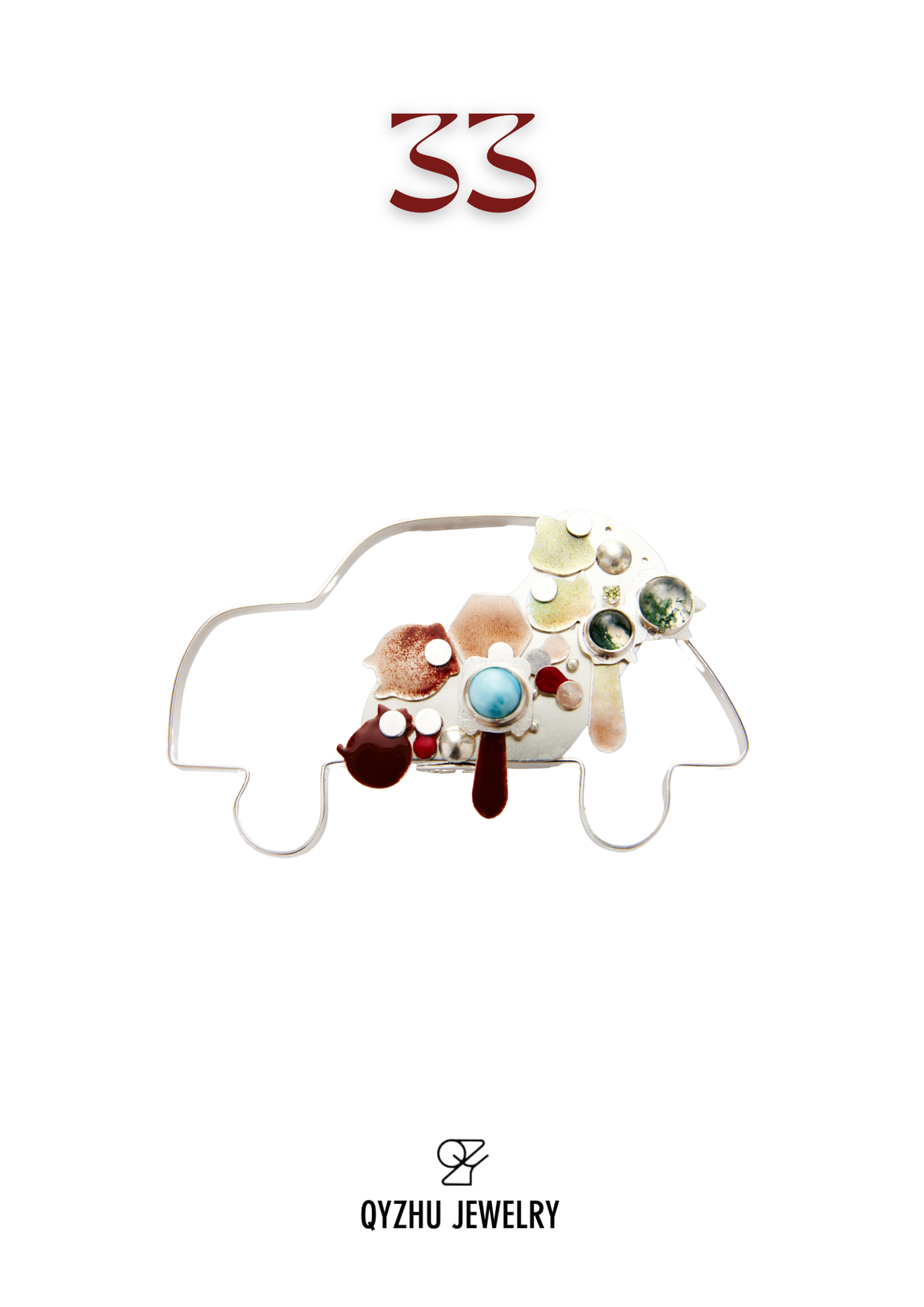
Zhu is a fervent believer in the transformative power of art; she contends that creative expression has the ability to reshape one’s understanding of life, individuality, and wholeness. Through her unique artistic lens, she devotes herself to crafting pieces that not only showcase her unique perspective but also challenge viewers to engage with their own interpretations. Moreover, the designer’s commitment to innovation is strikingly evident in her ability to harmoniously merge traditional cultural elements with cutting-edge materials and technologies. In her eyes, every piece of contemporary jewelry she crafts embodies the distinctive attributes of its era—an artistic pursuit she passionately embraces. As we delve deeper into her world of creativity and conviction, we are invited to explore how Qianying Zhu is not just creating jewelry; she is carving out a narrative that reflects the here and now of our ever-evolving artistic sensibilities. Join us as we uncover the intricate layers of her vision in this illuminating interview with the designer herself.
IN CONVERSATION WITH QIANYING ZHU
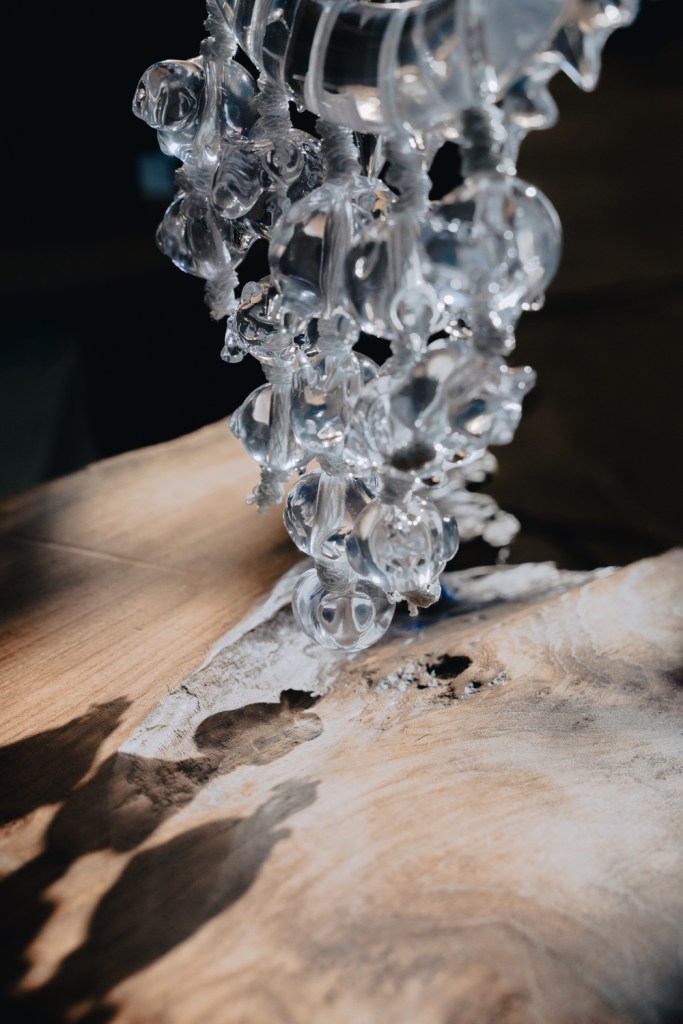
Qianying, your work in contemporary jewelry is recognized for its deep conceptual foundation and masterful craftsmanship. What pivotal experiences have shaped your approach to jewelry as a medium for storytelling and cultural discourse? How do you navigate the balance between material exploration and conceptual depth in your creative process?
From an early age, I was drawn to the tactile experience of shaping and transforming materials. I vividly remember sitting at the table while my family made dumplings, secretly taking bits of dough to mold my own small creations. That instinctive joy of crafting—of giving form to an idea—became the foundation for my artistic journey. Jewelry, to me, is not merely adornment; it is an intimate, deeply personal medium that carries history, emotion, and cultural significance.
Over the years, my practice has evolved through continuous exploration of materiality and narrative. I have always been fascinated by the way objects can hold memories—how a piece of jewelry can serve as a vessel for personal stories, traditions, and even transformation. My creative process often begins with a concept or emotion, which I then translate into form through meticulous material experimentation. I am particularly drawn to the interplay between structure and fluidity, permanence and impermanence, seeking ways to imbue each piece with both physical and conceptual depth.
Jewelry is unique in its relationship to the body—it moves, it ages, it carries traces of the wearer’s experiences. This intimate connection influences my approach, pushing me to think beyond aesthetics and technique, toward deeper questions of meaning and human connection. Whether through abstract compositions or intricate detailing, my work seeks to bridge personal narratives with broader cultural conversations, making jewelry not just something to wear, but something to experience and reflect upon.
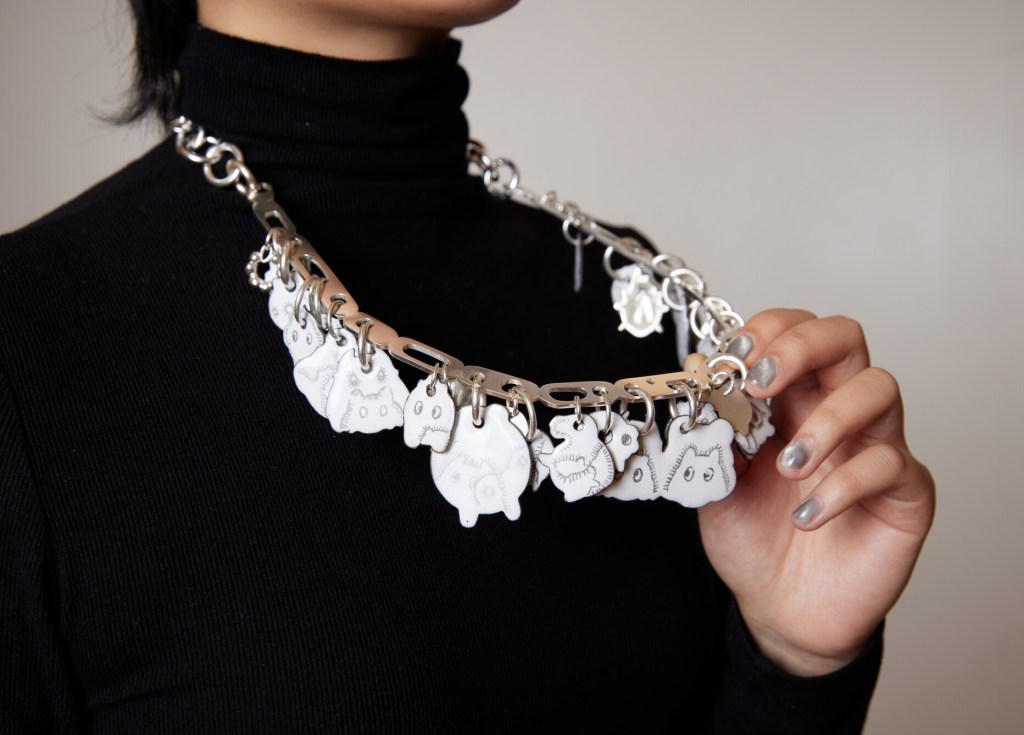
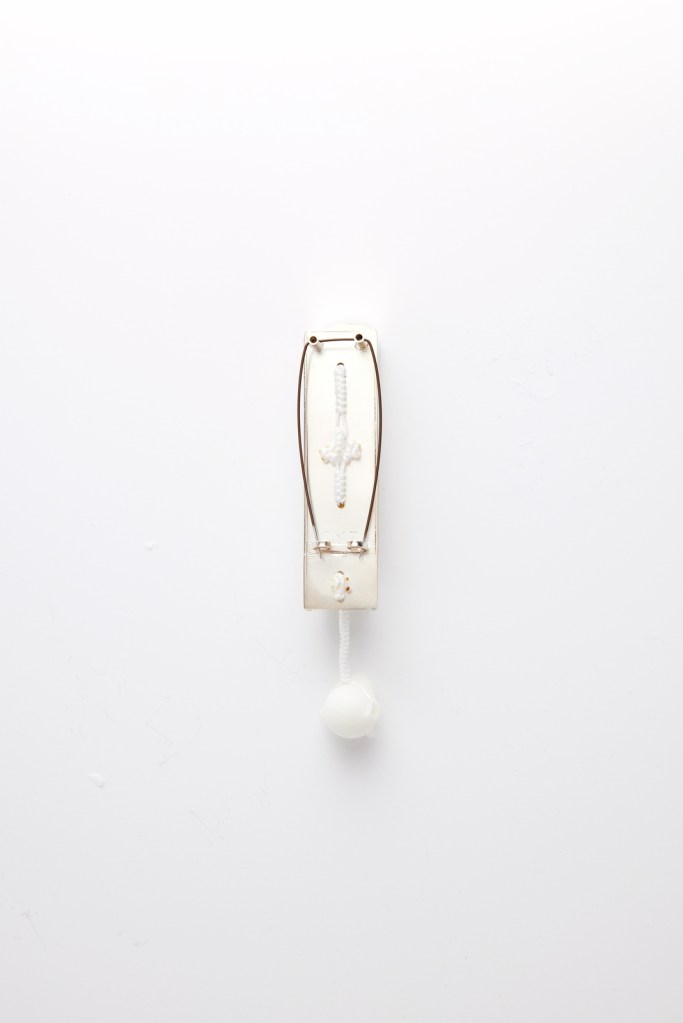
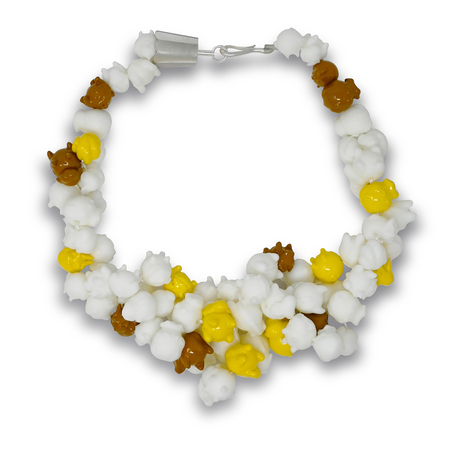
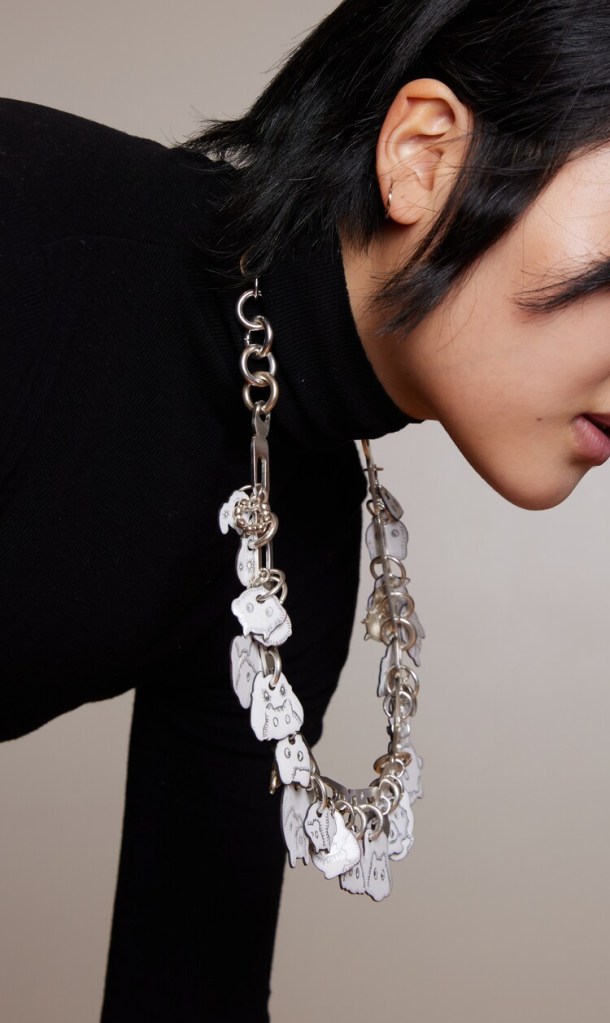
You emphasize the importance of self-expression through your work. Can you elaborate on how your background and cultural heritage influence your designs, and how you translate these elements into your artwork?
Self-expression has always been at the heart of my creative practice, and my background and cultural naturally weave into my designs in ways both intentional and intuitive. Growing up between two cultures—rooted in my Chinese heritage while navigating life in the U.S.—has given me a unique lens through which I perceive the world. This duality influences my artistic language, where I often blend traditional symbolism with contemporary aesthetics, creating pieces that reflect both nostalgia and evolution.
My early exposure to Chinese craftsmanship and art played a significant role in shaping my artistic sensibilities. I grew up observing the meticulous details in traditional ceramics, seal carving, and metalwork, all of which instilled in me a deep appreciation for materiality and precision. At the same time, my experiences in a different cultural environment encouraged me to reinterpret these influences in a way that feels personal and relevant to the present moment. Rather than replicating tradition, I seek to deconstruct and reimagine it—infusing my work with a sense of playfulness, subtle storytelling, and an exploration of transformation.
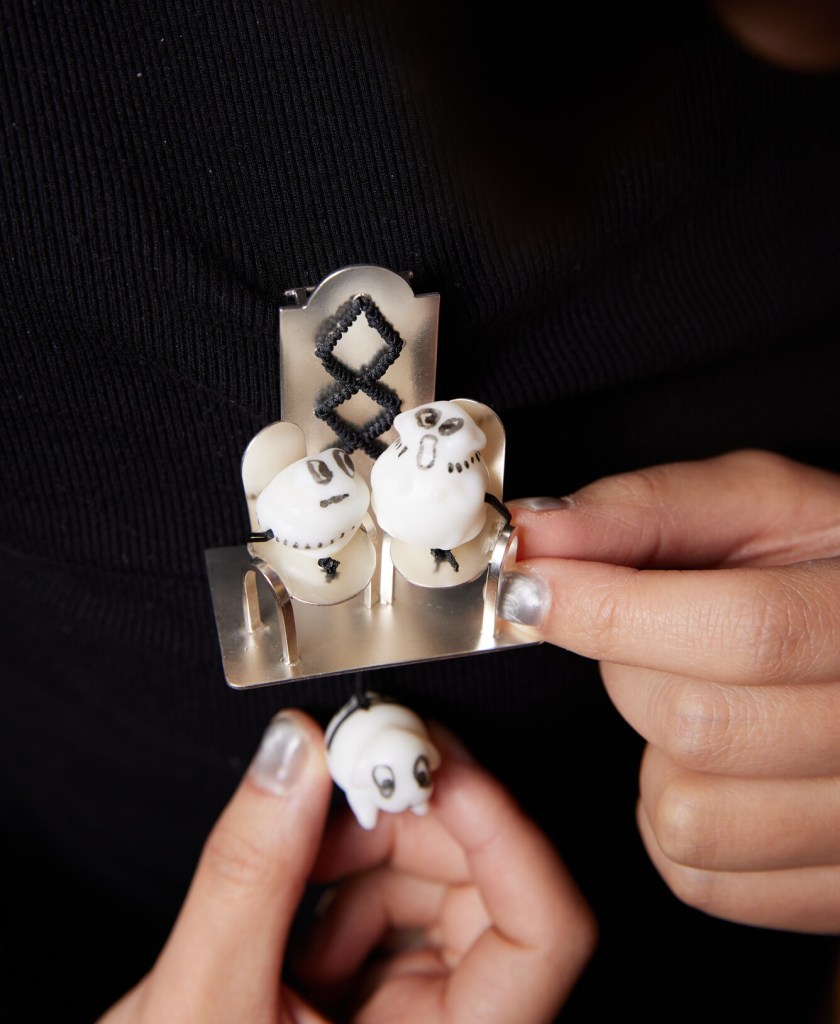
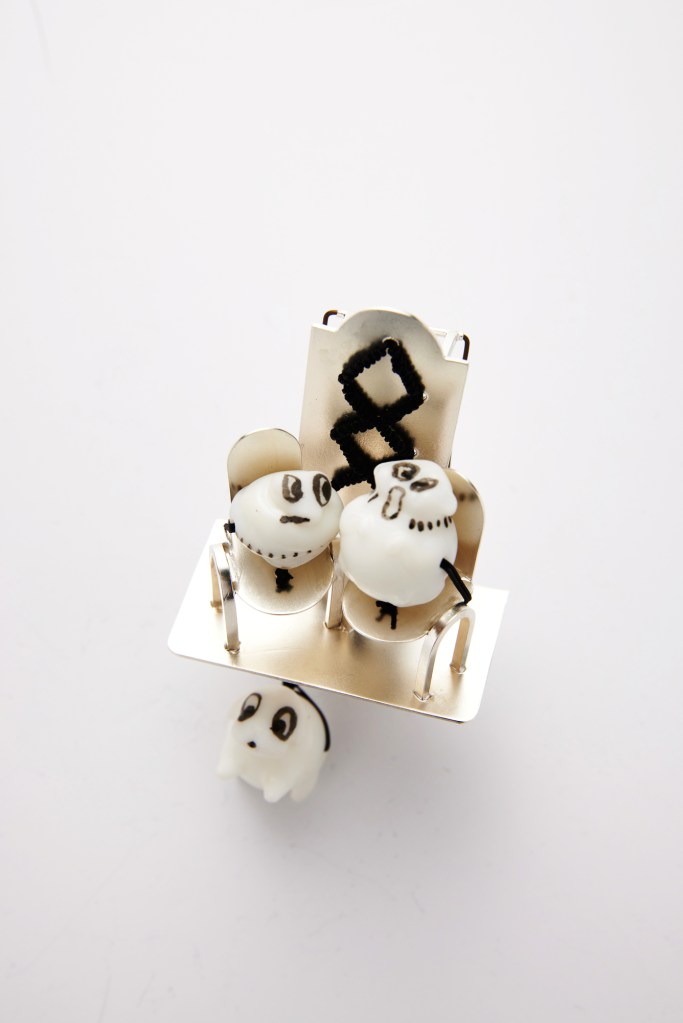
For me, jewelry serves as a bridge between the past and the present, the personal and the universal. Through form, texture, and material choices, I explore themes of identity, memory, and adaptation. Whether it’s through abstracted cultural motifs, unexpected material combinations, or pieces that carry a sense of motion and change, my work embodies the fluidity of my own experiences. This approach allows me to not only express my own narrative but also invite others to connect with my pieces in a way that resonates with their own stories.
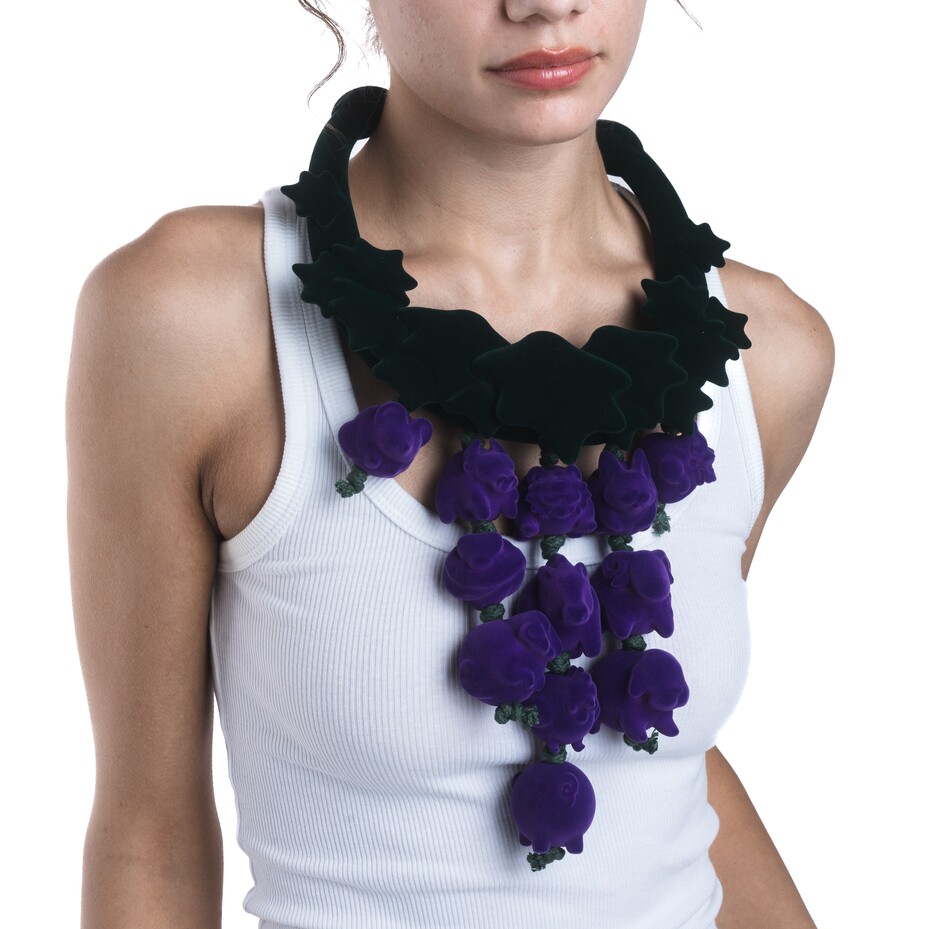
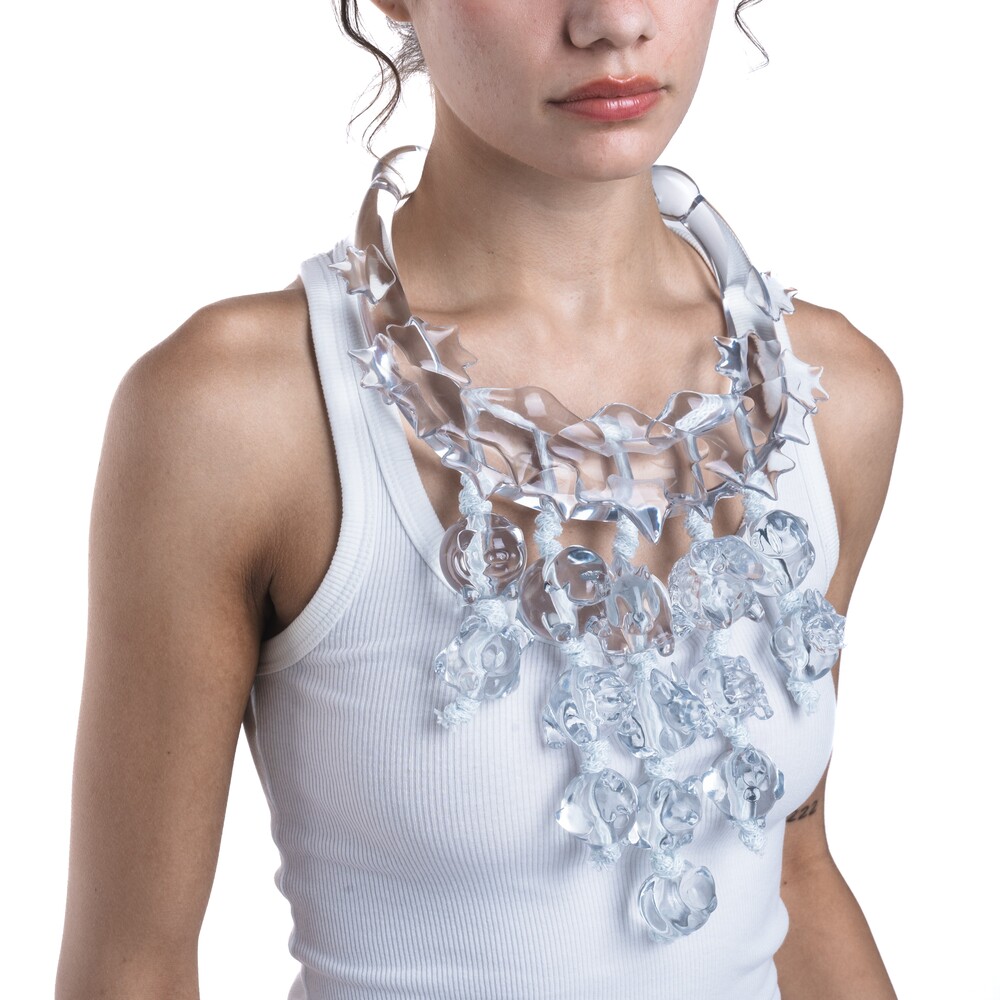
In your practice, you mention combining various materials to achieve harmony and balance. How do you select these materials, and can you discuss a specific piece where this experimentation led to unexpected outcomes?
In my creative practice, material selection is guided by three key considerations: visual impact, weight, and the cultural or emotional associations of the material. First, I evaluate whether a material can achieve the specific colors, textures, or patterns I envision. Second, weight is not only a factor in wearability but also plays a conceptual role in contemporary jewelry, where every element can influence the meaning of a piece. Finally, I consider how a material is typically perceived—where it is commonly used and what emotions or ideas it conveys to the viewer.
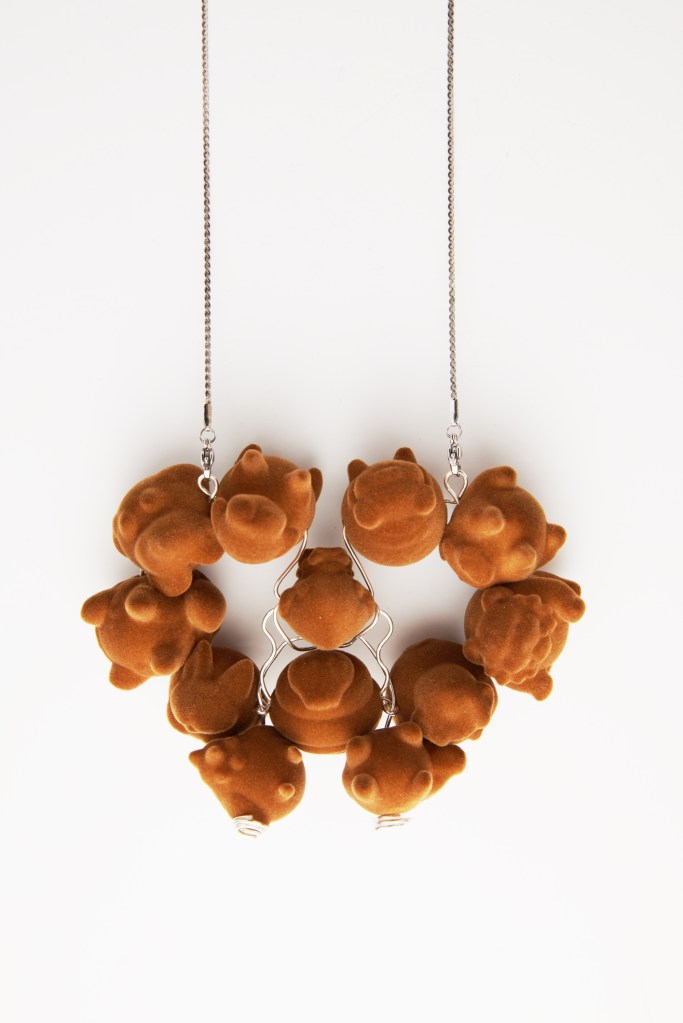
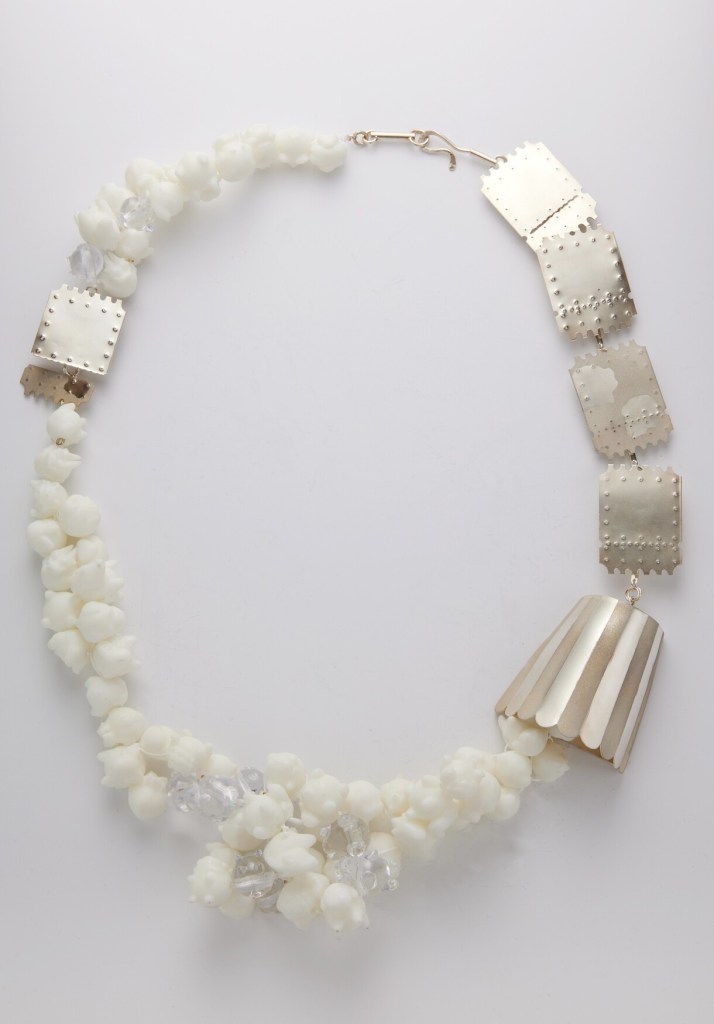
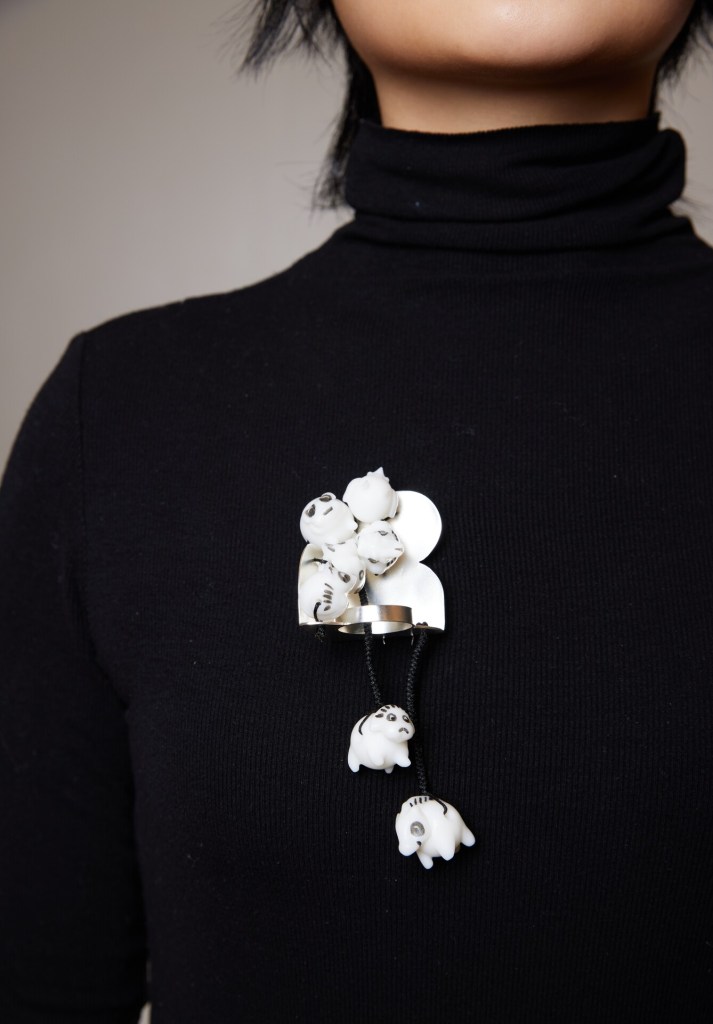
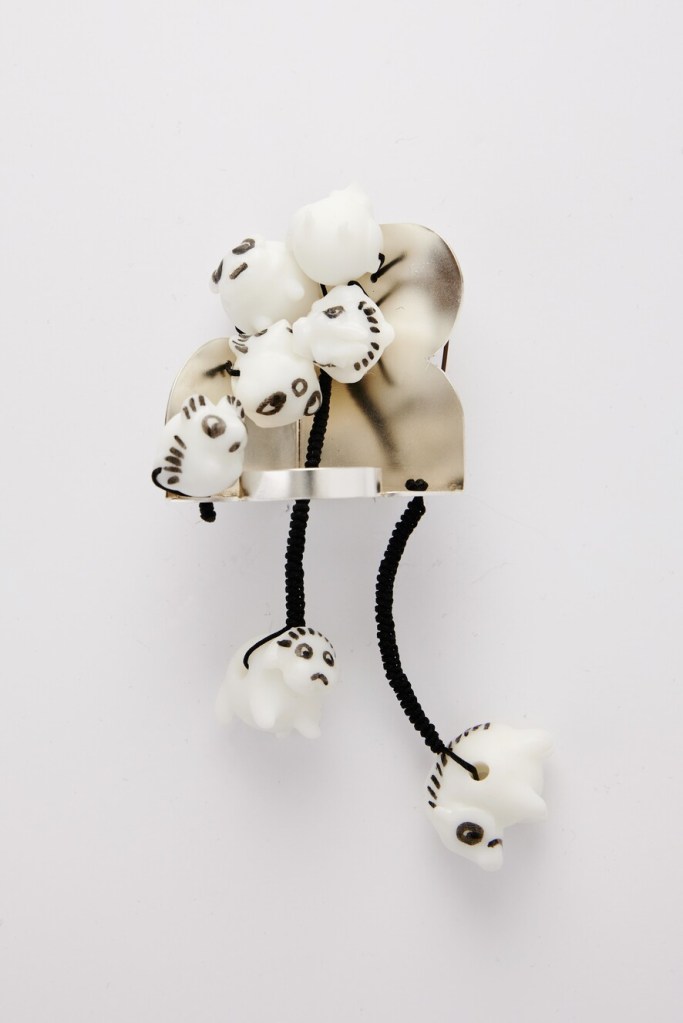
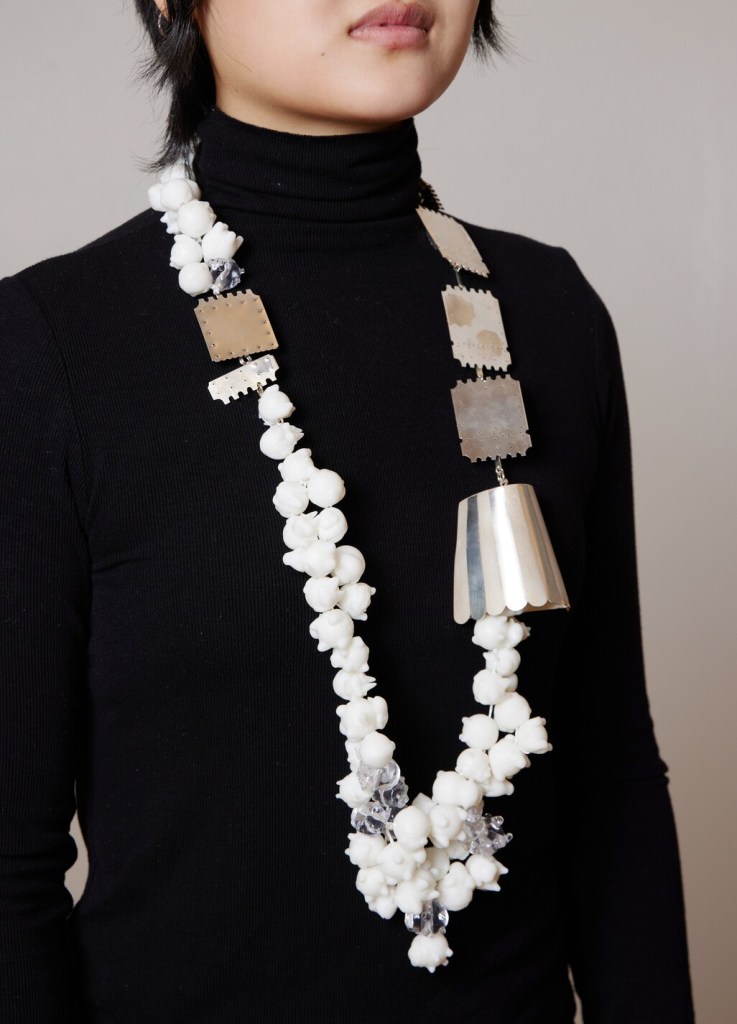
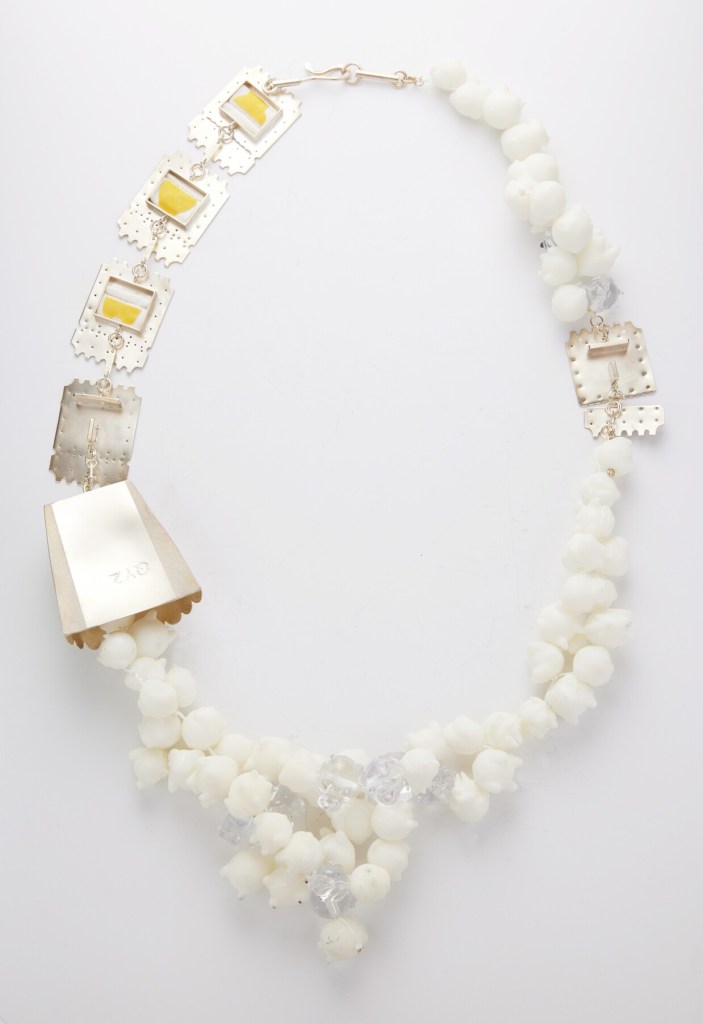
This approach has led me to explore the combination of 3D printing and traditional metalworking in my work. I am particularly drawn to 3D-printed materials because they allow me to achieve smooth, rounded textures and vibrant colors, much like my use of enamel. Additionally, they bring a distinct industrial and modern quality, which helps balance the inherent heaviness of metal. Beyond that, the frequent use of 3D printing in toy design gives it a sense of lightness, playfulness, and accessibility, which are elements I aim to integrate into my work.
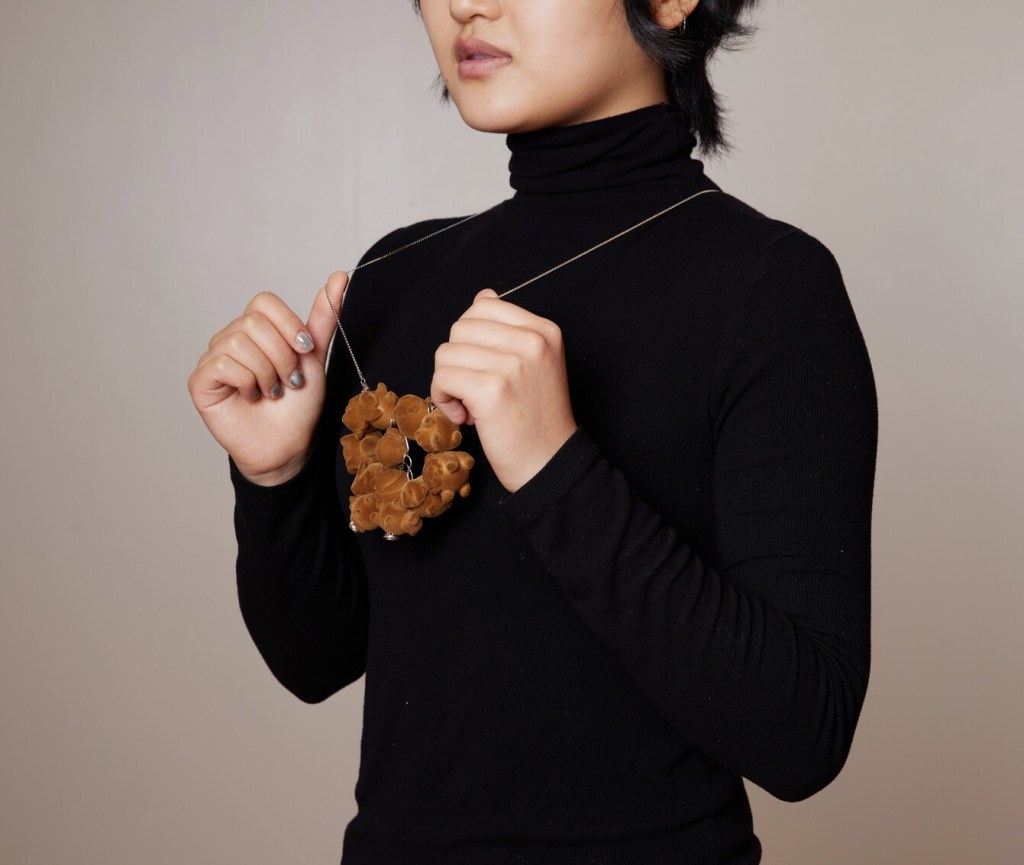
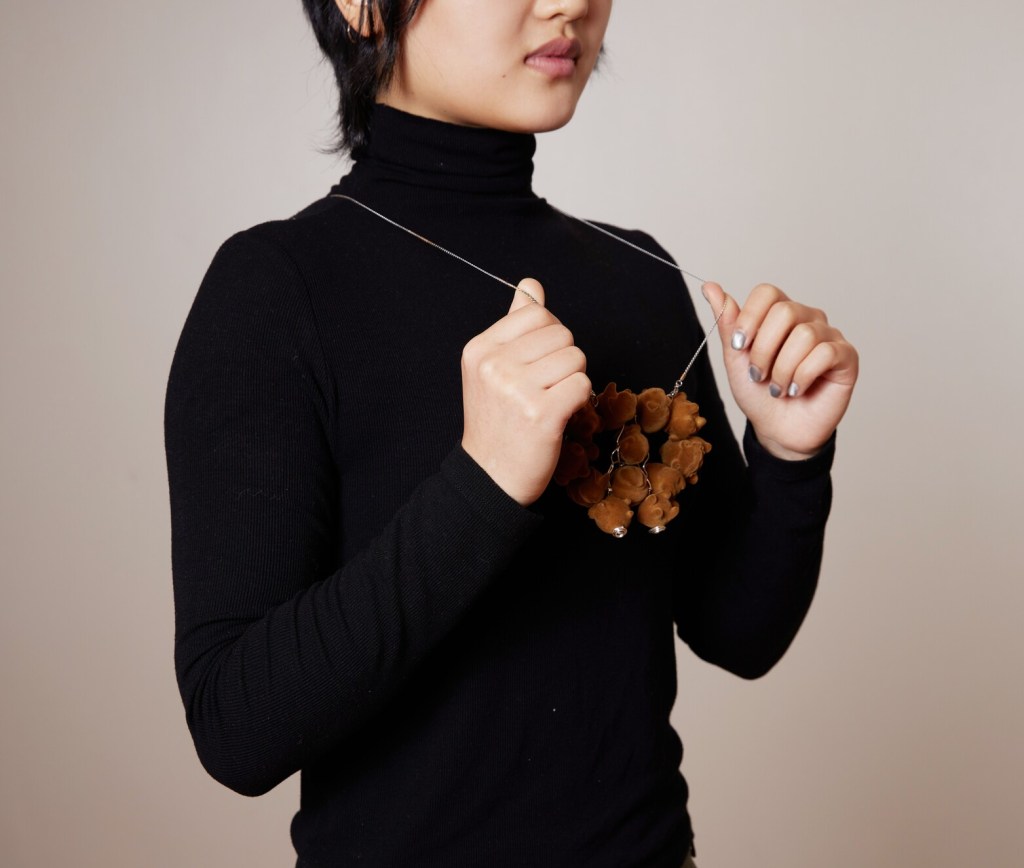
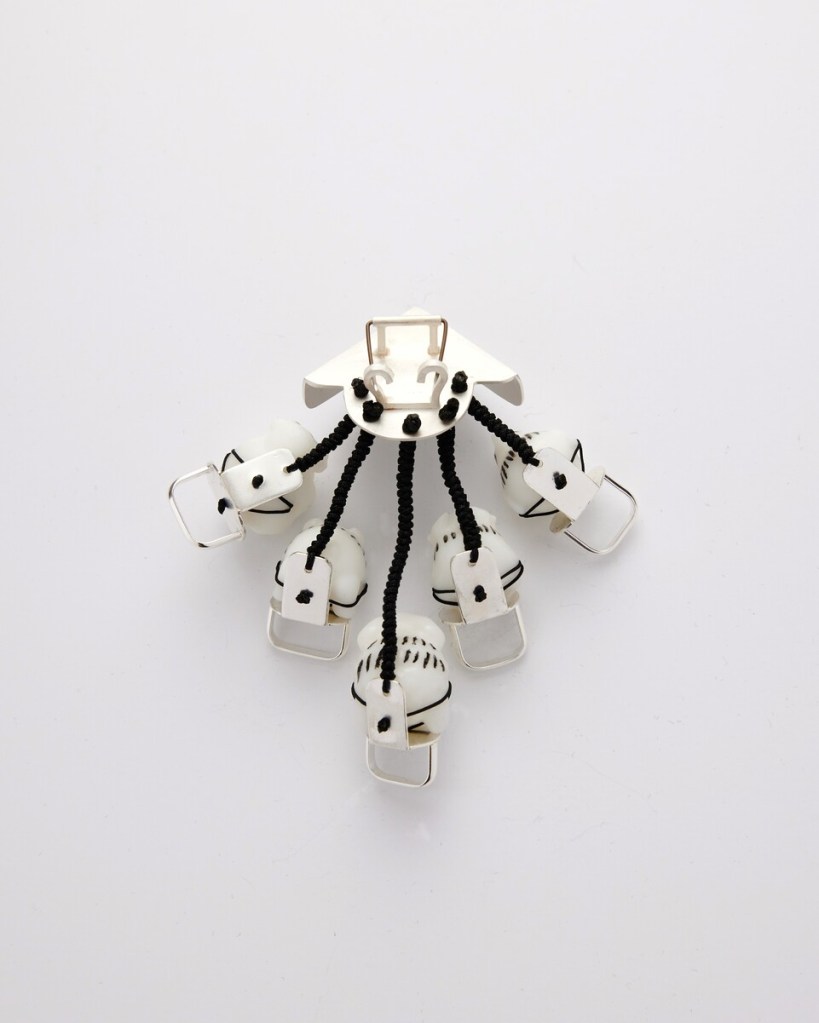
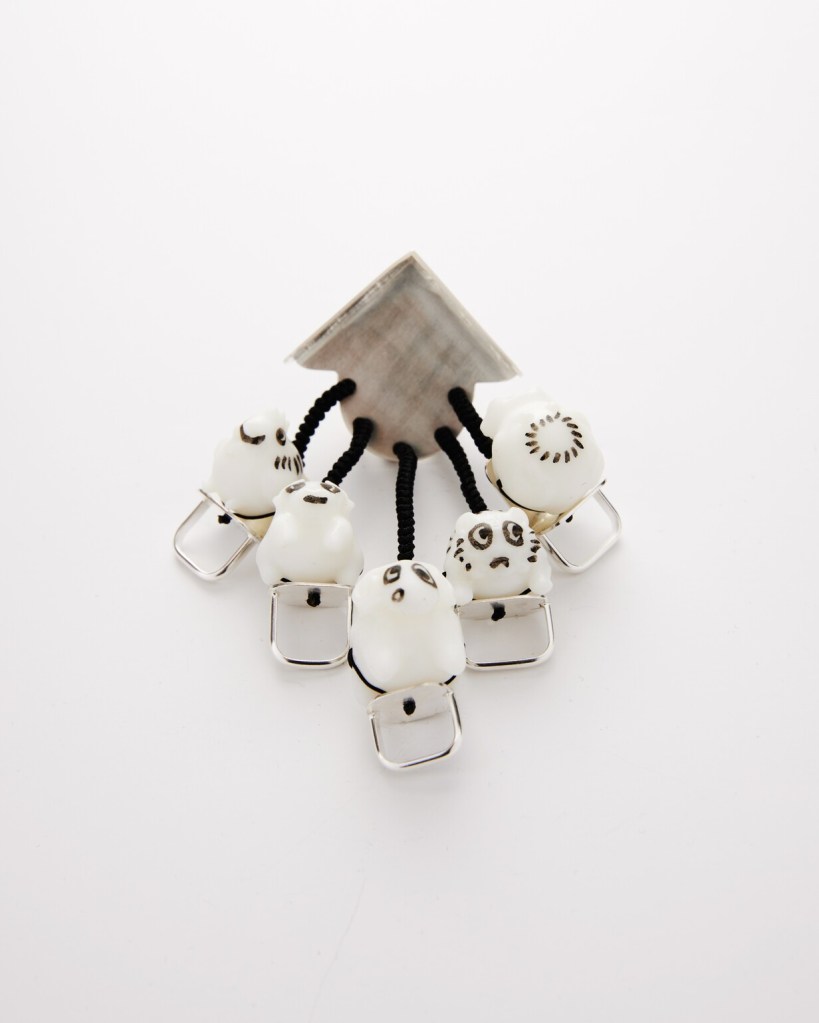
One piece where this material exploration came to life is “Food Chain.” In this work, I used a hydraulic press to shape metal components while incorporating 3D-printed zodiac elements. This combination introduced a playful contrast between weight and lightness, structure and fluidity, reinforcing the themes I sought to express. The addition of 3D-printed components not only lightened the physical weight of the piece but also softened its visual presence, making the design feel more dynamic and conceptually cohesive.
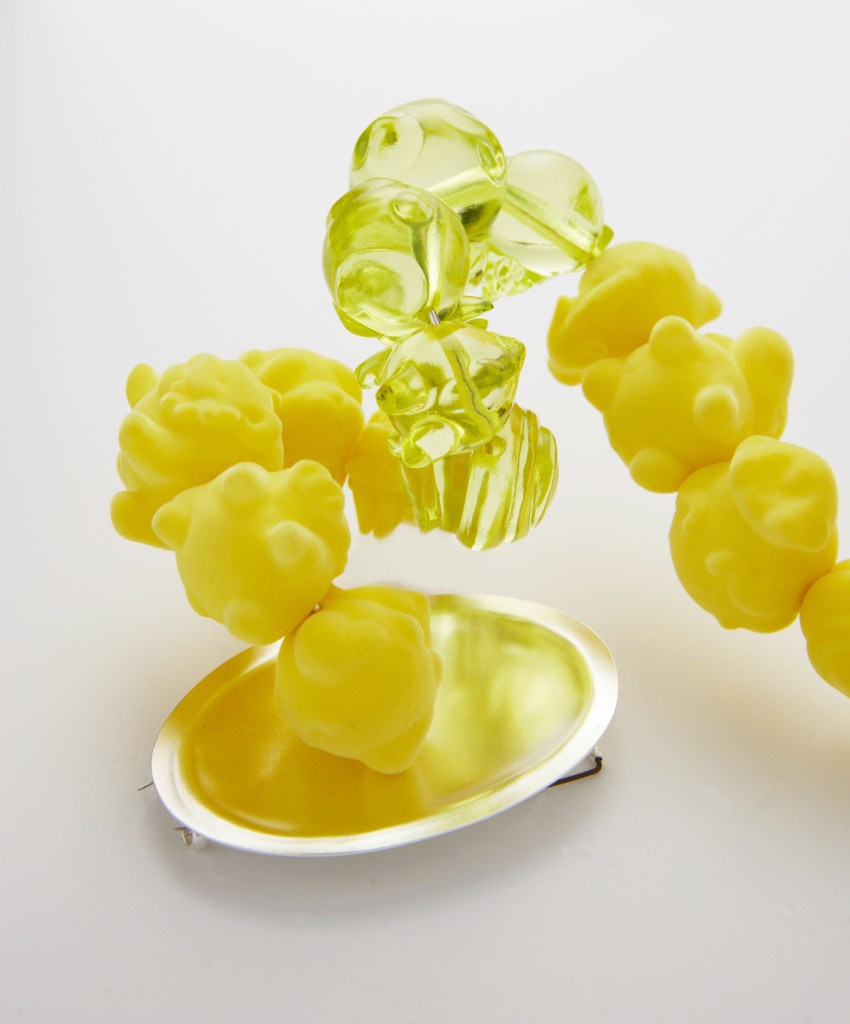
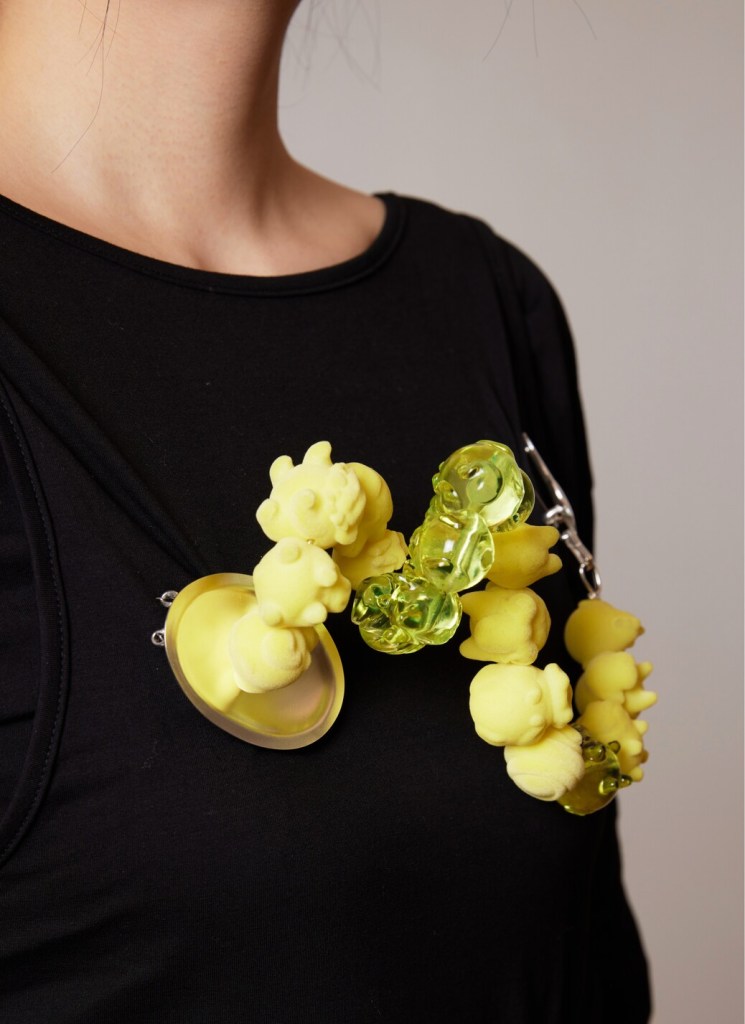
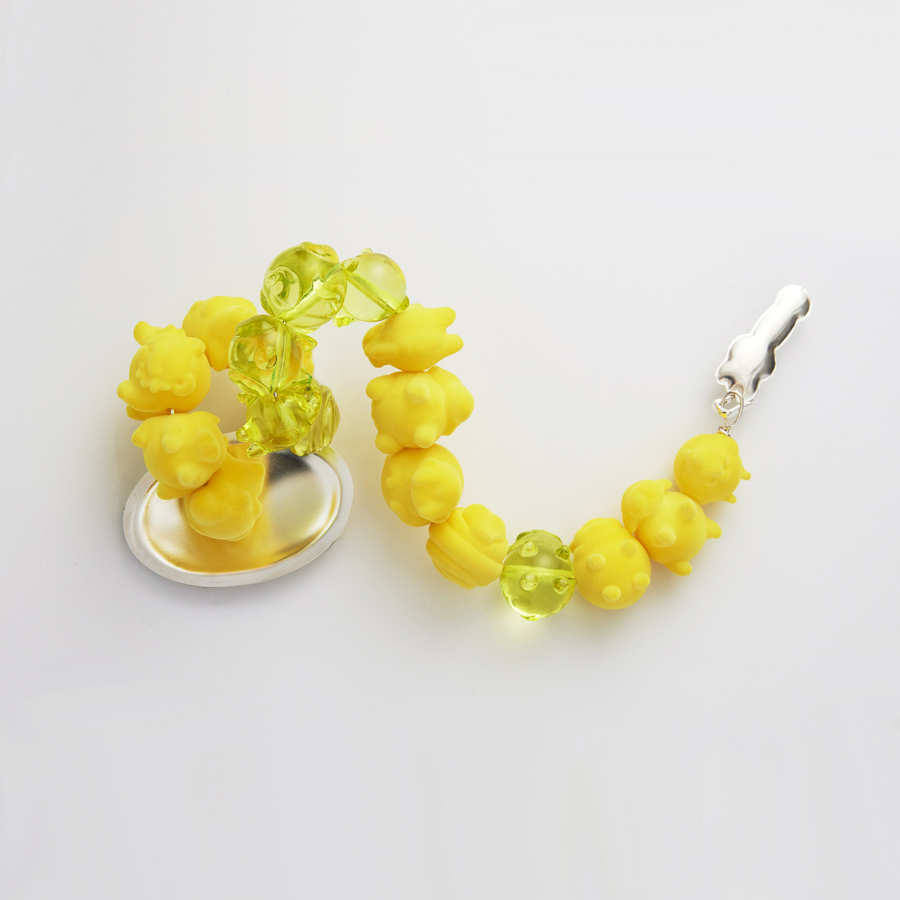
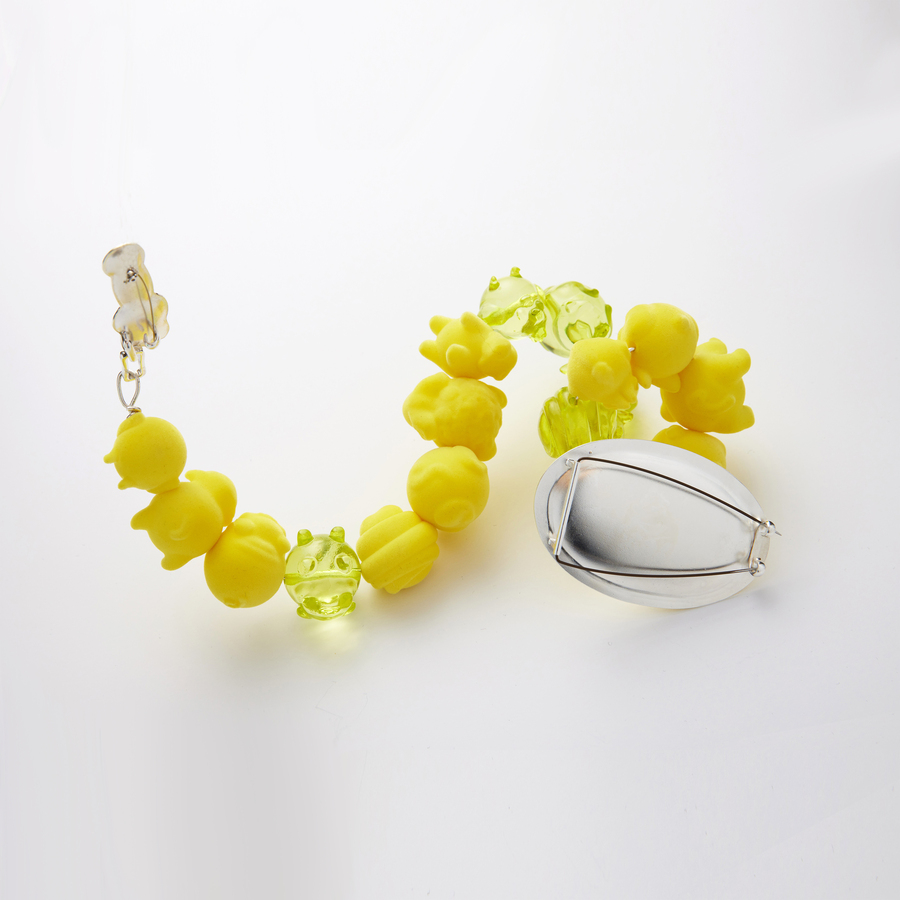
I am continuously looking to push the boundaries of traditional jewelry forms, creating designs that offer strong visual impact and innovative material expressions. Through this interplay between tradition and modernity, weight and buoyancy, industrial techniques and handcrafted elements, I aim to craft pieces that are not only visually and materially compelling but also resonate on a deeper conceptual level.
Casting methodologies play a significant role in your creations. Could you delve into the processes you employ and how these techniques contribute to the narrative or meaning behind the pieces you design?
Casting is one of my favorite techniques in jewelry-making, not just for its versatility but for the way it embodies transformation and material storytelling. The process itself—where metal moves from a liquid state to a solid form—mirrors many of the themes I explore in my work, such as evolution, fluidity, and reinterpretation of tradition. I am drawn to the way casting captures both precision and unpredictability, allowing for intricate details while also introducing unique variations in each piece.
Beyond technique, I see casting as a way to preserve fleeting ideas and intangible emotions in a physical form, turning something delicate and impermanent into something lasting. This process reflects the themes in my work, where I take traditional cultural symbols, everyday observations, and playful concepts, and solidify them into pieces that carry both personal and collective meaning.
You believe that art has the power to transform lives. Can you describe a moment when your art impacted you personally, or perhaps when you witnessed its effect on someone else? What lessons did you draw from that experience?
For a long time, I felt like I was constantly racing—always chasing the next goal, never quite stopping to catch my breath. No matter what I achieved, my mind was already fixated on what came next. This restless urgency made it hard for me to fully experience the present; everything felt like a task to complete rather than a moment to enjoy.
Art gradually changed that. The process of creating forced me to slow down—not because I deliberately tried to, but because it naturally required time, patience, and attention. Whether I was sketching, sculpting, or working with metal, I found myself becoming more absorbed in the act itself rather than fixating on the final result. Over time, I stopped treating each project as just another checkpoint and started appreciating the moments in between—how an idea evolved, how a shape took form, how colors and materials interacted in unexpected ways. It wasn’t a sudden realization but something that quietly settled into my life, shifting the way I saw things.
Because of this personal shift, I hope my work can bring a similar sense of ease and lightness to others. One of the most rewarding moments for me is seeing someone smile—whether it’s a small, knowing smile or an unexpected moment of joy—when they look at my work. Those reactions remind me why I create. It’s not just about the piece itself but about the feeling it evokes, the little pause it brings to someone’s day.
This experience has reinforced my belief that art isn’t just about craftsmanship or aesthetics; it’s about connection—to ourselves, to our emotions, and to others. Through my work, I hope to create pieces that offer a sense of playfulness, curiosity, or simply a reason to pause and enjoy a fleeting moment.
The notion of integrating traditional cultural elements with modern techniques is intriguing. How do you balance respect for tradition with the desire to innovate in your work? Can you provide an example of a piece that successfully embodies this balance?
Integrating traditional cultural elements with modern techniques is an ongoing exploration in my work, one that requires both respect for history and a willingness to reinterpret it. I don’t see tradition as something fixed or untouchable—instead, I view it as a living, evolving language that can be reshaped through contemporary materials, new contexts, and a playful perspective. My goal is not simply to preserve cultural symbols as they have always been understood, but to reimagine them in ways that feel fresh, engaging, and relevant to today’s world.
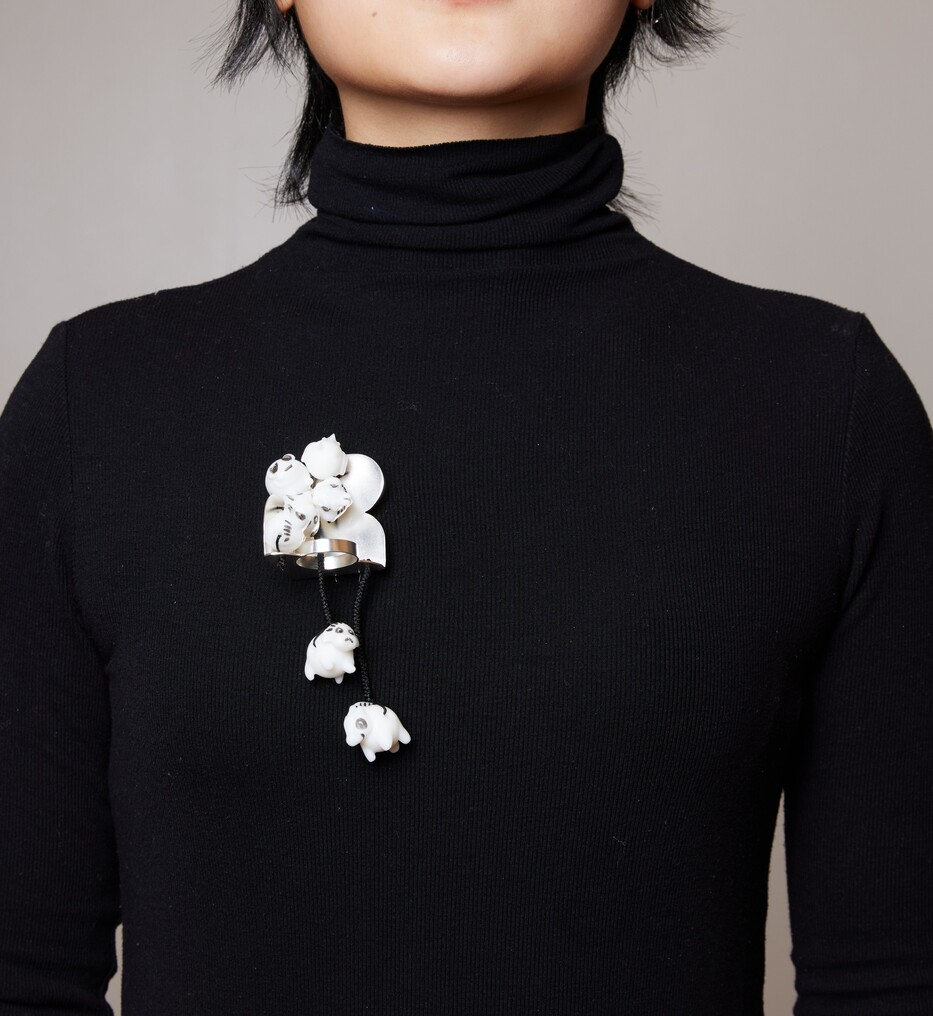
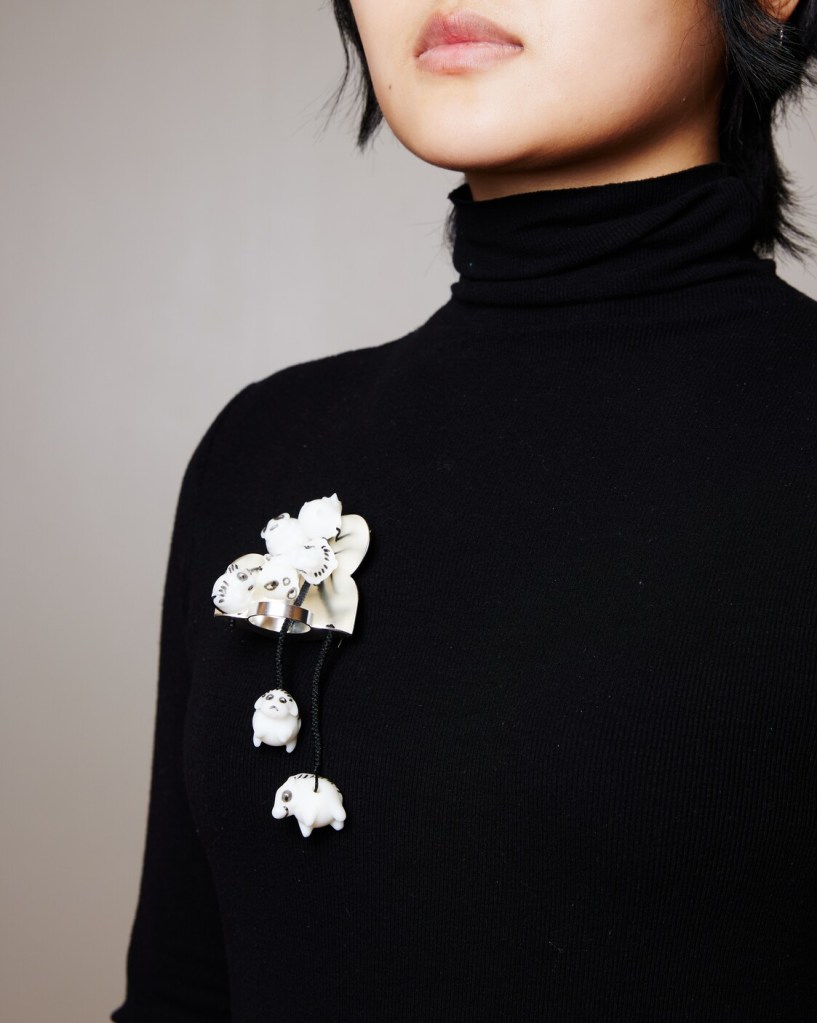
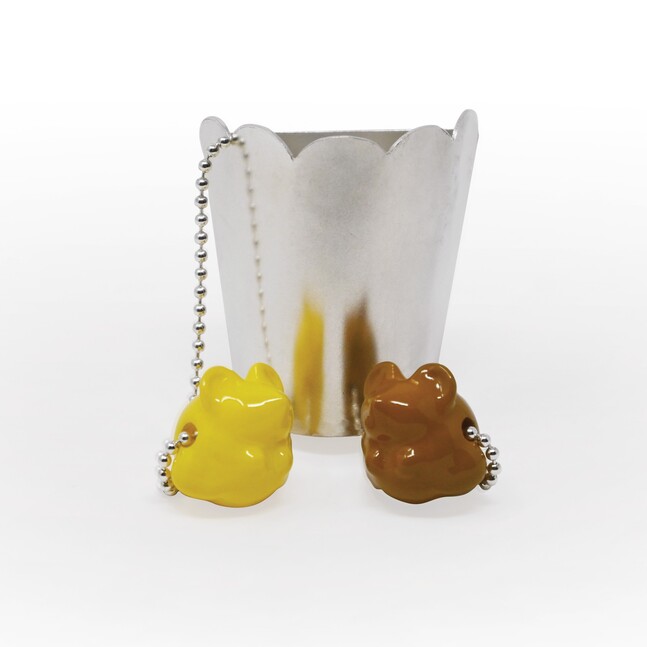
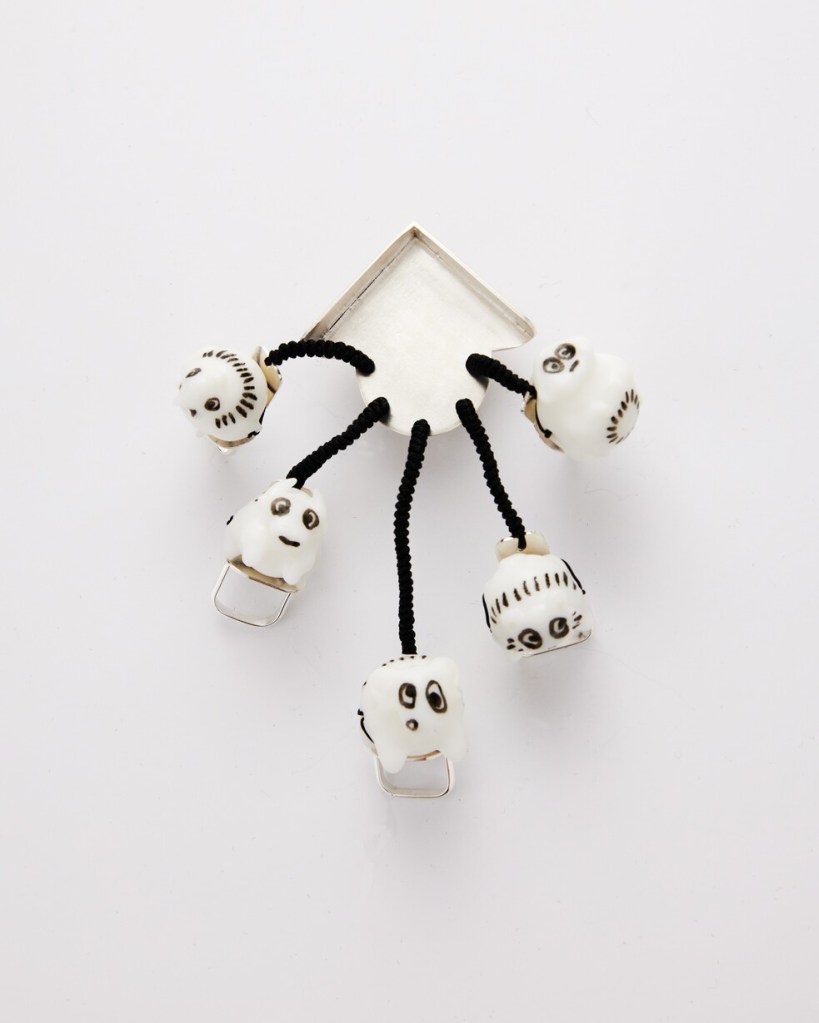
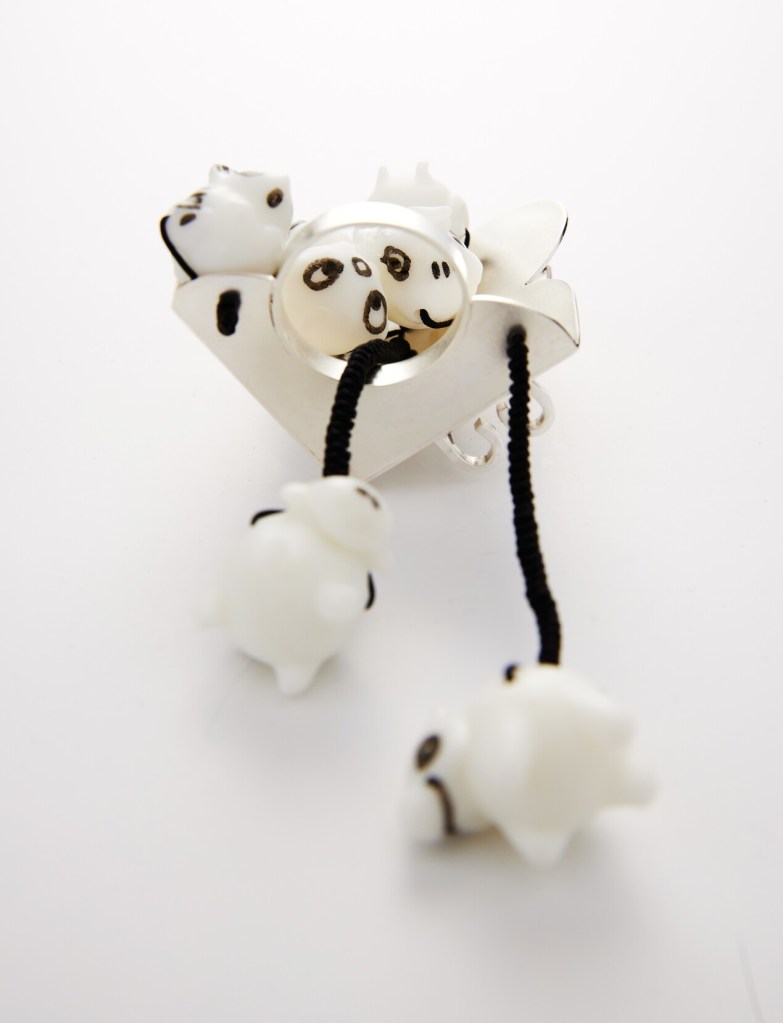
A piece that exemplifies this balance is “Chicken Box.” The inspiration comes from the chicken’s symbolic meaning in Chinese folk culture, where the character for “chicken” (鸡) shares a homophony with “auspicious” (吉), making it a sign of good fortune. Traditionally, chicken imagery is displayed in homes to invite prosperity and luck, with common phrases like “great luck and surplus” and “great fortune” reinforcing this belief.
In this piece, I take that traditional symbolism and blend it with contemporary cultural references—specifically, fast-food culture. By associating the zodiac chicken with modern imagery like fried chicken and fast-food packaging, I intentionally remove it from its usual historical and cultural framework, instead placing it in a humorous, lighthearted context. This unexpected juxtaposition invites the viewer to engage with traditional symbols in a new way, making them more accessible and relatable in a modern setting.
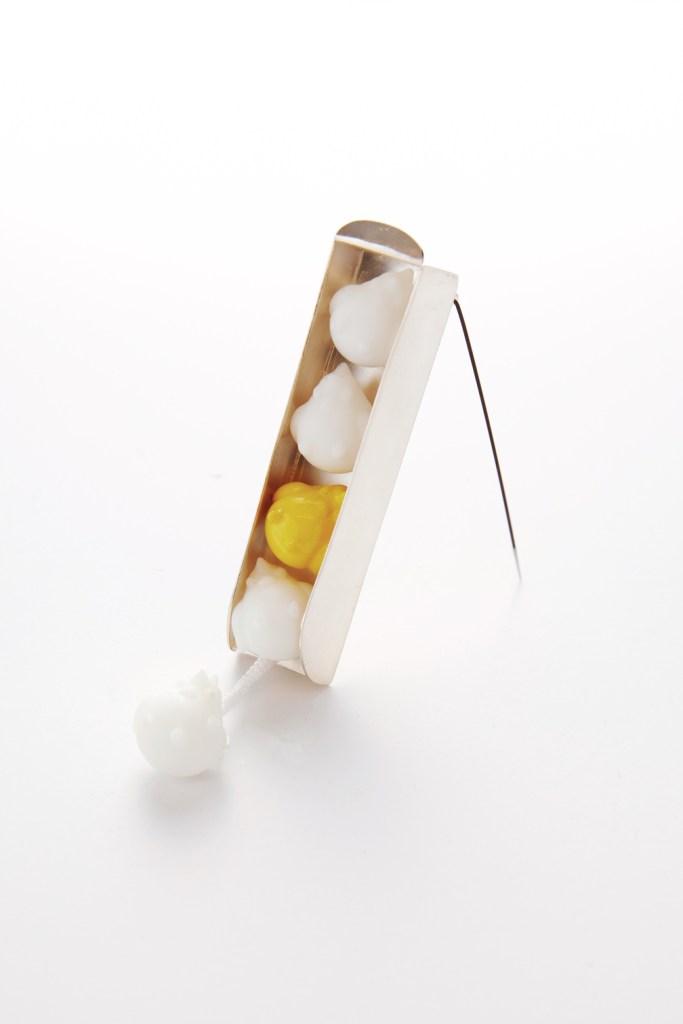
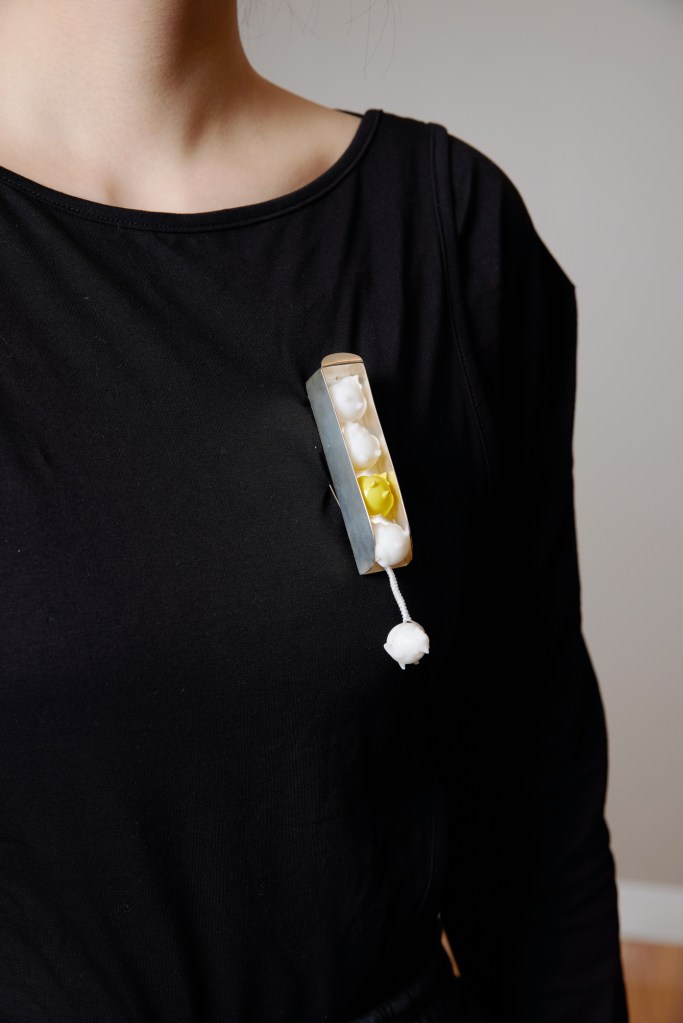
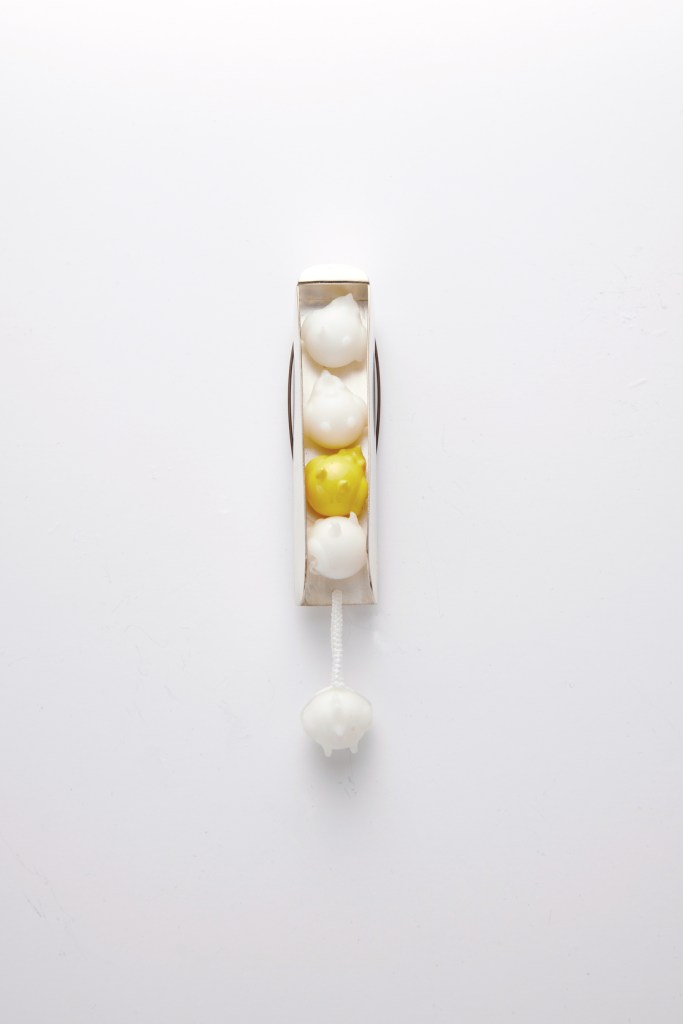
This approach is central to my artistic practice: finding ways to reinterpret cultural heritage without diminishing its significance. By combining historical references with contemporary materials and playful storytelling, I aim to create works that spark curiosity and invite dialogue. Tradition and innovation, rather than being opposing forces, can complement each other—allowing cultural narratives to evolve while still honoring their origins.
Finally, as a jewelry designer immersed in contemporary practices, what do you see as the future of jewelry design? How do you foresee your role within this evolving landscape, and what personal aspirations do you have moving forward?
As a jewelry designer working in contemporary practices, I see the future of jewelry design as an ever-evolving dialogue between tradition and innovation, material exploration, and expanding definitions of wearability. Advancements in technology, from 3D printing to new casting methods, continue to push the boundaries of what is possible, and I believe that staying engaged with emerging materials and techniques is essential. I want to keep experimenting, not only with the interaction of traditional and modern materials but also with how these materials can challenge conventional perceptions of jewelry.
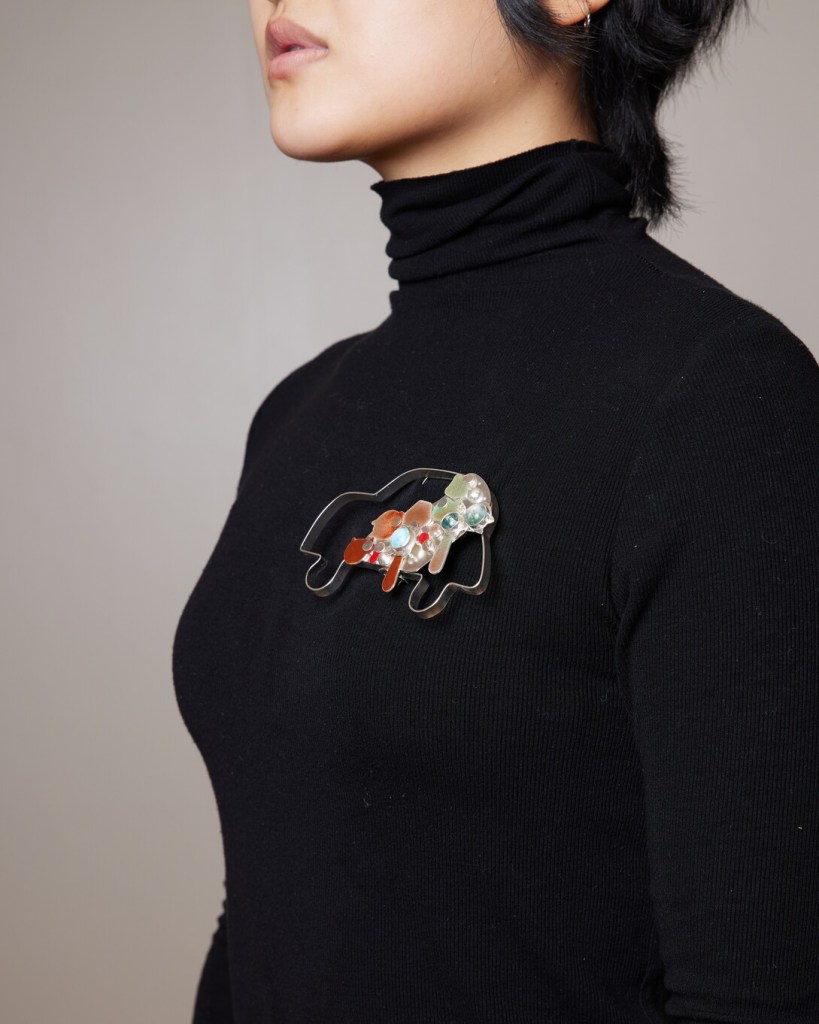
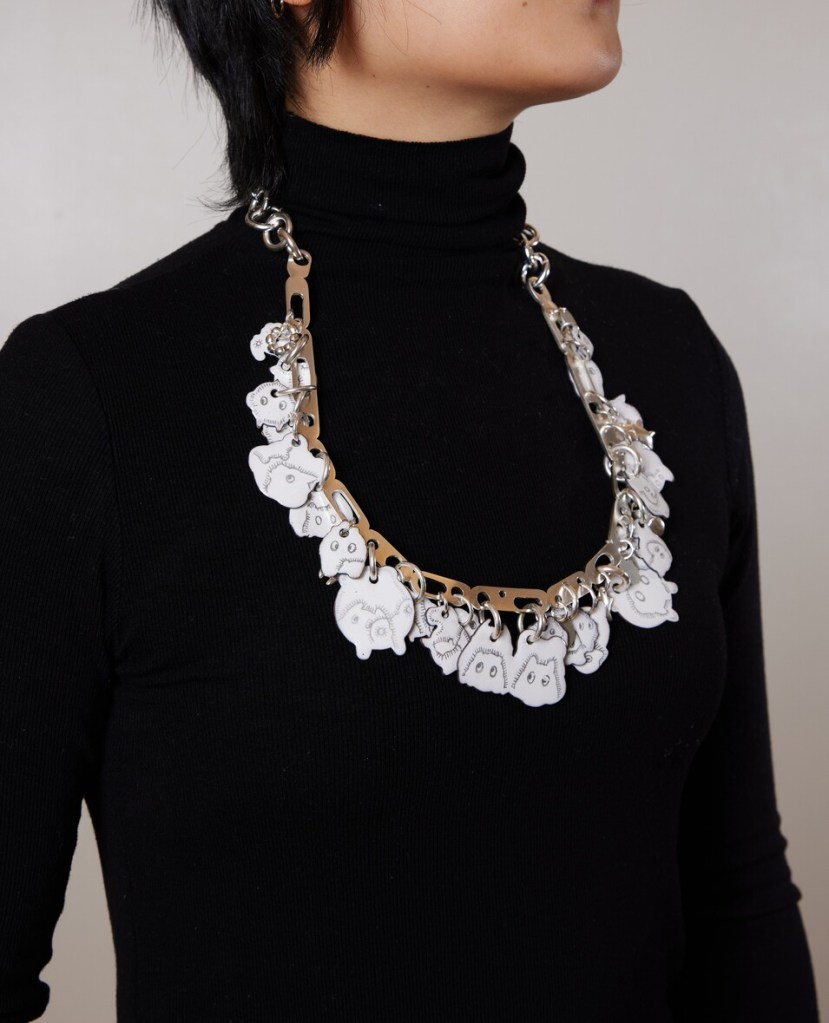
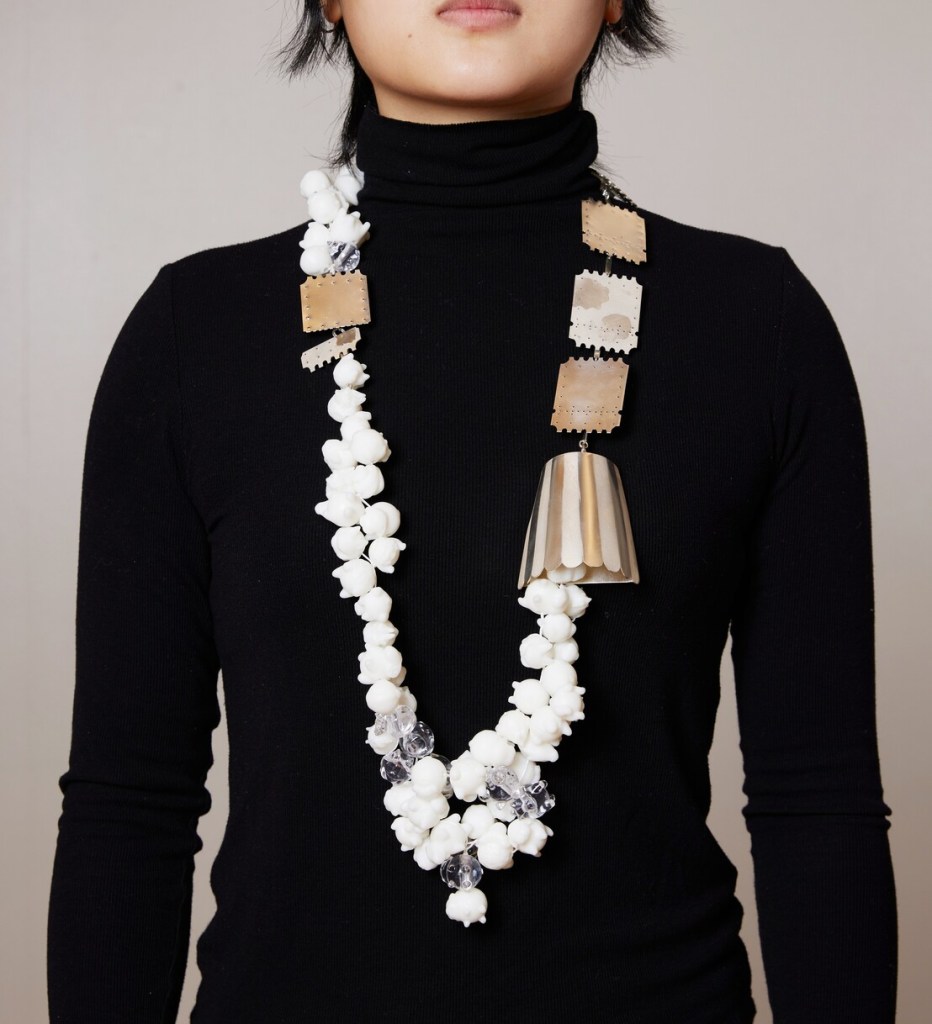
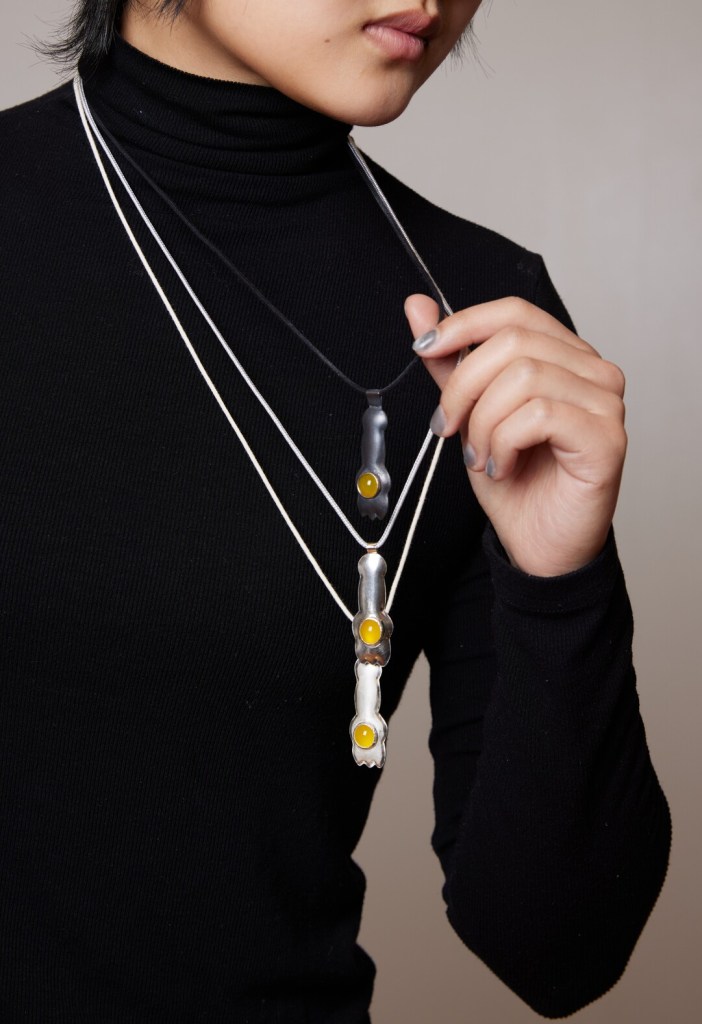
Beyond material exploration, I am also drawn to the idea of working across different scales and artistic disciplines. While jewelry inherently operates within an intimate, wearable dimension, I have always been intrigued by the possibility of translating my ideas into larger-scale works—whether that means sculptural pieces, installation art, or objects that bridge the gap between jewelry and contemporary art. Creating at different sizes presents new challenges but also new ways of storytelling, something I am eager to explore further.
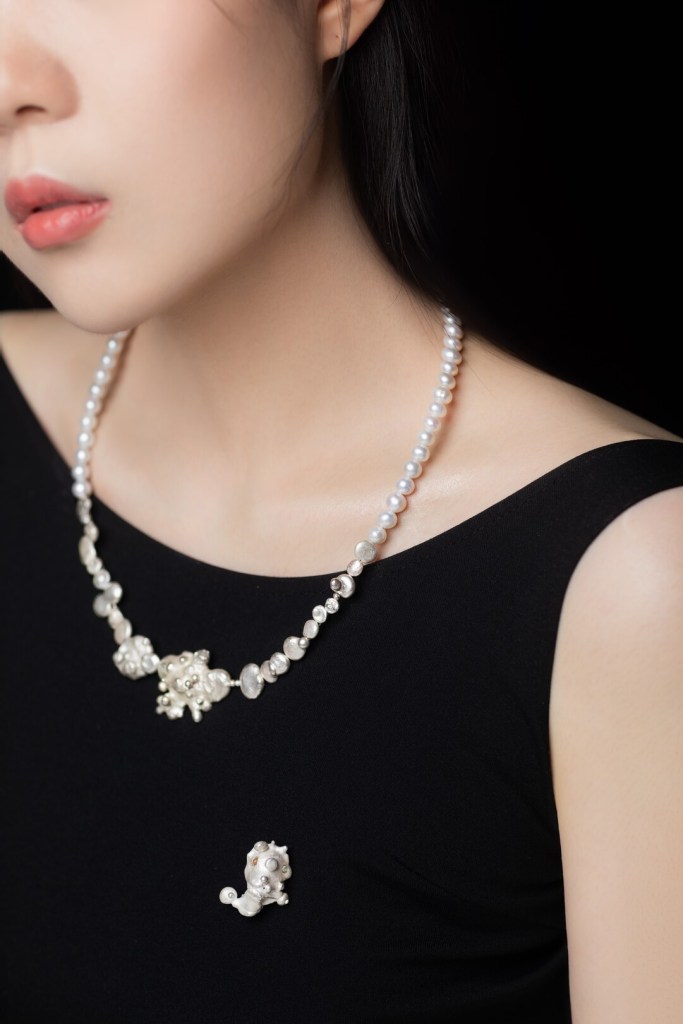
At the same time, I want to continue refining my artistic language, distilling elements from my more experimental works into pieces that can be worn and enjoyed in daily life. This is something I actively pursue through my personal brand, where I take inspiration from my conceptual works and reinterpret them in a way that is more accessible for everyday wear. Through this approach, I hope to bring joy, playfulness, and cultural storytelling to a wider audience, making contemporary jewelry not just an art form but also a means of personal expression and connection.
SHOP QYZHU JEWELRY HERE: https://www.qyzhu-jewelry.com/
 33 MAGAZINE