

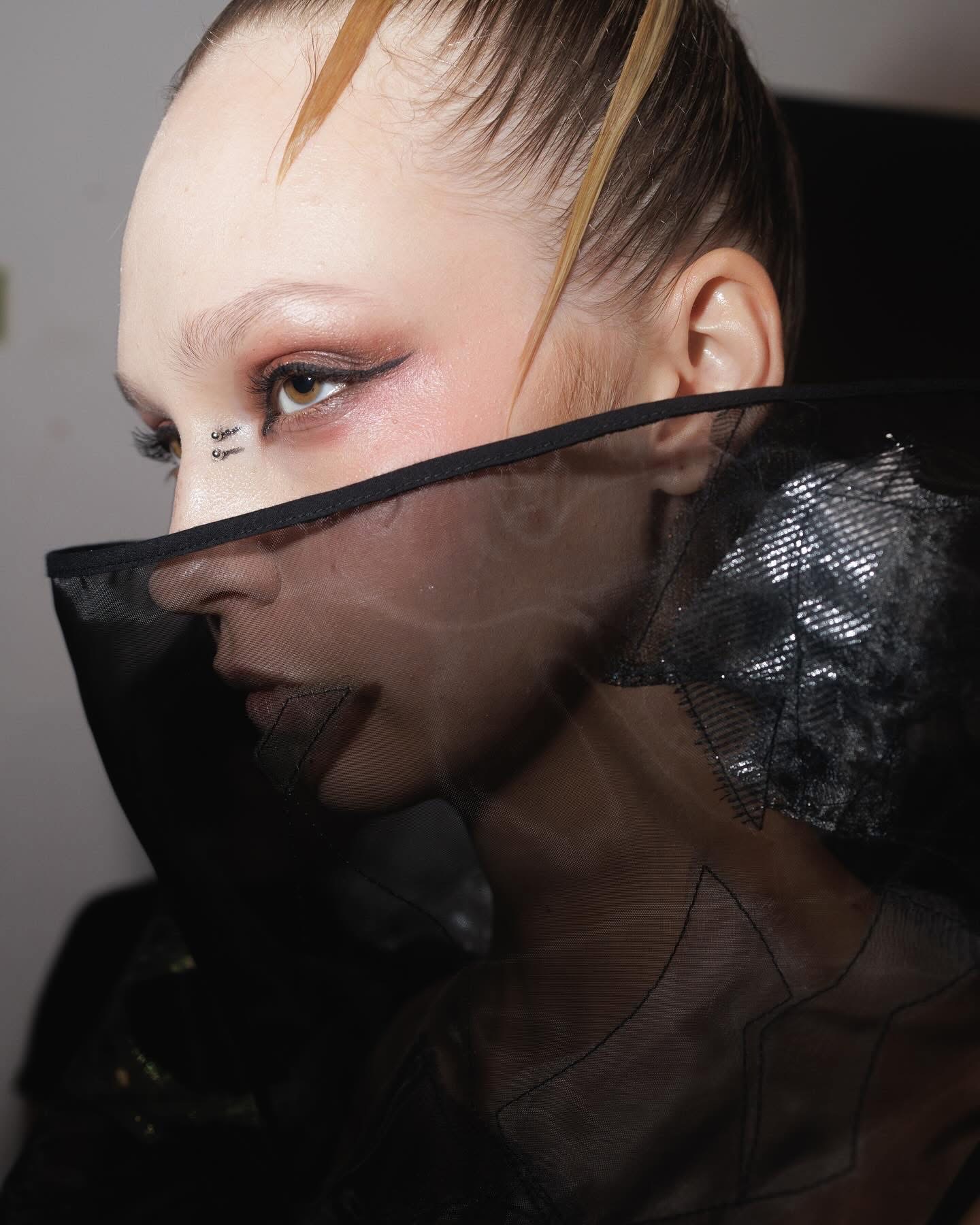
MODALISBOA BASE Edition has emerged even stronger this time around, establishing itself as a constructive real platform that offers invaluable opportunities to a new generation of creatives. This edition showcased a deep blend of art and fashion, highlighted by the unique presentation venues that enhance the overall experience.
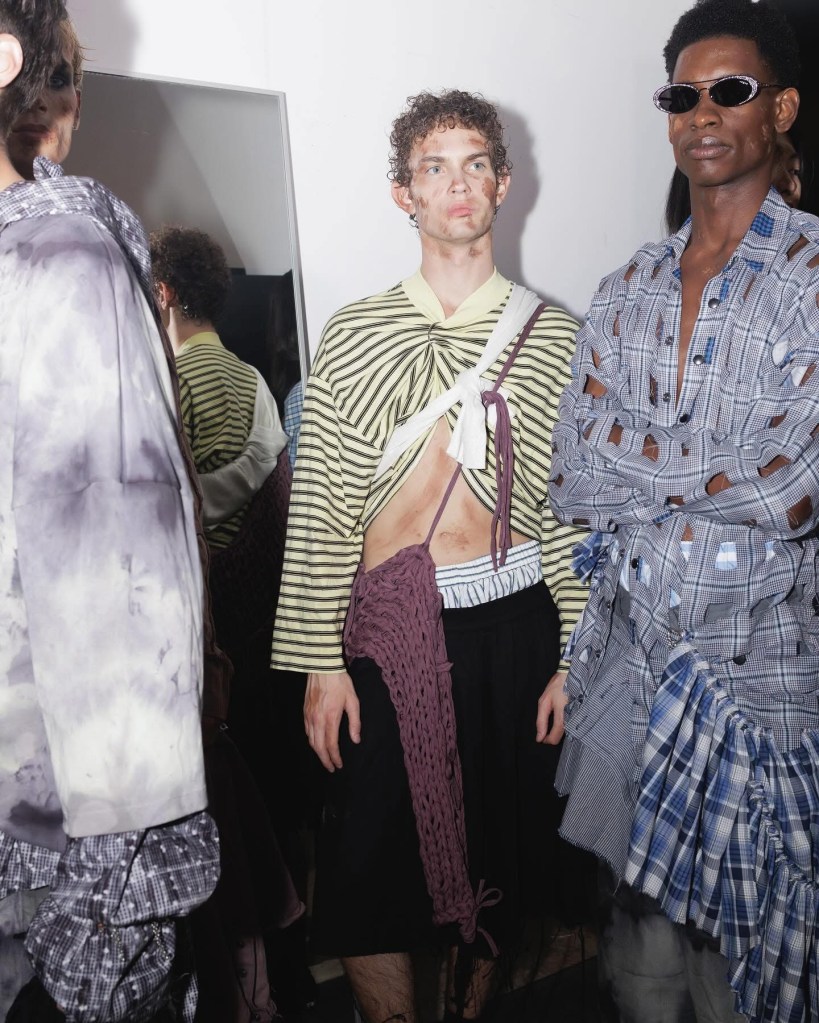
A highlight of this year’s event was the collaboration with MUDE (Museum of Design and Fashion), which served as a focal point for a wide array of events as part of MODALISBOA. In addition to MUDE, the stunning Palacete Gomes Freire added historical depth to the event. Built in 1878, this ornate palace, with its roots in the legacy of the Portuguese Crown, set a captivating backdrop for fashion presentations. Hosting events in such venues is a testament to MODALISBOA’s commitment to connecting fashion with cultural heritage.
The FASHION HOUSE was launched as a new project within MODALISBOA BASE. Conceived as the home of a global vision of Fashion, it emerged as a dynamic and relational space, rooted in the city and returned to the city, where different audiences intersect and recognize creation as a shared territory. Its programming reflected this vocation for encounter.
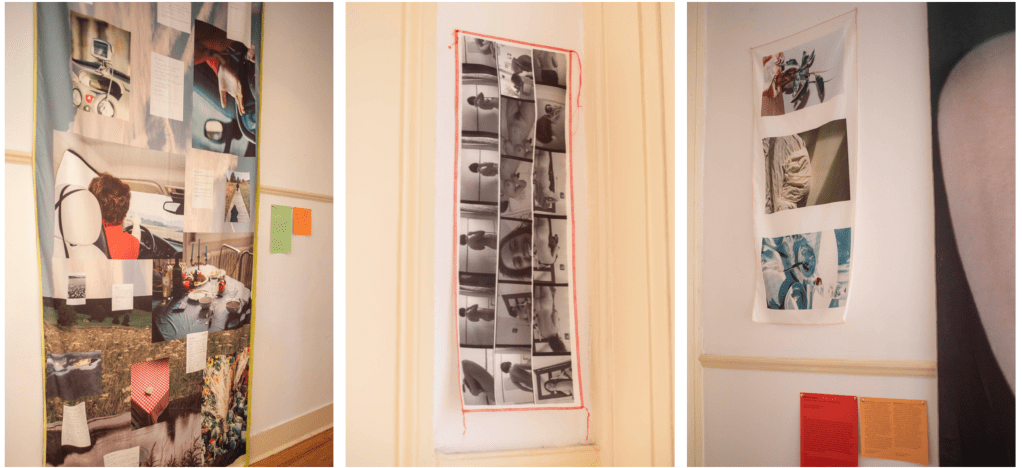
The FASHION HOUSE was the meeting point for Designers, press, key opinion leaders, and the community, transforming into a space of convergence where new forms of exchange can be rehearsed. A craft showcase brought together cultural heritage, sustainable practices, and technological innovation, demonstrating how past and future can coexist within the same gesture. A pop-up store dedicated to Portuguese Designers and brands extended the affirmation of national authorship in the market, while a Lounge provided space to prolong the event experience in an atmosphere of listening and proximity. Balancing moments of free access with exclusive presentations, the FASHION HOUSE offered a program that included happenings, launches, and special events. More than a new venue, it was a statement about Fashion as a collective practice and a cultural force in motion.
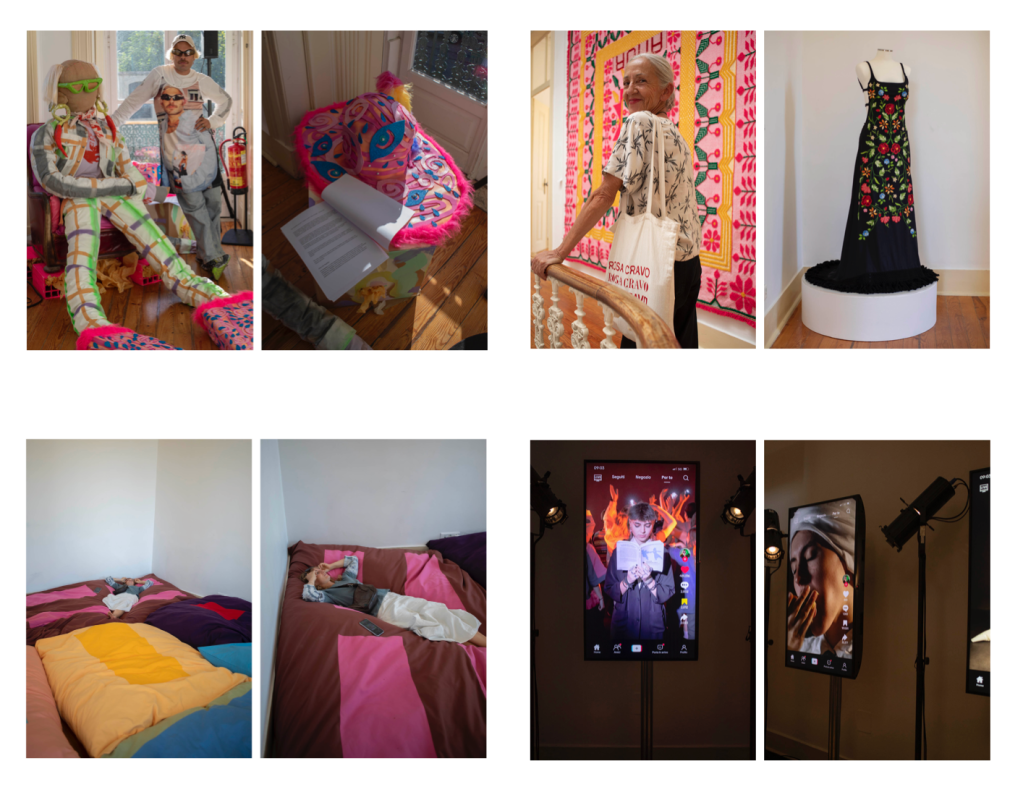
At its core, this year’s theme, “BASE,” urged participants to delve into the fundamental principles of fashion, prompting us to consider the materials and ideas that constitute its essence rather than merely focusing on surface-level aesthetics. The event’s structure further enhanced its impact, intertwining fashion shows with thematic debates, workshops, and exhibitions. This interdisciplinary networking allows for the convergence of various knowledge areas, techniques, and experiences, facilitating the emergence of innovative concepts and languages within the fashion sphere. By bringing together established names and emerging designers, MODALISBOA fosters an environment ripe for collaboration and creative exploration, encouraging fresh narratives and ideas to flourish.
This edition of MODALISBOA challenged participants not to seek easy answers or prescriptive formulas. Instead, it recognized fashion as a collective endeavor—with contributions from professionals, local communities, and curious onlookers alike. The event underscores the importance of recognizing the interconnectedness of creativity, sustainability, technology, and artisanal heritage. By celebrating this blend, MODALISBOA exemplifies the potential for growth and innovation rooted in collaboration. The event also introduced a new level of strategic expansion in partnership with the Municipality of Lisboa and the Portugal Events program from Turismo de Portugal. These collaborations signal a commitment to enhancing the fashion ecosystem, reflecting a deeper understanding of the significance of social and economic impact in a climate of transition. By coupling creativity with practicality, MODALISBOA aims to stimulate local designers’ businesses within an increasingly globalized context.
SANGUE NOVO supported by SEASIDE
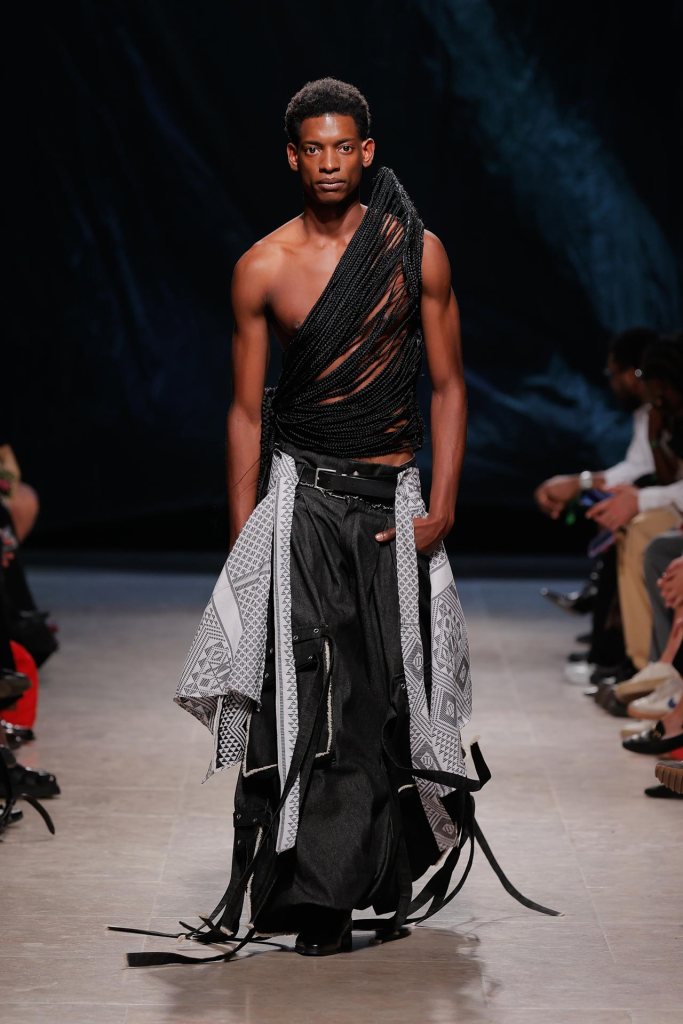
Adja Baio, Fashion Designer born and raised in Guinea-Bissau, moved to Portugal with her family seven years ago. She graduated in Fashion Design from ESAD and has focused her work on creating genderless pieces that explore the fusion of Guinean cultural references with streetwear and maximalism. Her research reflects the freedom of expression she finds in fashion and the affirmation of her identity.
PANO DE PINTI is a collection that reflects the personal and cultural identity of Adja Baio, with hair as the central element of her self-expression. Since childhood, the Designer has nurtured a special connection with hairstyles and braids, but only recently came to understand the deep meaning behind this practice. Inspired by traditional silhouettes, fabrics, and the vibrant patterns of Guinea-Bissau, the pieces connect the Designer’s Guinean roots with a contemporary and experimental perspective. The integration of streetwear adds a striking edge, reflecting her personal style and her desire to exaggerate in the details. The aim is to celebrate the beauty of identity through shapes, textures, and elements drawn from her lived experiences. Each piece asserts who Adja Baio is, in an authentic, conscious, and visually powerful way.

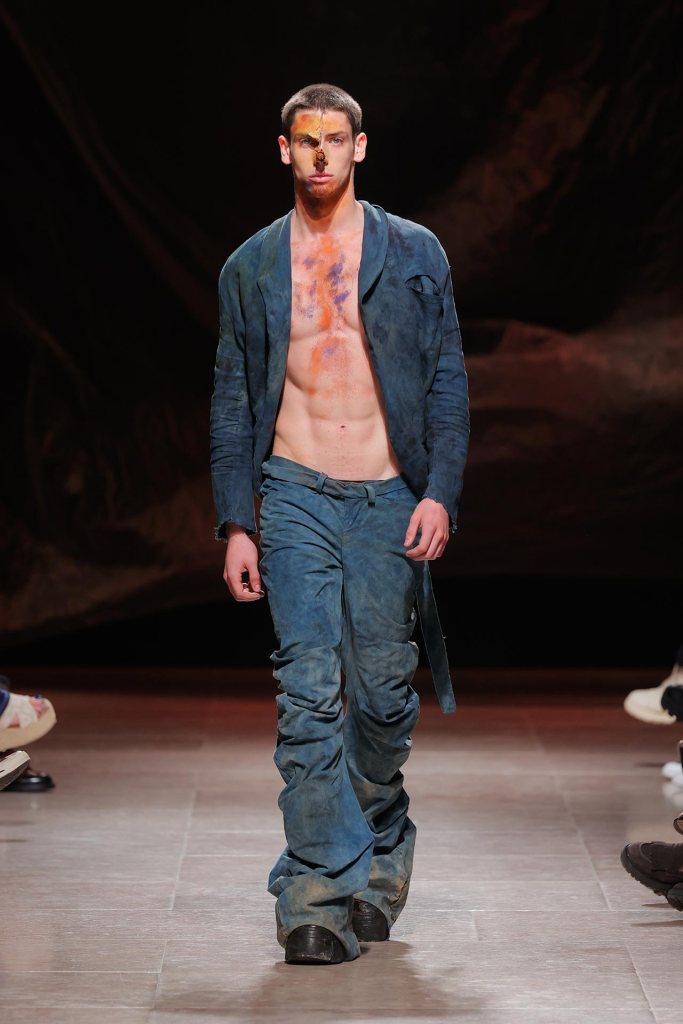
Born and raised in Lisbon, with Cape Verdean roots, Ariana Orrico developed an early passion for the arts. In 2021, she completed her studies in Artistic Production at the António Arroio School of Arts and, in the same year, began a Fashion Design degree at the Faculty of Architecture, University of Lisbon. She is currently completing a Master’s in the same field at FAUL. During her academic journey, she also took part in an exchange program at the University of São Paulo, Brazil. Her artistic background is reflected in the way she explores the plasticity of materials, manual techniques, and her experimental approach to fashion.
The 75 collection was born from an urgency: to liberate the male body from the visual neutrality that confines it. Eliminating trousers was the first step. From leather, denim, and lace knit, Ariana Orrico created a body that wears doubt rather than tradition. The path was to (re)imagine, to question, to provoke, and to open space for the body to experience new ways of existing. The final result is a series of looks that carry the weight of tools for self-discovery. This capsule is materialized in cotton fabrics sourced from textile waste and in genuine leather, purchased as offcuts and transformed into patchwork, making use of every fragment to its fullest.
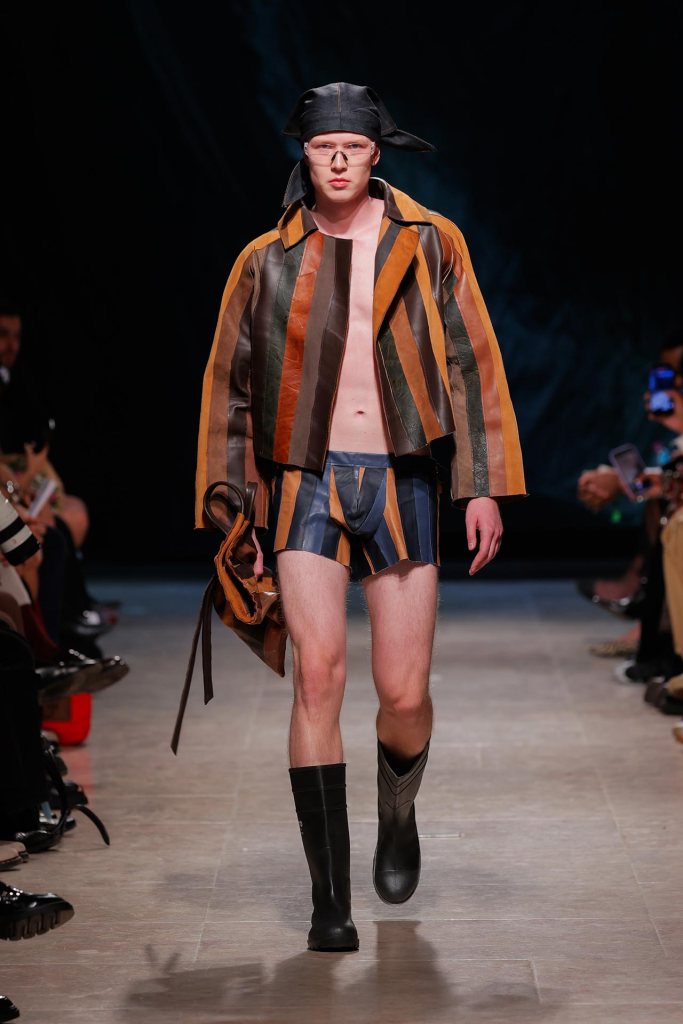
Eva do Cruzeiro Seixas is a fashion Designer and visual artist, trained at Escola de Moda do Porto and Modatex – Porto, where she completed her Fashion Design training. Her practice is distinguished by her ability to translate concepts into coherent visual narratives, combining critical thinking, aesthetic research, and technical proficiency. Eva Seixas explores fashion as a multidisciplinary field, where textile experimentation, artistic conceptualization, and the development of creative and technical dossiers converge. A CASA MORREU collection is an intimate interpretation of the concept of HOME, where space, belonging, and memory intertwine in the urgency of reconstruction. The work deepens themes previously explored, portraying the house not merely as shelter, but as an entity that moves between the physical, the emotional, and the philosophical. Amid the transience of places and the urgent need to reclaim a space, one question echoes: In the search for a home, what do we tolerate in the name of companionship, of the longing for community? Before it is too late, before the boundaries between what was and what will be dissolve, the circle remains – always returning, always home.
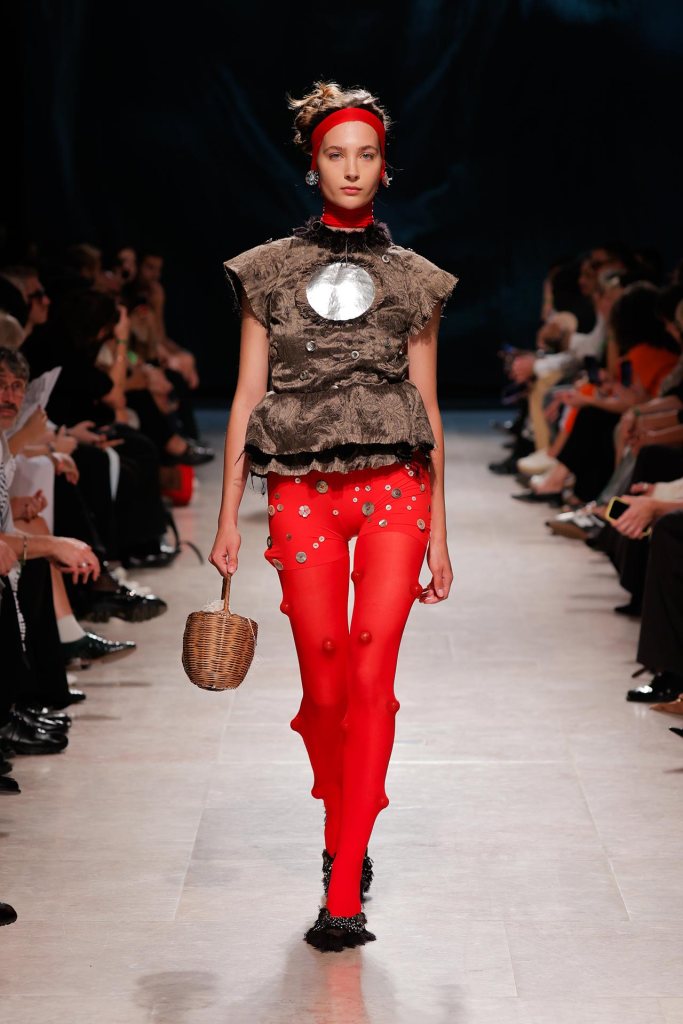
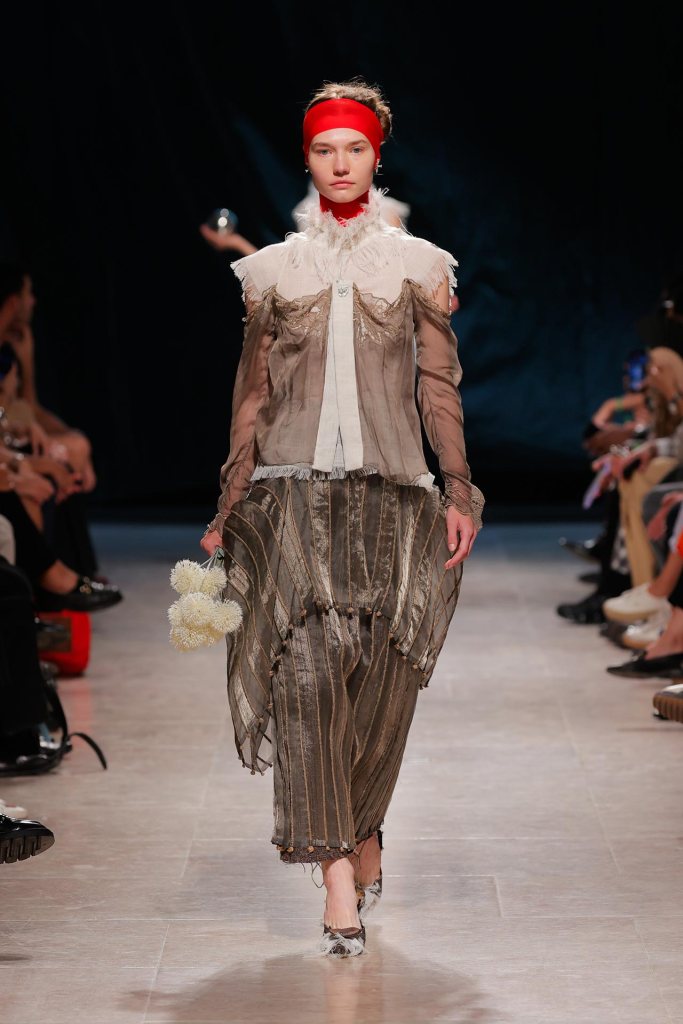
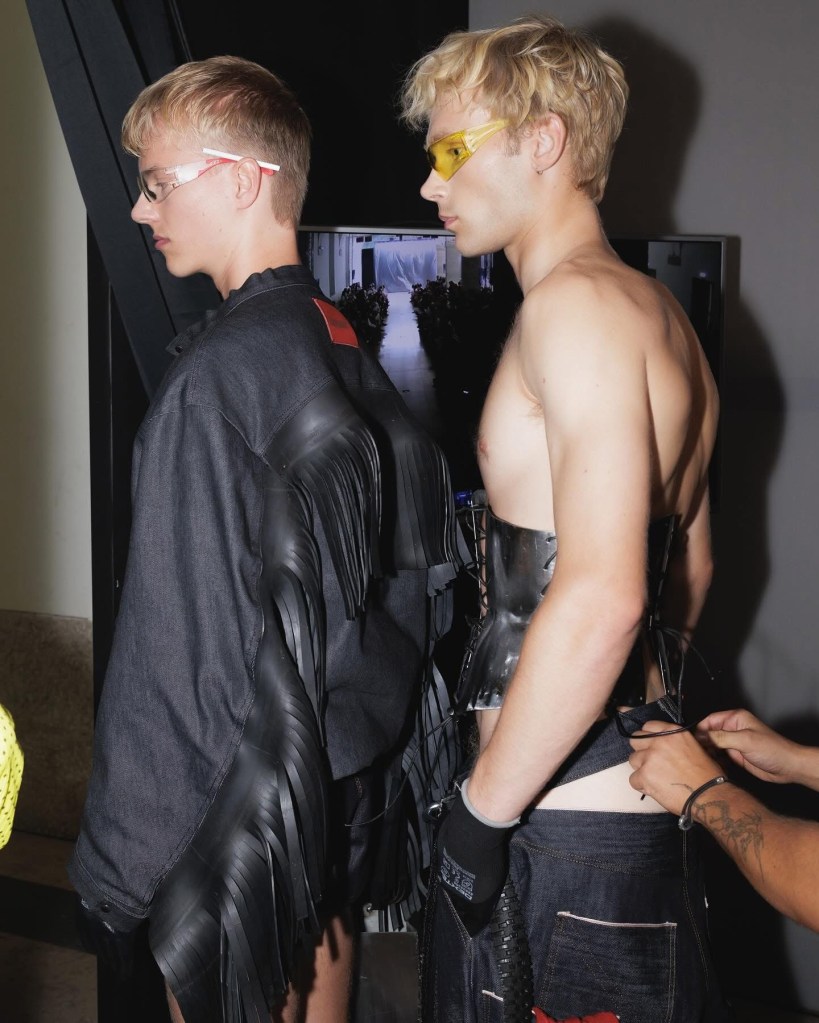
ELIO is the creative project of Élio Ramos, a Designer from the Algarve currently based in Lisbon. A graduate in Fashion Design from the Faculty of Architecture of the University of Lisbon, Élio Ramos has developed a critical and powerful design language that intersects body, memory, and identity. Through deconstruction and material exploration, he approaches fashion as a discourse, na attitude, and a tool of transformation, always rooted in values of sustainability, inclusion, and an irreverent irony that has become the signature of his work. Between skin and metal, LUBE emerges from the oily floors of workshops, where masculinity dresses in uniform and silence. But what if that body were exposed? What if the gaze turned? The collection stems from this unease. In a space where the sight of naked women in calendars has been normalized, LUBE responds by revealing the male body, vulnerable, tense, desirable. The material is raw, recycled, with inner tubes, metal, and cuts that disarm. The corset constricts, the clothes weighs, and discomfort becomes language. Here, absence reveals more than presence. LUBE does not soften the man, but tears apart the idea that he must remain hidden. It is between the mechanical and the intimate that the body relearns how to be seen. Without asking permission. Without disguise.
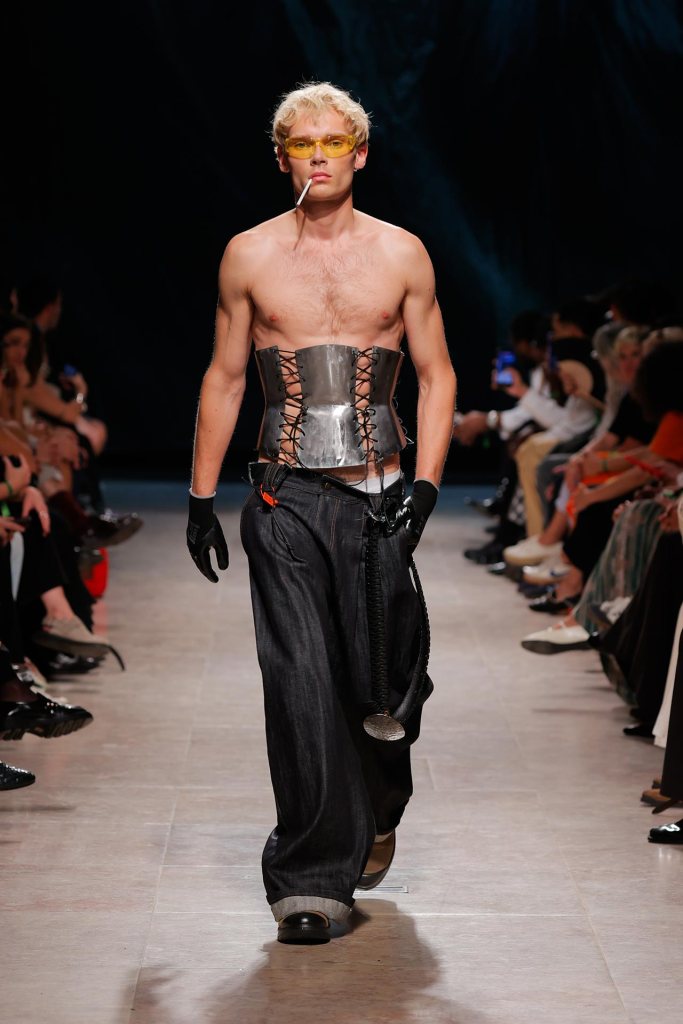
Born in Porto and currently living in Castelo Branco, Inês Almeida has always been passionate about different forms of art. She is completing her Master’s degree in Fashion Design at ESART, with her main areas of interest being fashion production, jewellery, and conceptual design of clothing and accessories. The designer seeks to continue refining her skills in these fields and enrich her portfolio with new experiences. She aspires to built a career she is proud of and that can inspire others, demonstrating that studying art and living from creativity is worthwhile.
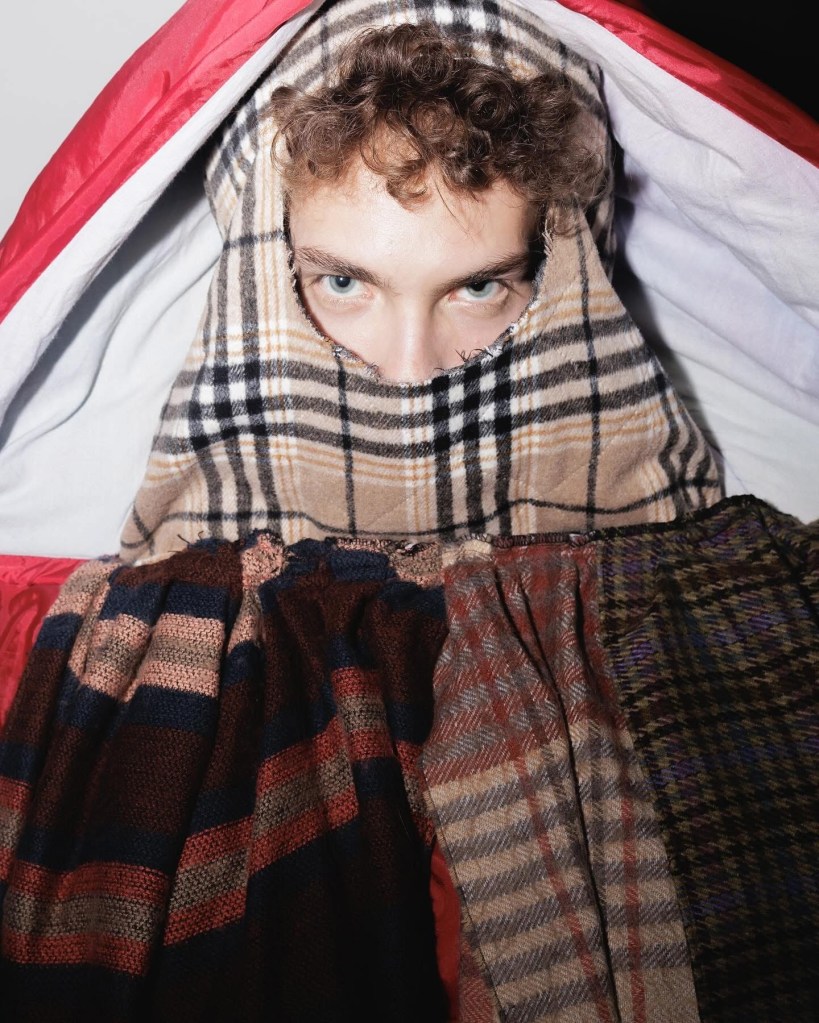
SETTING UP THE TENT
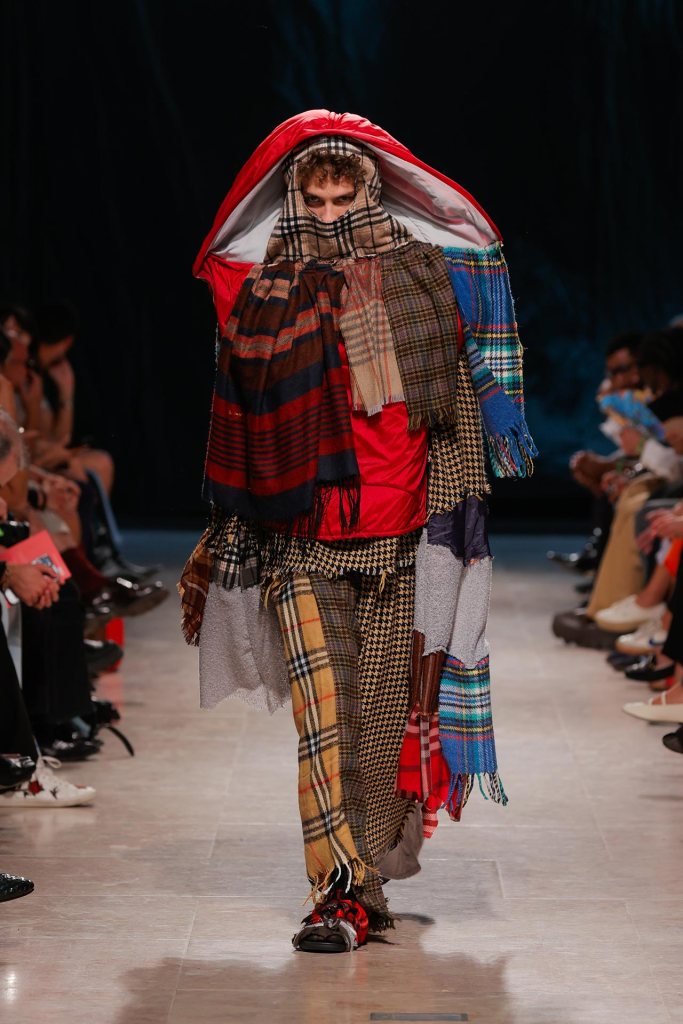
Disinformation impoverishes us. In a world where information emerges in seconds and in excess, it becomes difficult to distinguish facts from distorted perspectives. In Portugal, as in other Western countries, there is an emotional distance among citizens, worsened by unreliable sources that fuel conflict and prejudice. The streets reflect this crisis: more people living in poor conditions, without proper housing, decent work, or access to culture. Migrants or locals — who suffers more? Are we seeking blame or solutions? This collection offers an aesthetic and political reflection on disinformation, challenging romanticised views of the country. Inspired by people experiencing homelessness, it uses shapes and materials such as tents, sleeping bags, and discarded blankets, in a construction meant to provoke critical thought and public awareness.
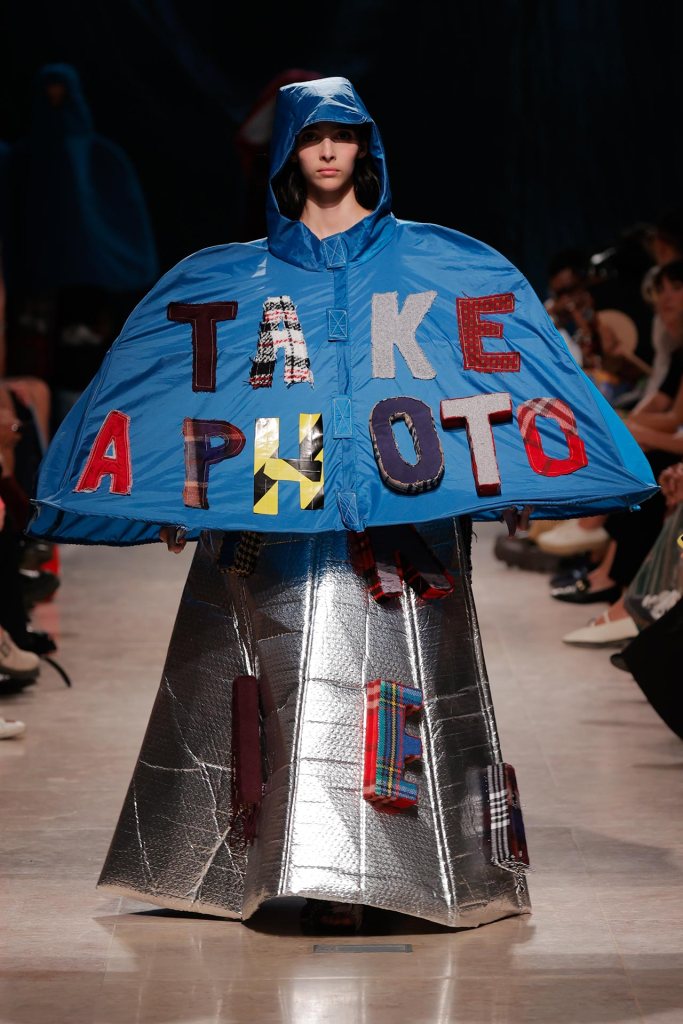
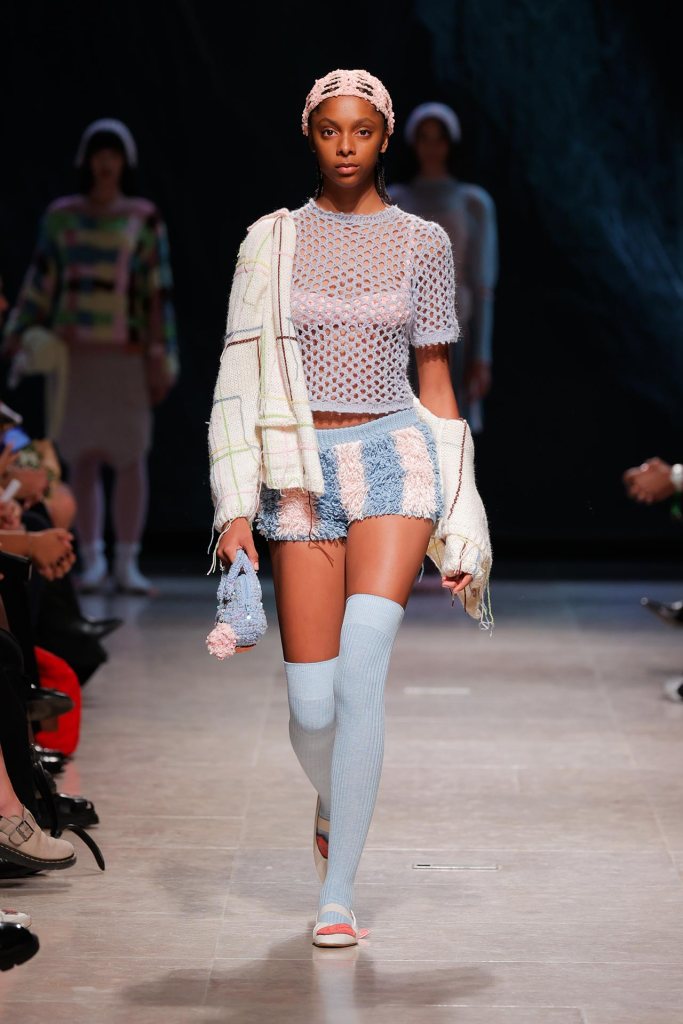
Mafalda Simões was born in Coimbra and graduated in Fashion Design from the Faculty of Architecture of the University of Lisbon, where she is currently completing her master’s degree in the same field. She interned with designer Constança Entrudo and, in 2023, participated in the National Exhibition of Young Creators, winning the first place in the fashion design category with the group collection “Entulho”. Her work is distinguished by a strong connection to artisanal techniques and an innovative approach to manual processes.
The DAYDREAM collection reflects the transition from childhood to adolescence, a dreamlike space between innocence and awareness, celebrating the imaginative, sensitive, and resilient spirit of this stage of life. Inspired by Justine Kurland’s photographic series Girl Pictures, in which teenagers create imaginary worlds on the margins of adult life, the collection presents a surreal universe, between fantasy and reality, outlining a transitional territory. Each piece is entirely crafted through yarn manipulation, using knitting and crochet, in a meticulous artisanal process in which manual technique merges with creativity.
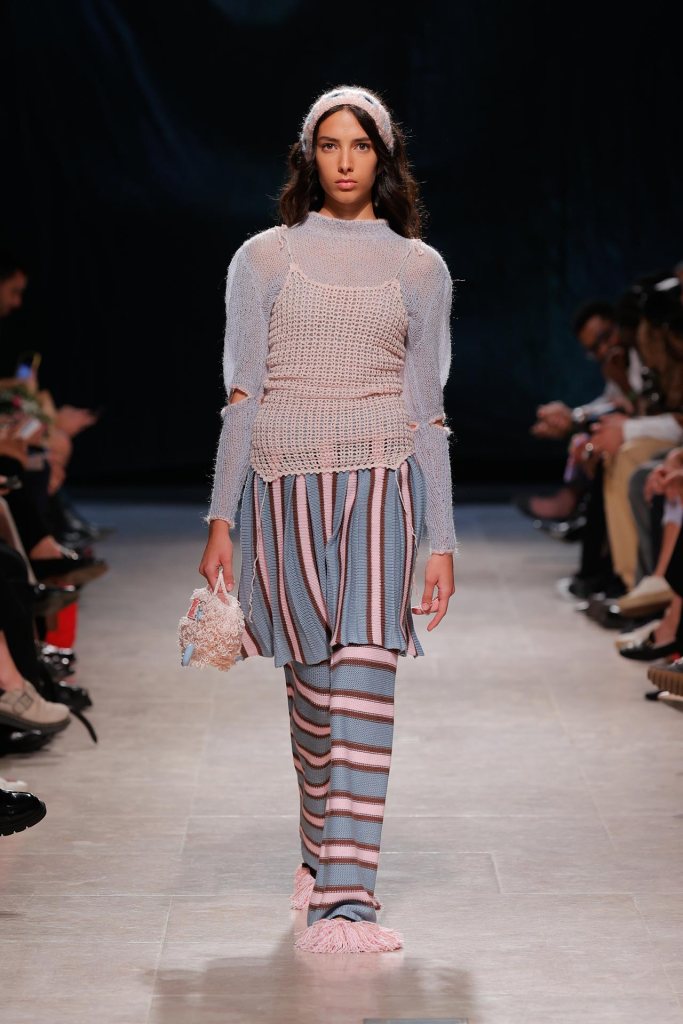
Mariana Garcia, born in Vila Nova de Famalicão, graduated in Fashion Design from ESAD. She interned with Susana Bettencourt and at the company BECRI, experiences that allowed her to explore the dialogue between creativity and industry. In 2019, she won first prize in the “My Project is Entrepreneurial” competition, promoted by the Famalicão Empreende Municipal Network, with the project “Mutante,” a transformable clothing collection. Her work explores the relationship between body and movement, aiming to create experiences through clothing, combining functionality and elegance.
In topography, the zero level marks the starting point, the foundation from which everything begins. The COTA 0collection is the start of a creative journey: an open exploration inspired by movement, art, nature, and design. Inspired by Richard Serra’s work, it plays with precise cuts and organic lines. Built through deconstruction, the process began with shaping exercises on the mannequin, using blazers and trousers as a starting point for the development of new pieces. Industrial elements like copper and chrome, from the grandfather’s motorcycle workshop, add contrast and raw elegance. The result is a reflection on transformation, simplicity, and refinement, preserving the essence of each piece while giving it new meaning.
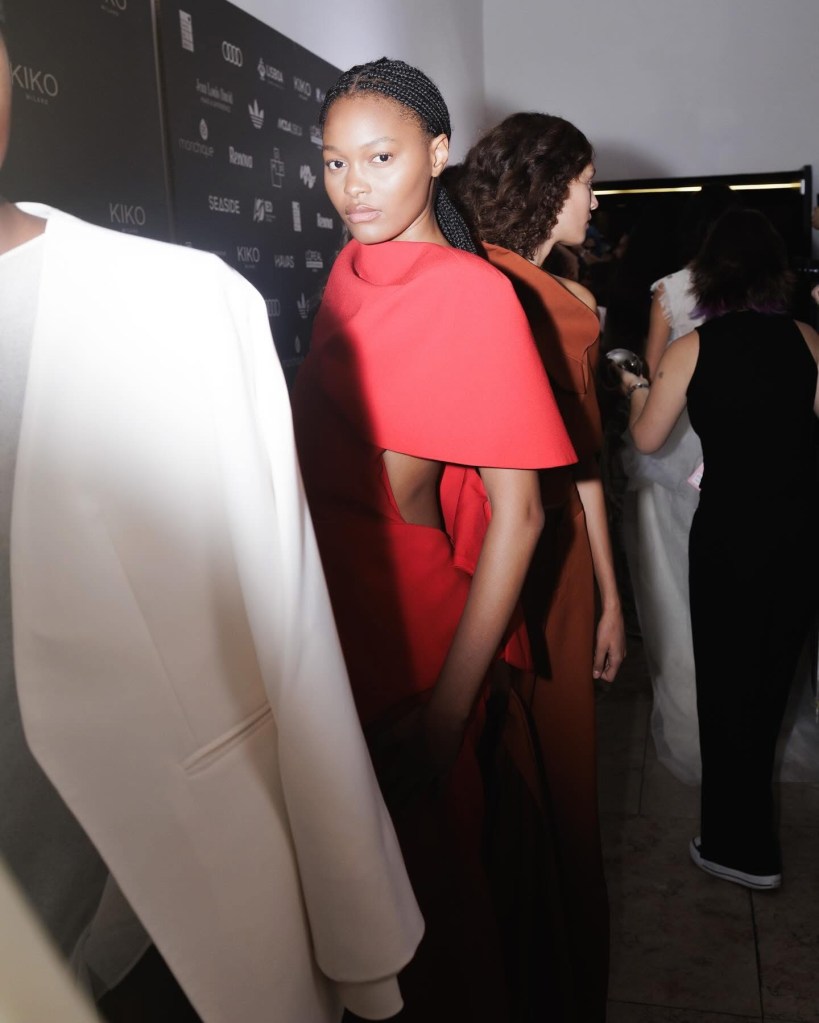
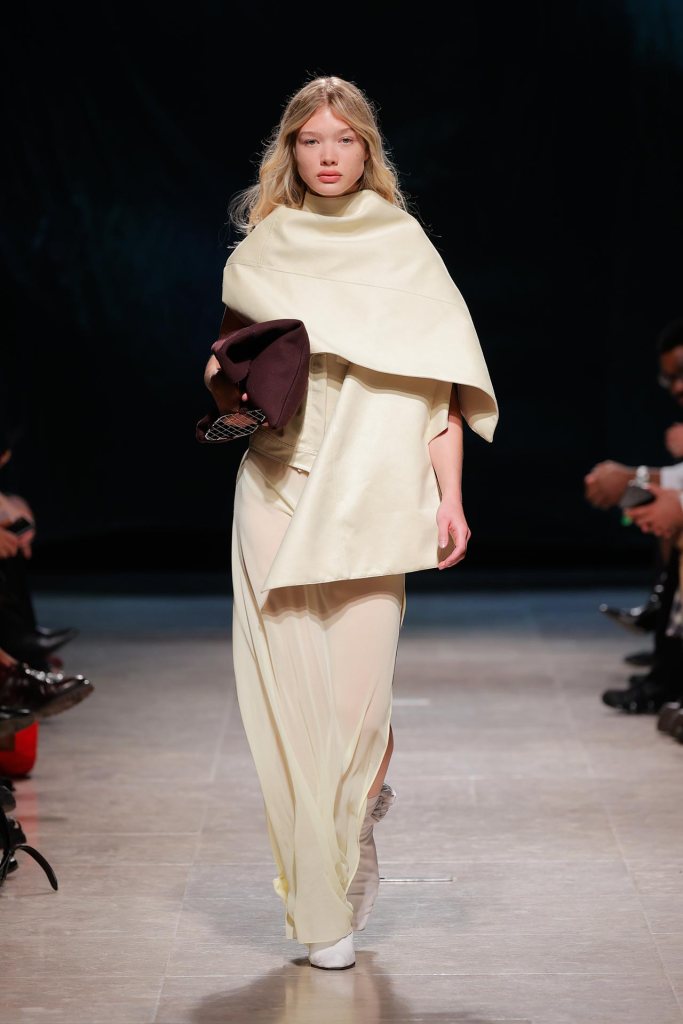
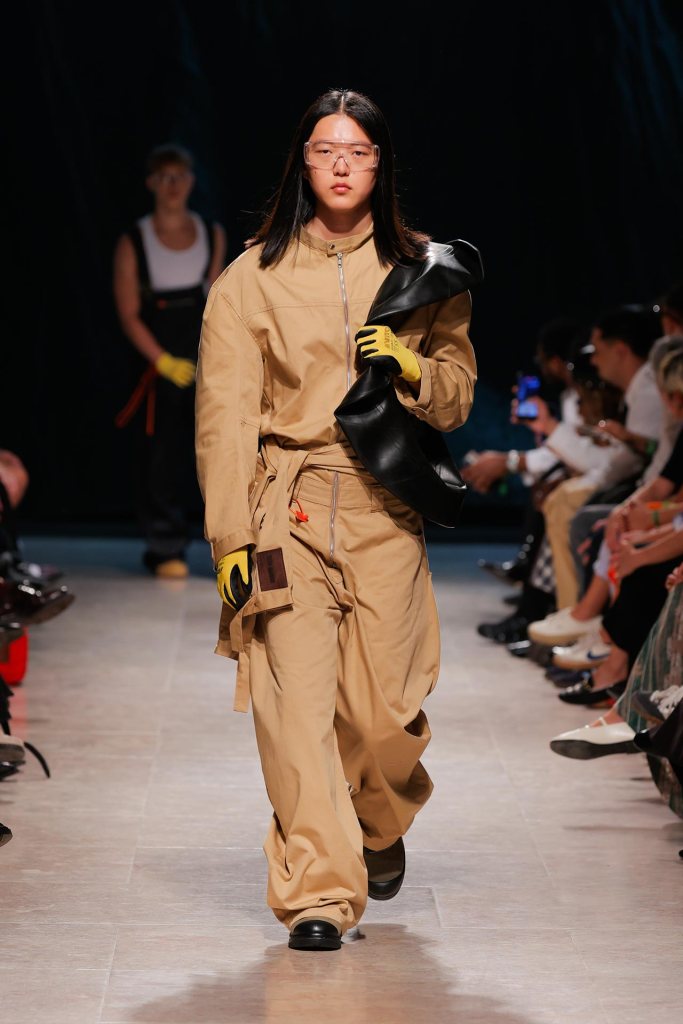
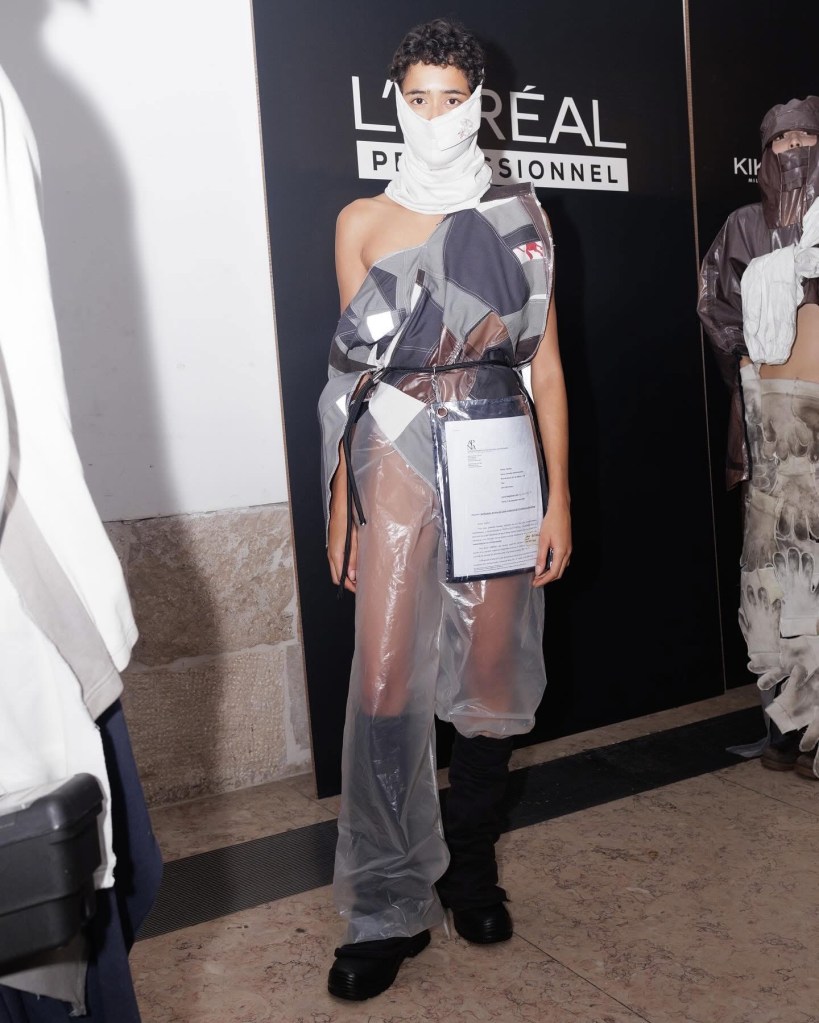
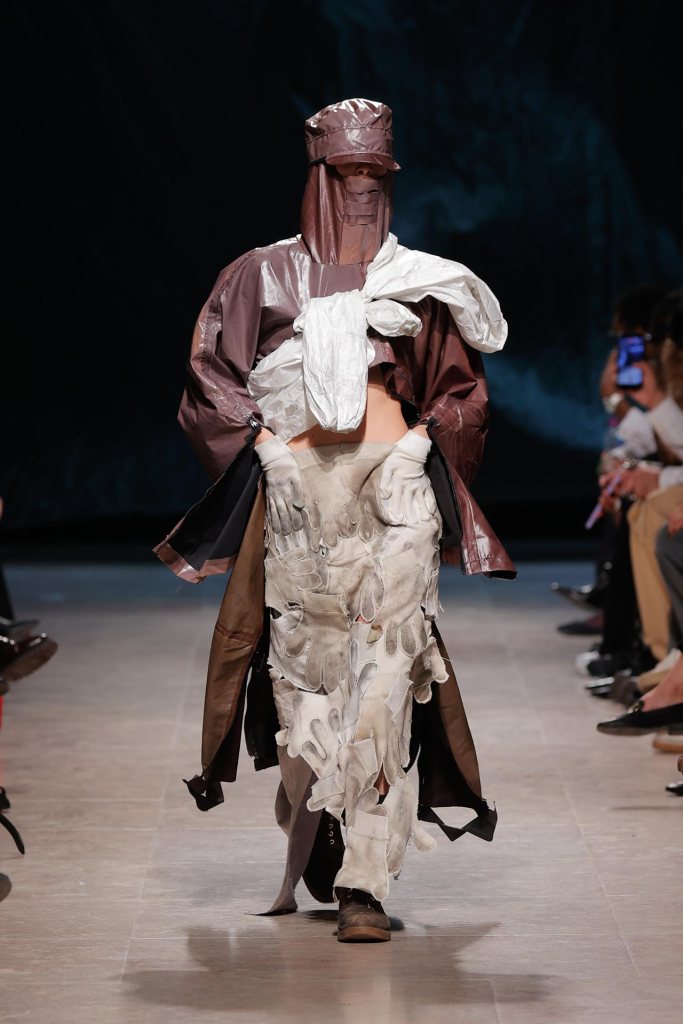
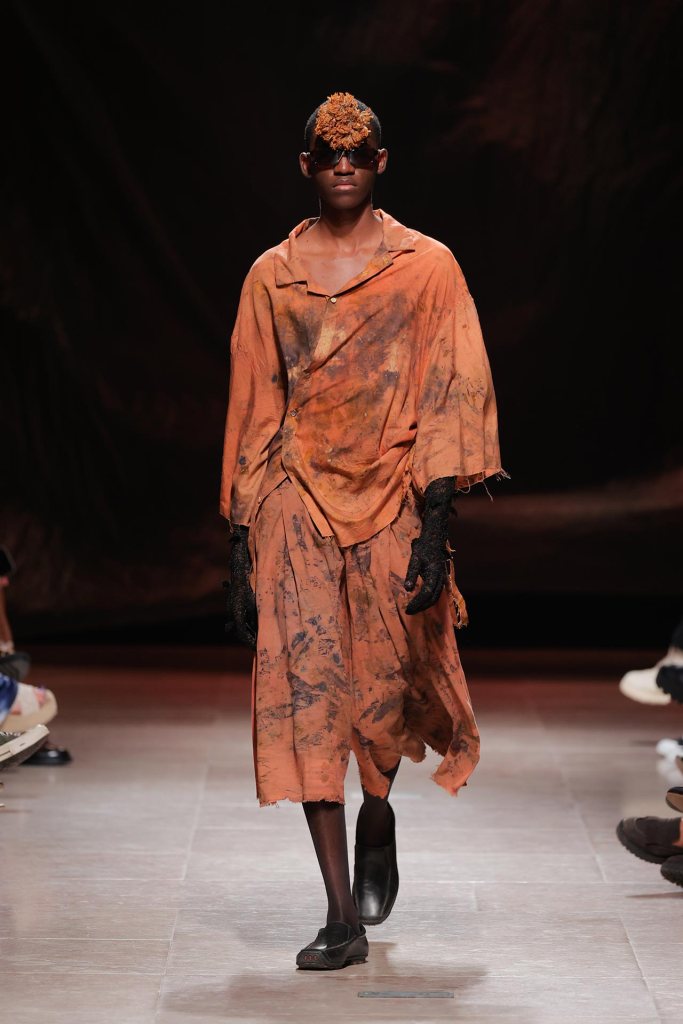
Recently graduated in Fashion Design from ESAD, Xavier Silva, born in Aveiro, finds his main inspiration from the universe of workwear and streetwear, exploring the connection between functionality, reconstruction, and urban identity. Born from the desire to rethink fashion and its impact, the brand Usual Suspect 1 of 1 values upcycling and the reuse of materials, giving new life to discarded fabrics and garments. Each creation is unique, the result of a creative process that combines sustainability, innovation, and contemporary aesthetics. With this vision, Usual Suspect seeks to redefine the way we relate to clothing, promoting conscious and authentic fashion, where every piece tells its own story.
The collection ÚLTIMO EMPREGADO (The Last Worker) draws on the experiences and history of Xavier Silva’s family, marked by years of hard, undervalued work. Through this collection, the Designer seeks to transform feelings of weariness and invisibility into artistic and enriching creation. The collection incorporates uniforms once worn by Xavier Silva and his family, preserving stains, tears, and patches as testimonies of their “battle scars.” These elements, combined with repurposed work objects – such as worn gloves and used cloths – reinforce the connection to upcycling and the emotional memory embedded in clothing. From this process emerges a conscious fashion proposal that gives new life to what was once discarded, transforming stories of effort and resilience into unique pieces, full of authenticity and meaning.
WORKSTATION DESIGN supported by JEAN LOUIS DAVID
WORKSTATION DESIGN supported by Jean Louis David makes its debut at MODALISBOA BASE as the reformulation of a historic platform of Associação ModaLisboa, presenting in three fashion shows ARNDES, Bárbara Atanásio, Çal Pfungst, Francisca Nabinho, Gabriel Silva Barros, and Mestre Studio. In an industry in constant transformation, identifying talent is not enough: it is essential to create the conditions for authorial visions to mature and gain solidity. WORKSTATION DESIGN supported by Jean Louis David provides this framework, offering emerging Designers stage and structure (presentation venue, technical production, support teams, and hair styling by Jean Louis David professionals), amplifying the capacity of each collection to assert itself both as a creative proposal and as a professional project.
The project also includes the Empowerment Award, designed to support careers in their consolidation phase. This financial incentive contributes to the development of business models, to innovation, and to the affirmation of a consistent presence within the system. The selection takes into account conceptual maturity, responsibility in production, and growth potential. In October 2025, the awardees are ARNDES, Bárbara Atanásio, and Mestre Studio, three rising creators whose trajectory already points towards future internationalization. WORKSTATION DESIGN supported by Jean Louis David thus establishes itself as a strategic instrument of valorization, a platform where authorship, innovation, and business thinking converge, projecting the future of a new generation of Designers and reinforcing their presence in a sector in constant transformation.
From an early age, Ana Rita de Sousa, ARNDES’ designer, showed interest in expressing herself through textiles materials. Graduated in Fashion Design by Modatex Porto, in 2019, and with a previous specialization in Plastic Arts applied to Performance and Shows by Soares dos Reis School, she completed her training with an internship at the atelier of designer Luís Buchinho. In 2021, she won the first prize of the Sangue Novo, ModaLisboa’s Young Designers Competition, which allowed her to attend the Master’s in Collection Design at Polimoda, in Florence. In October 2022, she made her debut on the Workstation platform. ARNDES is a brand aimed at an audience that values craftsmanship and unique silhouettes. It creates a commitment that articulates the aesthetics, functionality, quality and impact of its products throughout their life cycle, based on environmental, ecological and social sustainability. In order to reduce production waste, ARNDES reuses deadstock fabrics for the samples and production of her collections, as well as existing classic garments, transforming them into new garments. The idea is to have a laboratory environment where exploration and experimentation are valued.
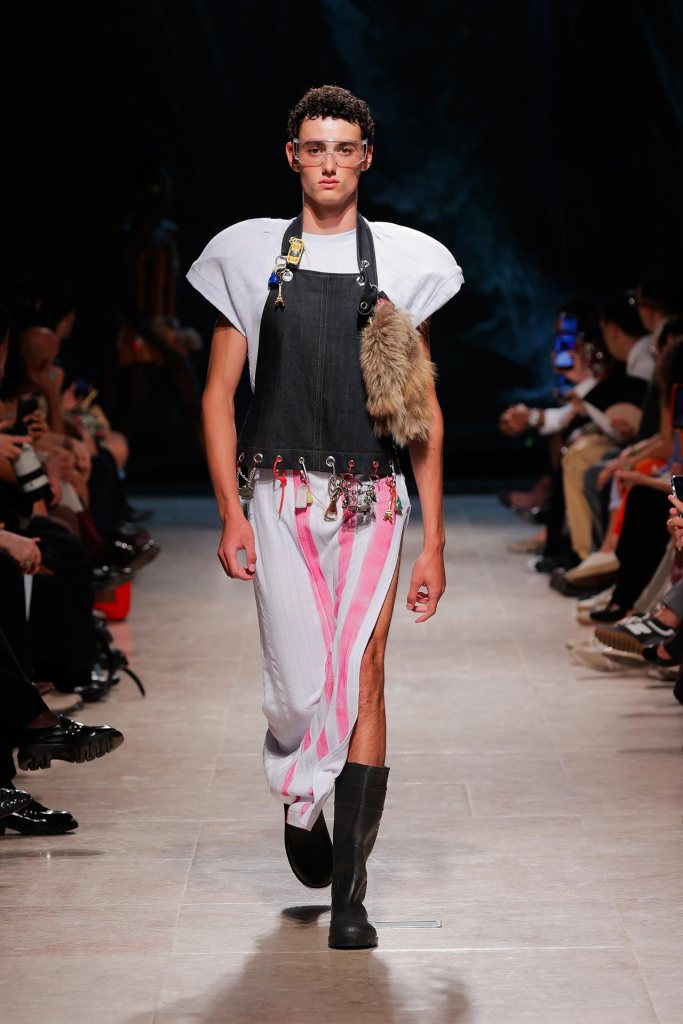
SUMMERING celebrates collectivity, warmth, and rest. Summer in the village is the space where the old meets the new, where memory intertwines with invention, and where fashion becomes a language of celebrating a life that is simple yet multiple and versatile. This collection suggests a summer of contrasts, rustic and sophisticated, traditional and technological, memory and experimentation. It is the celebration of a plural summer, one that is not bound to a single way of living or dressing, but that opens itself to mixture and transformation.
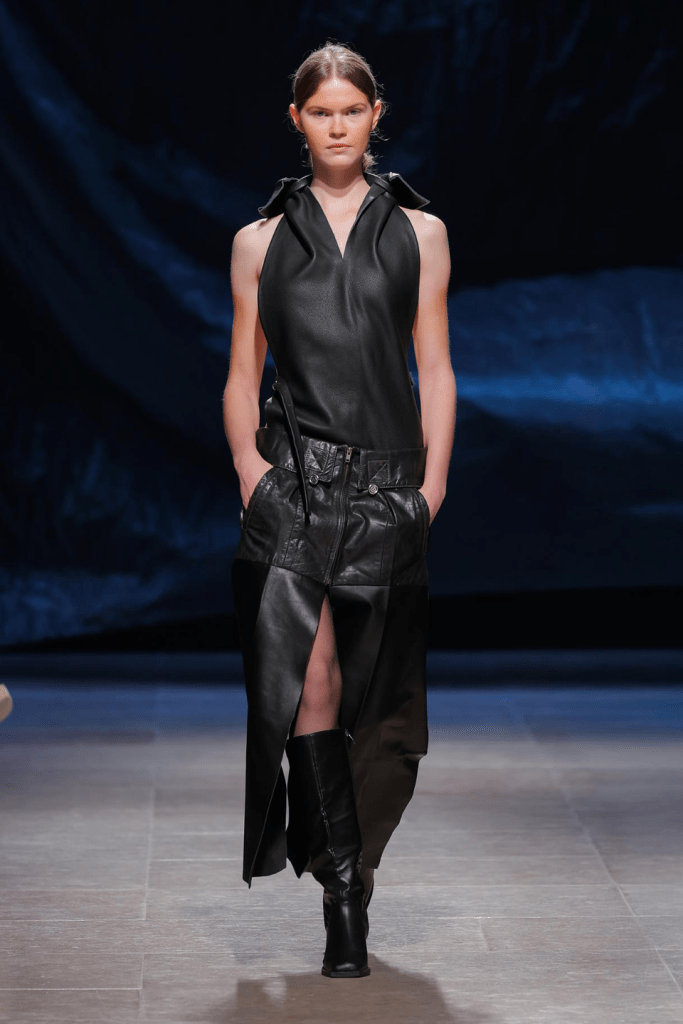
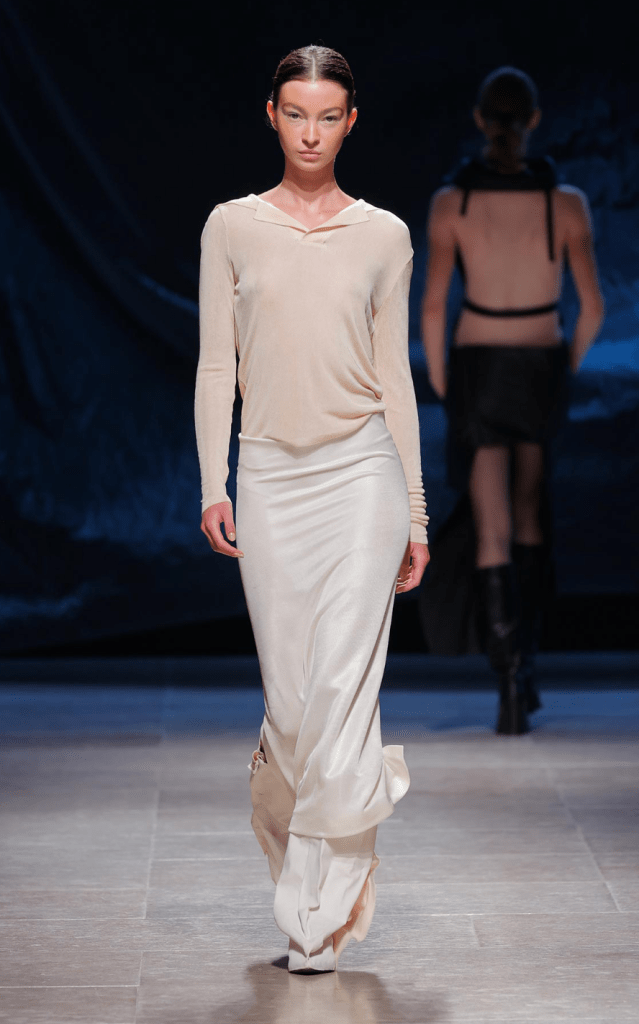
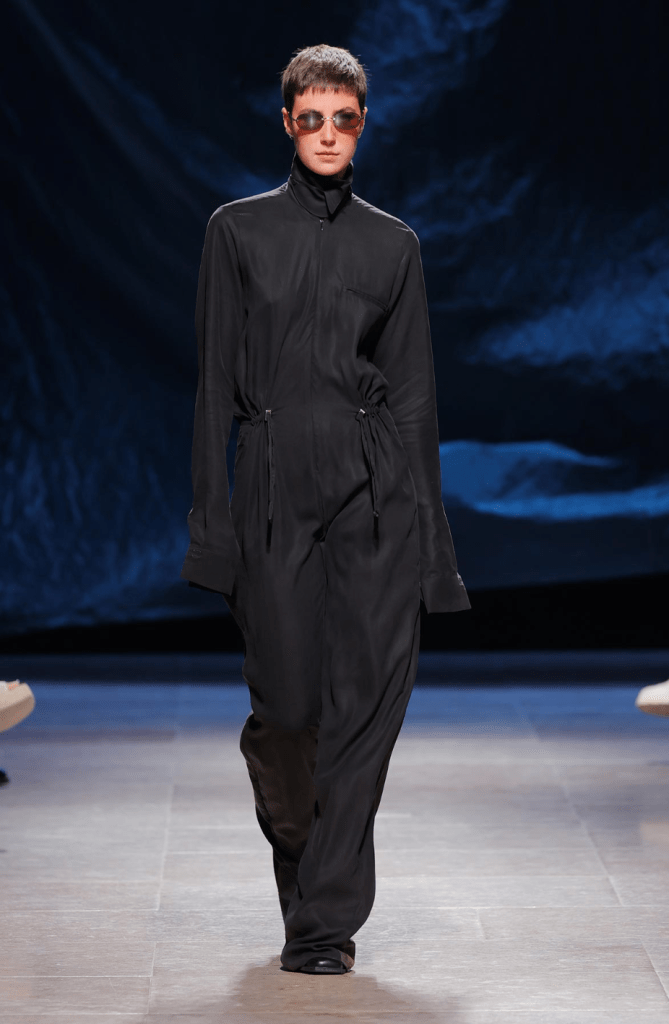
Bárbara Atanásio graduated in Textiles from António Arroio school in 2016, and in Fashion Design from Modatex Lisbon in 2023. In a multidisciplinary work of upcycling, deconstruction, and humor, Bárbara explores the utopia of memory and the conceptualization of daily life. She interned with Valentim Quaresma and Marques’ Almeida, and has been participating in the Mercado P’la Arte since 2022. In March 2024, she won the ModaLisboa x RDD Textiles Award of Sangue Novo, ModaLisboa’s Young Designers Competition, and in October of the same year, she made her debut on the Workstation platform.
ANARCHY OF INNOCENCE
The seed of a childhood that is not scarcity, but raw creative power. A poetic barricade: fragile, yet fiercely unyielding. Anarchy is not chaos, but the organic dance of those who never forgot how to dream. They rise in free assembly, voices colliding in the restless utopia of those who refuse to wait to live. They play as a political act, they game as a manifesto, they build the very ground on which a new world can stand. This is not a celebration of what is finished, but of what is still becoming.
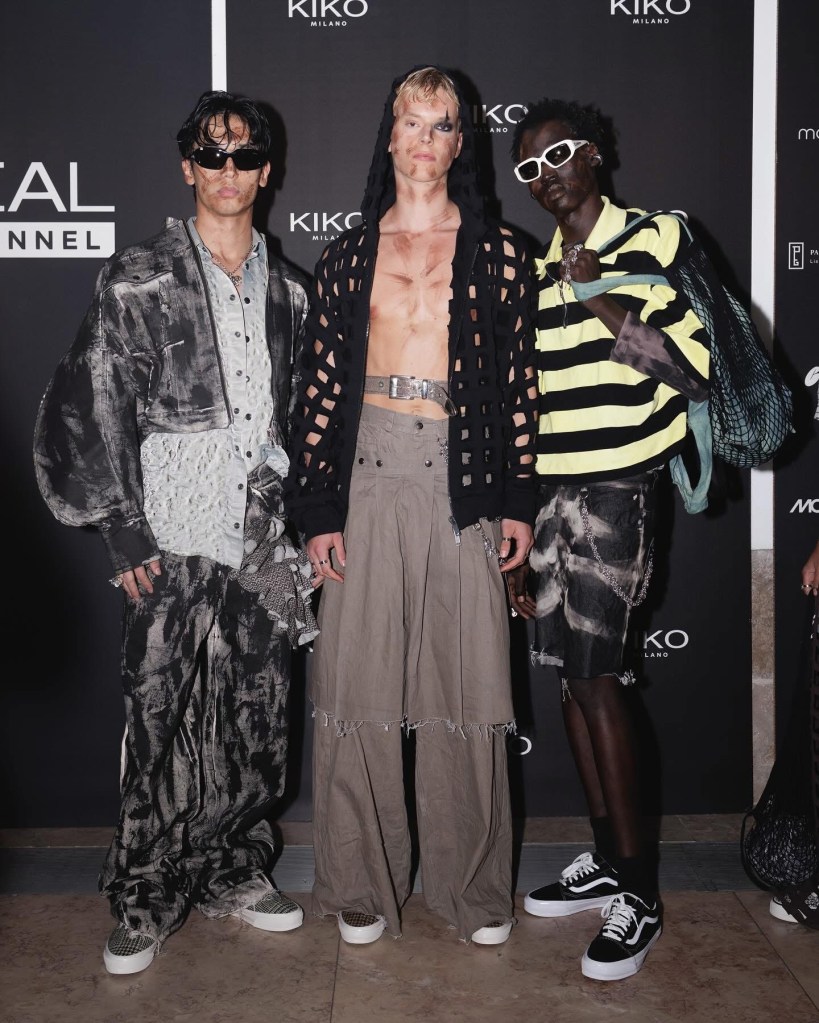
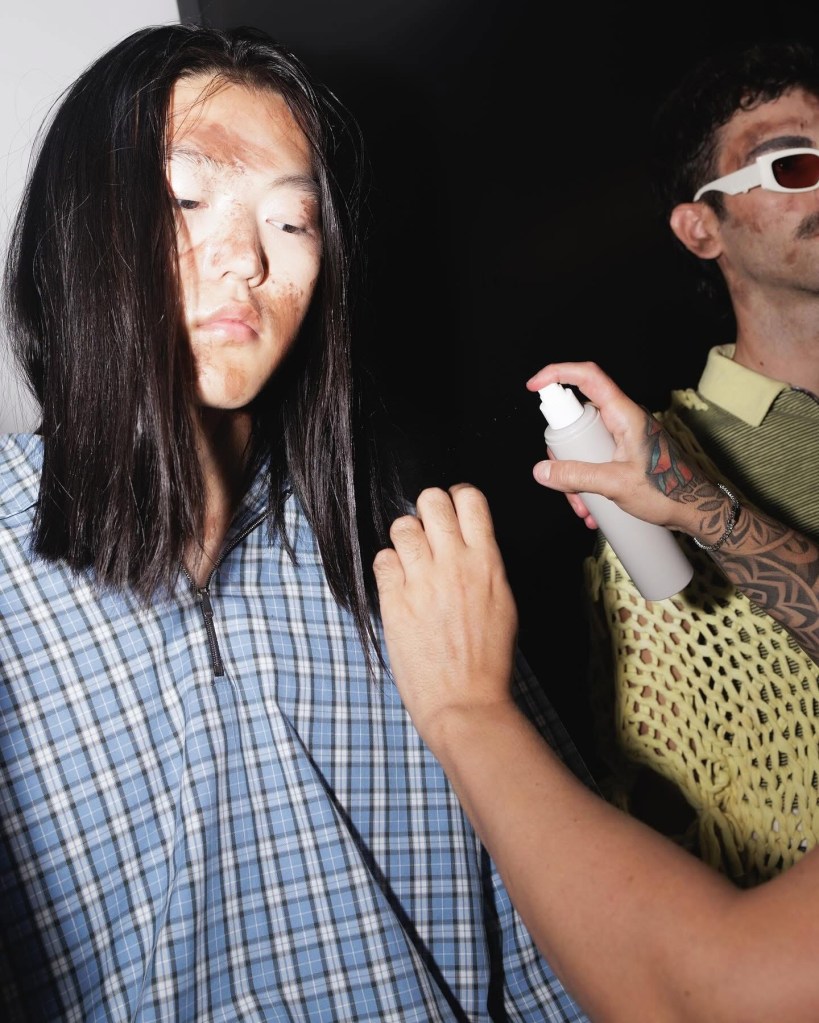
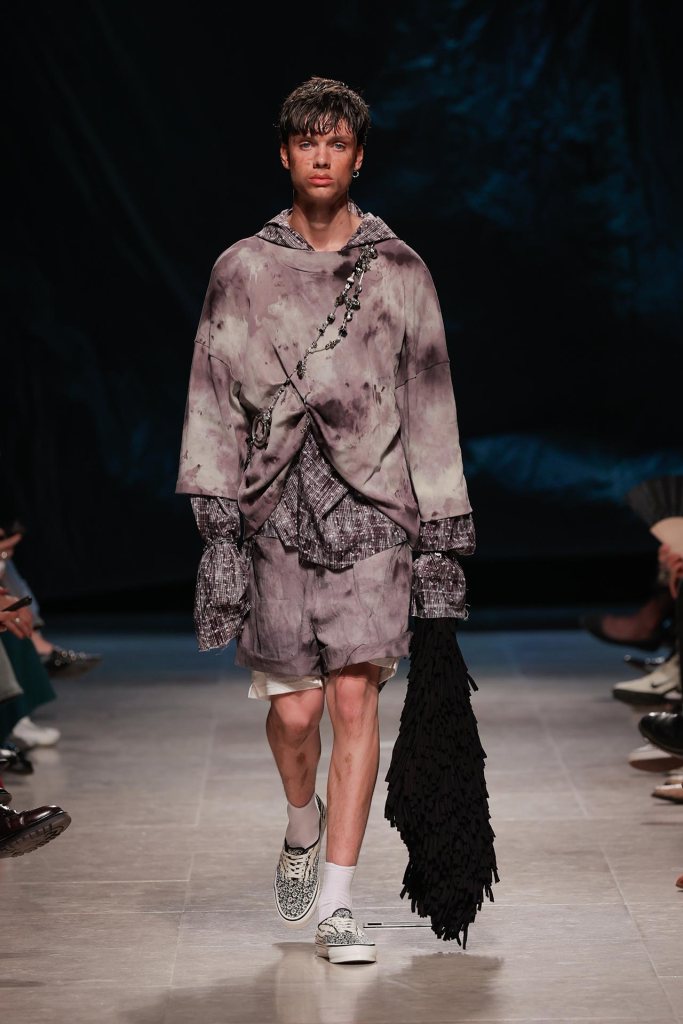
Çal Pfungst creates carewear clothing, as the creator describes it, a type of clothing connected and committed to those who try it on. It postulates imagery and emotive sensory activation through the item of clothing, creating inter-personal, shared narratives. They develops their cosmogony or lore in each collection, through the creation of style and interconnected timeless narratives. Immanent dialogue between the pants and the leg.
«For clothes that fit me, caring clothes, comprehensive clothes, clothes that tell me it’s worth it to wake up and that I am not difficult to love. Clothes with time, clothes that are friends and lovers. Poliamorous clothing that warms whoever needs it. Clothes from now, borrowed clothes. Clothes from the future, clothes that precede us. Interstellar clothes. Clothes that are good to listen to and that sleep with me. Intimate clothes, sweet clothes. Talkative clothes but that can keep secrets. Tore clothes, sweaty clothes. Clothes that I hug. Clothes with space. Placebo clothes that hold me when I break.»
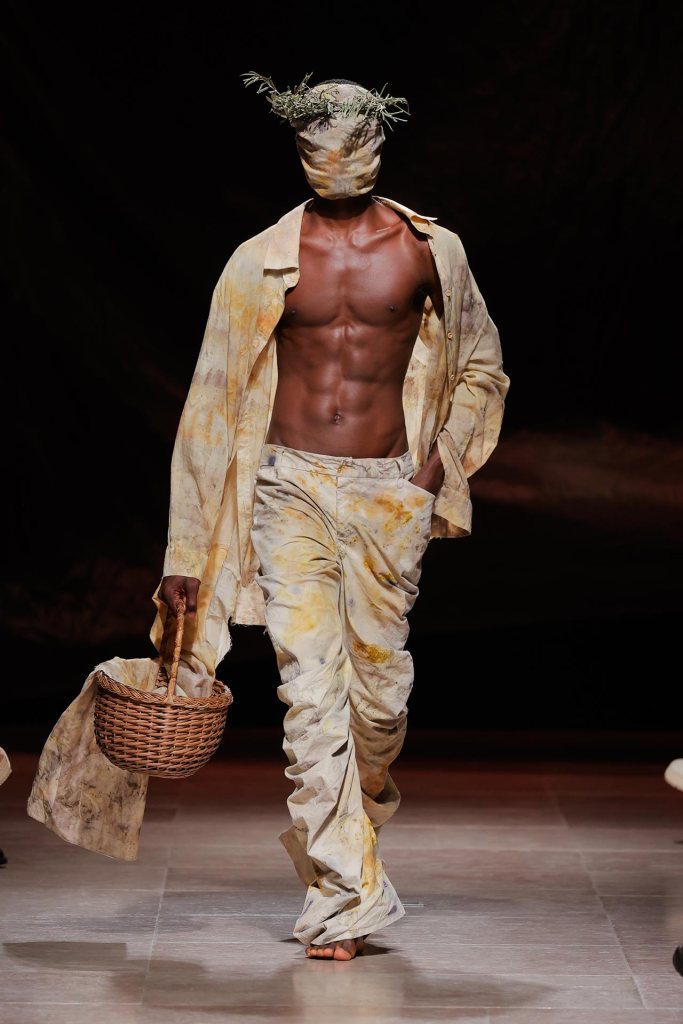
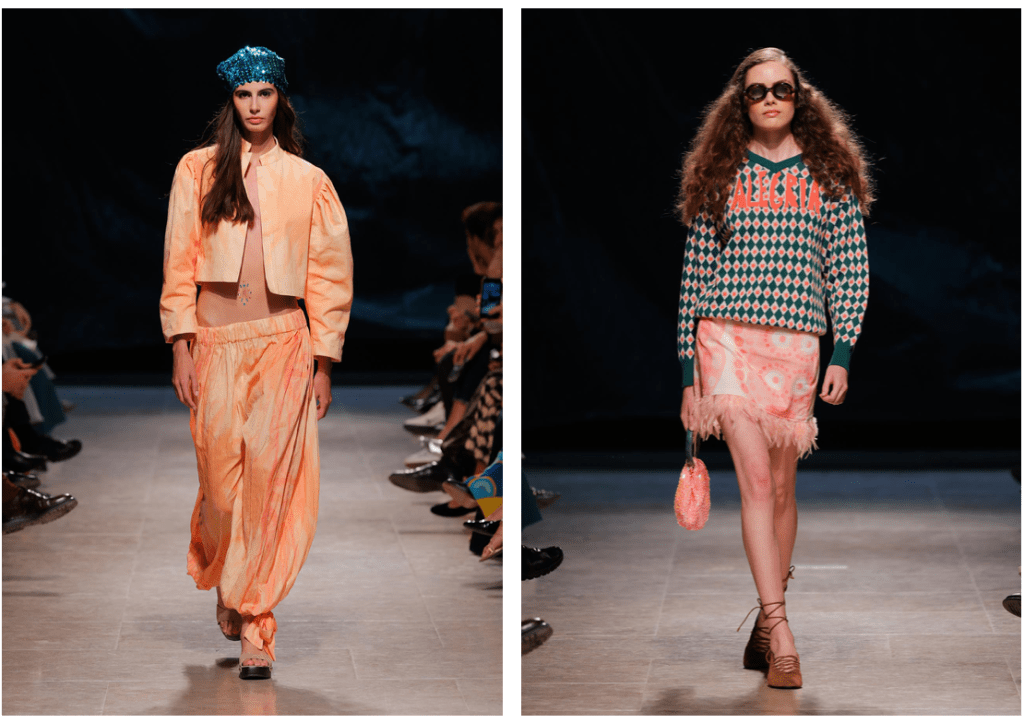
Francisca Nabinho lives and works in Lisbon. She has training in Communication Design, a license degree in Art History from Universidade Nova de Lisboa, and a master’s degree in Fashion Design from Faculty of Architecture (UL). During her academic career, she studied in Italy and completed an internship in Copenhagen with the brands The Garment and Designers Remix. Visual arts and nature are central influences on her creations. She is dedicated to researching and integrating natural materials into her work, always in harmony with the themes and concepts of her projects.
A ALEGRIA É A COISA MAIS SÉRIA DA VIDA (Joy is the most serious thing in life) takes as its starting point the statement by José de Almada Negreiros, spoken in 1932 at the D. Maria II National Theatre. In this speech, the artist distinguished joy from superficial laughter, positioning it as a conscious, courageous, and structuring attitude toward life. His formulation reveals an understanding of joy not as something incidental, but as a vital force capable of guiding the individual in the face of life’s challenges. It is within this framework that the collection seeks to situate itself. Drawing inspiration from Almada Negreiros’s work, it revisits graphic elements, geometric shapes, and the intense use of color, which in the artist’s practice functioned as a language of experimentation and modernist assertion. Transposing these elements into clothing creates a visual and conceptual field where joy is understood as vitality, movement, and energy. The moment of the collection’s presentation aims, therefore, to go beyond mere aesthetics and be experienced as a collective event. Through color, rhythmic repetition, and the power of prints, it proposes that joy manifests as a shared and transversal feeling, assuming the role of both resistance and possibility for communion. In this way A ALEGRIA É A COISA MAIS SÉRIA DA VIDA is not presented merely as a title, but as a conceptual principle. As in Almada’s work, joy is understood as an existential and critical attitude, an active force that withstands adversity and asserts itself as a condition for thinking about the present and the future.
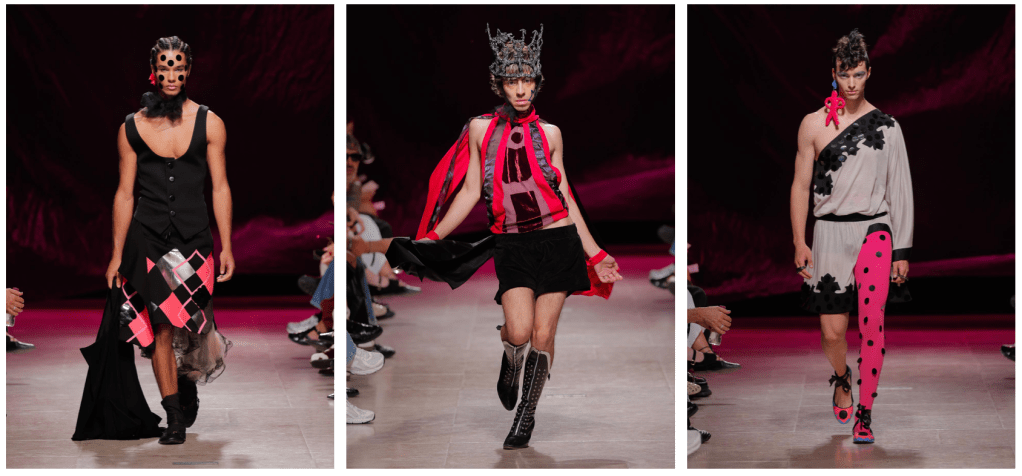
Gabriel Silva Barros, raised on Madeira Island, studied at Central Saint Martins and the University of Westminster, in London. His design ethos combines eclectic influences from the past and present, creating dynamic silhouettes with a play on tradition and the unconventional. Passionate about craftsmanship, Gabriel challenges gender norms through world-building and storytelling. Gabriel has worked at Palmer//Harding and Vivienne Westwood, and aspires to introduce a different perspective on menswear, contributing towards an inclusive future. He seeks to revive fashion’s sense of fantasy and exclusivity.
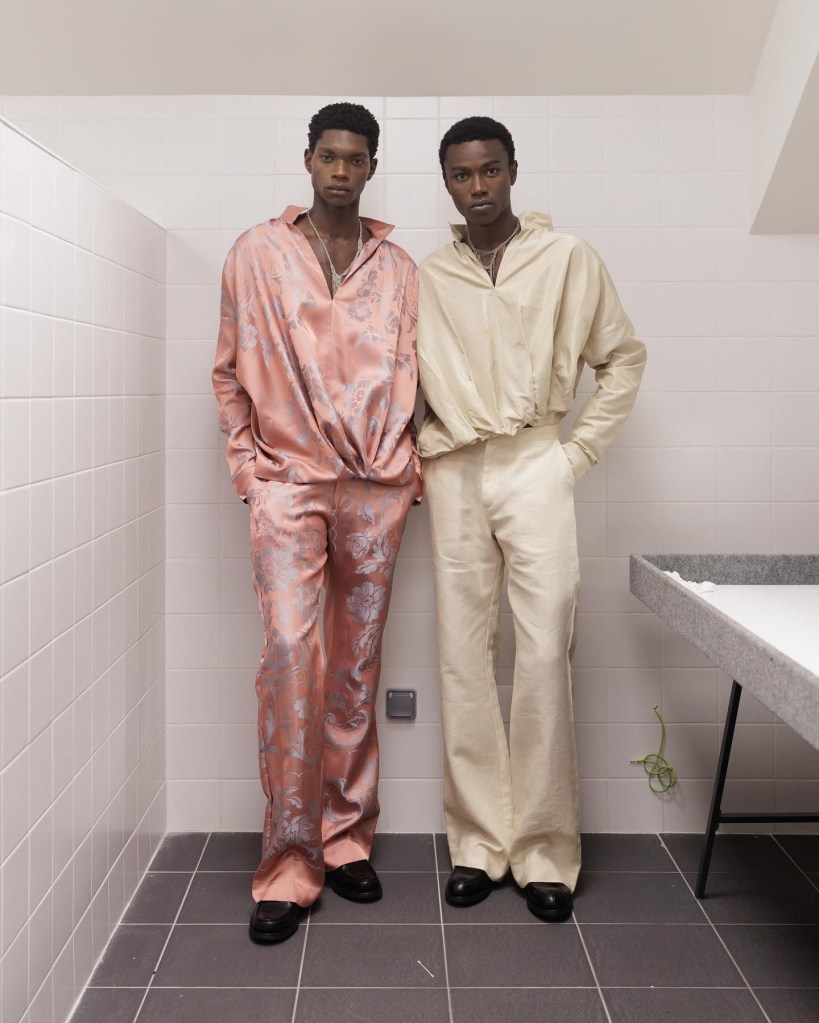
PERLIMPIMPIM sets Gabriel Silva Barros’s design language. PERLIMPIMPIM is a world of constant fluidity between reality and fantasy. Delfim Maya and Francisco Simões guide this conversation, Maya’s construction techniques and Simões’s soft eroticism act as dual reference points, giving rise to the PERLIMPIMPIM look. Soft Eroticism and technical identity. The seductive silhouettes were achieved by using contrasting techniques to reflect this dialogue. Lightweight fabrics are merged with heavier ones, causing intentional tension and movement. Duality in the colour palette, pink and blue, black and white, also express this. The Designer is manifesting a space for creative expression, and inviting the wearer to the conversation. Pulling from Portuguese history, Gabriel Silva Barros designed a wardrobe that merges wearability with theatrical elegance. A “noman’s” space where contrasts can coexist. A collection of beauty, between theatrical drama and delicate intimacy.
The Mestre Studio brand was founded in 2023 and presented its first collection at Sangue Novo, ModaLisboa’s Young Designers Competition, immediately establishing its nostalgic vein and the importance of memories in shaping its identity. It primarily focused on knitwear and the deconstruction of traditional techniques. Diogo Mestre, the brand’s director and Designer, graduated in sculpture from the Faculty of Fine Arts in Lisbon, in 2022, and completed a master’s degree in Fashion Design from the Faculty of Architecturein Lisbon, in 2024. His passion for fashion has always been present, later merging with art. More than just creating clothing, Diogo aims to craft narratives that deeply immerse his audience in his universe.
TRUGIA
Regionalism / Alentejo, Algarve
“a set of objects without use or value; clutter”
In the popular vocabulary of Alentejo, trugia refers to a set of objects without use or value — those that, though no longer serving a purpose, remain kept. Yet the word also carries another dimension: the silent beauty of what survives beyond its utility. The collection draws from this imagery. It revisits forgotten objects, seemingly useless, but which endure as witnesses of the past. The doll we once played with every day, the suitcase with worn corners, the pile of old clothes, and the box where they rest, covered in dust — objects, fragments of our history that no longer have function, yet we keep them. All of these elements compose the silent landscape that inspires the collection. The collection acknowledges its own ephemerality: the pieces appear with the awareness that they, too, will one day become trugia — destined to be forgotten, yet always susceptible to being rediscovered.
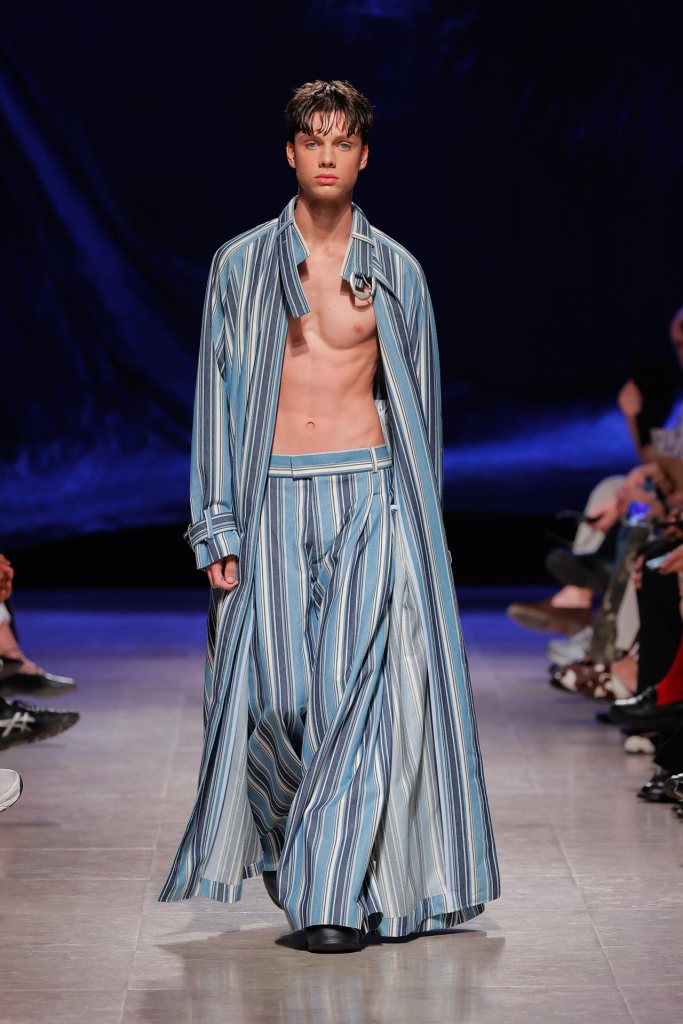
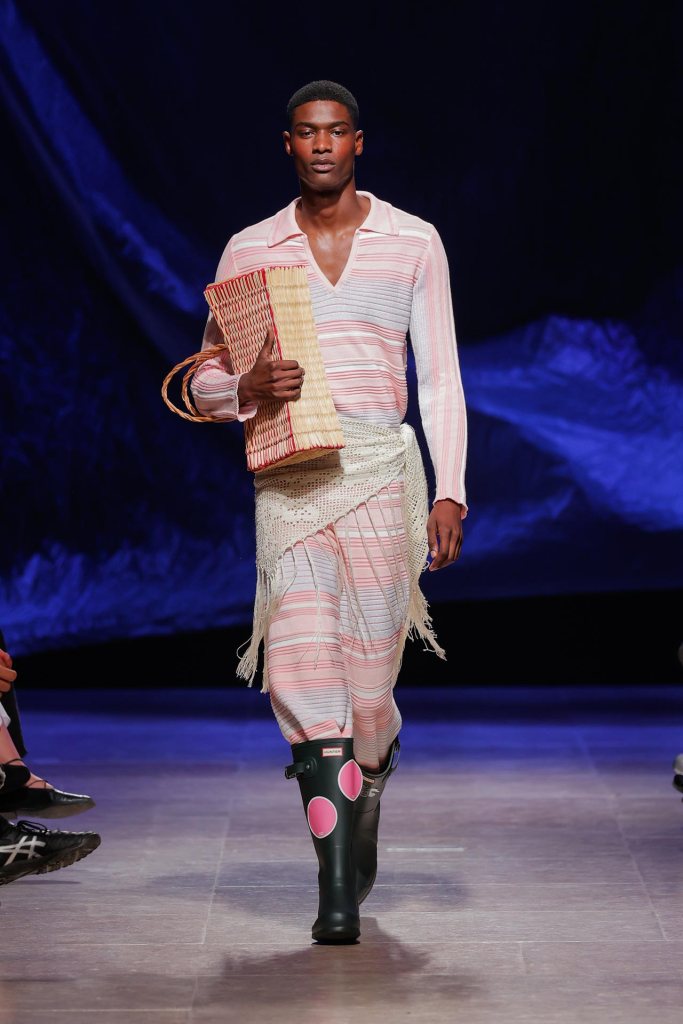
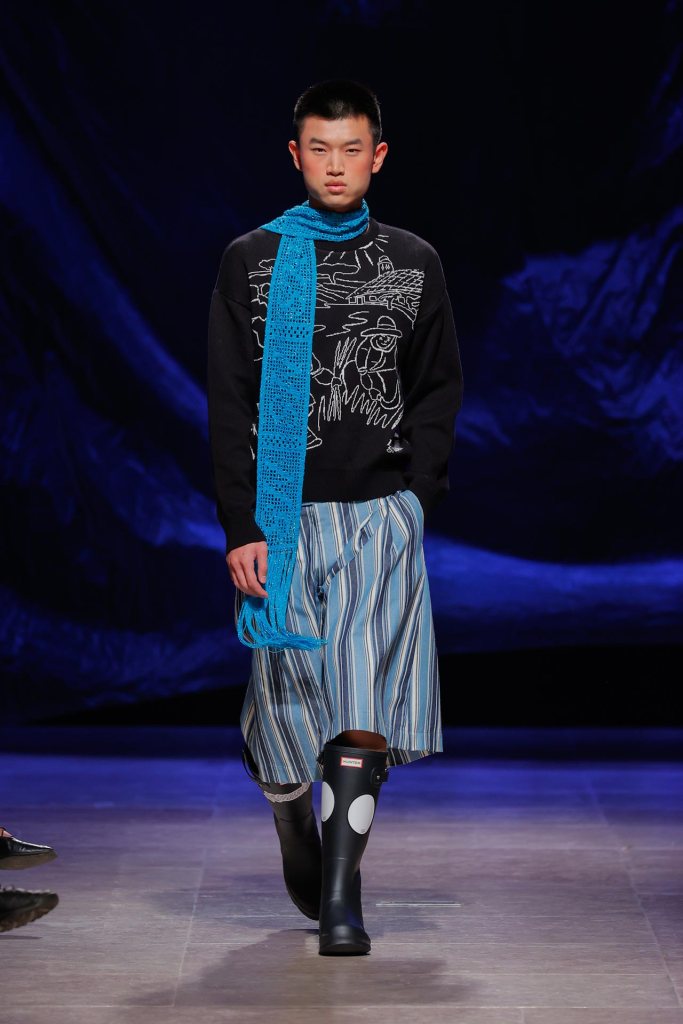
33 MAGAZINE TOP 5 DESIGNERS AT MODALISBOA BASE
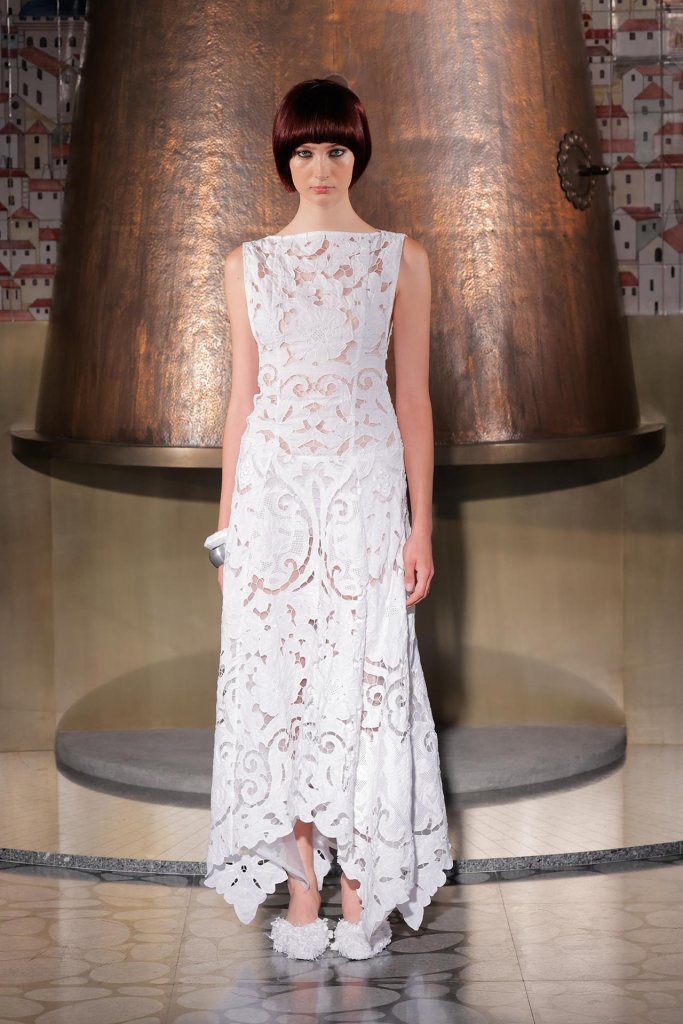
Joana Duarte, the founder and designer of BÉHEN showcased, in a private viewing, LOVES ME, LOVES ME NOT, a collection of unique pieces: singular creations, all developed in the brand’s Lisbon atelier. Mostly crafted from antique materials and found treasures, each piece reflects the skill of craftsmanship and the dialogue between memory and contemporary forms. This exclusive presentation is an homage to treasures and to the beauty of time. Like the title itself, LOVES ME, LOVES ME NOT, it leaves fate to the flowers.
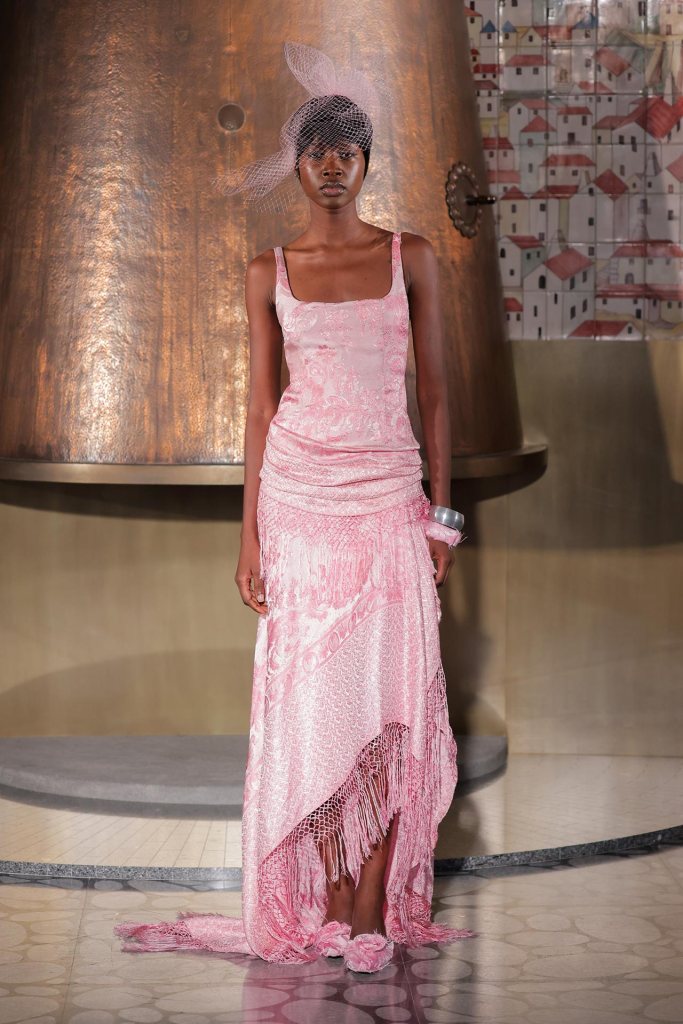
Ana Margarida Feijão is a Fashion Designer from the Algarve. She studied at Parsons School of Design and at Central Saint Martins, following a degree from the Faculty of Architecture of Lisbon. Her work moves between art and fashion, with a strong focus on social critique, exploring the roles historically imposed on women. Her practice is distinguished by the creation of sculptural pieces inspired by historical costume, reinterpreted through a contemporary lens. Between 2022 and 2024, she worked for Designer Melitta Baumeister in New York, an experience that deepened her understanding of sculptural form. Currently living in New York, she develops her personal project with a conceptual approach that offers a space for reflection on memory, the body, and the complexity of the female experience.
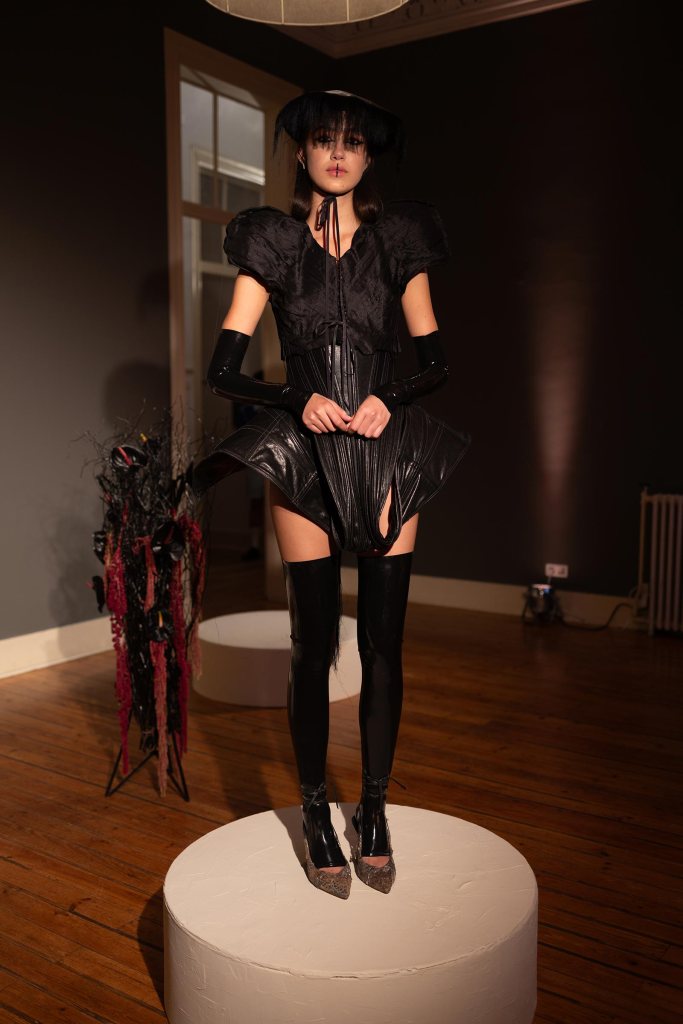
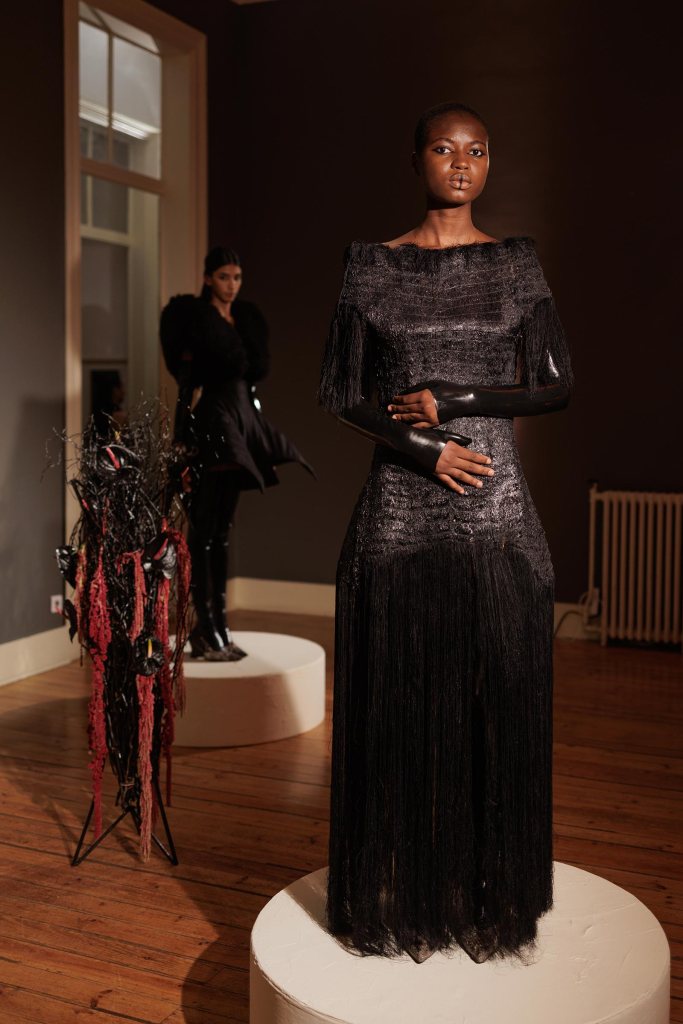
Ana Margarida Feijão – FREEDOM IS A WOMEN’S NAME is an extension of the work done by Ana Margarida Feijão in her graduate collection, presented in 2024 at NYFW.
Inspired by the documentary series “Nome Mulher,” produced by RTP and created by Maria Antónia Palla and Antónia de Sousa, the collection draws from the stories of Portuguese women in the period following April 25, 1974. Real stories, often forgotten, of those who lived through the promise of freedom in a country still bound by old habits. Margarida intertwines these memories with those of the women who raised her — women from the south, from the land, grounded in strength — and with her own experience as a Portuguese woman who inherited a democracy still marked by patriarchal legacies.
Silhouettes and details from traditional Portuguese costumes serve as a starting point — reimagined with respect and intimacy, as if dressing memories with new eyes. There is a constant tension between structure and fluidity, between what shaped us to be and what we wish to become.
The collection features a monochromatic palette dominated by black — a deliberate choice, rich in symbolic and emotional weight. Here, black does not represent absence but rather the concentration of memories, struggles, and silent resistances. textiles manually constructed from yarns receive treatments that give them their own structure — firm without losing lightness, delicate yet with a strong presence. The silks, hand-draped and inspired by the voluminous skirts of traditional Portuguese attire, contrast with the firmness of leather, reflecting the constant tension between protection and exposure. Each piece is conceived as a body of memory — as if the garment itself holds lived stories and inherited silences. More than clothing, this collection is a declaration of resistance. It speaks of inter generational traumas, of freedom won through struggle, of a female body that resists imposed forms.
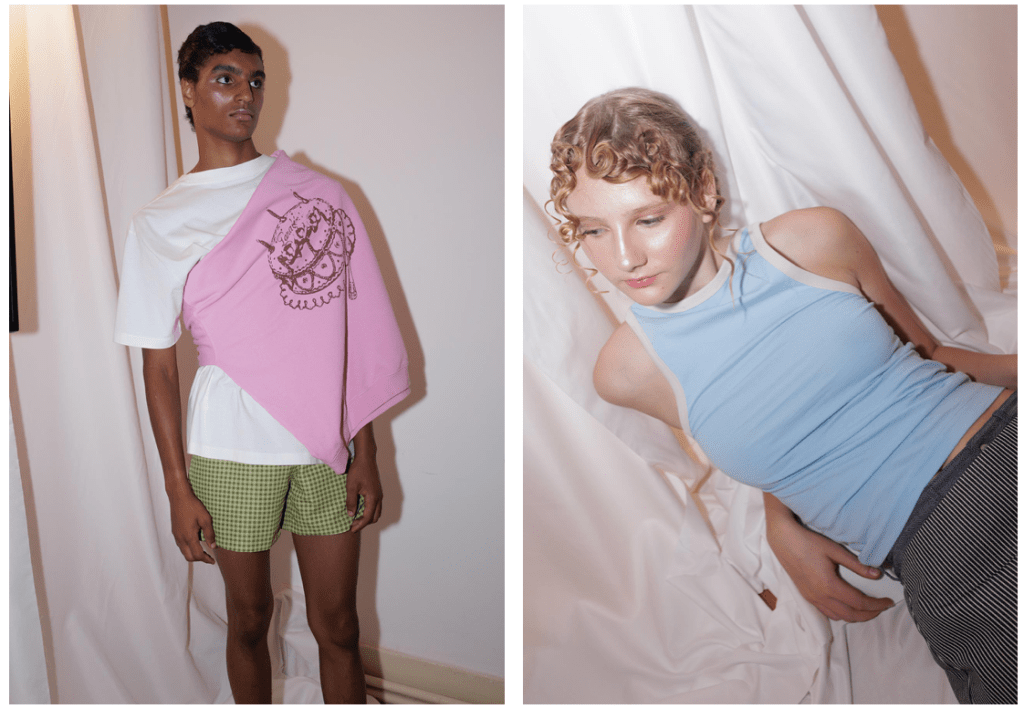
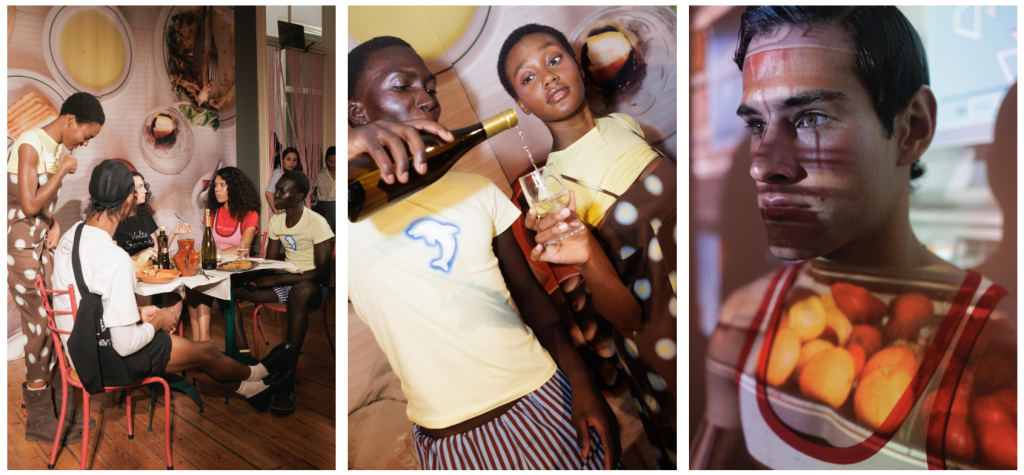
Founded by childhood friends Vera Caldeira and Pedro Ferraz, who turned a shared passion into a lifelong project, Gandaia was born from the desire to create a Portuguese brand with identity, quality, and a global outlook. The journey began in 2018 with Mustique and has since evolved naturally, consolidating into Gandaia – a brand that embodies the creative maturity of its founders while staying true to the authenticity that has won over a community in Portugal and beyond. Gandaia celebrates freedom and authenticity. It blends contemporary and irreverent design with classic and sophisticated influences, creating versatile and timeless pieces. Through colours, patterns, and unique details, it conveys energy, elegance, and edge – an invitation to live without rules and to express yourself every day.
VOLTE SEMPRE (“Come Back Soon”) is Gandaia’s new Spring/Summer 2026 collection. An ode to the typical Portuguese expression, it pays tribute to our roots. With new cuts and silhouettes, the collection highlights the brand’s evolution — more mature and elegant, yet without losing its irreverence.
With a background in cinema and fashion, Lidija Kolovrat defines her language through deconstruction, urban culture and arts. Her passion is to create meaningful garments to all of those who seek a differentiated style, in tune with their true, inner self. In 1990, she founded KOLOVRAT, a brand that cares about the impact of its creations, both for the environment — by valuing sustainability and recycling — and for customers. Kolovrat believes that clothing reflects our inner world, our sacred geometry and our symbolic language.
“Intuition, spirituality and innovation are the way to achieve the uniqueness of the piece that will be co-created for each one, so that everyone can empower themselves with their true selves and engage in beauty, daring and a sense of humor needed to embrace the unexpected.”
For Kolovrat, being part of the community means reinventing itself and achieving excellence in creations that combine the vibrancy of a dynamic society with the commitment of an ethical business.
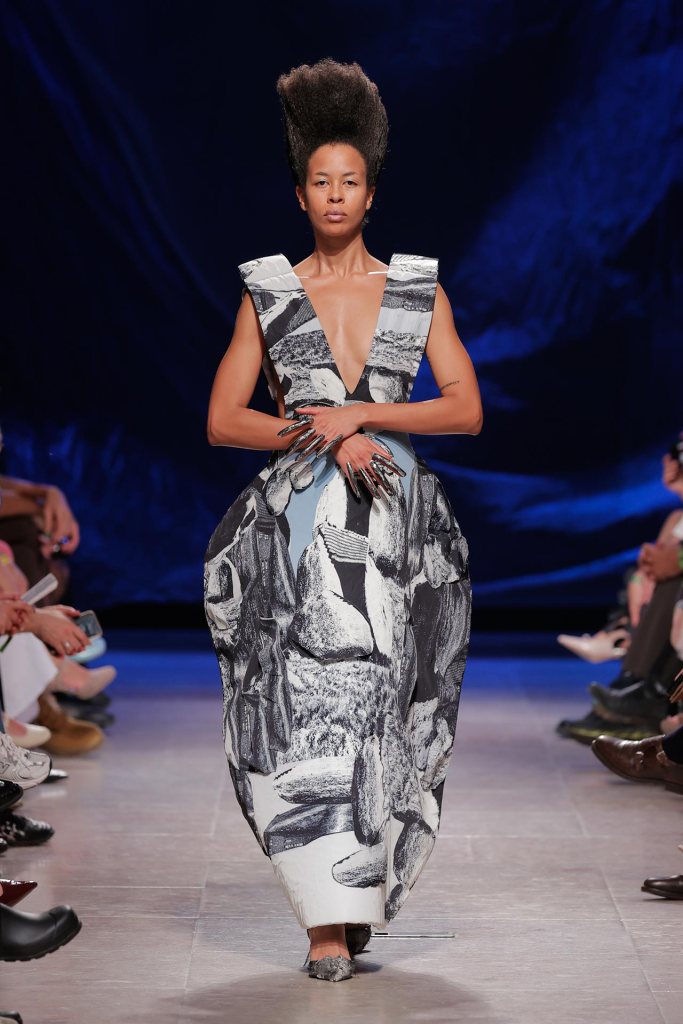
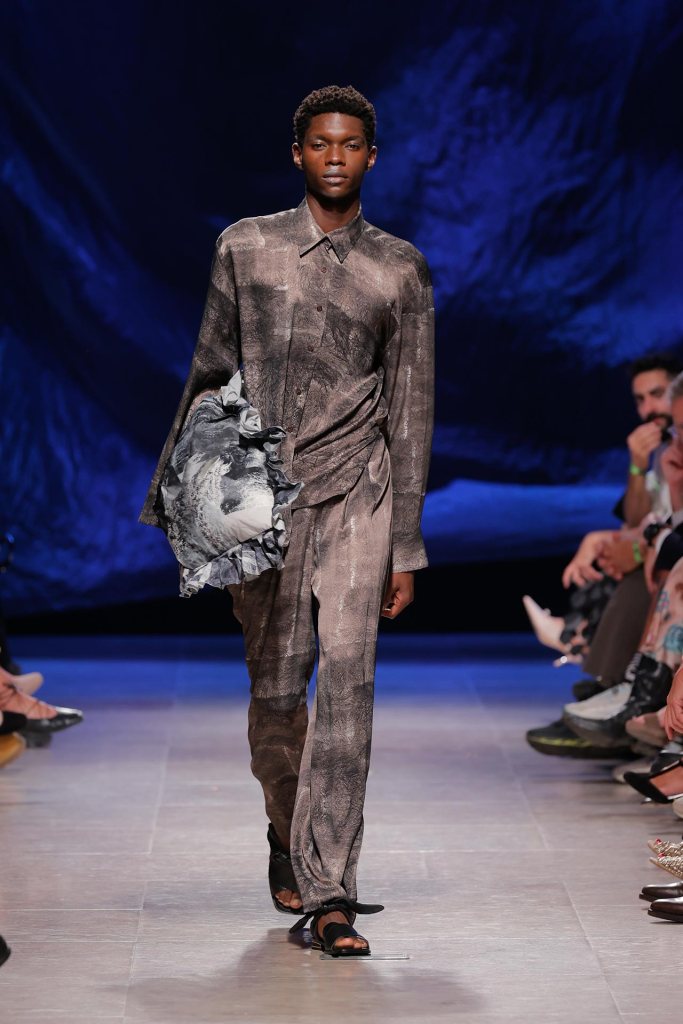
STONE AGE – SPRING-SUMMER 2026 – Kolovrat is always playing. From the obvious weight and shape of a rock to the concept of presence, the work moves across grand silhouettes and slides into the fluidity of the mind. In the Spring/Summer 2026 collection, earthy tones and blacks trace the path defined by cottons and organza.
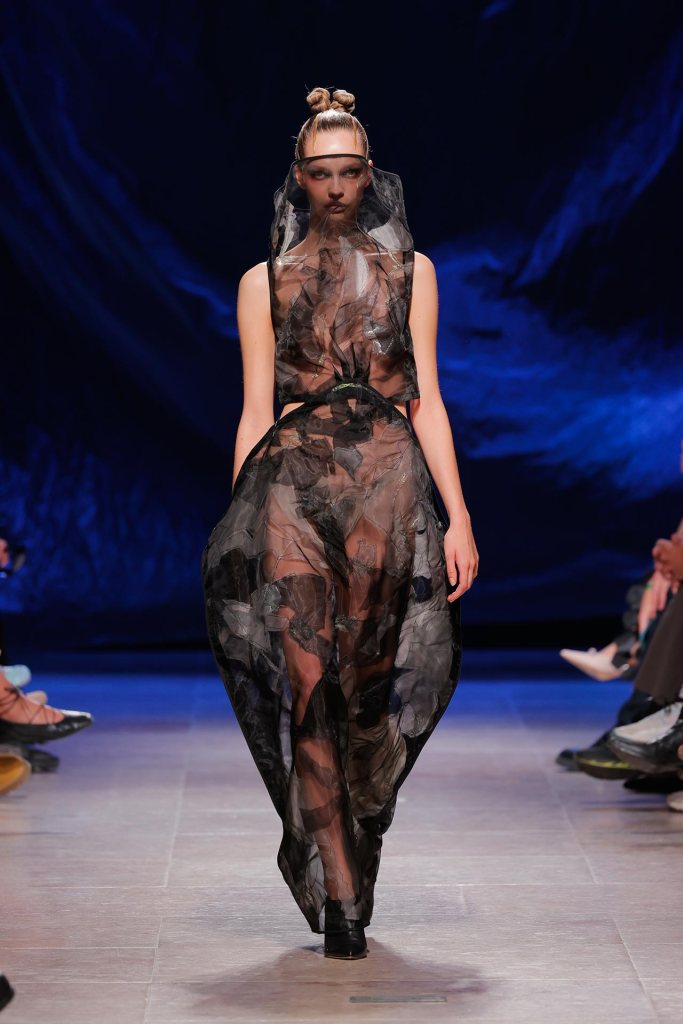
Sara Maia is a Portuguese fashion designer graduated in Fashion Design from Modatex, Porto. Based in London, she has been part of creative teams at brands such as Marques’Almeida, Aitor Throup, and Maharishi. These experiences deepened her understanding of clothing as both structure and narrative. Simultaneously, she taught at Modatex, consolidating a critical and reflective approach to design. Her practice, rooted in visual research and construction, seeks new forms of expression that intersect body, memory, and gesture, exploring the potential of clothing as language. She recently completed a Master’s degree in Fashion at the Royal College of Art, London, where she expanded her research interdisciplinarily, integrating textile experimentation, image, and performance to question the boundaries of what clothing can communicate.
The Spring/Summer 2026 collection, NOTHING HAPPENED. AND YET, EVERYTHING CHANGED is a work born from a prolonged silence. A time when creation felt distant, almost impossible. For years, the urgency to feel again, to reconnect with the body, with gesture, with material, became the Designer’s path. This work is not about a specific event, but about the invisible transformation that takes place when we stop recognising who we are… and slowly begin to return. Each piece is an attempt at listening. A gesture of approaching what remained suspended. Sara Maia works with contrasts: rigidity and fluidity, opacity and transparency, structure and vulnerability, to express emotional states and internal tensions that often have no name. The garment becomes a double, both shield and revelation. A way of inhabiting the body safely, without hiding it. Sara’s practice is rooted in observation. In detail, repetition, and care. She does not seek answers, but presences. Echoes. Fragments of who she was, and who she is becoming again. Above all, this work is an essay on intimate resistance. On the courage to create when everything once seemed lost. The work is not finished, and perhaps it never will be. But in creating it, she began to breathe again. To remember that she is still here. And still able to feel.
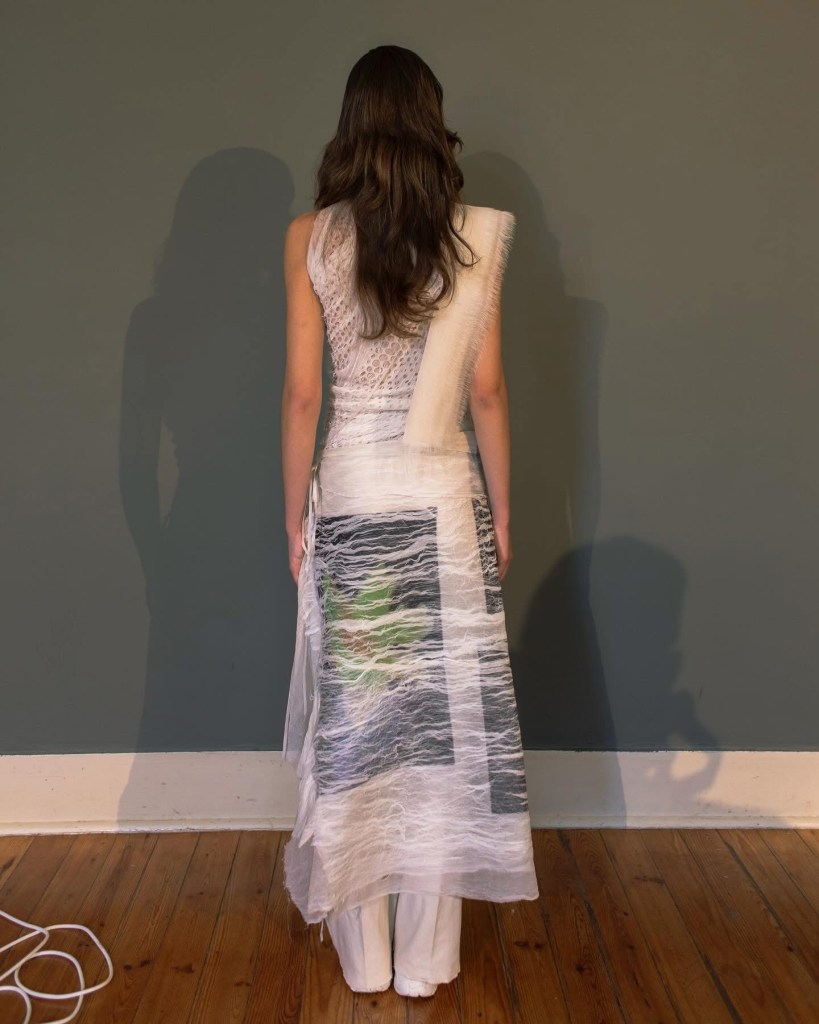
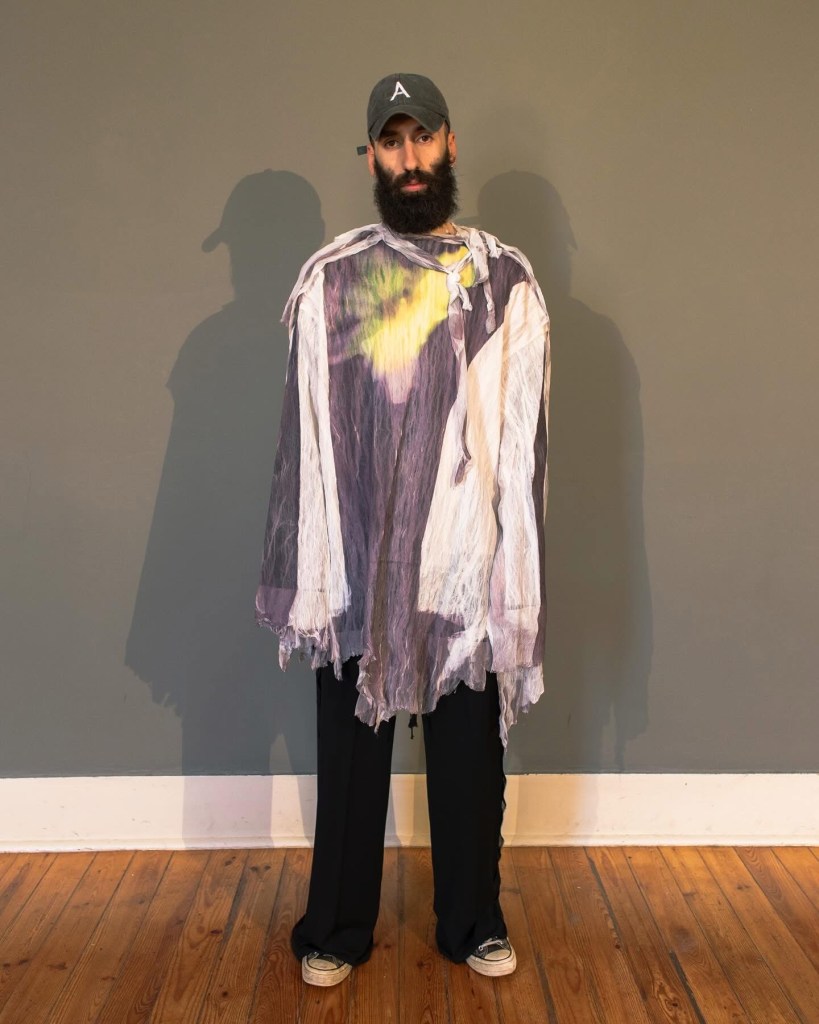
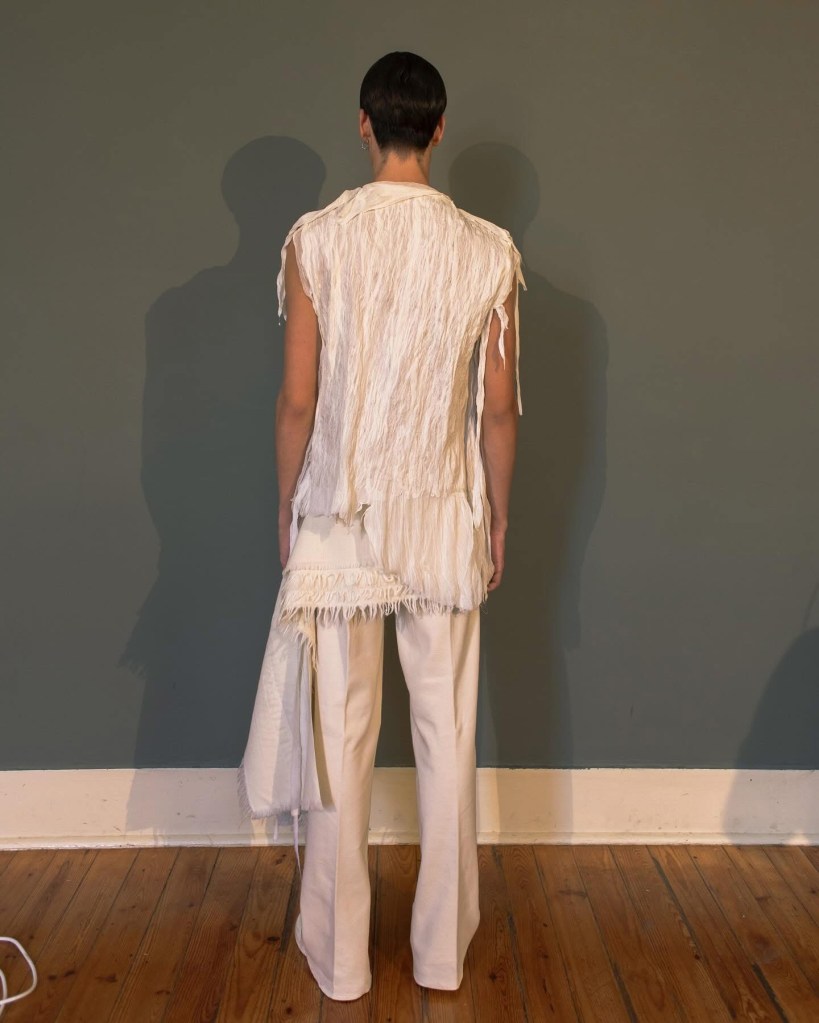
The creativity displayed at MODALISBOA not only showcases innovative fashion but also serves as a vital platform for cultural conversations and societal reflections. A movement that invites us to explore the foundational elements of the fashion industry. MODALISBOA challenges us to reflect on our values, ambitions, and collective responsibility as we build upon our bases for the future. This edition was a transformative experience, paving the way for real possibilities in the evolution of fashion, community, and creativity. Finally, we extend our heartfelt gratitude to the MODALISBOA team, Audi Portugal, and the Palácio do Governador Hotel for creating a magical atmosphere that made us feel right at home. Thanks to their support and vision, we could feel and celebrate the creativity in Lisbon with huge excitement.
 33 MAGAZINE