

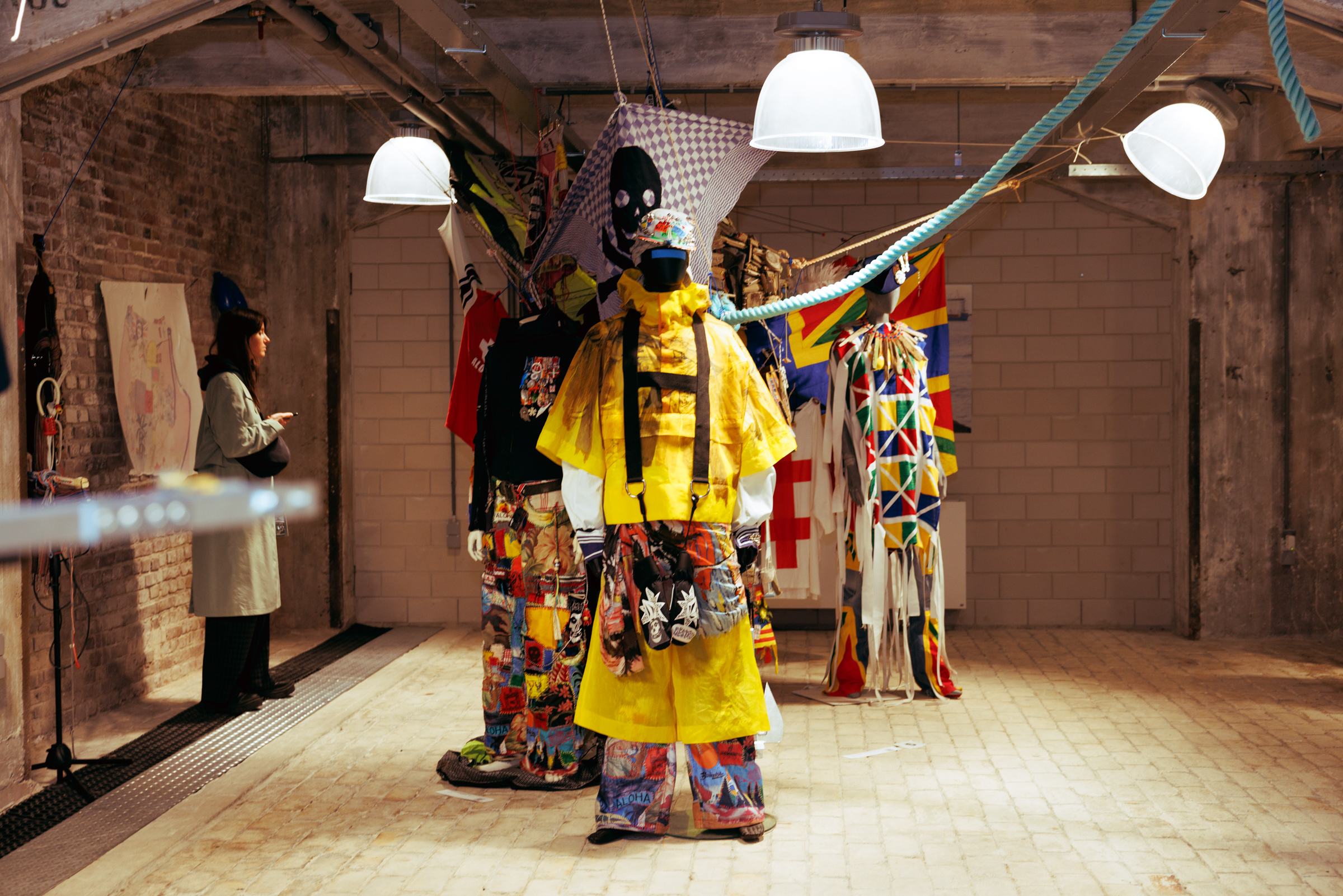
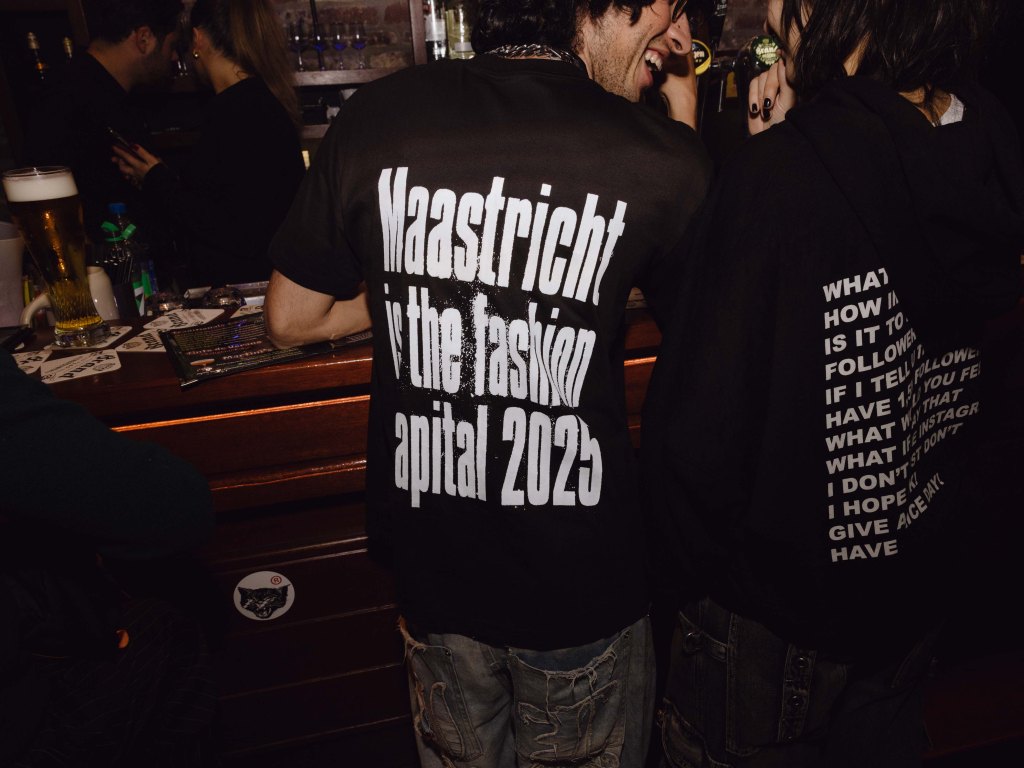
Last November, the International and Multidisciplinary FASHIONCLASH Festival triumphantly returned for its 17th edition, taking place across various interesting locations throughout Maastricht. FASHIONCLASH Festival serves as a transformative stage for a new generation of designers, creatives, artists, and performers from the Netherlands and over 25 countries worldwide.
The expertise and in-depth research conducted by the FASHIONCLASH team not only exemplifies how the festival adeptly transitions from the fast-paced information era to a new paradigm where curatorial insights hold profound significance, but also explore diverse methodologies that emphasize emerging talents in fashion, art, and design. By prioritizing thoughtful curation and immersive experiences, FASHIONCLASH shows us infinite possibilities from meaningful engagement with art galleries and fashion schools, thereby enriching the broader creative community, to innovative and immersive art performances low deep into the participants’ creative process.
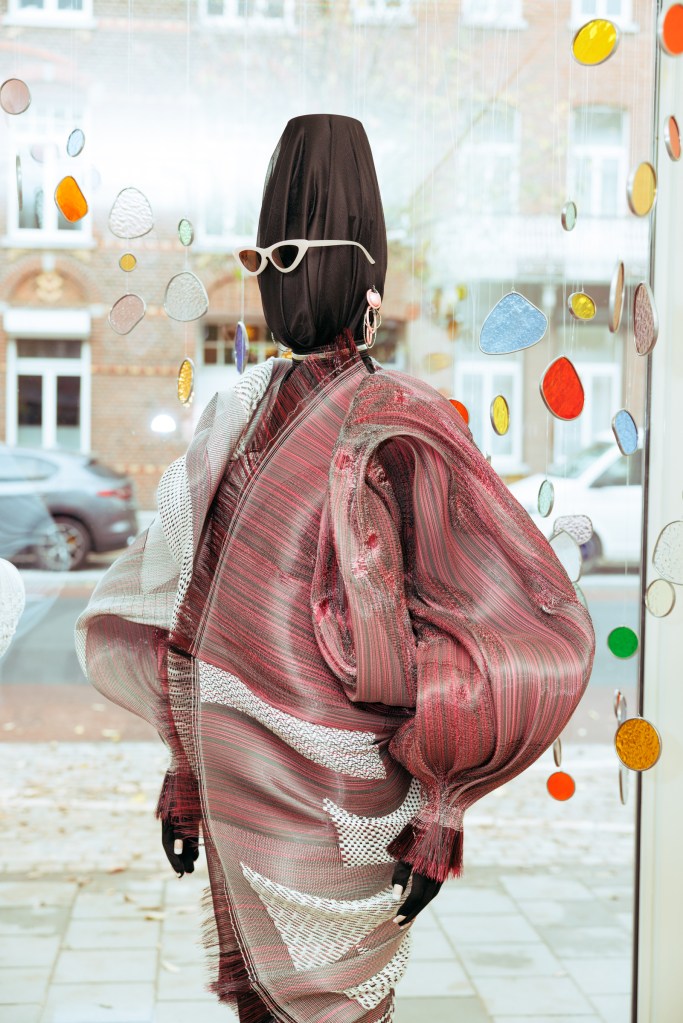
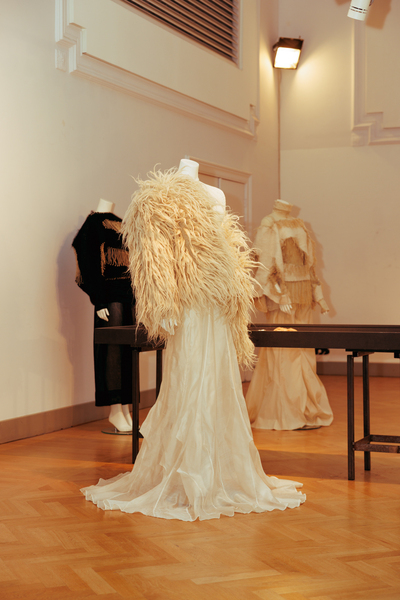
The festival allowed visitors to immerse themselves in a thought-provoking program filled with performances, exhibitions, films, workshops, talks, and participatory projects. Highlights included The CLASH House, a fashion performance showcase at ENCI; the New Fashion Narratives exhibition at Bureau Europa; the Fashion Film Program & Awards at Lumière Cinema; and the participatory initiative Fashion Makes Sense at Centre Céramique. These diverse events collectively presented an inclusive perspective on contemporary fashion culture.
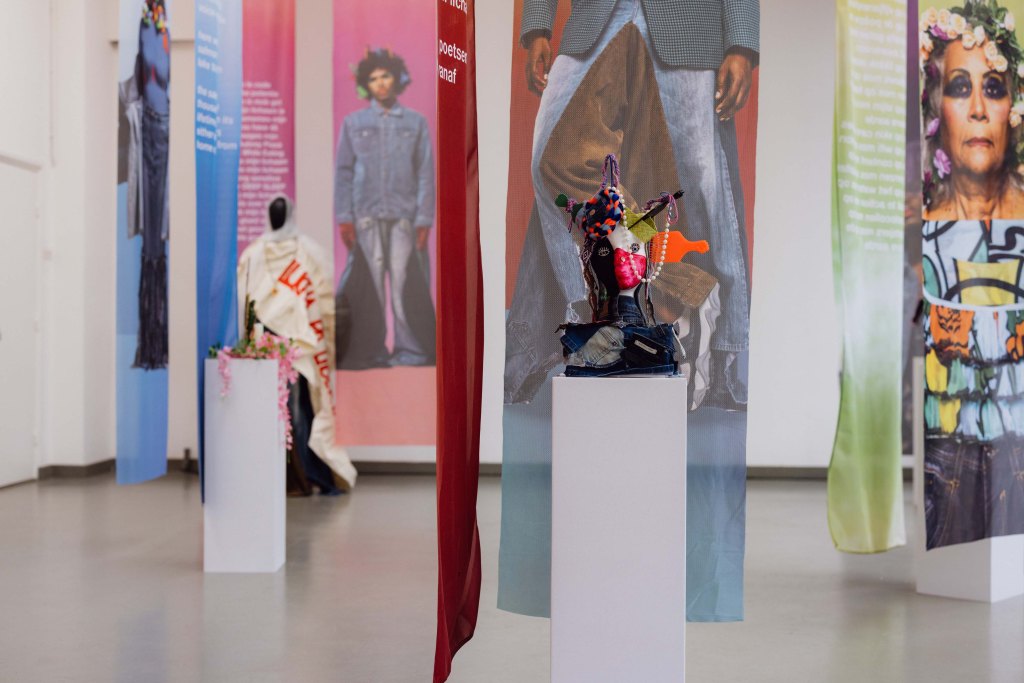
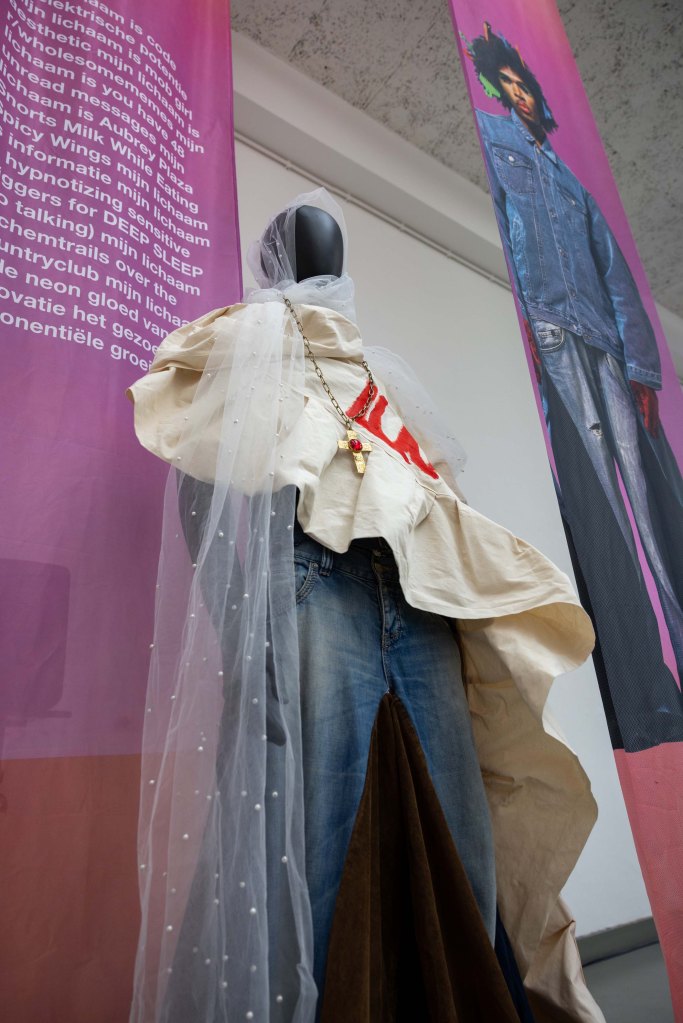
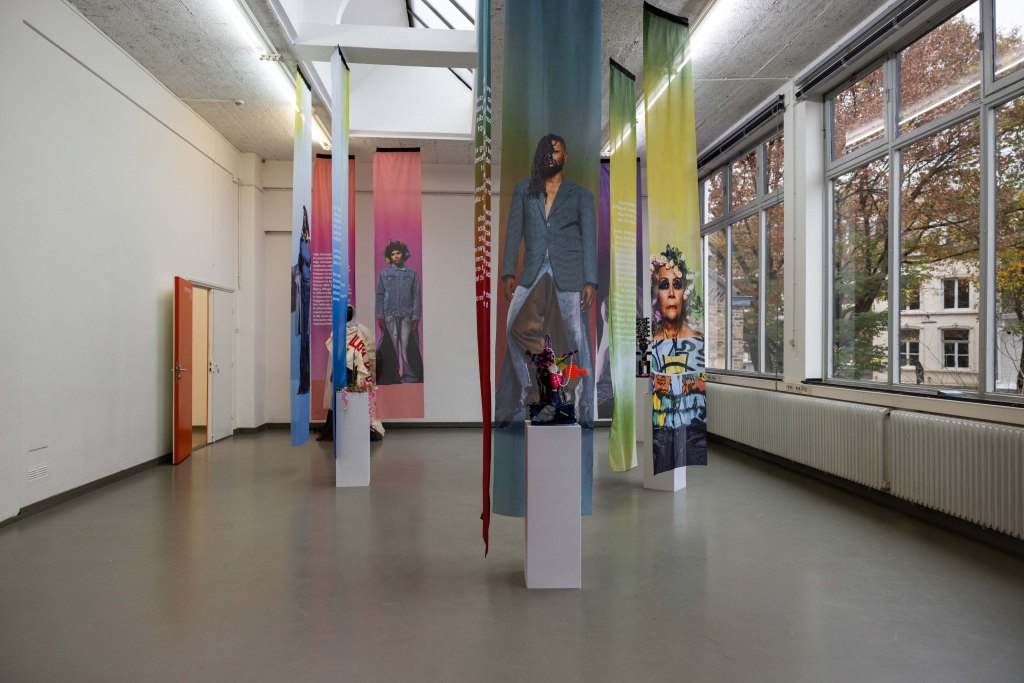
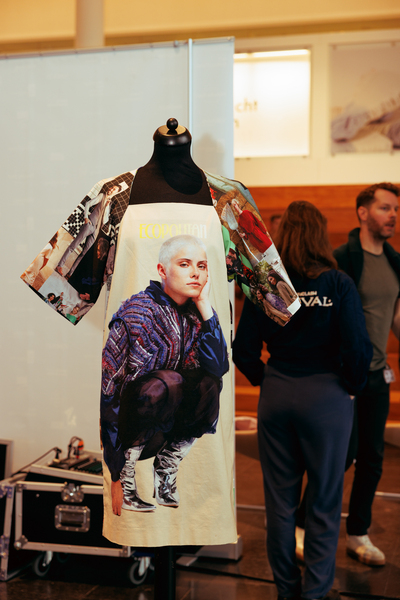
Among the standout elements of this year’s festival was the campaign artfully developed by ULKUHAN, which sought to question and redefine notions of identity and authorship in an age characterized by digital creation. This campaign is a compelling blend of fashion, digital technology, and critical design. Through a series of AI-generated portraits and still lifes, ULKUHAN created symbolic archetypes such as The Poet, The Performer, and The Designer.
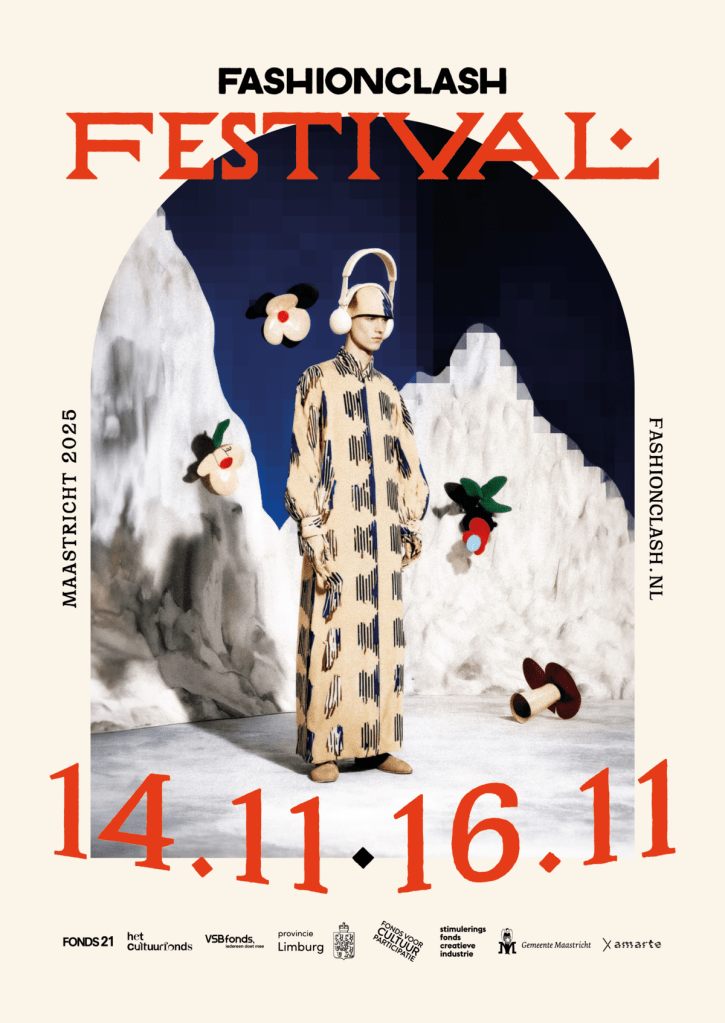
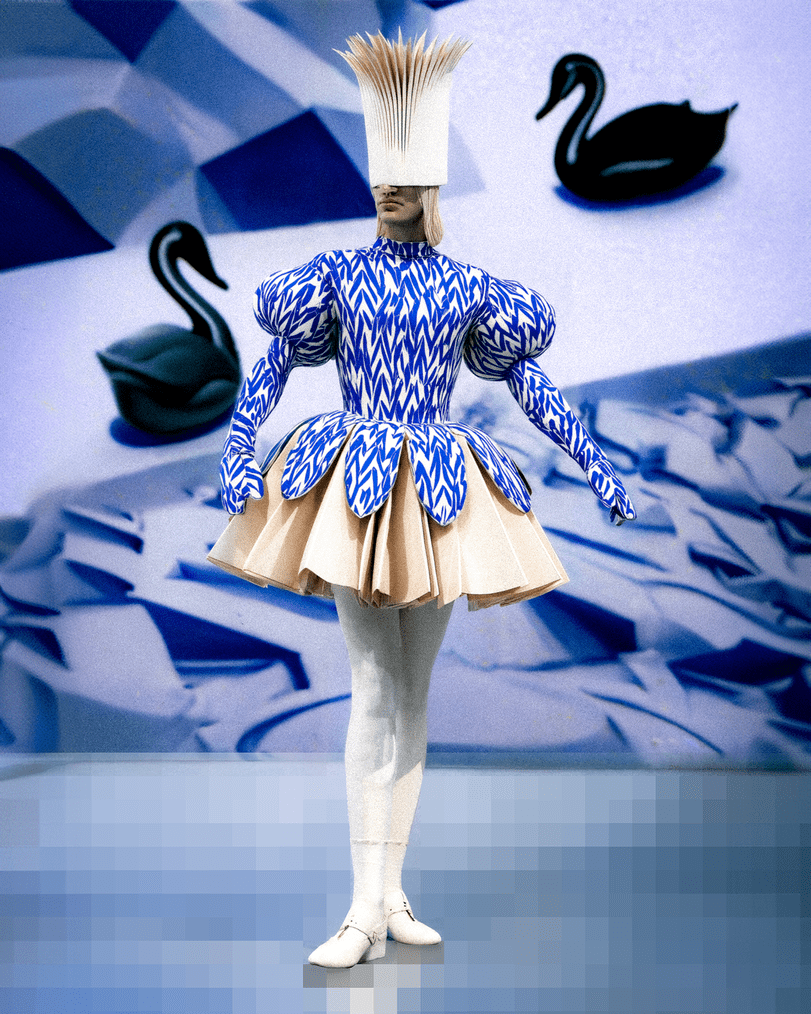
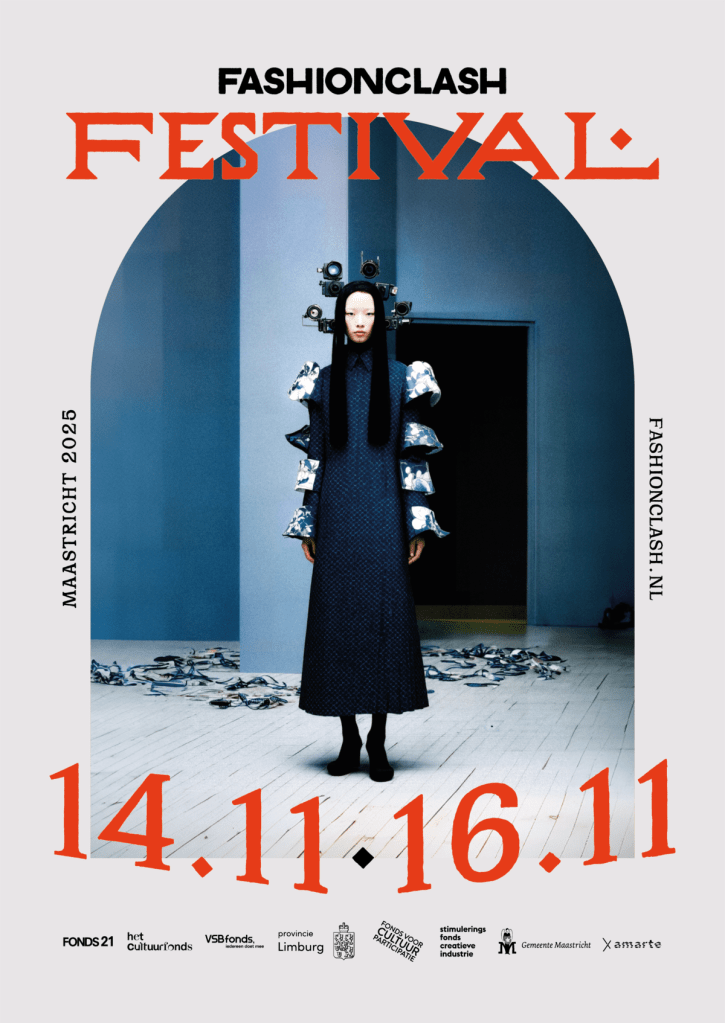
These archetypes resonate with the participating artists, each complemented by poetic stories that form a multisensory experience. This innovative approach challenges traditional aesthetic values in fashion, prompting important questions about creation, visibility, and identity. By blurring the lines between human and machine, self and representation, the campaign embodies FASHIONCLASH’s commitment to interdisciplinary dialogue and critical reflection. It invites audiences to explore new storytelling forms and consider the evolving landscape of identity in contemporary fashion.
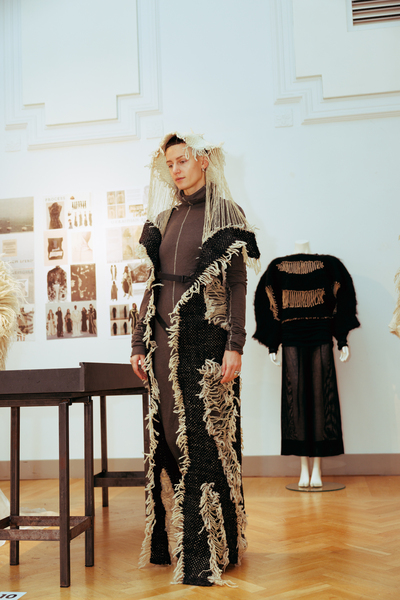
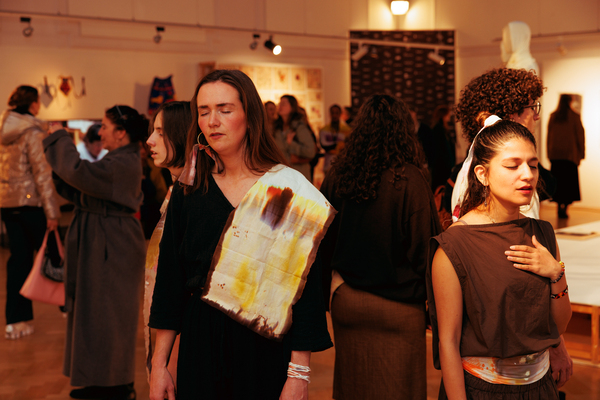
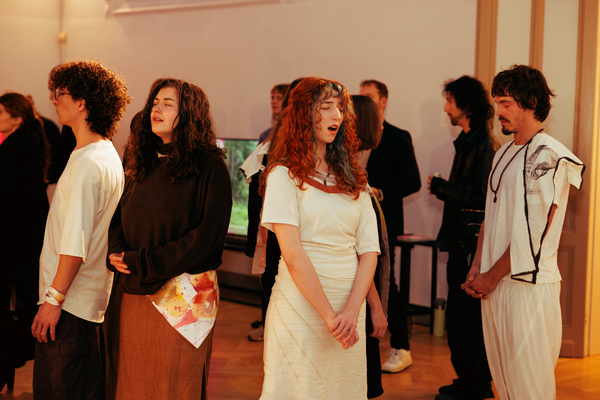
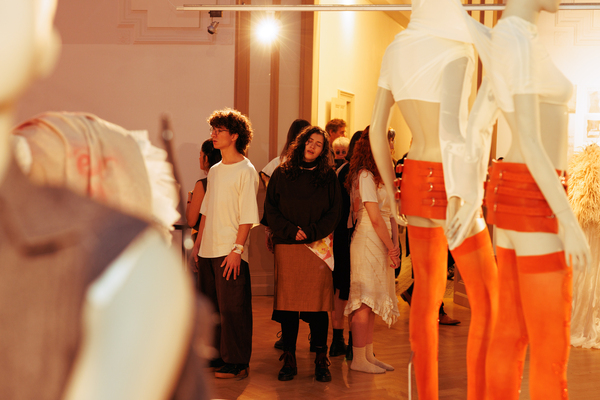
The 17th edition of the FASHIONCLASH Festival commenced and concluded with the powerful resonance of collective voices. The festival opened on Friday, November 14th, with EAR to EAR, a choir that embodies intuitive listening and shared breath. As the festival closed on Sunday, November 16th, Mounira Al Solh & the Oasis One World Choir filled the space with vocal narratives of memory, migration, and hope. These two performances beautifully framed the festival’s themes of connection, creativity, and our shared humanity.
The festival kicked off with the opening of the New Fashion Narratives exhibition at Bureau Europa, featuring a poignant performance by Júlia Galarza Arévalo, an interdisciplinary artist from Maastricht. Through EAR to EAR, she articulated what authentic connection sounds like. This choir acts not just as performers but as one unified body, listening, moving, and breathing together. Their performance beautifully reminded us that genuine listening can yield spontaneous and beautiful results.
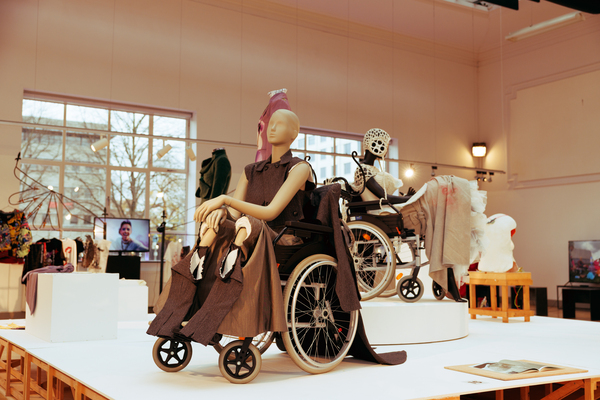
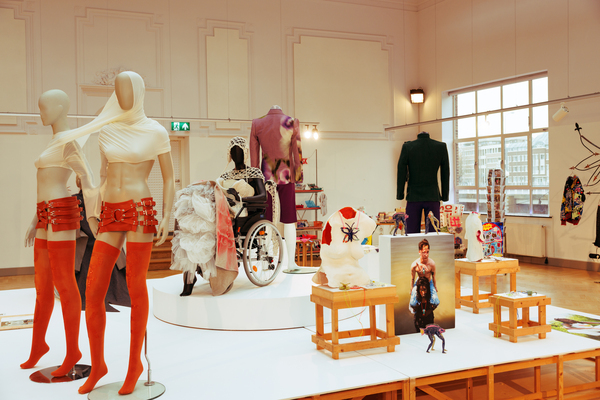
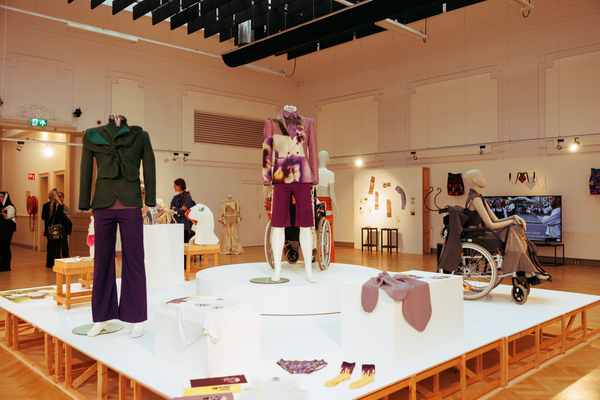
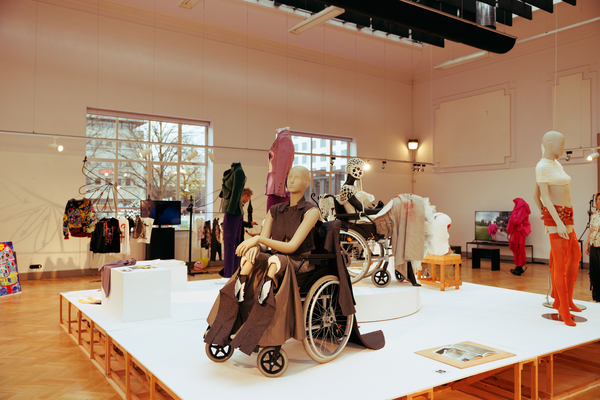
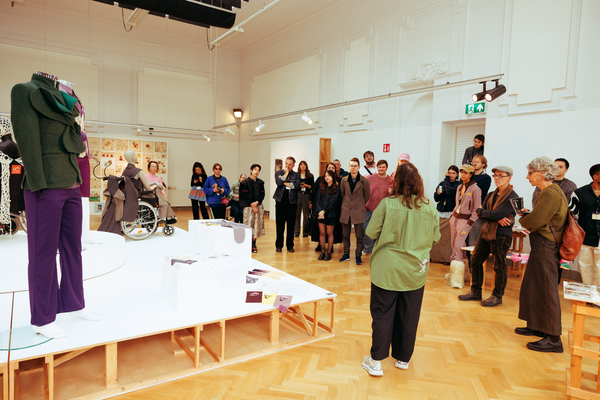
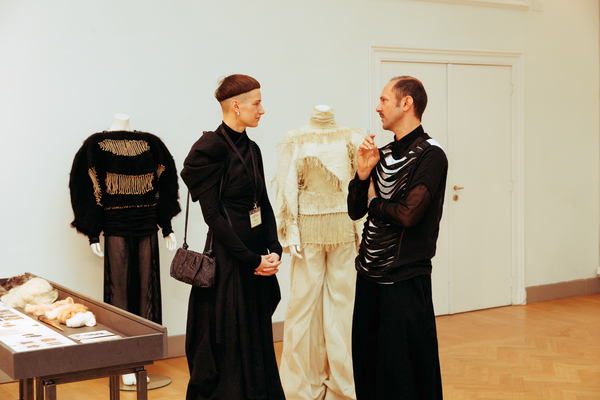
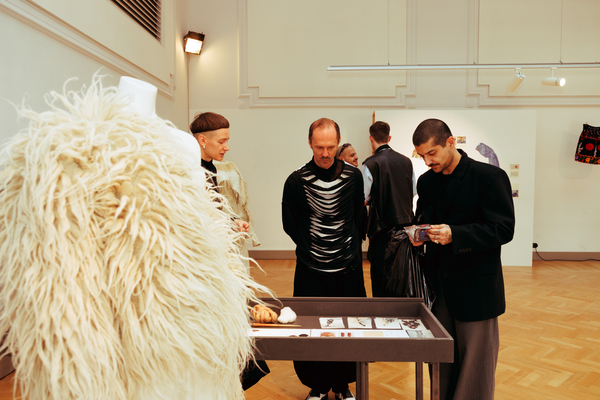
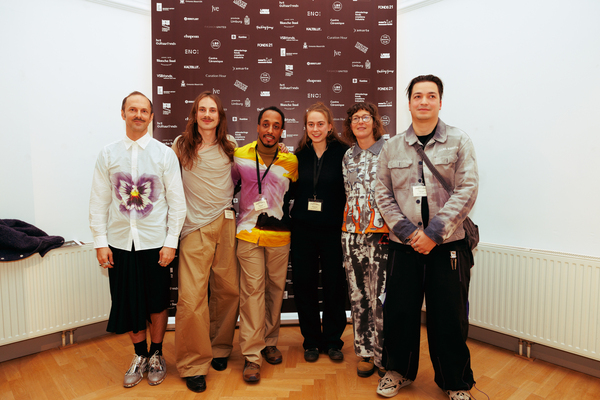
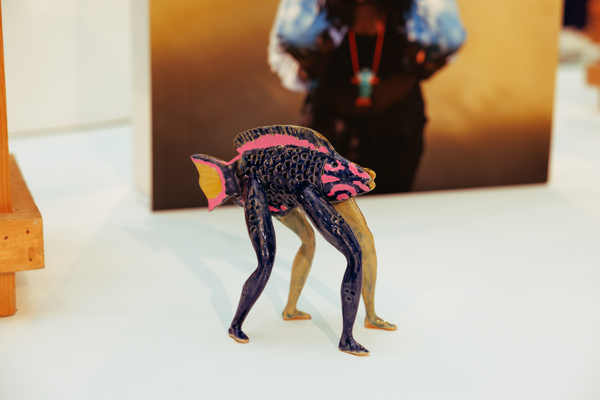
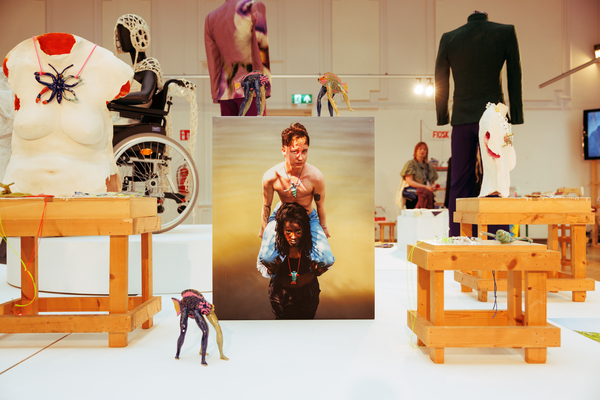
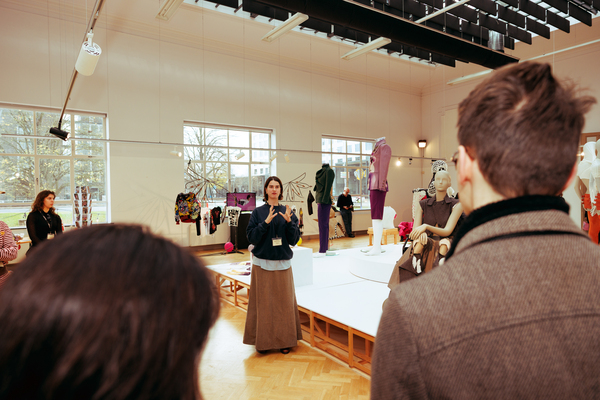
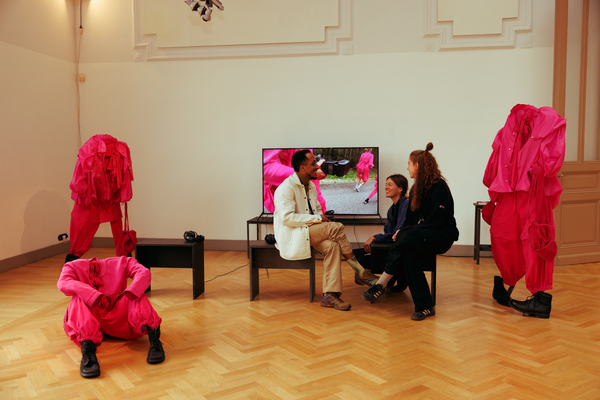
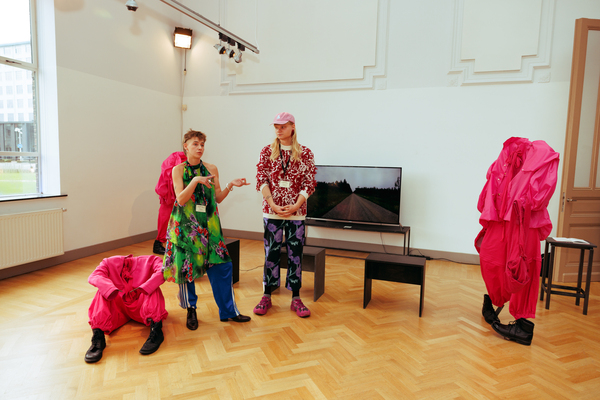
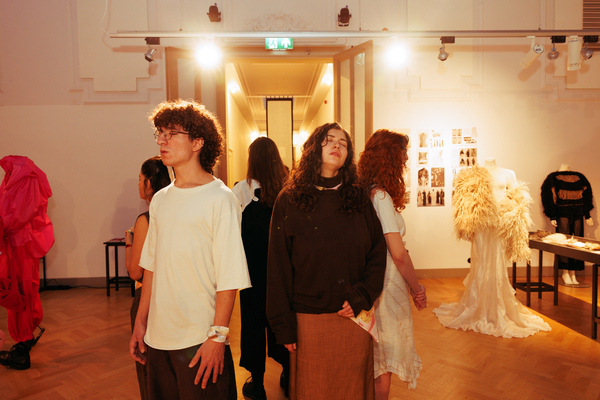
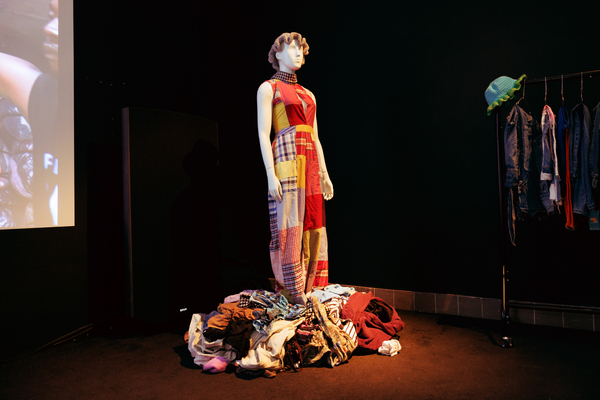
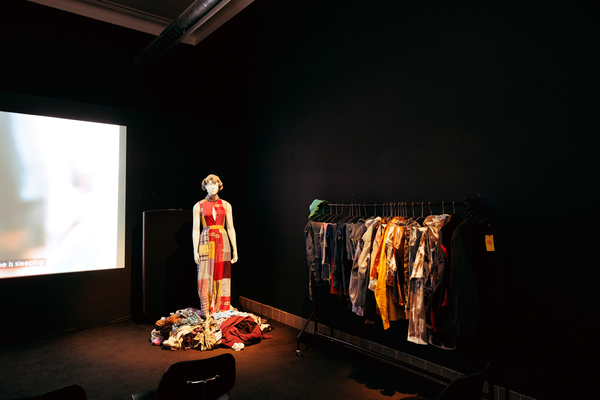
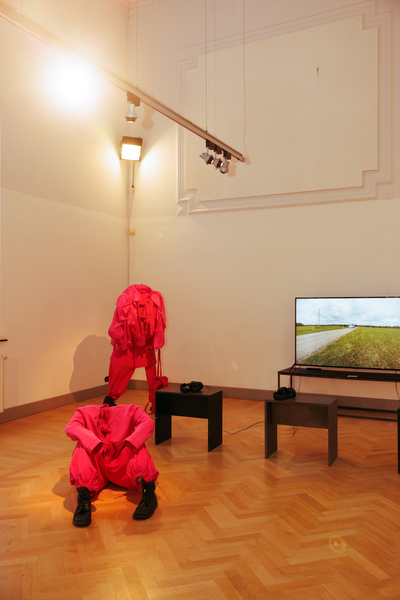
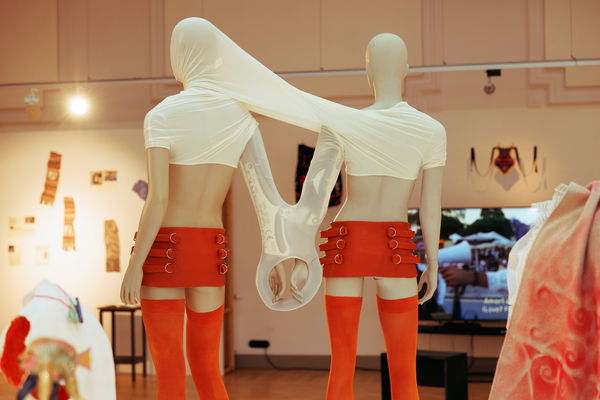
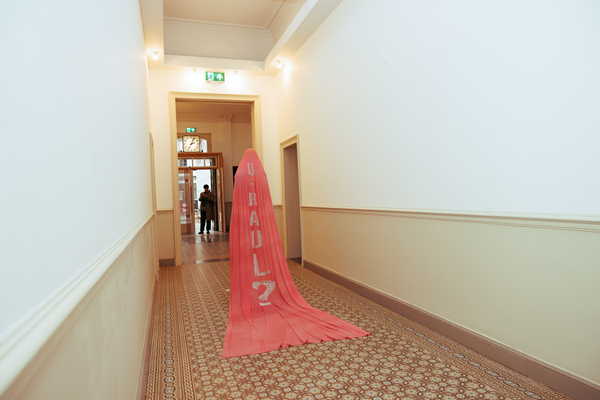
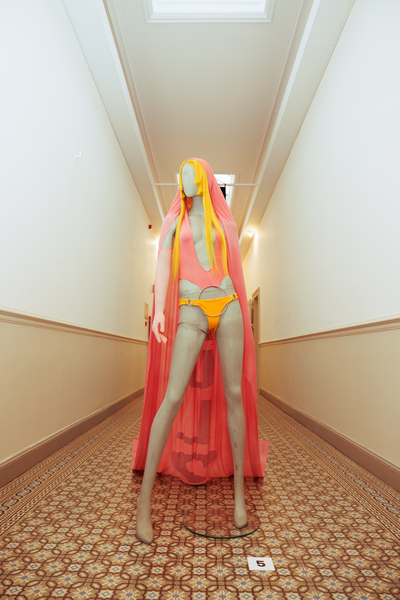
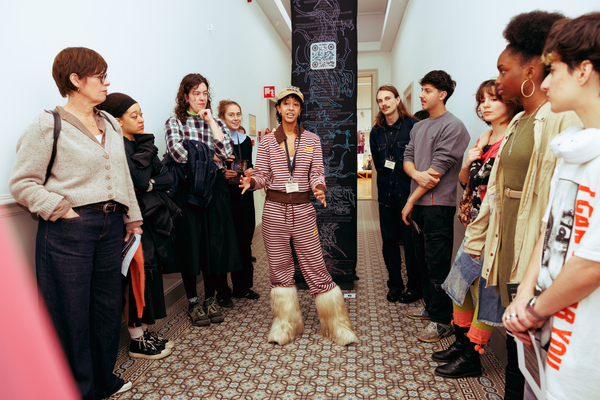
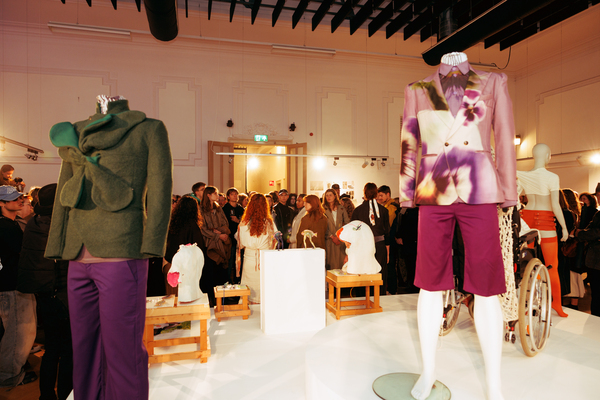
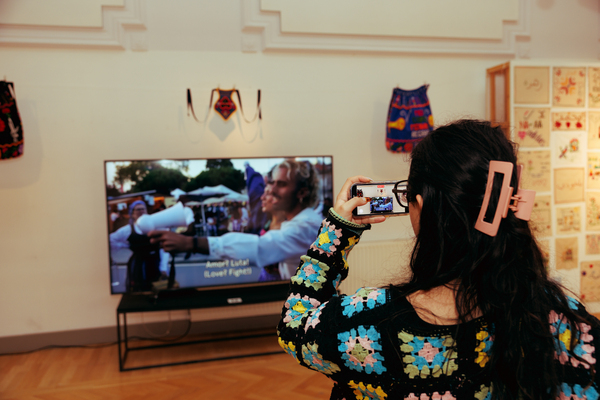
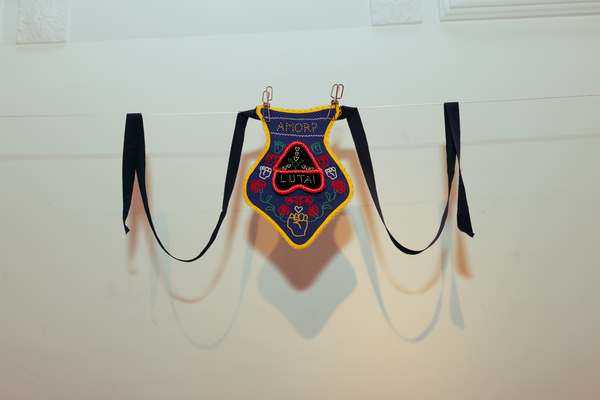
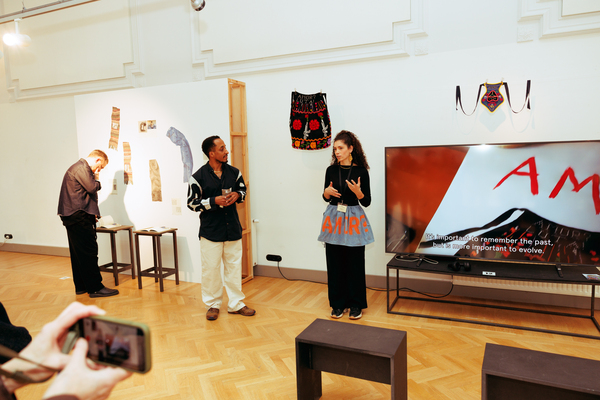
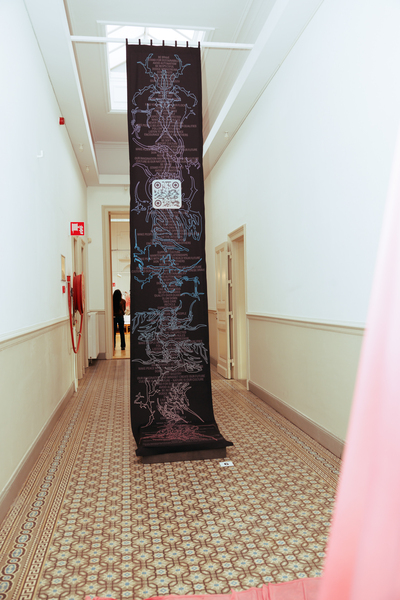
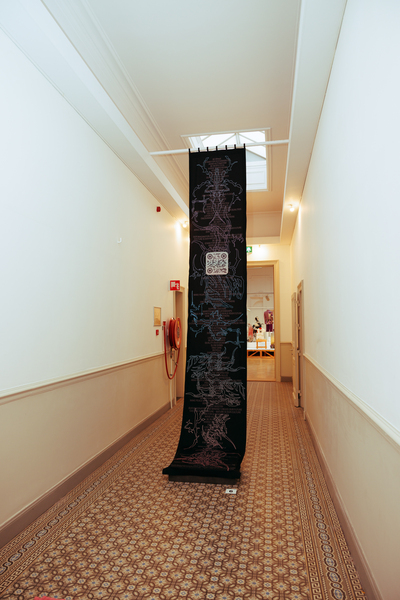
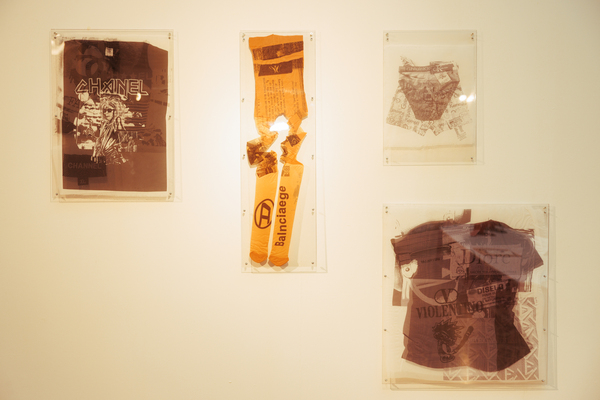
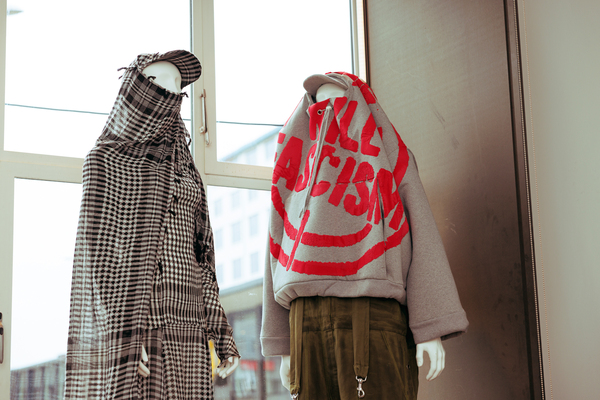
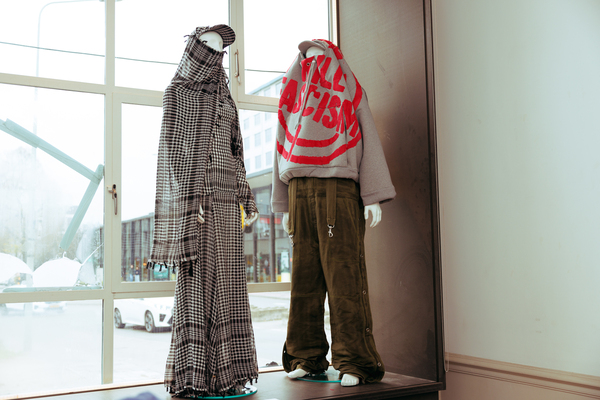
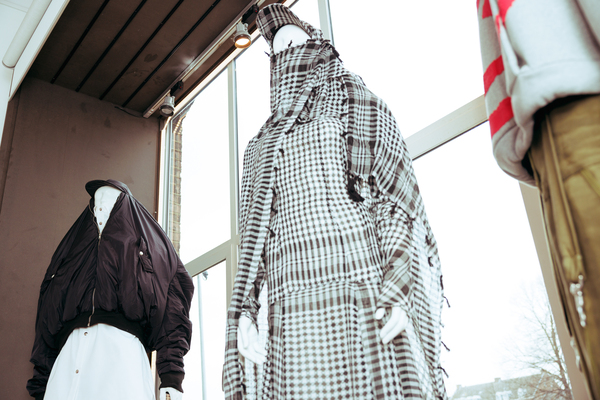
For this year’s exhibition program, FASHIONCLASH invited four fashion makers to collaboratively develop the curatorial concept for New Fashion Narratives at Bureau Europa. Earlier this year, they took part in a residency week in Maastricht, which led to the creation of this year’s curatorial framework. The exhibition, titled Collective Movements, is curated by Jonas Zitter, Paula Dischinger, Rafael Kouto, and Tjerre Lucas Bijker, and explores how fashion can act as a tool for connection, resistance, and collective action — operating at the intersection of fashion design, activism, and communal practice. The curators aim to present works that transcend dominant systems by embracing cultural rituals, shared knowledge, and collaboration.
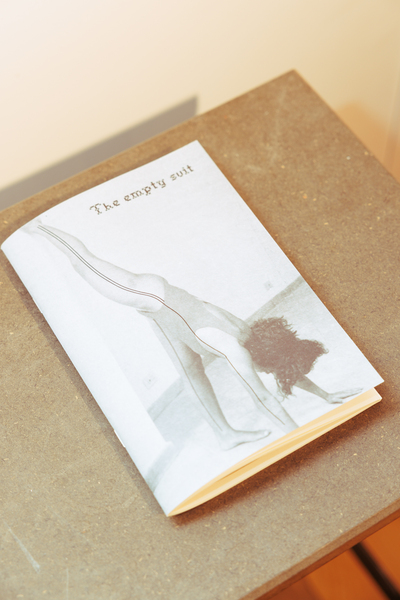
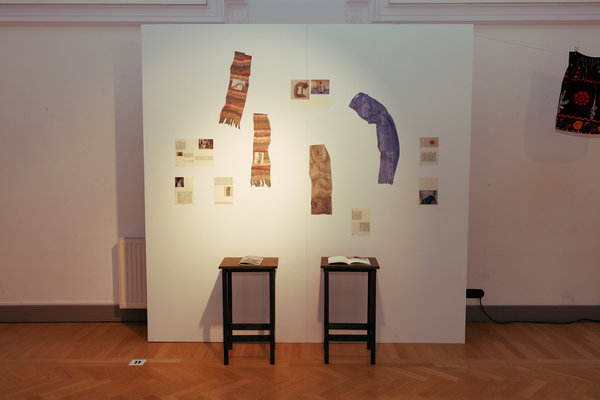
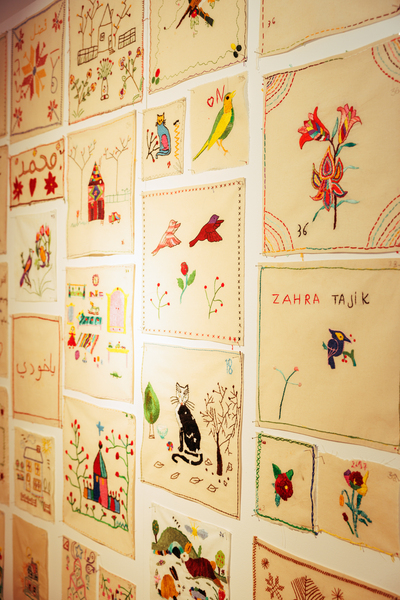
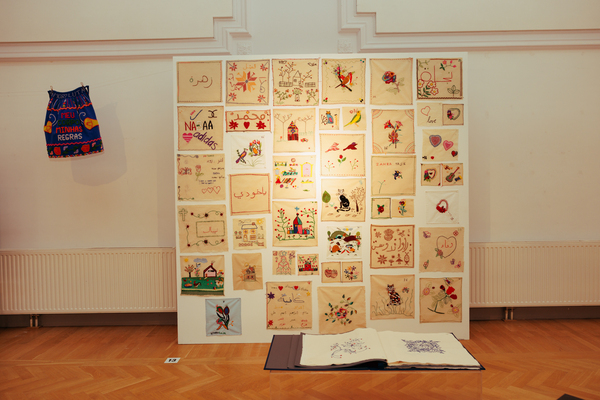
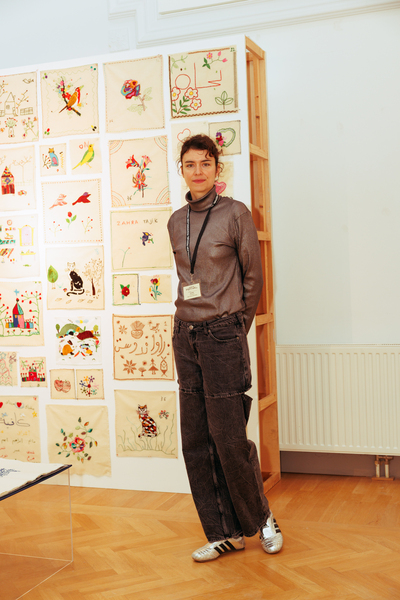
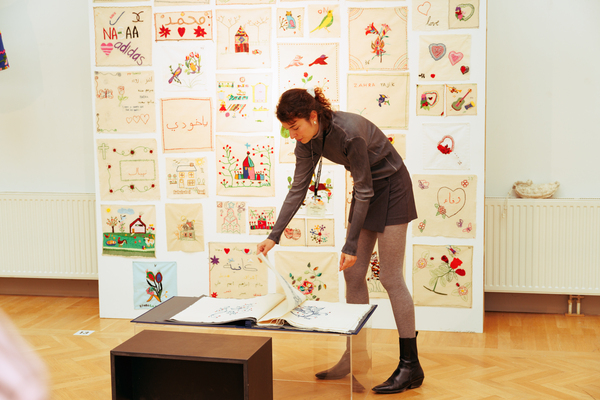
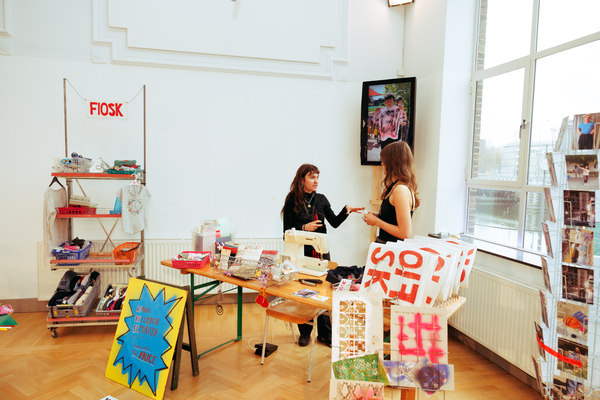
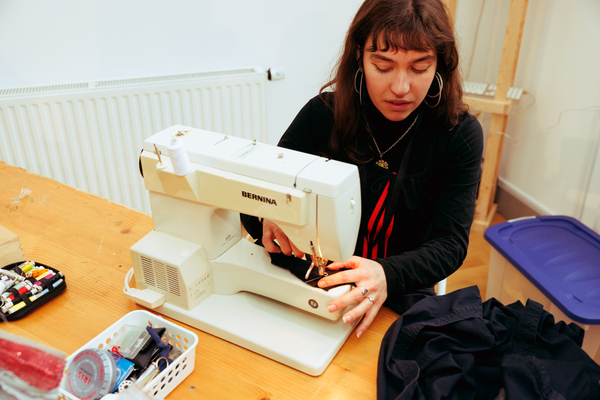
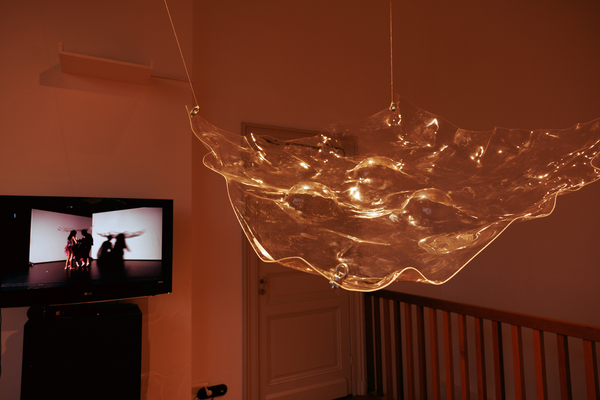
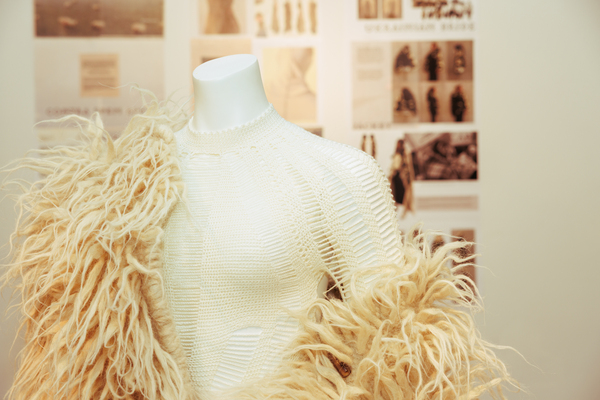
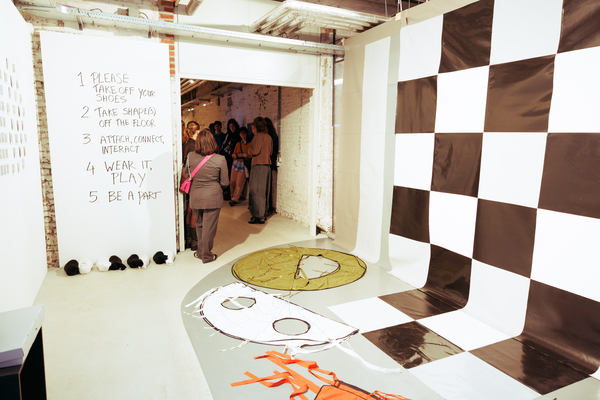
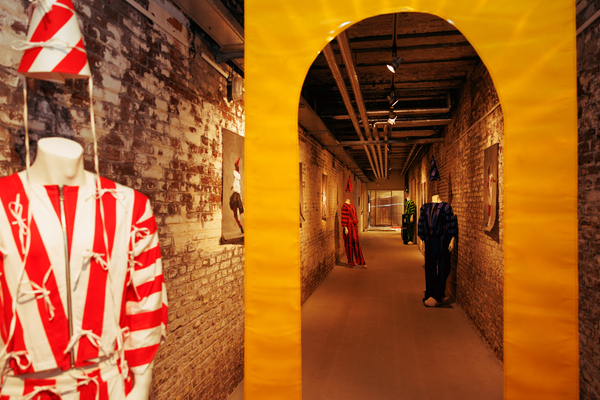
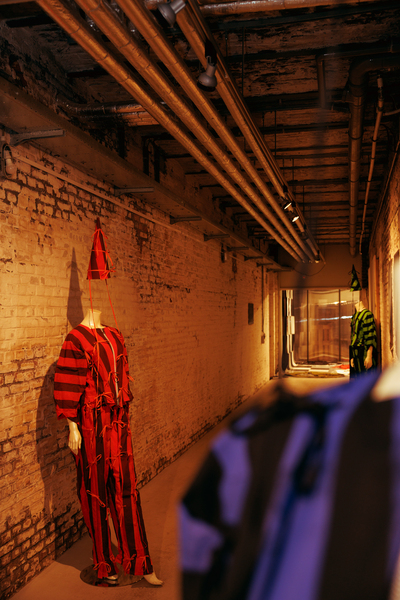
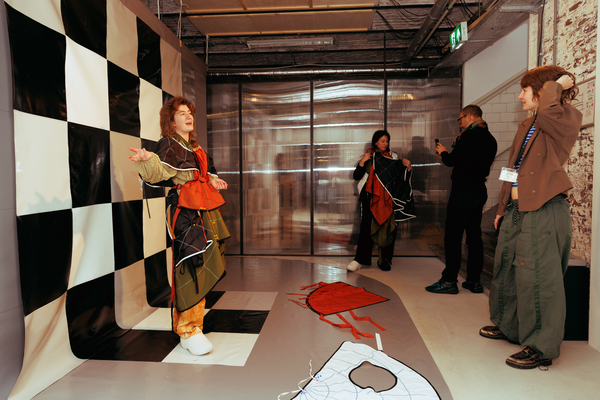
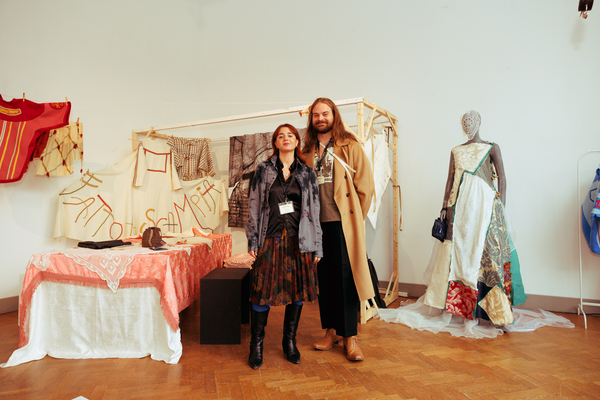
This vision came to life through projects that prioritized co-creation and community engagement. Alessandro Santi & Brankica Sanadrovic presented The Memory of Skin, using participatory body casting sessions and living SCOBY materials to reflect the interdependence between microbial cultures and human relationships. mare mito showcased A Sewing Machine of One’s Own, developed with women from a social sewing workshop in Naples, celebrating garments inherited from grandmothers and empowered by generations of women. CIMO from Croatia displayed an archive of over 100 embroidered pieces created in therapeutic workshops with asylum seekers, Ukrainian refugees, and elderly locals, reflecting the overlooked labor of women’s handcrafts.
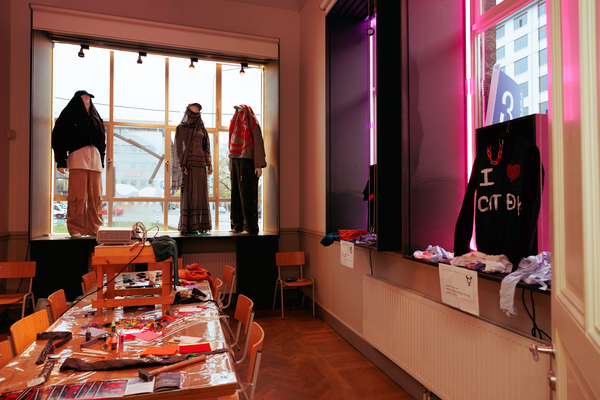
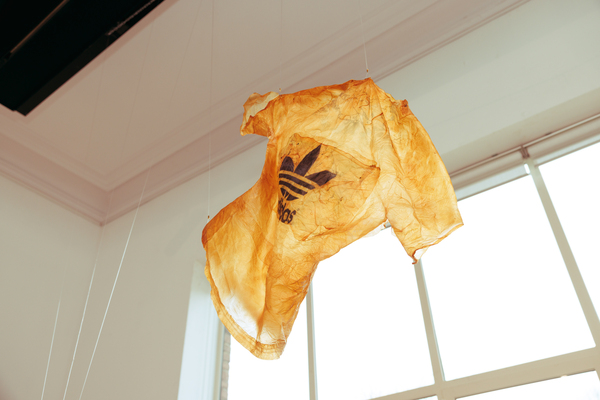
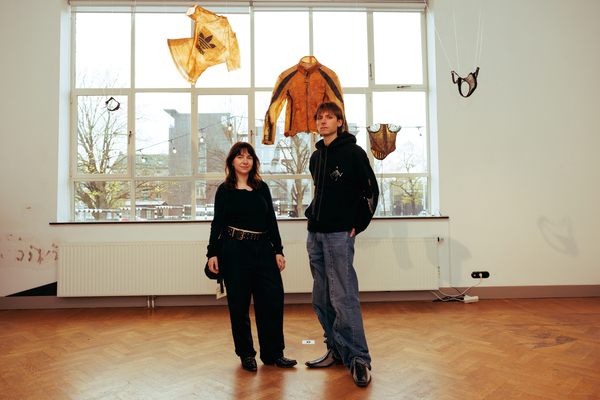
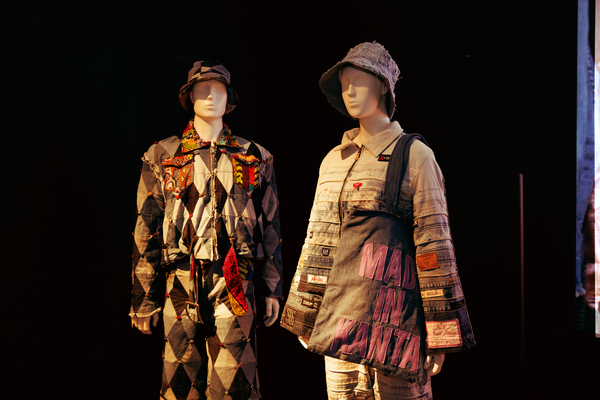
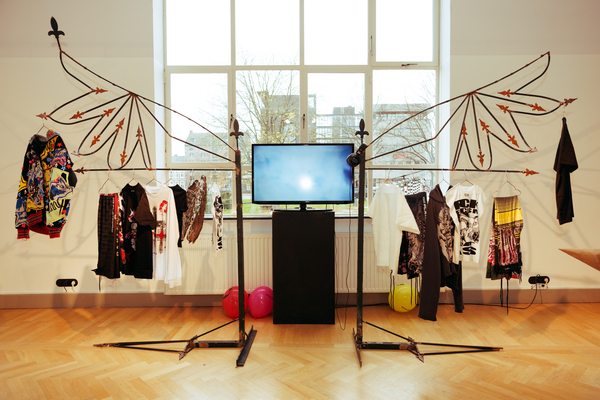
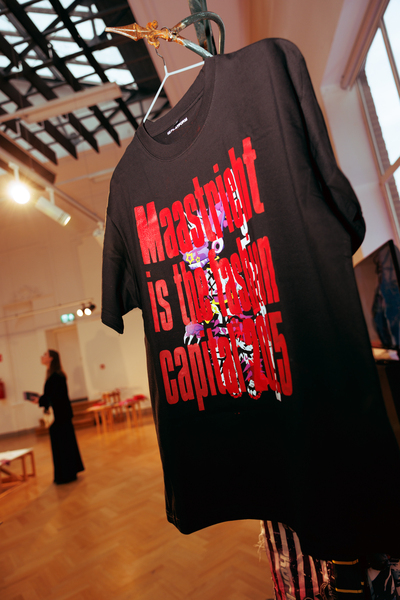
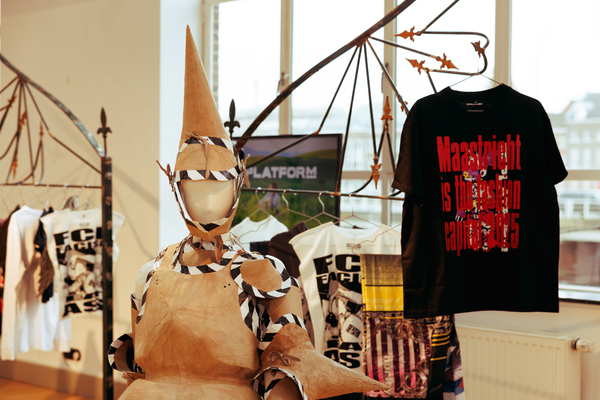
Cultural resistance and activism manifested through Mariia Pavlyk’s Spero, connecting Ukrainian Tripillia–Cucuteni symbolism with traditional Hutsul weaving techniques, and Kantamanto Social Club, which presented upcycling activations in collaboration with communities across Ghana, Canada, Egypt, and India. The Platform transformed a garden fence into monumental angel wings displaying a collaborative collection by eight designers, while G(end)er Swap invited participants to hack the binary through DIY customization, centering textiles as tools for self-expression and resistance.
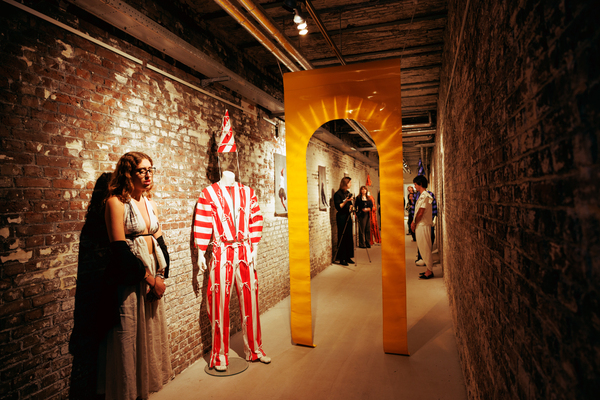
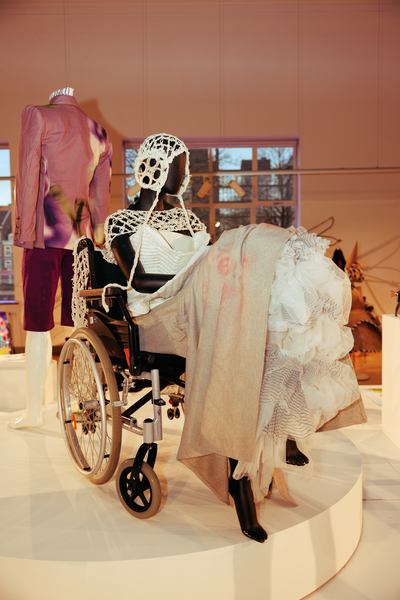
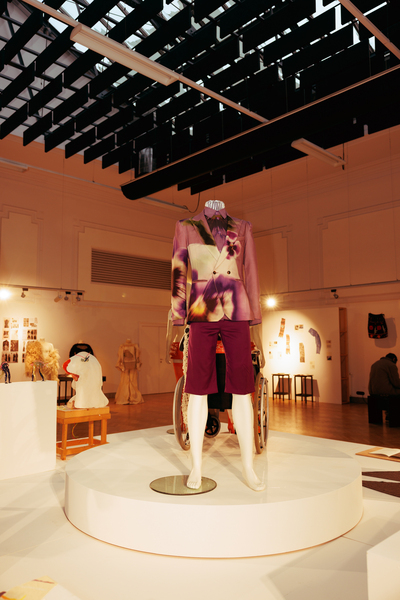
The exhibition also featured interactive works that challenged conventional fashion systems: Kim Gemmink’s In The Corners Of A Circle offered a collection without defined looks, Giada Lou Hammel’s DREIHUT critiqued smartphone culture through collective movement, and Hannah Smith’s The Gentle Frame explored disability through wearable art. Karl Joonas Alamaa & Lisette Sivard documented the 125-kilometer performative fashion show MANIA GRANDIOSA, questioning fashion’s obsession with novelty.
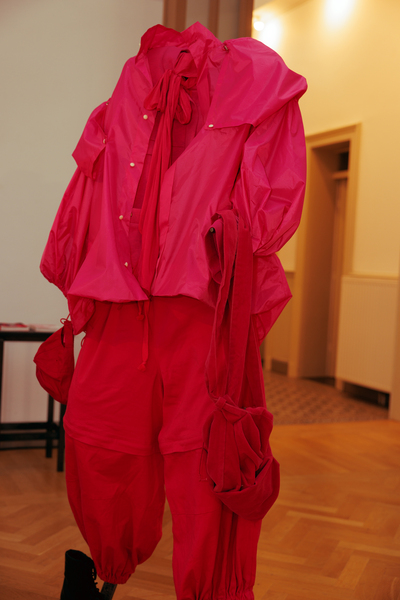
Through these diverse practices, Collective Movements demonstrated fashion’s potential as a radical tool for building community, preserving memory, and imagining alternative futures
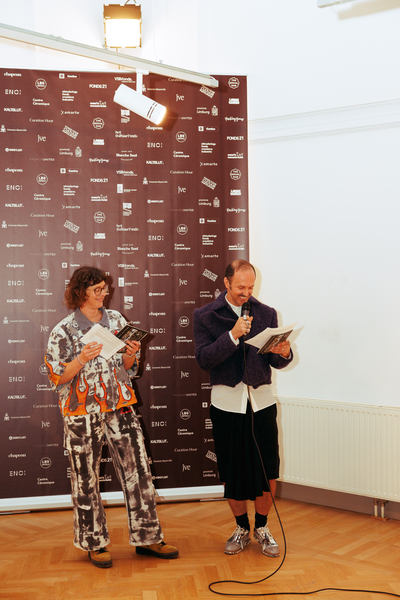
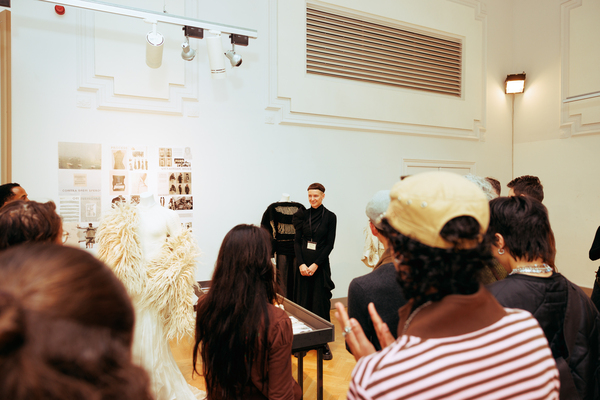
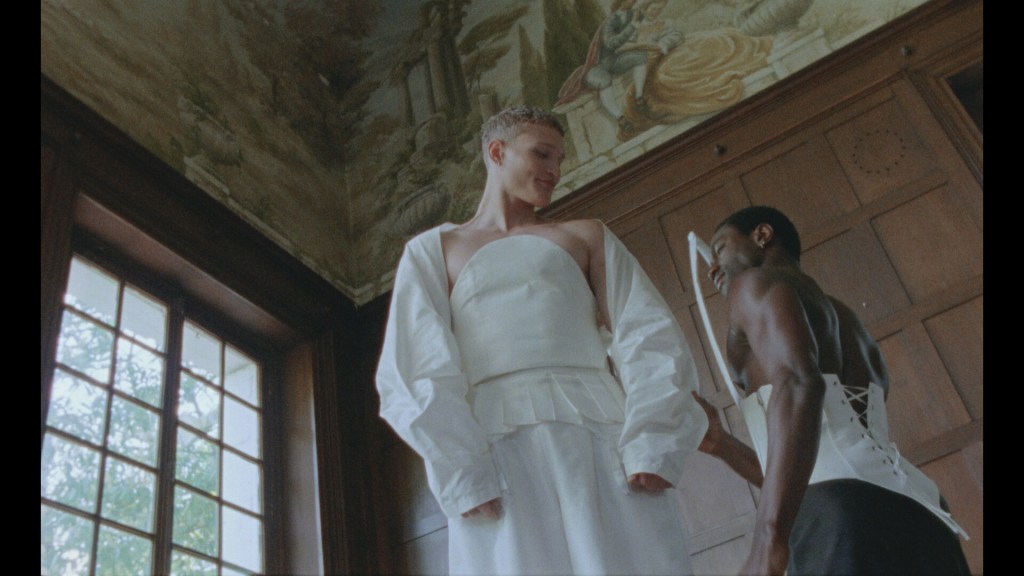
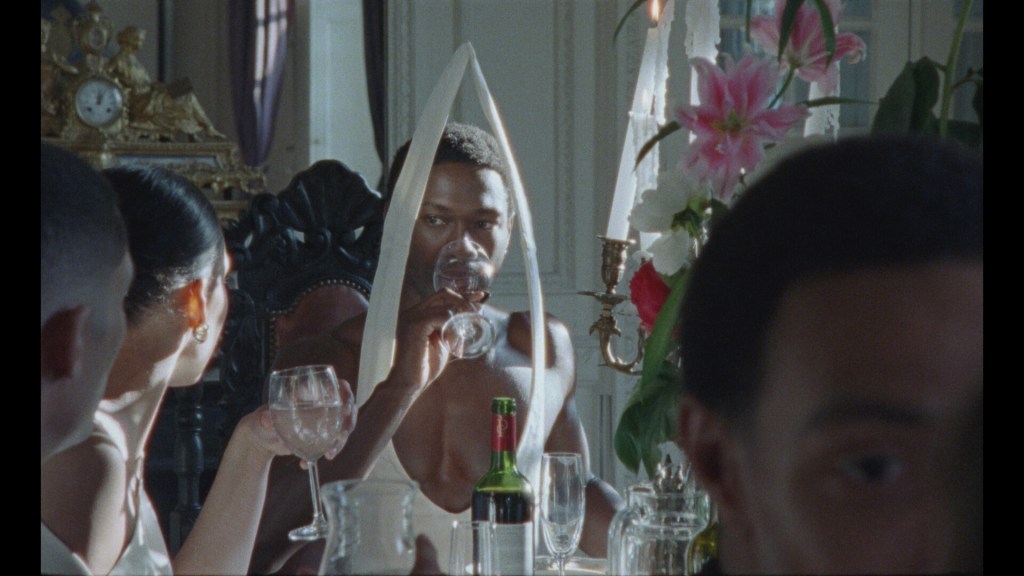
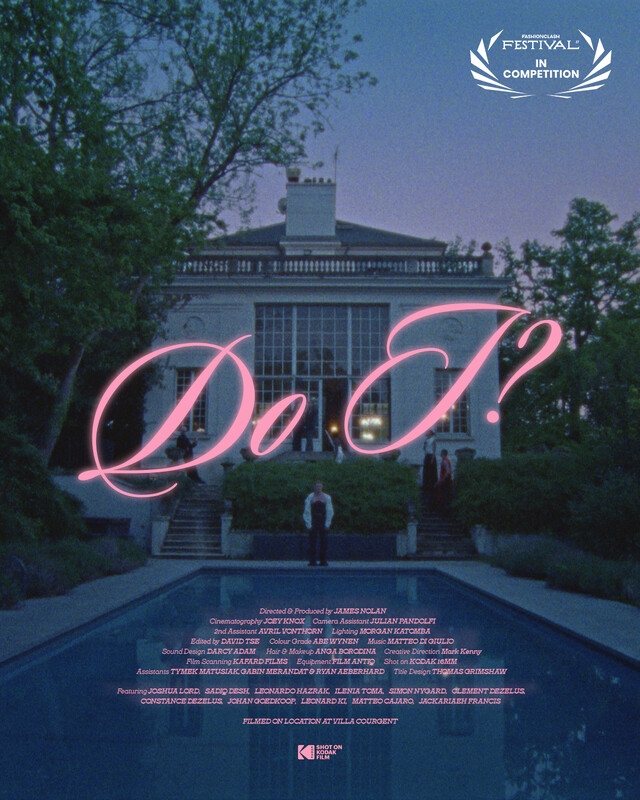
The evening then transitioned to Lumière Cinema for the Fashion Film Program & Awards showcase, where two new fashion films produced by FASHIONCLASH premiered. An international jury, comprising Adriano Batista, Marcel Schlutt, Kateřina Hynková, and Elie Inoue, awarded the 2025 Fashion Film Award to “Do I?” by James Nolan. This film examines modern love against the backdrop of a wedding day, contrasting the desire for stability with the temptations of uncertainty through a visual feast of couture bridal attire.
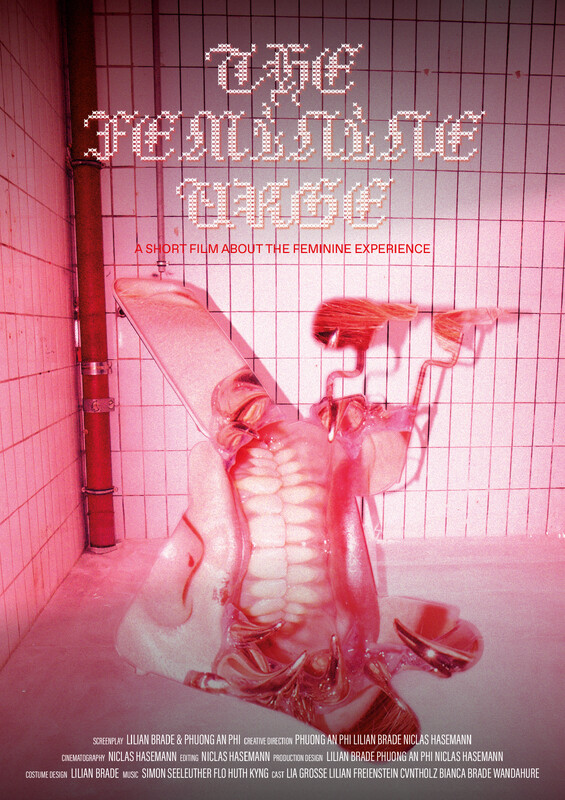
The Kaltblut Magazine Award went to The Feminine Urge, directed by Lilian Brade, Phuong An Phi, and Niclas Hasemann, which explored themes of female rage and the monstrous feminine through a poetic lens. The jury also recognized two honorable mentions: Circle, directed by Ferhat Ertan, and Motherfocking Art, directed by Marloes IJpelaar / Club Lam.
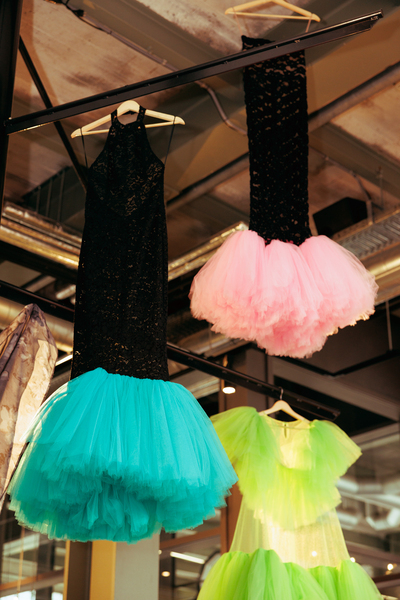
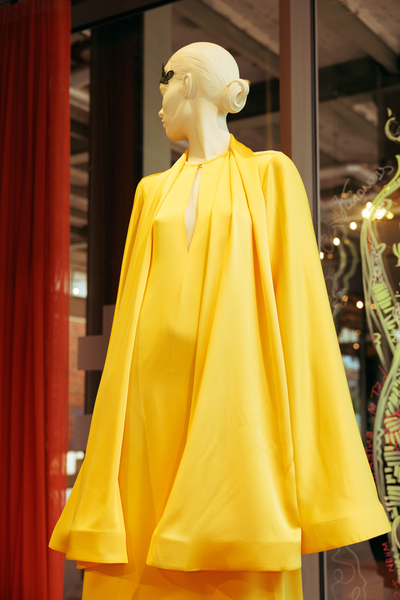
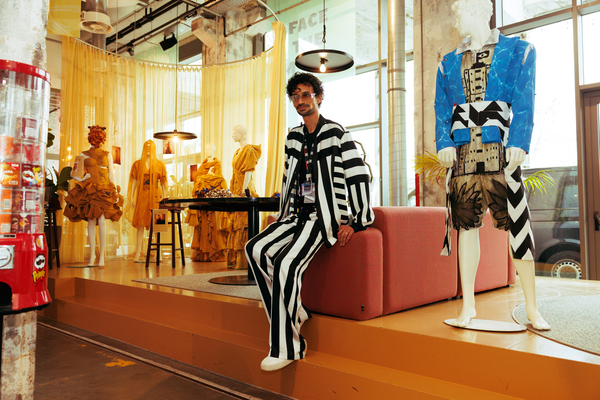
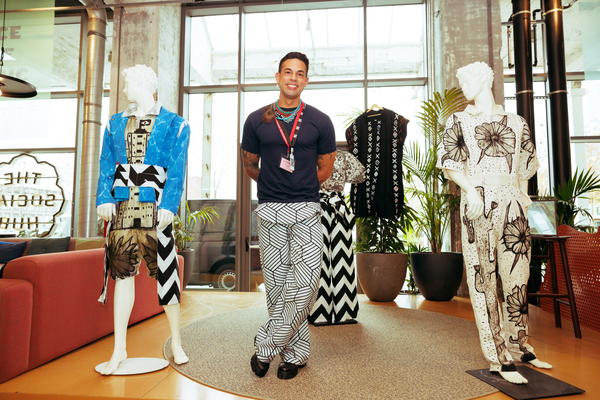
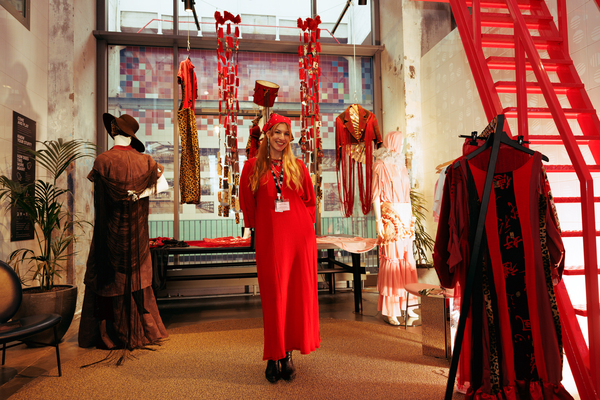
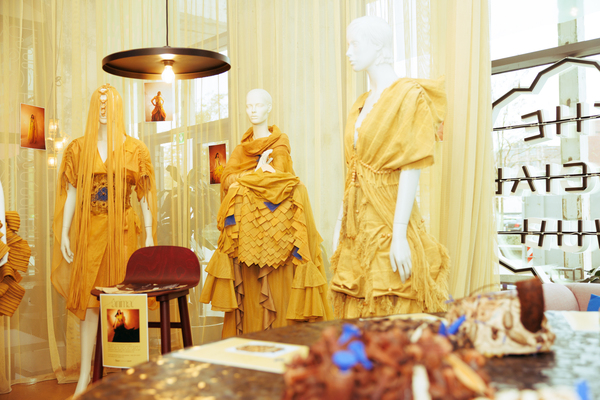
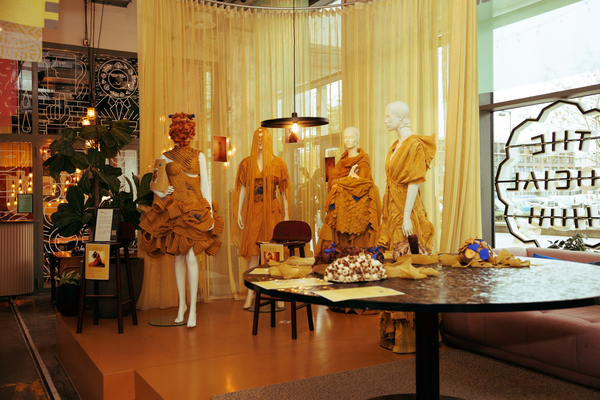
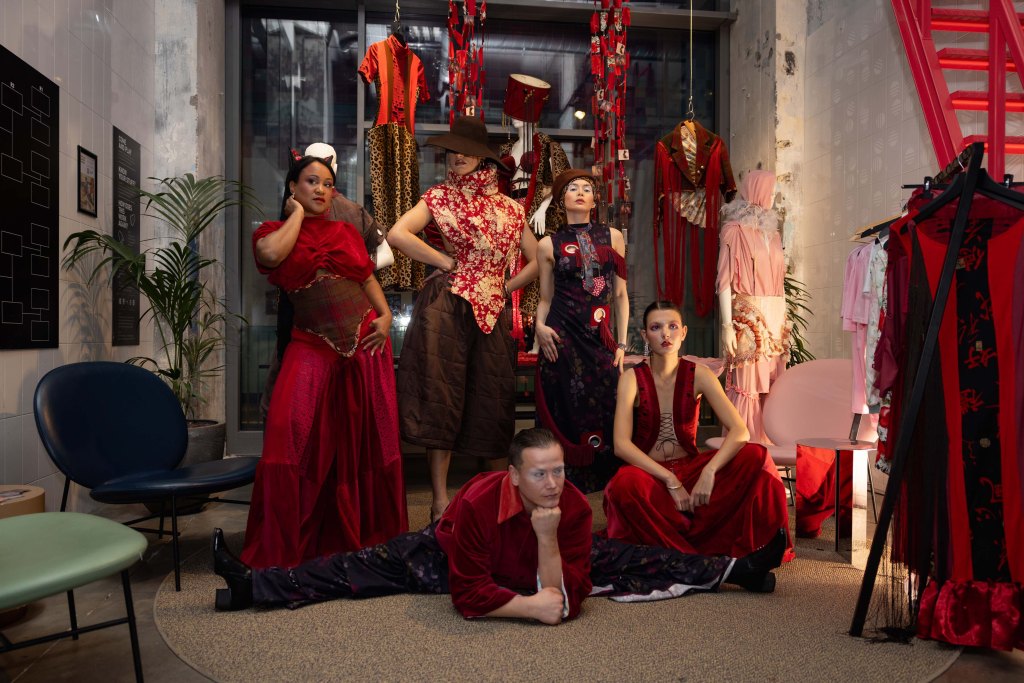
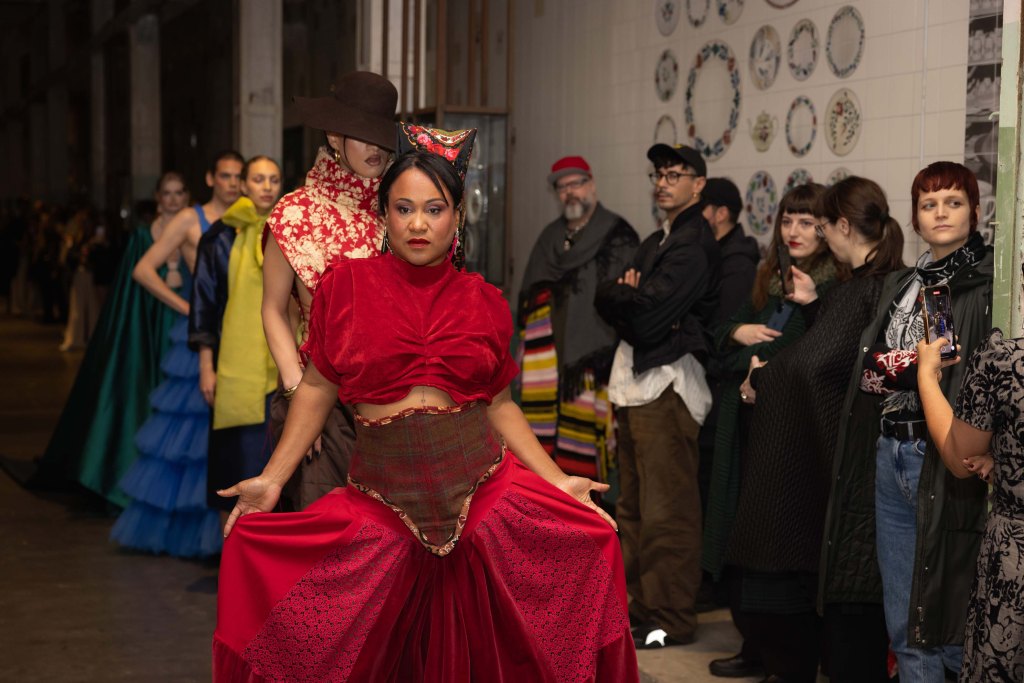
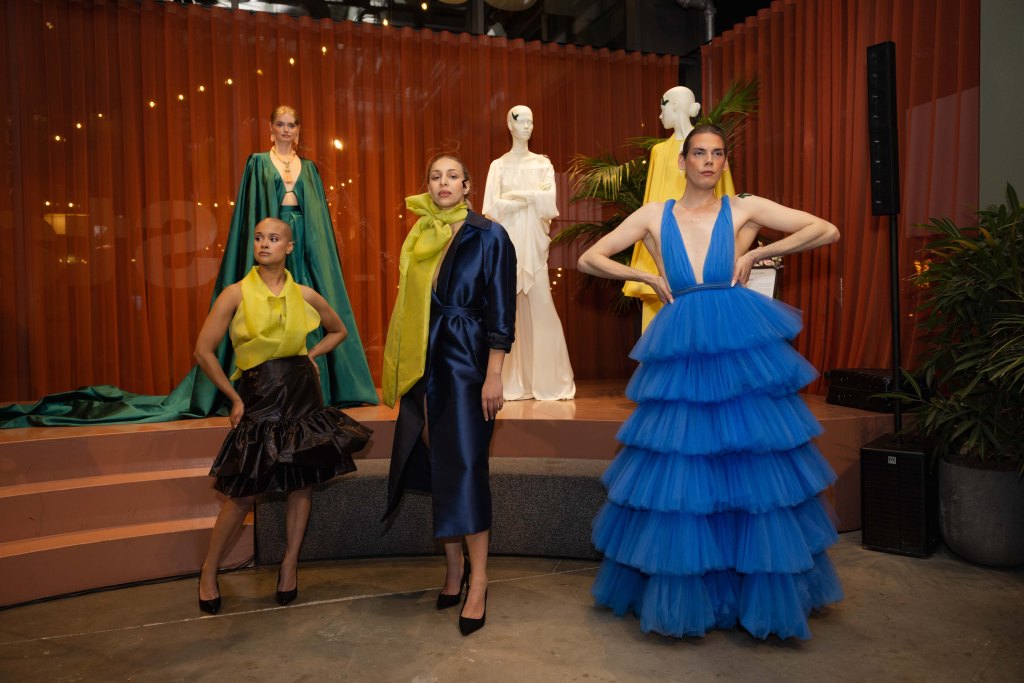
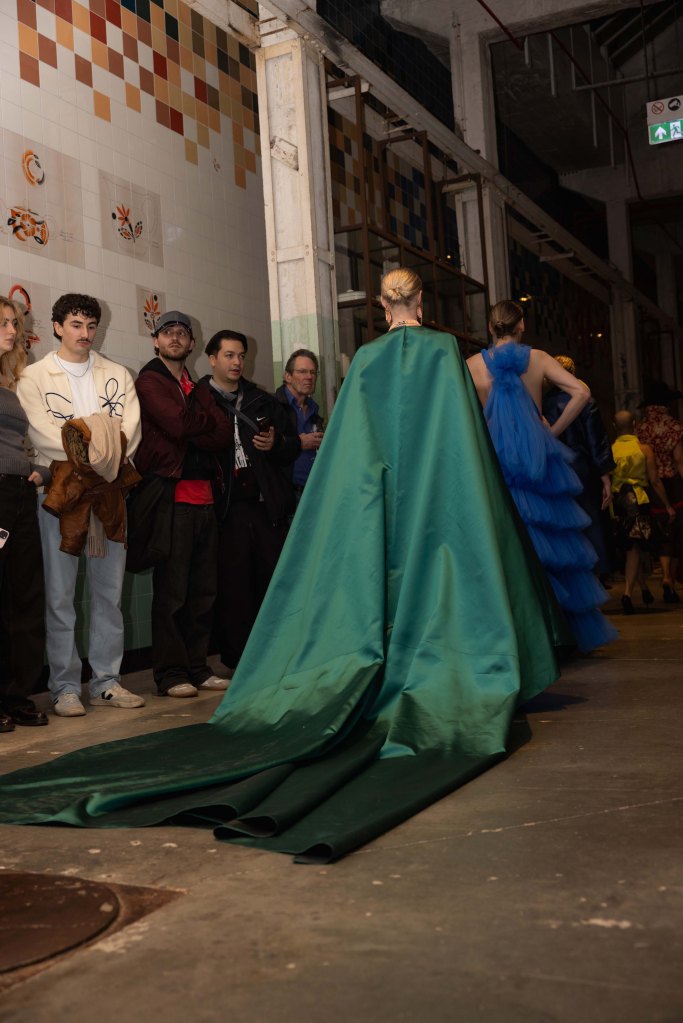
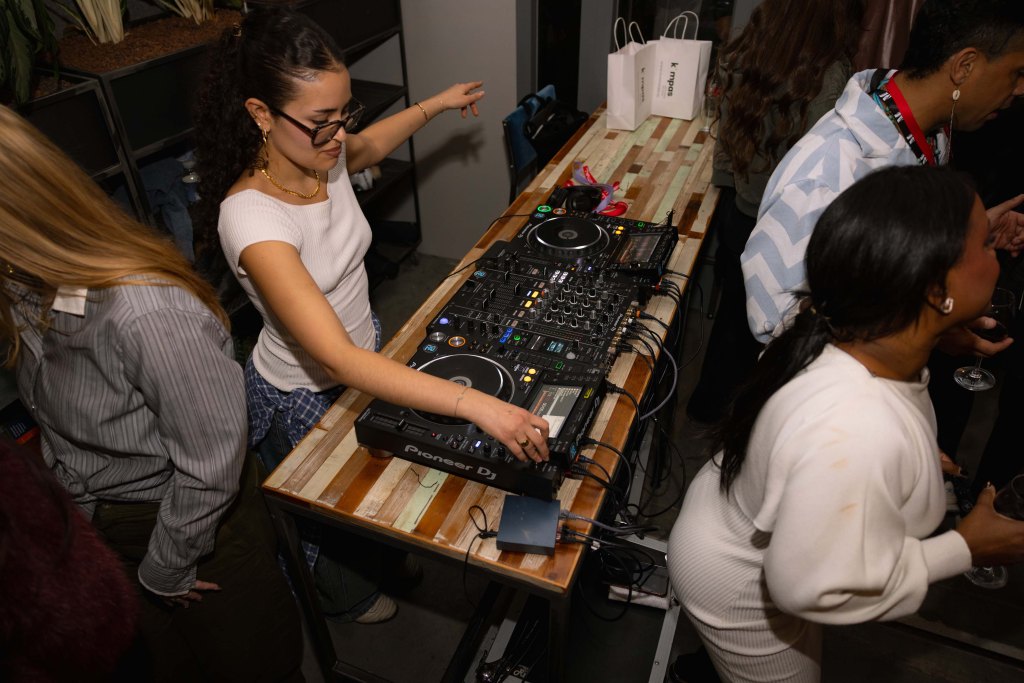
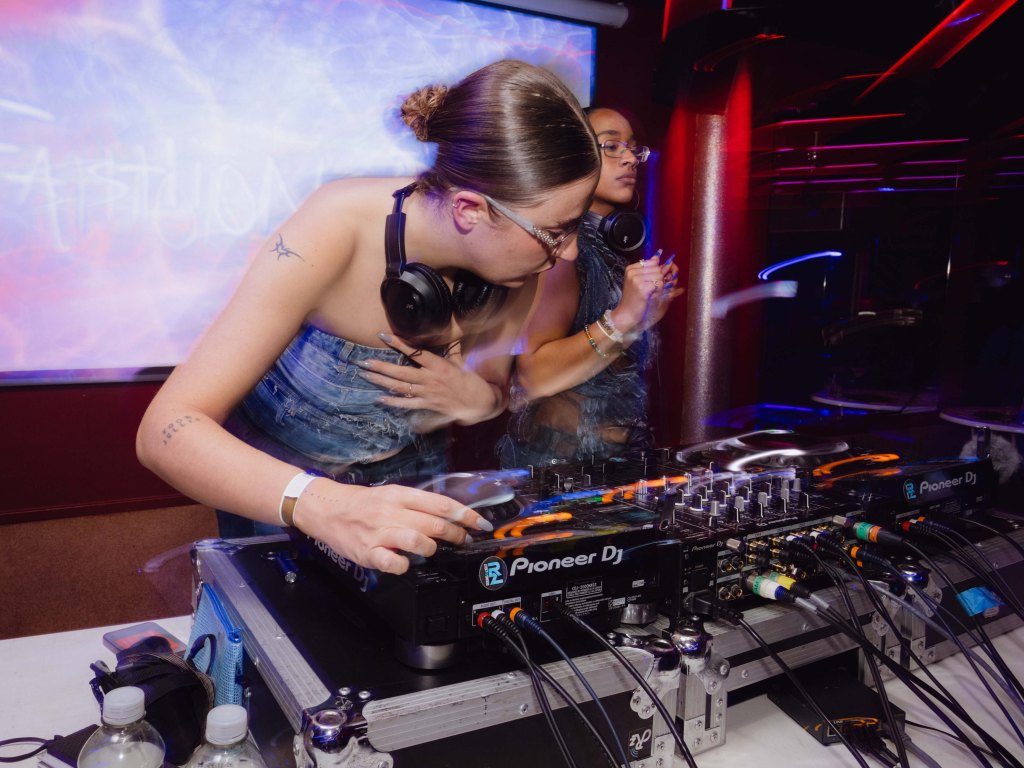
The festive opening night continued at The Social Hub in Sphinxkwartier with the ESSENCE showcase curated by Marlon Claessen. This fashion show celebrated Brazilian designers and concluded with an energetic opening party, featuring music from DJ Kirakira and the Class of 2025 showcase.
Meet The Print designer: Class of 2025/ ESSENCE : Marlon Claessen
This year, FASHIONCLASH x The Social Hub Maastricht host an additional showcase highlighting a new generation of designers, launching with a festive evening of music (DJ Kirakira and performance during the festival opening night on Friday 14 November.
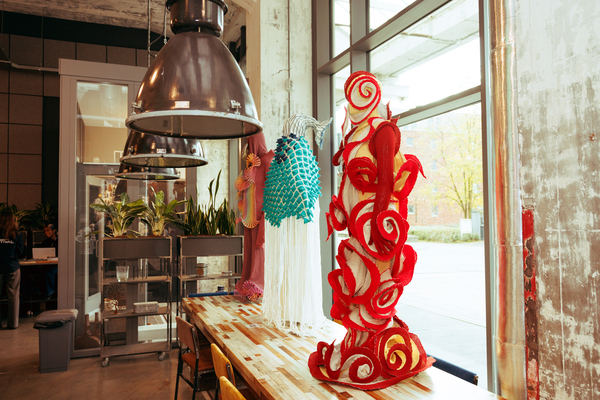
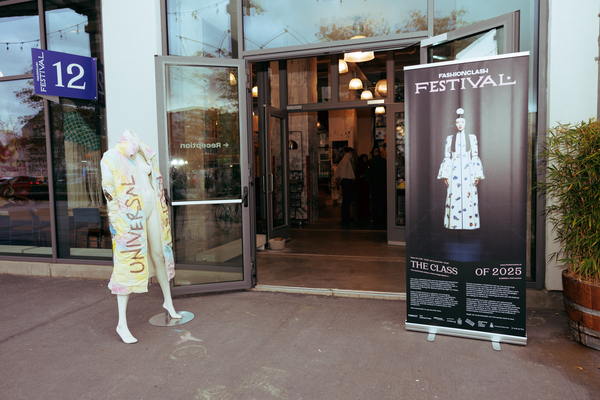
Class of 2025 presented a selection of emerging designers graduating in 2025 from Dutch academies including AMFI, HKU, ArtEZ, Design Academy Eindhoven, Maastricht Academy of Fine Arts, WDKA, and Gerrit Rietveld Academie. What connects this diverse group of young makers is their commitment to storytelling through fashion—whether drawing from personal heritage, cultural memory, experimental techniques, or social commentary. Each designer transforms intimate experiences and critical questions into wearable narratives that challenge conventional fashion systems.
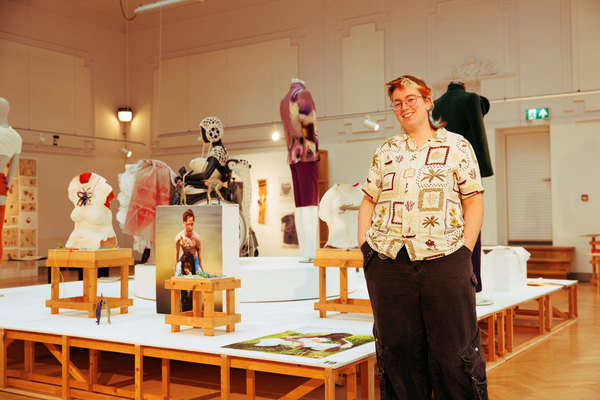
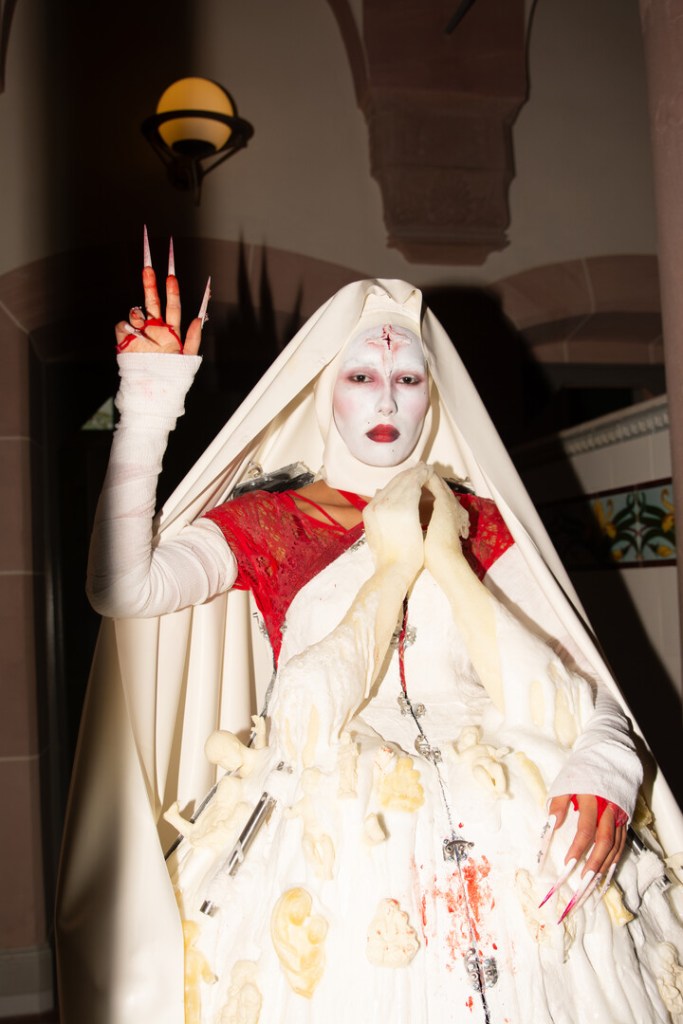
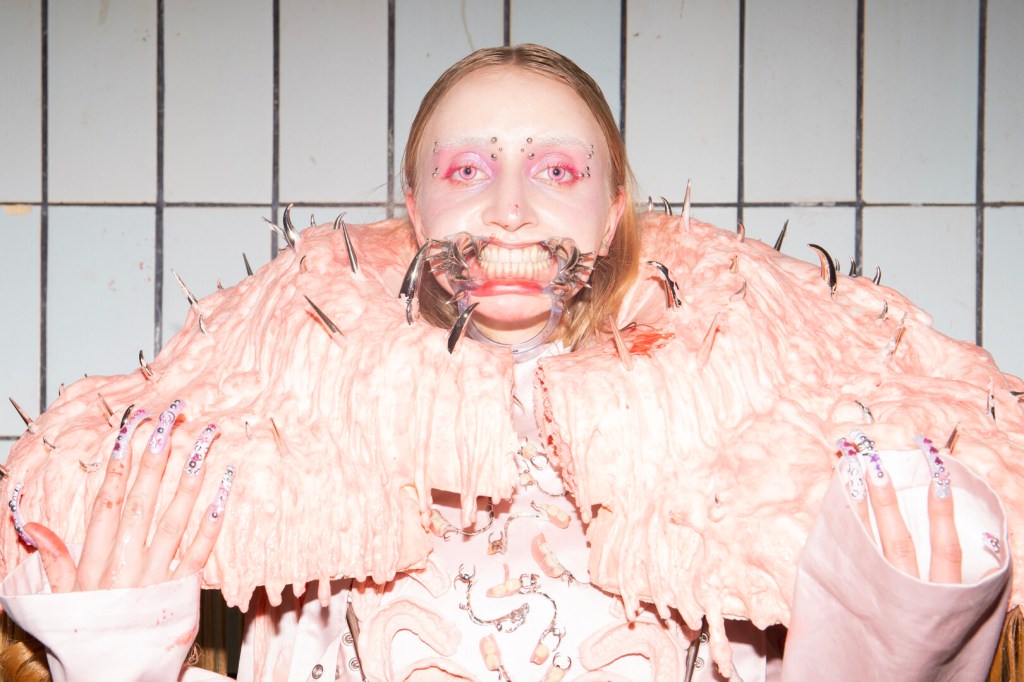
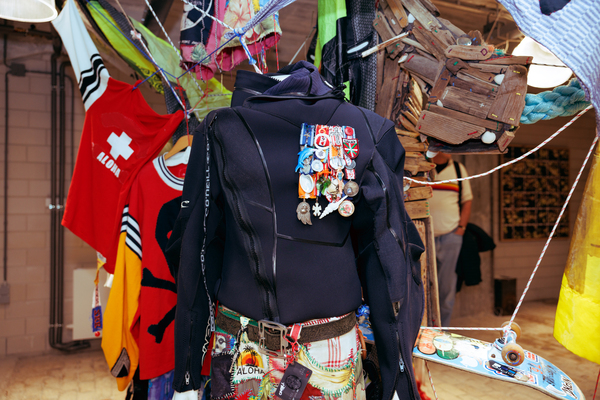
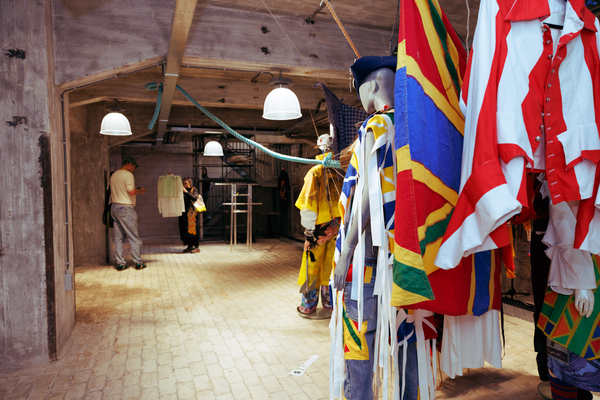
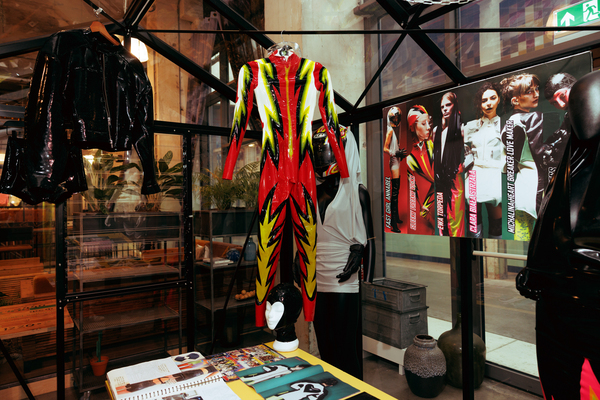
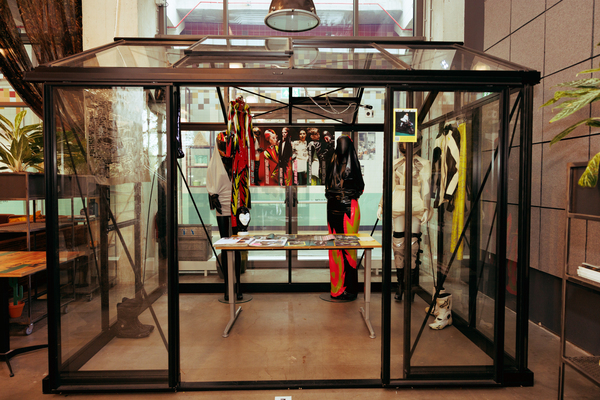
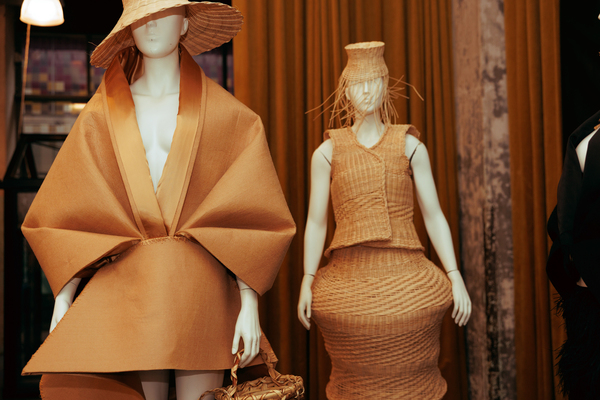
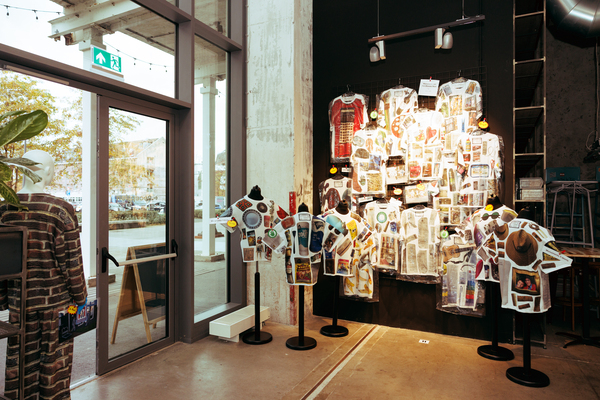
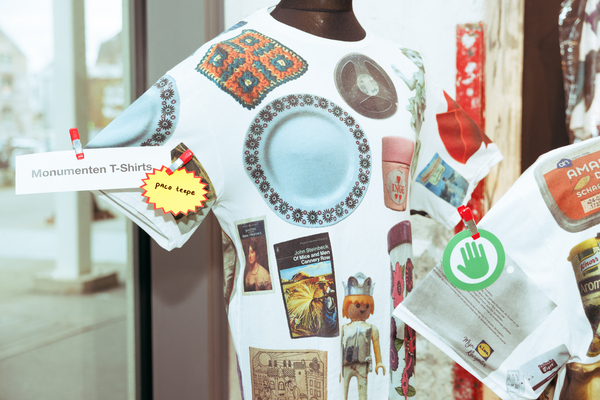
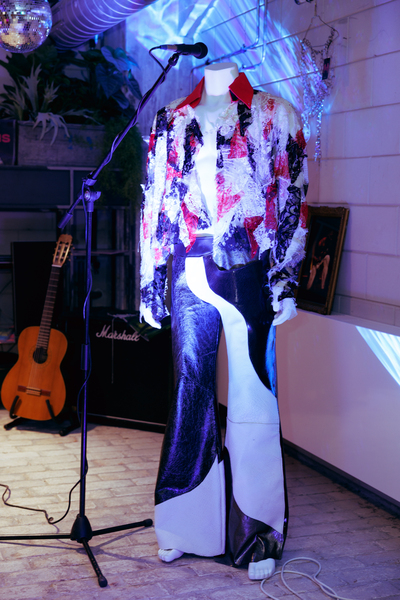
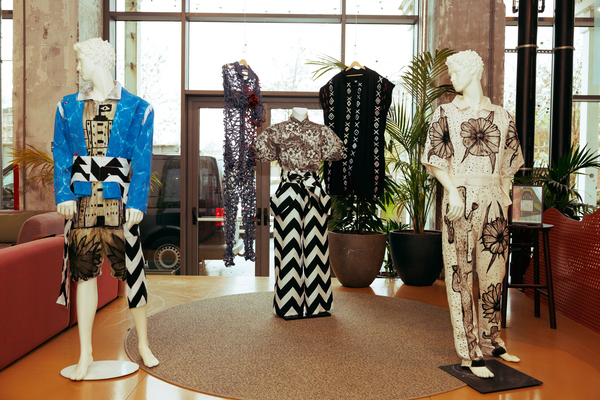
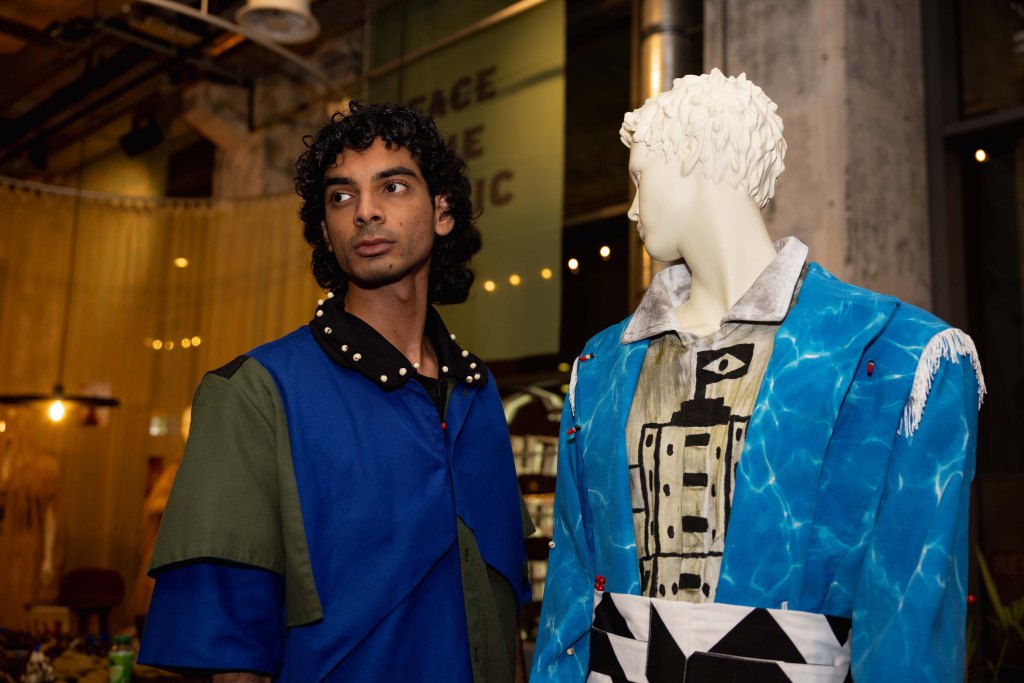
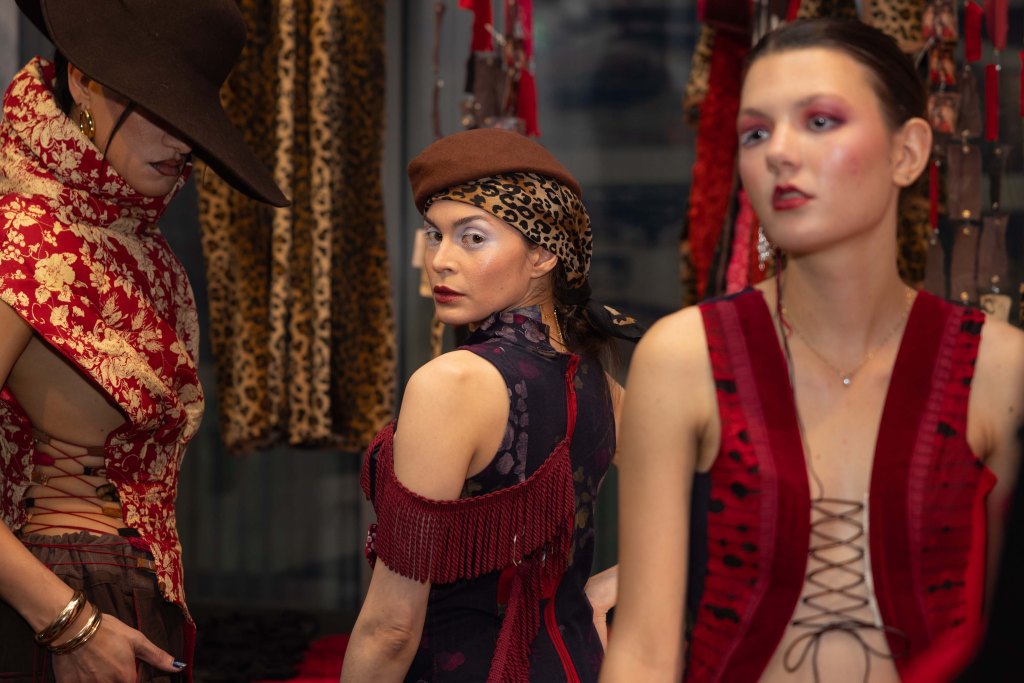
Jamie AirMountain presented ‘ALOHA Wijk aan Zee’, recycling beach materials—trash, wood, wetsuits, denim—into layered garments celebrating coastal life while addressing environmental waste. Maide explored Dutch-Turkish heritage through ‘Gurbet’, translating traditional basket weaving learned from Turkish artisans into contemporary minimalist garments. Zhenyi Zhou reimagined Chinese folklore through “Gu Spirit – Post-Human Witchcraft”, creating sculptural garments merging 3D-printed bones, silicone, and reclaimed textiles. Karolina Wójtowicz created ‘POLISH YOUR GEAR’ in latex and motorcycle gear, exploring immigrant identity through a character caught between Polish heritage and contemporary life. Claire Sillekens presented ‘De zon schijnt precies op je gezicht’, interactive costumes for four characters whose missions provoke conversations about societal impact through absurdity. Paco Teepe showcased ‘Monuments T-Shirts’, a Wearable Visual Archive printing childhood memories onto T-shirts, making the past literally wearable. Jessie Romkens presented ‘LOUD & LIMITLESS’, stage wear translating music’s energy into bold garments through spray paint, patchwork, and embroidery. Babs Groote Schaarsberg displayed ‘Een Ode Aan’, wearable sculptures honoring traditional Salland attire with mechanical elements that invite curiosity. Larissa de Jager presented ‘Redress Is Rising’, upcycled costumes with distorted volumes addressing body positivity and retail sizing limitations.
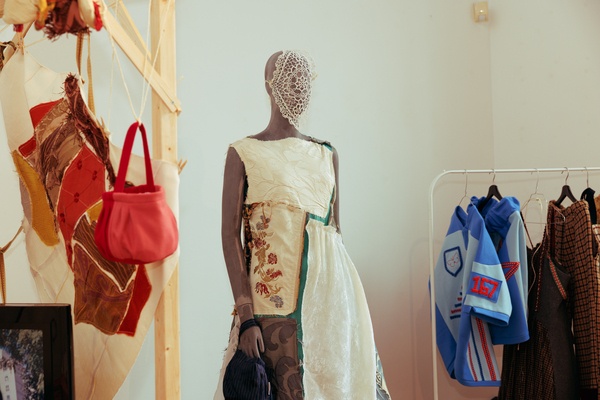
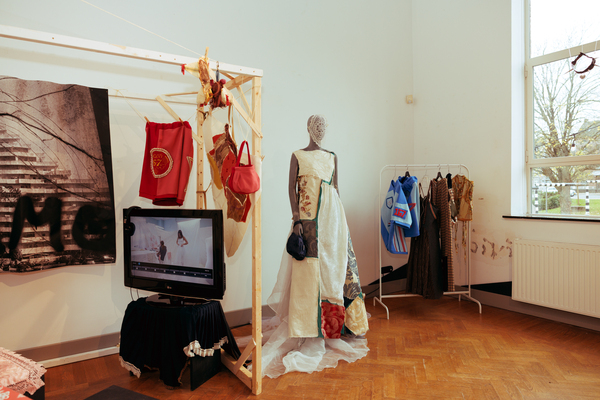
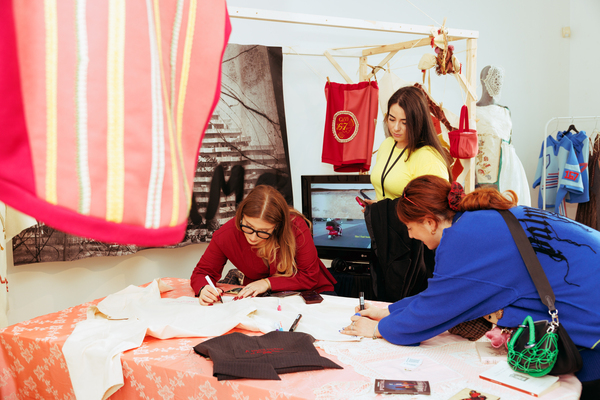
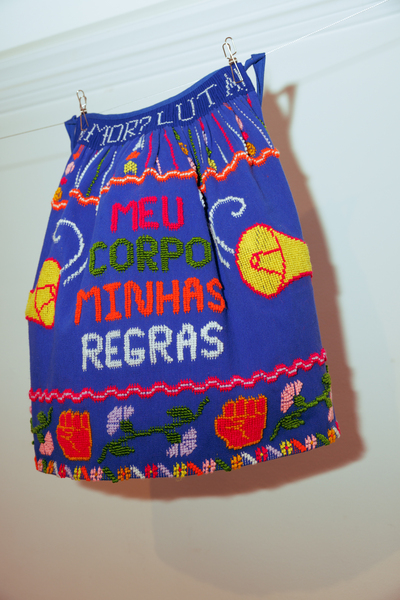
In parallel, Marlon Claessen curated the ESSENCE Exhibition, featuring international designers alongside work by Toneelacademie Maastricht students Valerie Ludwig, who presented The Songs of Girlhood—a radical feminist performance exploring collective healing through voice and movement—and Jeroen Bik, who showcased “ME TOCA MAÑANA”, an interactive work making viewers active participants through digital platforms, fashion, and video.
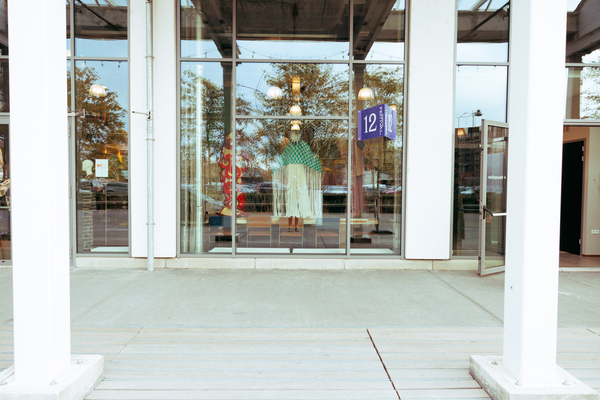
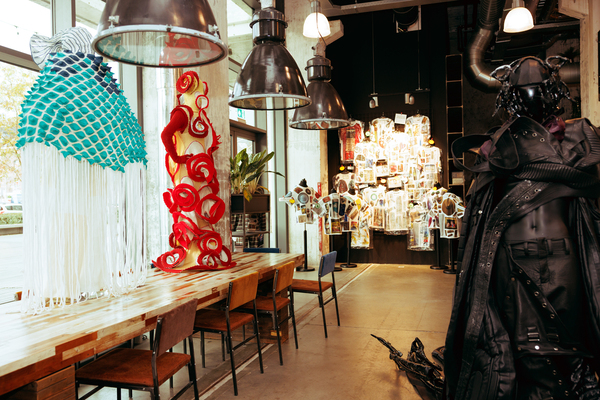
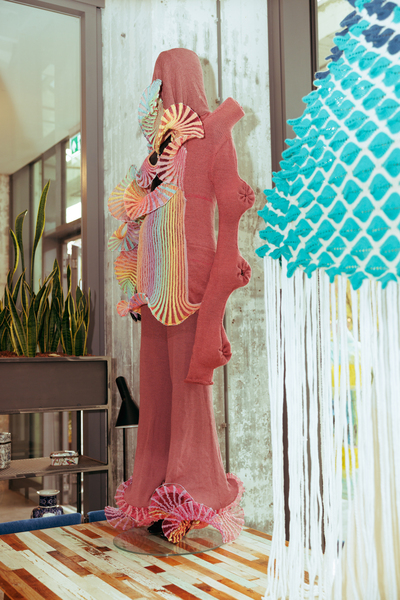
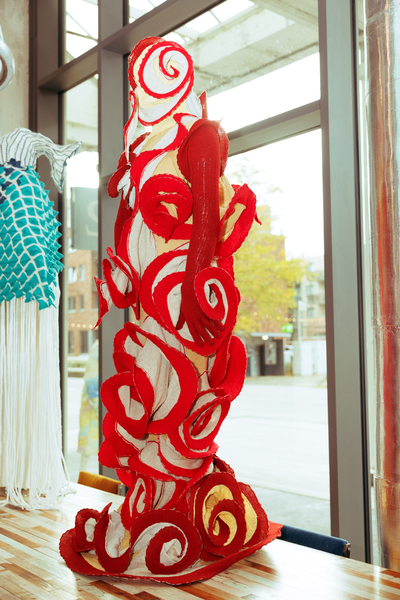
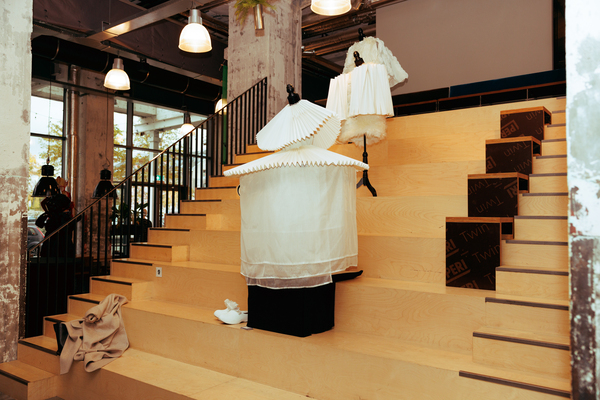
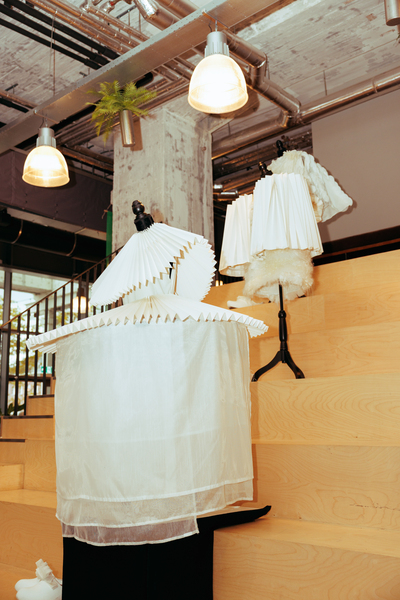
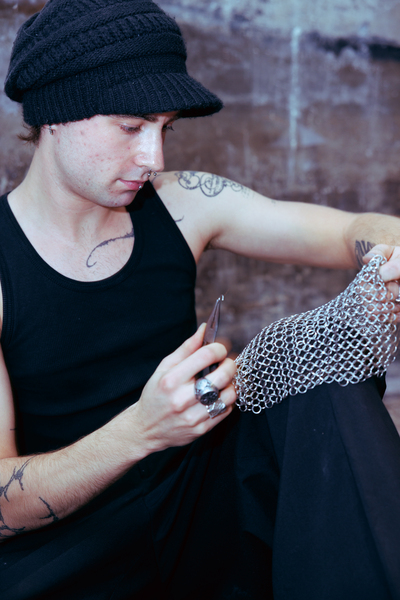
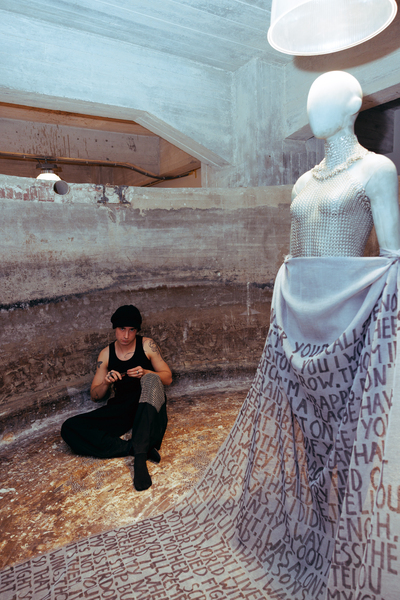
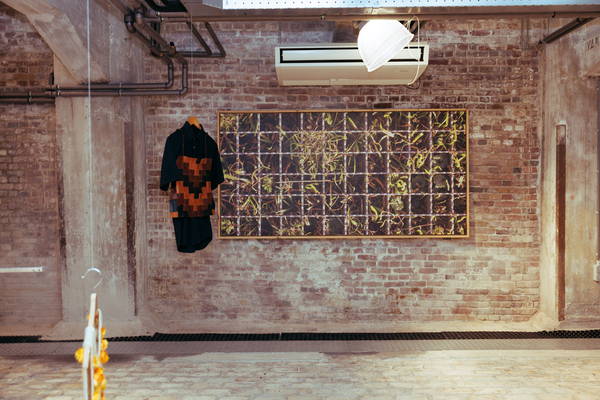
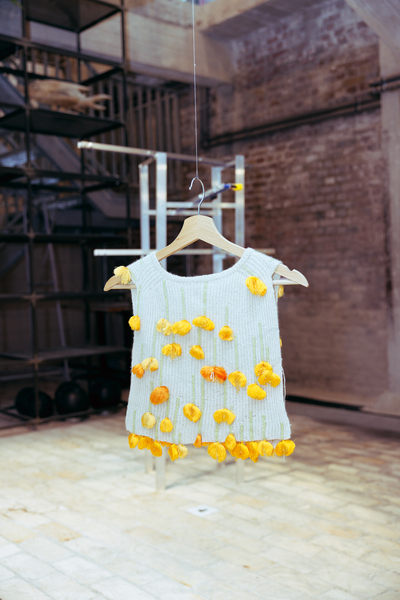
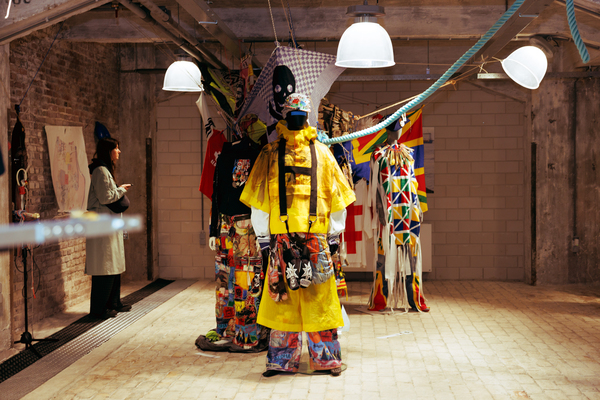
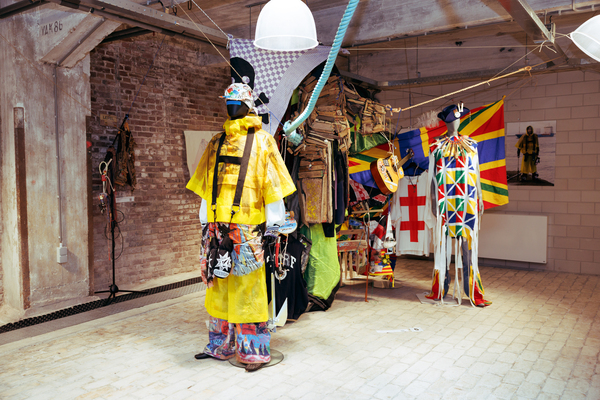
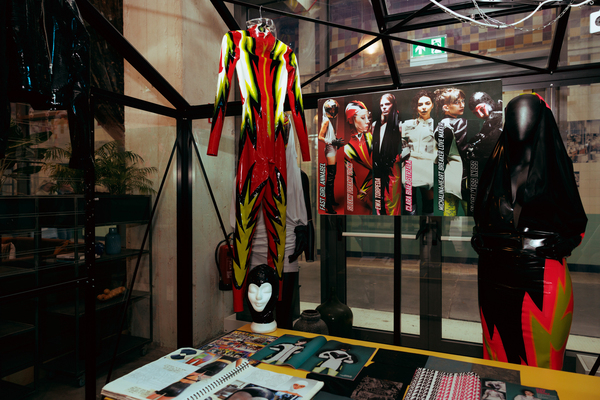
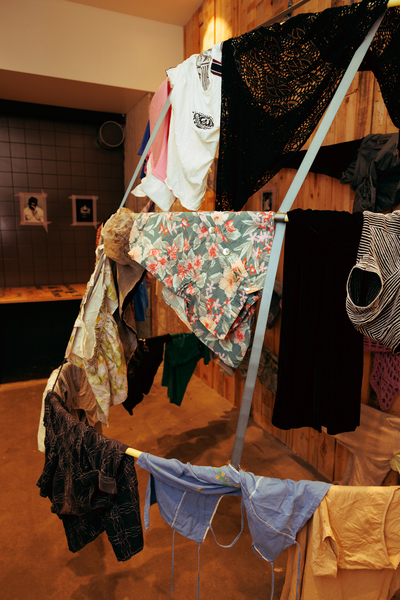
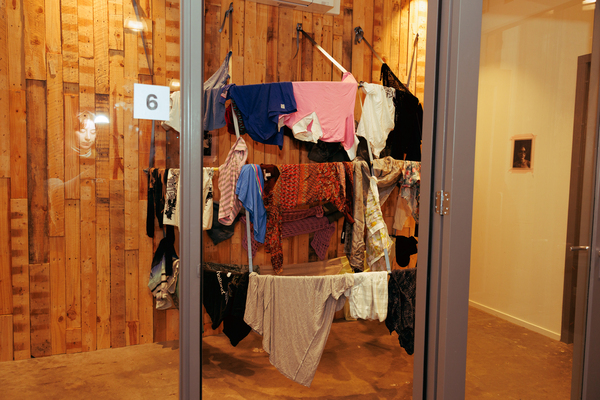
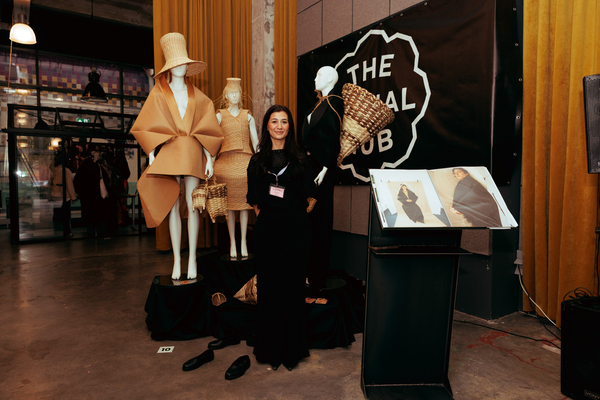
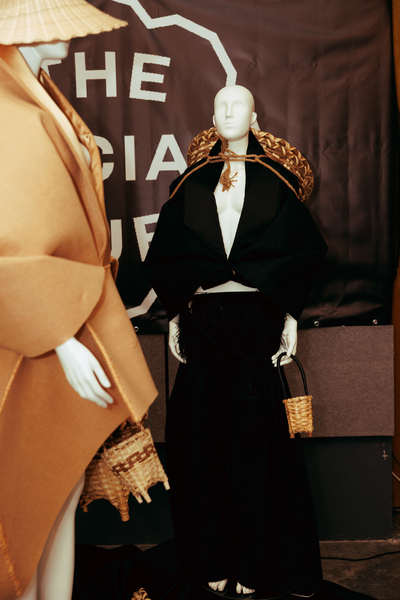
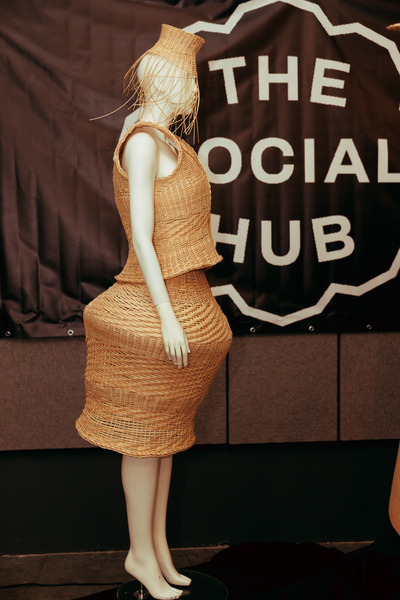
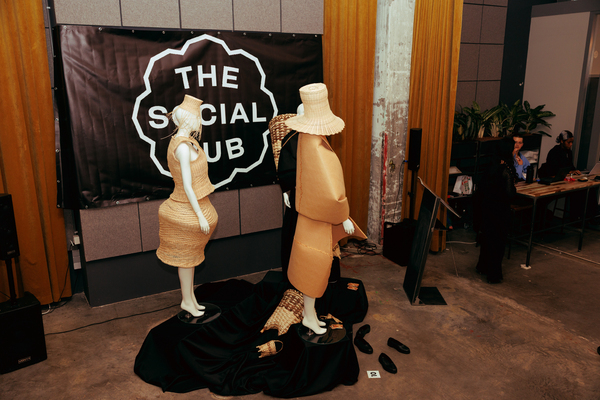
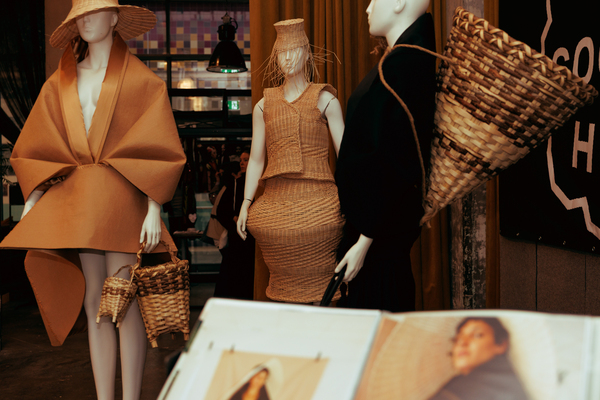
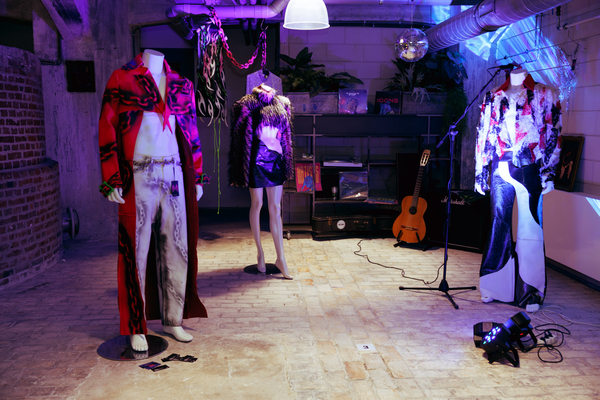
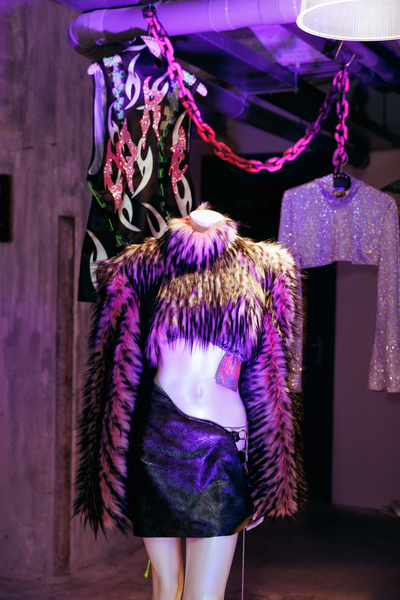
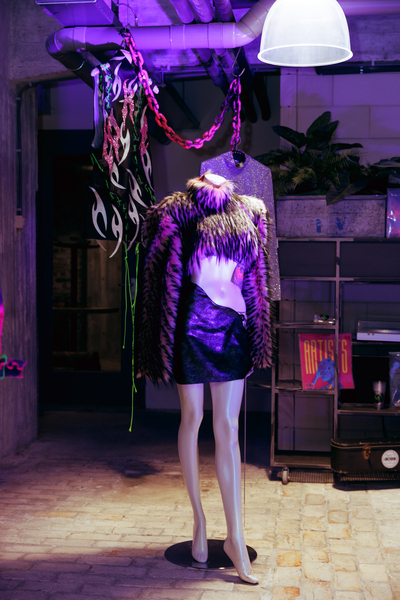
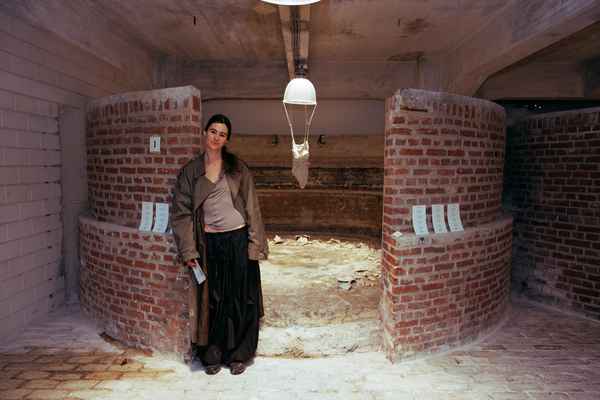
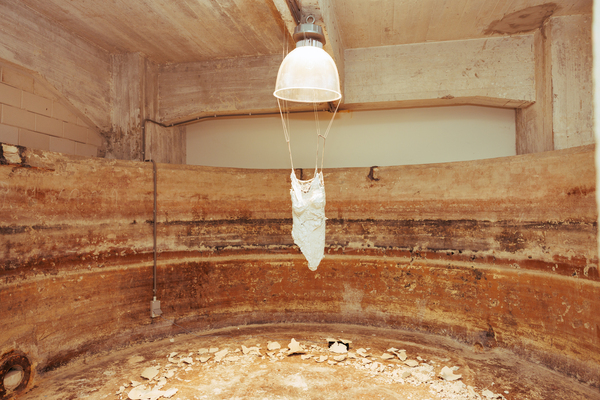
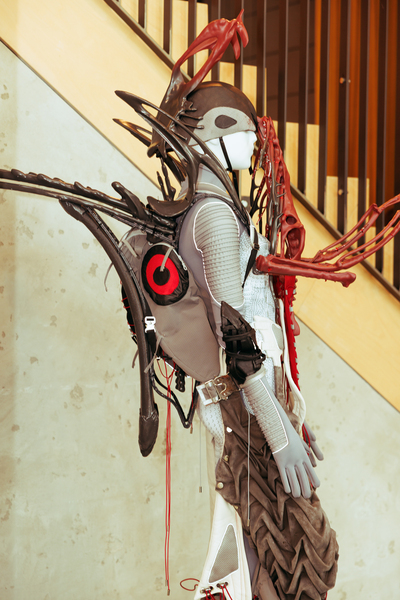
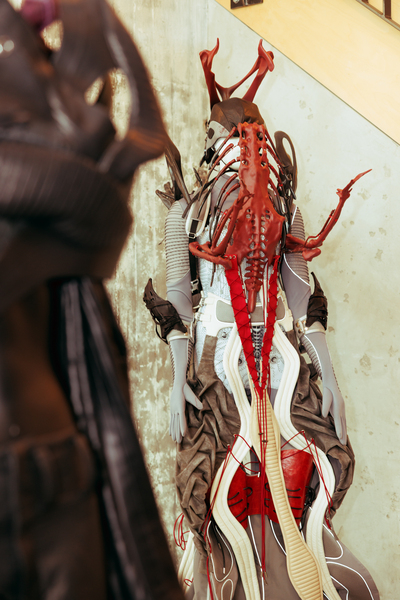
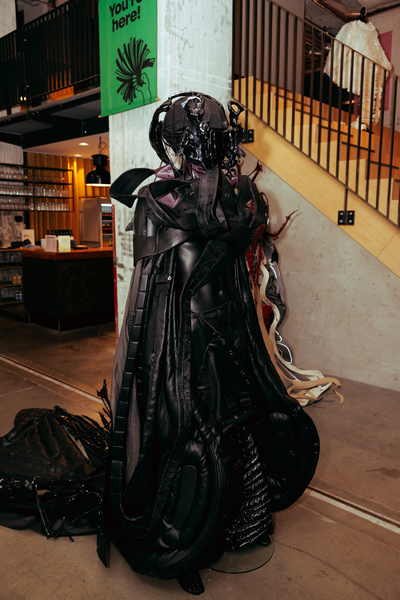
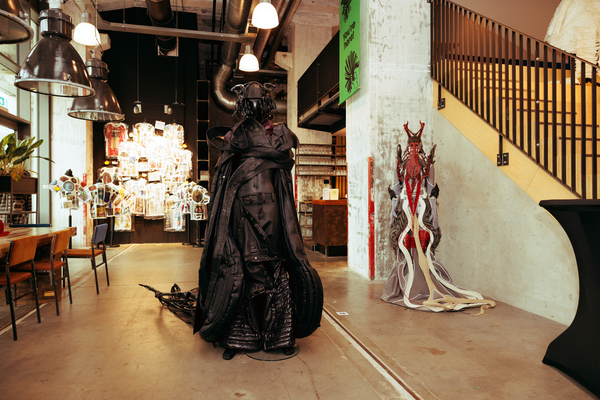
ESSENCE Showcase Featuring Brazilian Designers
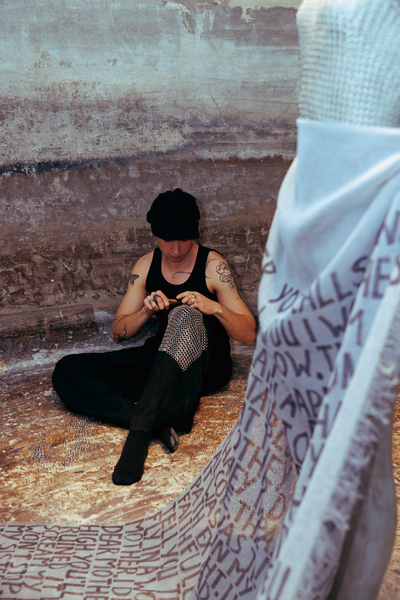
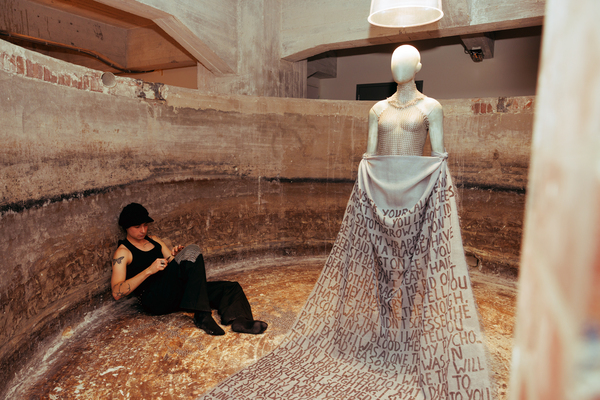
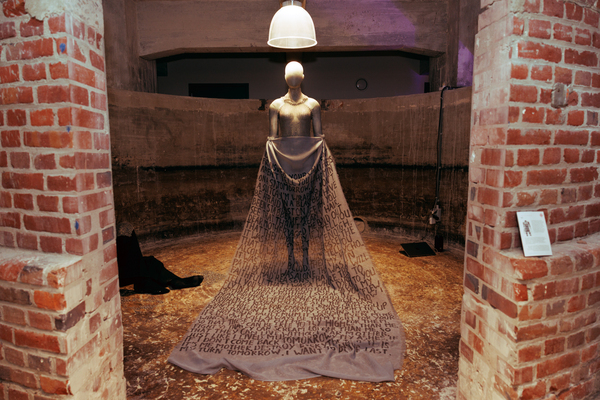
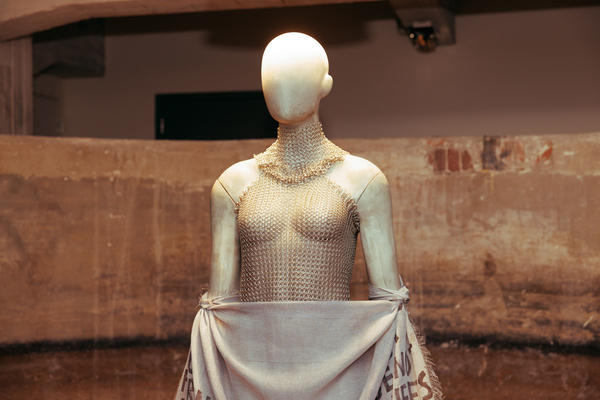
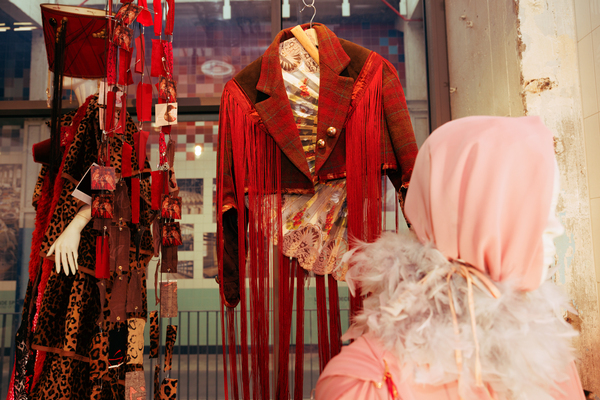
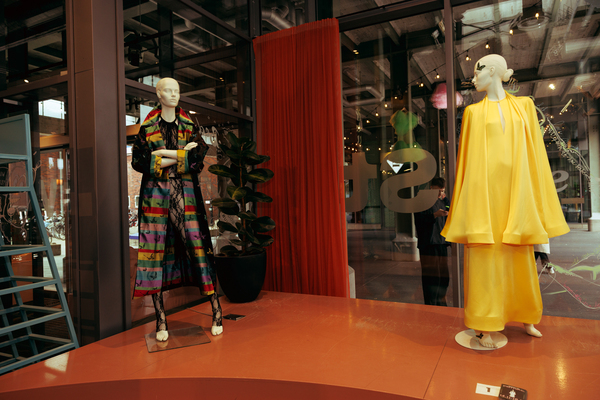
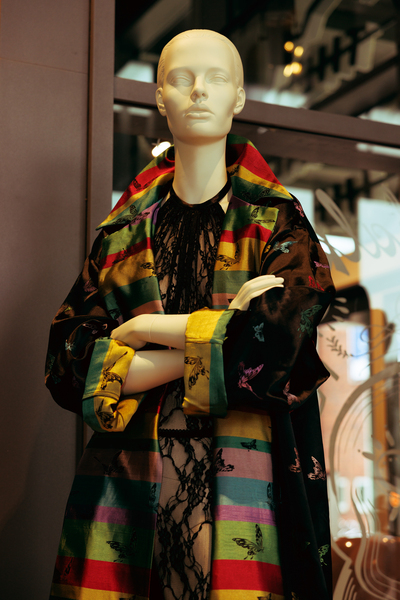
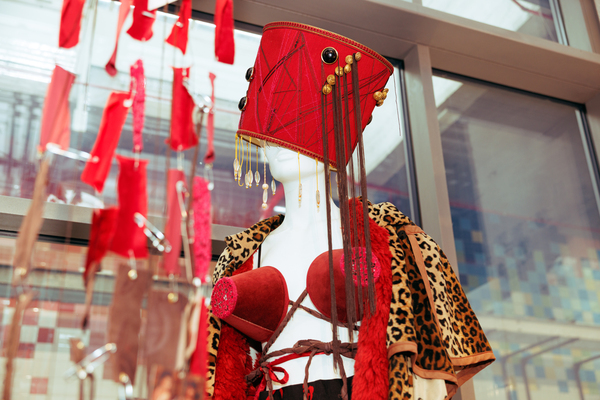
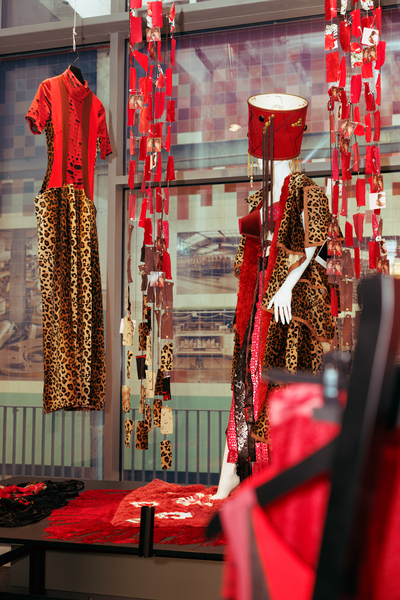
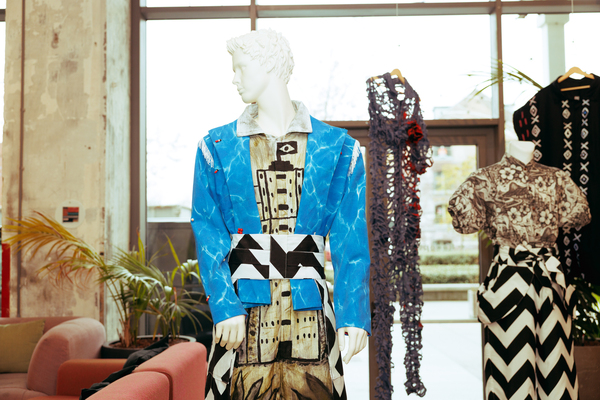
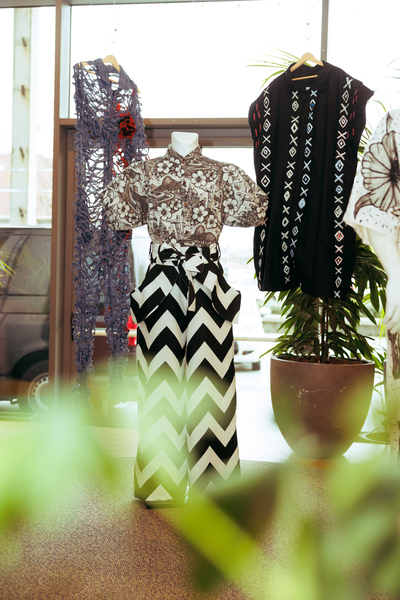
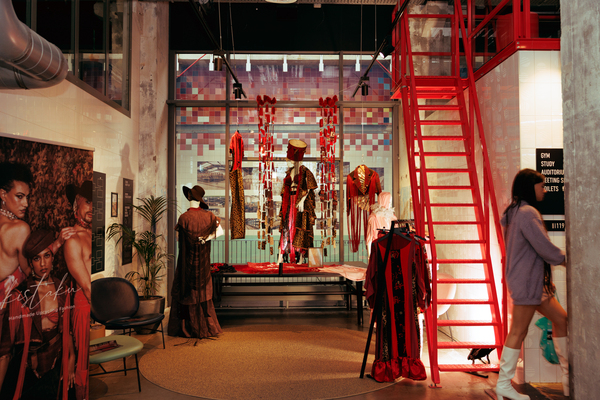
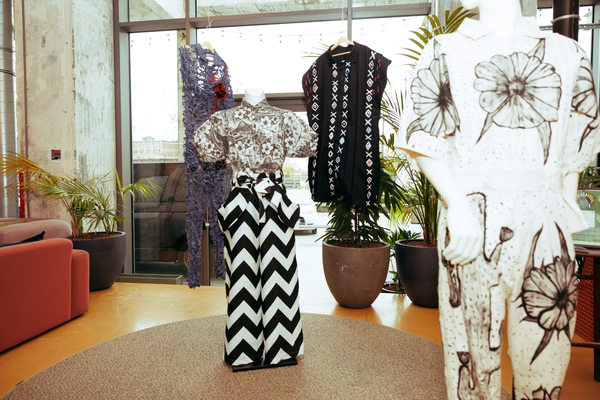
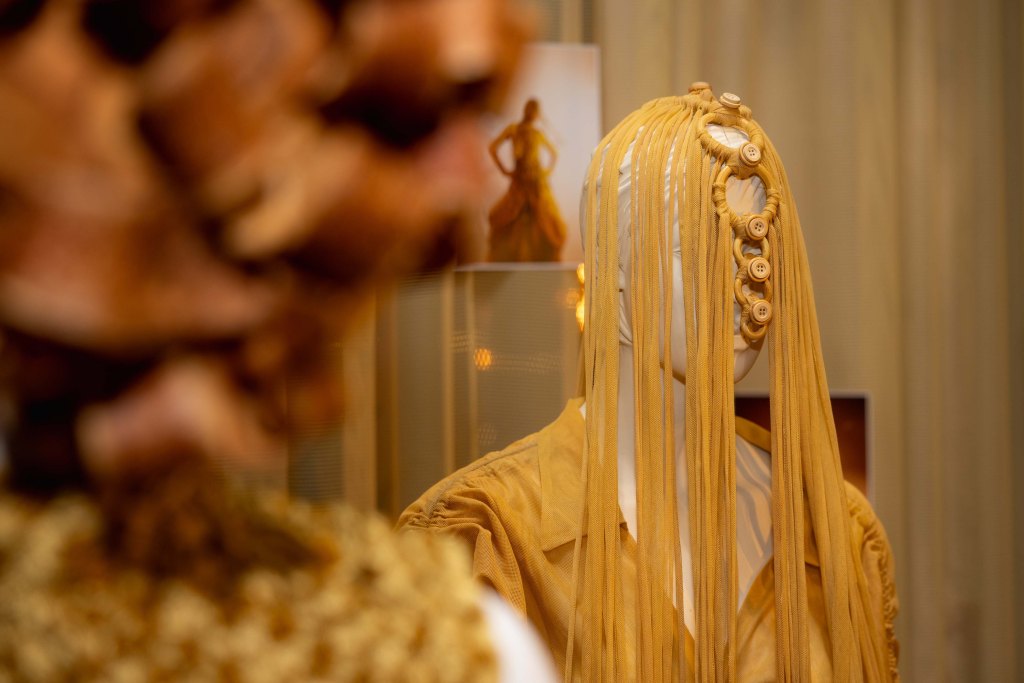
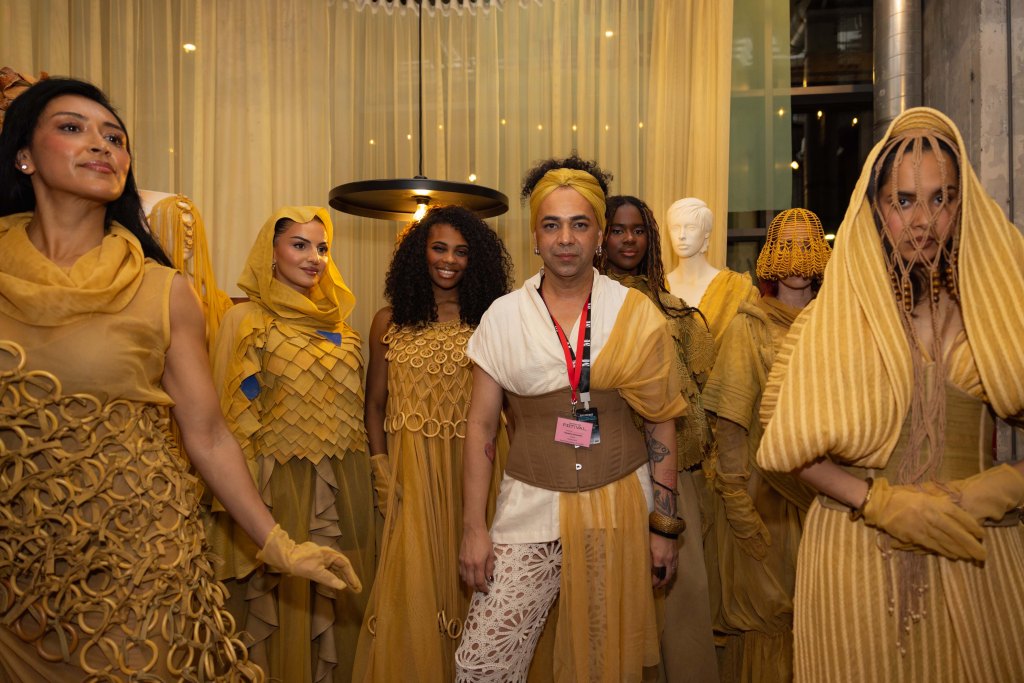
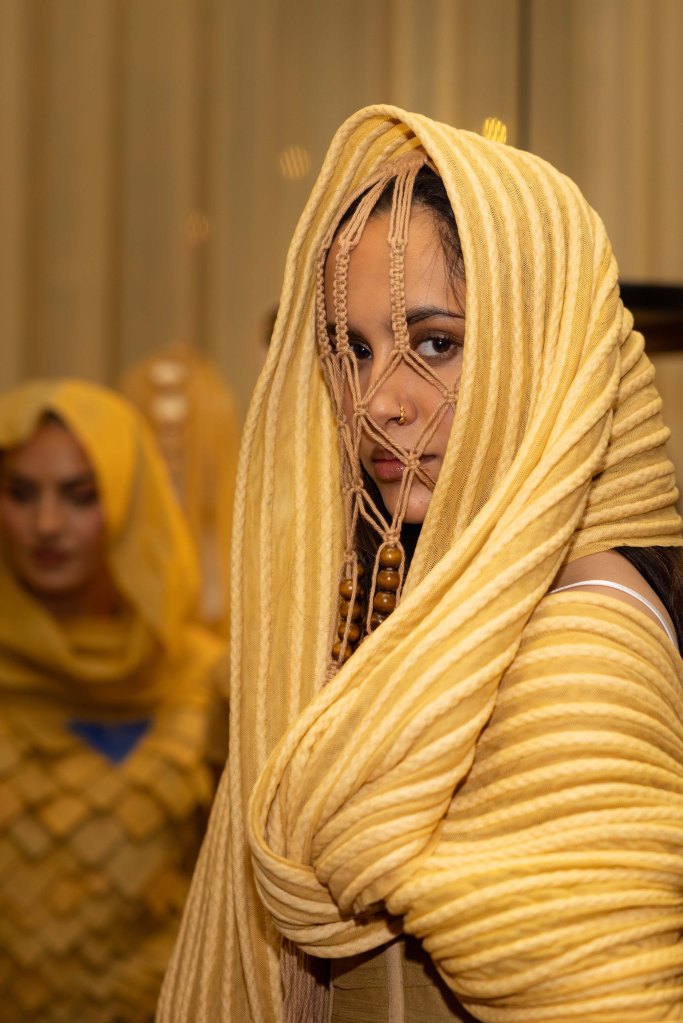
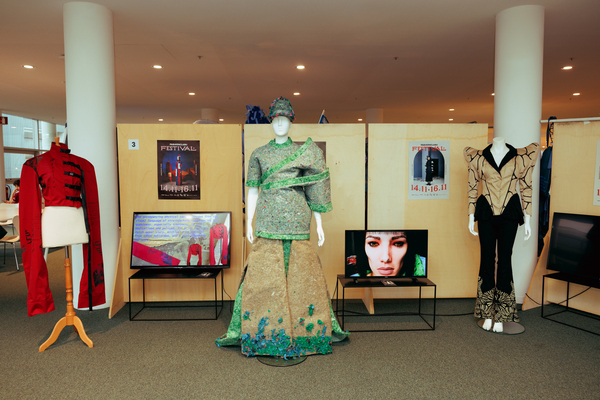
The showcase highlighted independent Brazilian fashion brands and their unique narratives. Thear, an independent brand from Goiás, presented ‘ÂNIMA‘, a collection that celebrates breath, roots, and memories through handwoven pieces. Another designer, Reis Romeiro, showcased garments inspired by his Pankararé Indigenous ancestry, amplifying Brazil’s cultural richness through contemporary design. Jaira’s artistic project, Kistaku, featured exclusive upcycled pieces that took viewers on an emotional journey. Additional highlights included creations from Jenny Monteiro, known for her Red Carpet and Prêt-à-Porter designs.
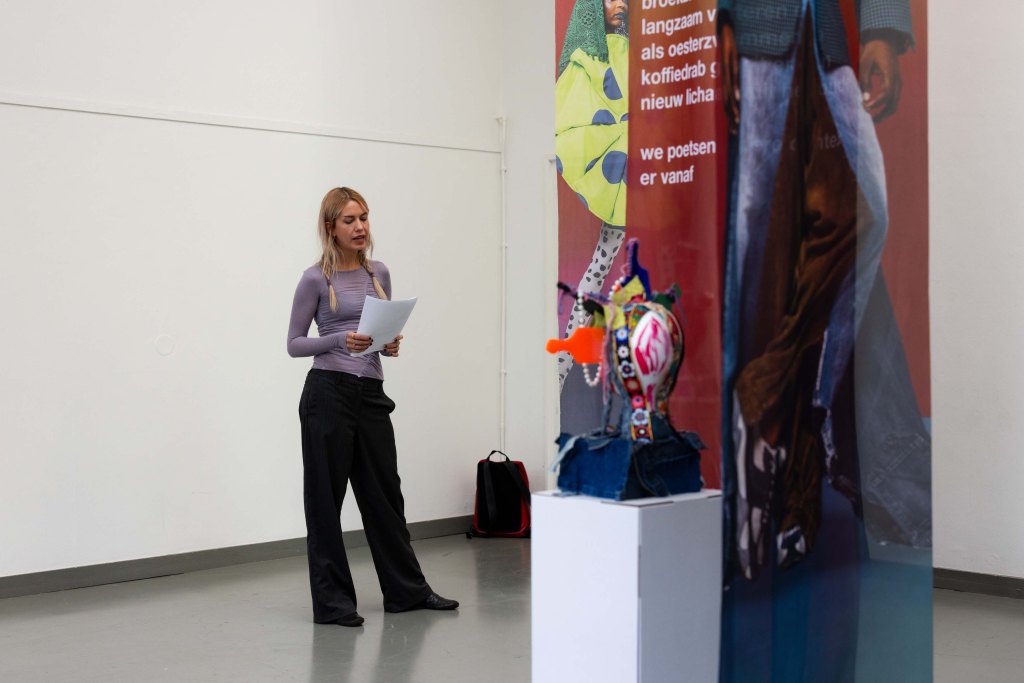
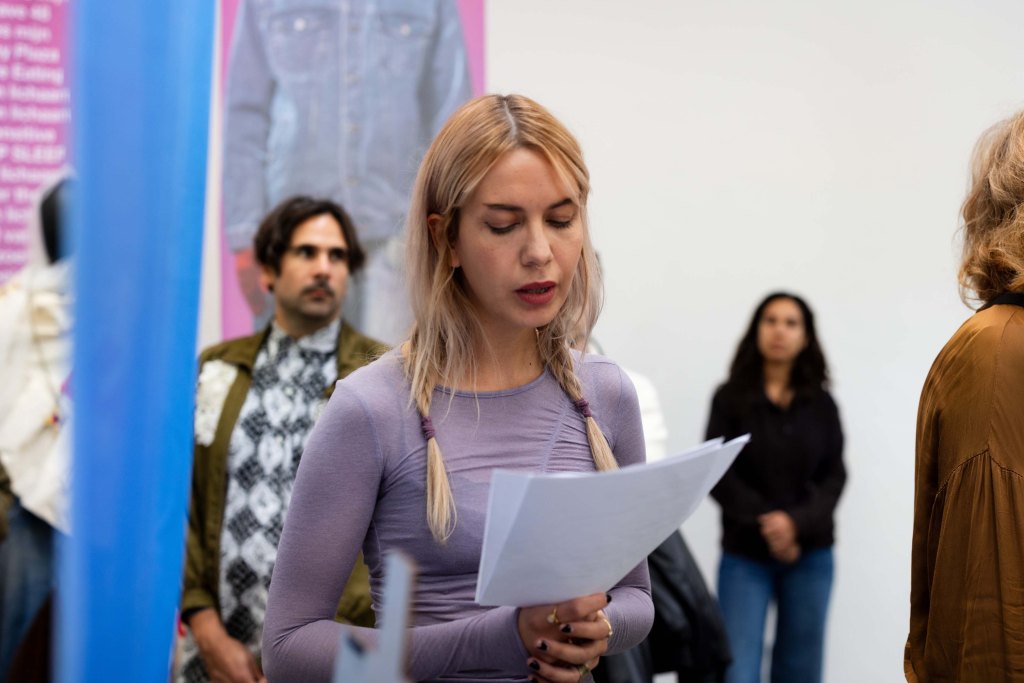
Meet The Poet: X AMARTE
Once again, the Amarte Fund and FASHIONCLASH join forces to offer artists from different disciplines the opportunity to experiment with fashion and present new work. From an open call, three artists were selected and paired with fashion designers to collaboratively develop and present new creations. Discover three new installations / performances where fashion clashes with poetry, classical music and performance art.
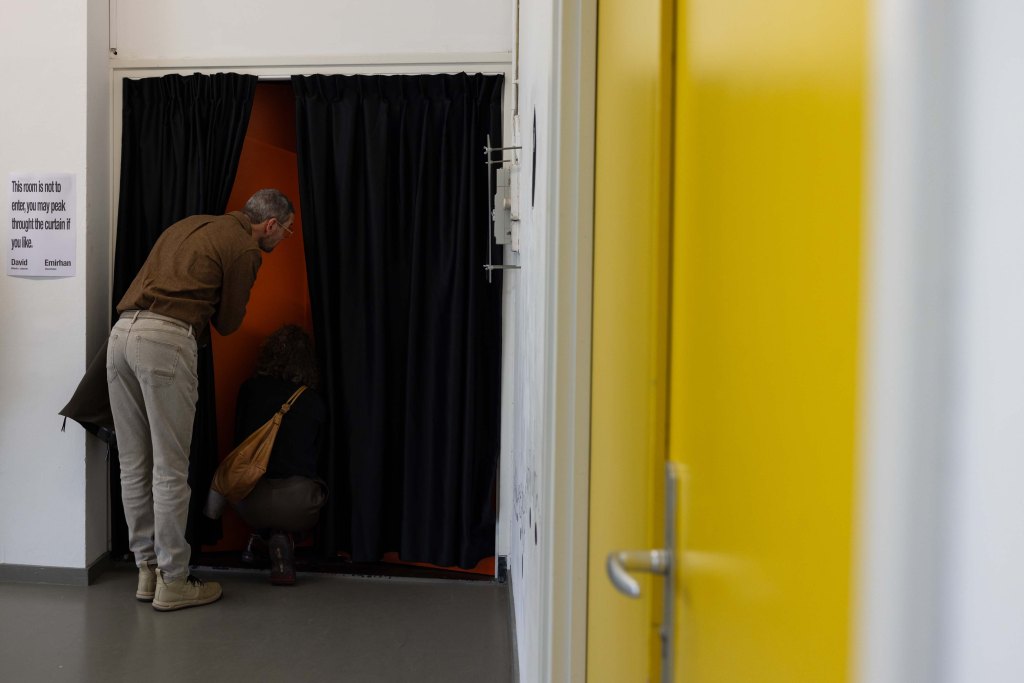
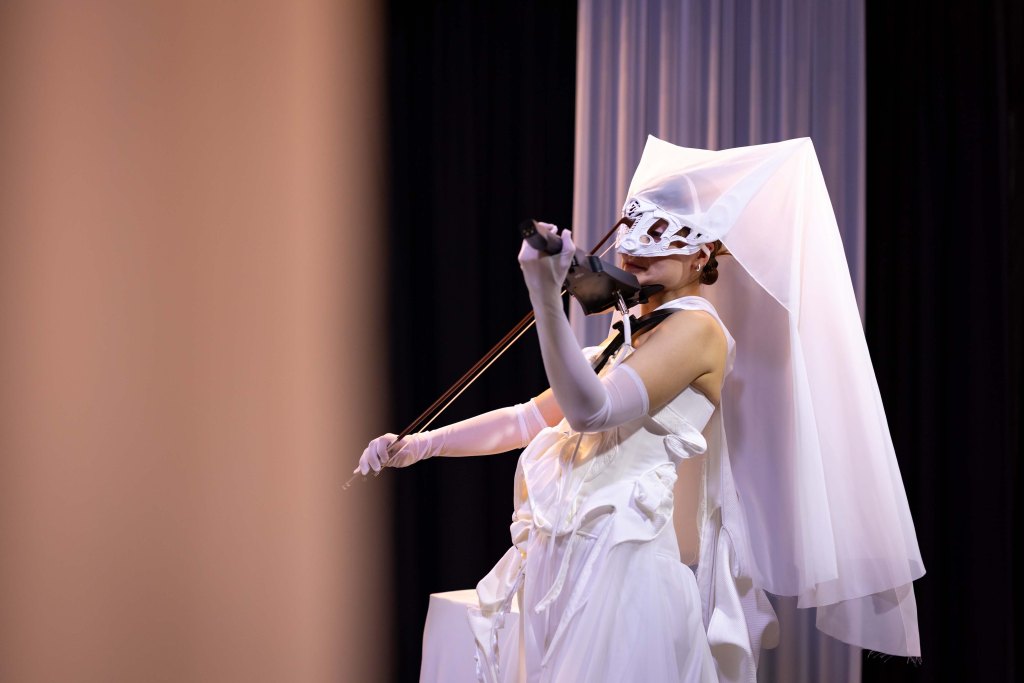
All three collaborations presented their outcomes as installations at Jan van Eyck Academy, activated through live performances. EMIRHAKIN × David Siepman also participated in The Clash House showcase.
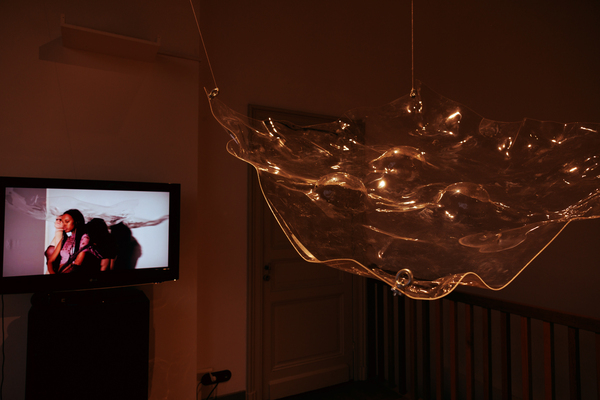
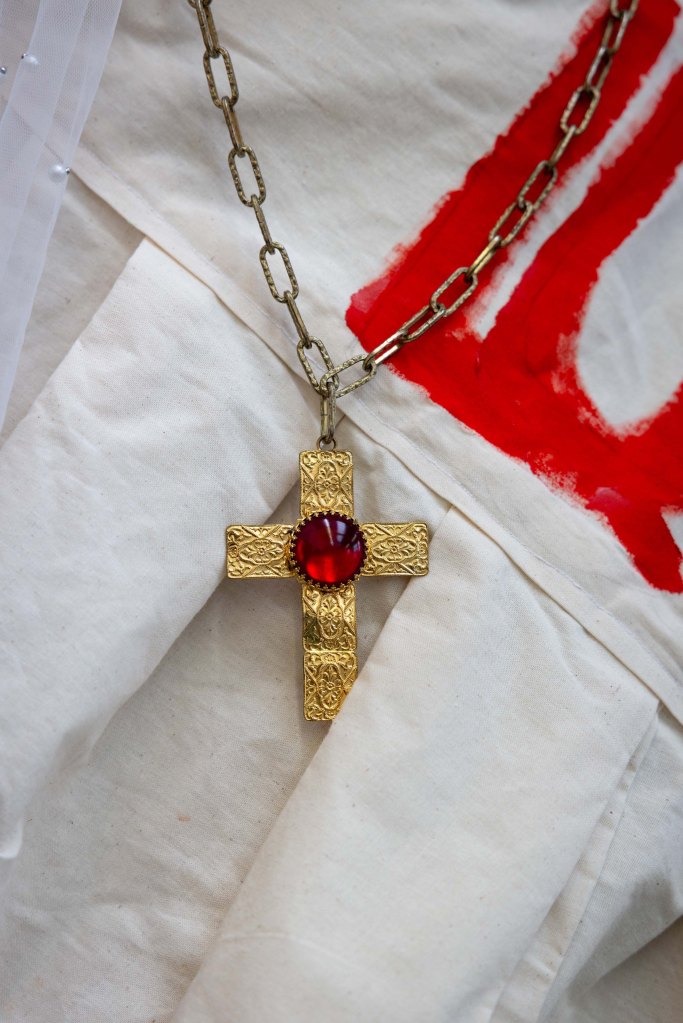
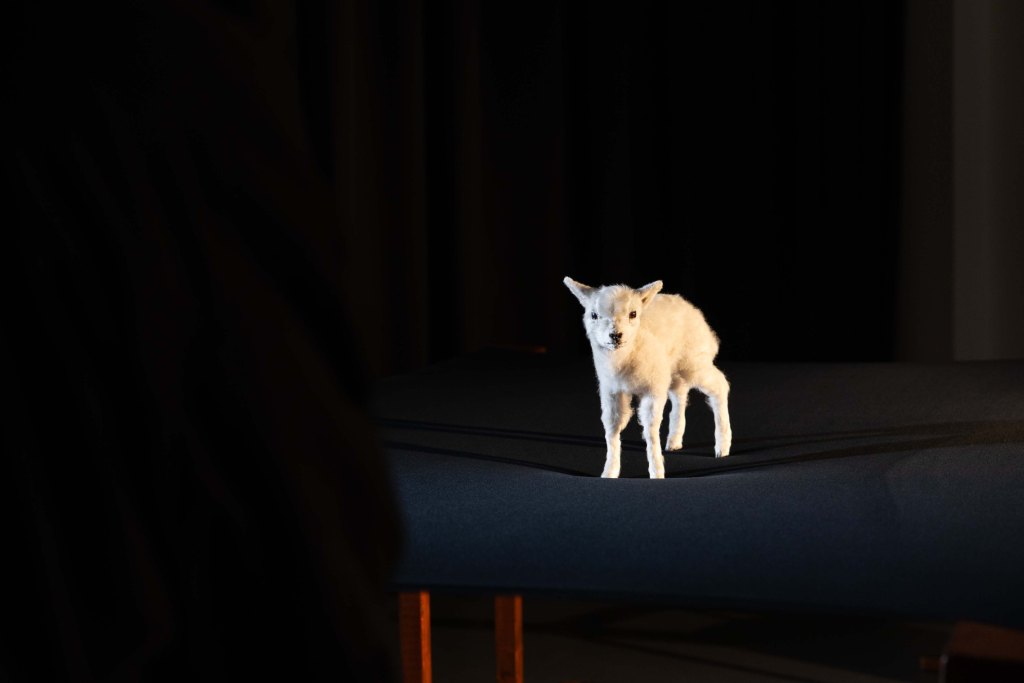
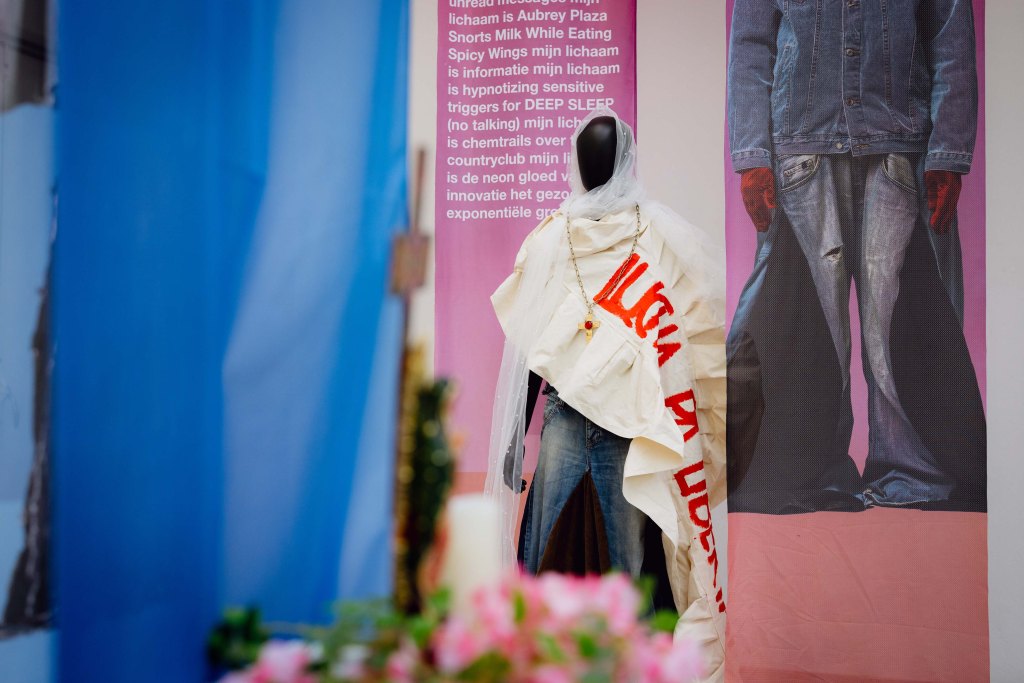
EMIRHAKIN × David Siepman presented ‘Once it’s a memory, it’s too late’, a work that moves through the architecture of breath and denial, unfolding the erotics of nostalgia through leakage, residue, and the refusal of closure. Memory edges toward form but never arrives—it swells, flickers, withholds. The body, under pressure, does not break but contours, absorbs, and distorts, organizing itself around latency: tension without release, sensation without clarity.
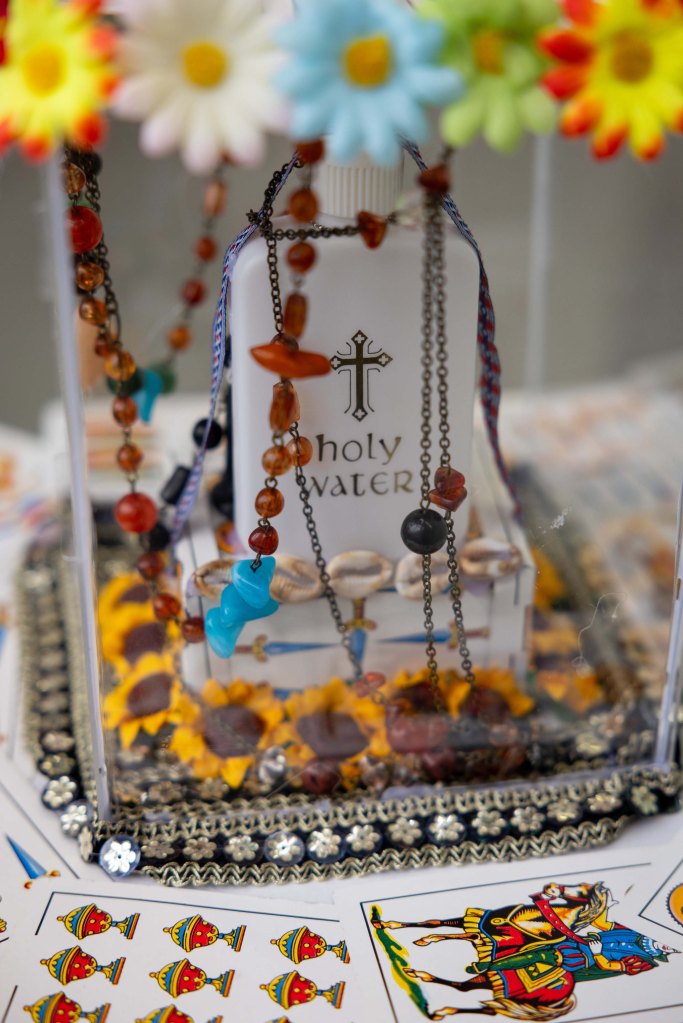
Merel van Slobbe × David Paulus explored contradiction through ‘CONTRAST’, a multidisciplinary installation examining how contrast and transformation manifest through image, body, and sound. The work unfolds as a dialogue where intimate audio fragments meet physical objects, inviting reflection on the contradictions that exist within yourself and in relation to others—not as a finished story, but as an open invitation to embody, listen to, and celebrate tension and change.
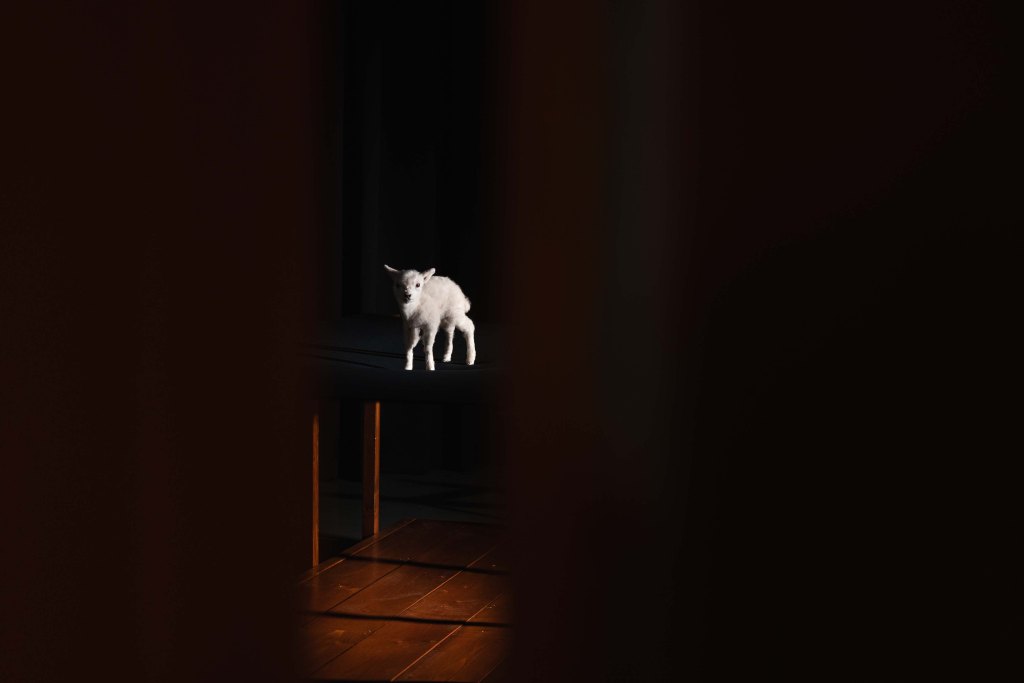
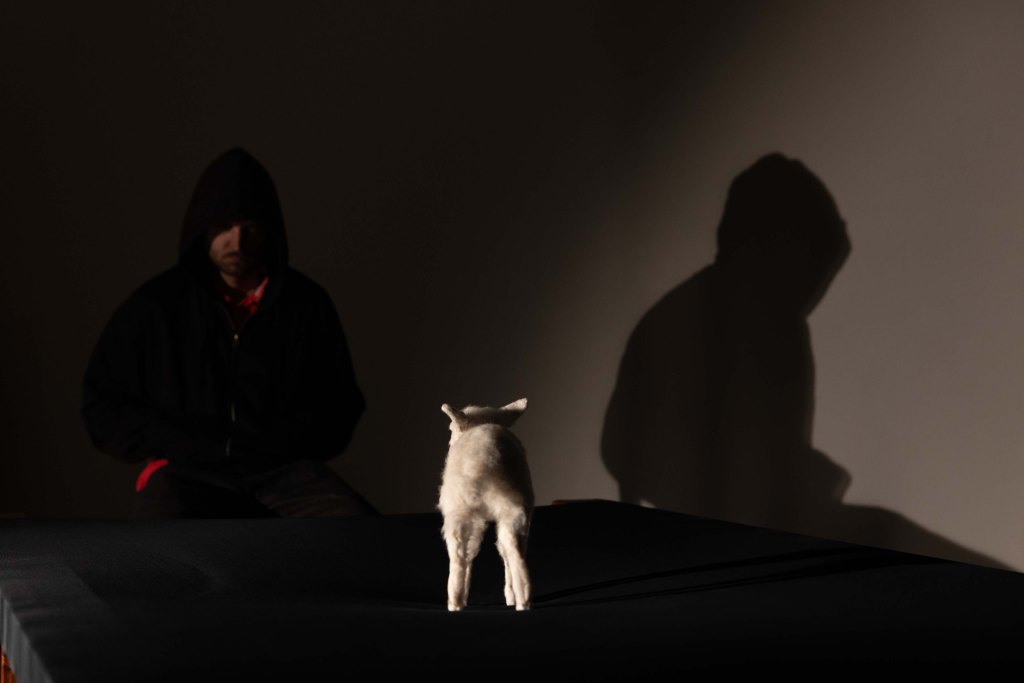
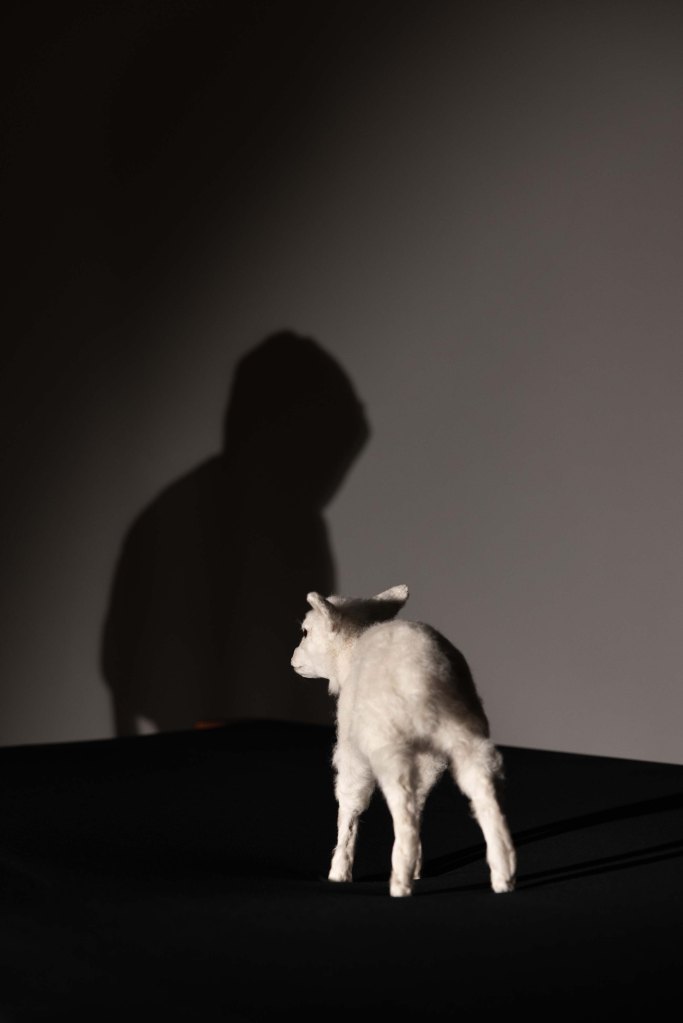
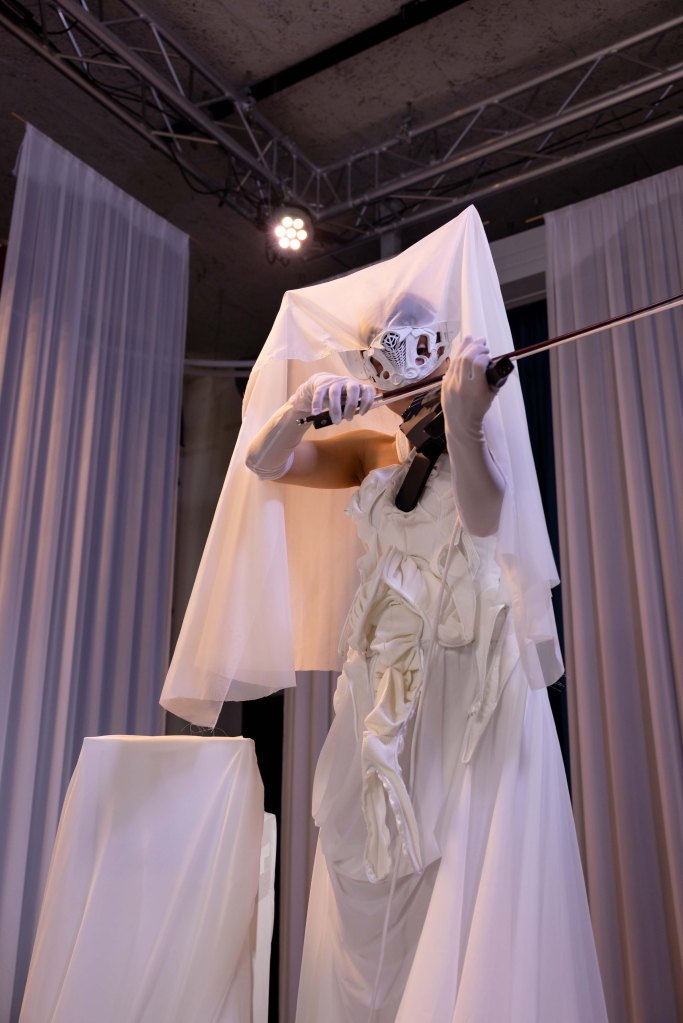
Natálie Kulina × Alyne Li created ‘Numina’, a performative installation that allows visitors to step into an unfamiliar world, exploring themes of alienation, boundaries, and intercultural and interpersonal dialogue. Encounters with a being inhabiting the installation space provoke questions: Should our worlds be left separate, sacred, and untouched, or should we try to find a common language? Do we give in to curiosity? How entitled do we feel to others’ spaces, cultures, and traditions? ‘Numina’ challenges visitors to wonder about the meaning of collectivity in experiencing and making art.
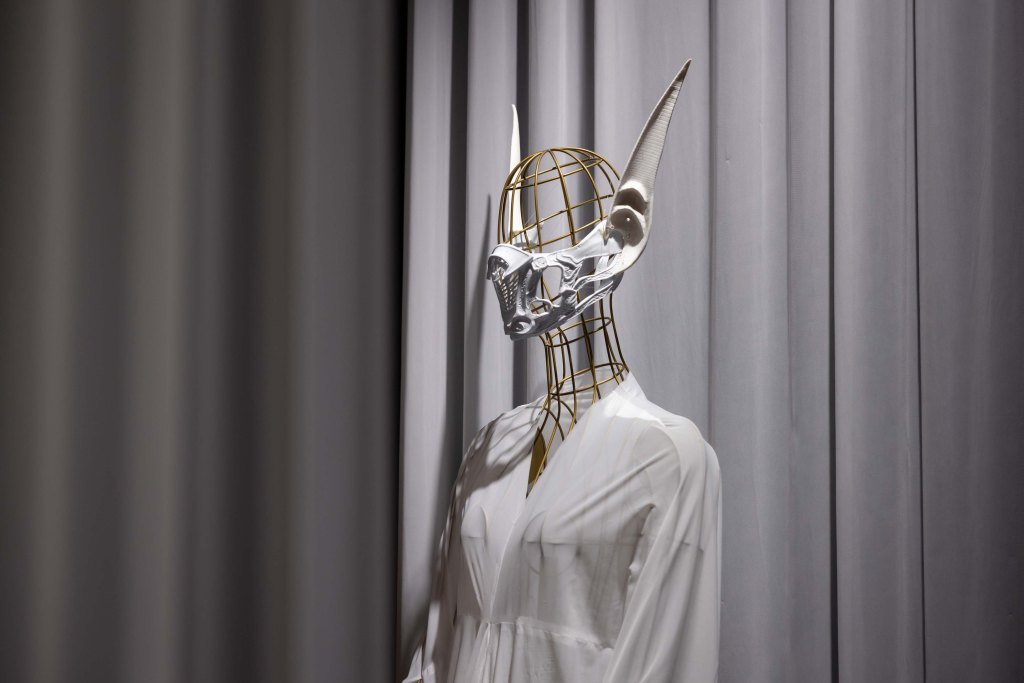
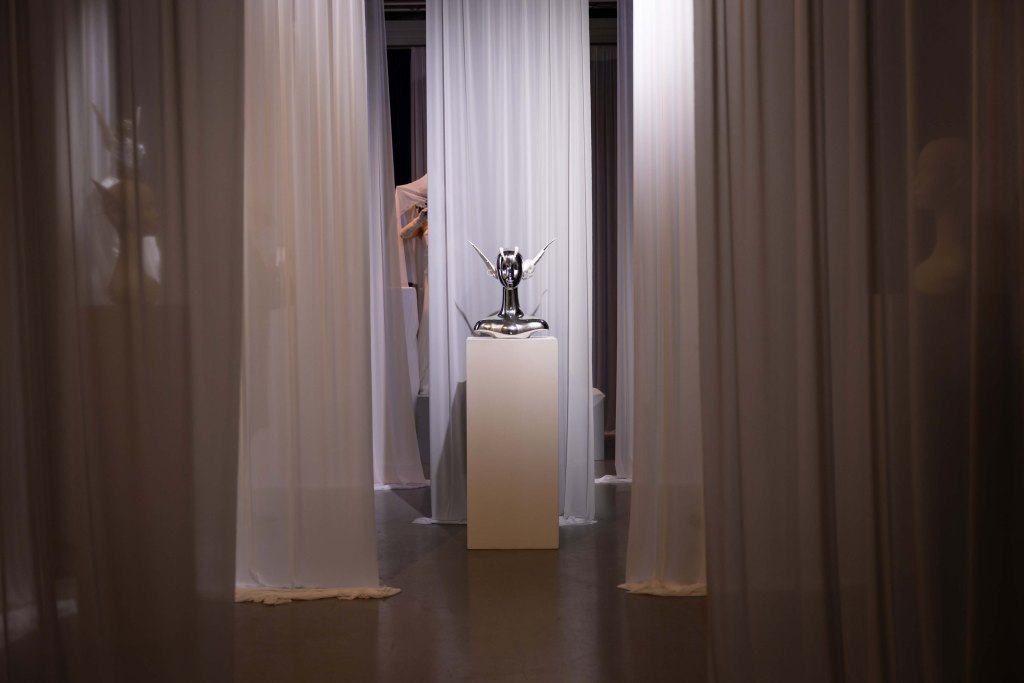
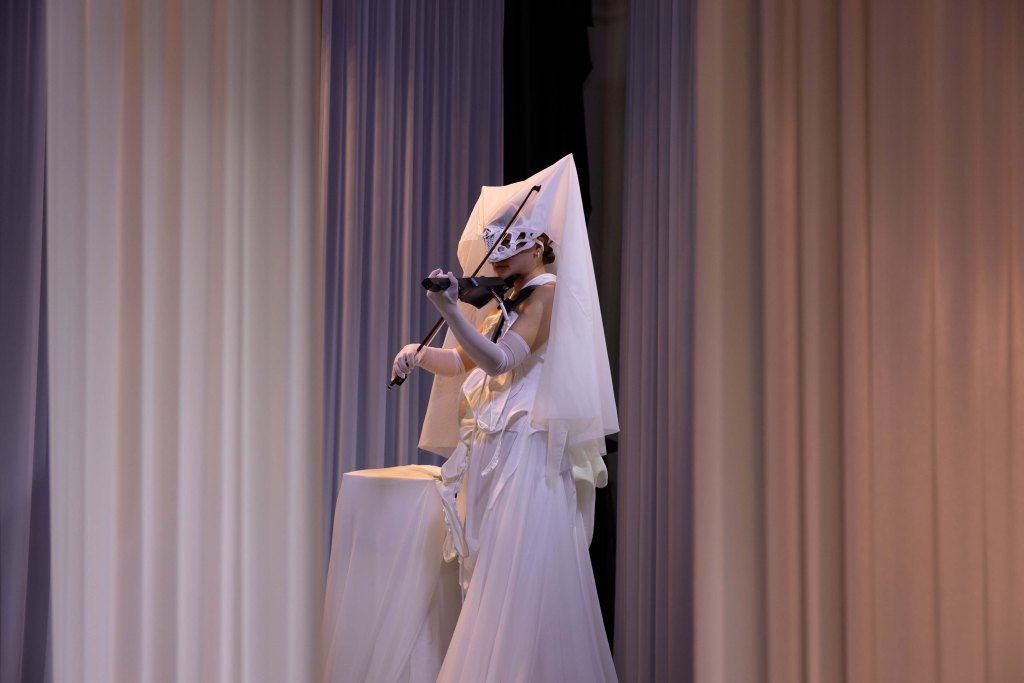
Meet The Soundscaper: The CLASH House
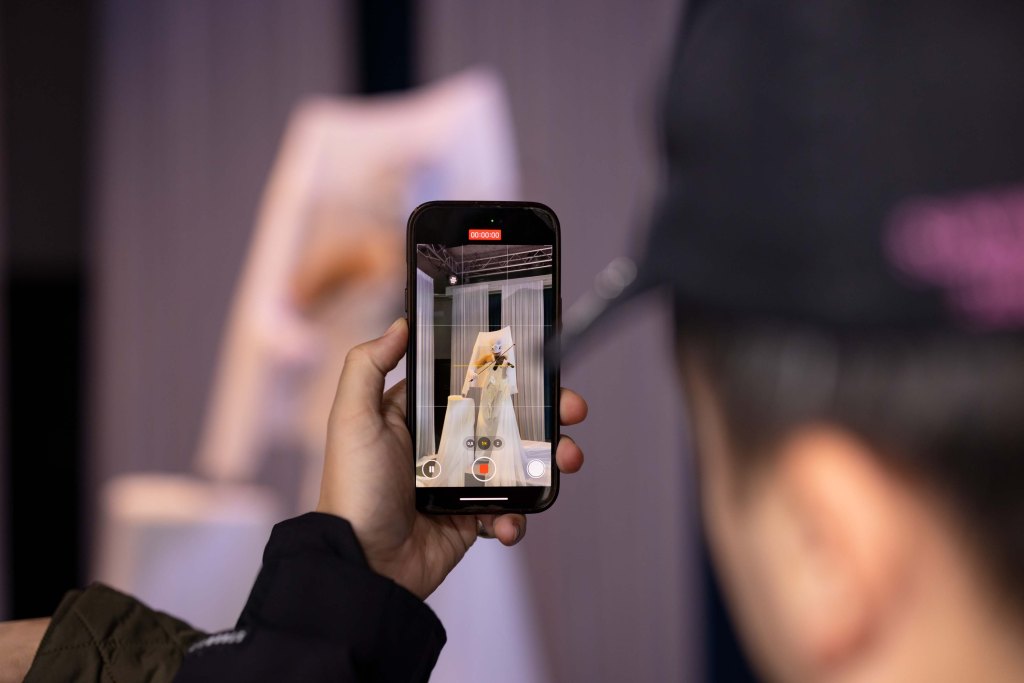
This edition of The CLASH House took place in the Peutz Hall on the ENCI site in Maastricht. The CLASH House serves as a showcase and development platform for designers working across fashion and performance disciplines. Through a creative coaching trajectory led by theatre-maker Nadîja Roza Broekhart and choreographer Laisvie Andrea Ochoa, and under the direction of Giovanni Brand, the designers explored alternative ways of making and presenting fashion.
Programme & Participants:
ULTRA-ORA – Après Nous: a post-flood society of new social classes — Distributors, Wetlands, La CEOrenissima — where clothing reflects hidden agendas and adaptation.
Rakee Chen – Melody Atlas: an emotional journey through human life expressed via music-generated garments and movement.
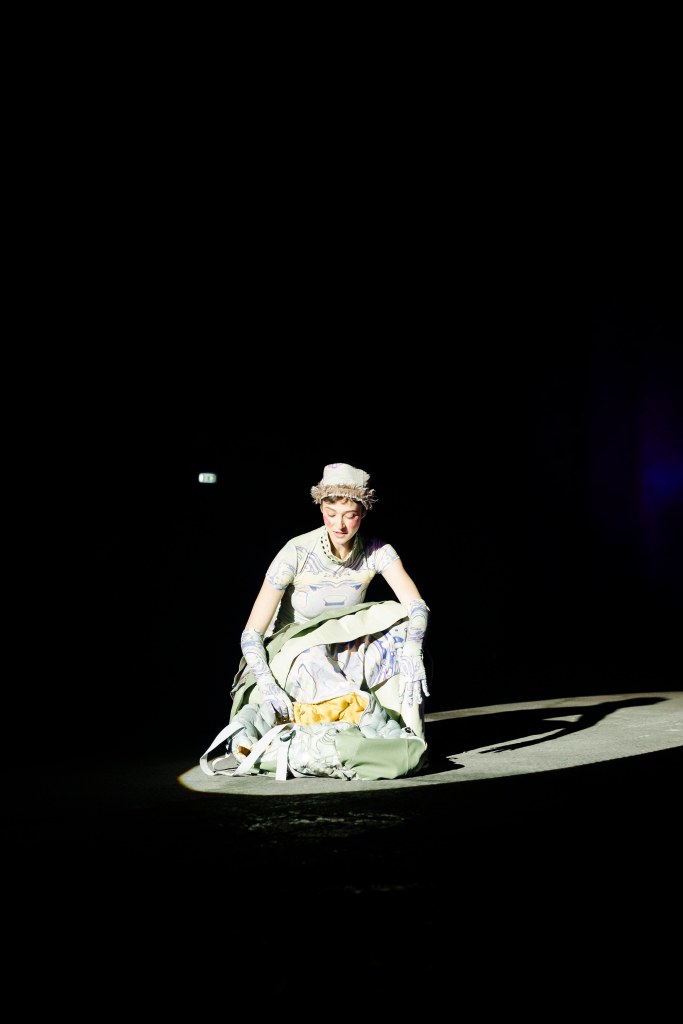
POViS: a poetic interpretation of a Litehuanian riddle, exploring the tension between forging one’s own path and the desire for traditional recognition.
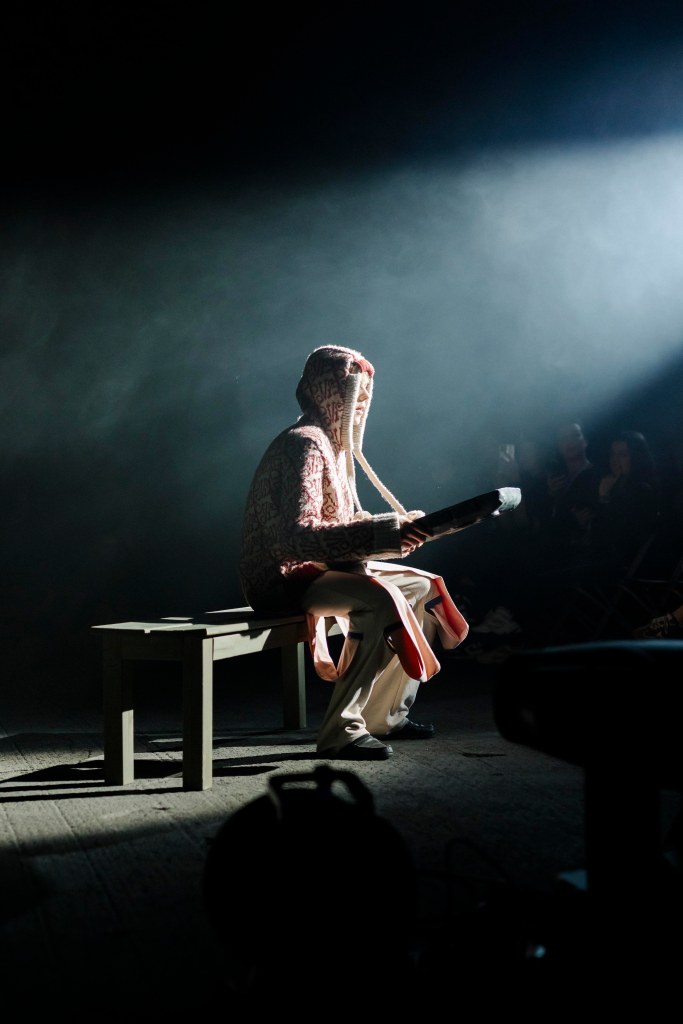
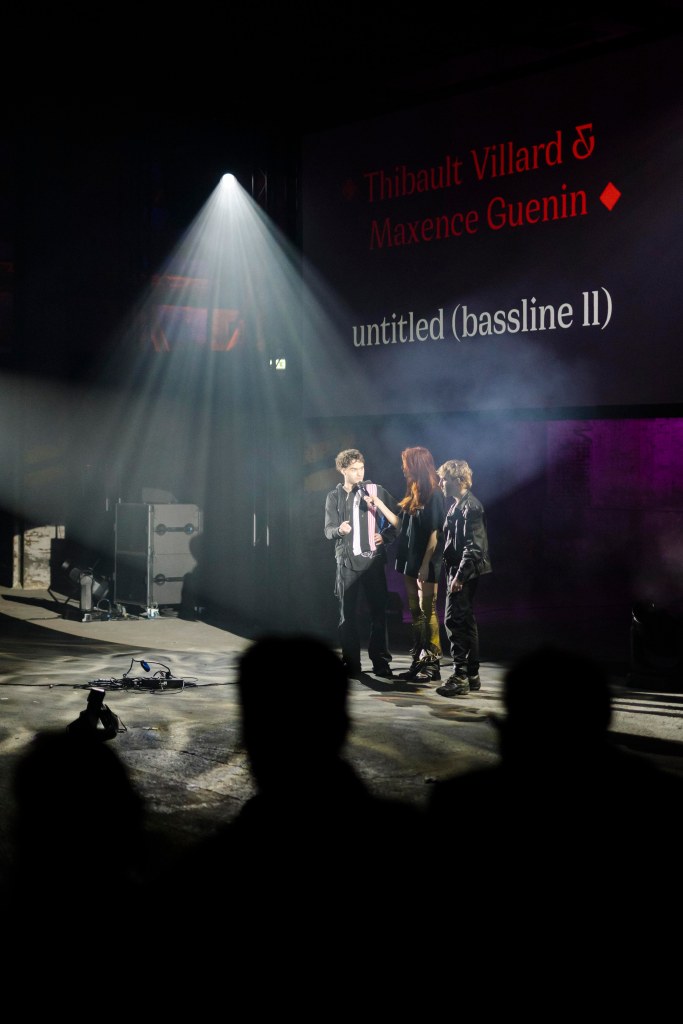
Thibault Villard & Maxence Guenin – untitled (bassline II): a raw exploration combining textile research with handmade sound systems — a pop poem celebrating imperfection.
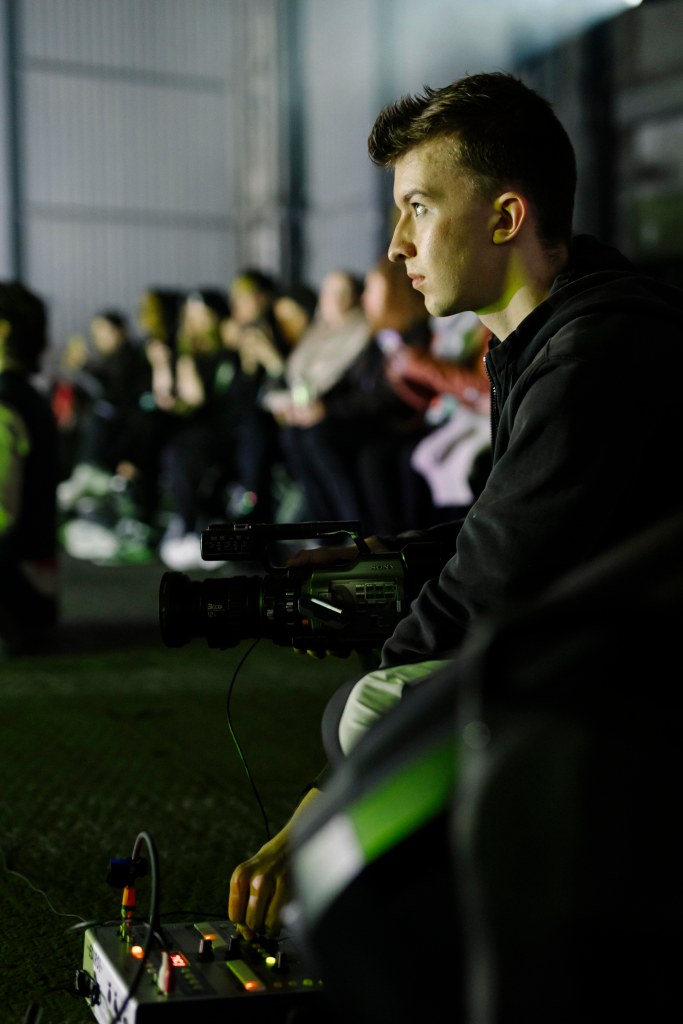
EMIRHAKIN × David Siepman – Once it’s a memory, it’s too late.: a sensory performance navigating the architecture of breath, memory, and desire — a choreography of what cannot be spoken, unfolding through residue, leakage, and the refusal of closure.
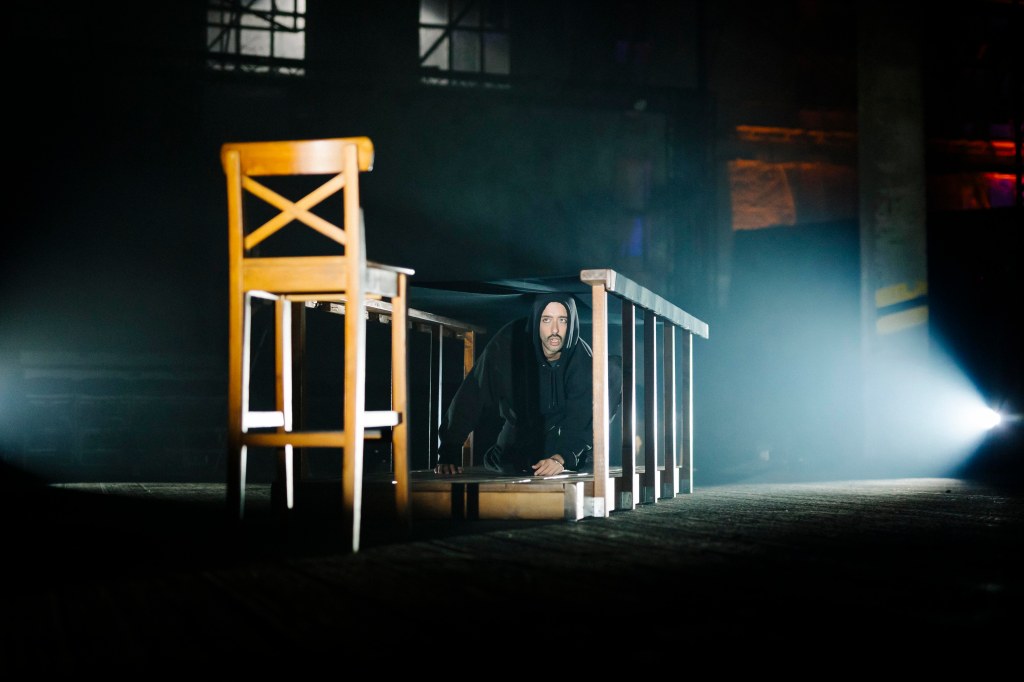
CLASHLAB – Lioba Benold, Shu Jantje & Jelle Huizinga: a daring meeting of three disciplines — fashion, dance, and music. CLASHLAB is a creative laboratory where emerging makers collaborate intensively to create a ten-minute performance born from intuition, experimentation, and cross-pollination.
CLASHLAB is a new interdisciplinary residency programme initiated by Musica Sacra, Nederlandse Dansdagen, Limburgs Museum, FASHIONCLASH, SALLY, and Via Zuid, offering space for experiment, encounter, and artistic growth.
Meet The Writer: Fashion Makes Sense
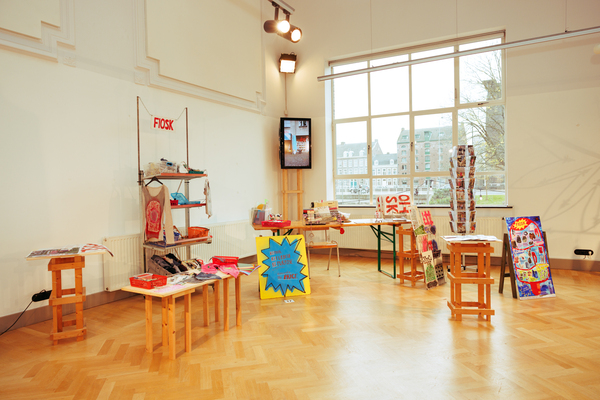
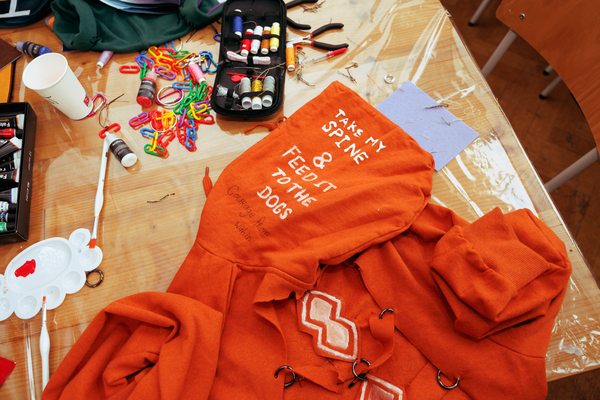
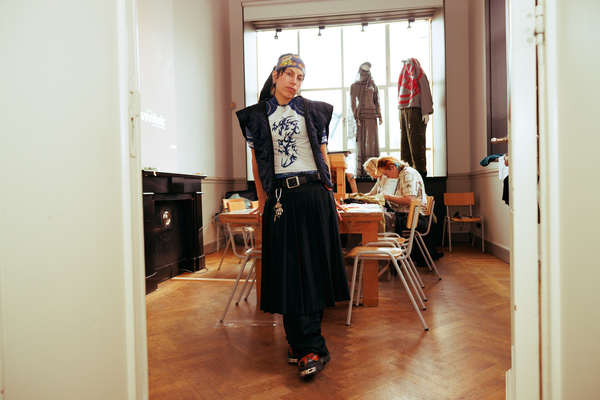
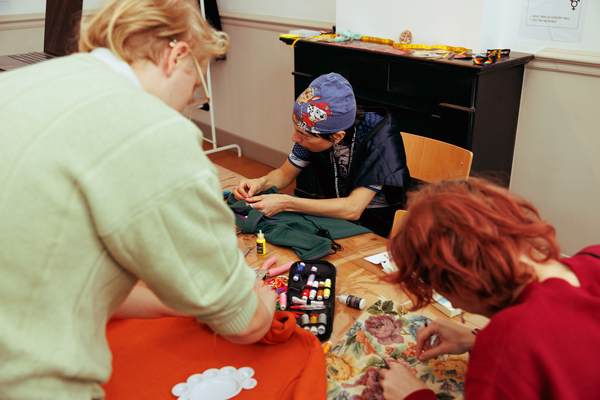
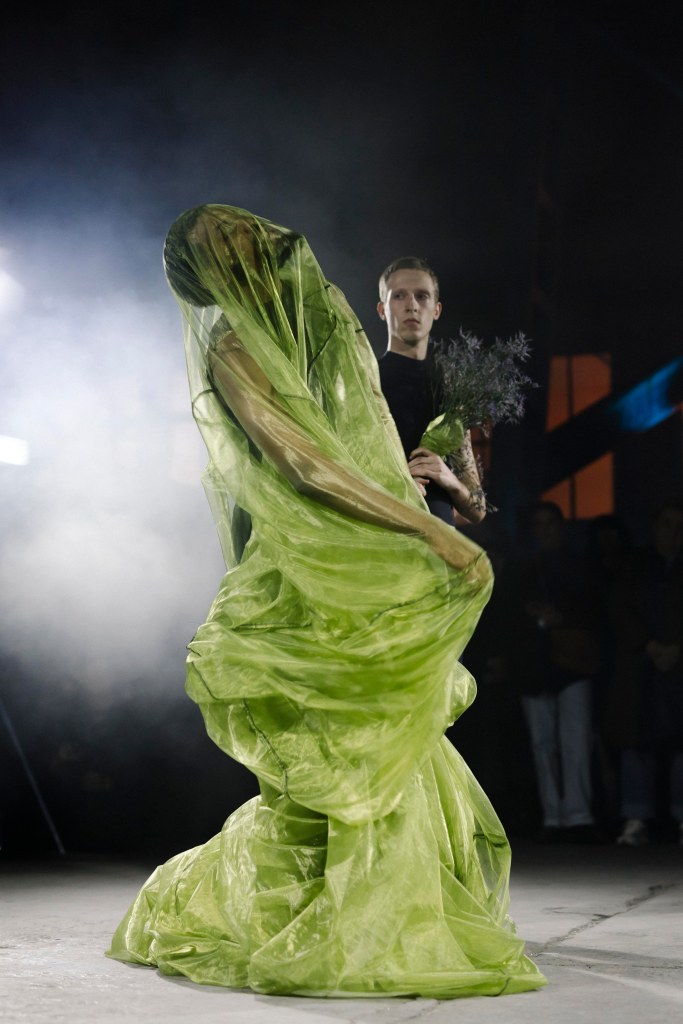
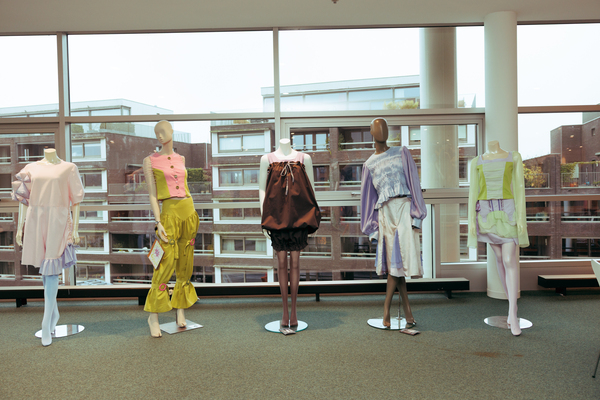
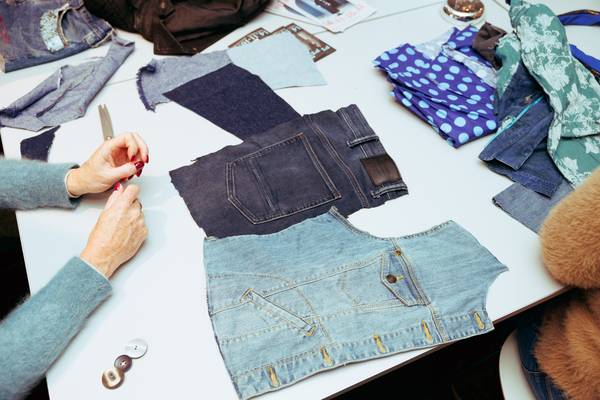
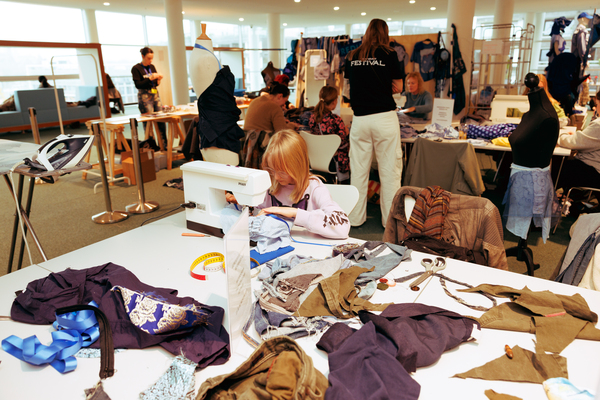
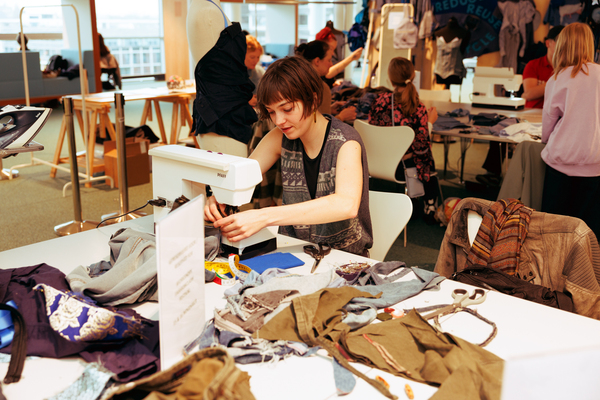
Fashion Makes Sense is FASHIONCLASH’s ongoing participatory program dedicated to social design, inclusion, and education. With this initiative FASHIONCLASH connects professionals and non-professionals — especially young people — in collaborative creative processes.
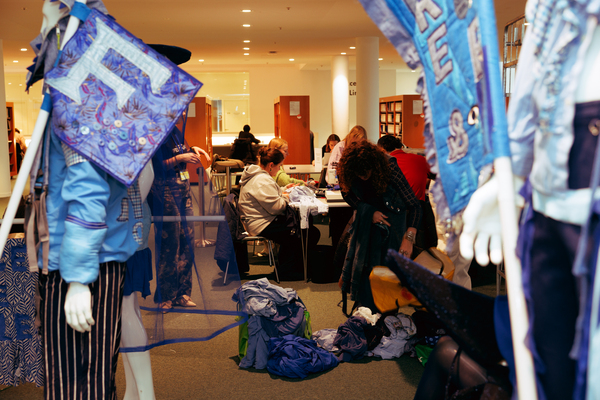
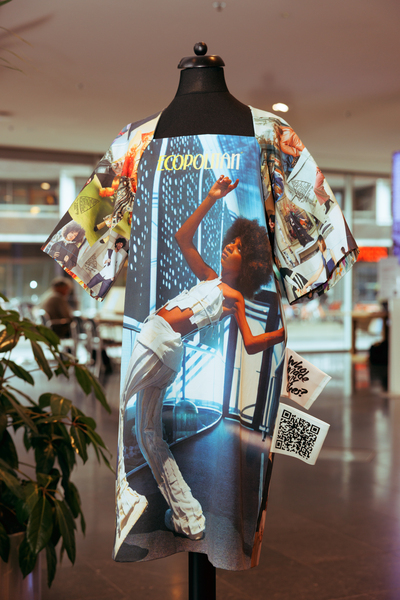
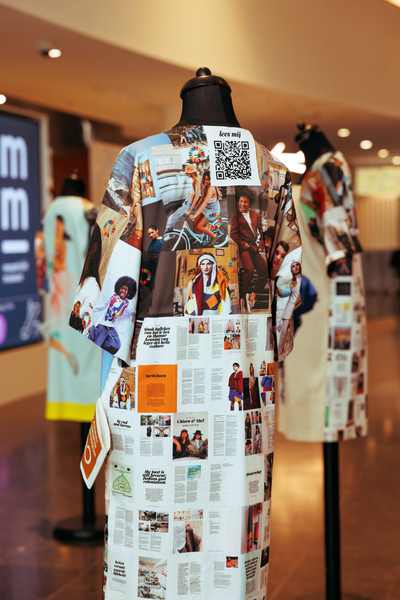
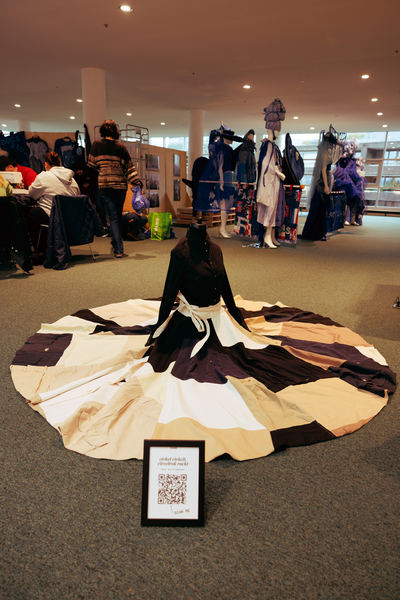
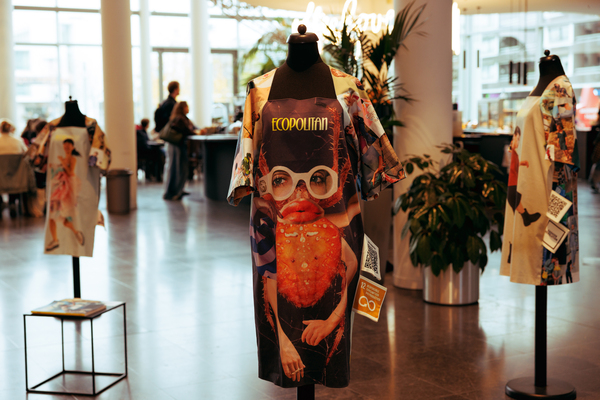
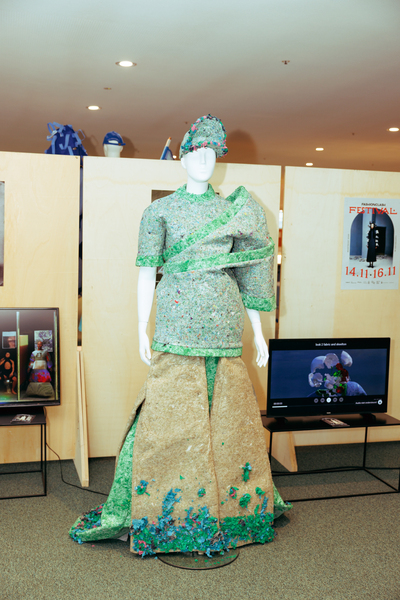
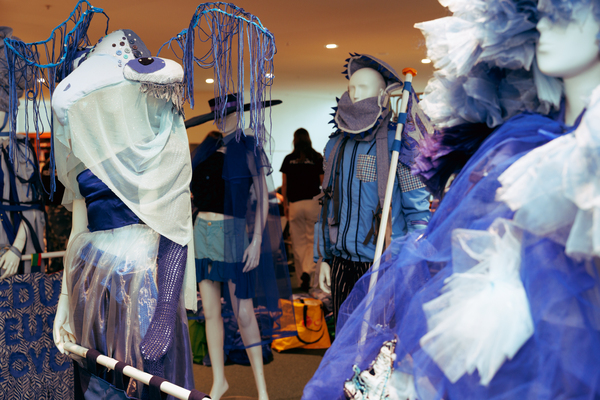
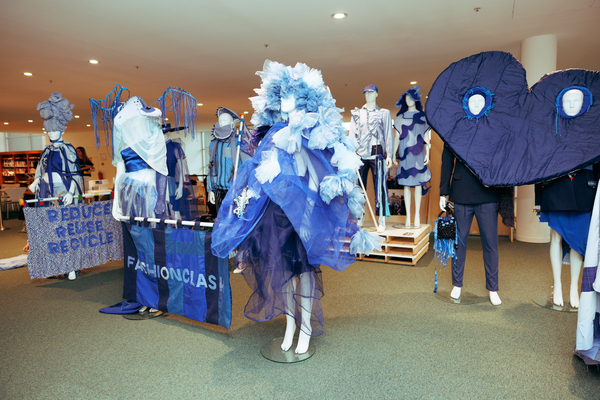
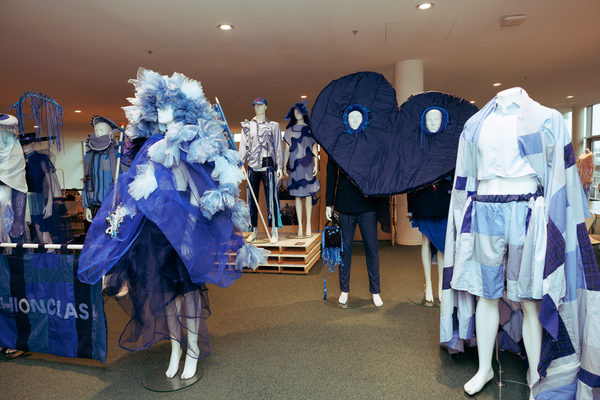
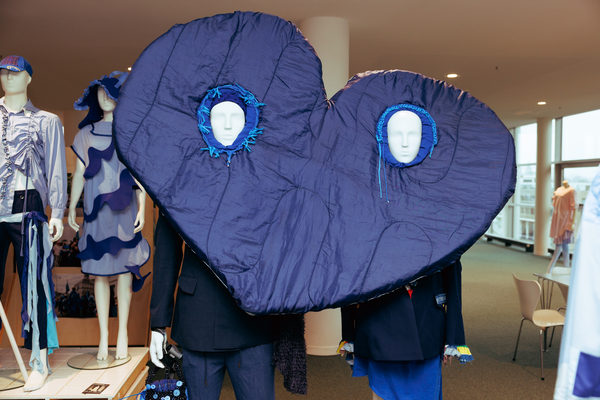
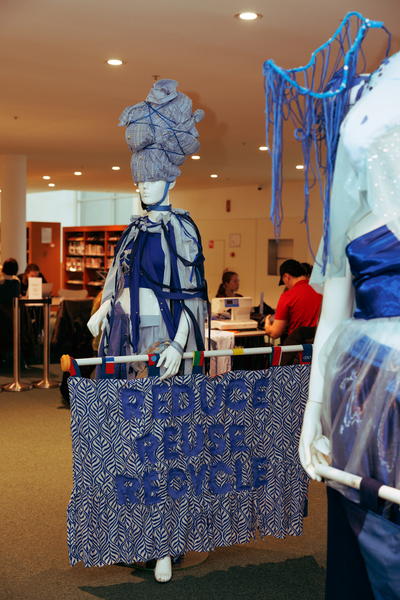
The exhibition on the third floor of Centre Céramique presents results from several participatory projects, including Mensen Dragen Mensen (People Carrying People) developed with Noah Jansen and partners for Heiligdomsvaart Maastricht. Over 100 participants — aged 3 to 70 + — co-created costumes, banners, and objects made from recycled textiles collected via Rd4 Reinigingsdiensten. The documentary, created by Sem Dumont (Opulence Films), about the project premiered during the festival.
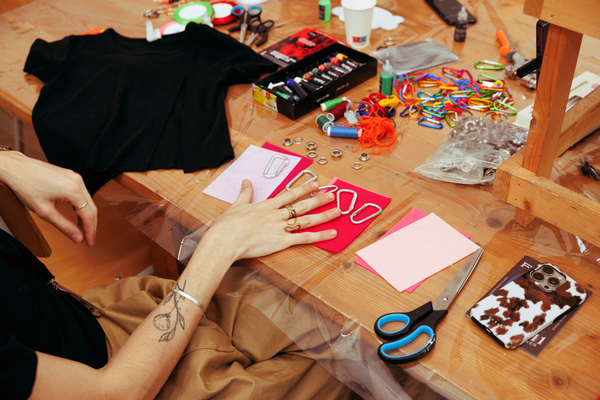
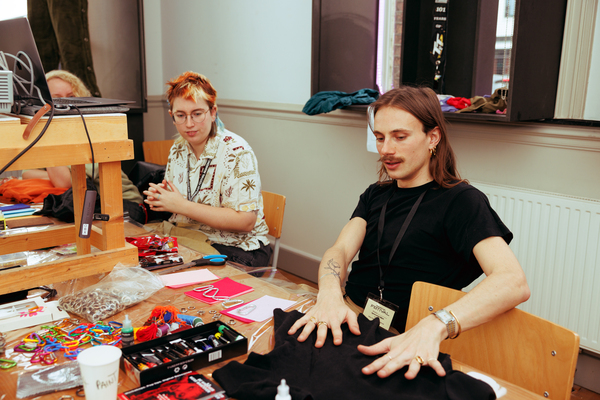
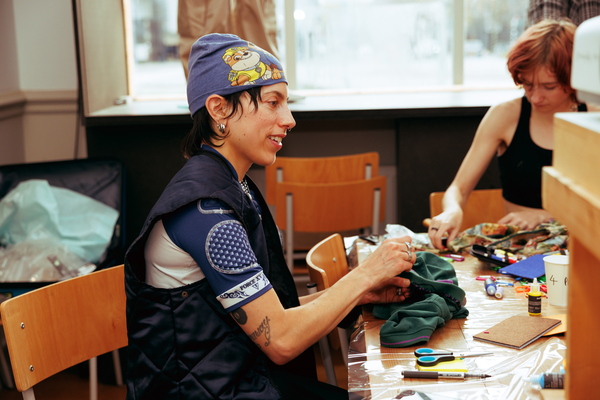
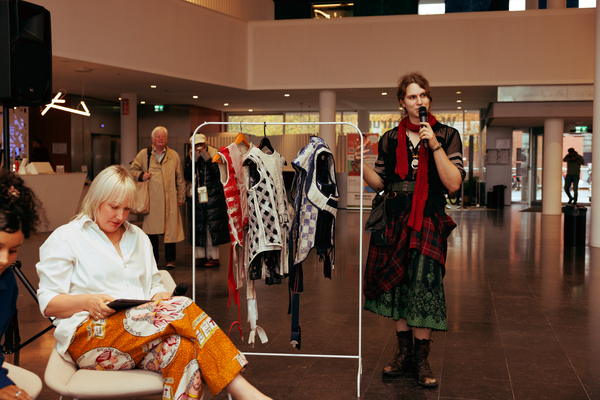
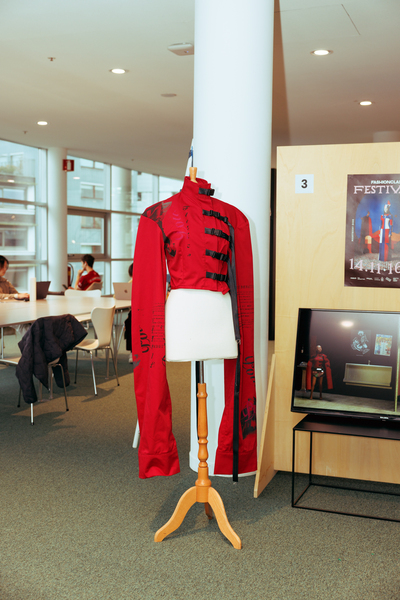
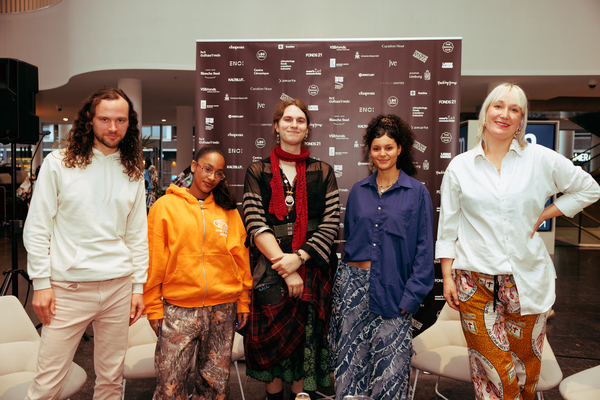
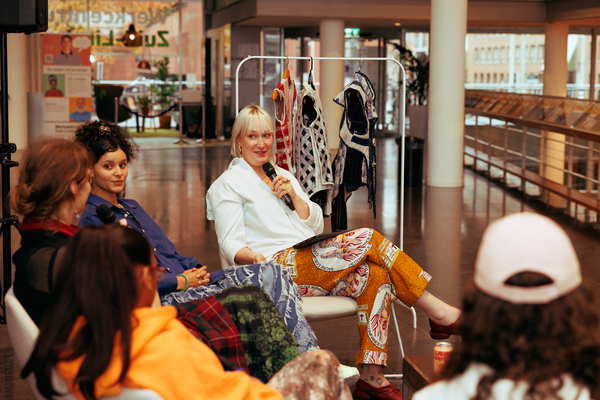
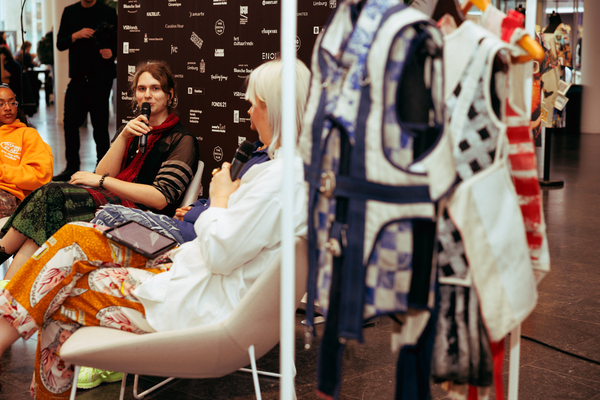
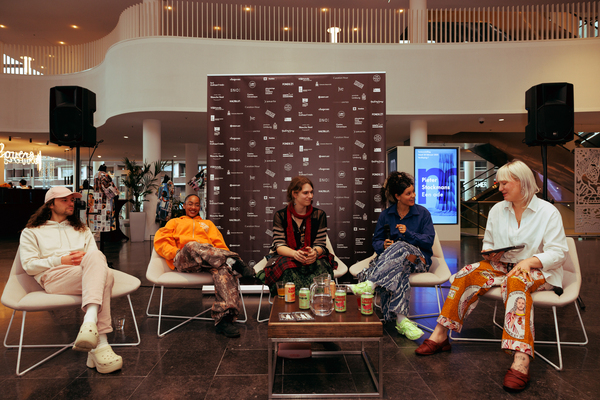
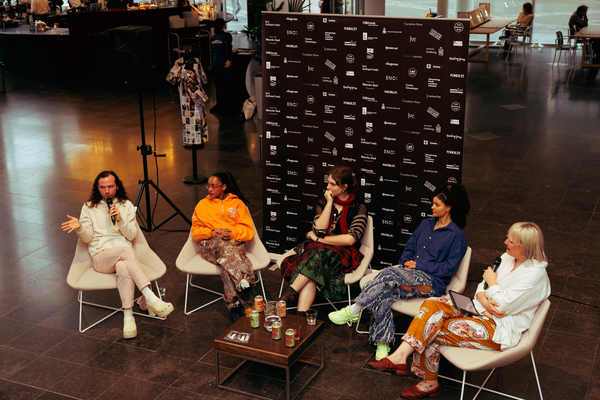
Also featured: presentations by Ecopolitan Magazine,Kunstbende FashionwinnerTara Smit, and students fromAMFI’s Hypercraft Program, developed in collaboration with FASHIONCLASH. Upcycling workshops will take place throughout the weekend, and on Sunday 16 November theFashion Makes Sense Talk, moderated byCarmen Hogg, brings together participating designers and artists (Yala Claessens, Arva Bustin,Laisy de Andrade Rodrigues en Wievien Alberts).
Meet the Performer: Afterparty
“When we stand together, we make our voice louder”
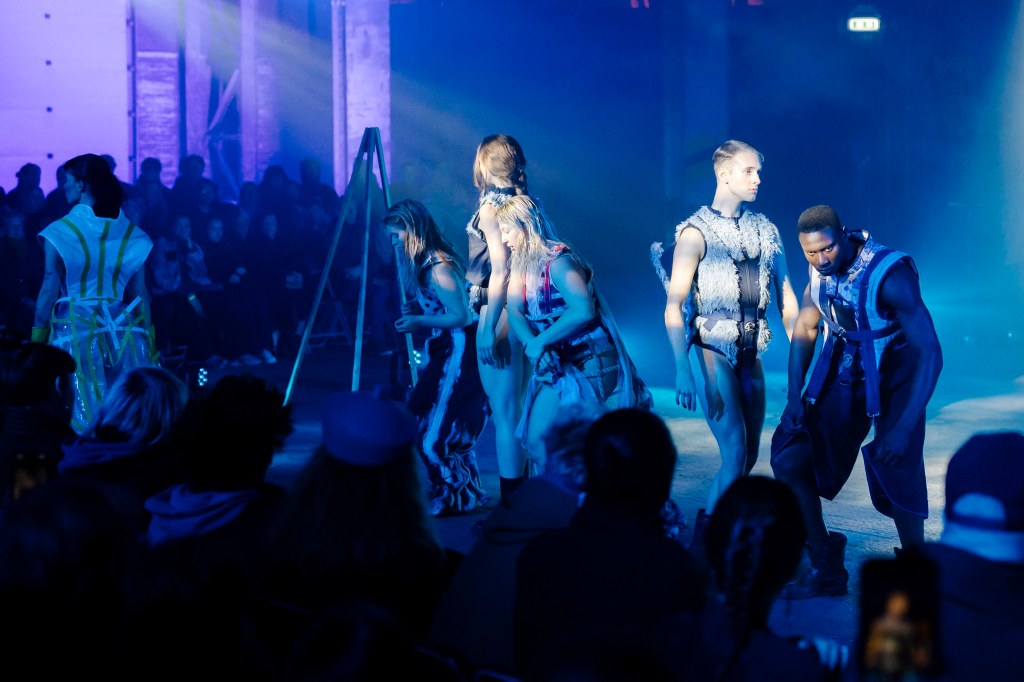
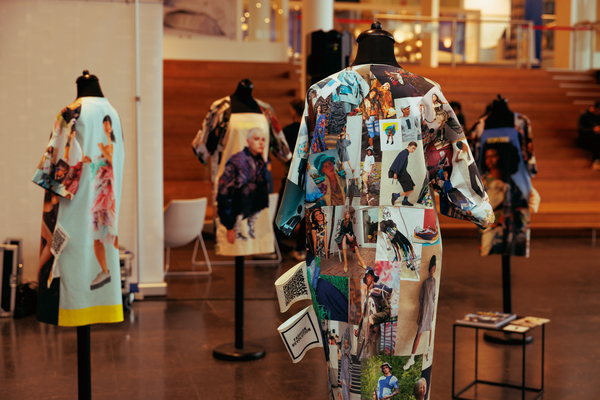
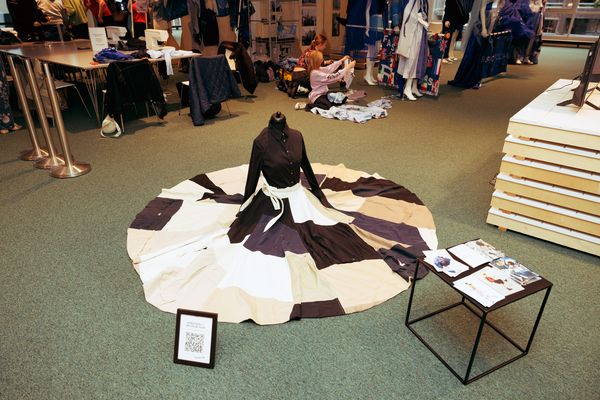
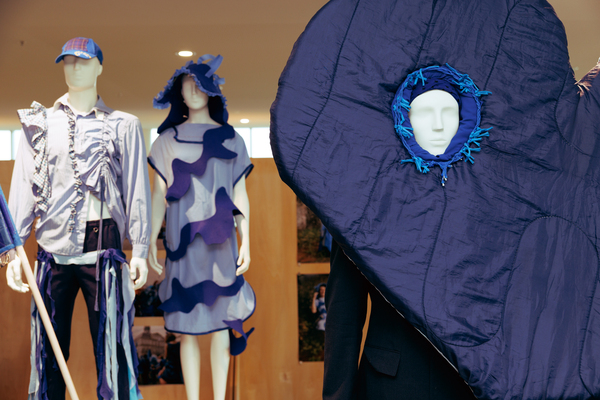
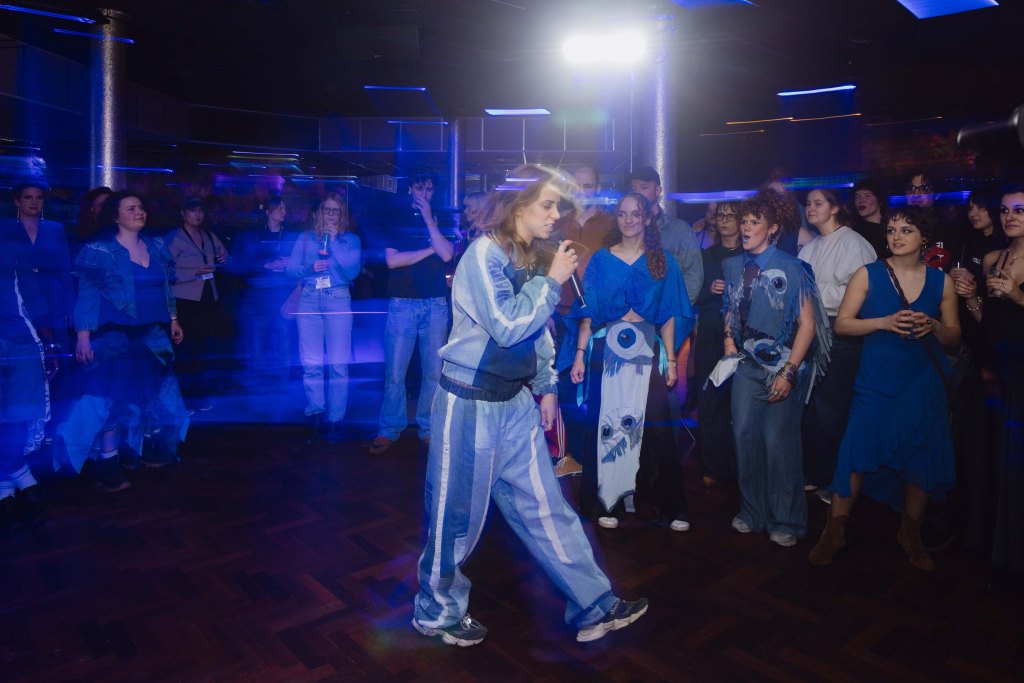
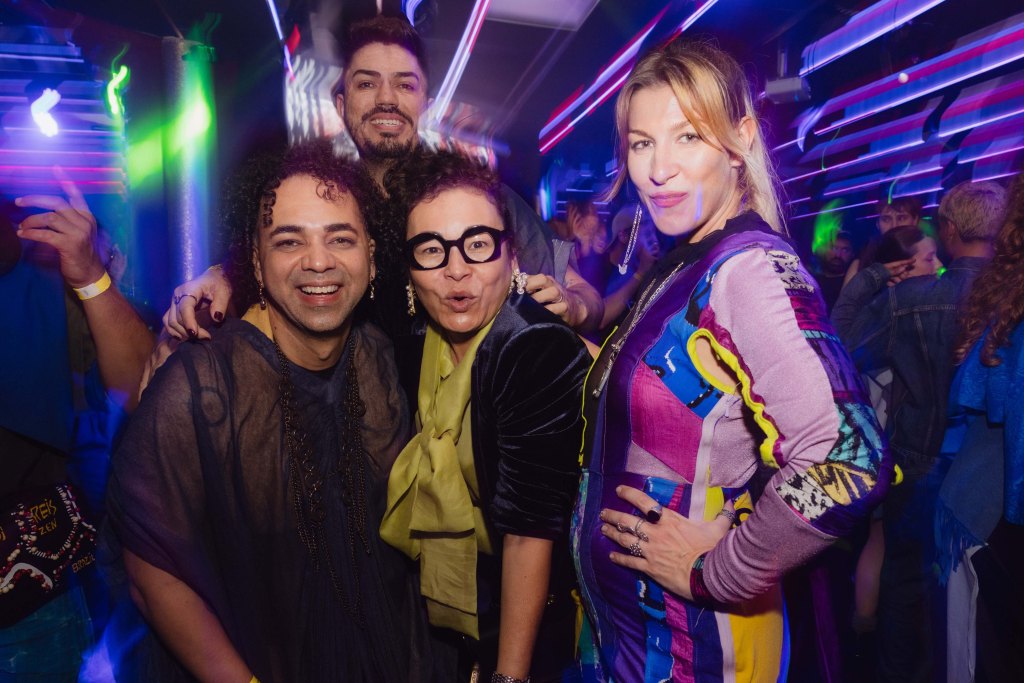
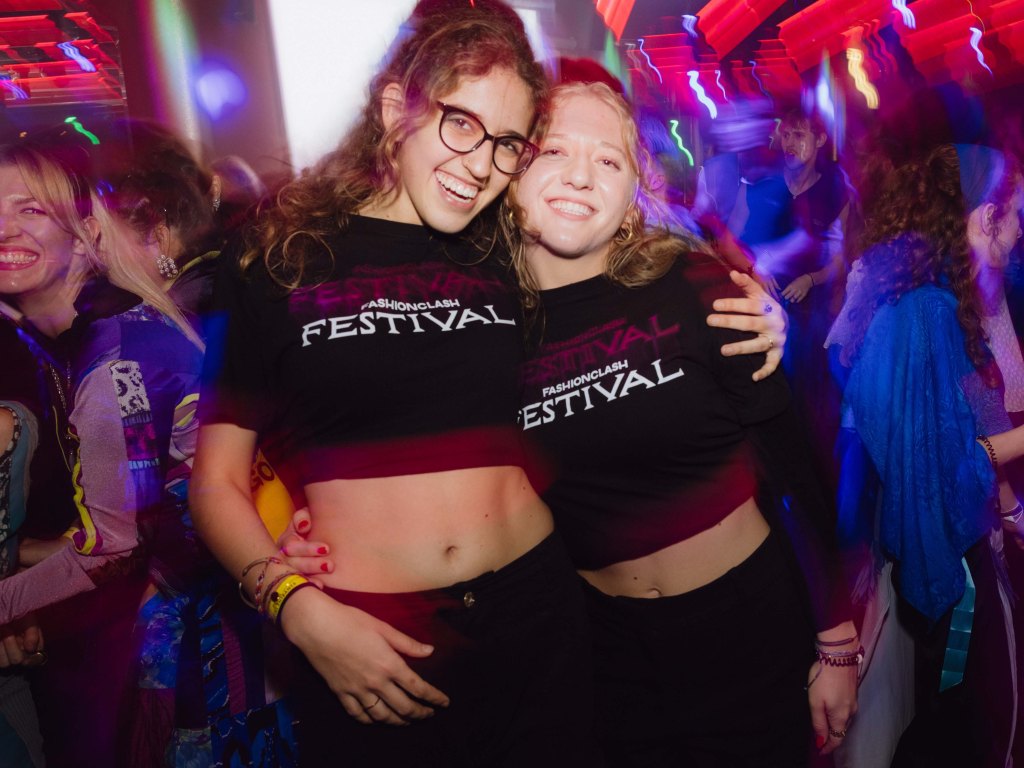
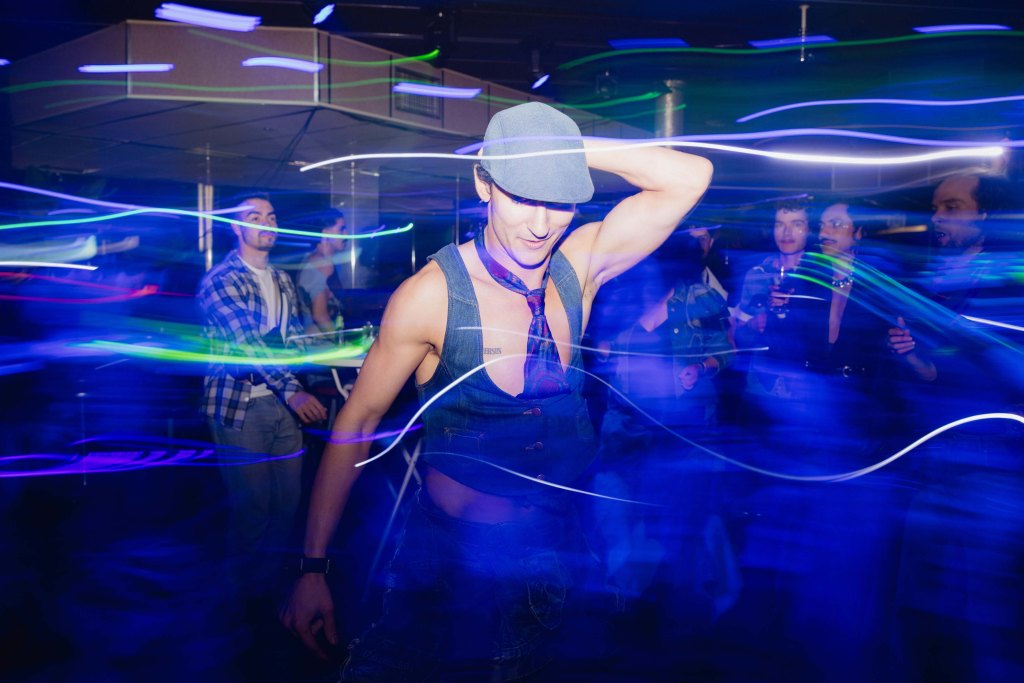
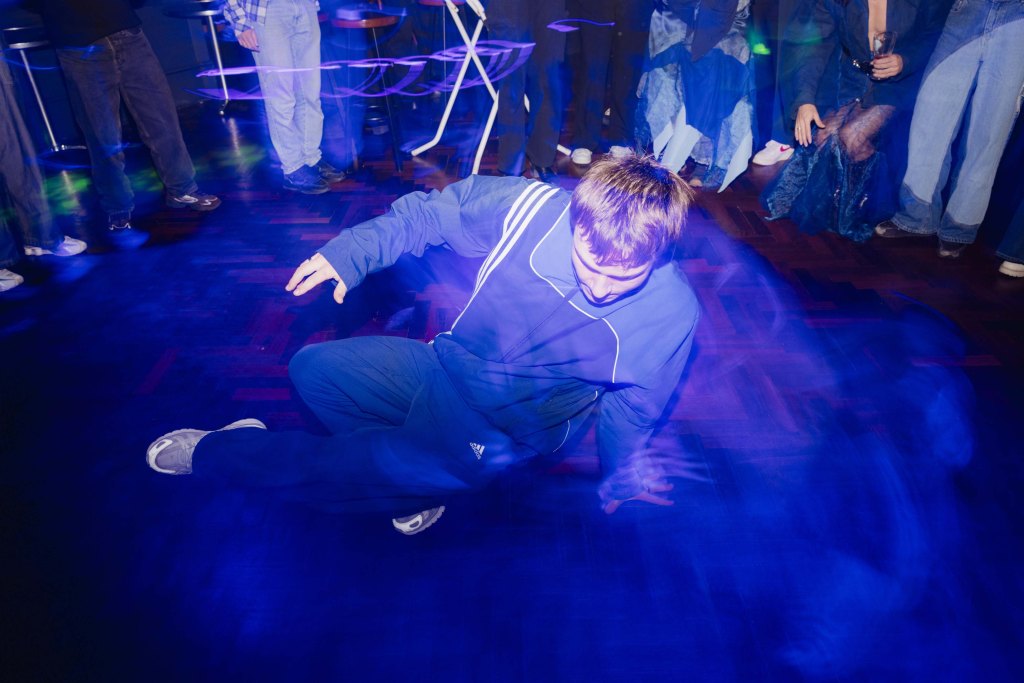
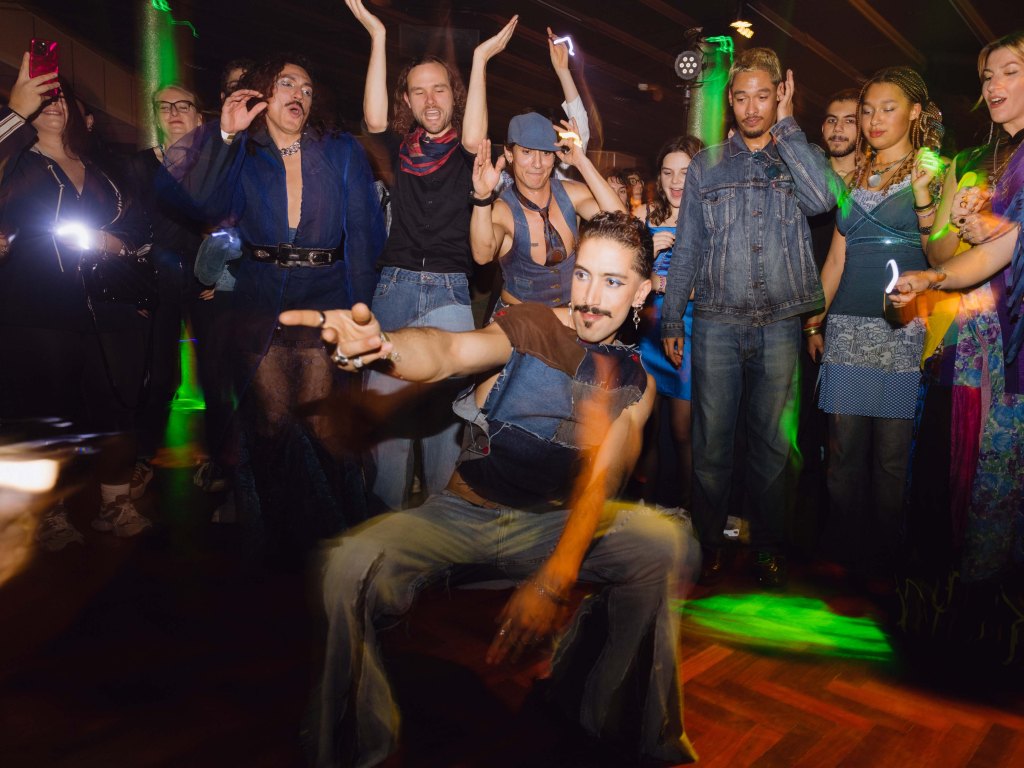
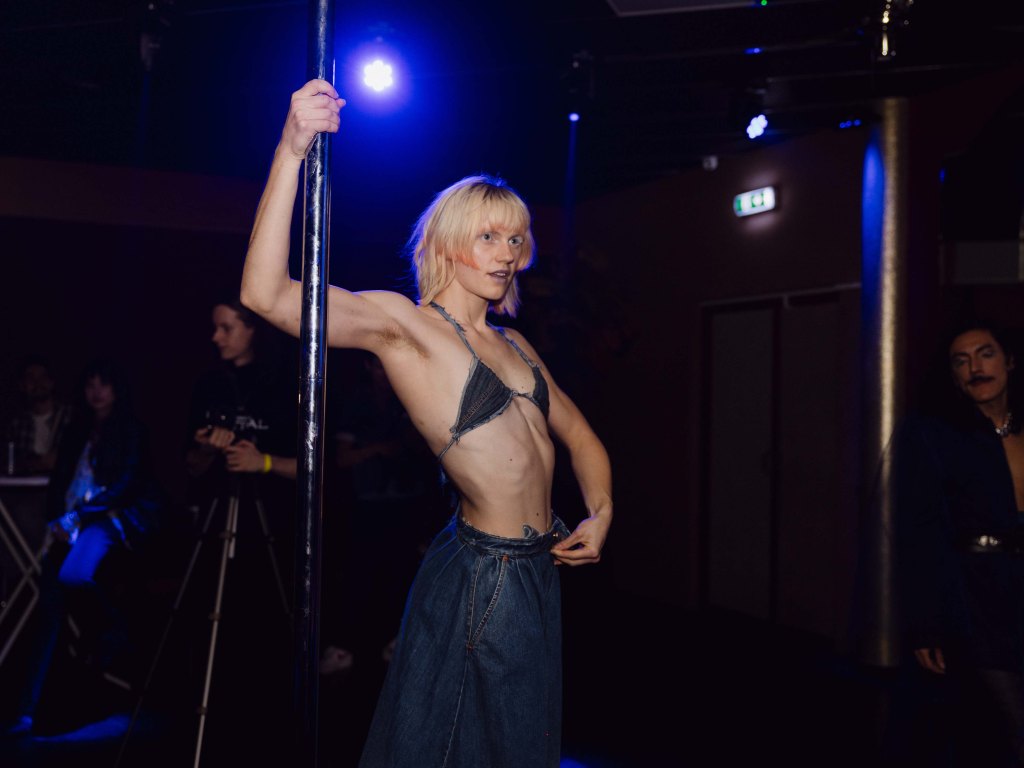
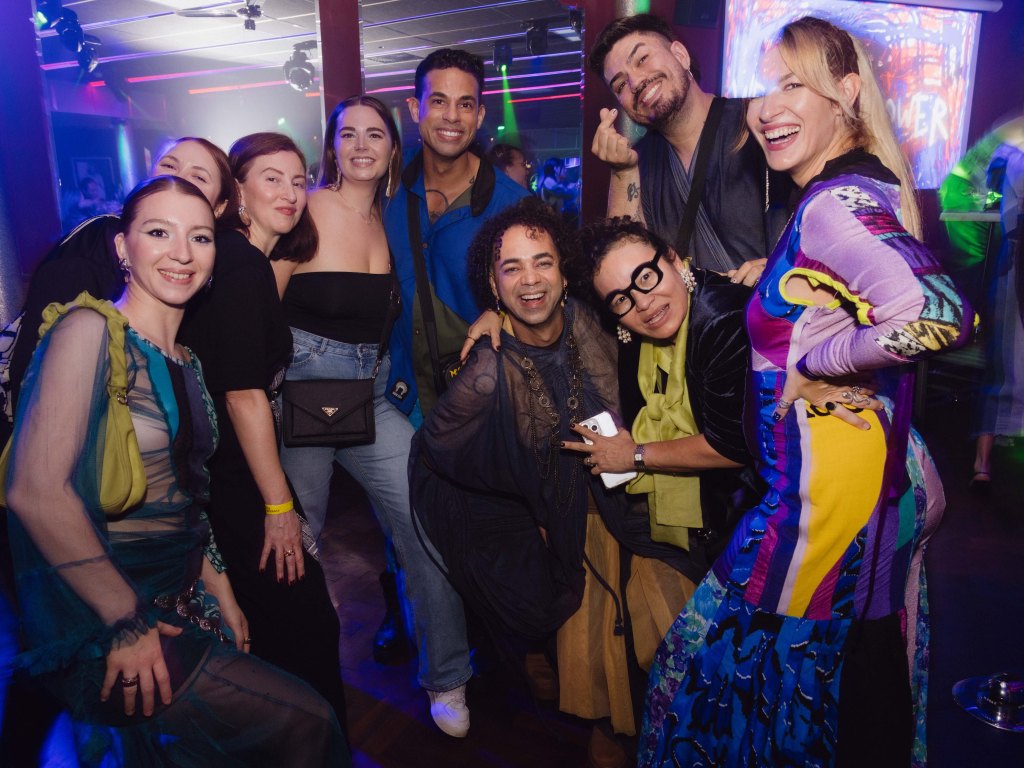
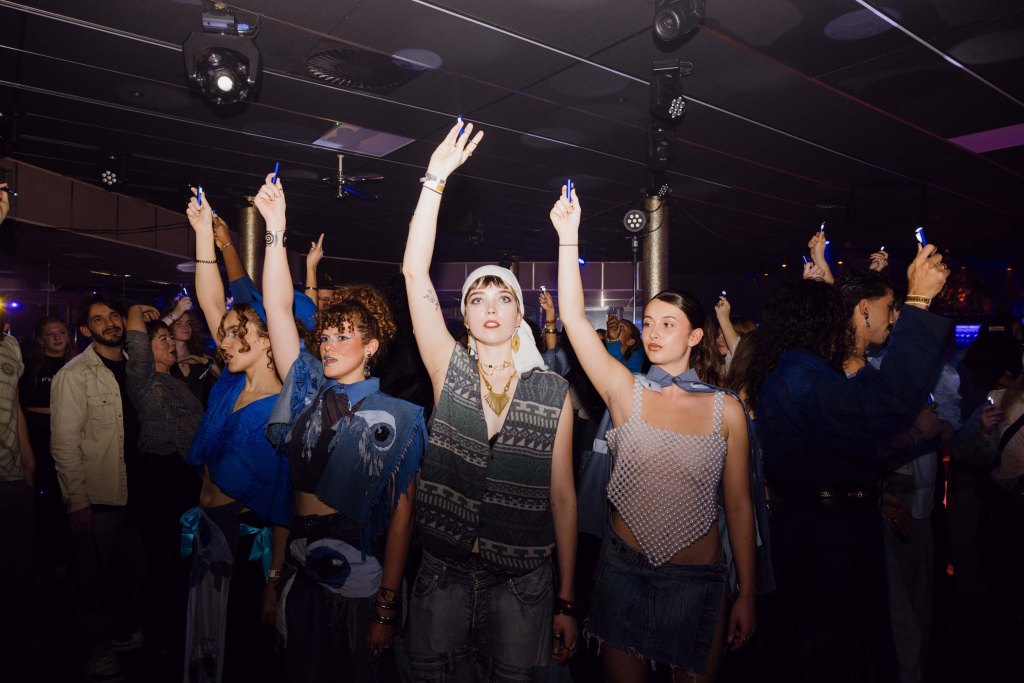
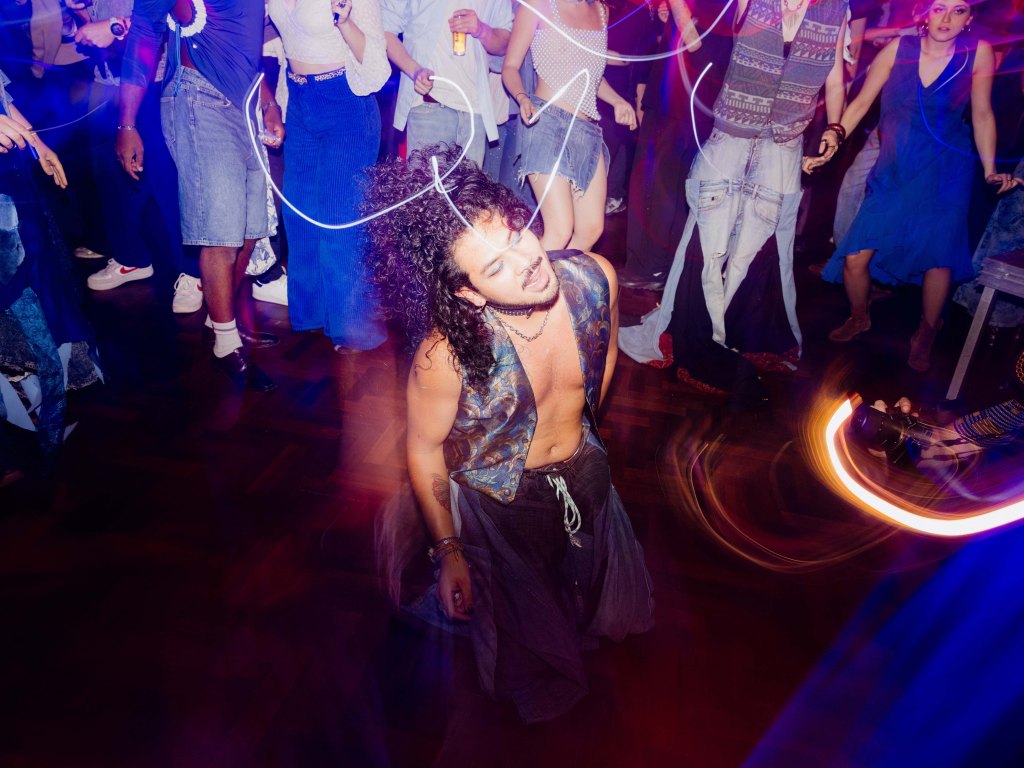
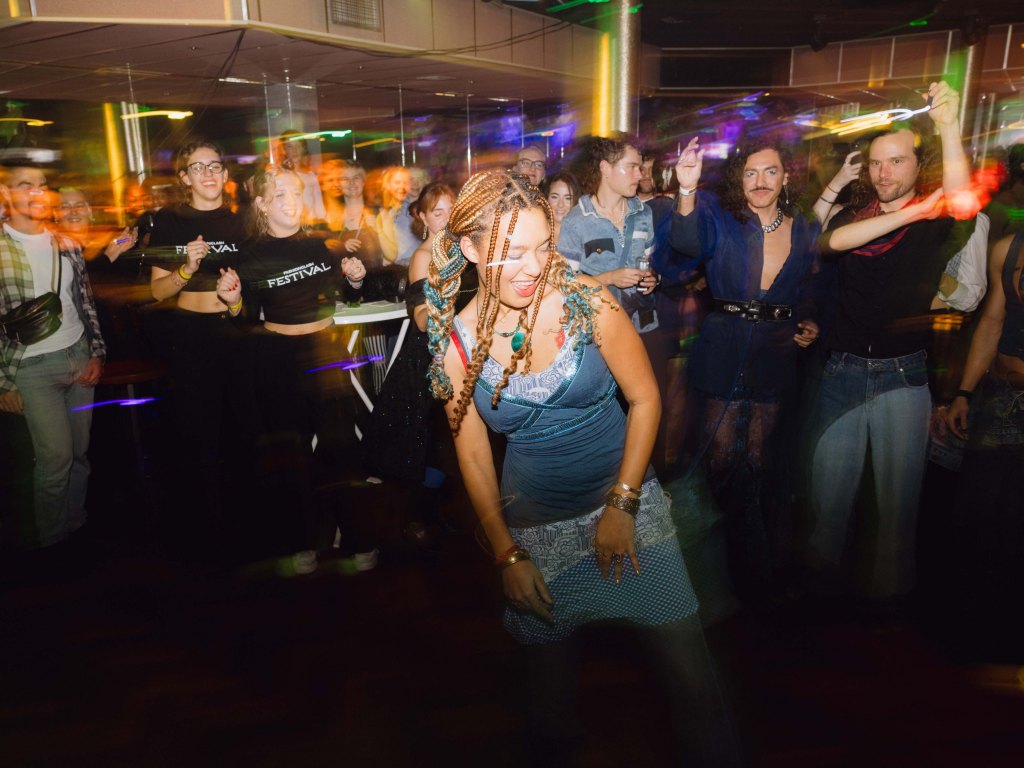
The FASHIONCLASH Festival Afterparty is more than a celebration — it is an interdisciplinary, co-creative platform for community, expression, and togetherness. For this edition, FASHIONCLASH collaborated with Yorvique Macaay, Neele Kamerbeek, Laisy de Andrade Rodrigues, and designer Jessie Romkens, who together craft an unforgettable night of music, fashion, performance, and visual art. Dress code was blue. Prior to the event, co-creation workshopsfocused on fashion-making, movement, and voice were organized; the outcomes were presented during the Afterparty.
WE STAND TOGETHER IN POWER — The Afterparty celebrates unity, empowerment, and visibility. By standing authentically as individuals while joining collectively, we amplify one another’s voices. Through music, dance, performance, and fashion, we create a space of freedom, energy, and connection — a living community of inspiration.
– Yorvique, Neele & Laisy
Photography Credits by Mitch van Schijndel + Laur Knipsael + Jonathan Widdershoven
 33 MAGAZINE