

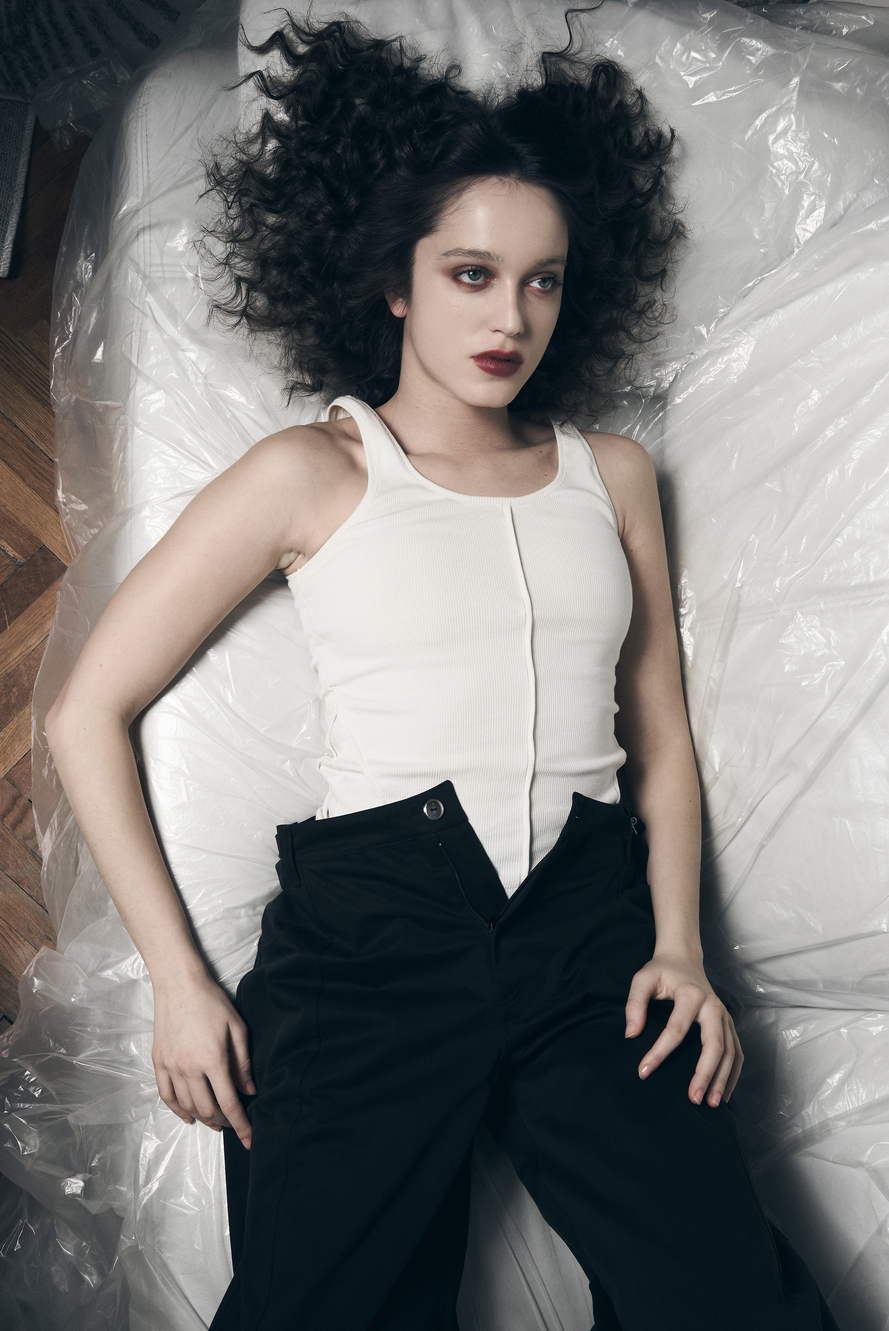
There is no story without the present, and our present—represented by young designers and independent brands—should reflect our future. After all, without their fresh perspectives and innovative spirit, our path forward would be uncertain and undefined. With this understanding, we are thrilled to introduce you to the brand Virago, created by the visionary Barbara Jankovic, whom we had the pleasure of interviewing for 33 Magazine.
The term “Virago” has a rich yet complicated history, often perceived as a symbol of negativity and constraint. However, in a radical reimagining, Barbara embraced it as a banner of empowerment and resilience. By reclaiming “Virago,” she has transformed its story, erasing the stigma that once encased it and breathing new life into a word that now signifies strength, courage, and defiance against societal norms.
Virago breaks down the walls that have historically limited expression and individuality, heralding a new era where personal creativity is celebrated. Each piece crafted under the Virago label is a proof to exceptional quality and avant-garde design, meticulously created to inspire and uplift.
Virago is about community—a cool network of trailblazers who are driven by their passion for innovation.
”We seek to champion creativity in all its forms, encouraging our community to think beyond the expected and venture boldly into uncharted territory. Our aspiration is to cultivate a space where artistic expression thrives, where ideas flourish, and where every individual feels empowered to share their voice with the world.”
Barbara Jankovic’s vision for Virago reflects a deeper story that is aligned with the zeitgeist of today’s culture. The label embraces diversity, inclusivity, and a multi-faceted approach to creativity. With each collection, she aims aim to challenge traditional norms and invite the customer to explore deep inside the emotional meaning of each garment.
In the words of Barbara, “Fashion is just the beginning. The real revolution lies in the stories we share and the connections we forge.” Let’s redefine the future together, where every “Virago” is free to thrive unapologetically.
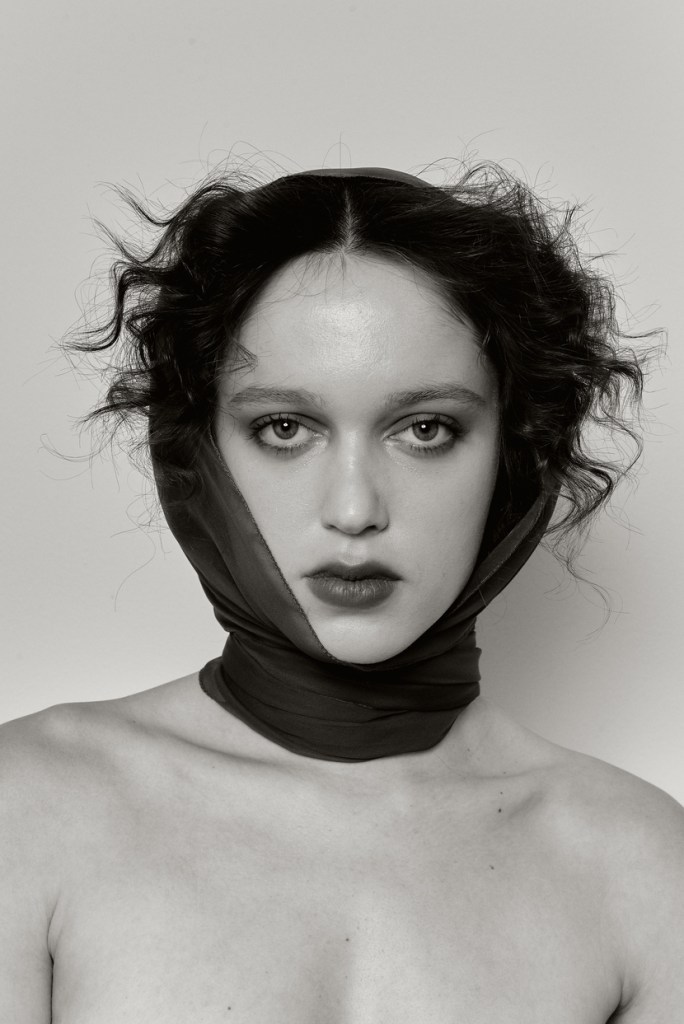
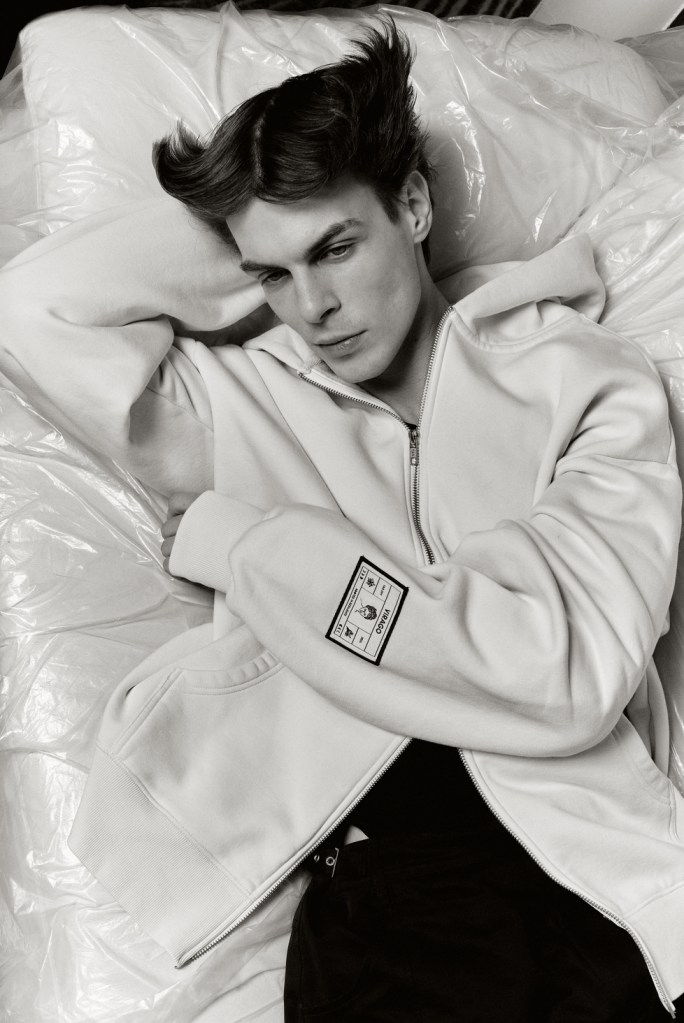
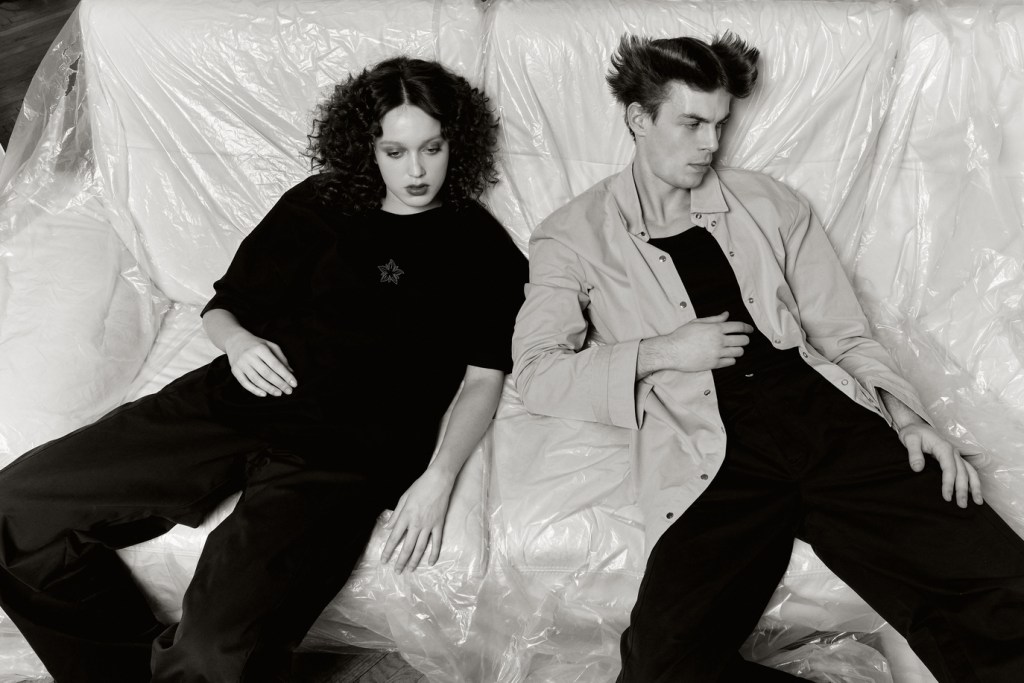
Creative direction: Barbara Janković | Photographer: Marko Dukić | Models: Magdalena Gero, Marin Eckhel | Hair: Dorotea Butigan | Makeup: Vanda Rajković
Barbara, your career path in establishing VIRAGO is fascinating. Could you take us through the initial motivations that inspired you to create a brand that redefines the concept of “Virago”? What personal experiences or societal observations fueled this mission to transform a term often associated with negativity into one embodying resilience and strength?
It’s something that’s been a part of me since I was a child and couldn’t verbalize or actualize in a way I can today. This was what some would call a “rebelious” or “spiteful” side of me at a very young age, but I didn’t see it that way. All I knew is that I am unique and having my own world-view isn’t this eccentric thing, or a flaw. It was and still is a huge advantage that protects and feeds me daily.
Many years ago, I stumbled onto the word “Virago”, while researching ancient goddesses and heroines of the past. The meaning of the word changed throughout history and I realized that all of those descriptions related to me somehow – be it from my own standpoint or other people’s. Both negative and positive.
If I had to connect my personality to Virago, it’s this: I don’t really believe in the concepts of good and bad. I’ll always be one or the other to someone, and that’s none of my business. The word “Virago” lives in that same space. It was once used to criticize women who were too strong, too outspoken, too much. Reclaiming it felt natural – turning a label meant to diminish into one that stands for resilience and independence.
At the heart of your brand is the concept of resilience. How do you personally define resilience, and in what ways do you feel this quality is reflected in your designs? Can you provide specific examples of how you transform this abstract idea into concrete design choices that resonate with modern consumers?
I define resilience as the ability to continue evolving without losing your core identity. It’s less about resistance and more about endurance. That mindset naturally shapes the way I work and the way Virago develops.
On a more practical level, resilience also informs the way I think about longevity. I focus on pieces that feel intentional rather than disposable – designs that people can return to and reinterpret. The goal is to create garments that maintain relevance and character as the person wearing them evolves.
For me, translating abstract ideas like resilience into design also means allowing space for interpretation. The pieces carry a story, but it isn’t immediately spelled out. It exists in the details and in the way the garment is constructed. I think that approach resonates with modern consumers, who are often looking for pieces that feel thoughtful and layered rather than purely decorative.
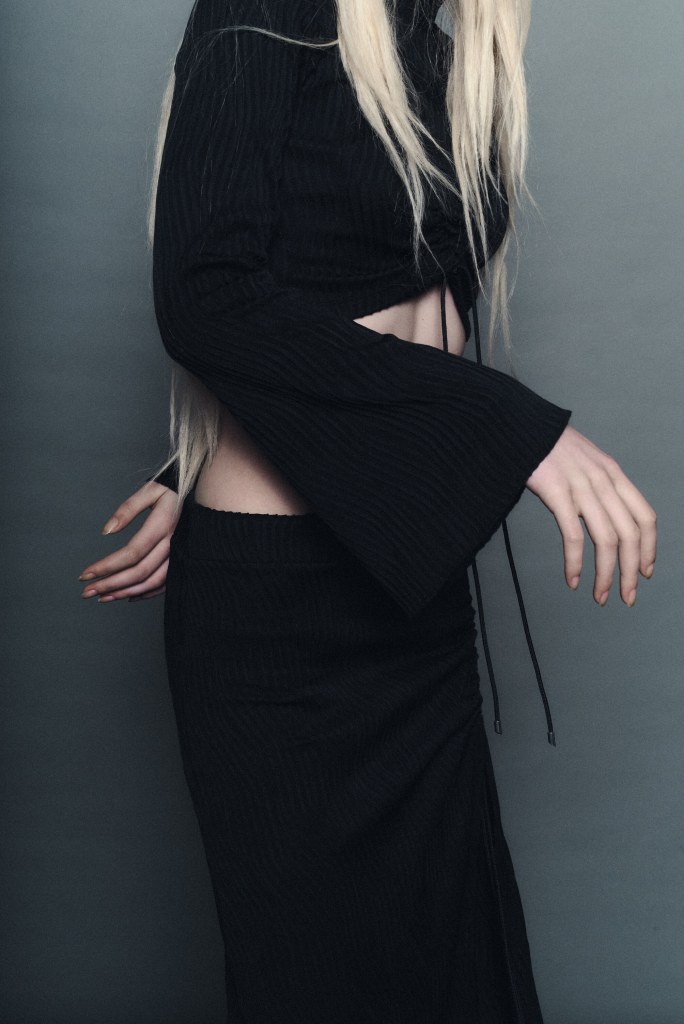
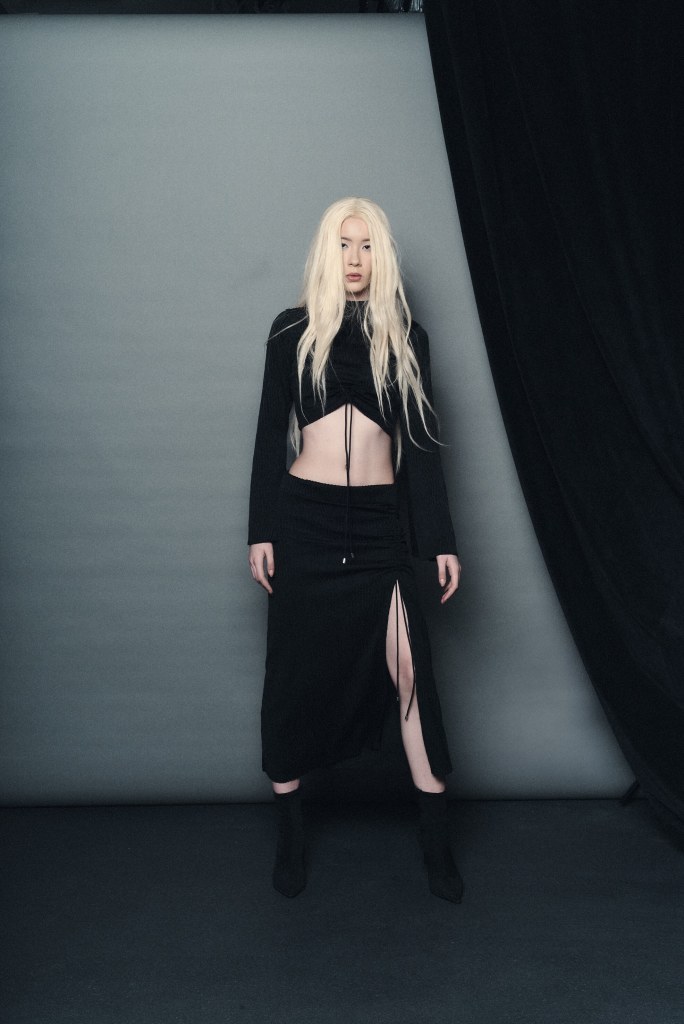
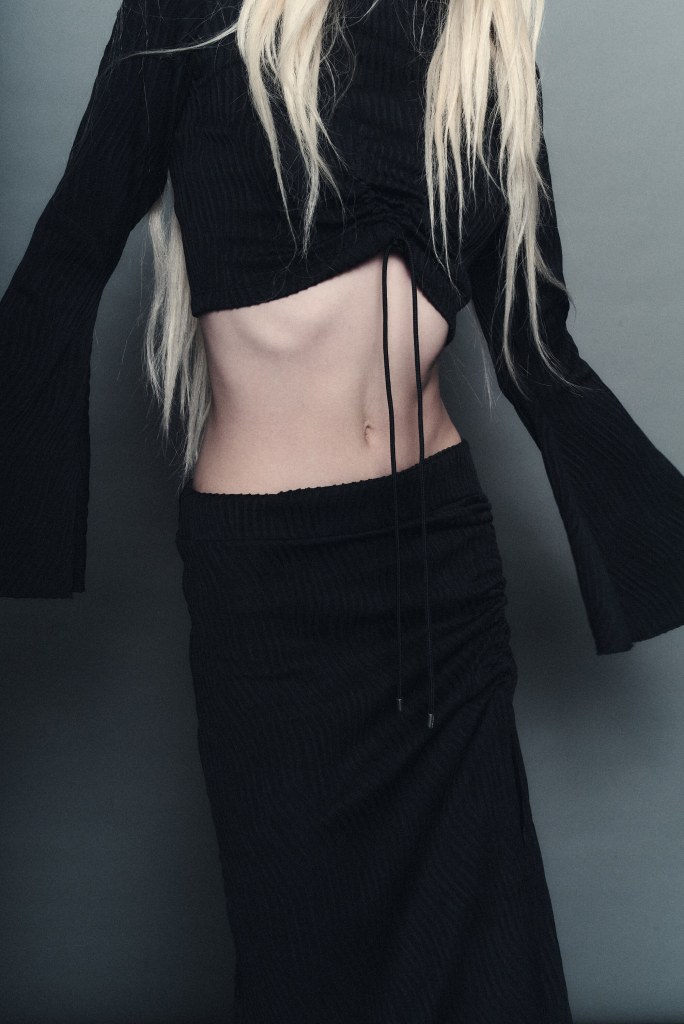
Creative direction: Barbara Janković | Photographer: Marko Dukić | Model: Antonia Grgurev | Hair: Fran Brunović | Makeup: Tena Bašić
Your mission to foster storytelling through fashion is remarkable. How do you go about weaving narratives into the fabric of your designs? Are there particular stories or themes from your own life or from the lives of those around you that inspire your collections, and how do you translate those narratives into wearable art?
I don’t believe there are any new narratives, only new people. New times. I’m a passionate book reader and researcher and if you do those two enough, you’ll learn pretty fast it’s all always been here and always will be. I am not the first or the last person to experience love, hate, sadness, anger or pain. So when it comes to recreating personal experiences – I try to come from a place of knowing that everybody understands everything. Every feeling is at least somewhat familiar, so I don’t have the need to paint my own heartbreak or joy too literally.
What I truly enjoy exploring are the deeper layers of collective storytelling – mysticism, mythology, symbolism, cultural rituals, and the quiet meanings that exist beneath the surface of things. Those worlds are endlessly rich and open to interpretation. Fashion becomes a way of translating fragments of those ideas into something tangible: a shape, a material, a detail, or a name that hints at something larger. I like when a garment carries a subtle narrative that isn’t immediately obvious, but reveals itself slowly to the person wearing it or looking closely. In that sense, the clothing becomes less about a fixed story and more about an invitation to discover one.
The path to launching VIRAGO has undoubtedly been fraught with challenges. Can you share some significant obstacles you faced during this journey and reflect on how overcoming these challenges has not only shaped your brand but also strengthened your character as a creative leader?
My brand was established in the middle of the pandemic and that era itself was a giant challenge. I was so full of energy and new ideas, but the world had suddenly stopped. Even though the stillness of that time remained very beneficial to me spiritually, business-wise it was a complete mess. The prices of everything changed by the hour, transportation became unreliable and planning anything long-term felt almost impossible. As a new brand, I needed certainty, but that wasn’t an option.
At the same time, starting in that environment forced me to become resourceful and patient. I had to learn how to adapt quickly, rethink plans constantly, and continue building even when progress felt slow. In many ways, it shaped the foundation of Virago, whose tagline is “rooted in resilience”. The brand was built in uncertainty, so resilience naturally became part of its identity. It also strengthened me as a creative leader because I learned that persistence and clarity of vision matter more than perfect conditions.
Openness is a recurring theme in your creative inspirations. How do you encourage an environment of openness and vulnerability within your team and the broader community engaged with VIRAGO? Could you describe any specific practices or discussions that help cultivate this sense of mutual understanding and creative exploration?
This is difficult to answer for me because I am not great at encouragement. Nor do I like to be encouraged with words. Instead, I tend to find openness through exposure – through art, history, research, nature.
What I try to create around Virago is an environment where curiosity is valued. When people are encouraged to explore ideas freely, to reference different periods, symbols, or stories, a natural openness appears. It becomes less about verbal encouragement and more about creating a space where people feel comfortable bringing their own interpretations and perspectives into the process.
Your designs challenge traditional perceptions of femininity and strength. How do you approach the challenge of redefining these societal norms through your creations? Are there specific design elements or collections that boldly confront or subvert traditional views of what it means to be a strong woman?
Redefining strength is what this is all about for me as a woman. I’ve had so many definitions of it so far in my life, and I just embrace the current one, and create around it. As a teenager and young adult, I believed that I needed to be super in your face, loud and disruptive to show strength. In this era of my life, I believe in a quieter show of strength. Right now I feel that there is way more power in what’s left unsaid. Just knowing is the biggest source of strength I can have as a woman, but I do recognize we’re all different and refuse to say that this is how everyone should feel.
Design-wise, I try to blur the lines between traditionally masculine and feminine elements. I’m interested in silhouettes that hold structure but still move with the body, in pieces that feel both protective and delicate at the same time. That tension creates a space where strength doesn’t have to look aggressive or overtly dominant.
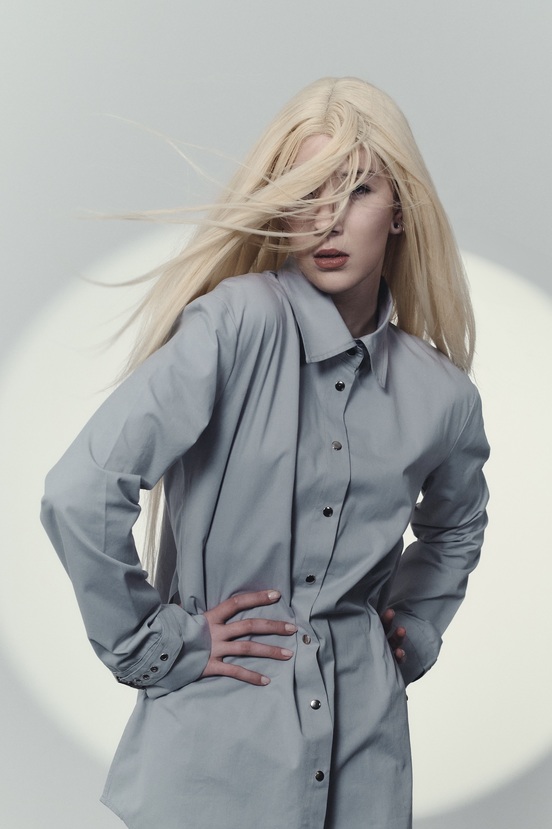
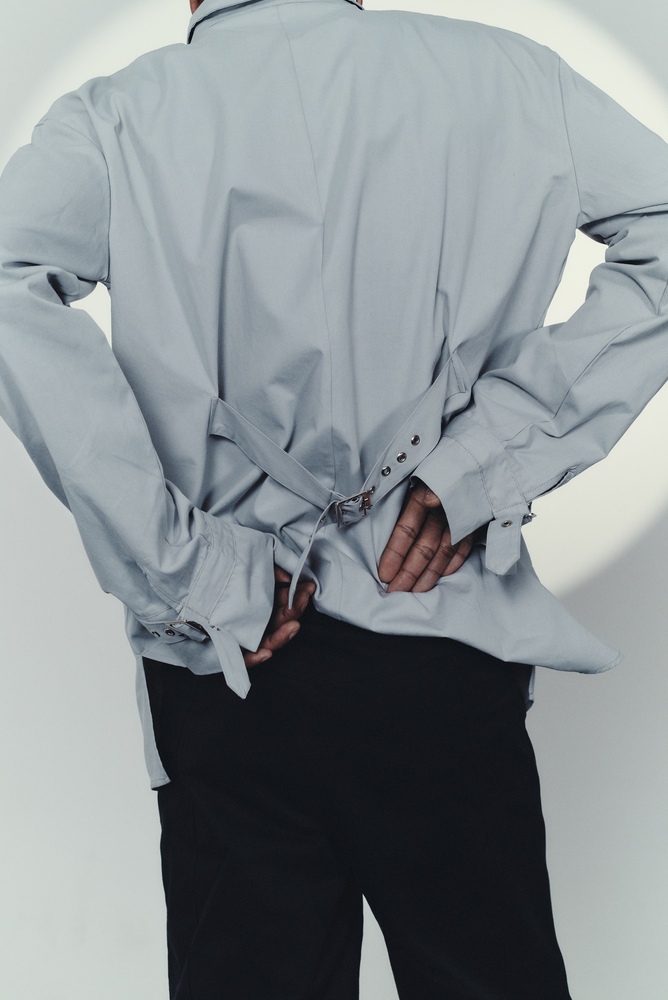
Creative direction: Barbara Janković | Photographer: Marko Dukić | Models: Antonia Grgurev | Hair: Fran Brunović | Makeup: Tena Bašić
In your role as the founder and creative force, how do you envision your responsibilities in nurturing a community that embraces self-expression and creativity? What initiatives does VIRAGO take or plan to take to support and inspire others in pursuing their creative endeavors, particularly for women?
I’ve been thinking a lot about this lately. Virago is a growing brand and it feels expected that the more you grow, the more you need to collaborate with bigger names in the industry as a proof of your success. It frustrates me because everyone is talking about opening doors and supporting younger generations, but when it comes to that point, they choose not to. So my biggest focus when planning projects at the moment is reaching out and finding fresh faces and new photographers, make up artists, hairstylists, and other collaborators. It is a more demanding thing because you have to do your research to find such people, but in the end, it benefits a whole community.
When it comes to women specifically, I try to create spaces and narratives that reflect the many different ways we exist. There isn’t one single story of womanhood or creativity. Through the brand’s projects, imagery, and collaborations, I want to highlight that diversity and complexity. My role, as I see it, is less about positioning Virago as the center of a community and more about using the platform it has to create opportunities where different creative voices can meet, collaborate, and grow together.
You emphasize the importance of designing pieces that transcend fleeting fashion trends. What strategies do you employ to ensure that your garments resonate with timelessness while still feeling relevant and fresh? How do you strike this delicate balance in your creative process?
I try not to design around what feels momentarily exciting, but rather around ideas, silhouettes, and emotions that have existed for a long time. When you look at clothing historically, many shapes and principles repeat themselves across decades and cultures. I spend a lot of time researching those references and understanding why certain garments endure. That foundation helps me create pieces that feel grounded rather than overly tied to a specific moment.
At the same time, relevance comes from perspective. Even if the inspiration is historical or symbolic, the way it’s interpreted belongs to the present moment. Materials, construction, proportions, and styling are where that freshness appears. I try to keep the core of a design pure and then allow subtle details to carry the contemporary feeling.
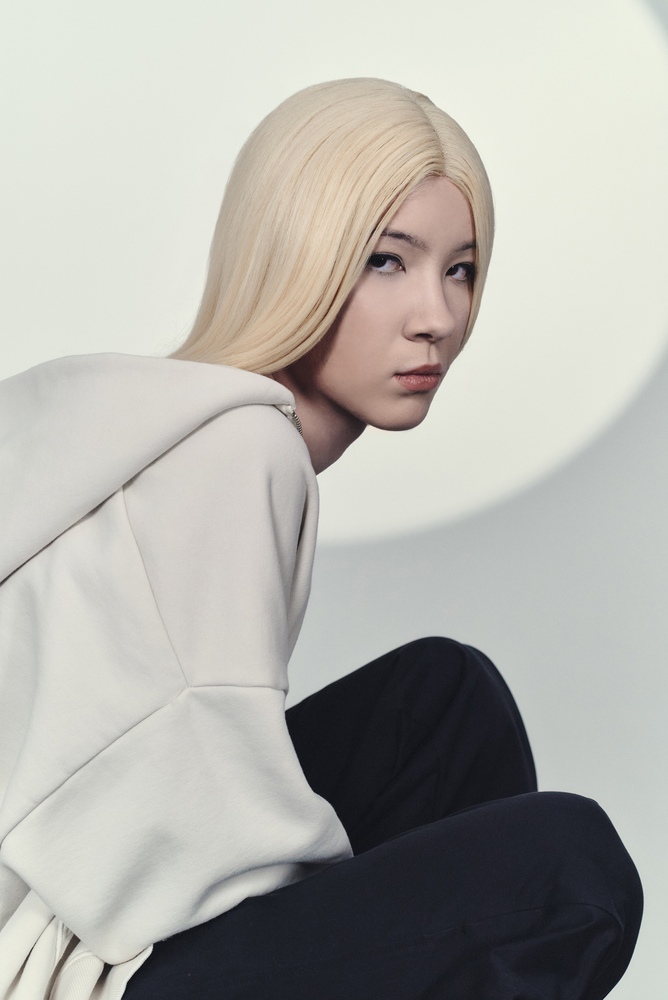
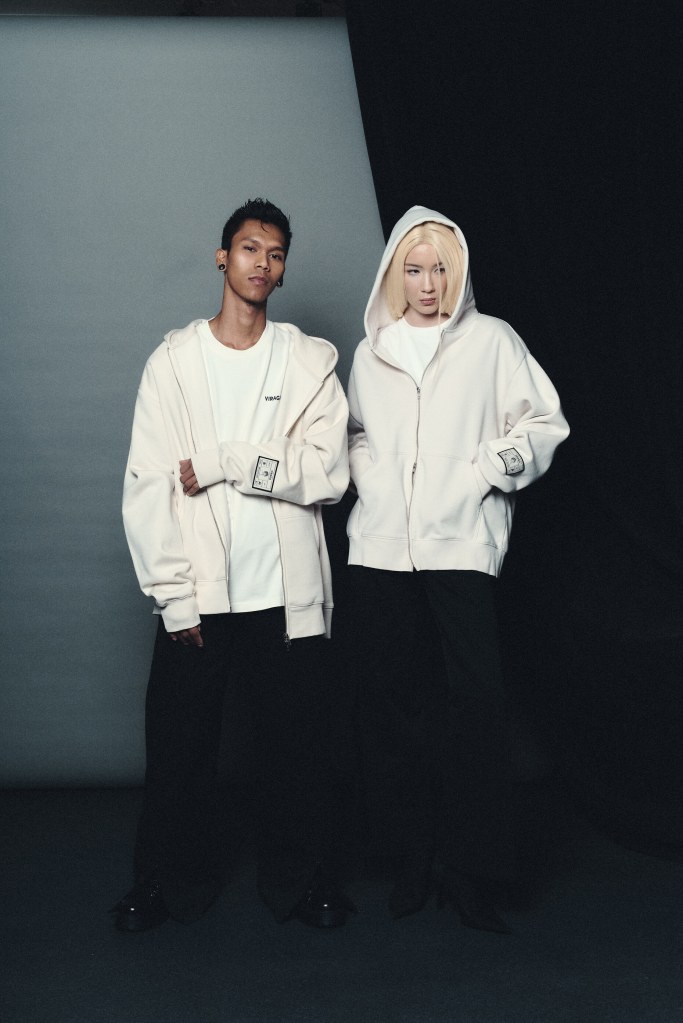
Creative direction: Barbara Janković | Photographer: Marko Dukić | Models: Antonia Grgurev | Hair: Fran Brunović | Makeup: Tena Bašić
Your past experiences have led to feelings of being misunderstood. How have these experiences influenced how you engage in conversations within the fashion world? What insights can you share about the importance of participation and dialogue in fostering creativity, especially for those who may feel marginalized?
There is so much playing it safe in the fashion world right now, it’s weird. I didn’t expect it to be this way. I think I’m lucky I didn’t enter this world too young, because maybe I would get crushed under the weight of pleasing all these spectators and meeting their expectations instead of my own.
Feeling misunderstood has really helped me become more comfortable with standing alone. It’s something you need to get familiar with as a grown-up and I’m lucky I mastered it a long time ago. This whole thing is about interpretation, it’s not supposed to be literal. Once you accept that, it becomes much easier to participate in conversations without feeling the need to dilute your ideas just to make them more universally accepted.
For creatives who may feel out of place, I think participation is still important, but it doesn’t have to mean conformity. Always bring your viewpoint to any conversation. The industry doesn’t need more voices repeating the same old ideas; it needs people who are willing to contribute with something new, even if it doesn’t immediately fit within the dominant narrative. Those perspectives are often the ones that push creativity forward.
As you look toward the future of VIRAGO, what aspirations do you hold for the brand? How do you envision the brand’s evolution, and what exciting new directions, projects, or collaborations do you foresee as you strive to empower and inspire through your work?
My creative journal holds all my thoughts, ideas and manifestations. It’s filled with stories, poems, sketches and ideas I work around. When I look toward the future, I often return to those pages, because they hold far more ideas than I could ever realize in a short period of time.
I see Virago continuing to evolve through storytelling. There are many narratives I still want to explore, as well as new materials, forms, and ways of presenting collections. I’m also very interested in expanding the brand beyond just garments – into objects, environments, and experiences that deepen the world around it.
At the same time, I want the brand to grow in a way that remains very intentional. Virago was never meant to move at the speed of the traditional fashion cycle. I would rather let each project develop naturally and collaborate with people who genuinely connect with the vision. My aspiration is for the brand to keep building its own universe over time.
Follow VIRAGO HERE
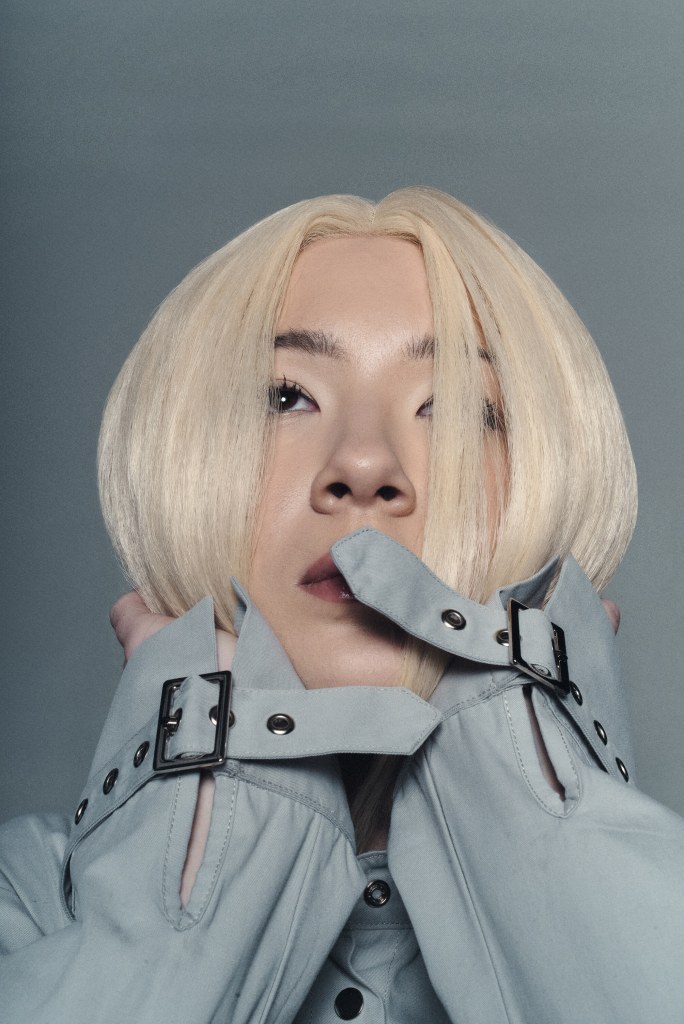
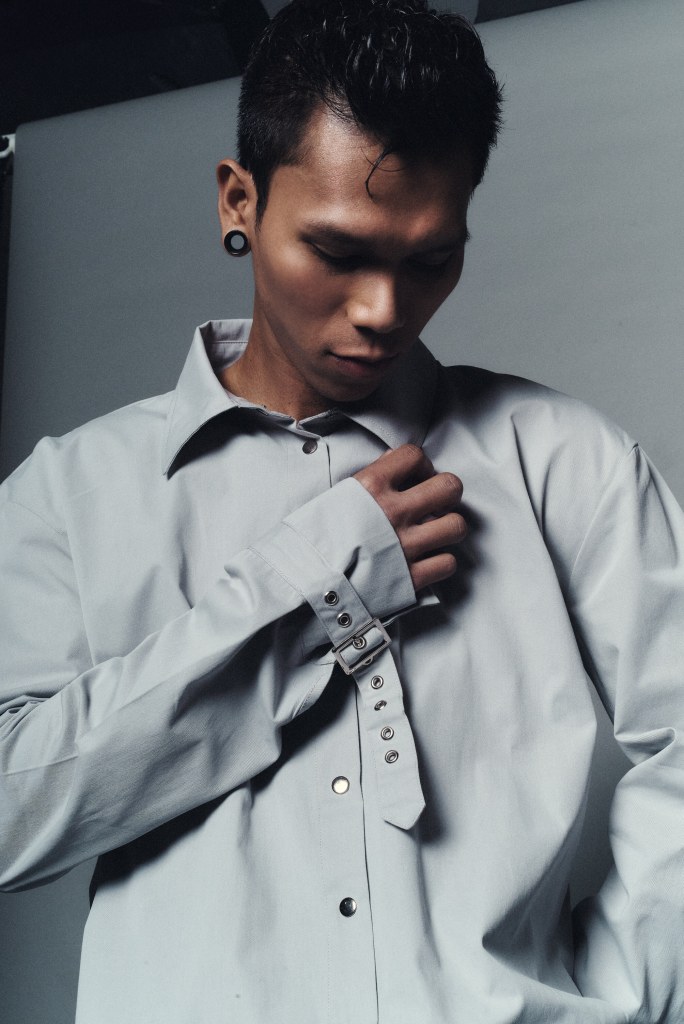
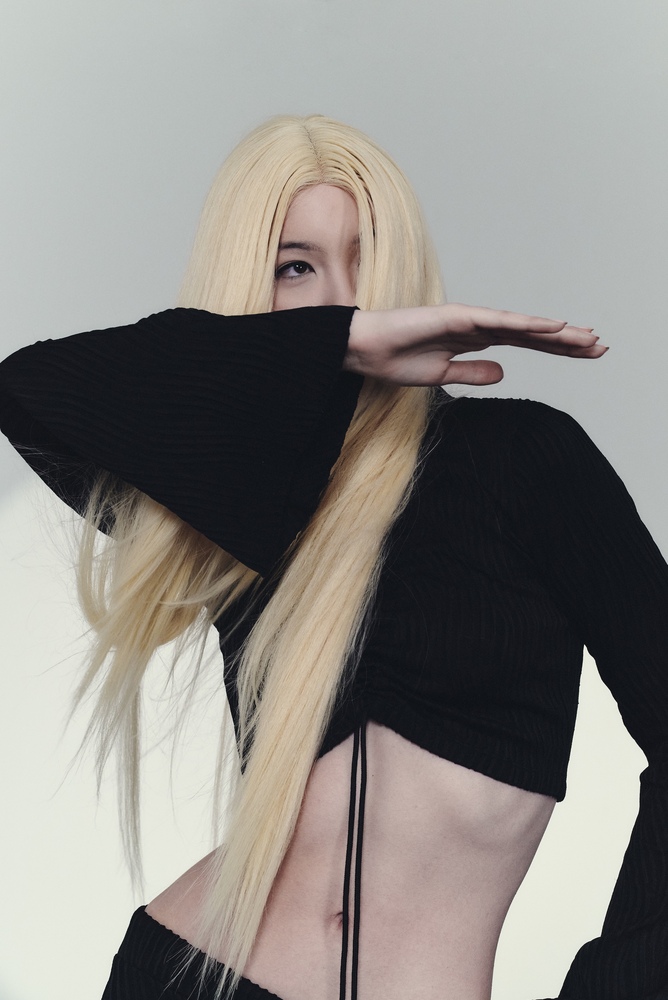
Creative direction: Barbara Janković | Photographer: Marko Dukić | Models: Antonia Grgurev | Hair: Fran Brunović | Makeup: Tena Bašić
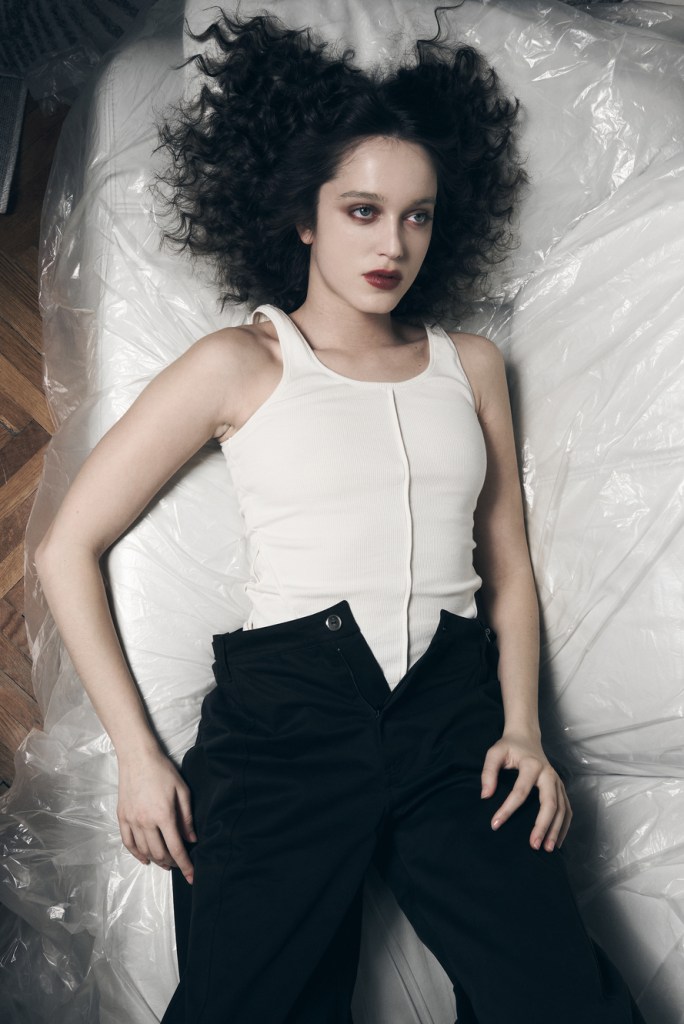
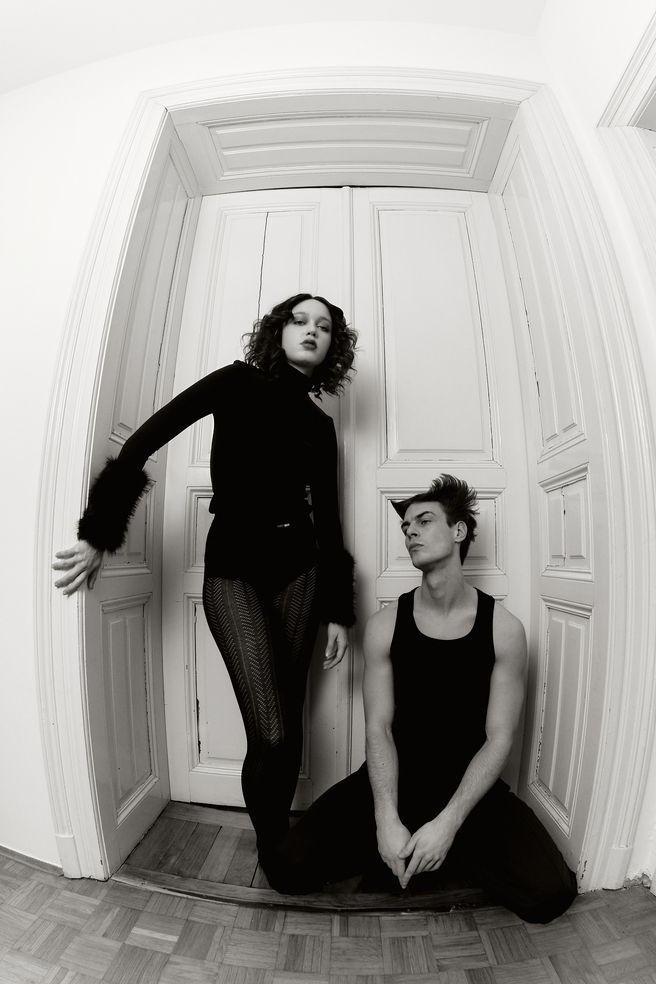
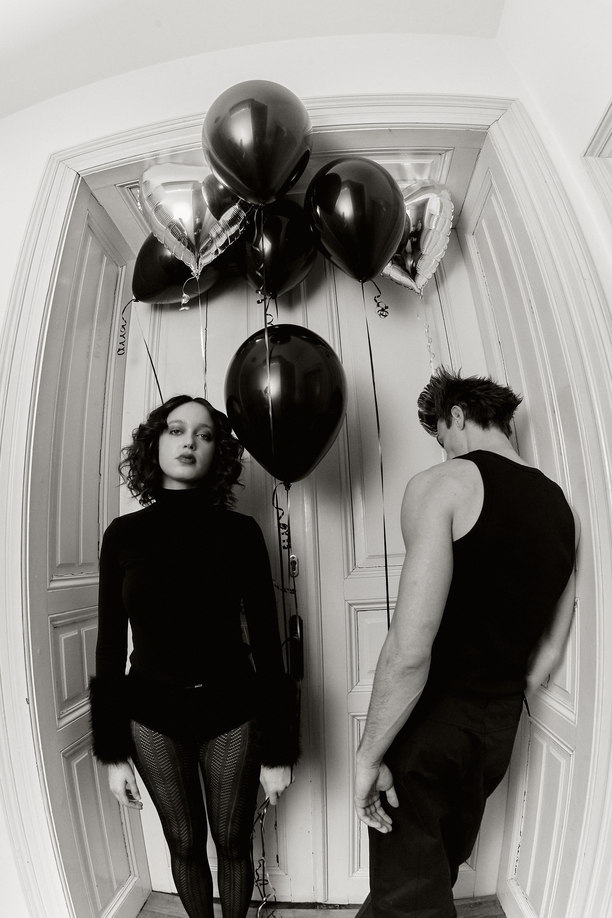
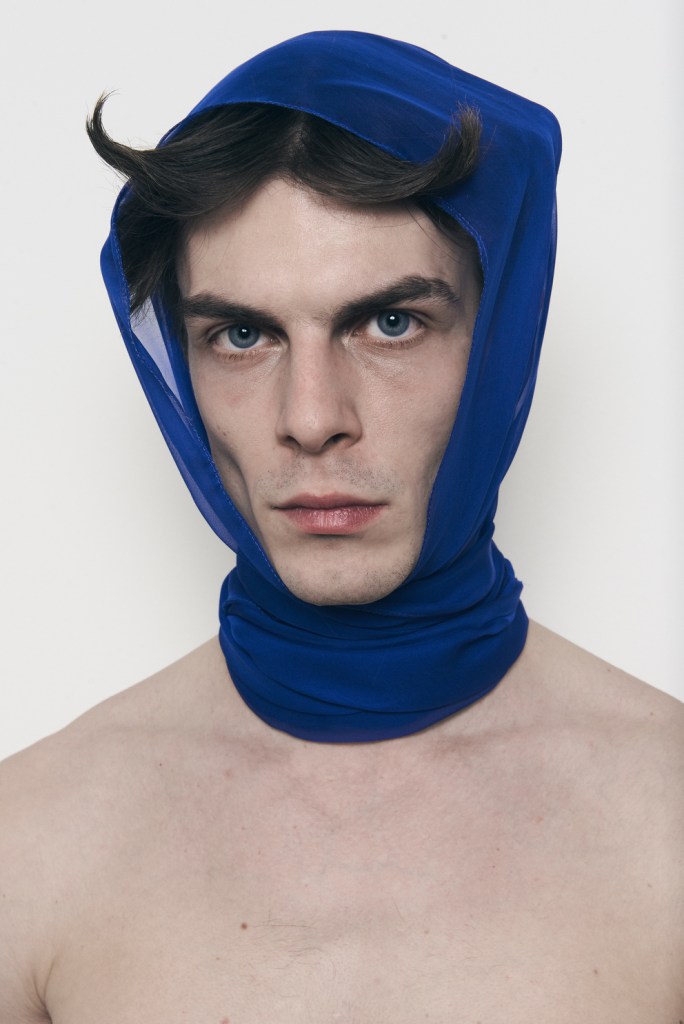
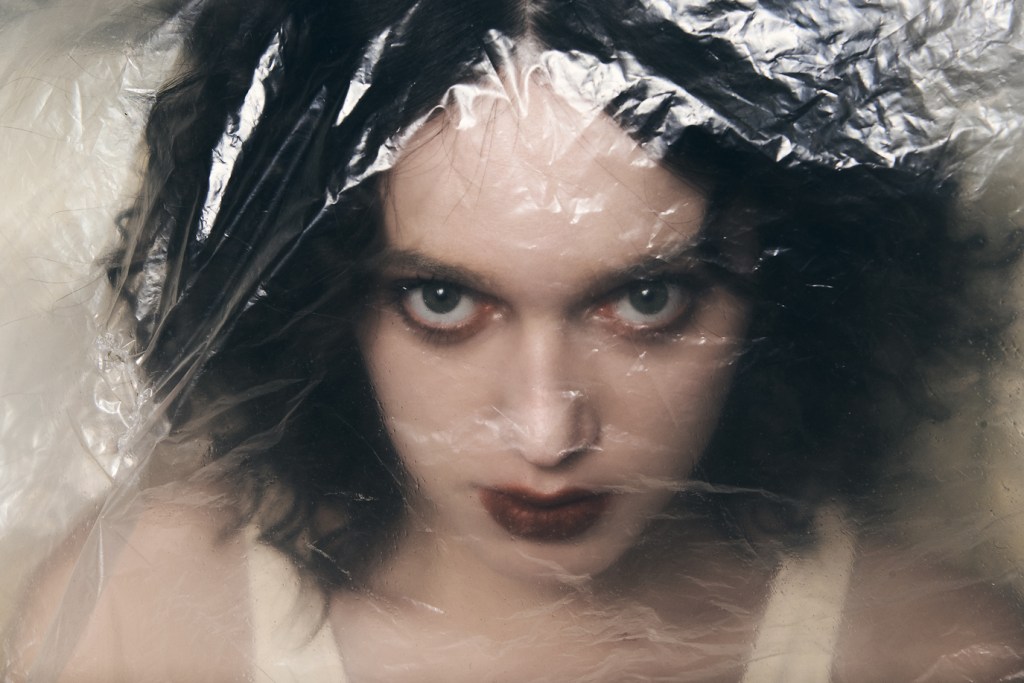
Creative direction: Barbara Janković | Photographer: Marko Dukić | Models: Magdalena Gero, Marin Eckhel | Hair: Dorotea Butigan | Makeup: Vanda Rajković
Website: https://viragoofficial.com
 33 MAGAZINE