

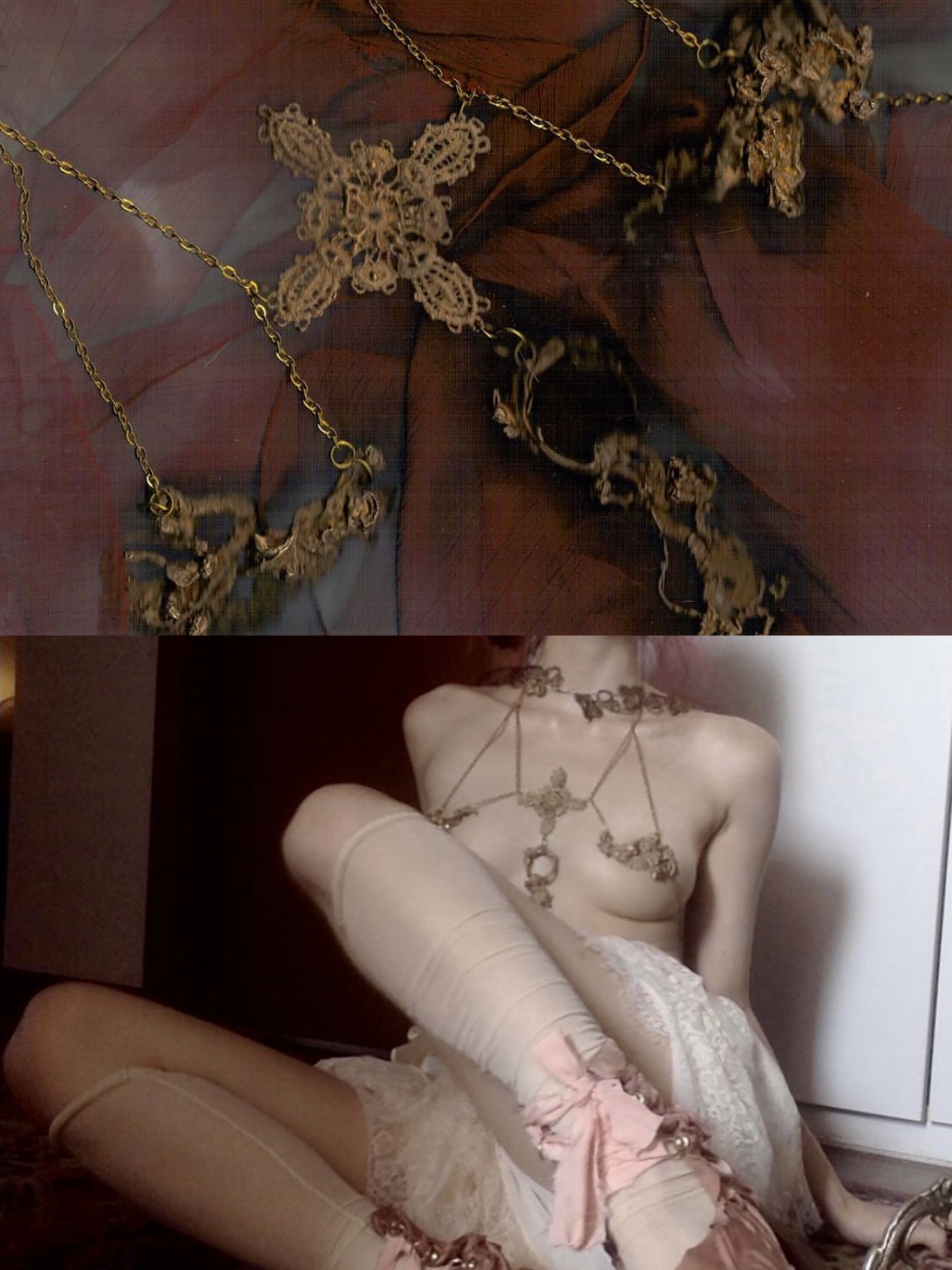
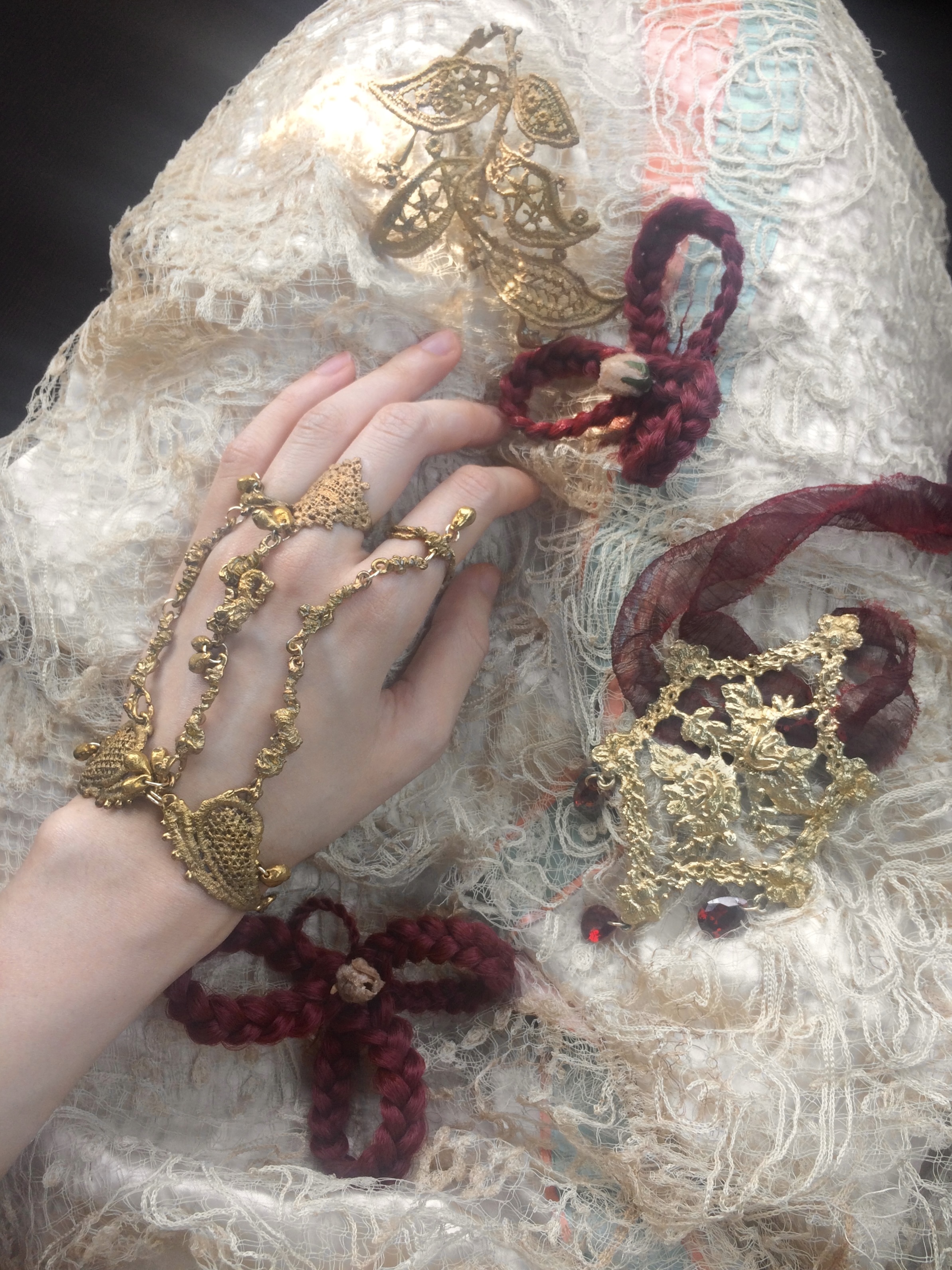
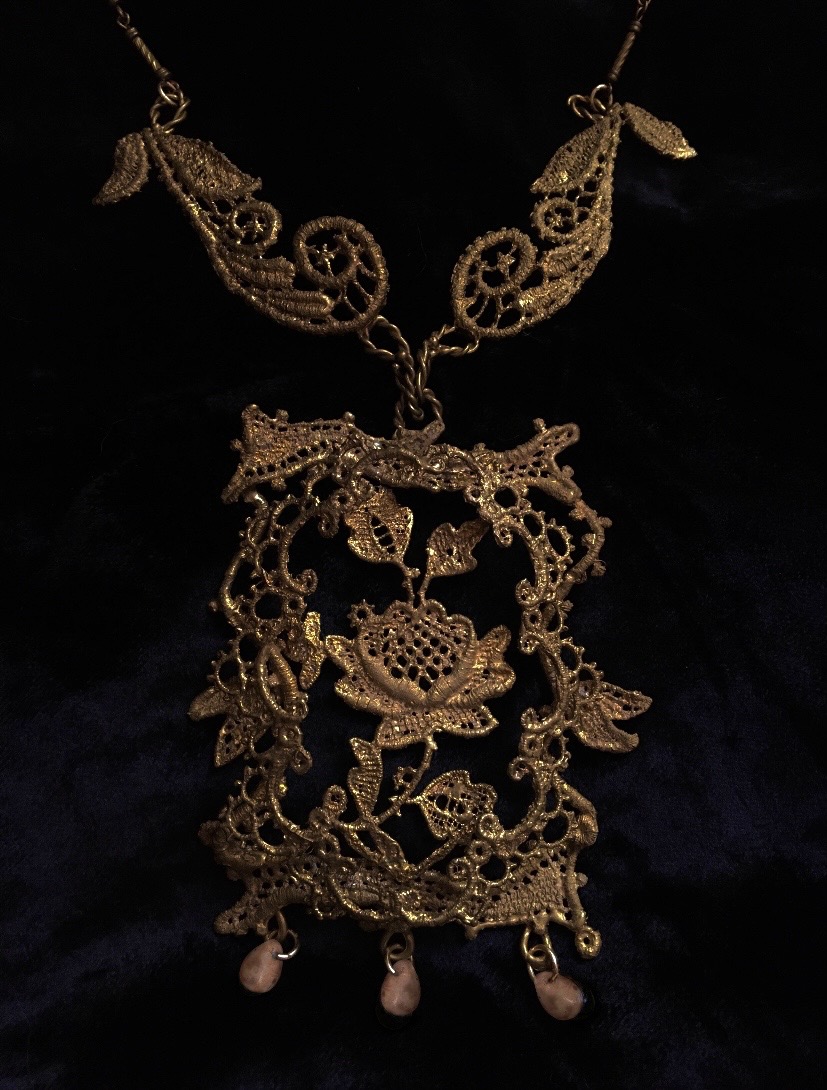
In the Florentine artisanal landscape, the jewels of Larva Jewellery stand out for their transcendent taste, seeming to originate from another world, made of light, dream, and mystery. Her work is meticulous, reminiscent of the illustrations from fairy tale books of the late 19th and early 20th centuries, heavily influenced by Art Nouveau, which takes natural elements and reinterprets them into an aesthetic that evokes decorative charm. Her creations seem to carry a narrative: mystical and dreamy, like subjects of a dreamlike reality where each jewel recounts of hidden worlds. It is as if Shuyi is driven by an alchemical knowledge, transforming simple metals into ethereal creations.
Words + Interview by Elena Reggioni
Could you share your personal story about jewelry making? How did you learn this ancient craft and what significant influences from your childhood and educational background have shaped the identity of Larva Jewelry? Were there specific events that sparked your passion for this work and how do these moments reflect your current artistic vision? Is there a message or theme that you hope to convey through your creations?
Initially, I started learning silver and copper work with a playful attitude, but then I fell in love with the feeling of being completely absorbed in the creative process, what is called the “flow state”. My works unexpectedly received appreciation from some friends, which made me very grateful. I think if I could share my understanding and love in this way, it would be truly a lucky thing. So, in 2020, I created my own brand, LARVA.
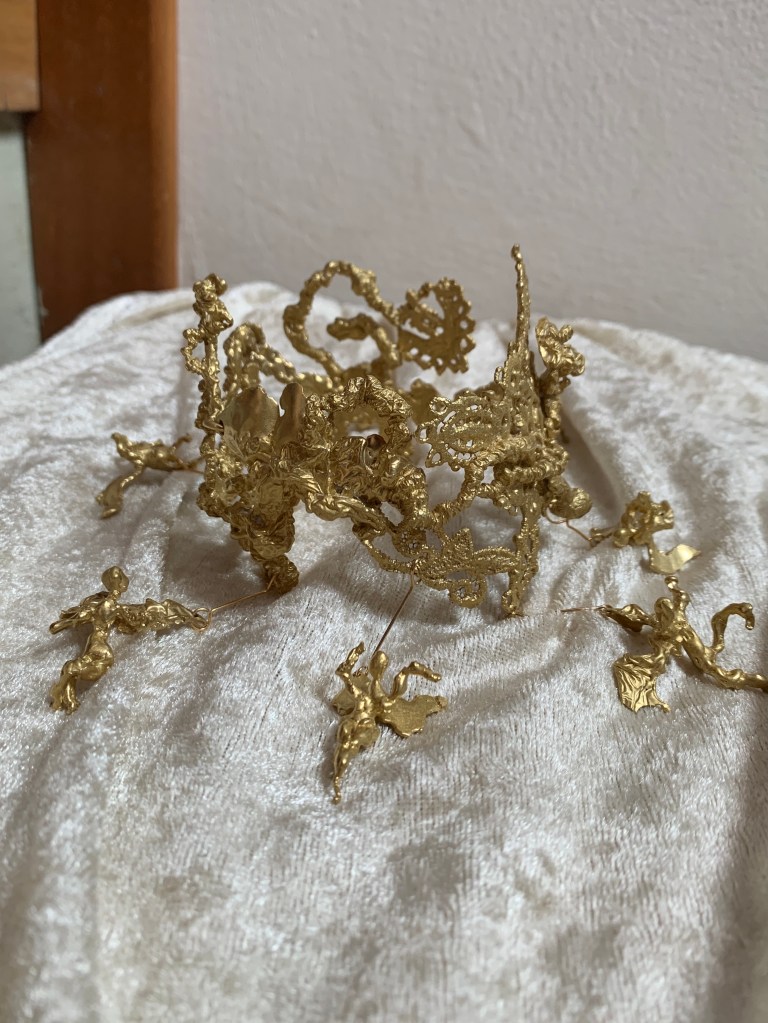
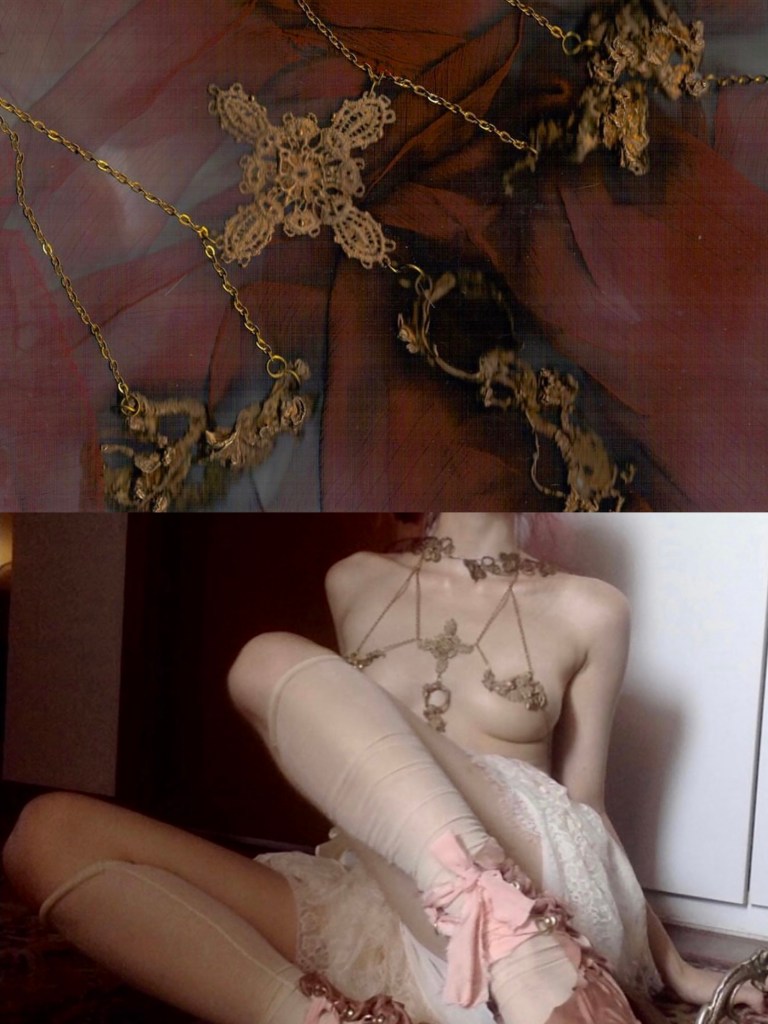
”I use various natural elements created by Mother Earth, ancient fabrics and the traditional technique of wax modeling to create unique wearable sculptures, rich in emotional memory. I hope that each piece can be like a “sacred tool”, with its own story and energy. It is probably my sensitivity and curiosity towards natural forces, together with my research on art and symbols, that has shaped my current design style. I hope that my works allow the wearer to feel a connection — with themselves, with nature and with a deeper spiritual world.” – Shuyi, founder of https://larvajewelry.com/
The definition of “accessory” is something that “accompany what is or is considered primary, therefore secondary or complementary”, in the case of jewelry therefore an element that supports the look. There are situations in which, however, it is the accessories that speak more than the dress. How do your jewelry interact with outfits? What is your relationship with fashion in general?
For me, jewelry is a means of transmitting emotions and stories, with a strong identity and independent personality. They are not simply a complement to clothing, but interact with the personality, emotions and even the mood of the day of the wearer. Each piece of jewelry can bring a different energy to its wearer; they are not just external decorations, but an extension of personal history.
Regarding the relationship with fashion, I think that fashion is a fluid and ever-changing state, reflecting the pulse of society and cultural evolution. My design does not completely follow trends, but rather tends to explore unique elements that can cross time. I hope to create works of art that have both a sense of history and a feeling of the future.
Since jewelry tends to have a longer lifespan than clothing, how do you choose to deal with this responsibility in design? Do you guide yourself towards evergreen creations that resist the passage of time, or do you allow yourself to be inspired by current trends? How much does your personal taste influence your design choices and how do you find a balance between these various aspects?
I don’t reject inspiration from current trends, but I don’t blindly follow fashion. Everything is constantly changing, and trendy elements reflect people’s moods and the fluidity of social culture. I think I will combine these elements with traditional craft techniques, giving the works a unique sense of modernity, but at the same time ensuring that they have an eternal charm that endures through time. In this way, I will not only satisfy the aesthetic needs of the present, but will also ensure that the works will be appreciated in the future.
Each artisanal technique offers a unique and distinctive final result. Is there a particular processing technique that you prefer and that has a special place in your creative process? Does the aesthetics of your pieces determine the choice of technique, or on the contrary, are the limitations or possibilities offered by the technique that influence the final aesthetics of your jewelry?
I prefer to create unique shapes spontaneously, like a game, and then combine them to form the final piece. This approach allows me to freely express my ideas, without being constrained by traditional design patterns. I enjoy discovering the collision and fusion of different shapes and elements during the creative process, which often combine spontaneously to form a harmonious aesthetic, with each element finding its place in the natural flow. This method also allows me to find new inspirations and ideas to break the limits and possibilities of processing.
Therefore, processing and aesthetics are intertwined in my creative process. Each piece takes shape gradually during the process, and is full of experimentation and unexpected surprises.
The world of jewelry is also becoming more and more futuristic, implementing both aesthetics and cutting-edge techniques. How do you think technological advancement can positively influence your creative process? Are there any specific modern technologies or tools that you are exploring to integrate into your work?
I always keep an open mind, ready to explore new technologies and tools. If these can be integrated with my original design concept, it would be great to create jewelry that has both a solid traditional base and a feeling of the future.
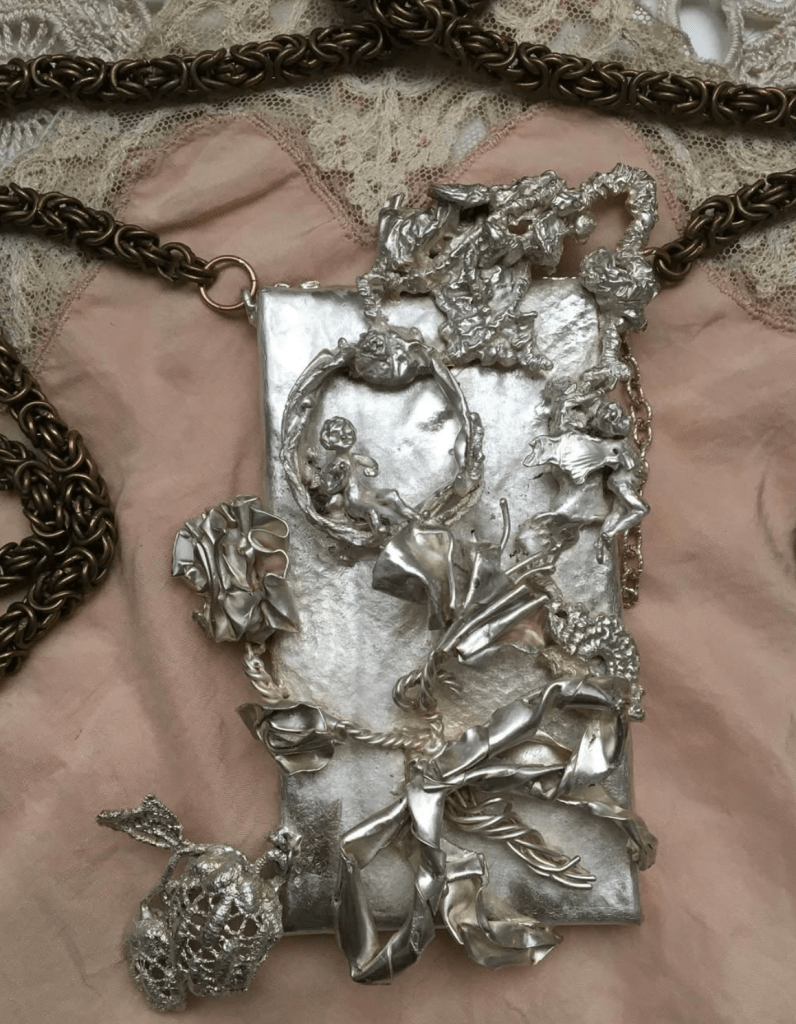
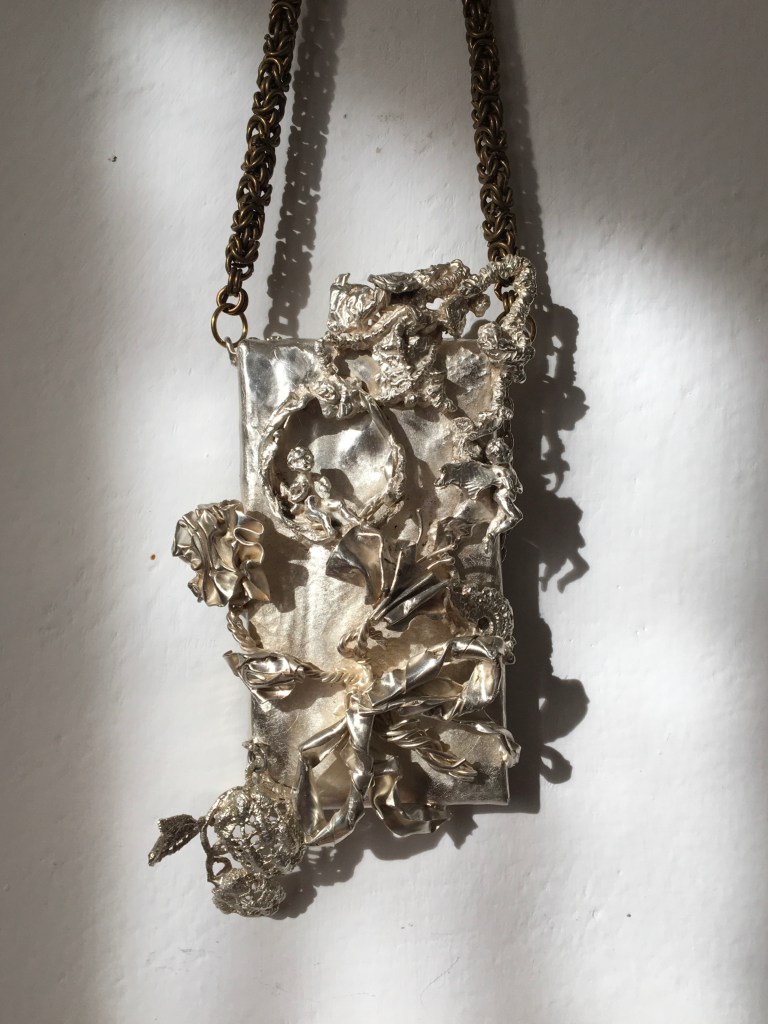
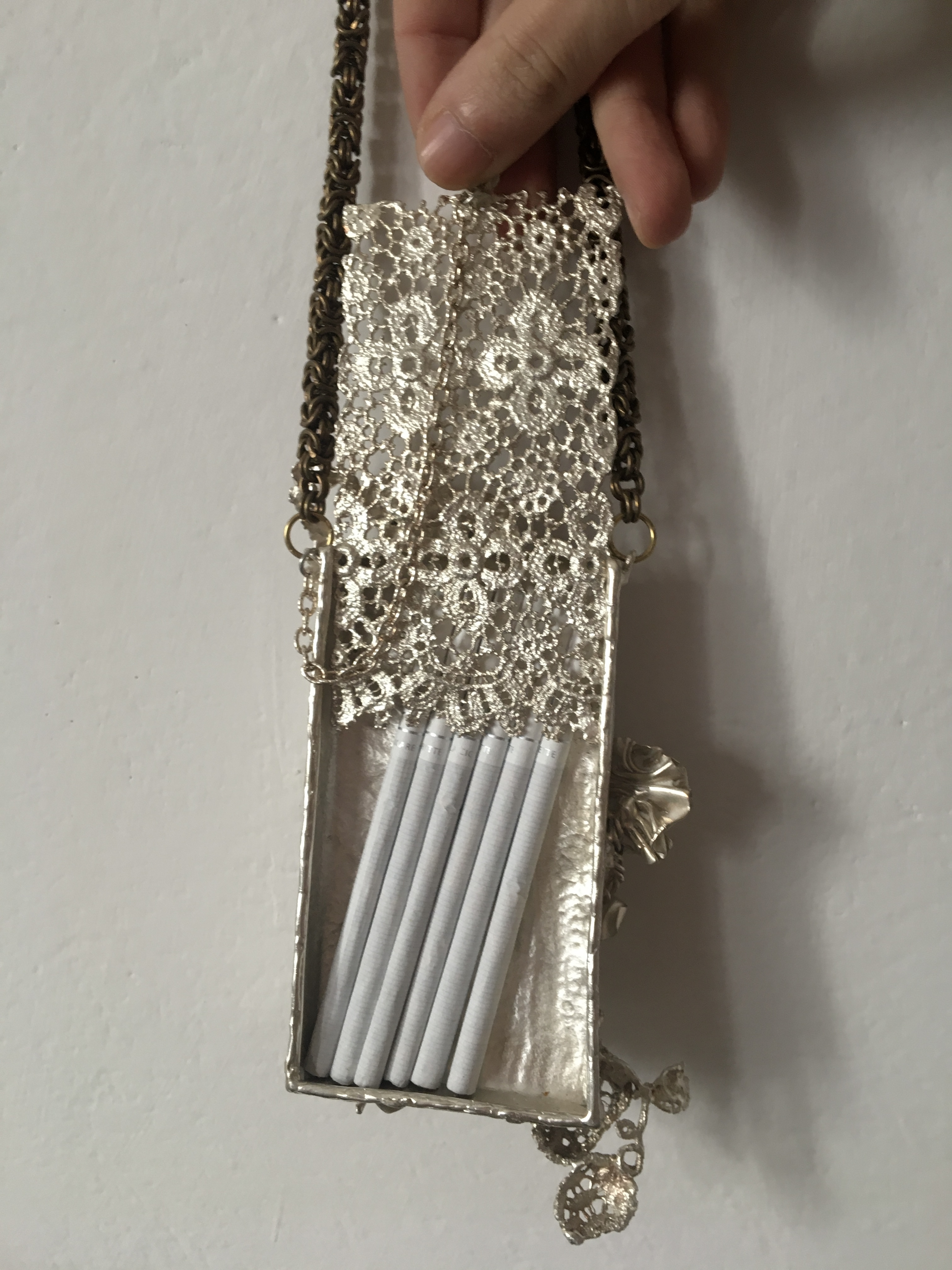
Your creations are not limited to jewelry in their common sense, but you also expand to everyday objects such as your cigarette case. What is your selection process when deciding which objects to transform into works of art? Are there other everyday objects that you hope to reinterpret in a creative way in the future and what upgrade do you think jewelry can give to the world of design?
I want to give new life and meaning to common and easily ignored objects, transforming them into works of art that are not just a physical presence, but that tell a story and convey emotions. I am often attracted to antiques: broken lace, parts of old furniture, old keys, even door handles. I hope to be able to breathe new life into them through the language of jewelry, giving them back meaning and value in the context of modern society. These objects, which may seem ordinary at first glance, carry with them traces of history and people’s emotions. I want to combine creativity with jewelry to enrich the field of design, creating a deeper emotional bond and adding new nuances.
Jewelry is not just decoration, but can become a vehicle of emotions and culture in the field of design. It is capable of going beyond its traditional ornamental function, becoming a work of art rich in stories and meaning.
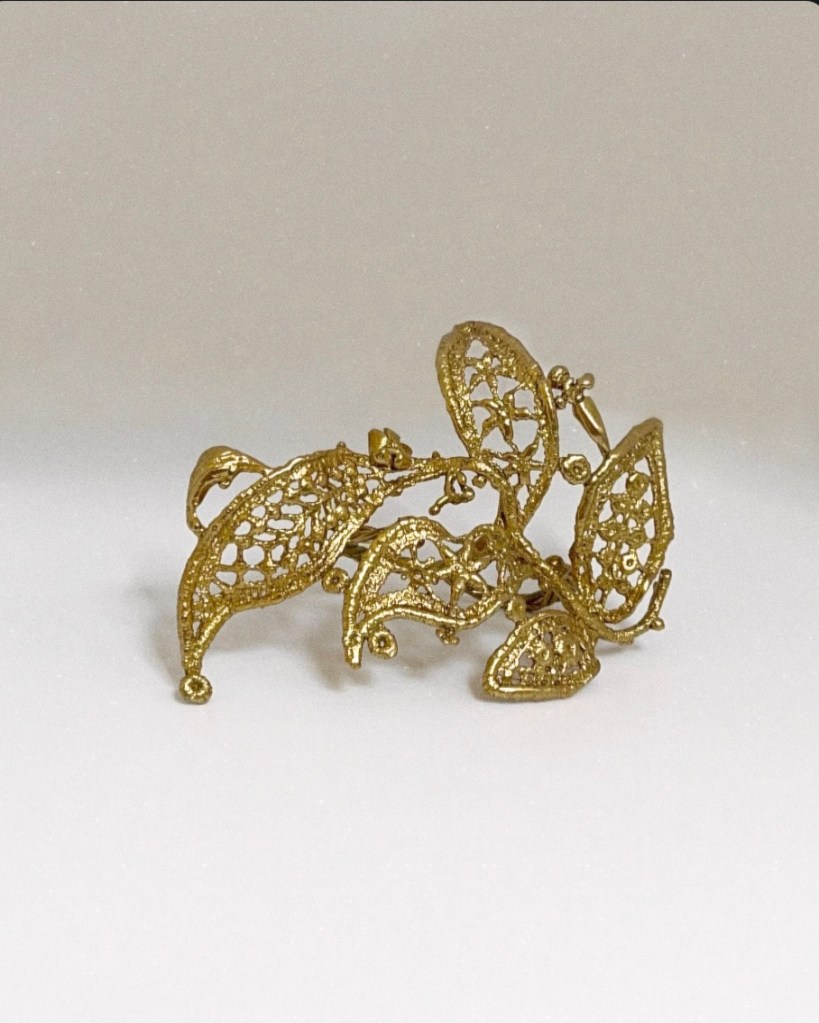
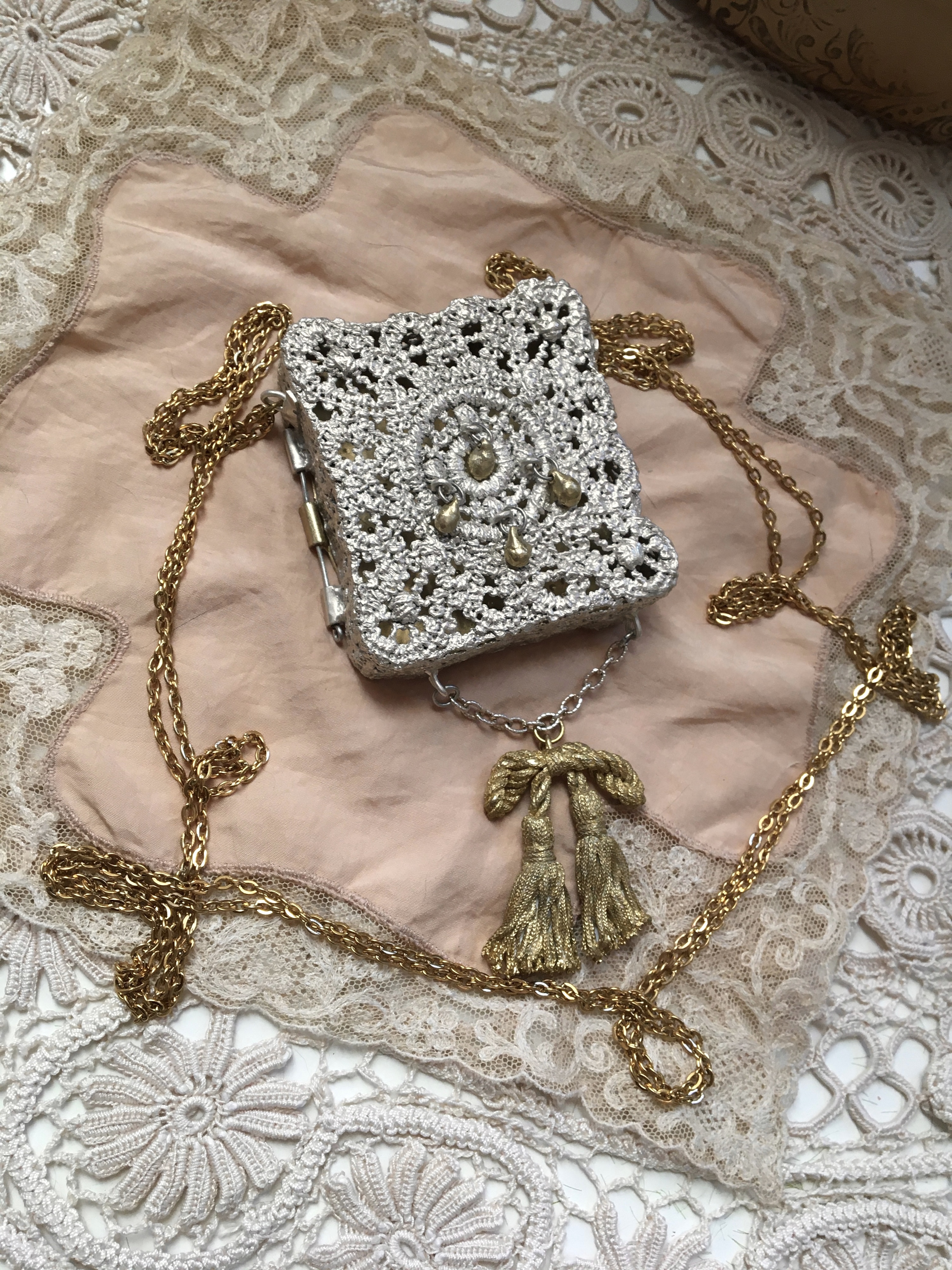
The creation of ”cimaruta”, a symbol rich in folkloristic and cultural meaning, shows a deep knowledge of history. Is there a historical period or tradition that you are particularly passionate about? How does this understanding of history and traditional customs influence your artistic practice and the narrative you want to communicate through your pieces?
I have always been fascinated by symbols, rituals and cultural meanings present in popular beliefs and traditions. I often look for inspiration in myths, folk customs and traditional art, and through jewelry, I try to bring these ancient symbols and stories into modern society.
In Italian folk magic, the Cimaruta was used by witches to protect or block the evil eye. A Cimaruta pendant can include collective images of keys, daggers, flowers and moons. It is not just an ornament, but a cultural symbol that carries with it the power of protection and fight against evil. In my art, I try to give them new life, transmitting the energy of love.
The creation of mourning jewellery addresses the sensitive topic of loss and memorialisation of loved ones. What inspired you to create these intimate and personal pieces? What emotions or narratives do you hope to evoke in your clients?
During the Victorian period, mourning jewellery became an important part of society and culture. People used it as a way to commemorate the deceased and keep the soul of the deceased alive, often seeing it as a spiritual comfort. The jewellery allowed the wearer to feel at peace and find strength in the pain of loss, becoming a bridge between the deceased and the living, reminding the wearer that although the body was dead, the soul and memories remained.
In my creation, I was inspired by this historical context. It is not just an aesthetic goal, but I hope that these pieces, as a means of conveying emotions and stories, can stimulate reflections on life and time, and allow people to feel the eternal bond of love and being loved. Death is not an end, but a transformation, an elevation of the soul.
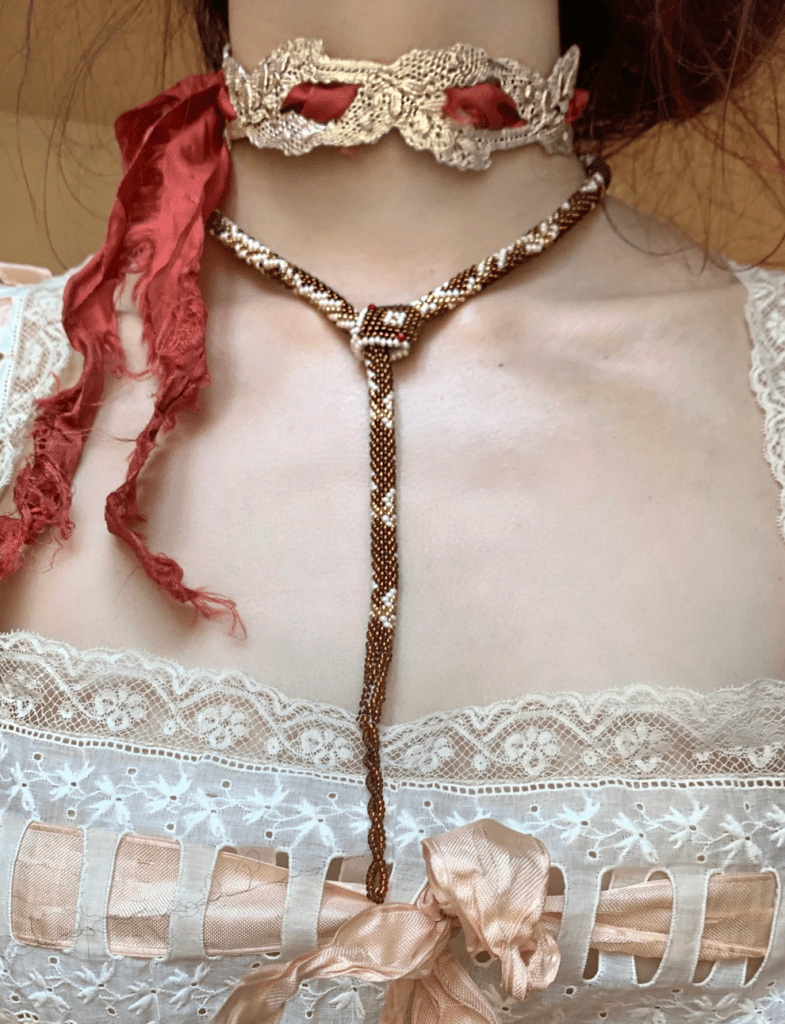
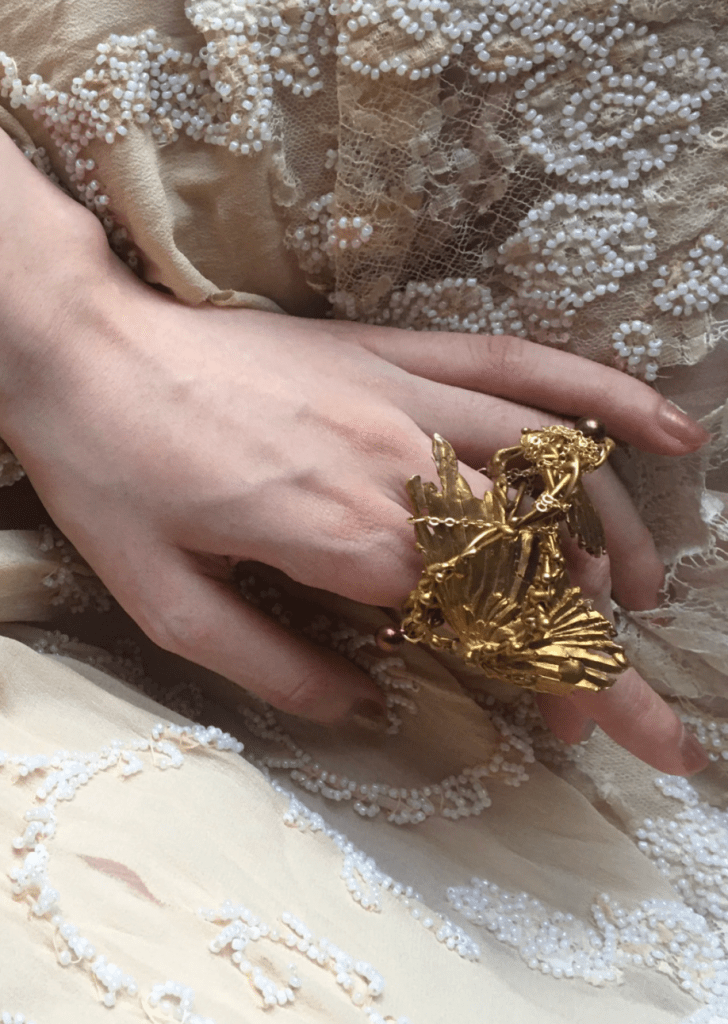
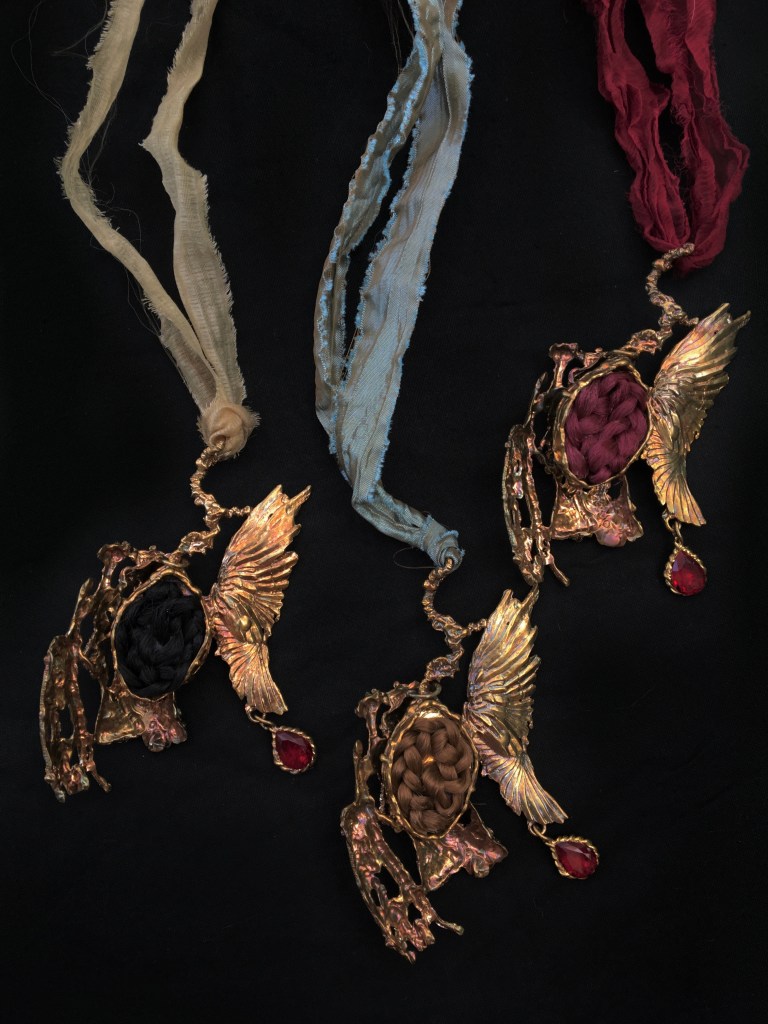
I noticed that in several shootings and in your creations the use of hair, especially braids, emerges. In many cultures, this is not only an aesthetic element but a practice full of spiritual meanings. What is your connection with the use of hair in your works?
I hope to convey a sense of continuity of life and deep emotional interconnection. Its braids and knots represent the uninterrupted flow of life and the immeasurable bond between people. In my jewelry design, the use of hair is not only decorative, but is a hidden language that tells the deep connection between people, the world, nature, and between past and present.
In relation to the photographs in which the body chain is worn on naked bodies, how do you relate to the female body, often subject to taboos and restrictive social norms? What does the celebration of the body through your art represent for you and how do you deal with today’s society that often censors the female body?
The female body is a presence full of strength and beauty, a direct embodiment of nature and life. In my creation, especially in the pieces with body chains, the female body is not only a support to display jewelry, but is the heart of artistic and emotional expression. The interaction between the body chain and the naked skin is not only a manifestation of external beauty, but a hymn to internal strength and freedom.
In many cultures and social contexts, the female body is often seen as an object of taboo or limitation, and this repression prevents women from having full control over their bodies. With my works, I hope to break these chains and redefine the meaning of the body. My art is a celebration of the female body – an expression of liberation, respect and freedom. The union of naked body and jewelry shows the beauty and unique strength of the female body, while also sending a message: the body should be free, respected and valued.
In today’s society, the female body is still often subjected to censorship and pressure to conform to standards. With my works, I try to revise these limitations imposed by censorship. I hope that my creations can stimulate a reflection on the independence of the body, encouraging women to recognize and embrace their bodies, rather than seeing them as something to be limited, hidden or criticized.
Follow LARVA JEWELRY HERE | Website: https://larvajewelry.com
Words + Interview by Elena Reggioni | Images Courtesy of Larva Jewelry
Editing + Publishing by Mira W. at MOODART School of Fashion Communication
 33 MAGAZINE