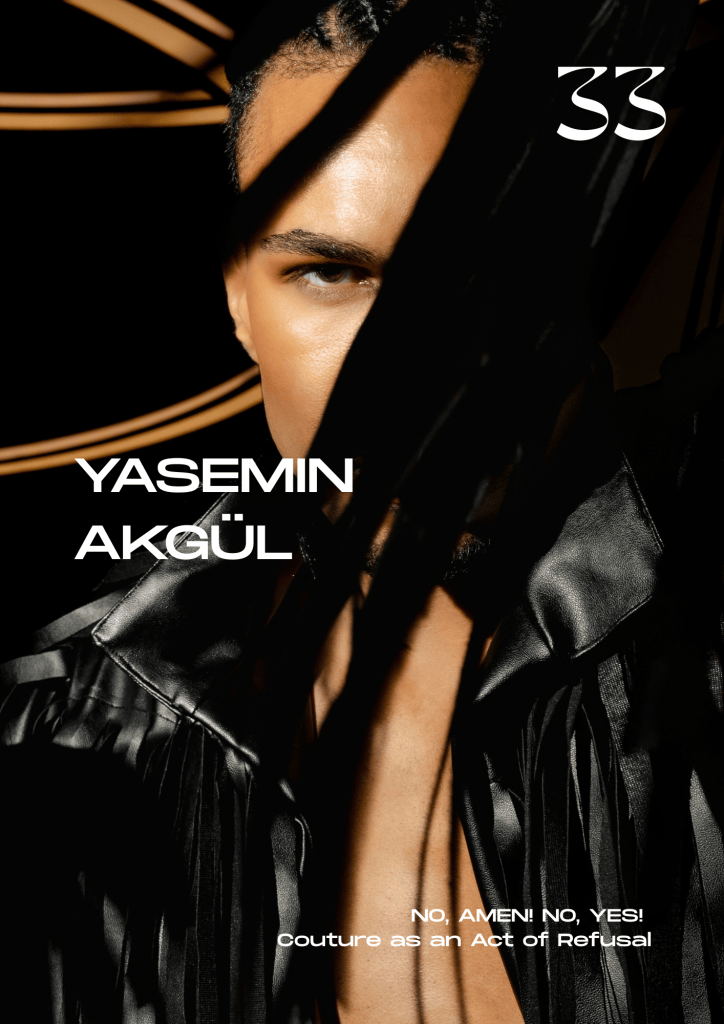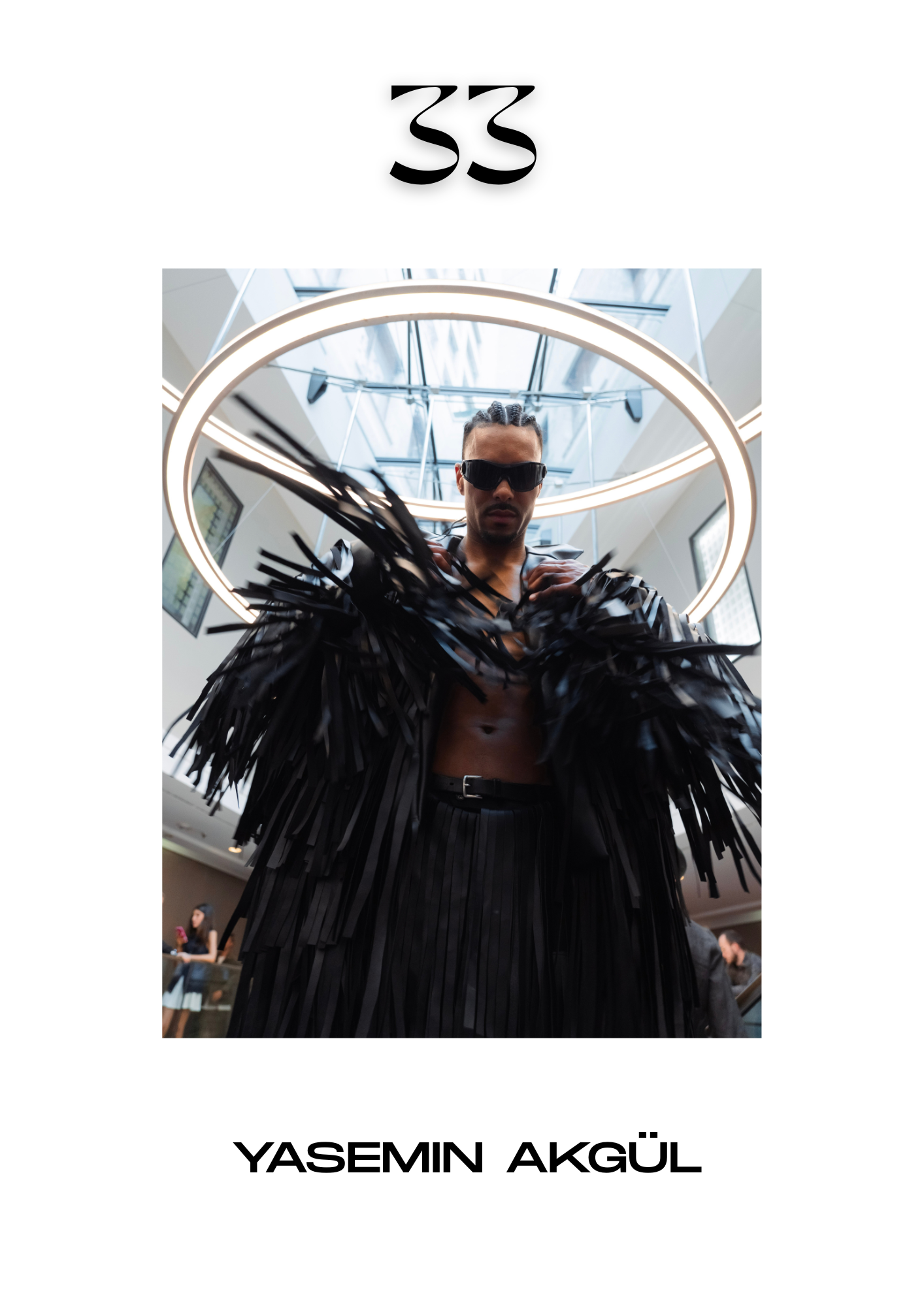
NO, AMEN! NO, YES! Couture as an Act of Refusal by Yasemin Akgül
For Yasemin Akgül, fashion is not simply something to look at. It is something to read, question and feel. Presented during Berlin Fashion Week S/S27, her eleven-look couture collection turns painstaking handwork into a personal manifesto against racism, exclusion and indifference—and an affirmation of dignity, diversity and the possibility of standing together.
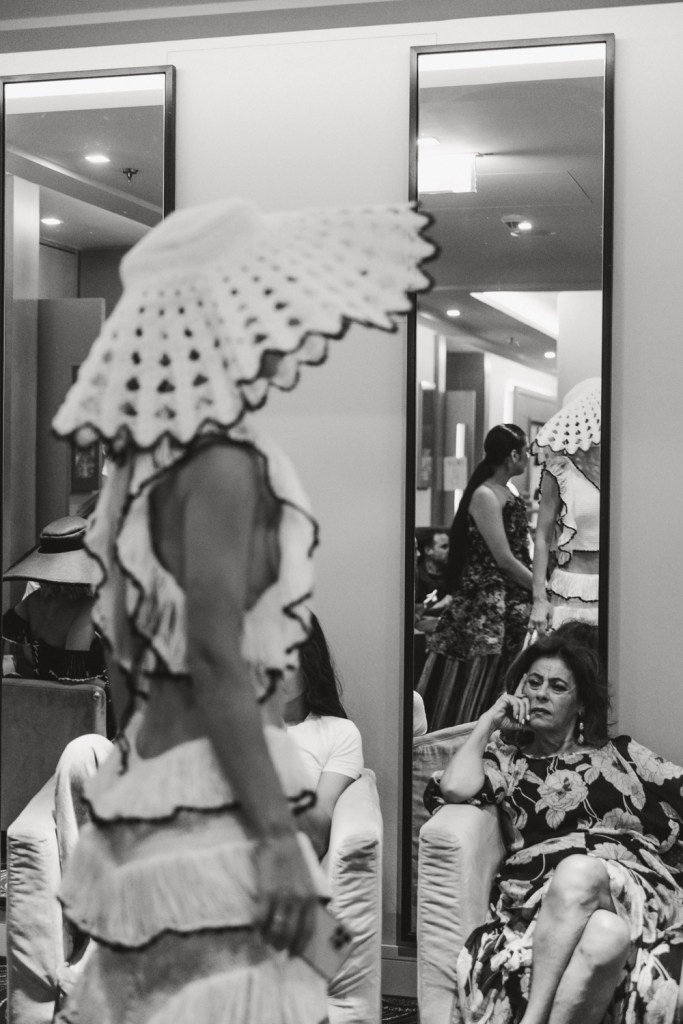
Photography: Maren Nordtorp Larsen @marennl
There are collections that ask to be admired, and collections that ask something more of us. “NO, AMEN! NO, YES!”, the new couture collection by Berlin-based designer Yasemin Akgül, belongs firmly to the latter. Presented during Berlin Fashion Week S/S27, it approaches the runway not as an escape from the world, but as a place to look directly at it.
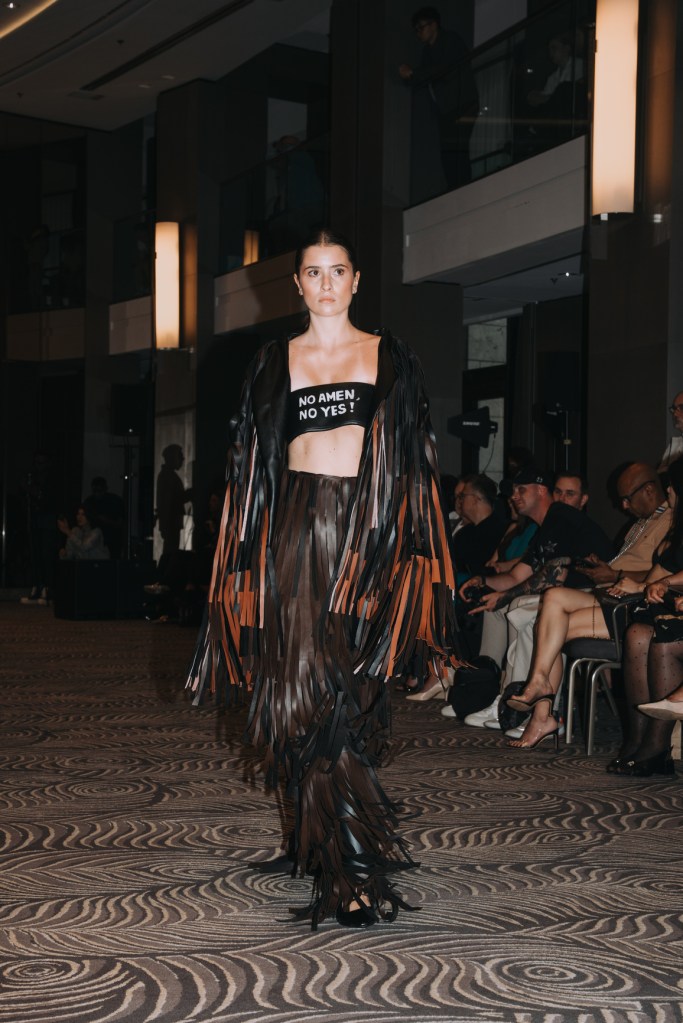
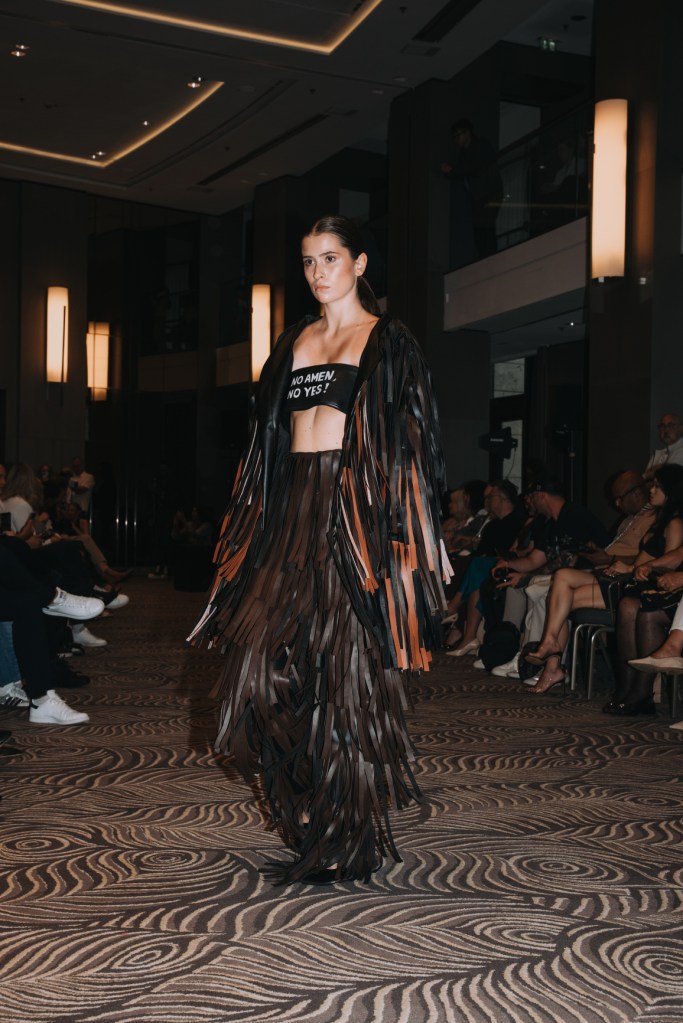
Its title sounds like a collision of voices: refusal beside affirmation, protest beside possibility. “NO” draws a boundary against racism, discrimination, exclusion and hatred. “YES” opens toward diversity, freedom, equality and human dignity. Between the two sits “AMEN”—a word that can hold faith, finality or the weight of inherited belief. Together, the words resist an easy resolution. They insist that the choice to reject dehumanisation and affirm our shared humanity is neither abstract nor effortless. It is something to be made visible. For Akgül, this is a deeply personal undertaking. “This collection is very close to my heart,” she says. “It is a personal manifesto about resistance, visibility, diversity, and standing against racism, discrimination, and exclusion.” That sense of personal conviction runs through the collection’s entire conception: not only in its messages, but in the labour required to bring them into being.
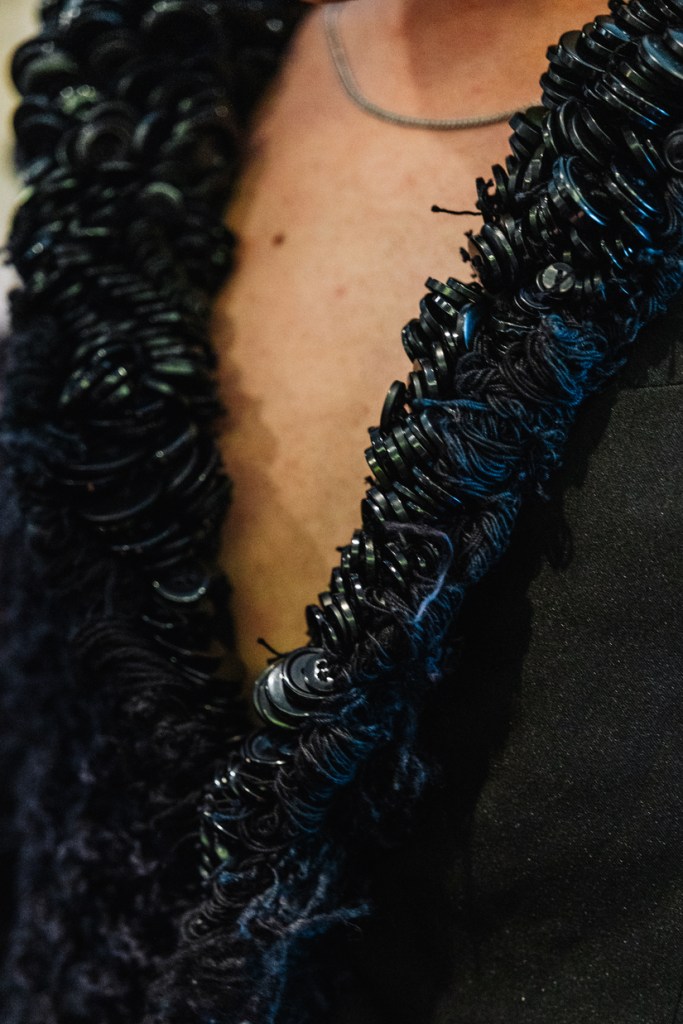
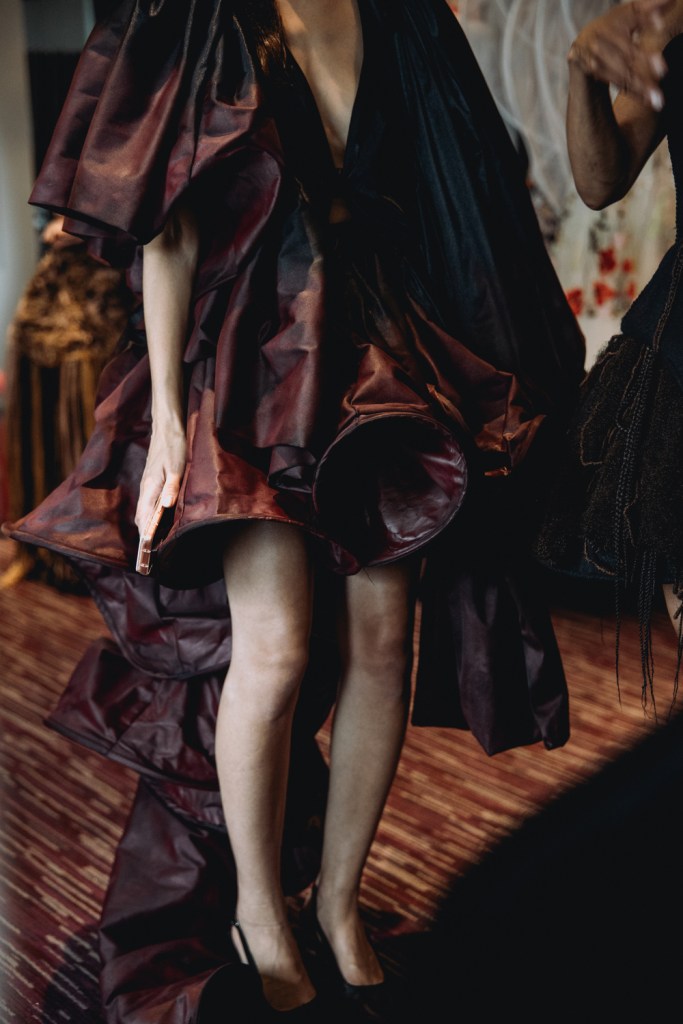
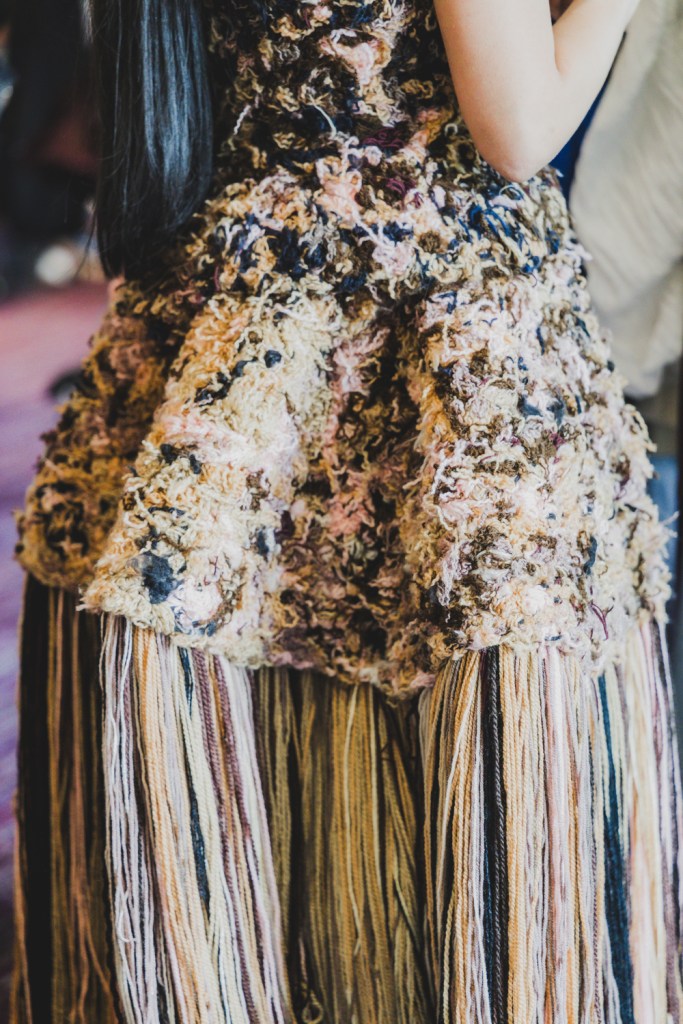
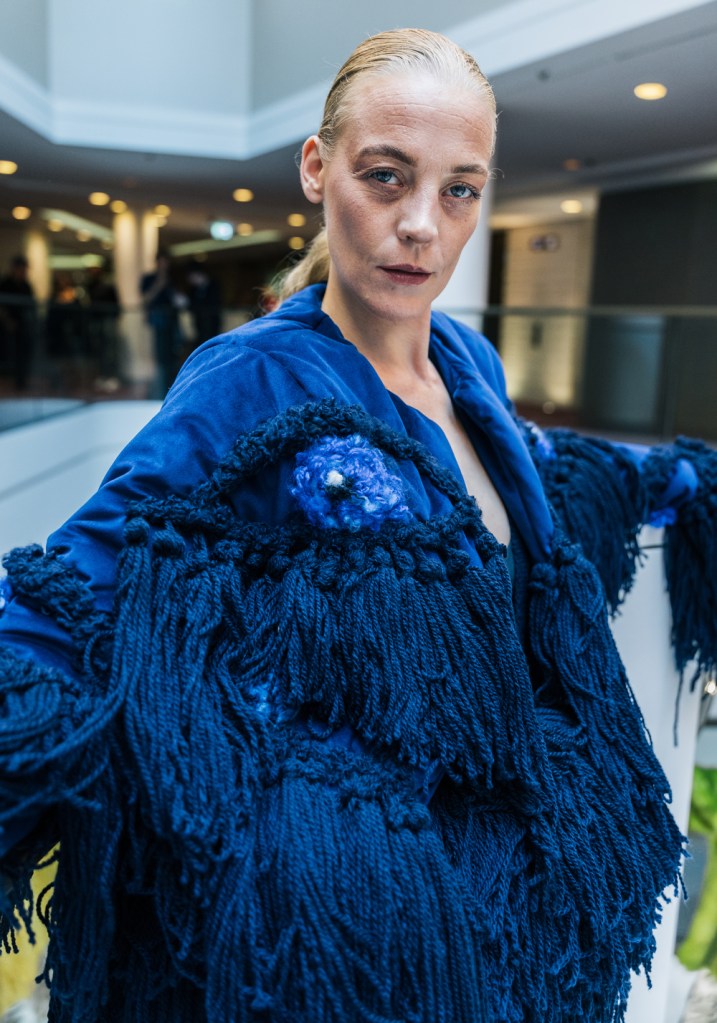
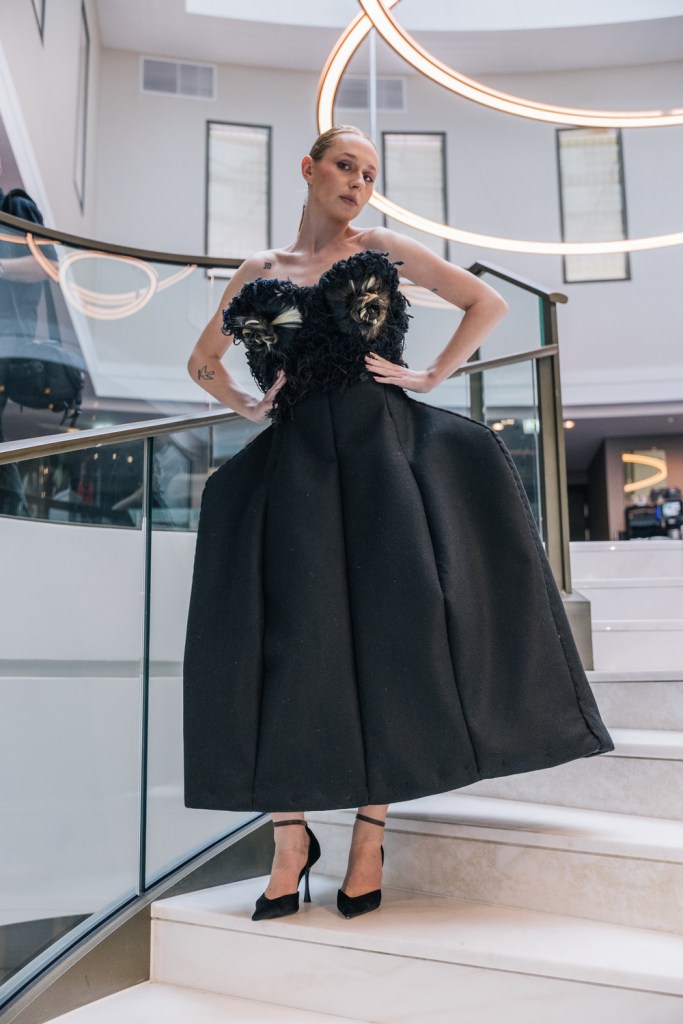
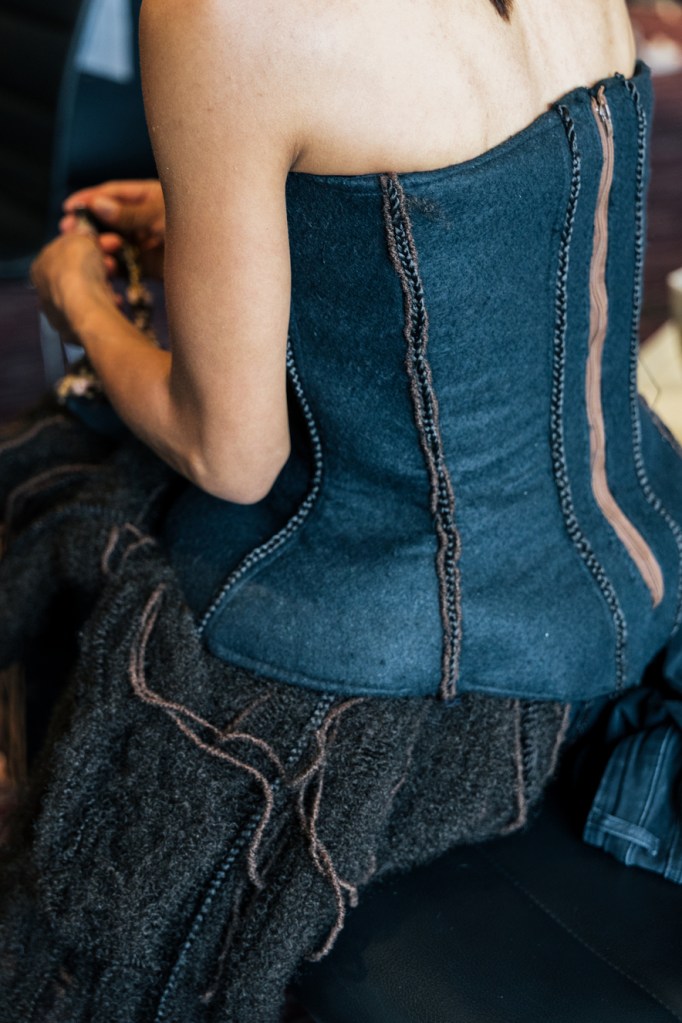
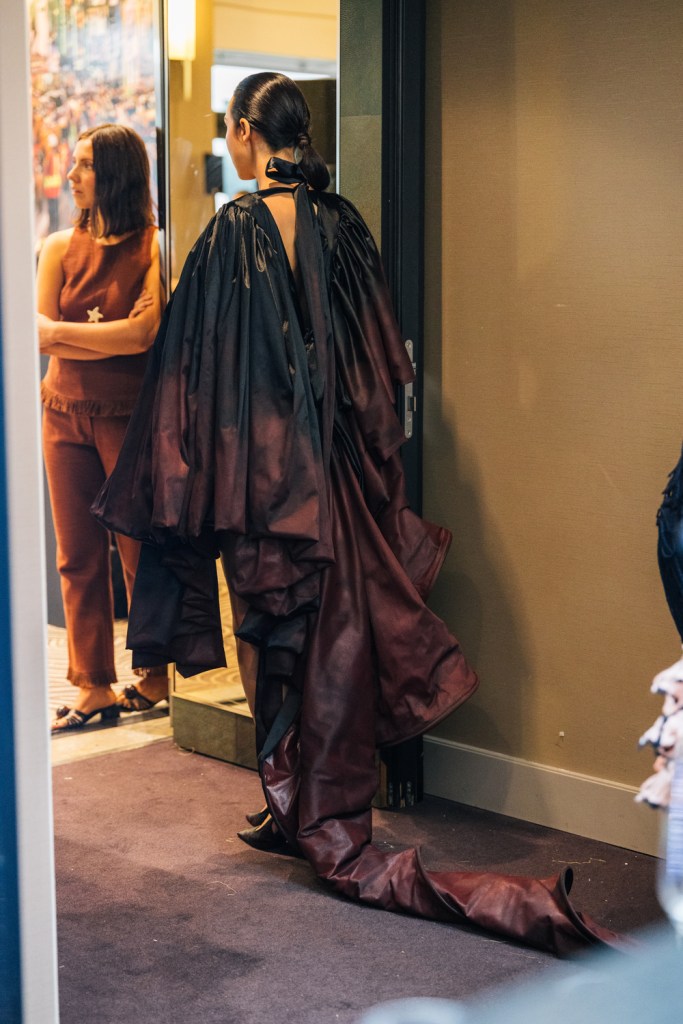
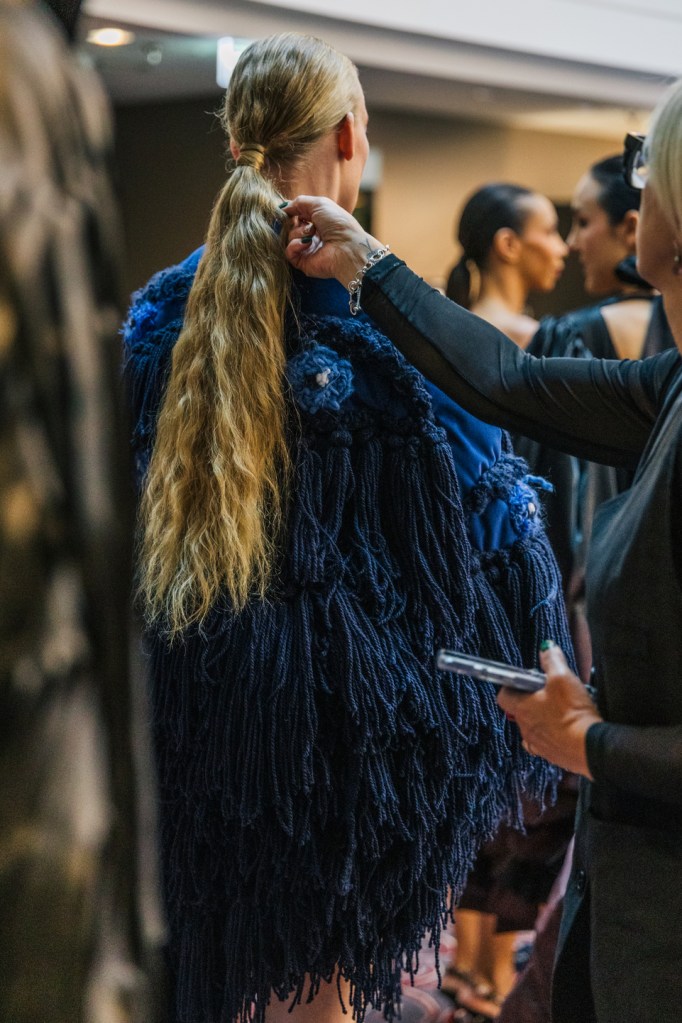
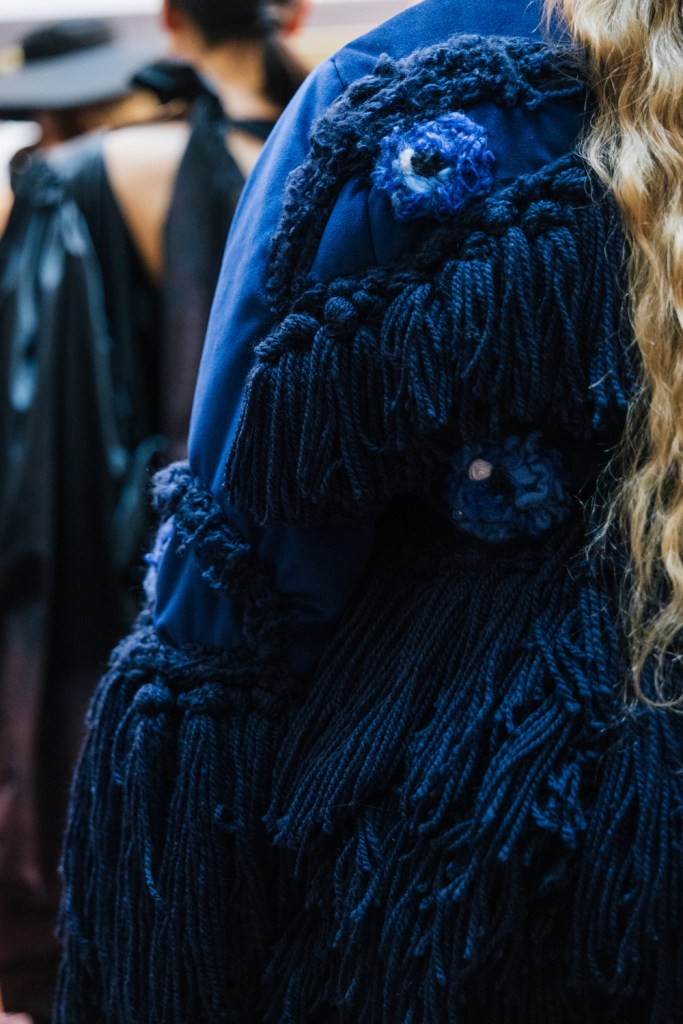
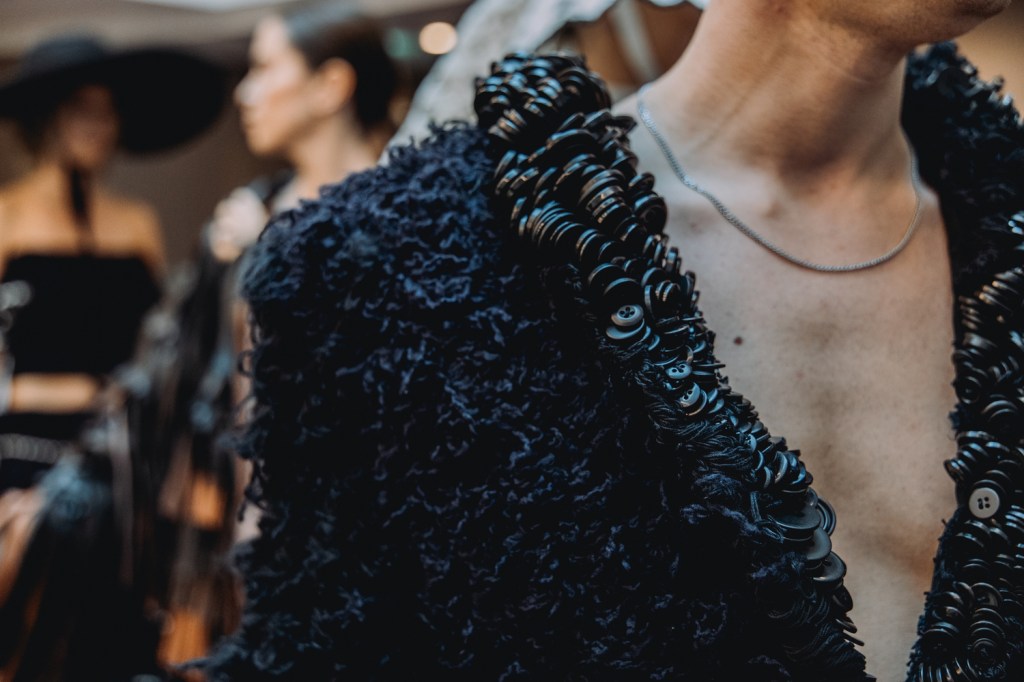
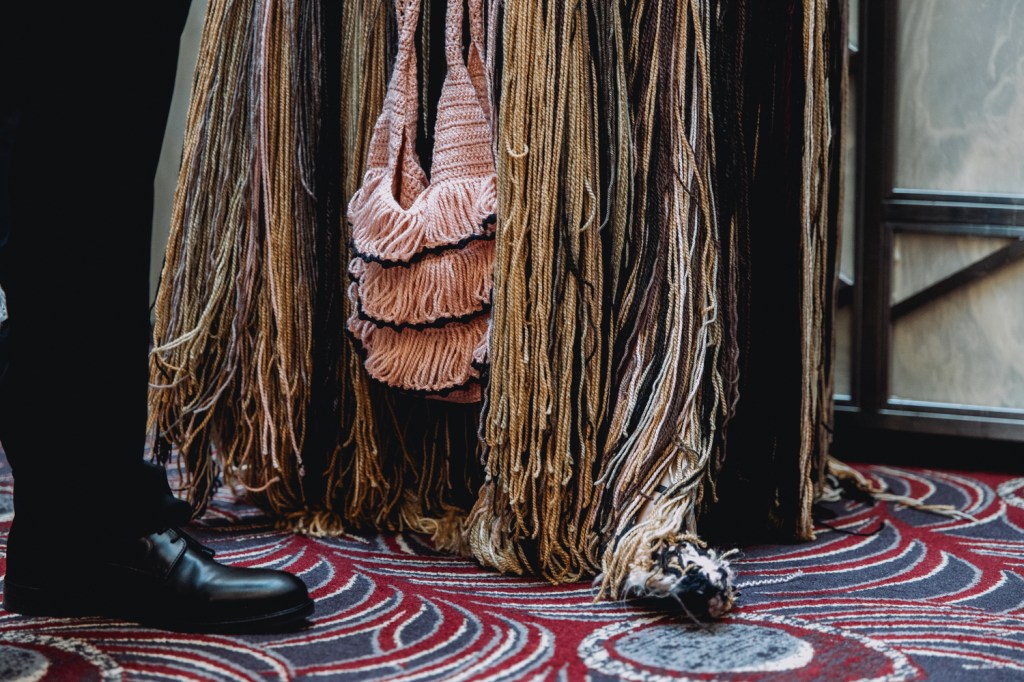
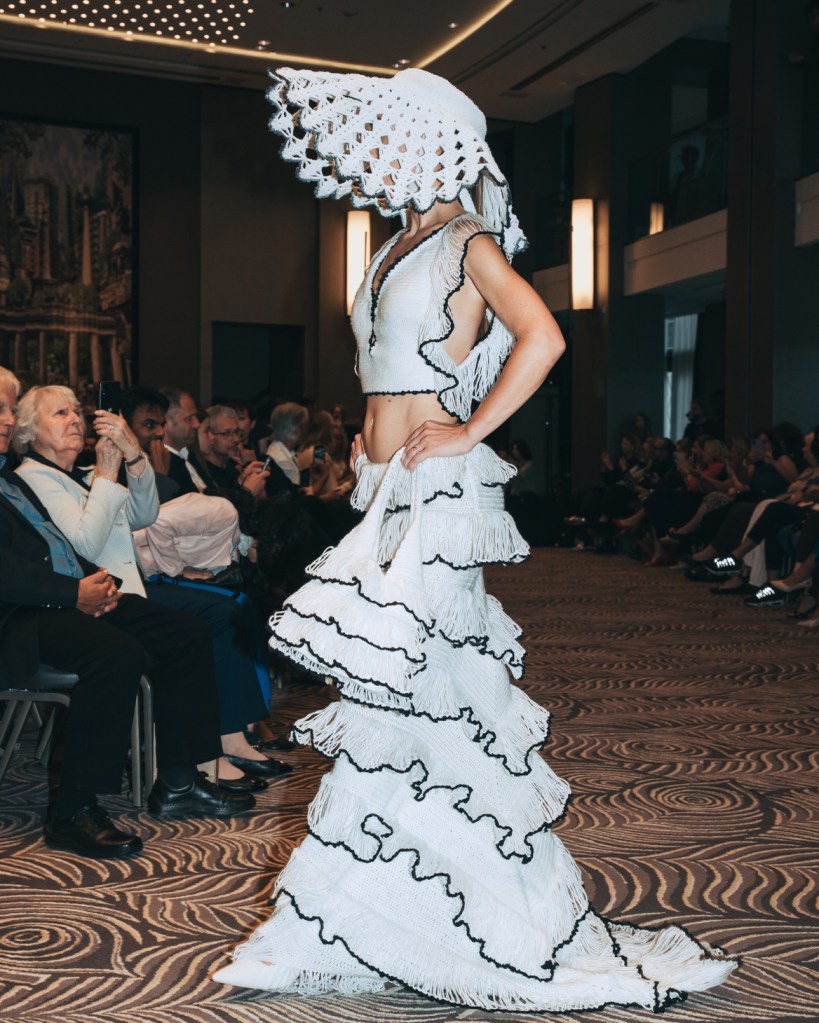
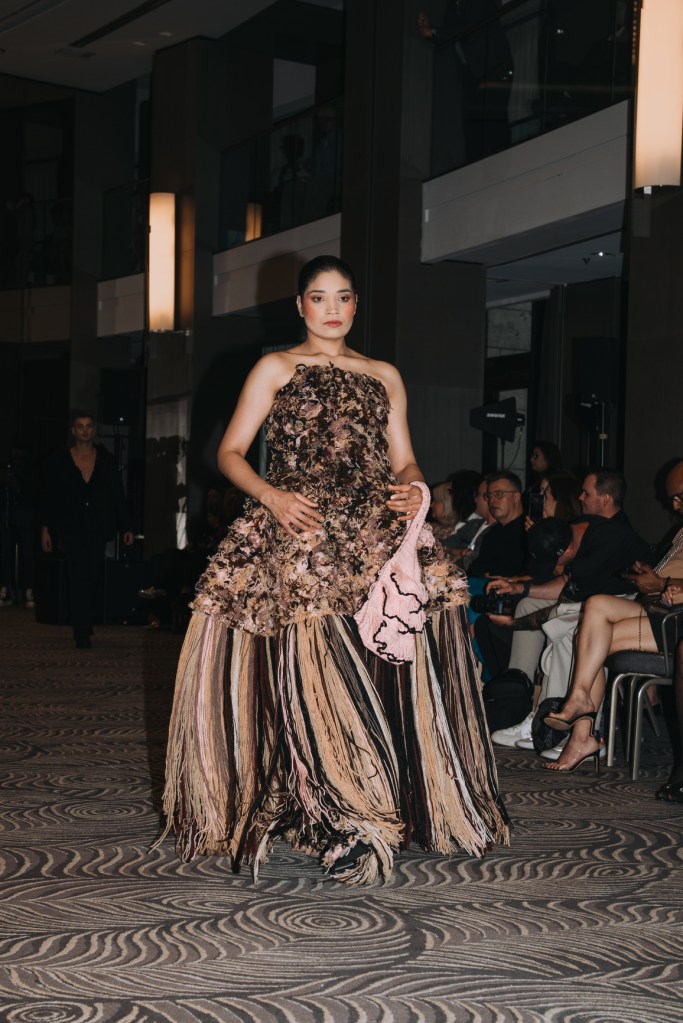
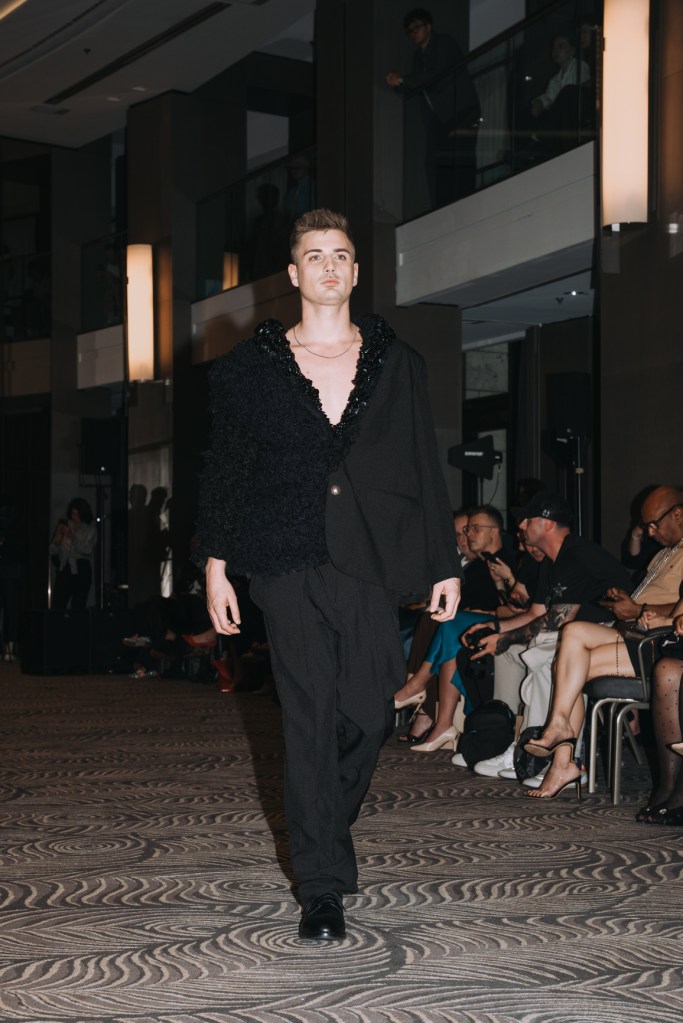
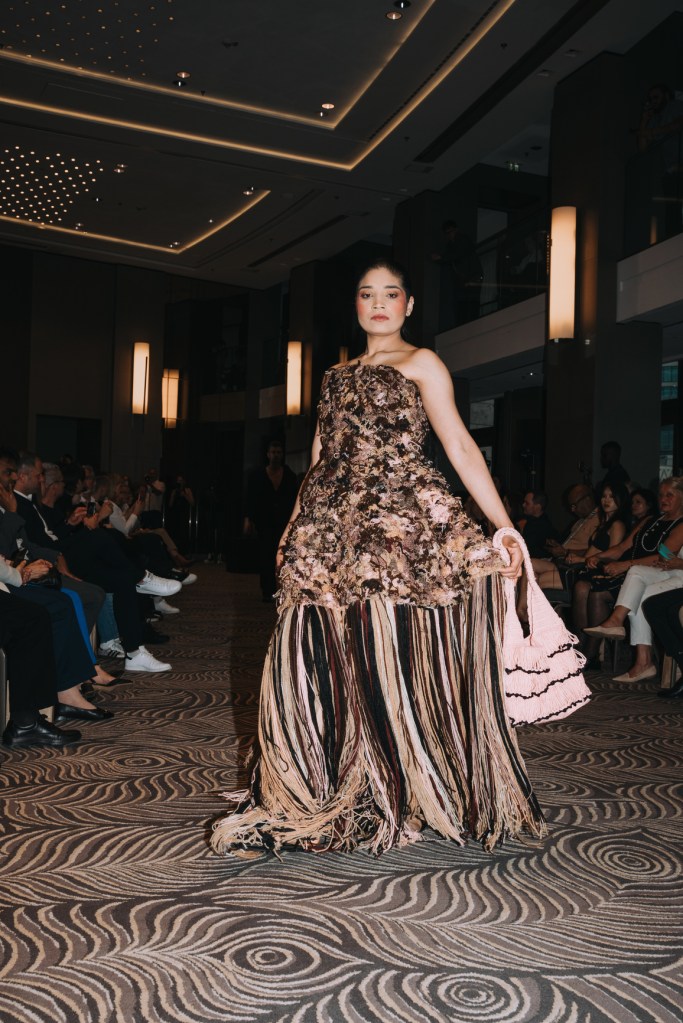
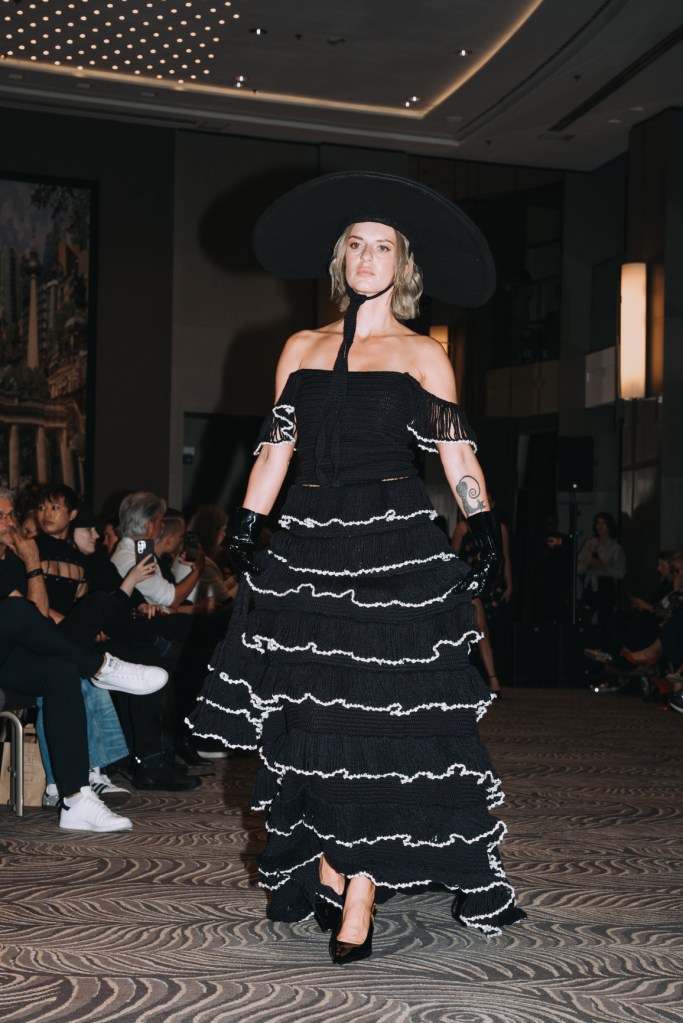
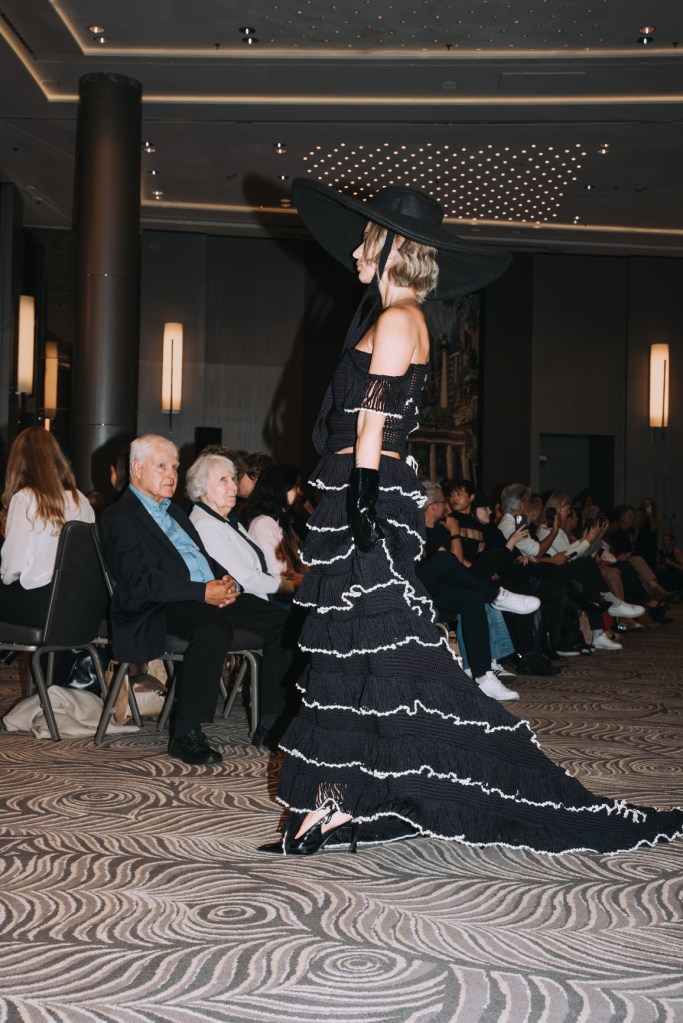
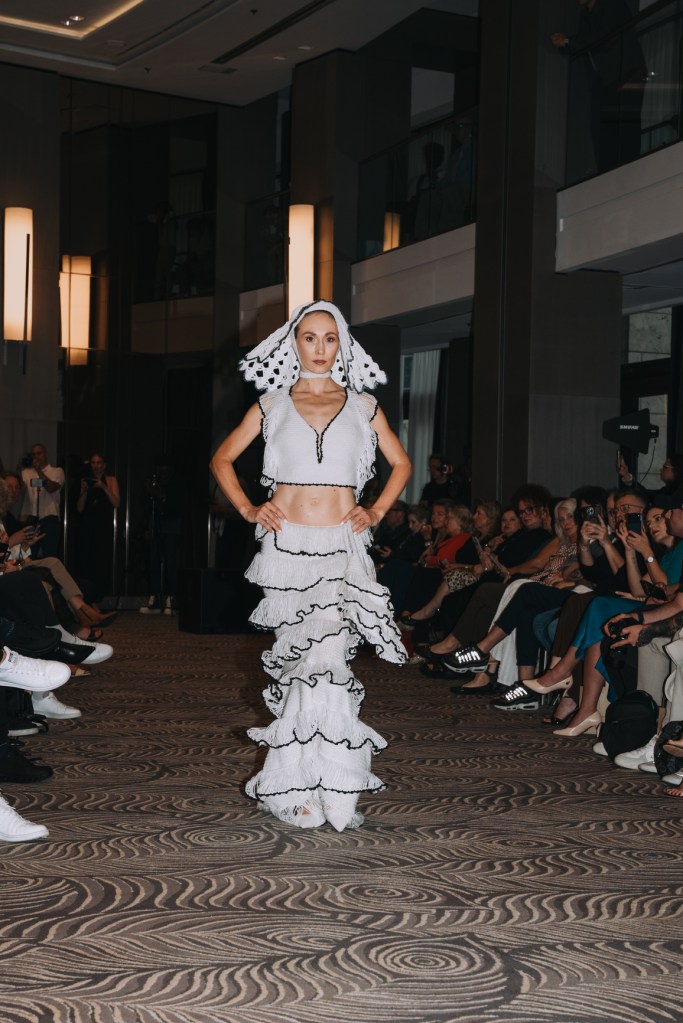
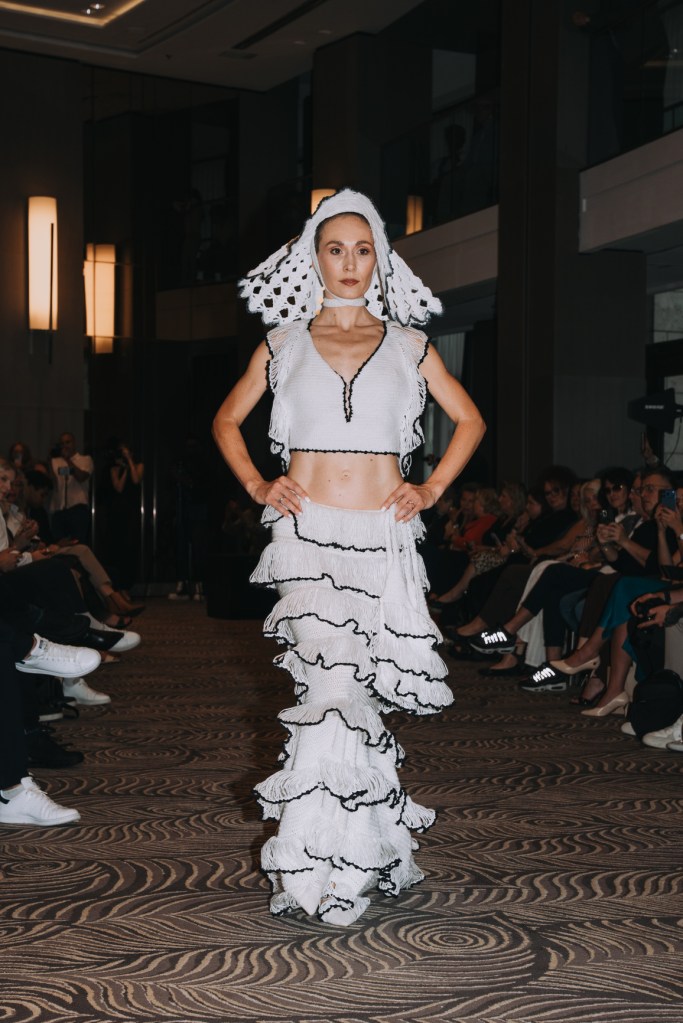
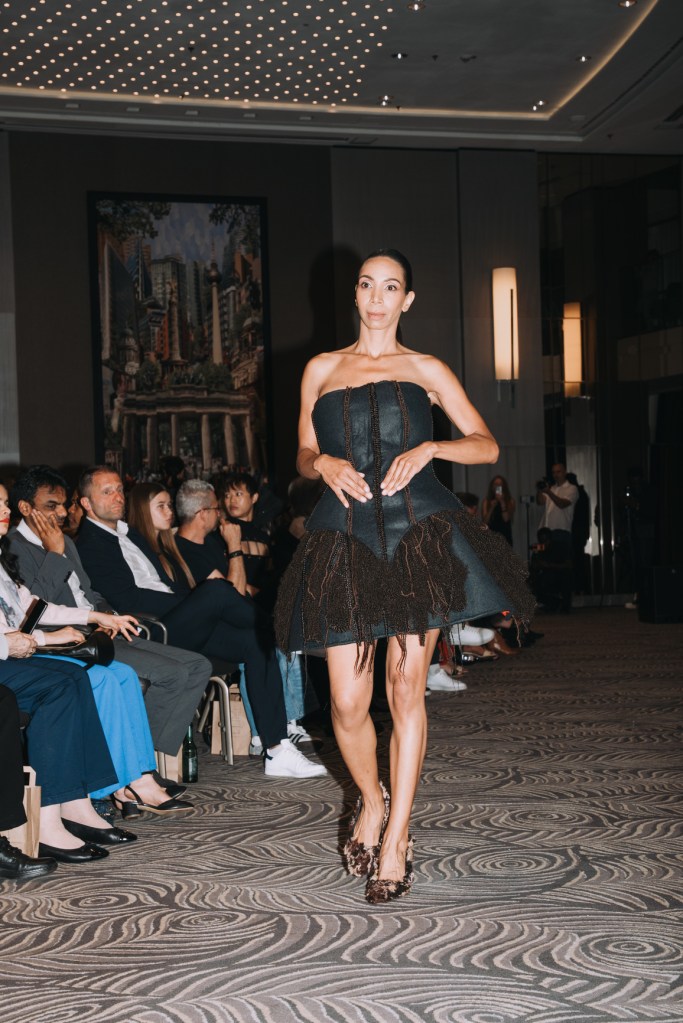
Over approximately four months, Akgül independently conceived, developed and realised all eleven looks—without a dedicated studio or production team. From research and concept development to pattern construction, craft and final presentation, the work was carried out by the designer herself. The process is part of the story. In a fashion system often defined by scale, speed and collaboration across large teams, the collection is shaped by an unusually concentrated act of authorship: one designer, working by hand, making each detail answer to an idea. The result is couture as both construction and communication. Sculptural silhouettes give the garments a striking physical presence; handcrafted textiles and crochet techniques bring the intimacy of touch into focus. Hand-painted surfaces and thousands of individually applied elements make the work feel accumulated rather than simply assembled. Each detail registers as a decision—an investment of time, attention and intention.
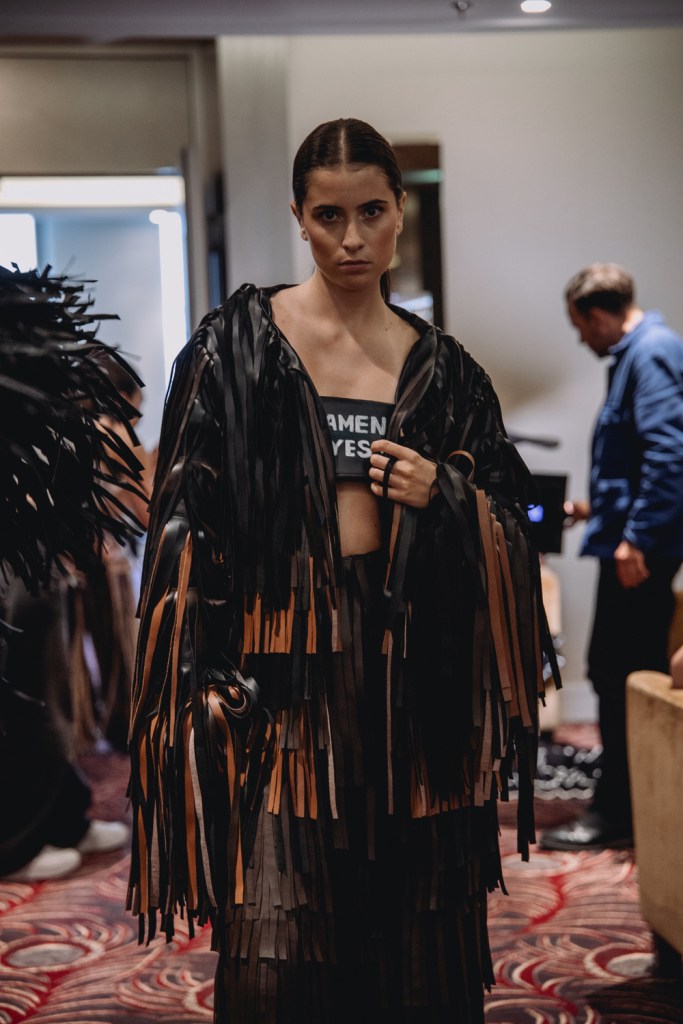
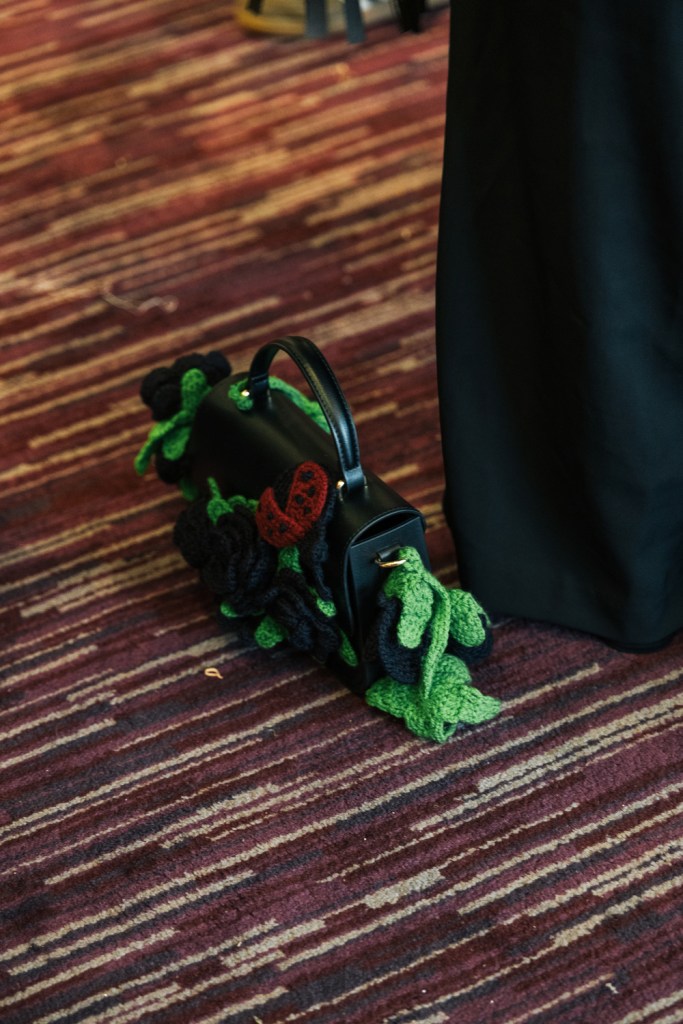
Photography: Maren Nordtorp Larsen @marennl
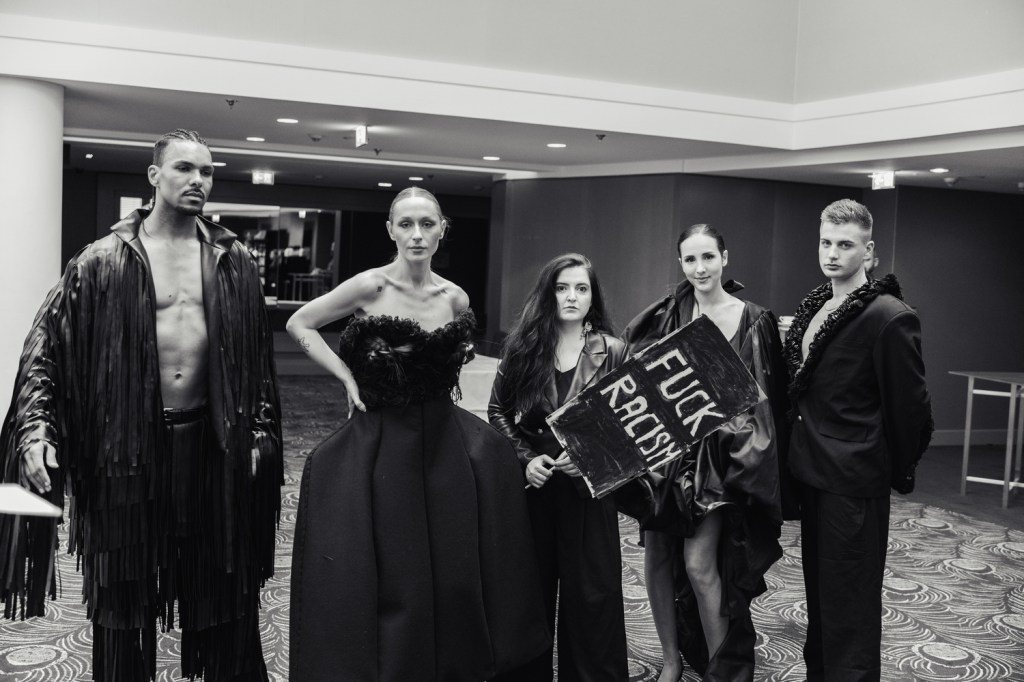
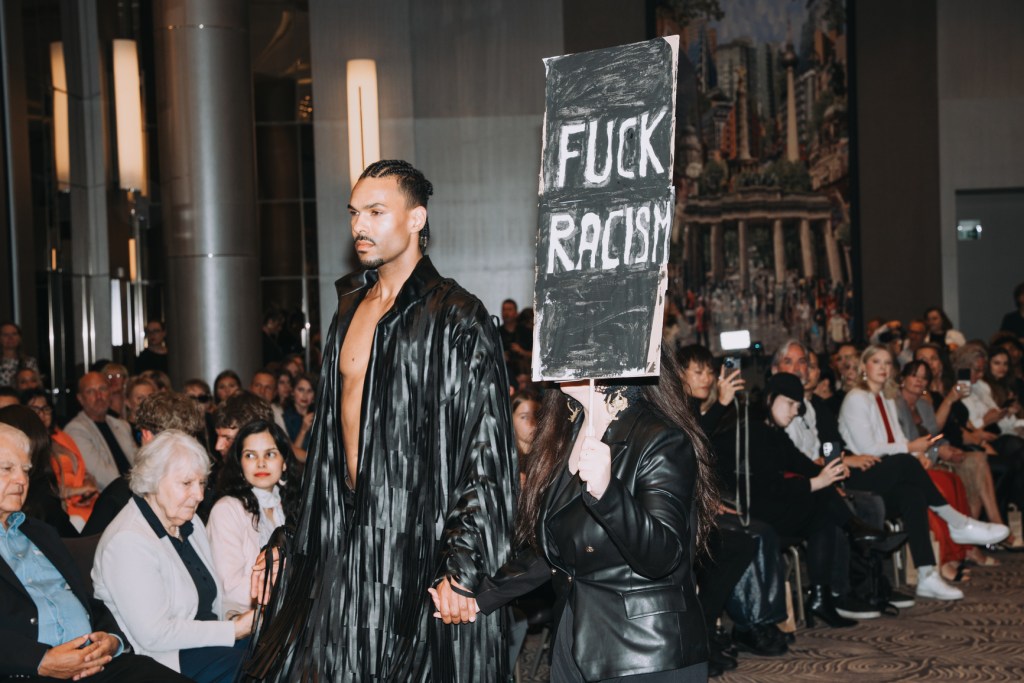
Here, ornament is not decoration for decoration’s sake. The handwork becomes a language. The garments carry their arguments on their surfaces, with statements including “FUCK RACISM” and “BE HUMAN!” placed within the collection’s visual narrative. Direct and impossible to mistake, these words interrupt the familiar distance between clothing and viewer. We are not invited to treat the garments as beautiful objects sealed off from reality; we are asked to encounter the ideas they bear.
That directness is one of the collection’s strengths. Couture can be associated with exclusivity, spectacle and rarefied beauty. Akgül uses its painstaking techniques for a different purpose: to make a statement that is at once intimate and public. The elaborate surfaces draw the eye closer, but what they reveal is not simply technical skill. They reveal a position. In this work, craftsmanship is not separate from politics; it is the means through which the politics take form. The collection’s tension between sculptural impact and handmade detail gives it a particular emotional charge. From a distance, a silhouette can read as bold and architectural. Up close, its surfaces disclose the hours and gestures contained within it. That movement—from image to detail, from spectacle to labour—echoes the collection’s wider concern with visibility. What is seen at first glance is only the beginning. Attention asks for a second look.
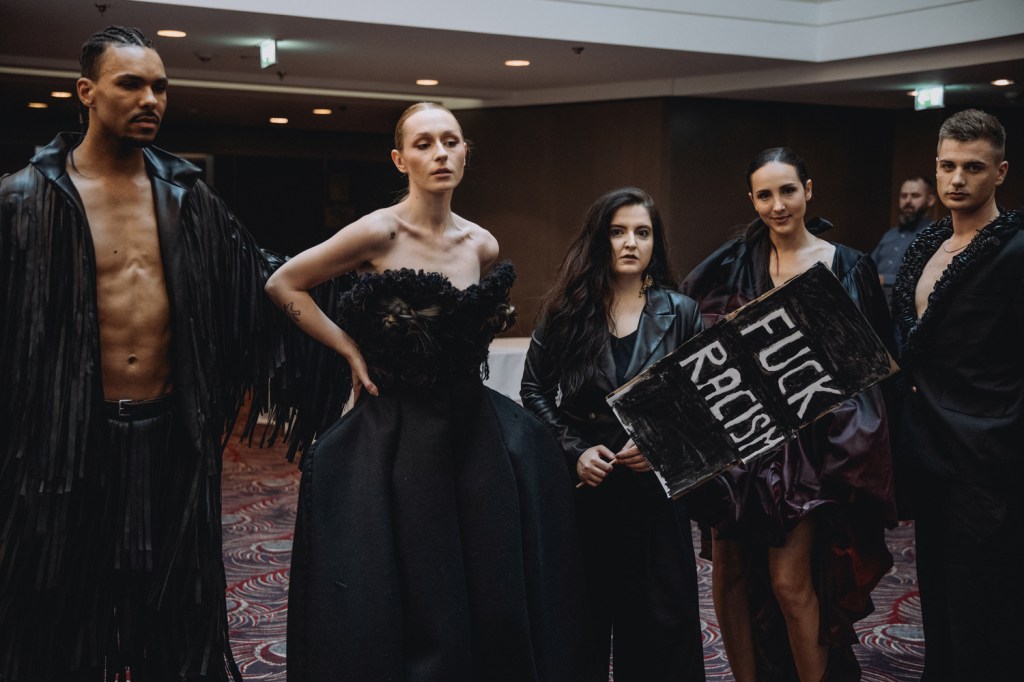
Akgül draws on personal experience, cultural symbols and contemporary social realities, bringing traditional craft into dialogue with conceptual storytelling. The garments do not offer a single, tidy account of identity or belonging. Instead, each functions as an individual statement within a larger narrative: a story about who is seen, who is excluded, and what it means to live together with dignity. Their distinctness matters, but so does their presence as a collection. Together, the eleven looks form a chorus—made by one hand, speaking to a world beyond the runway.
“NO, AMEN! NO, YES!” does not ask fashion to solve the injustices it names. Its ambition is different: to insist that fashion can participate in the conversation. A garment can hold an image, a symbol, a message; it can invite attention, provoke discomfort or create an opening for reflection. Akgül’s collection treats clothing as a medium through which social questions can be made tangible—not simplified, but brought into the room. The work’s handmade character also changes the scale of its protest. There is force in the bluntness of its slogans, but there is tenderness in the making: in crochet, in paint, in the placement of each individual element. The collection holds those qualities together without pretending they are opposites. Resistance can be fierce and painstaking. A call for humanity can be delivered through both confrontation and care. In the end, the title remains the collection’s clearest proposition. No to racism. No to discrimination and exclusion. Yes to diversity, freedom, equality and human dignity. The words are simple; the work around them is anything but. Each of the eleven looks gives that refusal and affirmation a physical form, built through time, technique and conviction.
Akgül’s couture does not offer beauty as an escape from responsibility. It proposes another possibility: beauty as a way of holding attention long enough for a message to be heard. “NO, AMEN! NO, YES!” is a collection made to be seen—but also to be answered.
IN CONVERSATION WITH YASEMIN AKGÜL
Yasemin, your journey into fashion design is quite fascinating. Can you share with us the pivotal moments that fueled your passion for this field? What specific experiences or influences guided you along this path?
I don’t see my journey as something that began at a specific moment—I feel like I was born into it. Fashion was never something I discovered later; it was always part of my world. Growing up, I was constantly surrounded by the process of creation. Watching garments come to life shaped my understanding of fashion very early on—not just as something visual, but as something deeply emotional and intentional.
There was never a question of whether I would follow this path. It was a quiet certainty I carried with me from childhood. Over time, that instinct evolved into a conscious direction. Moving through different environments and experiences—especially living in Berlin—pushed me to see fashion not only as a craft, but as a form of expression that can carry meaning, identity, and perspective. That shift—from simply creating to creating with intention—was the moment that truly defined my path. That was the moment I stopped just creating—and started creating with purpose.
With your mother being a trained seamstress, how did her craft and teachings shape your understanding of clothing as a form of artistic expression? Can you share any specific lessons that have stayed with you?
My mother is both a professional teacher and a trained seamstress, and has always been my greatest role model. Everything I have achieved today is deeply rooted in what she taught me. I learnt far more from her than just the various techniques of sewing. She gave me a deep understanding of the craft – from fabric selection, embroidery and knitting, through weaving, to draping and pattern construction. I absorbed these fundamentals at a very early age, long before I began any formal training.
It was never just about technique, but about understanding how clothing is created, how materials behave, and how form and intention merge. This way of thinking continues to shape my work to this day.
I do not see clothing as a purely decorative object, but as a deliberately constructed expression – a language of structure, material, and movement. One of the most important lessons she taught me is that true quality requires time, precision, and respect for the process. This attitude shapes everything I create. After successfully completing my IHK tailoring apprenticeship at the Mediencollege in 2018, as well as further training in make-up and hair (2019) and photography/multimedia manager at the Chicocihan Academy (2020), I began my fashion design studies at Atelier Chardon Savard / Macromedia in Berlin in 2021, graduating in 2025 with a Bachelor of Arts (B.A.). Prior to this, I worked in a bridal fashion atelier, where I was involved in creating bridal and evening gowns and was able to deepen my understanding of couture, precision, and detailed craftsmanship. At the same time, I gained practical experience working in the studio and as a dressing assistant at Berlin Fashion Week, further developing my understanding of the processes and structures of the fashion industry.
But I never started from scratch. The foundation was already there – and it shapes everything I create today.
Your work beautifully intertwines fashion with activism. How do you approach the integration of social themes into your designs? What motivates you to use your collections as platforms for advocacy?
My work is rooted in the philosophy of slow fashion—where meaning, intention, and responsibility take precedence over speed and trends. I design not for the moment, but for what endures. Trends come and go, but a powerful message stays with you; it resonates, lingers, and invites reflection long after the garment is seen. Each collection begins with a clear purpose. I use fashion as a platform for activism—giving voice to ideas, struggles, and narratives that need to be seen and heard. For me, design is not only about aesthetics, but about creating awareness and challenging perspectives. In a system driven by consumption and speed, my work stands for slowness, depth, and consciousness. I want my designs to make people pause, to think, and to feel. Fashion should not only exist to be admired—it should question, communicate, and carry meaning. My goal is to create pieces that transcend aesthetics and function as statements—designs that embody activism, provoke dialogue, and remind us that fashion can be far more than appearance; it can be a voice.
Cultural and personal stories seem to play a significant role in your creations. How do your Turkish heritage and experiences in Berlin inform the essence of your designs and the stories they tell?
My work is deeply rooted in cultural and personal narratives, particularly at the intersection of my Turkish heritage and my experiences in Berlin.
I grew up in a Turkish cultural context characterised by a rich visual and symbolic language – a culture in which craftsmanship, detail and meaning play a central role. Every element carries meaning here, from textiles and colours to shapes and patterns. This has instilled in me an instinct to design with intention, so that clothing is not merely an aesthetic object, but a vessel for history, identity and emotion. Cultural and personal narratives form the foundation of my work. My Turkish heritage is central to this. It is a culture with a deep tradition of craftsmanship and a strong visual language, in which materials, colours and shapes always carry meaning. This influence has shaped my understanding of clothing as a vehicle for identity, history and expression.
Berlin stands in contrast to this. The city is open, direct and characterised by diversity. It challenges me to define my own position and to articulate my voice clearly. The tension in my work arises from the interplay between my cultural background and the reality of Berlin. It is within this tension – between origin and the present, tradition and evolution – that my design language develops. I draw inspiration from this connection.
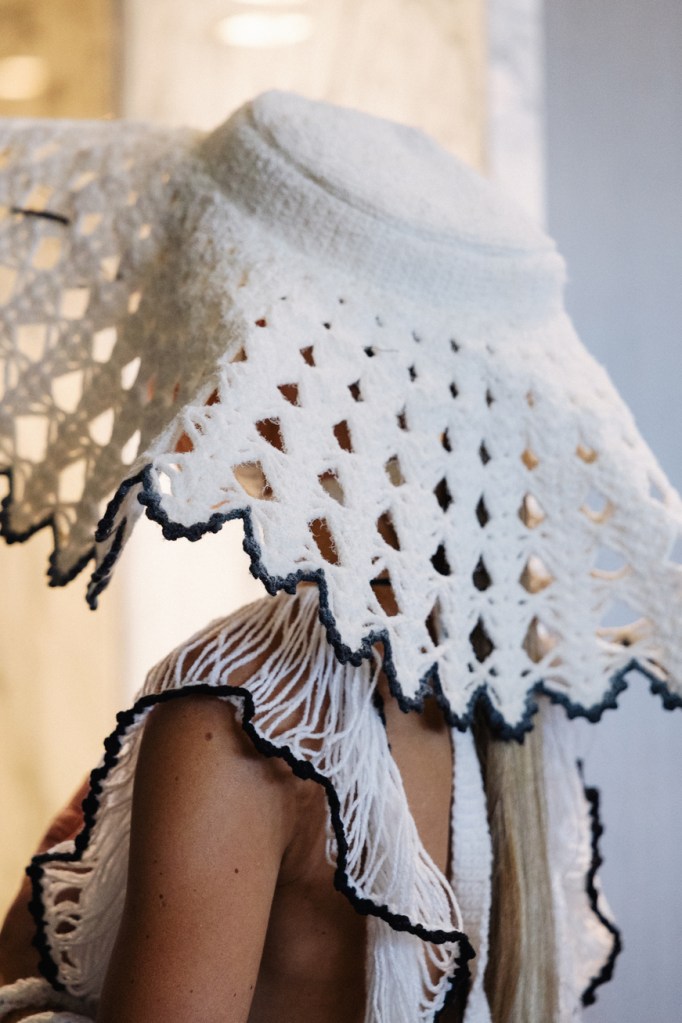
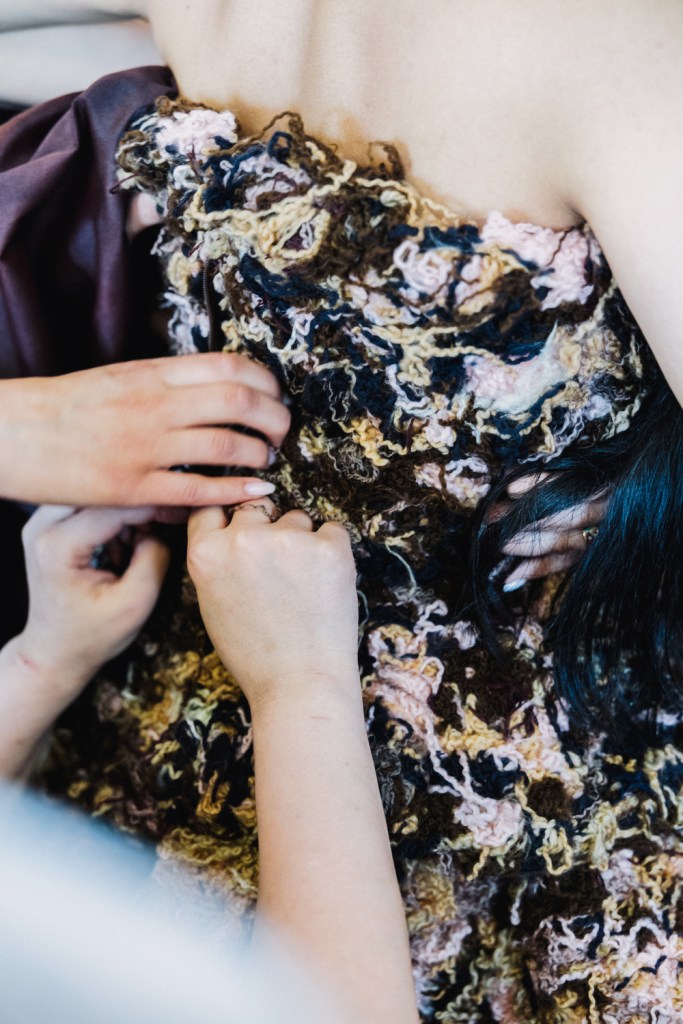
Photography: Maren Nordtorp Larsen @marennl
Your collection, “Human,” premiered at Milan Fashion Week last year. Could you provide insights into the themes and emotions you intended to express through this collection? How does it reflect your stance on social inequality?
“Human” is my personal manifesto on social inequality. With this collection, I wanted to confront the “Human” unfolds from minimalist white silhouettes into voluminous, luxurious garments — a symbolic journey from poverty to privilege. Through this visual transformation, the collection highlights the widening disparities in modern society, revealing how wealth and power shape our world while questioning the invisible structures of inequality, wealth and power. Crafted from chiffon silk, pure silk, satin, velvet, faux leather, lace, and brocade, each garment in the collection is a masterclass in haute couture. Adorned with intricate embroidery, red-dyed Swarovski crystals, pearls, hand-painted fabrics, and precise fabric manipulation, every piece radiates grandeur, drama, and elegance while conveying a profound message: fashion can be both breathtaking and meaningful — a stage for dialogue, a statement, not mere decoration. Golden Baroque ornaments on dresses and suits, asymmetrical-collared blazers, sculptural bags — with or without candles — and bold statement earrings punctuate the collection with striking accents, transforming each garment into a sculptural, commanding presence that embodies power, resilience, and visual storytelling.
An artistic collaboration with my brother, Ümit Kamil Akgül — acclaimed graphic designer, illustrator, and visual artist — elevated the “Human” collection to extraordinary heights. His hand-painted fabrics transformed multiple garments and sculptural bags into wearable masterpieces, turning each piece into a powerful canvas for storytelling, rebellion, and artistic expression. Through this collaboration, the collection engages with the systems of power, privilege, and invisibility that shape our society.
“Human” is about the reality we live in — power, privilege, and those who are left unseen. I do not aim to create something purely beautiful; instead, I expose the contrast. The luxury, the richness, and the craftsmanship stand in tension with the inequality they represent. For me, fashion is never neutral — it reflects the systems we live in. Human is my statement on social inequality, and a confrontation of who is seen, and who is not.
As an independent designer aiming to launch a slow-fashion couture label with a social conscience, what unique challenges do you face in today’s fashion industry?
As an independent designer building a socially conscious slow fashion couture label, my work deliberately goes against the grain of the industry. The greatest challenge is the contradiction between time and value. Slow fashion demands patience, precision and a clear stance – whilst the industry is often characterised by speed and short-term trends. Holding on to this tension and not giving it up is essential for me.
At the same time, independence means working without fixed structures – without secure resources and without predefined platforms. This is a challenge, but also a great freedom: every decision, every silhouette and every message remains entirely in my hands. Another challenge is communicating my message clearly. If fashion carries a social statement, it must remain understandable and consistent – especially in a world that often perceives only the exterior. For me, these challenges are not obstacles, but part of my ethos. They show what I stand for and why I am following this path.
What are your hopes for the future of your brand and its impact?
My hope for my brand is to become a strong, confident voice—unapologetic, self-assured, and independent. A brand that moves forward without looking back, without asking for permission.
I want to build something fresh and powerful, a brand that exists beyond categories and conventions—focused on essence rather than labels. A brand that stands for individuality, where anyone can see themselves reflected. At the core, it is about activism—about using fashion as a platform to question, to challenge, and to create awareness. My hope is that the brand not only speaks, but also gives others the courage to find and use their own voice. Ultimately, I want to create something that is honest, bold, and meaningful—something that lasts.
A note to your future self.Stay true to your voice. Do not dilute your vision to meet expectations.You chose a path that demands courage, patience, and conviction—never forget why you began.
Create with intention. Let every piece carry meaning, every detail serve a purpose. Trust your instincts, even when the path feels uncertain. That inner strength is what defines you. And above all, remember: your work is not just about fashion—it is about impact, power, and influence. Protect your vision. Stay close to your instincts, even when they are questioned. Not everything needs to be understood immediately. What matters is that the work remains honest—everything else will follow.
Photography: Maren Nordtorp Larsen @marennl
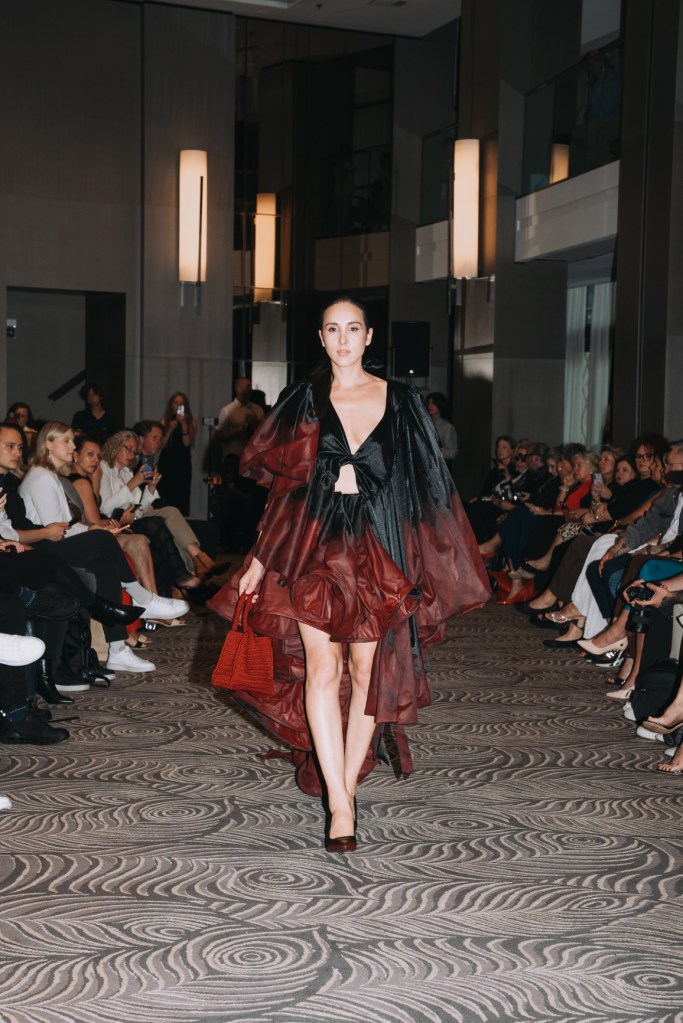
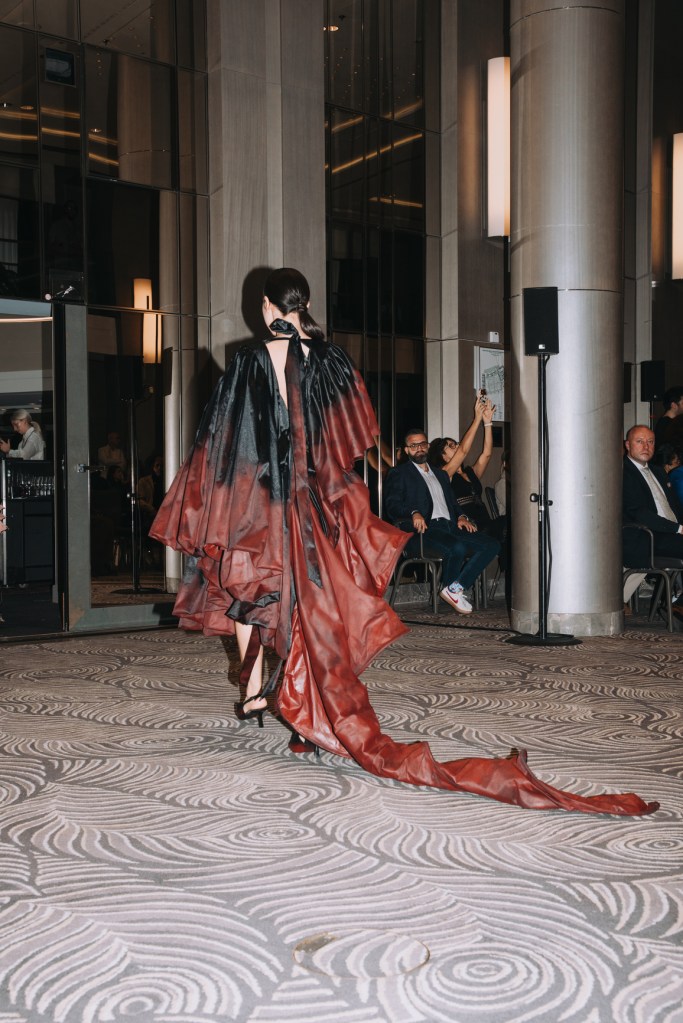
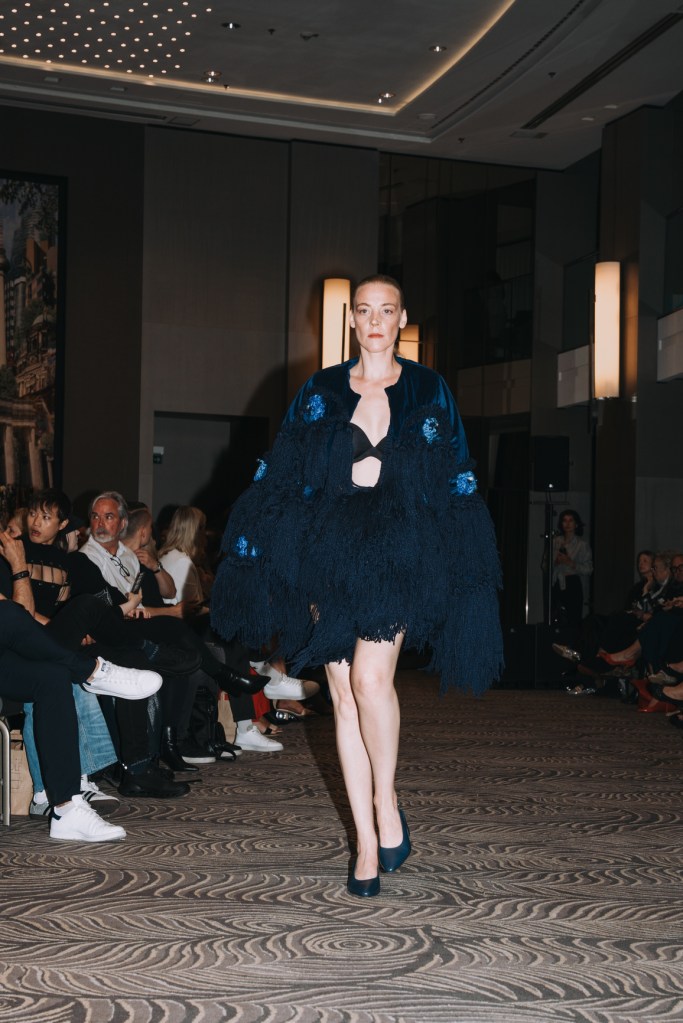
Photography Hanni Fazekaš – Instagram @hannifazekas_photo
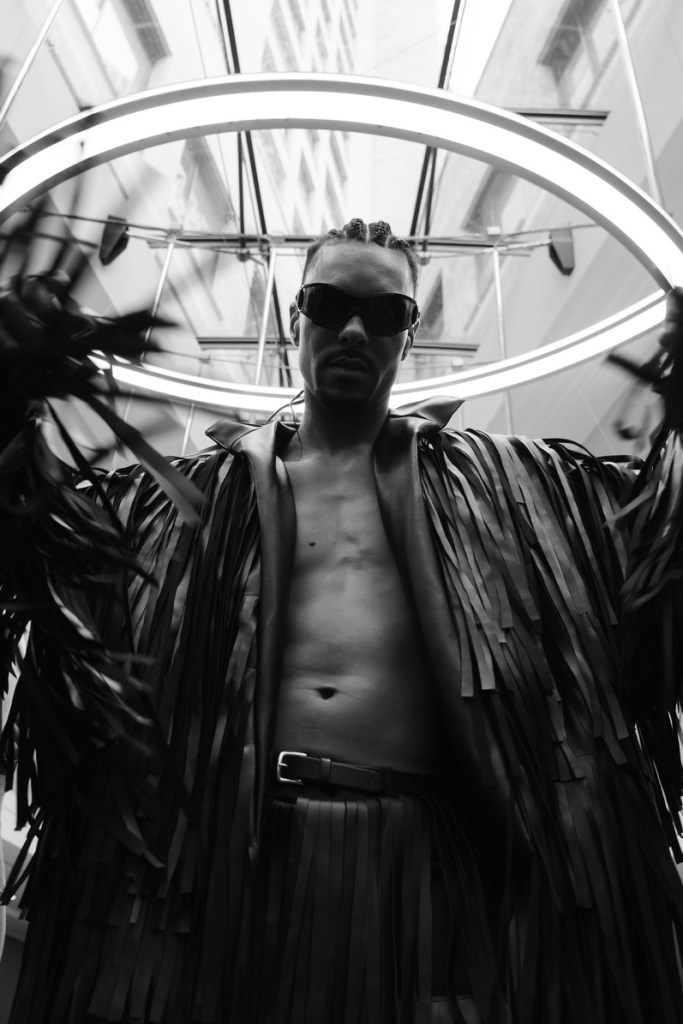
Follow Yasemin Akgül HERE
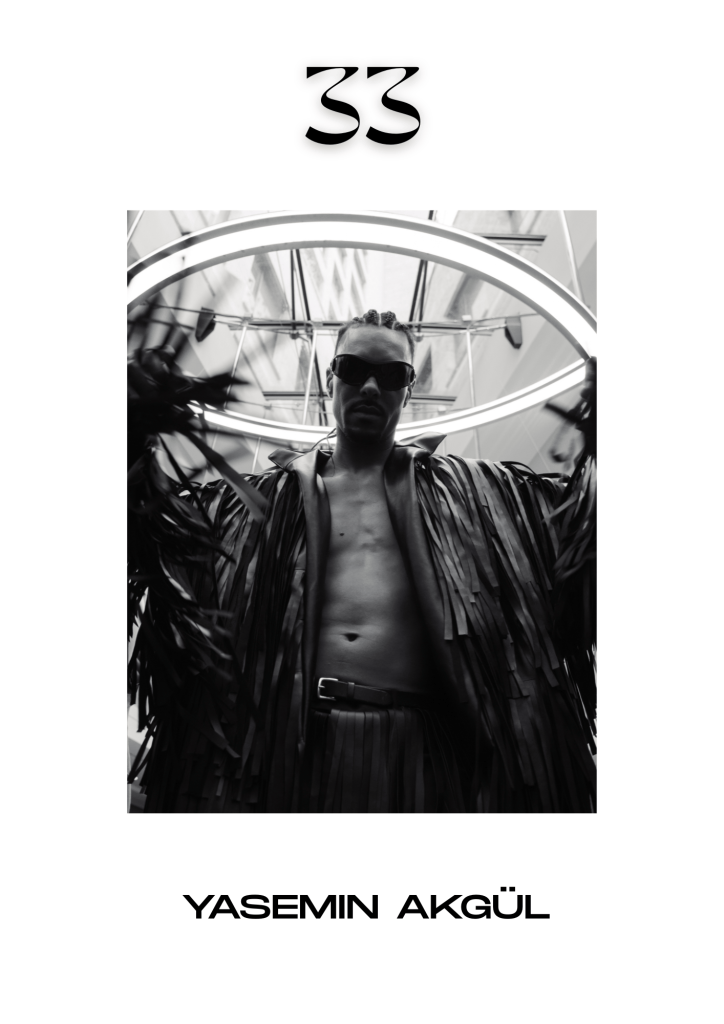
COVERS CREDITS_
Photographer: Manfred Sebastian Oberacker @meister_of_peace
Produktion: MSO.BERLIN @mso.berlin & All Time Mvie @all.time.mvie
Model: Eliob Demofike / Instagram: @_eliobx
Production & Show Direction: Kasia Stefanow at Mystyle-Events Satis Fashion
+
Photography: Julia Kwaśniewska @kwasno.photo