

A reportage by Nicole Zia
I keep asking myself where to start. There’s something almost dishonest about pretending a fashion week can be reviewed — as if what happens on a runway could be scored, filed away under “good” or “not for me.” What I actually have isn’t a review. It’s a week of watching and listening, and letting things sit with me longer than they were probably meant to. This is an attempt to write down what I couldn’t stop thinking about afterwards.
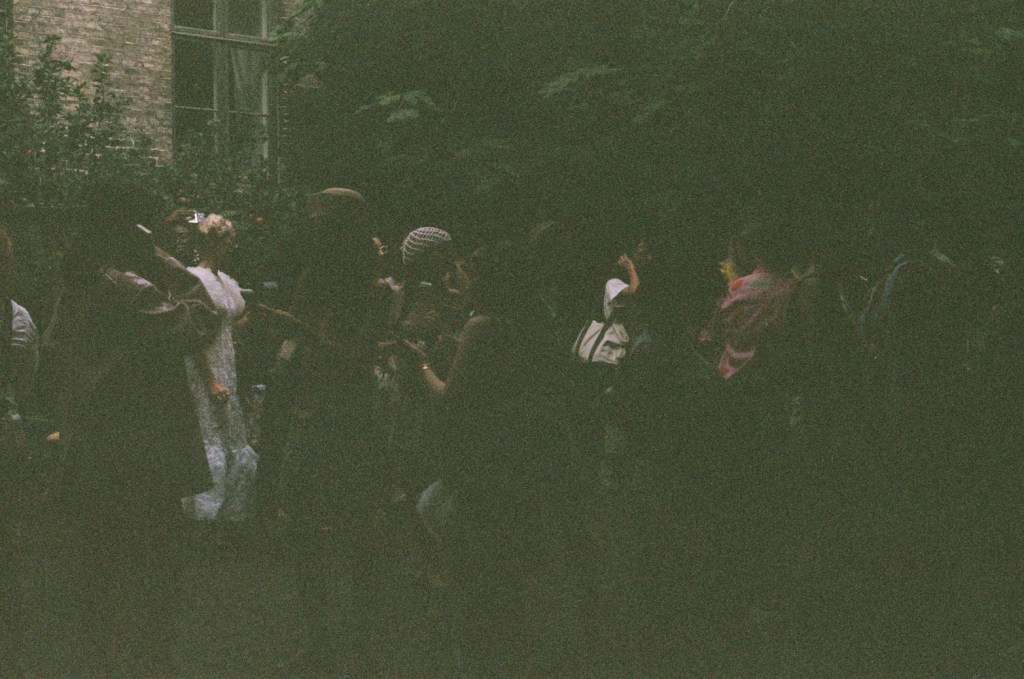
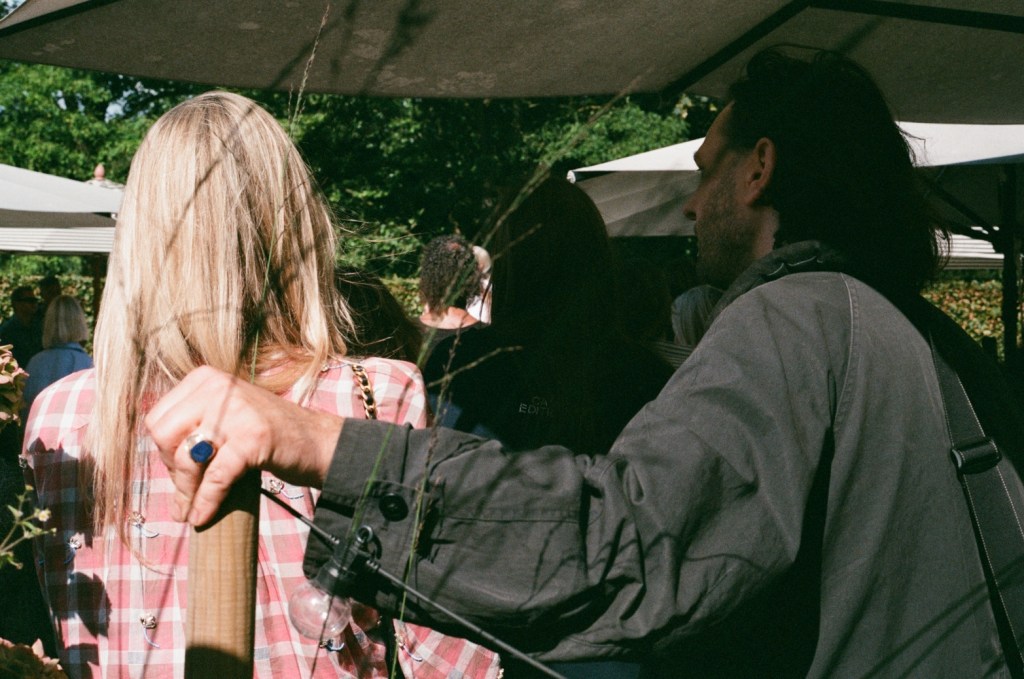
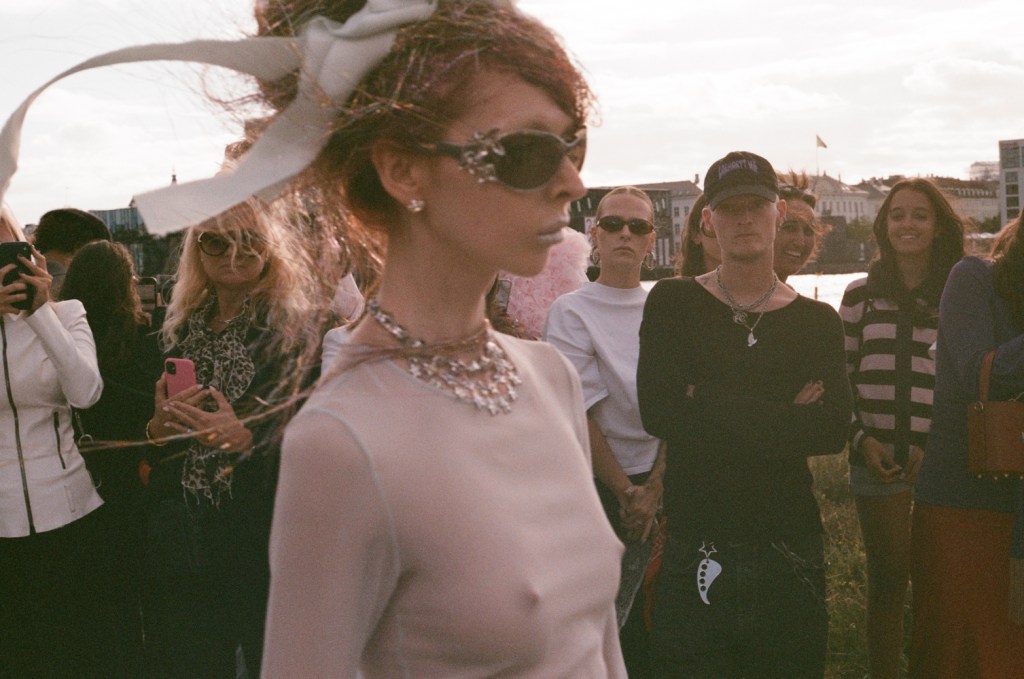
The first thing that struck me, even before any single show, was the street itself. The whole city seemed to be wearing something unrepeatable — a mix, almost an “accozzaglia,” of styles, fabrics, references that shouldn’t belong together and somehow did. I won’t pretend nobody was dressing to be seen — that component is still there, maybe it never leaves any fashion week. But I felt less watched here than I imagine I would at a more traditional, established one. There was a strange kind of freedom in the mix itself: the sense that no matter what you put on your body, you probably wouldn’t feel out of place. Is that freedom, or simply that the sheer accumulation of clashing references makes it impossible to judge any single one? Maybe the hybrid isn’t just an aesthetic choice — maybe it’s a strategy for opting out of a single gaze by multiplying it into too many at once.
That hybridity ran underneath almost everything I saw indoors, too. At Royal Danish Academy, colour, childhood and volume collided in a way that felt less like a collection and more like an experiment: mix ingredients at random and see what comes out. Nobody seems to be working from a shared rulebook anymore. Which raises a question I couldn’t shake all week: can chaos actually be a method? Not chaos as failure, but as the only honest way to make something when the old categories don’t hold. Maybe order isn’t the opposite of chaos here — maybe it’s what chaos produces once you stop trying to control it.
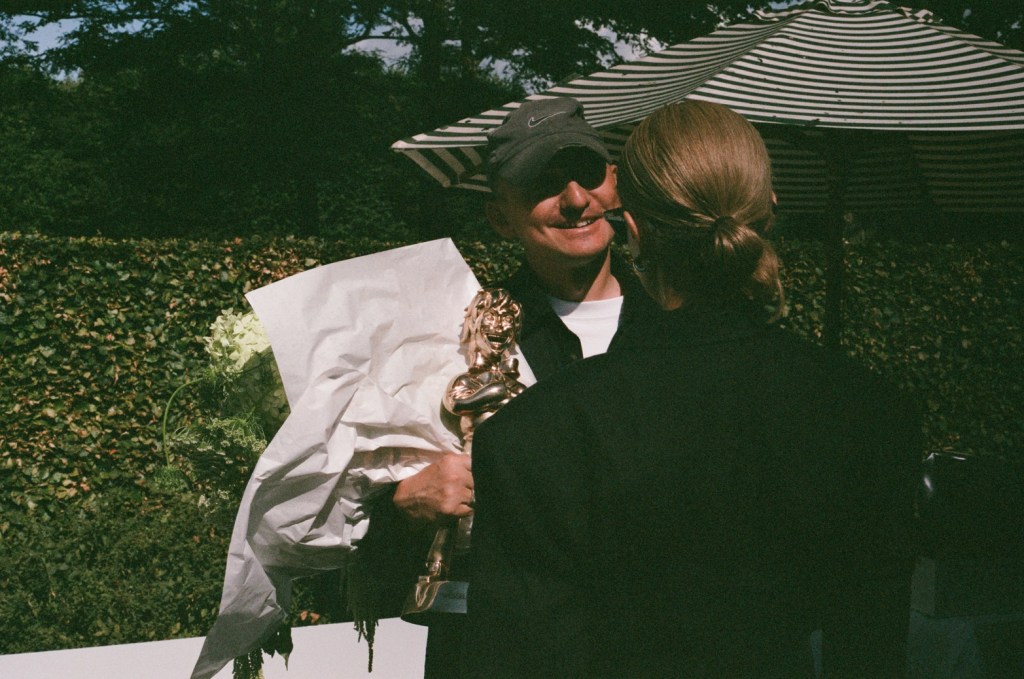
And yet I don’t want to romanticise the chaos into something it isn’t. It’s easy to read all this hybridity as a lack of rules. But that’s only half true. Frederik Berner Kühl won the Wessel & Vett Fashion Prize 2026 this year, recognised precisely for having an unusually clear strategic direction, arriving with several concrete proposals for growing the brand — not just a mood board. Behind every collection that looks like improvisation, there’s usually someone working harder than the chaos lets on.
Listening kept coming back as the real subject, more than clothes did. I don’t mean listening to a designer’s statement handed out at the door. I mean the harder kind — actually asking why someone chose to express themselves exactly like this, instead of deciding in advance what you think about it. We’re so used to treating fashion as self-representation that I wonder how often we forget it can also help us understand what’s happening around us. Showing ourselves and truly seeing what surrounds us — are those really two separate movements, or the same gesture?
Stem made that question feel almost literal. Their collection, Re, is built around methodological recycling — innovation through patience and textile craft rather than spectacle. It wanted to be real, unresolved, still under construction: a woman who isn’t finished, contaminated by more cultures and identities than any single silhouette could hold. What does non-stereotyped femininity even mean, if not this — something that refuses to be finished on someone else’s schedule?
Migliorini carried that same instinct in a different register: sustainability, a deliberate mixing of international brands. Stella Nova let itself be light without becoming careless — fitted next to oversized, menswear worn loosely, joy and fruit and individuality treated as legitimate design material. “Not so serious” turned out to be its own kind of seriousness. Celia B leaned into thatsame lightness from another angle — bold, playful, unapologetically fun, as if getting dressed could simply be an act of joy again.
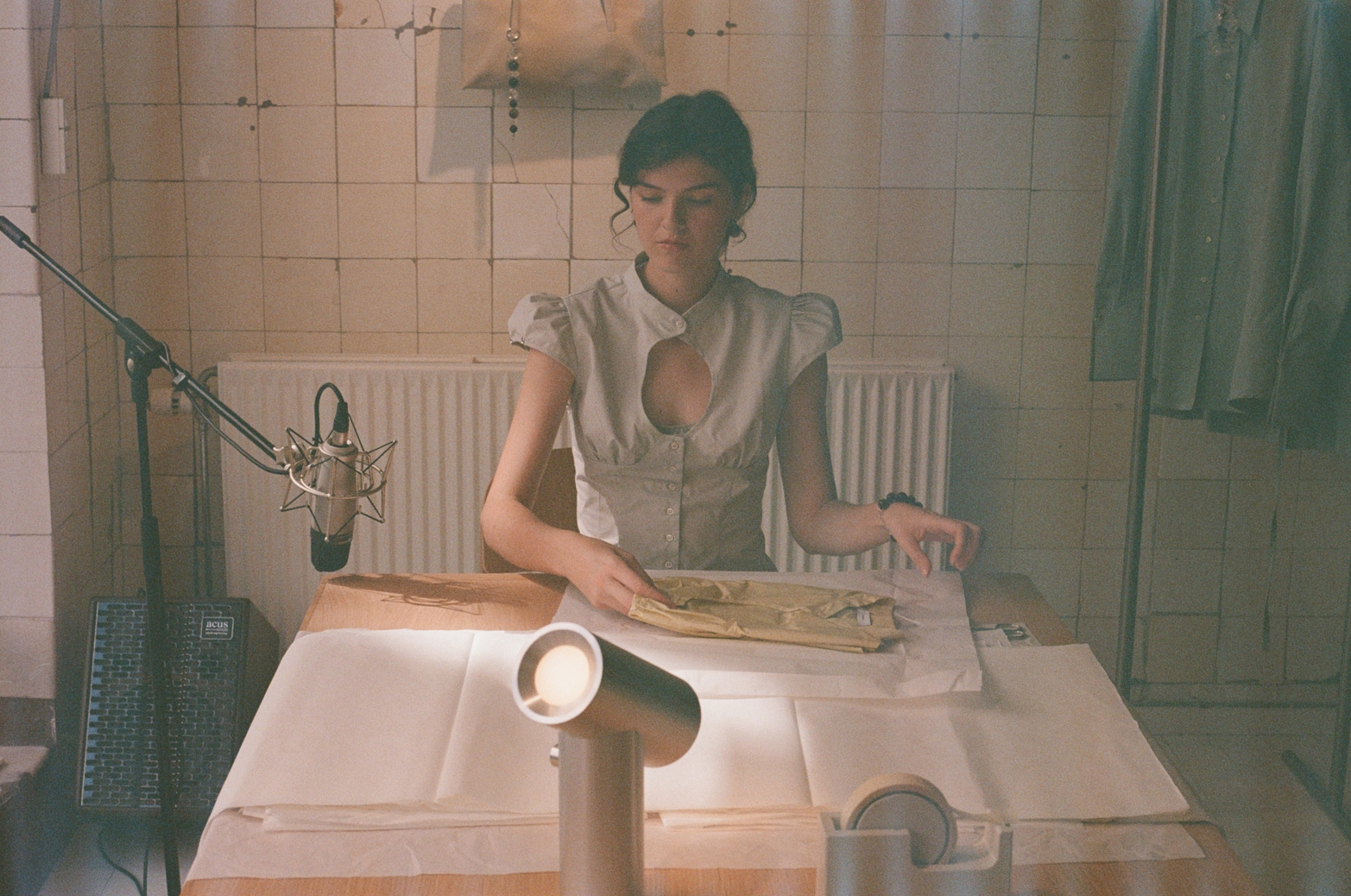
Catheclisma pushed that suspension into something closer to silence. There was a model there simply wrapping products, over and over, the sound of the paper doing most of the talking — an almost ASMR quality, deliberate, unhurried, as if craft needed to be heard rather than just seen. She seemed almost estranged from everything around her. It was the most literal answer I found all week to what listening might actually mean: not interpreting, just staying with a repetition until it says something on its own.
At Scandinavian Academy of Fashion Design, the pace itself became the statement — slow, suspended, held in place. Sille Damgaard‘s Detach collection reached into the theatricality of Rococo and the performative identity of the British New Romantics, reinterpreting historical excess — hand-embroidered glass beads shaped into spikes, echoing chandeliers — as escapism in response to uncertainty. Right beside it, Clara Gudmundsson Berntsen‘s collection, drawing on Annie Ernaux’s Simple Passion, did almost the opposite: it let awkwardness and imperfection surface deliberately, refusing the smoothing effect AI and algorithms are quietly applying to everything we produce now. How much of what we call polish is actually erasure? How much are we quietly agreeing to sand down, without even noticing, just to look finished?
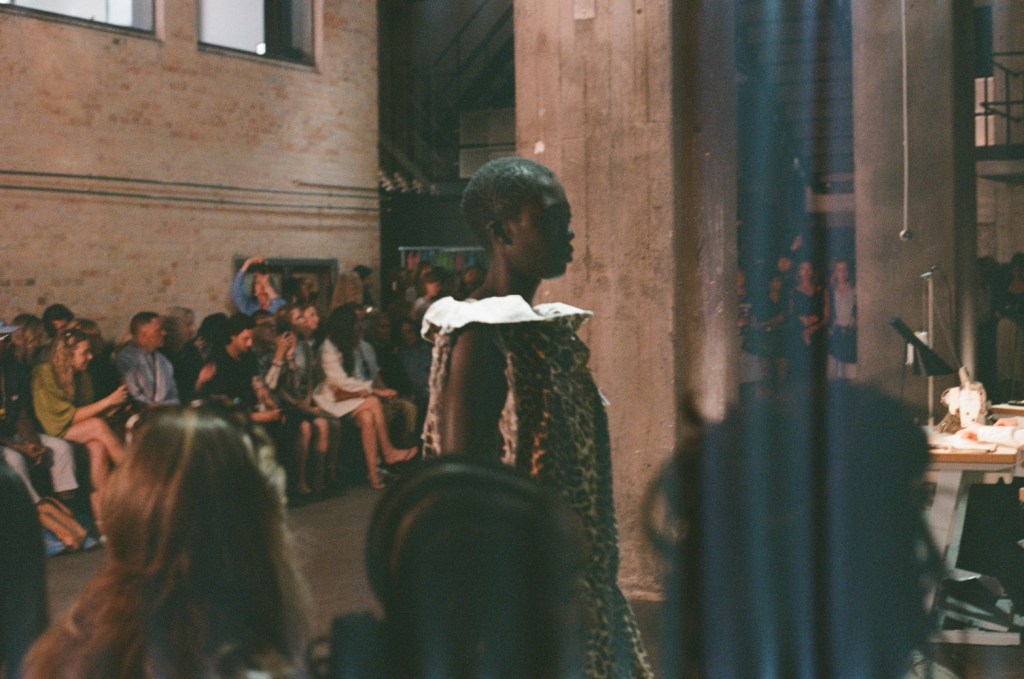
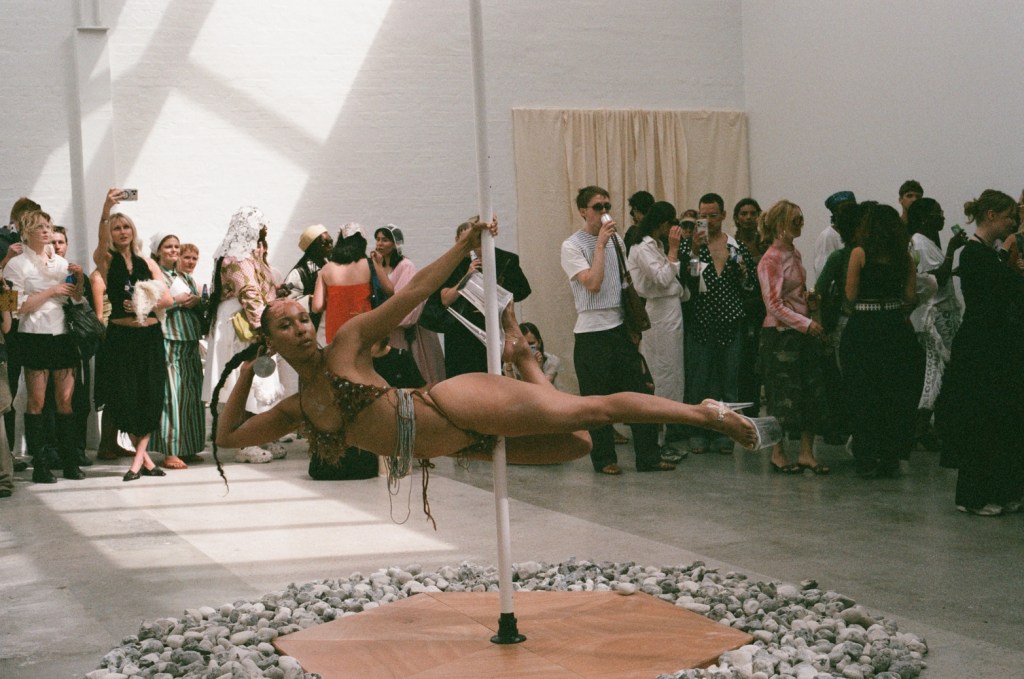
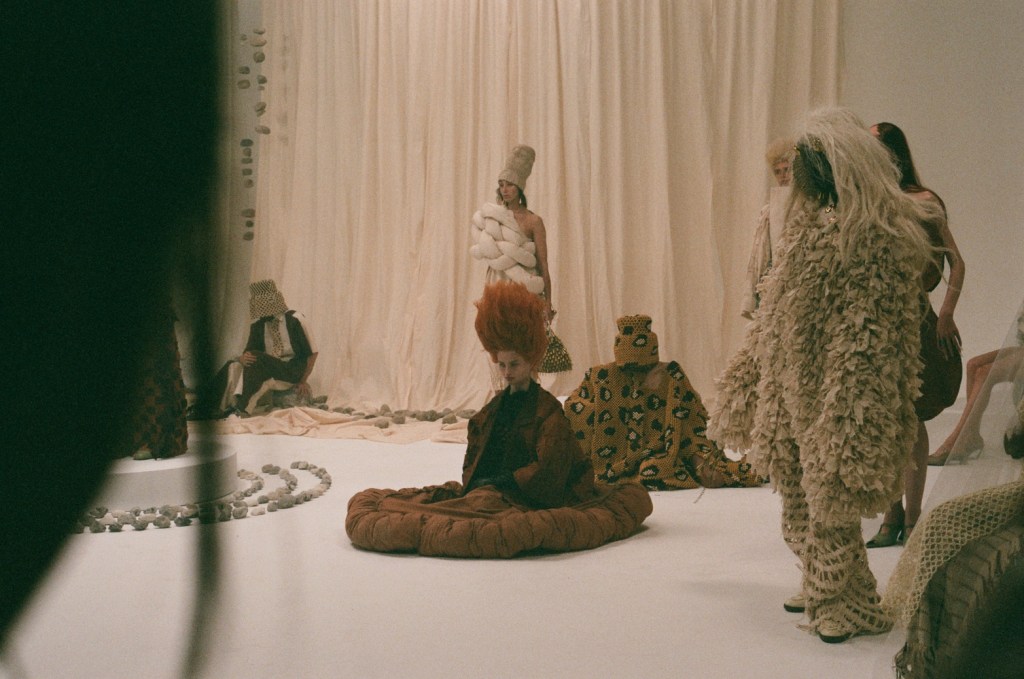
Collina Strada felt like the wildest answer to that same anxiety. Femininity here was airy, sheer, glitter-dusted, almost fairy-like — but a fairy dirtied by the reality of an actual contemporary woman. It read like a controlled delirium, a full reshuffling of the codes of the feminine, in a way that maybe only Copenhagen could make feel cool and genuinely liveable. Paolina Russo moved in a related but distinct direction — collective, close to its audience, fluent in gen Z’s language, fashion folded into music and skating. At Creative Hub, Serena leaned into a decadent, melancholic femininity, the brand itself contaminated by multidisciplinary art. And Iamisigo turned the show into an outright performance, tracing the relationship between the human body and the earth through an indigenous ecological awareness, letting fabric carry symbolic weight most collections leave unspoken.
By the end of the week, what stayed with me wasn’t a single look. It was the accumulation of all these attempts — different in tone, register, ambition — to answer the same unspoken question: what does it mean to be a woman who refuses to be finished? Real, unresolved, hybrid, occasionally chaotic, sometimes fairy-like and sometimes deliberately awkward, never fixed into a single definition. Maybe that’s the actual thread running through everything I saw: not a trend, but a shared refusal to be legible in only one way.
I don’t think I have an answer to any of the questions I kept asking myself this week. I’m not sure I want one. But I’d like to leave them open here, the way they were left open to me — what does non-stereotyped femininity actually mean, and what would make it stop being that? What does it cost gen Z to hybridise instead of conforming, and what does it give back? Can chaos really be a method, and what kind of order does it eventually produce? And maybe the hardest one: how much are we actually listening — to a collection, to a city, to each other — versus simply using fashion to be seen?
Words + photography by Nicole Zia

