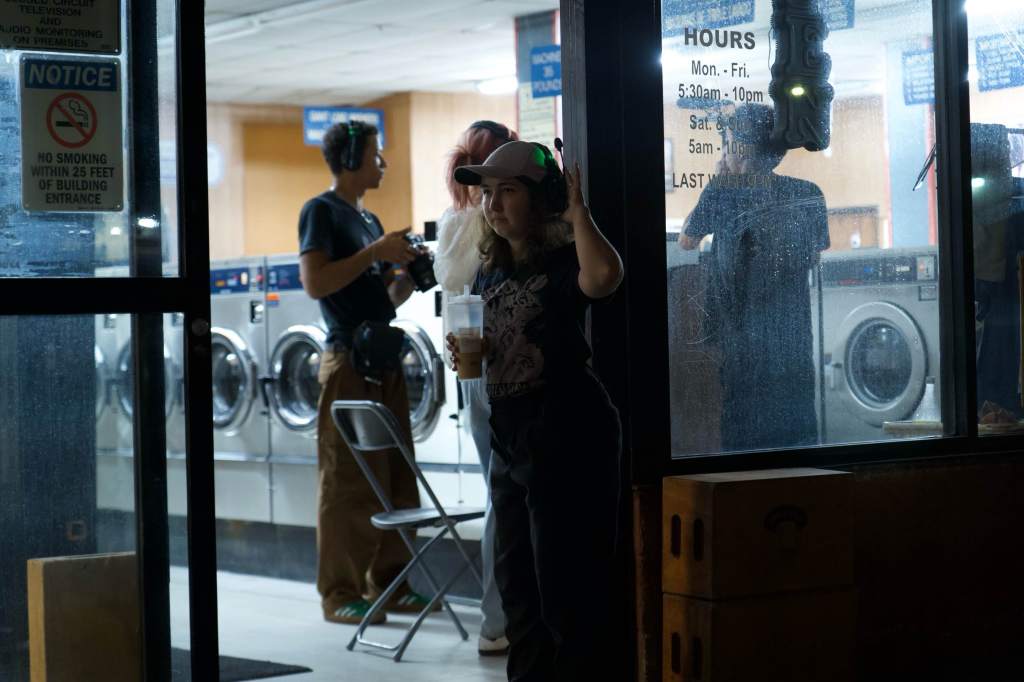
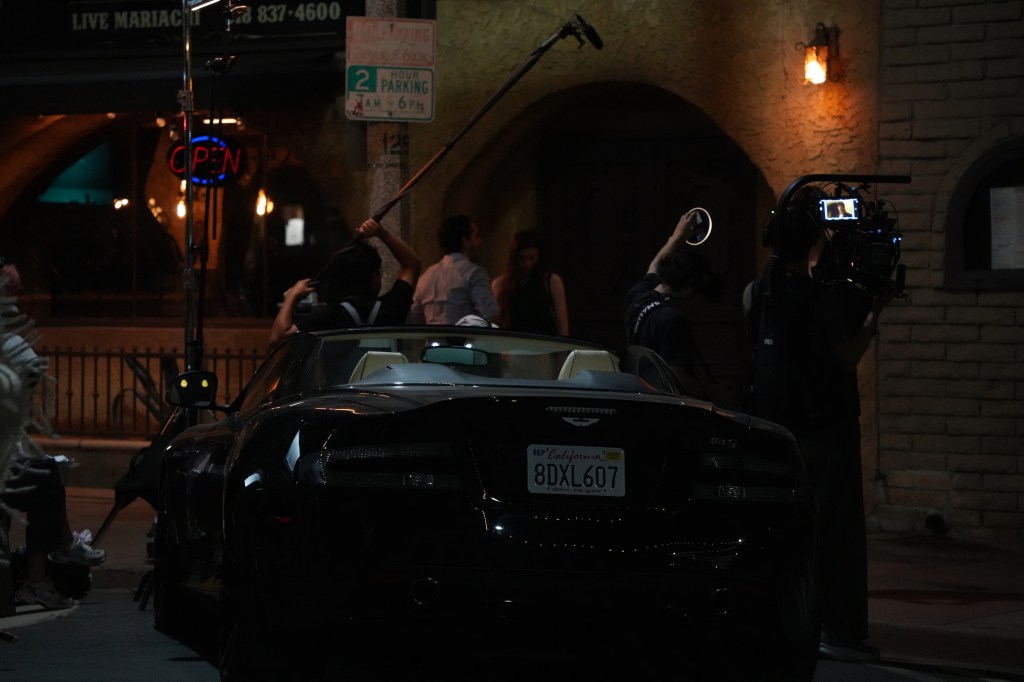
Viktoriia Galashova is a filmmaker whose work moves gracefully between emotional realism and psychological tension, capturing the fragile beauty of human vulnerability within controlled environments. Originally from Yekaterinburg, Russia, she grew up immersed in the arts, studying piano, choir, and visual arts before discovering cinema as her true creative language. What began with filming classmates and school projects soon evolved into a deeper artistic path, leading her to workshops at the Sverdlovsk Film Studio, where her early work was recognized for its sensitivity and visual depth. She later earned her BA in Film and TV Production from Griffith College Dublin and recently completed her MA in Filmmaking at the New York Film Academy in Los Angeles, continuing to shape a voice that is both intimate and strikingly cinematic.
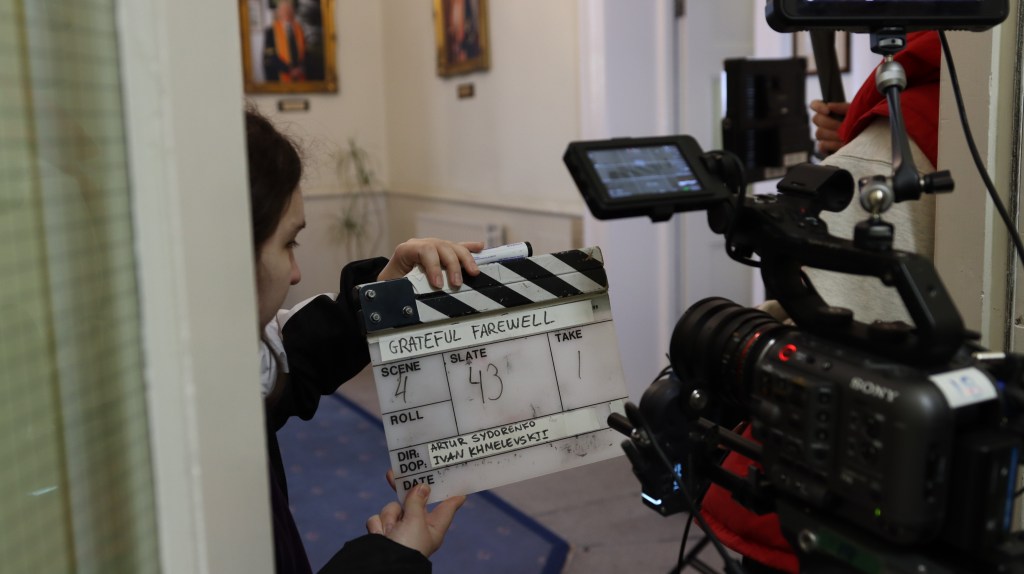
IN CONVERSATION WITH VIKTORIIA GALASHOVA
You grew up in Yekaterinburg surrounded by art, studying piano, choir, and visual arts before turning toward cinema. How did that early artistic environment shape the way you see the world and the kind of filmmaker you want to become?
Growing up in that artistic environment made art an essential part of my life. It taught me to see beauty and meaning in everything around me. I think this perspective deeply influences the way I approach cinema. I want to be a filmmaker who stays curious, flexible, and unafraid to experiment with different forms of storytelling.
You began filming classmates and school creative projects at a young age, which suggests that your connection to filmmaking started very organically. What was it about those early experiences that made you realize cinema was more than just a hobby and might actually be your future path?
I think the turning point was when I took a course at Sverdlovsk Film Studios. Before that, I was always creative in different ways—I loved drawing, writing, taking photos, and editing videos for school projects. Filmmaking came very naturally to me, but I never thought of it as a real career path. That experience changed my perspective and made me realize cinema could be much more than just a hobby—it could become my future.
Your work at the Sverdlovsk Film Studio workshops was praised for sensitivity and visual storytelling. What did those workshops teach you about the craft of filmmaking, and how did they influence your confidence as a young artist?
The workshops taught me a lot because it was my first real production experience. We worked on a web series from the idea stage all the way to filming. We brainstormed, planned, wrote the script, and shot everything. That experience helped me understand the filmmaking process and gave me confidence in myself as a young artist.
You later pursued a BA in Film and TV Production at Griffith College Dublin. How did studying in Ireland expand your creative perspective, both technically and personally?
Studying in Ireland gave me a much broader perspective on filmmaking. I gained a lot of practical experience and learned much more about every stage of the filmmaking process. I also learned a lot by watching how other people work and solve problems creatively. It pushed me to improve by recognizing my mistakes and growing from them. Being part of very different productions—some chaotic, some highly organized—also taught me how important adaptability is in this industry.
You recently completed an MA in Filmmaking at the New York Film Academy in Los Angeles, another major step in an already international journey. What did Los Angeles and the NYFA environment offer you that was different from your earlier training, and how did it help refine your artistic voice?
Studying at NYFA in Los Angeles was a very important step for me because the MA was much more intense than my BA experience. The biggest difference was that there was a stronger focus on individual projects, while previously most of my work had been in group settings.
That gave me the space to direct more and explore my own creative voice in a deeper way. I spent more time developing my ideas and understanding the kind of stories I want to tell. It was also a period of self-discovery, because I found the role in the industry that I feel most passionate about and want to continue pursuing.
Your work explores human vulnerability within controlled environments, blending emotional realism with psychological tension and a surreal tone. What draws you to this kind of atmosphere, and why do those themes resonate so strongly with you?
What draws me to this atmosphere is my interest in people and psychology. I believe the best stories are character-driven, and strong storytelling comes from understanding a character’s inner world—their motivations, emotional arc, and transformation. I’m especially interested in how people behave under pressure, because vulnerability often reveals something deeply truthful. That’s why I’m drawn to emotionally intense and psychologically charged environments. I also feel very connected to genres like thrillers, dramas, horror, and sci-fi. These genres allow me to explore human psychology and emotional depth in ways that feel both intimate and visually powerful.
Looking at your journey so far — from Yekaterinburg to Dublin to Los Angeles — what kind of filmmaker do you hope to become in the years ahead, and what stories do you feel most compelled to tell next?
In the years ahead, I hope to work on bigger projects and continue growing both creatively and professionally. At the same time, I want to keep the curiosity and passion that brought me to filmmaking in the first place. I feel most compelled to tell stories that are realistic, socially relevant, and emotionally honest. I want to create work that connects with people and leaves an impact—stories that feel meaningful and can start important conversations.