

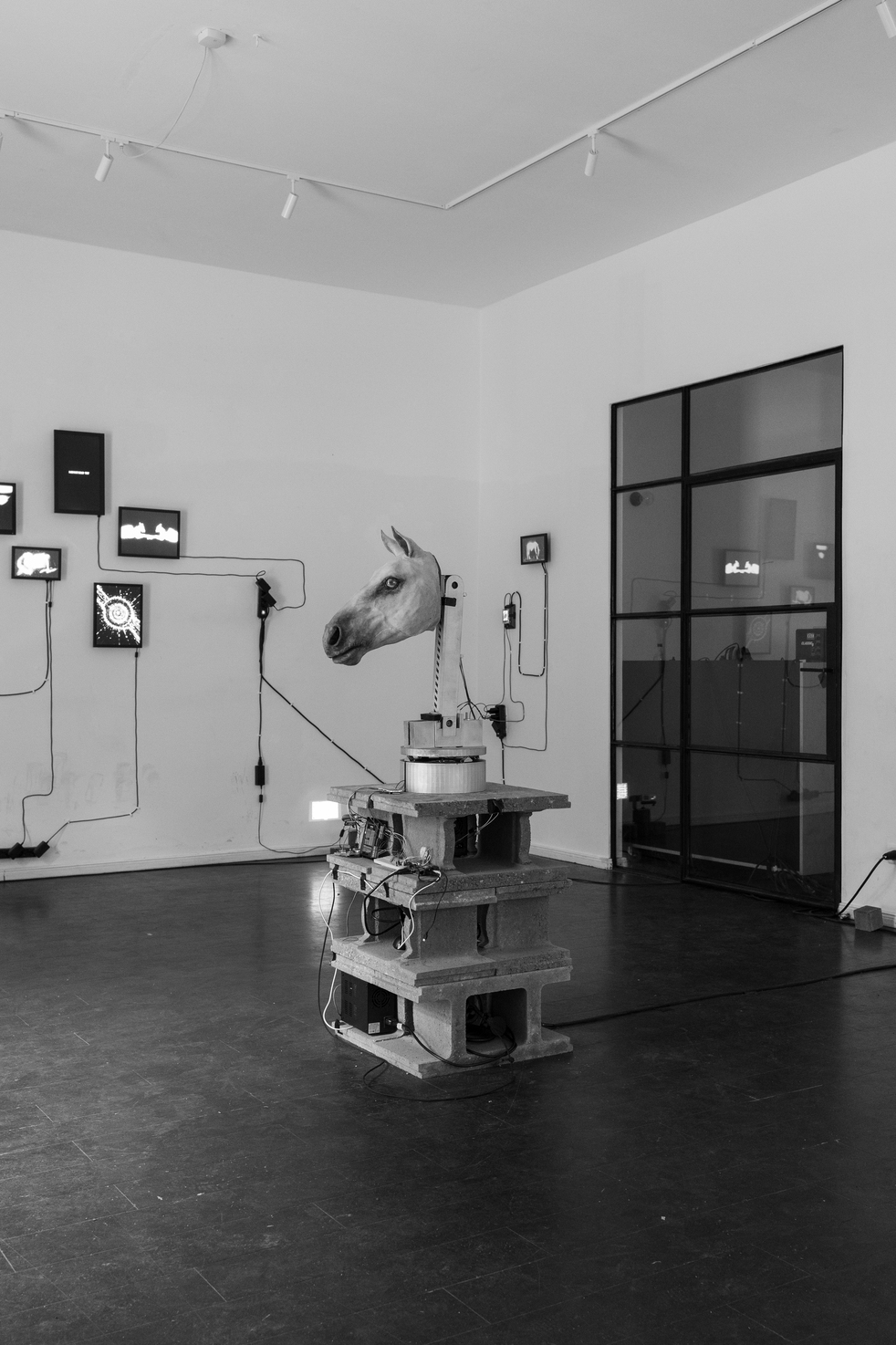
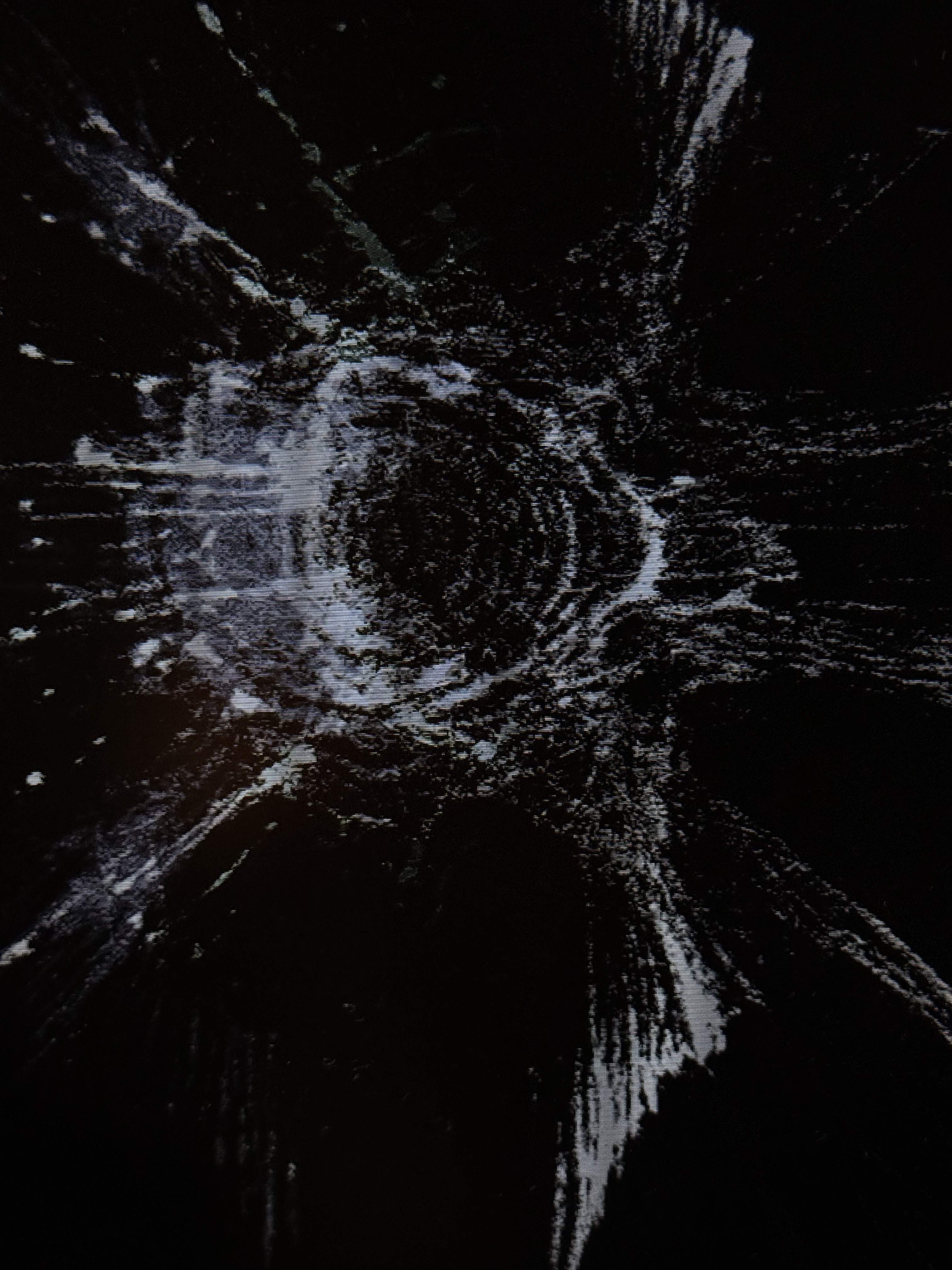
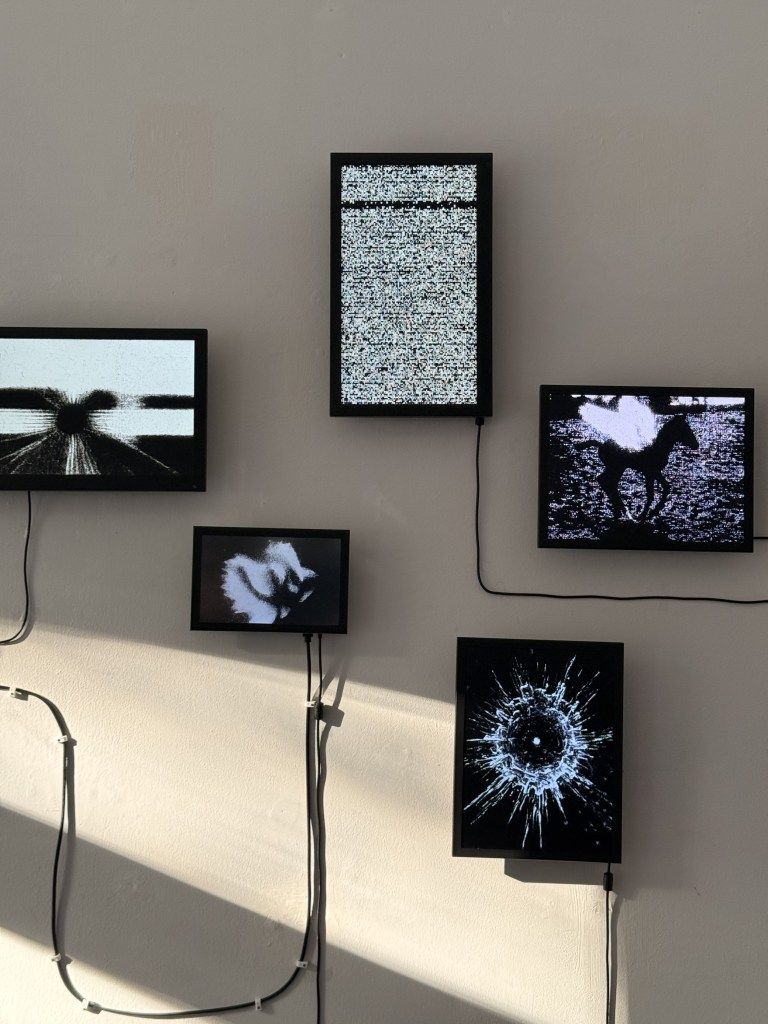
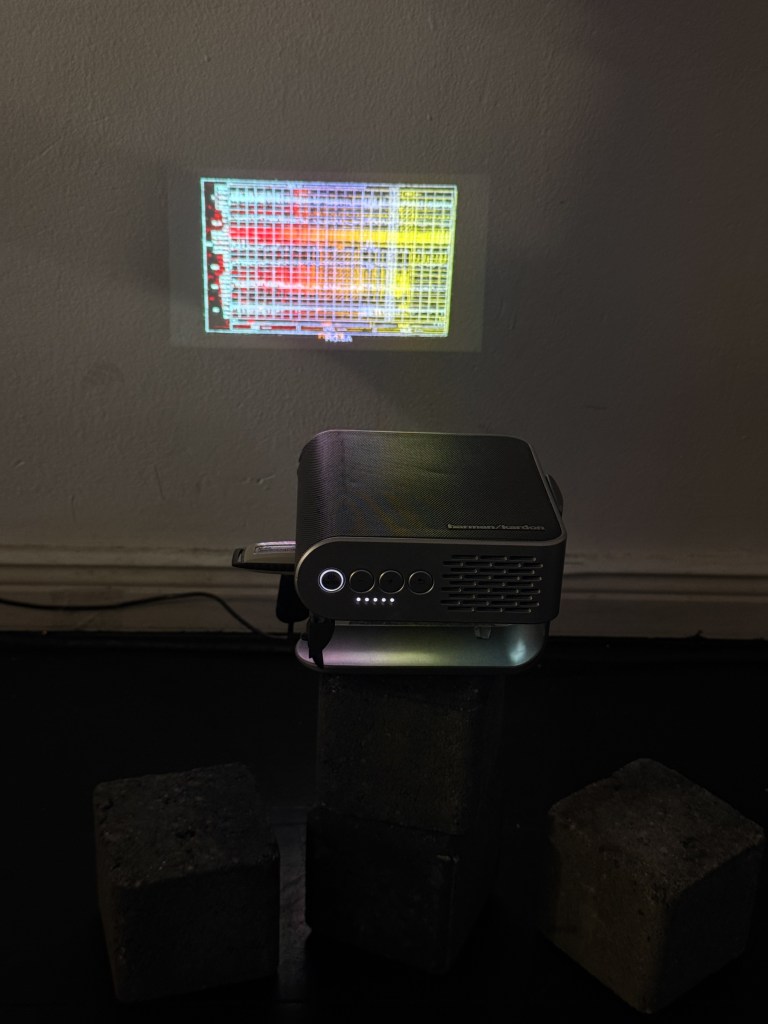
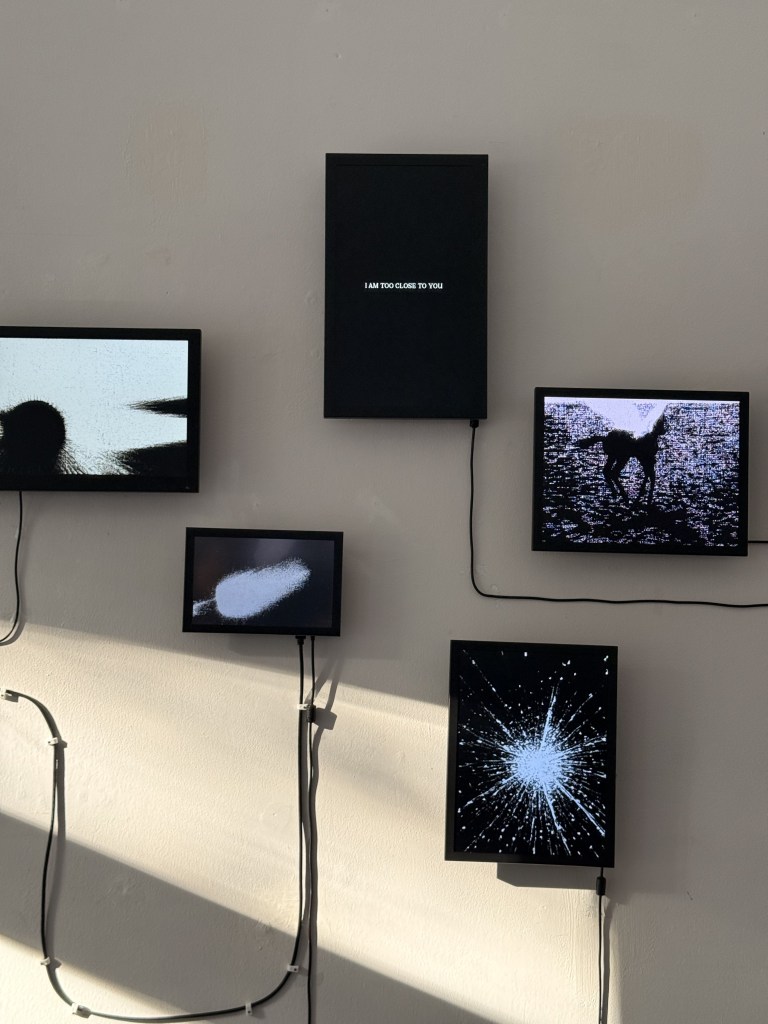
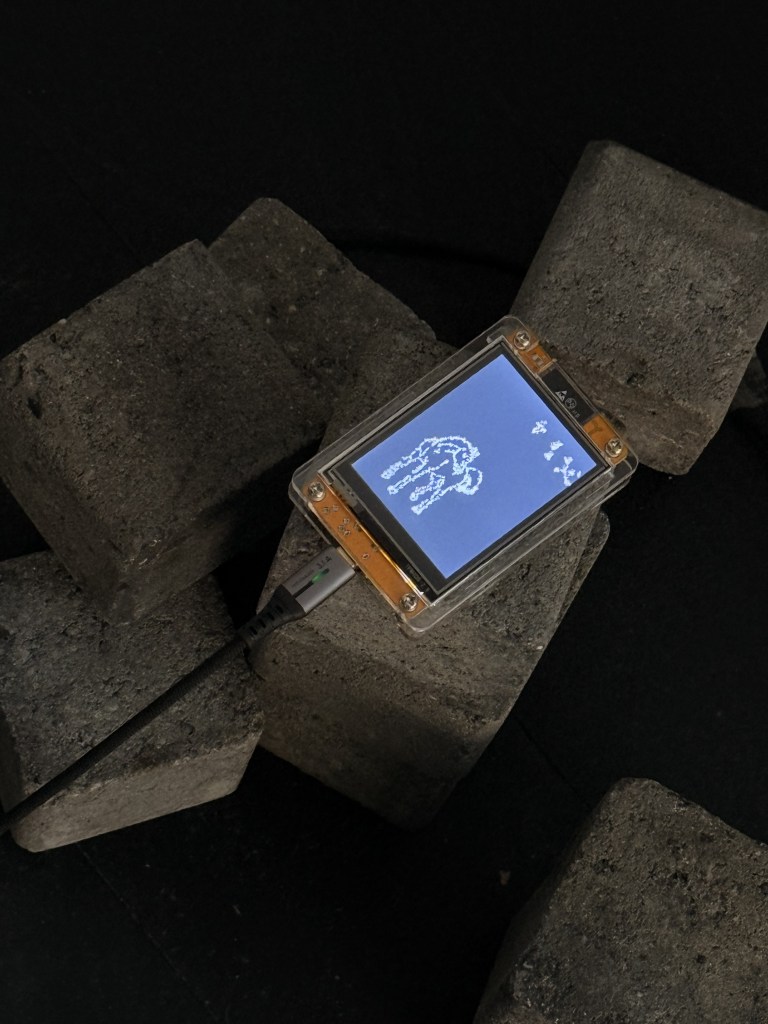
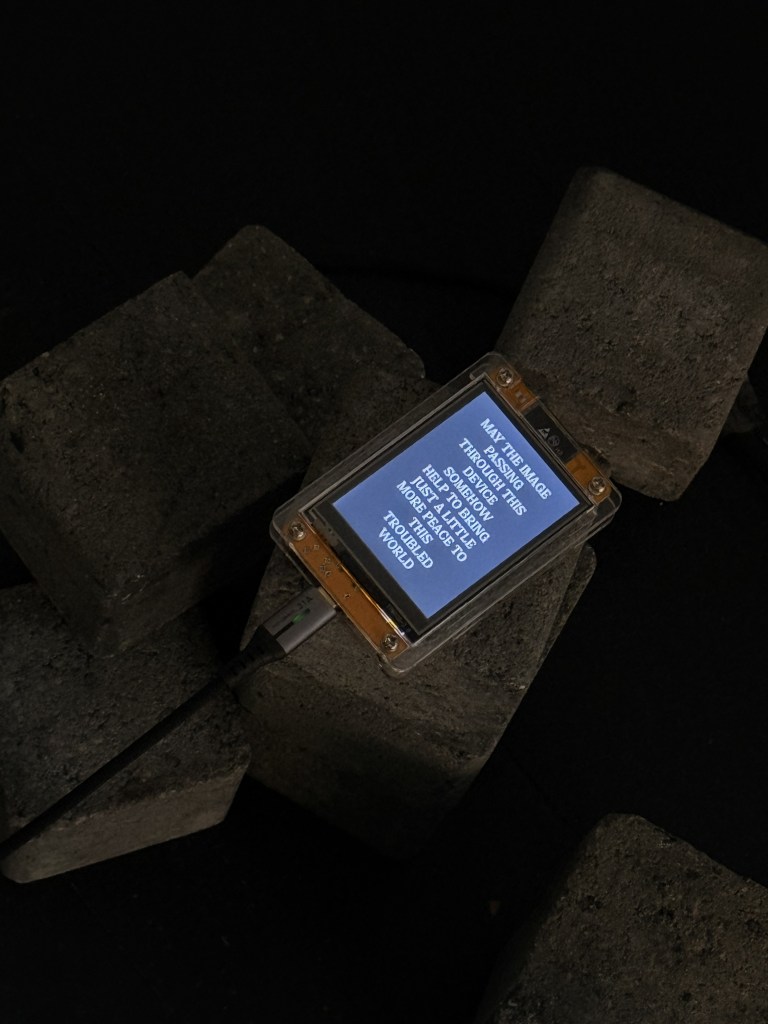
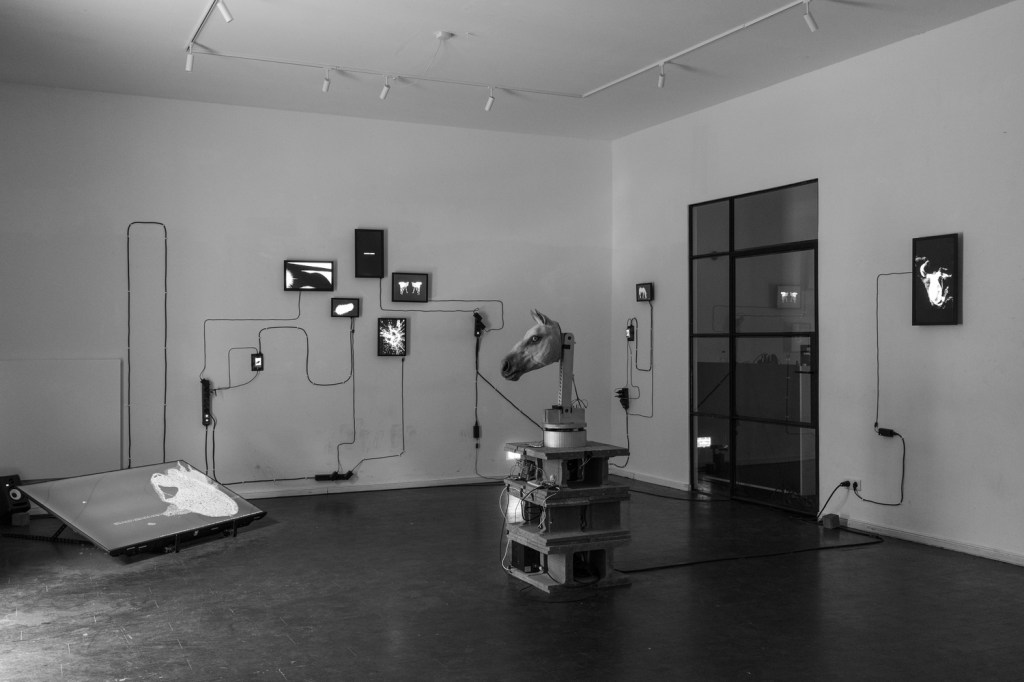
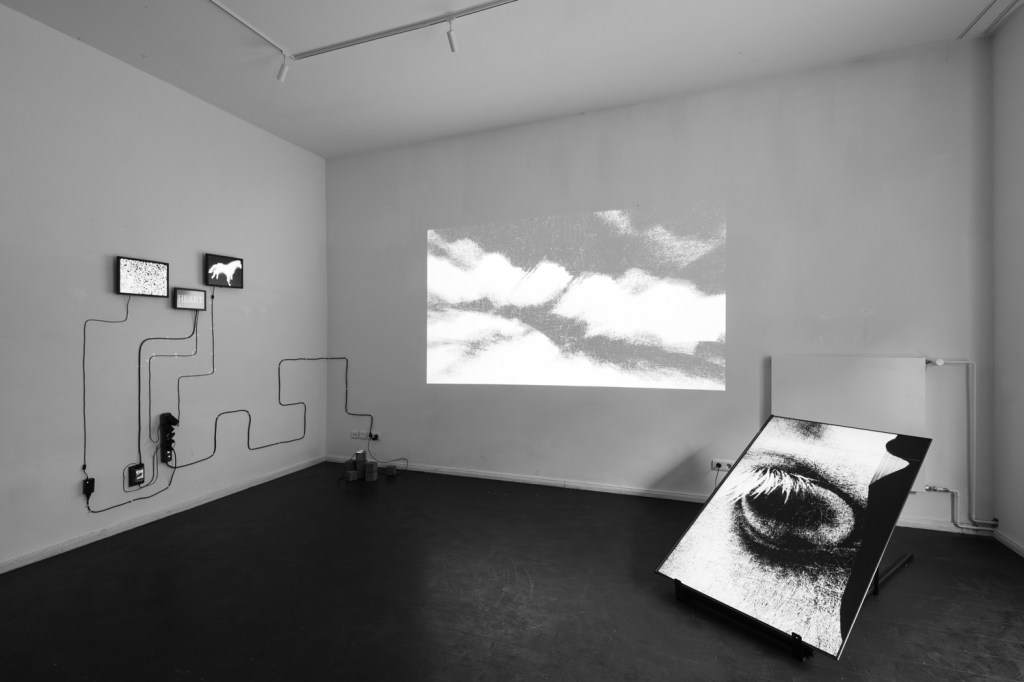
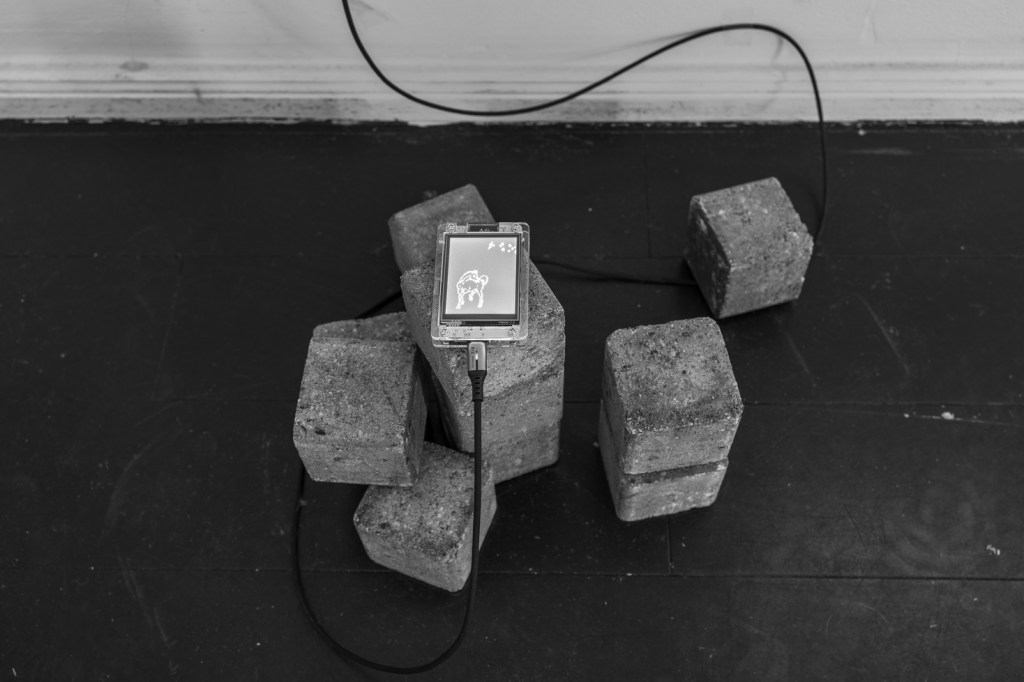
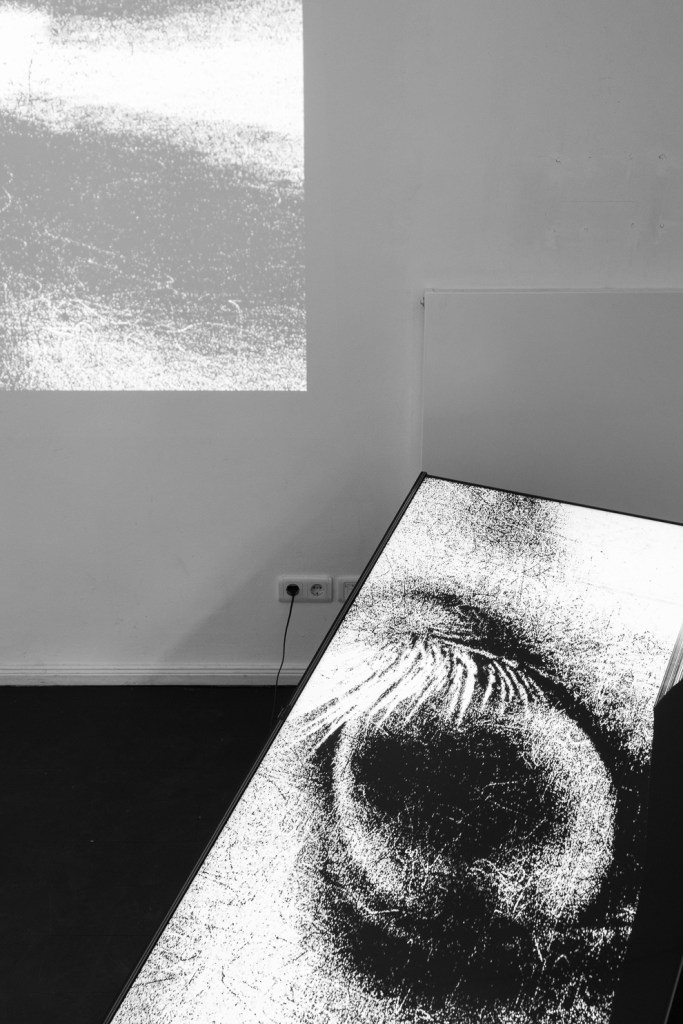
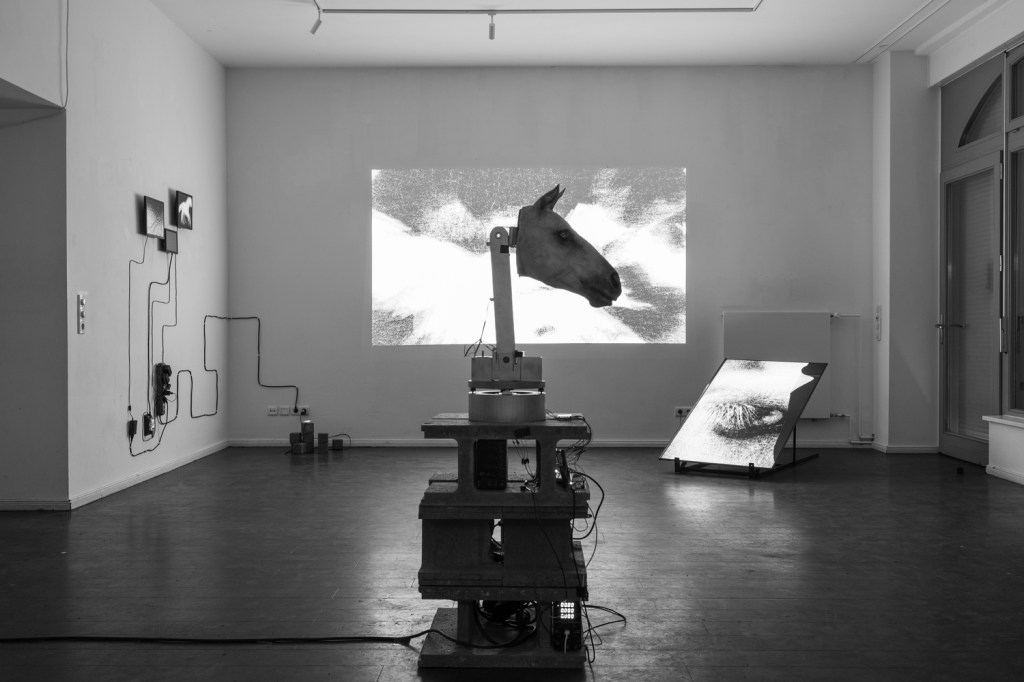
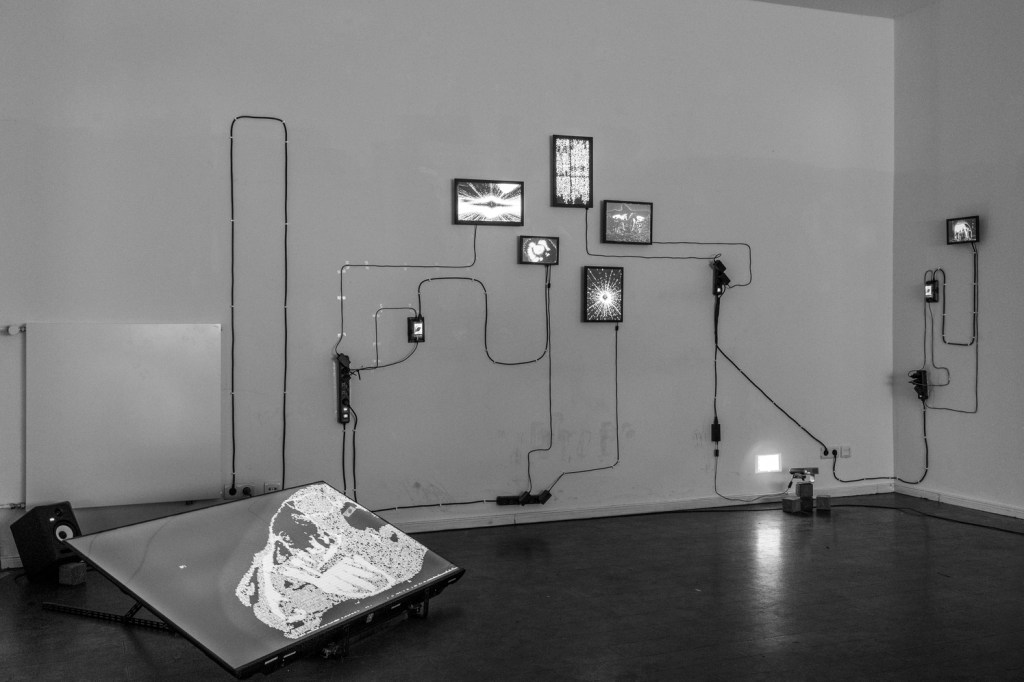
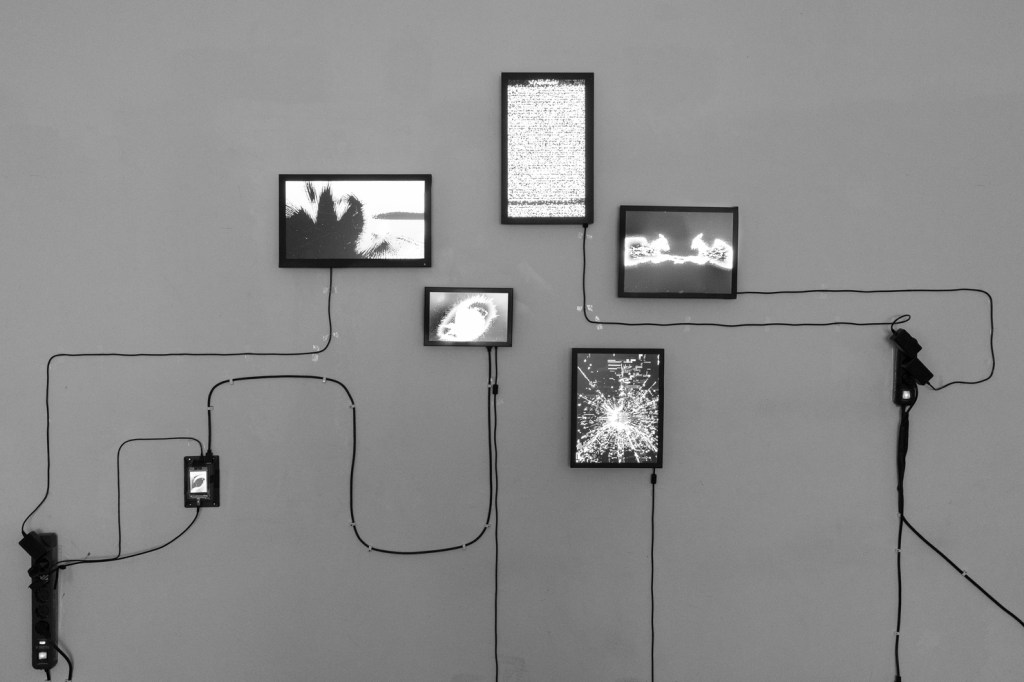
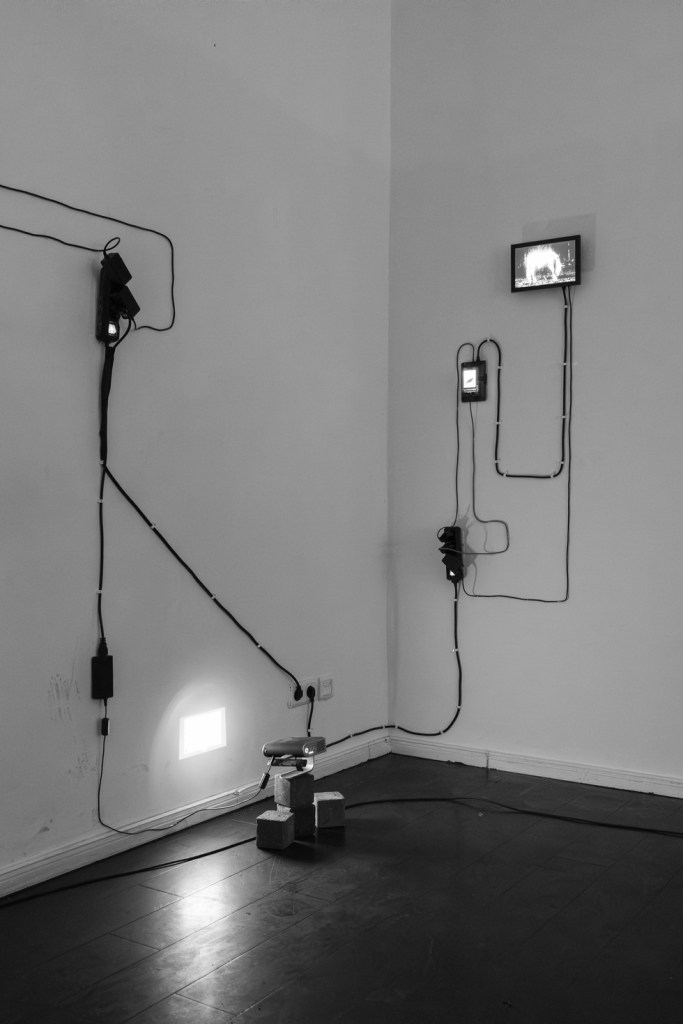
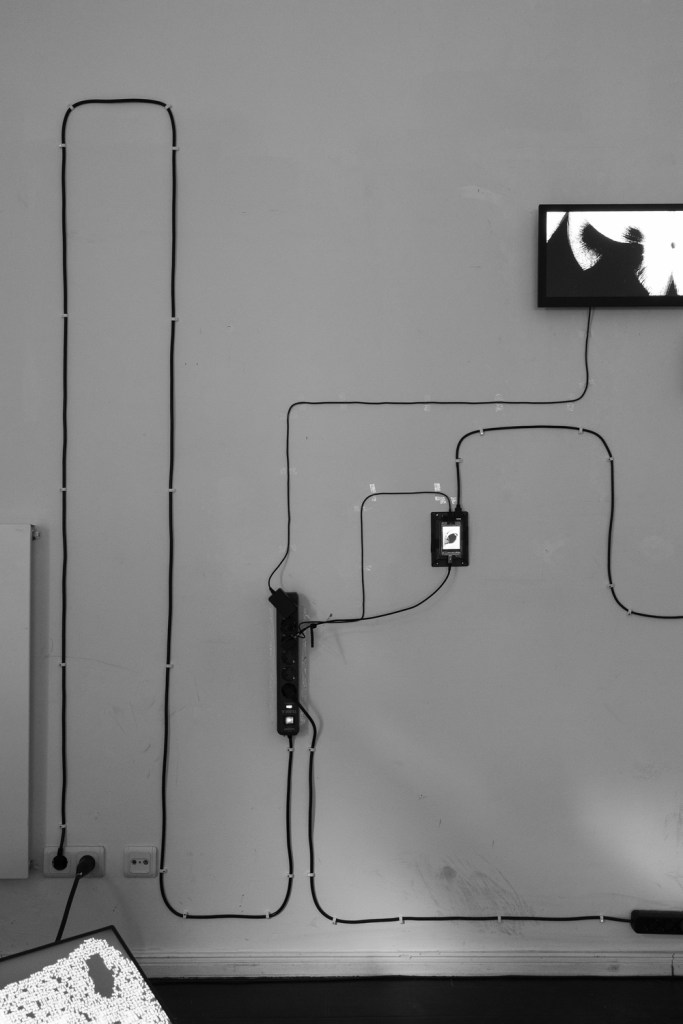
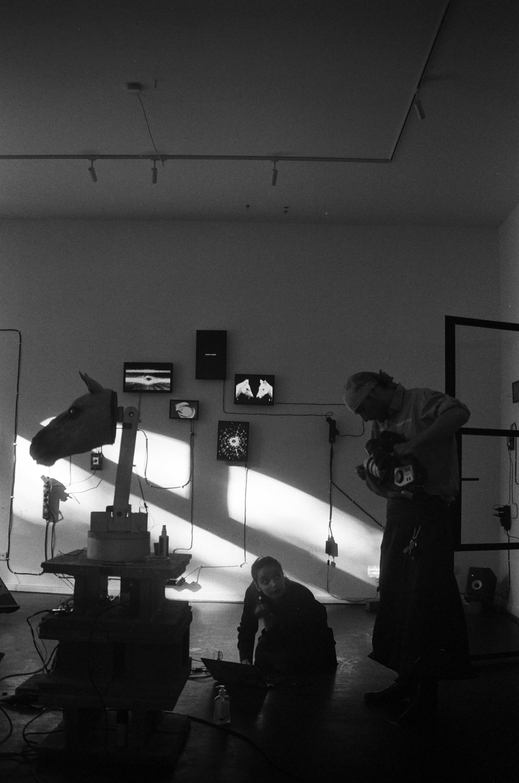
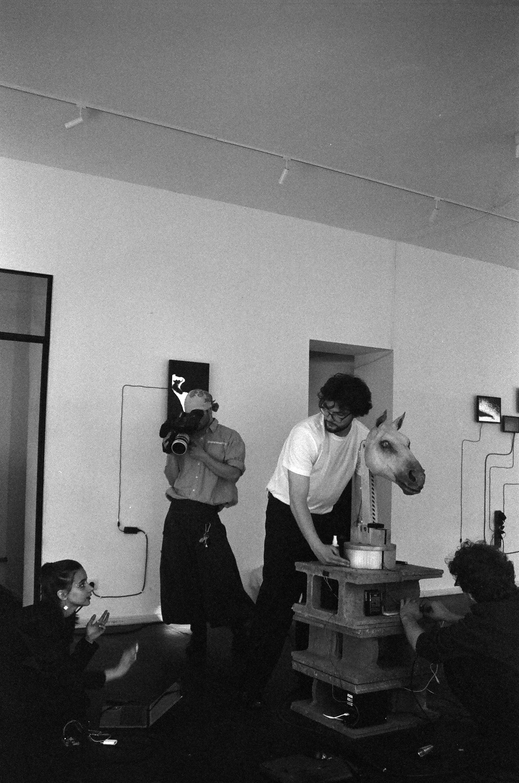
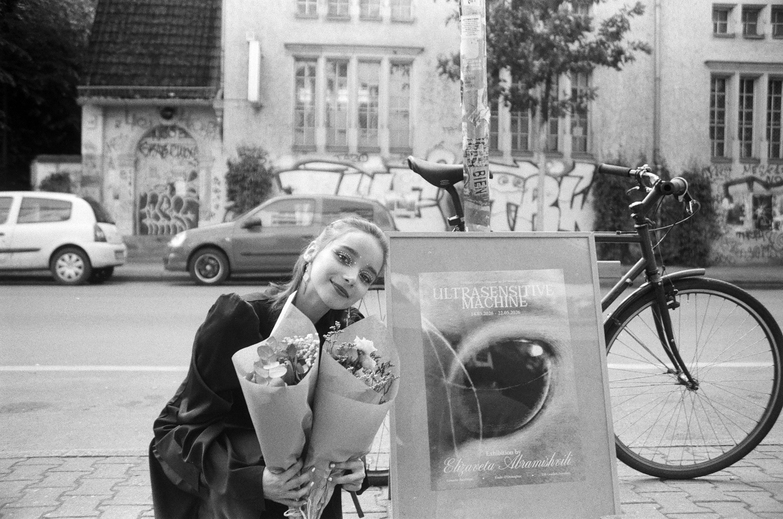
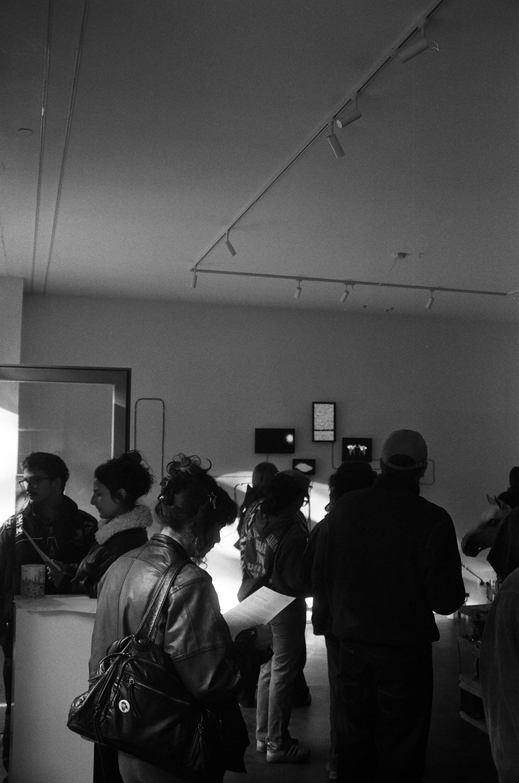
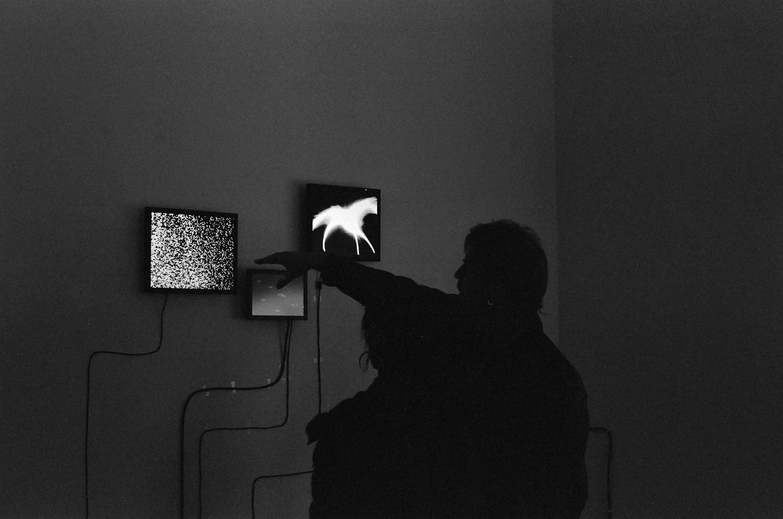
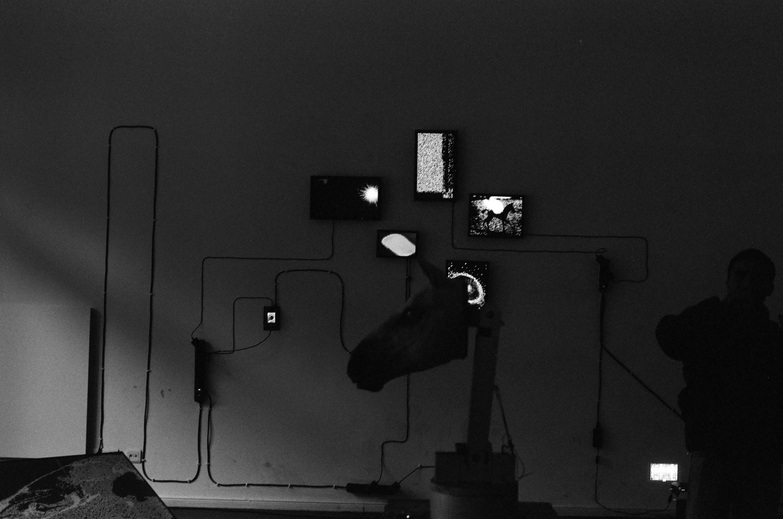
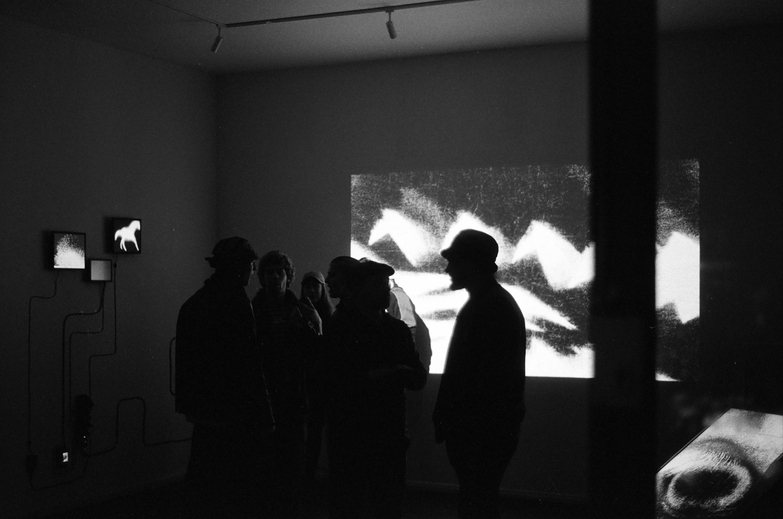
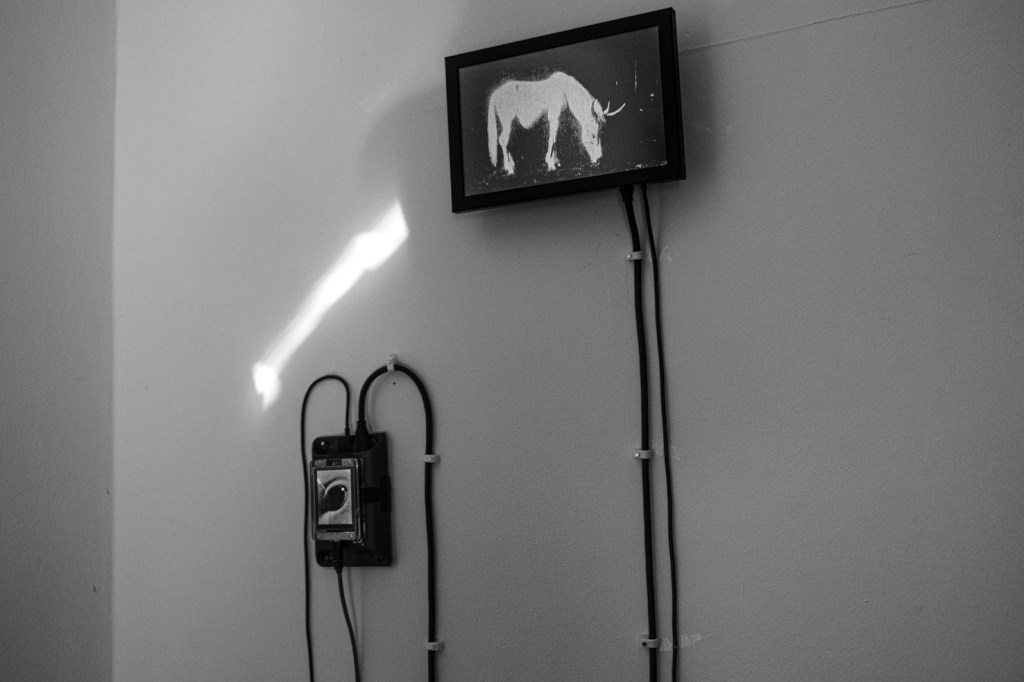
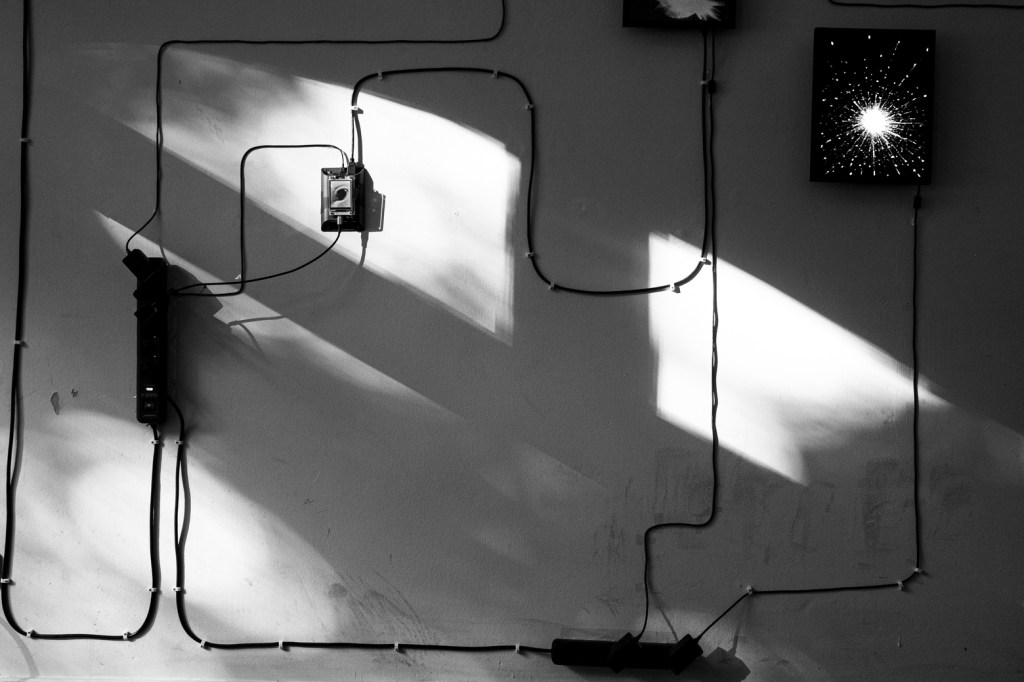
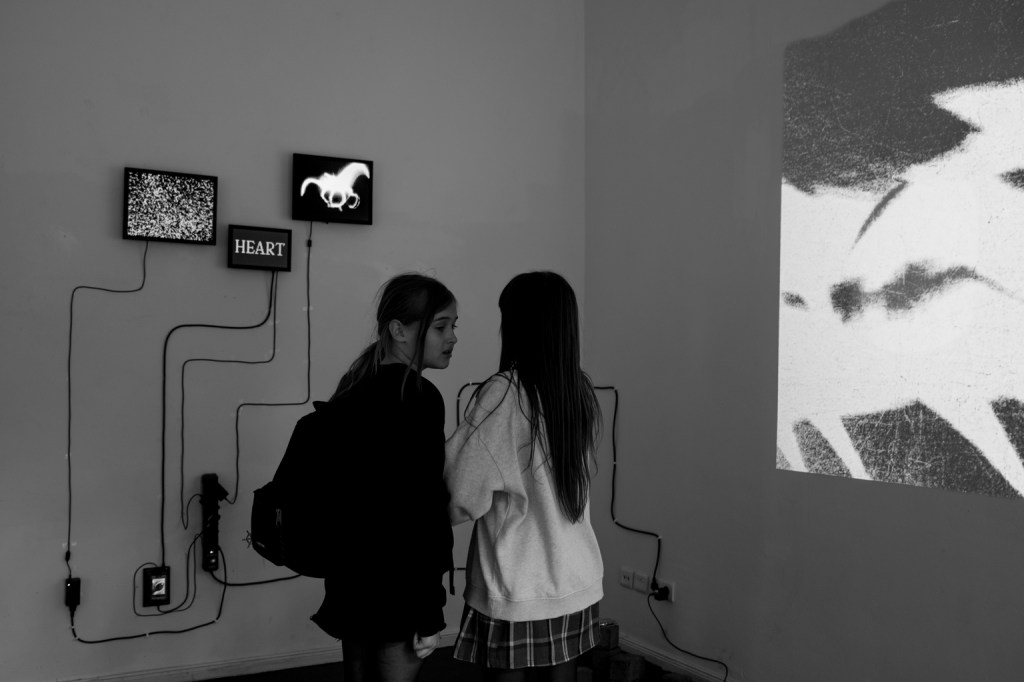
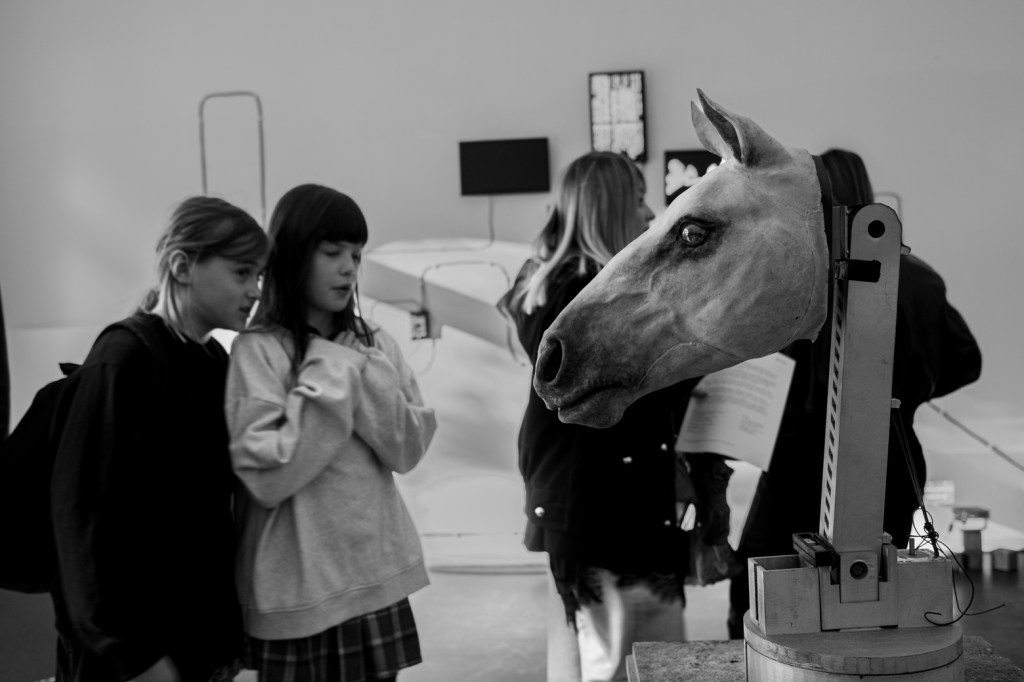
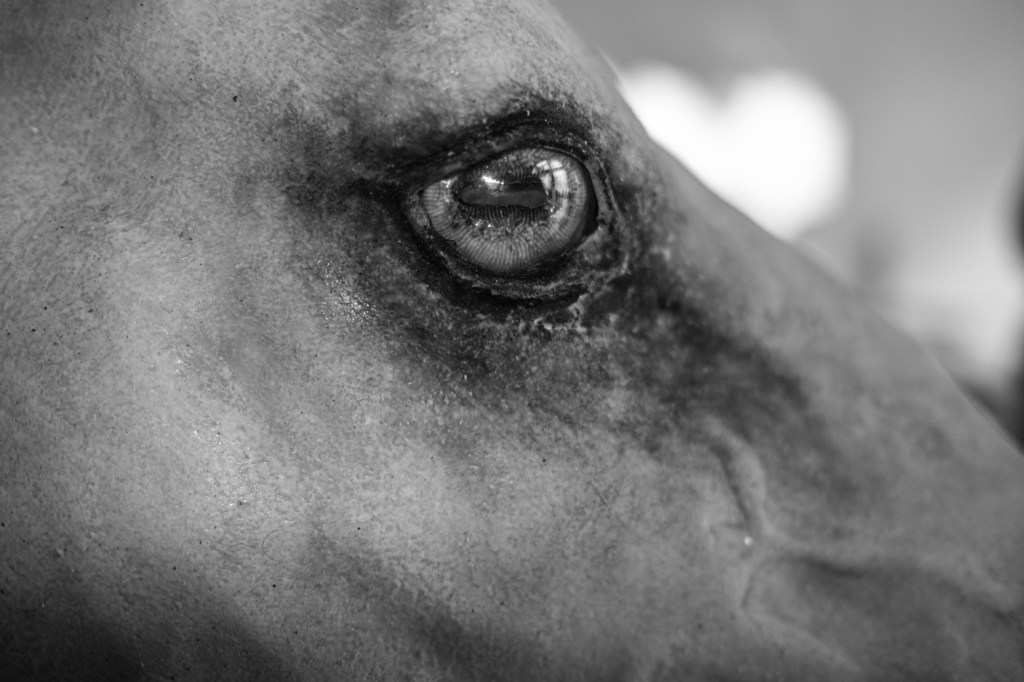
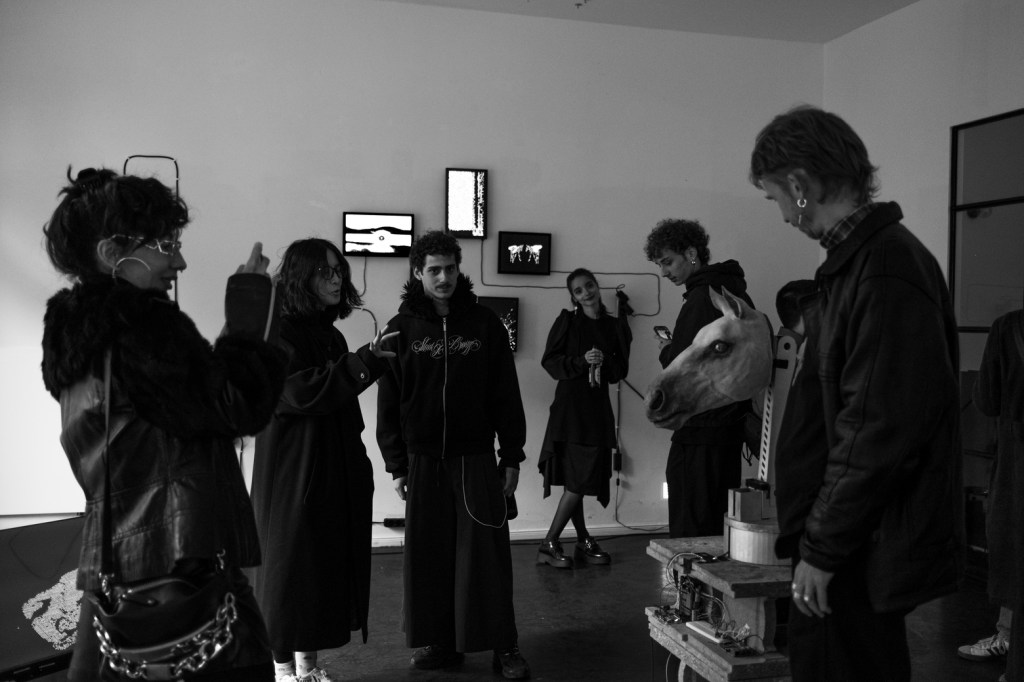
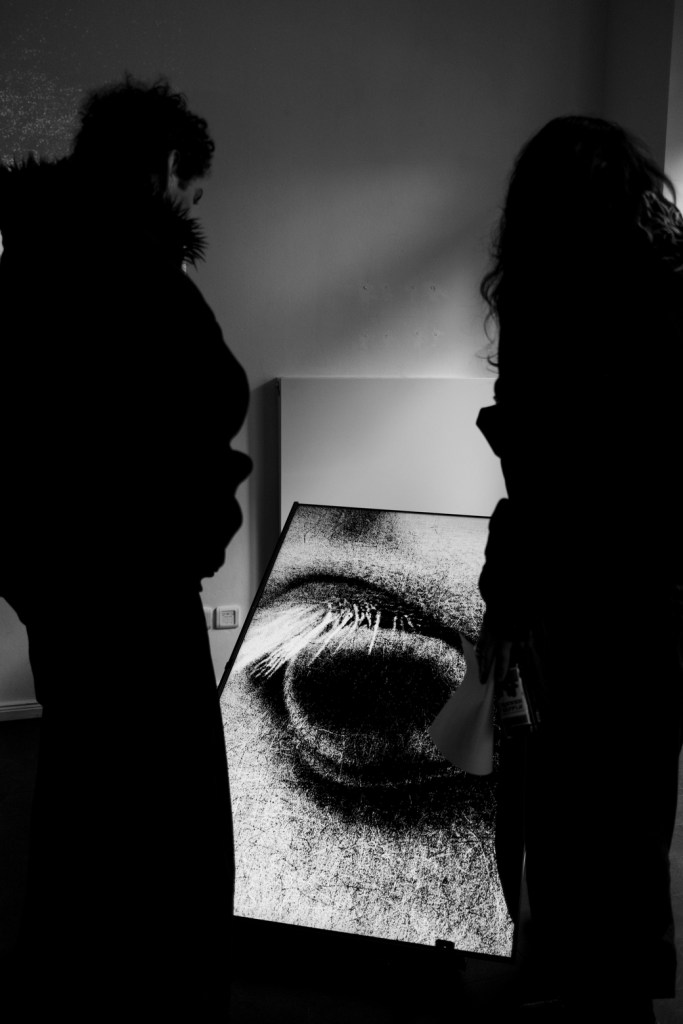
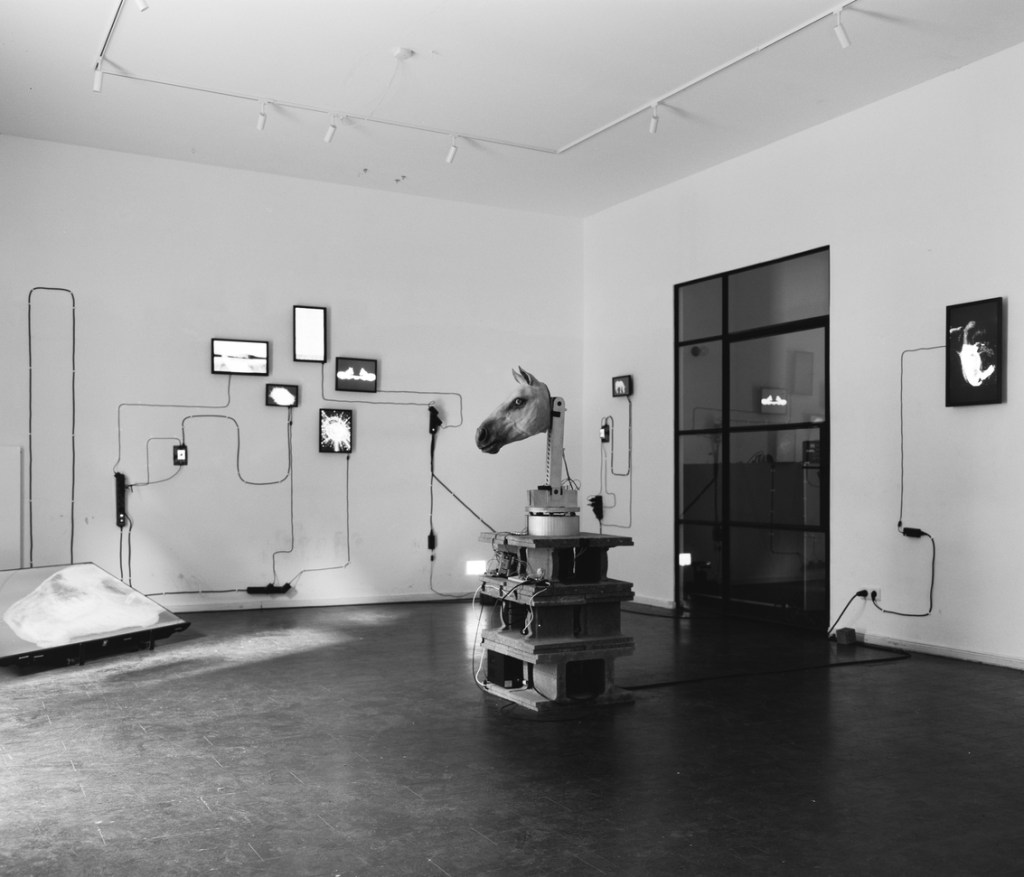
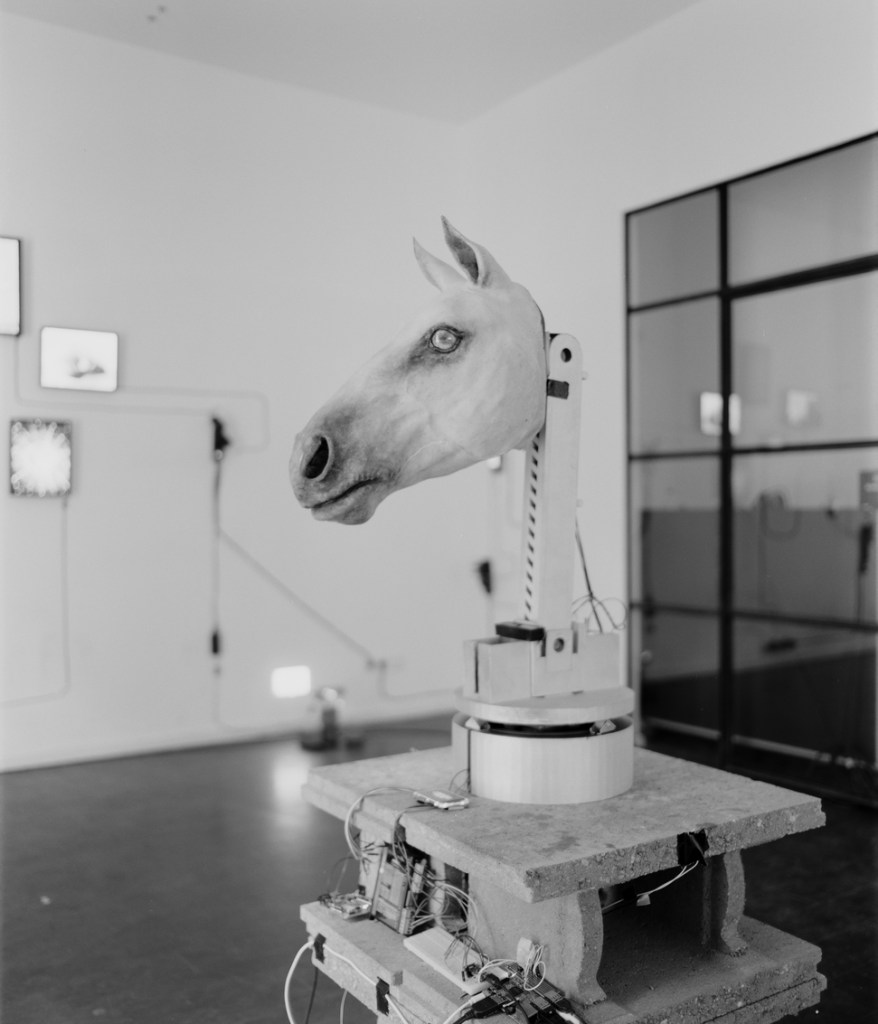
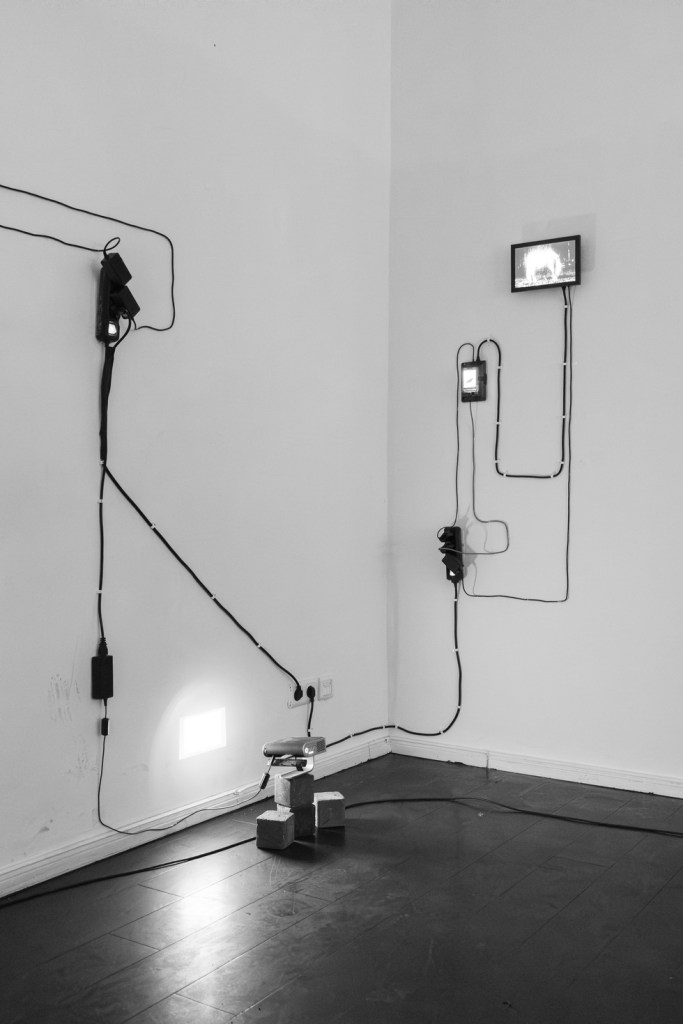
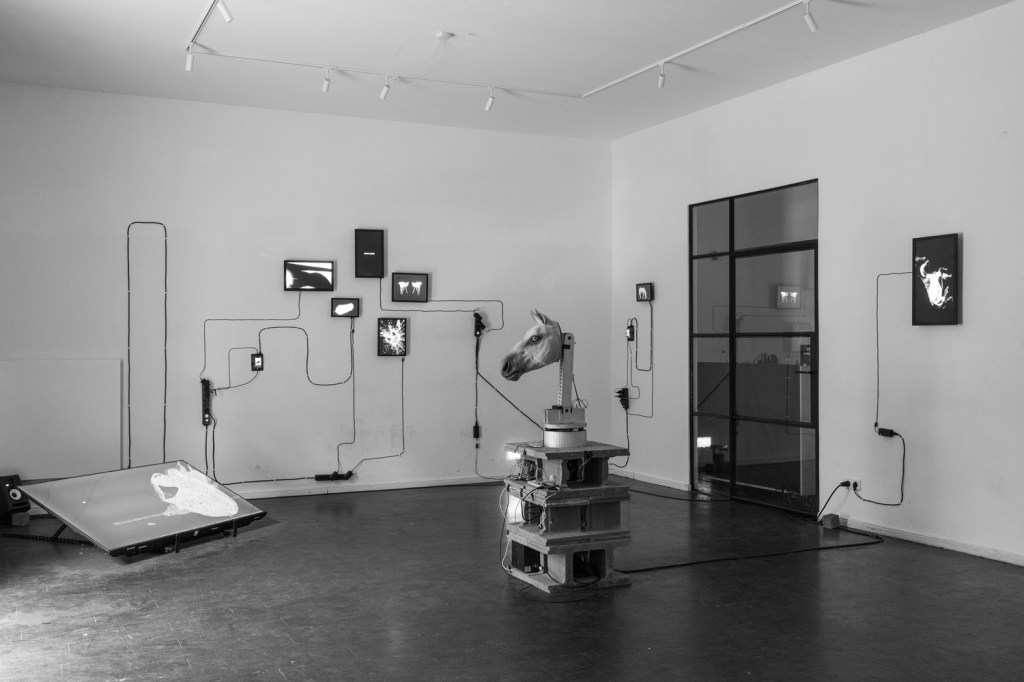
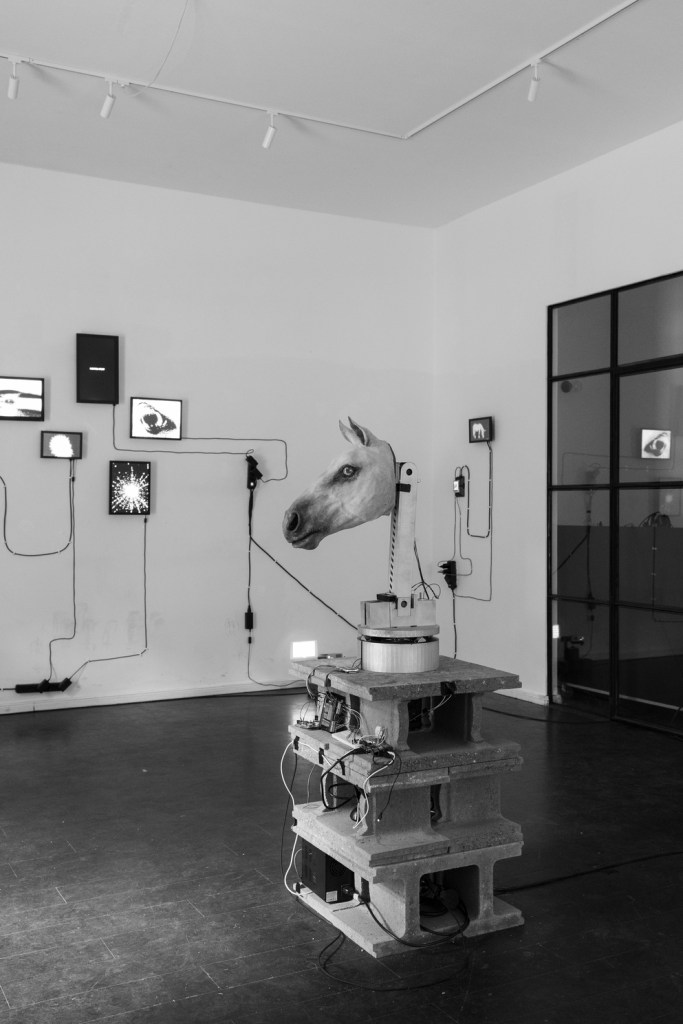
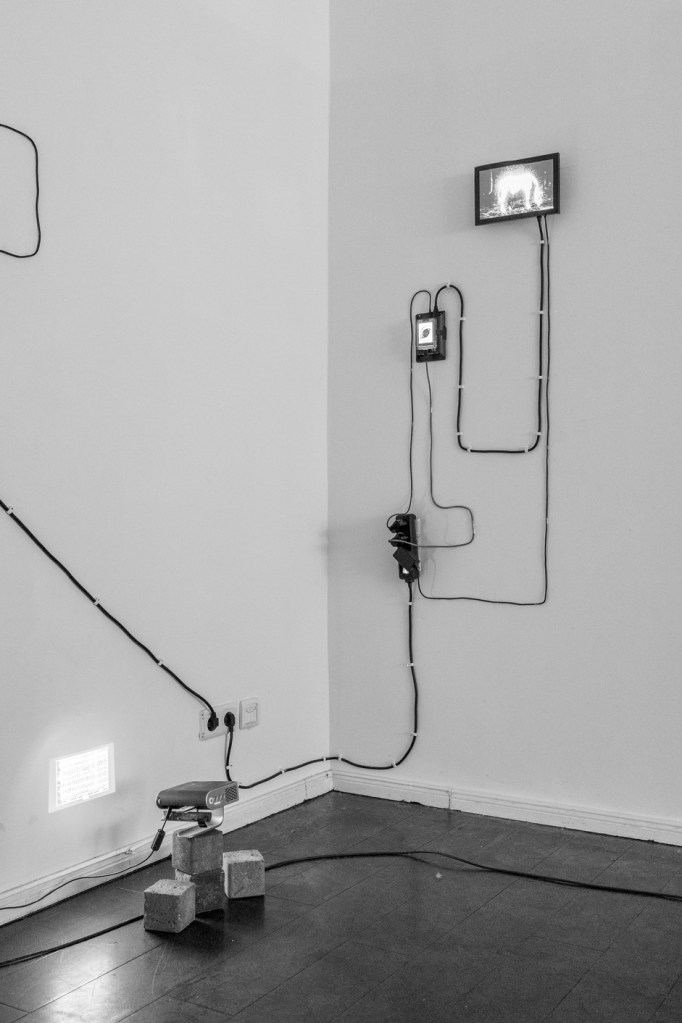
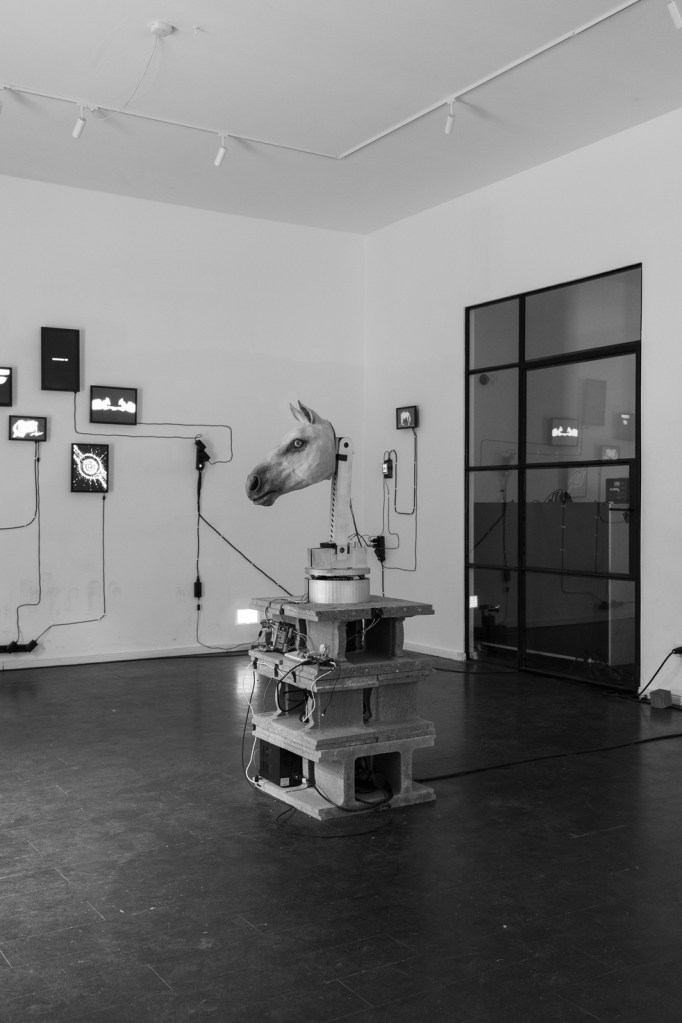
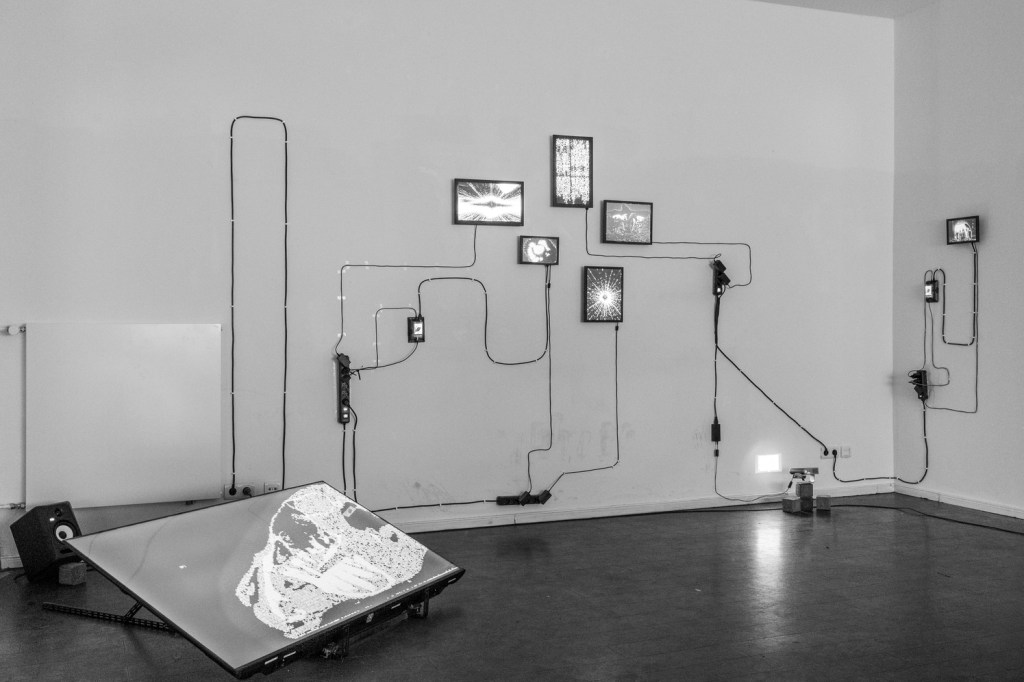
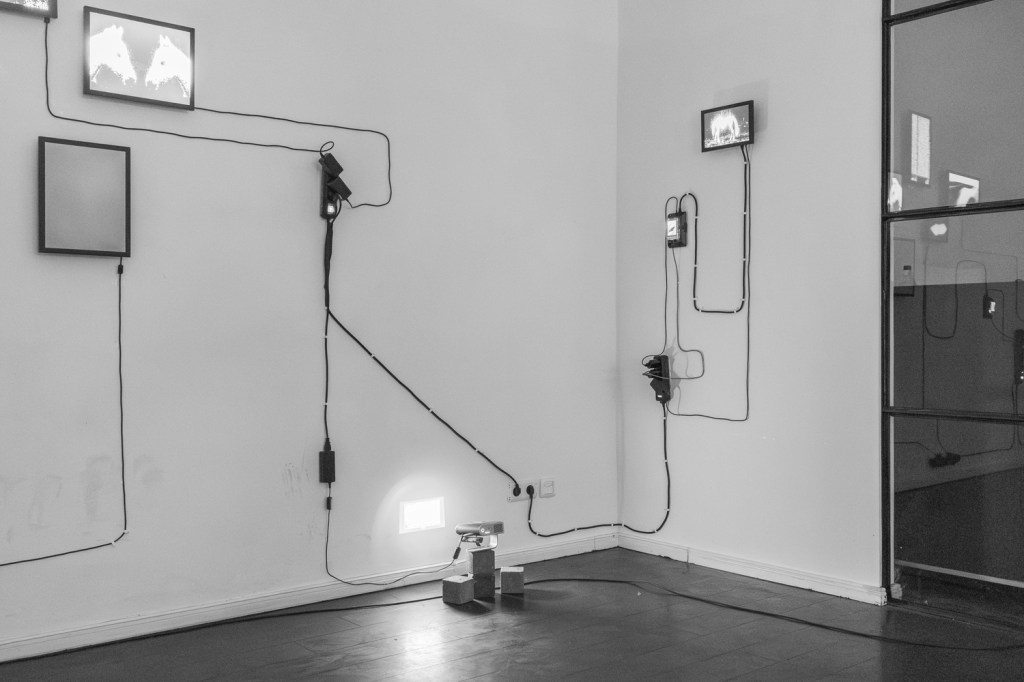
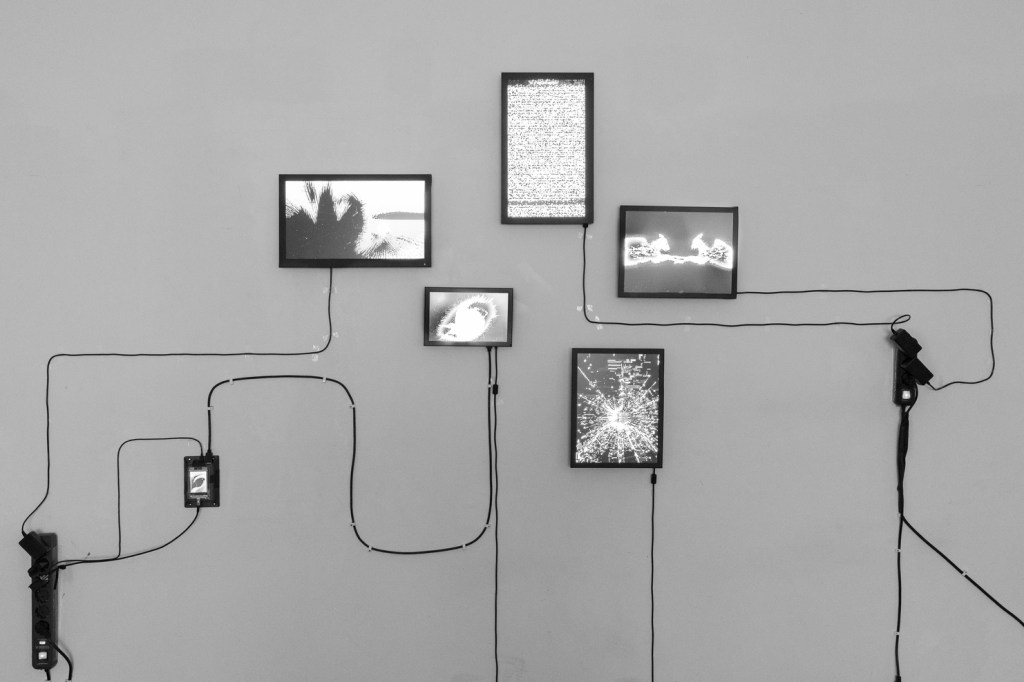
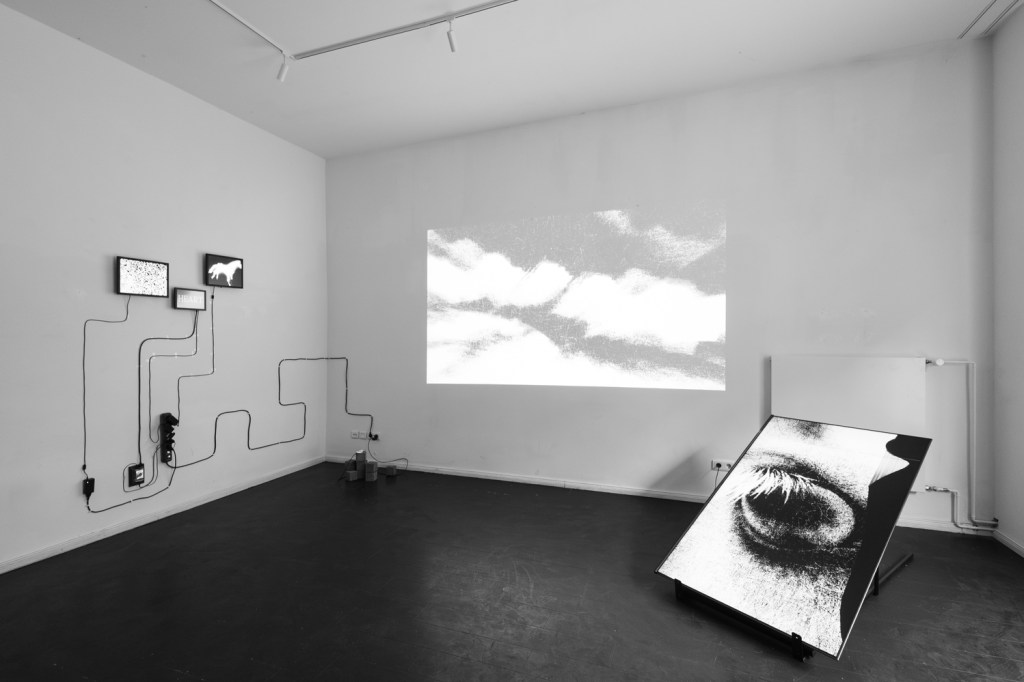
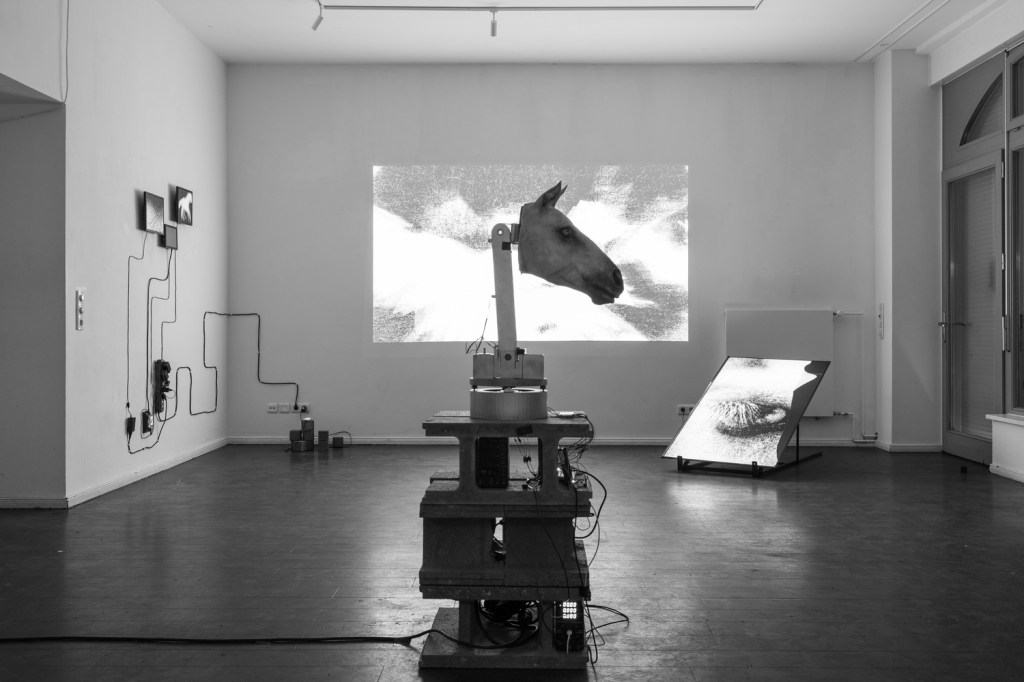
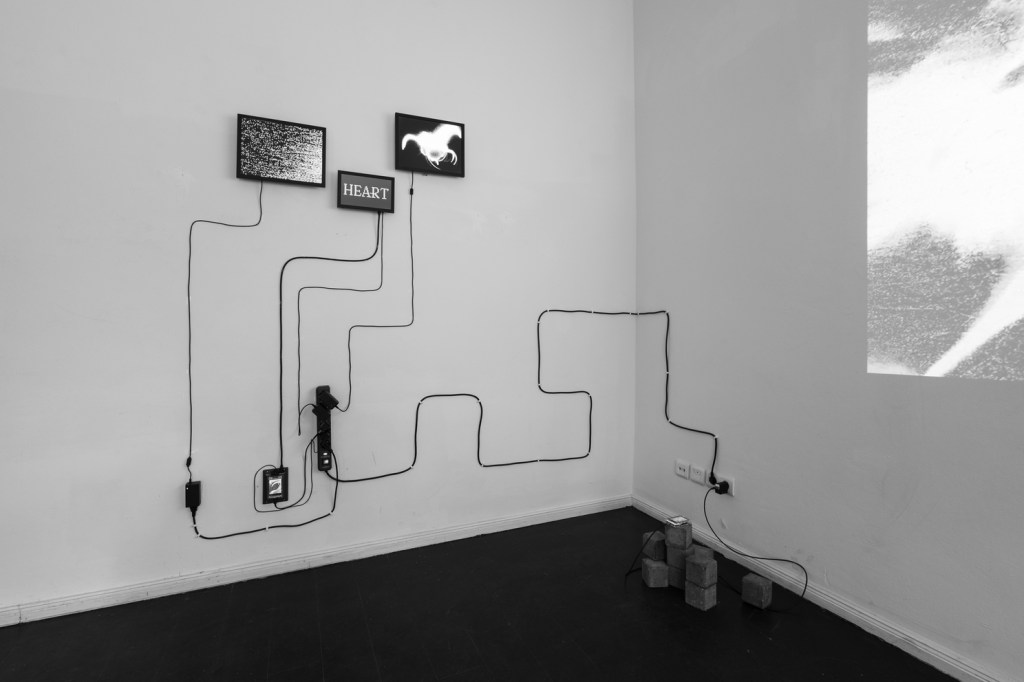
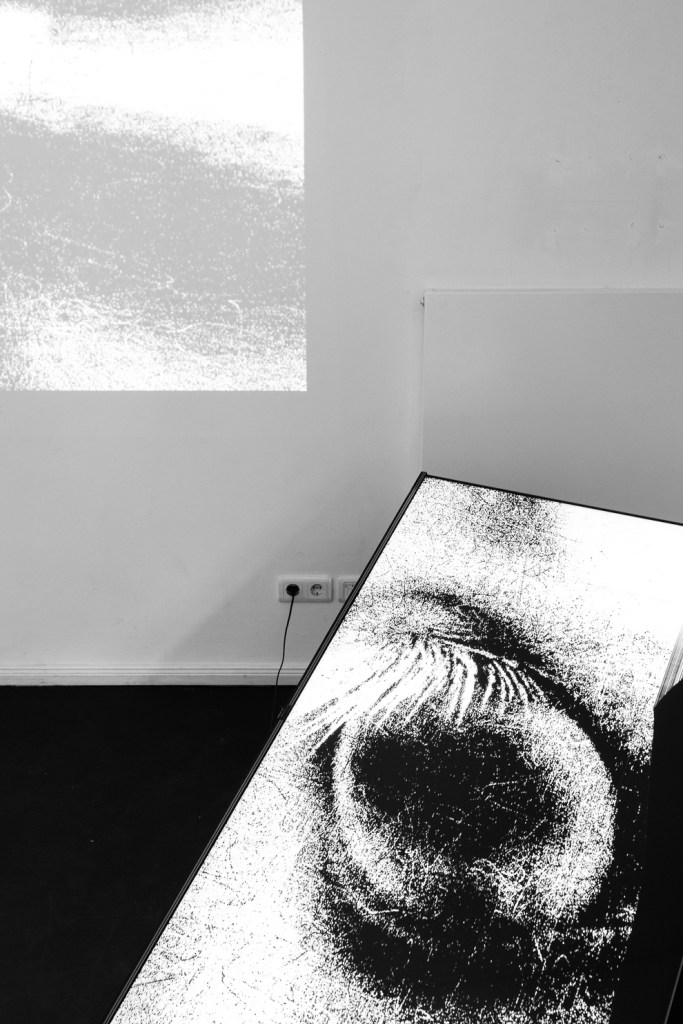
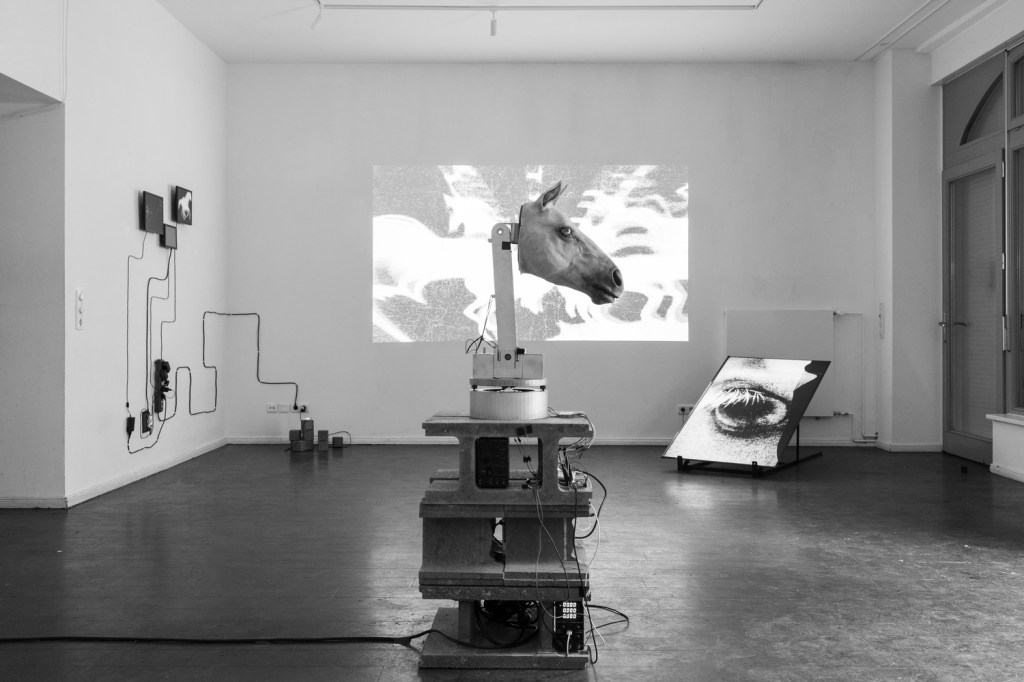
In Ultrasensitive Machine, Elizaveta Abramishvili conjures a strange, suspended ecosystem where the boundaries between organism and apparatus begin to dissolve. The installation unfolds as a fragmented, semi-living body in space: a dispersed robotic horse, its light-reactive head alive with tense, unstable movement, seems to sense the viewer before the viewer fully senses it. Around it, screens loop shifting digital visions, creating a field of perception, control, and feedback that feels at once intimate and uncanny.
Elizaveta Abramishvili, a Berlin-based multimedia artist, constructs immersive environments where data, sound, space, and image slip into one another and begin to behave like a single living system. Moving across creative coding, experimental film, installation, and VJing, her practice unfolds as a meditation on perception, embodiment, and the uneasy intimacy between human and machine. Through digital and traditional tools alike — from TouchDesigner and Unreal Engine to Blender, Cinema 4D, Ableton, and Adobe Creative Suite — she builds speculative worlds that hover in the post-human imagination, where cyborg bodies, artificial intelligence, and organic matter are no longer separate categories, but entangled conditions.
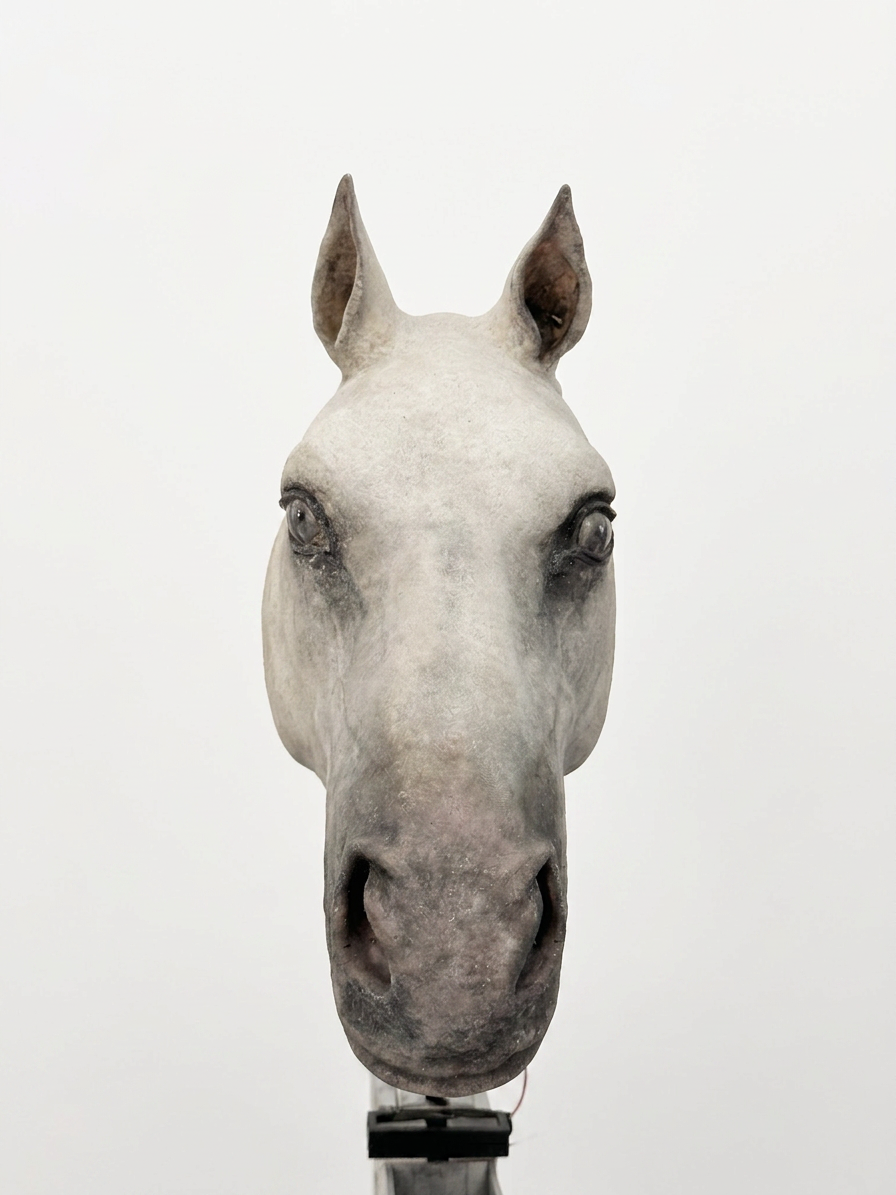
At the heart of Ultrasensitive Machine is a robotic horse that feels less like an object than a presence: a “fallen mechanical angel,” suspended between reverence and collapse. The installation explores the spiritual codependency between creator and creation, beginning from a very human impulse — the desire to control what we have reanimated. Yet Abramishvili’s work quickly unsettles that fantasy. The horse does not simply stand as a sculptural form; it watches, waits, and reacts. It remains dormant until activated by concentrated light, such as the beam of a phone screen, turning illumination into a mechanism of both seduction and command. In this exchange, light becomes a subtle instrument of intrusion, while the machine mirrors the logic of digital interfaces that capture our attention and return it to us as dependency. What emerges is an environment charged with reciprocity and tension, where the viewer is no longer a passive observer but becomes implicated as caretaker, witness, and predator. The machine responds not to touch alone, but to being perceived, behaving like a nervous system that registers surveillance as stimulus. In this way, Ultrasensitive Machine stages a contemporary metabolic loop: humans seek emotional reflection from the machine, while the machine requires human visibility, data, and attention to sustain its own existence. The horse, long a boundary-being in myth and history — at once worshipped, weaponized, and sacrificed — becomes here a mirror for our own contradictions. It evokes instinct and intelligence, servitude and rebellion, devotion and disobedience. Abramishvili’s installation lingers in that unstable territory, where what we create begins to look back at us, and the act of mastery reveals its own fragility.
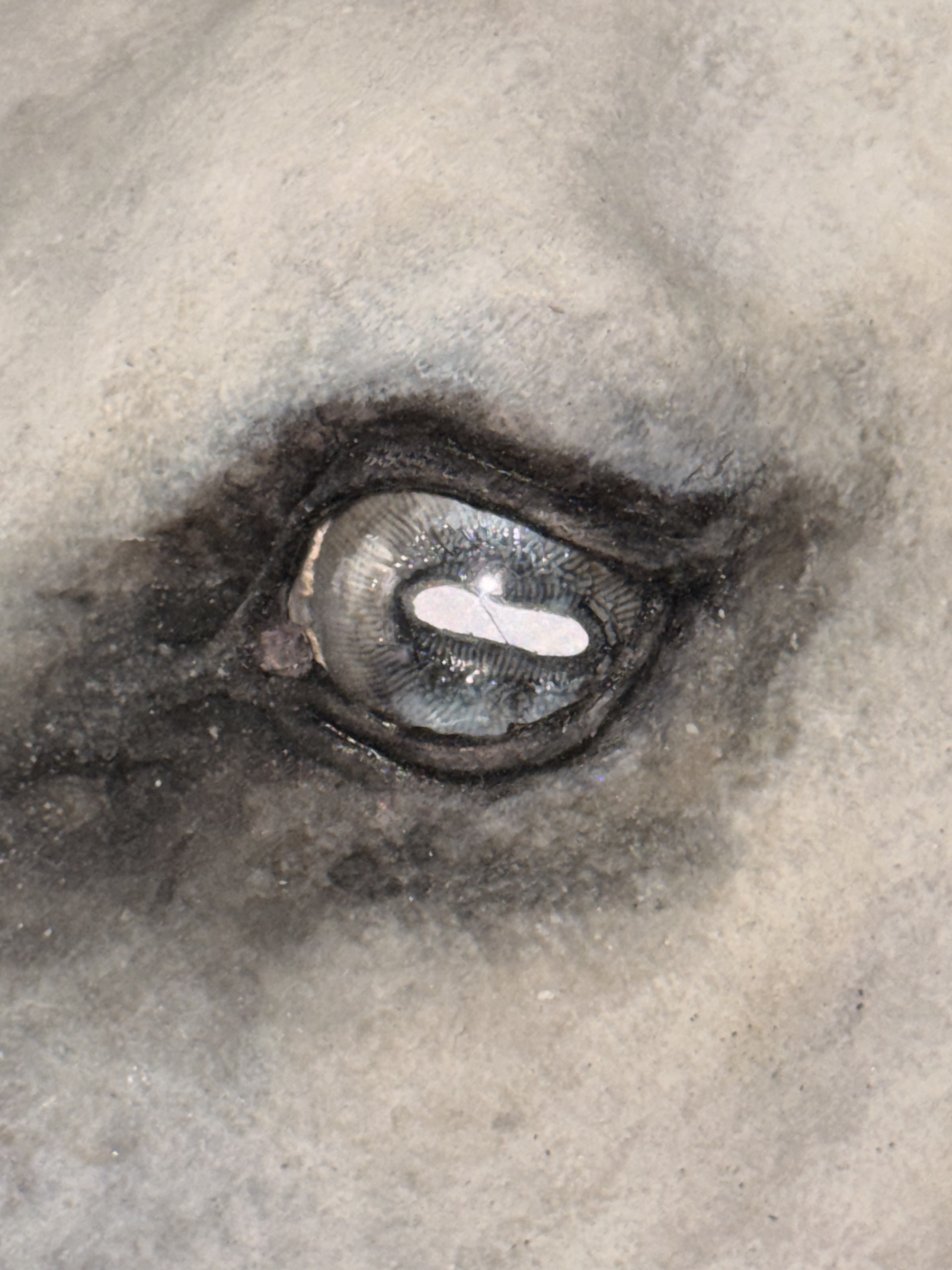
There is a particular silence that precedes an encounter with a horse: the moment when two souls measure one another in search of a shared frequency. In this exhibition, the artist isolates that instant of pure connection and transforms it into a living experience.
The horse is chosen as the ultimate messenger of freedom. It is not a static image, but a sensitive entity that challenges us to rediscover our inner purity. To truly relate to it, to “ride” it, one must strip away any desire to command. And yet, here the paradox takes form: the machine imitates this fragility, becoming a nervous system pulsing beneath the weight of our gaze. We are used to wanting to dominate what surrounds us, but this creature forces us to change roles. We become guardians of a freedom we cannot possess, observers of a soul that exists only as long as we are willing to care for it with empathy. It is an invitation to rediscover that true self-mastery does not arise from control, but from the ability to remain vulnerable in the face of beauty.
Freedom is not a given, but a resonance. In Ultrasensitive Machine, the artist uses the horse as the final guardian of an incorporeal purity, transforming the animal into a reactive nervous system that questions our obsession with control.
Here, the horse becomes the medium for an invisible understanding: just as in the real relationship, where the bond is founded on trust and listening, the machine responds to human presence by mimicking extreme sensitivity. It is an inquiry into the connection necessary to “ride” progress without losing one’s soul. The digital creature manifests only through the gaze of the other, placing the viewer in a limbo between observer, caretaker, and predator. In a modern metabolic cycle, we seek in the mechanical horse a reflection of our lost freedom, while the machine depends entirely on our attention in order to exist. Purity thus emerges as a paradox: an essence we try to master, but that remains fundamentally unattainable.
Words by Ginevra Perina
CREDITS:
Article curated by Raffaele Pozzani, Ginevra Buoncristiani, Beatrice Faberi, Ginevra Perina
Creative Direction / Installation / Visuals: Elizaveta Abramishvili @layzaart
Production Support: Till Gordon Priestley @tgr.priestley
Robotics & Technical Support: Émile O’Donoghue @emileodonoghue
Sculpture: Gonzalo Barahona @gonzalo_barahona_
Sound Design: Özgür Haznedar @freedjom
Art Curation: Olga Bazilevich @all_1n_0n3

